


5,99 €
Mehr erfahren.
- Herausgeber: Shuttle Systems Ltd
- Kategorie: Ratgeber
- Sprache: Englisch
"Navigating bullous pemphigoid takes courage and determination."
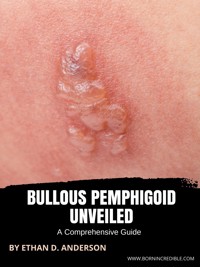
Discover the essential guide to understanding, managing, and living with bullous pemphigoid in "Bullous Pemphigoid Unveiled: A Comprehensive Guide." This informative and empowering resource provides a thorough exploration of the rare autoimmune skin condition, offering support and guidance to those affected and their loved ones.
In this book, you'll find a detailed breakdown of bullous pemphigoid, its causes, and its symptoms. Learn about the latest diagnostic tools and treatment options available to help manage the disease effectively. Gain insight into how to cope with the emotional and psychological aspects of living with a chronic skin condition and find strategies for maintaining a positive outlook.
"Bullous Pemphigoid Unveiled" covers essential topics, including:
Understanding bullous pemphigoid: causes, symptoms, and risk factors
The diagnostic process: tests and examinations
Treatment options: medications, therapies, and alternative approaches
Coping with the physical and emotional challenges of bullous pemphigoid
Tips for managing flare-ups and maintaining healthy skin • Support systems: finding the right healthcare team and connecting with others
The role of nutrition, exercise, and stress management in managing bullous pemphigoid
The impact on daily life: work, relationships, and self-care
Frequently asked questions and answers from experts
Personal stories and experiences of individuals living with bullous pemphigoid
Whether you are newly diagnosed, a long-time sufferer, or a caregiver supporting a loved one, "Bullous Pemphigoid Unveiled: A Comprehensive Guide" will equip you with the knowledge and tools necessary to navigate the challenges of this rare autoimmune skin condition. Empower yourself with this invaluable resource and take the first step towards a healthier, happier life.
Contents:
Understanding Bullous Pemphigoid
Definition and overview
Types of pemphigoid
Causes and risk factors
Symptoms and Diagnosis
Life expectancy
Recognizing bullous pemphigoid symptoms
Diagnostic tests and procedures
Differential diagnosis
The Immune System and Bullous Pemphigoid
Autoimmune response
Role of antibodies
Inflammation and skin damage
Treatment Options
Corticosteroids
Immunosuppressive medications
Topical treatments
Intravenous immunoglobulin (IVIG)
Plasmapheresis
Managing Side Effects of Treatment
Reducing the risk of infection
Coping with gastrointestinal issues
Minimizing bone loss
Addressing emotional well-being
Living with Bullous Pemphigoid
Daily skincare routine
Diet and nutrition
Exercise and physical activity
Stress management
Emotional Support and Coping Strategies
Dealing with the psychological impact
Building a support network
Communicating with healthcare professionals
Bullous Pemphigoid in Special Populations
Pediatric cases
Pregnancy and bullous pemphigoid
Elderly patients
The Future of Bullous Pemphigoid Research
Advances in diagnosis and treatment
Promising therapies
Clinical trials and ongoing research
Resources and Support
Organizations and foundations
Online communities
Educational materials and tools
Das E-Book können Sie in Legimi-Apps oder einer beliebigen App lesen, die das folgende Format unterstützen:
Veröffentlichungsjahr: 2023
Ähnliche


















Created by BornIncredible.com
All rights reserved.
Copyright © 2005 onwards .
By reading this book, you agree to the below Terms and Conditions.
BornIncredible.com retains all rights to these products.
No part of this book may be reproduced in any form, by photostat, microfilm, xerography, or any other means, or incorporated into any information retrieval system, electronic or mechanical, without the written permission of BornIncredible.com; exceptions are made for brief excerpts used in published reviews.
This publication is designed to provide accurate and authoritative information with regard to the subject matter covered. It is sold with the understanding that the publisher is not engaged in rendering legal, accounting, health, relationship or other professional / personal advice. If legal advice or other expert assistance is required, the services of a competent professional should be sought.
A New Zealand Made Product
Get A Free Book At: BornIncredible.com/free-book-offer/
Table of Contents
Understanding Bullous Pemphigoid
Definition and overview
Types of pemphigoid
Causes and risk factors
Symptoms and Diagnosis
Life expectancy
Recognizing bullous pemphigoid symptoms
Diagnostic tests and procedures
Differential diagnosis
The Immune System and Bullous Pemphigoid
Autoimmune response
Role of antibodies
Inflammation and skin damage
Treatment Options
Corticosteroids
Immunosuppressive medications
Topical treatments
Intravenous immunoglobulin (IVIG)
Plasmapheresis
Managing Side Effects of Treatment
Reducing the risk of infection
Coping with gastrointestinal issues
Minimizing bone loss
Addressing emotional well-being
Living with Bullous Pemphigoid
Daily skincare routine
Diet and nutrition
Exercise and physical activity
Stress management
Emotional Support and Coping Strategies
Dealing with the psychological impact
Building a support network
Communicating with healthcare professionals
Bullous Pemphigoid in Special Populations
Pediatric cases
Pregnancy and bullous pemphigoid
Elderly patients
The Future of Bullous Pemphigoid Research
Advances in diagnosis and treatment
Promising therapies
Clinical trials and ongoing research
Resources and Support
Organizations and foundations
Online communities
Educational materials and tools
Have Questions / Comments?
Get Another Book Free
Understanding Bullous Pemphigoid
Bullous pemphigoid is a rare autoimmune disorder that affects the skin and mucous membranes. It is characterized by the formation of large, fluid-filled blisters that can occur anywhere on the body. This condition is most common in older adults, and although it is not life-threatening, it can be quite uncomfortable and may require ongoing treatment.
To understand bullous pemphigoid, it's helpful to first understand the basics of the immune system. The immune system is responsible for protecting the body against foreign invaders such as viruses and bacteria. In people with bullous pemphigoid, the immune system mistakenly attacks healthy cells in the skin and mucous membranes. Specifically, it targets a protein called BP180 that is found in the skin's basement membrane.
The exact cause of bullous pemphigoid is not fully understood, but it is believed to be a combination of genetic and environmental factors. Certain medications, infections, and other autoimmune disorders may also trigger the condition.
Symptoms of bullous pemphigoid can vary from person to person, but the hallmark sign is the appearance of large, fluid-filled blisters. These blisters are often accompanied by redness, itching, and other signs of inflammation. In some cases, the blisters may break open and form open sores, which can increase the risk of infection.
Diagnosing bullous pemphigoid typically involves a combination of physical exam, biopsy, and blood tests. A skin biopsy involves removing a small sample of skin tissue for examination under a microscope. Blood tests can detect the presence of antibodies that target BP180, which can confirm the diagnosis.
Treatment for bullous pemphigoid typically involves a combination of medications and other supportive measures. The goal of treatment is to reduce inflammation and prevent further blistering. Topical and oral corticosteroids are commonly used to reduce inflammation and speed up the healing process. Other medications that may be used include immunosuppressants, antibiotics, and antihistamines.
In addition to medications, there are several other steps that people with bullous pemphigoid can take to manage their symptoms. These include keeping the skin clean and dry, avoiding irritating clothing and fabrics, and avoiding activities that can cause excessive sweating or friction on the skin. It's also important to protect the skin from sun exposure, as this can trigger flare-ups.
While bullous pemphigoid is a chronic condition that can be challenging to manage, there are several promising new treatments on the horizon. Researchers are currently exploring the use of biologic medications that target specific immune system molecules involved in the development of the condition. These medications may offer a more targeted and effective approach to treatment, with fewer side effects than traditional medications.
In addition to medical treatment, many people with bullous pemphigoid find it helpful to connect with others who have the condition. Support groups and online forums can provide a sense of community and offer practical advice for managing symptoms and coping with the emotional impact of the condition.
Definition and overview
Bullous pemphigoid is a rare autoimmune disorder that affects the skin and mucous membranes. It is characterized by the formation of large, fluid-filled blisters that can occur anywhere on the body. This condition is most common in older adults, and although it is not life-threatening, it can be quite uncomfortable and may require ongoing treatment.
To understand bullous pemphigoid, it's helpful to first understand the basics of the immune system. The immune system is responsible for protecting the body against foreign invaders such as viruses and bacteria. In people with bullous pemphigoid, the immune system mistakenly attacks healthy cells in the skin and mucous membranes. Specifically, it targets a protein called BP180 that is found in the skin's basement membrane.
The exact cause of bullous pemphigoid is not fully understood, but it is believed to be a combination of genetic and environmental factors. Certain medications, infections, and other autoimmune disorders may also trigger the condition.
Symptoms of bullous pemphigoid can vary from person to person, but the hallmark sign is the appearance of large, fluid-filled blisters. These blisters are often accompanied by redness, itching, and other signs of inflammation. In some cases, the blisters may break open and form open sores, which can increase the risk of infection.
Diagnosing bullous pemphigoid typically involves a combination of physical exam, biopsy, and blood tests. A skin biopsy involves removing a small sample of skin tissue for examination under a microscope. Blood tests can detect the presence of antibodies that target BP180, which can confirm the diagnosis.
Treatment for bullous pemphigoid typically involves a combination of medications and other supportive measures. The goal of treatment is to reduce inflammation and prevent further blistering. Topical and oral corticosteroids are commonly used to reduce inflammation and speed up the healing process. Other medications that may be used include immunosuppressants, antibiotics, and antihistamines.
In addition to medications, there are several other steps that people with bullous pemphigoid can take to manage their symptoms. These include keeping the skin clean and dry, avoiding irritating clothing and fabrics, and avoiding activities that can cause excessive sweating or friction on the skin. It's also important to protect the skin from sun exposure, as this can trigger flare-ups.
While bullous pemphigoid is a chronic condition that can be challenging to manage, there are several promising new treatments on the horizon. Researchers are currently exploring the use of biologic medications that target specific immune system molecules involved in the development of the condition. These medications may offer a more targeted and effective approach to treatment, with fewer side effects than traditional medications.
In addition to medical treatment, many people with bullous pemphigoid find it helpful to connect with others who have the condition. Support groups and online forums can provide a sense of community and offer practical advice for managing symptoms and coping with the emotional impact of the condition.
Types of pemphigoid
Pemphigoid is a group of autoimmune disorders that affect the skin and mucous membranes. These conditions are characterized by the formation of fluid-filled blisters that can occur anywhere on the body. There are several types of pemphigoid, each with its own unique set of symptoms and treatment options. In this article, we will focus on bullous pemphigoid, the most common type of pemphigoid.
Bullous pemphigoid is a chronic autoimmune disorder that primarily affects older adults. It occurs when the immune system attacks the skin's basement membrane, resulting in the formation of large, fluid-filled blisters. The blisters are typically itchy and can be quite painful, and they may be accompanied by other signs of inflammation, such as redness and swelling.
There are several subtypes of bullous pemphigoid, each with its own unique characteristics. These include:
1. Classic bullous pemphigoid: This is the most common subtype of bullous pemphigoid. It typically affects older adults and is characterized by the formation of large, tense blisters on the skin and mucous membranes.
2. Childhood bullous pemphigoid: This subtype of bullous pemphigoid primarily affects children and adolescents. It is characterized by the formation of blisters on the trunk and extremities, as well as the mucous membranes of the mouth and eyes.
3. Gestational pemphigoid: This subtype of bullous pemphigoid occurs during pregnancy and typically resolves after delivery. It is characterized by the formation of blisters on the skin and mucous membranes, as well as the development of itchy, red patches on the skin.
4. Cicatricial pemphigoid: This subtype of bullous pemphigoid primarily affects the mucous membranes of the eyes, nose, and mouth. It is characterized by the formation of blisters and scarring that can lead to vision loss or other complications.
Diagnosing bullous pemphigoid typically involves a combination of physical exam, biopsy, and blood tests. A skin biopsy involves removing a small sample of skin tissue for examination under a microscope. Blood tests can detect the presence of antibodies that target the skin's basement membrane, which can confirm the diagnosis.
Treatment for bullous pemphigoid typically involves a combination of medications and other supportive measures. The goal of treatment is to reduce inflammation and prevent further blistering. Topical and oral corticosteroids are commonly used to reduce inflammation and speed up the healing process. Other medications that may be used include immunosuppressants, antibiotics, and antihistamines.
In addition to medications, there are several other steps that people with bullous pemphigoid can take to manage their symptoms. These include keeping the skin clean and dry, avoiding irritating clothing and fabrics, and avoiding activities that can cause excessive sweating or friction on the skin. It's also important to protect the skin from sun exposure, as this can trigger flare-ups.
While bullous pemphigoid is a chronic condition that can be challenging to manage, there are several promising new treatments on the horizon. Researchers are currently exploring the use of biologic medications that target specific immune system molecules involved in the development of the condition. These medications may offer a more targeted and effective approach to treatment, with fewer side effects than traditional medications.
In addition to medical treatment, many people with bullous pemphigoid find it helpful to connect with others who have the condition. Support groups and online forums can provide a sense of community and offer practical advice for managing symptoms and coping with the emotional impact of the condition.




