


5,99 €
Mehr erfahren.
- Herausgeber: Shuttle Systems Ltd
- Kategorie: Ratgeber
- Sprache: Englisch
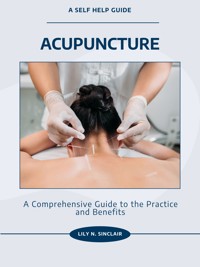
Healing with Needles: An Introductory Guide to Acupuncture is the perfect resource for anyone interested in exploring the world of acupuncture. With a comprehensive overview of the history, philosophy, and techniques of acupuncture, this book offers a comprehensive guide to the practice and its benefits.
Part One: The History and Philosophy of Acupuncture
In this section, readers will learn about the ancient roots and cultural significance of acupuncture, as well as how the practice has developed over time. With a deep understanding of the philosophy behind acupuncture, readers will gain a greater appreciation for the power of this ancient healing art.
Part Two: Understanding Qi and Meridians
Central to the practice of acupuncture is the concept of Qi and the meridian system. This section provides a comprehensive overview of these essential elements of Traditional Chinese Medicine (TCM).
Part Three: Acupuncture Techniques and Tools
This section covers the different types of acupuncture needles, as well as complementary techniques such as moxibustion and cupping. Readers will gain a greater understanding of the tools and techniques used in acupuncture practice.
Part Four: The Science Behind Acupuncture
With current research and understanding of acupuncture's effectiveness, readers will be able to separate fact from fiction and debunk common acupuncture myths. [...]
Das E-Book können Sie in Legimi-Apps oder einer beliebigen App lesen, die das folgende Format unterstützen:
Veröffentlichungsjahr: 2023
Ähnliche














Created by Xspurts.com
All rights reserved.
Copyright © 2005 onwards .
By reading this book, you agree to the below Terms and Conditions.
Xspurts.com retains all rights to these products.
No part of this book may be reproduced in any form, by photostat, microfilm, xerography, or any other means, or incorporated into any information retrieval system, electronic or mechanical, without the written permission of Xspurts.com; exceptions are made for brief excerpts used in published reviews.
This publication is designed to provide accurate and authoritative information with regard to the subject matter covered. It is sold with the understanding that the publisher is not engaged in rendering legal, accounting, health, relationship or other professional / personal advice. If legal advice or other expert assistance is required, the services of a competent professional should be sought.
A New Zealand Made Product
Get A Free Book At: xspurts.com/posts/free-book-offer
––––––––
Table of Contents
The History and Philosophy of Acupuncture
Ancient roots and cultural significance
The development of acupuncture over time
Understanding Qi and Meridians
The concept of Qi in Traditional Chinese Medicine (TCM)
The meridian system and its role in acupuncture
Acupuncture Techniques and Tools
Different types of acupuncture needles
Moxibustion, cupping, and other complementary techniques
The Science Behind Acupuncture
Current research and understanding of acupuncture's effectiveness
Debunking common acupuncture myths
Acupuncture for Pain Relief
Treating headaches and migraines
Managing chronic pain conditions
Acupuncture for Emotional and Mental Health
Reducing stress and anxiety
Treating depression and mood disorders
Acupuncture for Digestive Issues
Addressing gastrointestinal disorders
Promoting healthy digestion
Acupuncture for Respiratory Health
Treating asthma and allergies
Supporting lung health
Acupuncture for Women's Health
Addressing fertility and menstrual issues
Easing menopause symptoms
Acupuncture for Men's Health
Supporting prostate health
Enhancing sexual health and performance
Acupuncture for Sleep and Insomnia
Understanding the connection between sleep and TCM
Techniques for improving sleep quality
Acupuncture for Immune System Support
Strengthening immunity and overall wellness
Managing autoimmune conditions
Acupuncture for Weight Management
Understanding the role of TCM in weight control
Techniques for promoting healthy weight loss
Acupuncture for Skin Health
Treating common skin issues
Promoting healthy, radiant skin
Acupuncture for Addiction and Recovery
Supporting detoxification and withdrawal
Addressing cravings and relapse prevention
Acupuncture for Athletes and Sports Performance
Enhancing athletic performance
Accelerating injury recovery
Acupuncture for Aging and Longevity
Promoting healthy aging
Addressing age-related health concerns
Choosing the Right Acupuncturist
What to look for in an acupuncture practitioner
Tips for finding the right fit
Preparing for Your Acupuncture Session
What to expect during your first appointment
Tips for maximizing treatment benefits
The Future of Acupuncture and Integrative Medicine
The growing role of acupuncture in healthcare
The future of research and innovation in the field
Frequently Asked Questions About Acupuncture
Common misconceptions and concerns
Answers from experienced practitioners
Personal Stories: Acupuncture Success Stories
Real-life experiences of acupuncture patients
The transformative power of acupuncture treatment
The User's Perspective: Harnessing the Power of Acupuncture for Personal Transformation
Unlocking Personal Transformation: The Profound Effects of Acupuncture
Revolutionizing Acupuncture Education and Accessibility
Acupuncture for Children and Adolescents
Adapting acupuncture treatments for younger patients
Addressing common childhood health issues
Acupuncture for Pregnancy and Postpartum Care
Supporting a healthy pregnancy
Easing postpartum recovery
Acupuncture for Chronic Fatigue and Energy Boost
Understanding the TCM perspective on energy and fatigue
Techniques for revitalizing energy levels
Acupuncture for Eye Health
Addressing common eye conditions
Supporting vision and overall eye health
Acupuncture for Dental and Oral Health
Treating TMJ, tooth pain, and other oral health issues
Promoting overall dental well-being
Acupuncture for Animal Health
Understanding veterinary acupuncture
The benefits of acupuncture for pets
Acupuncture and Cancer Care
Supporting patients through cancer treatment
Addressing side effects and improving quality of life
Acupuncture for Stroke Rehabilitation
Enhancing recovery from stroke and brain injuries
Supporting long-term neurological health
Acupuncture for Hormonal Balance
Understanding the TCM perspective on hormonal health
Techniques for restoring hormonal balance
Combining Acupuncture with Western Medicine
The benefits of an integrative approach to healthcare
Collaborating with other healthcare providers
Acupuncture and the Environment
The ecological impact of acupuncture practices
Sustainable practices in TCM
Acupressure and Self-Care Techniques
Understanding the principles of acupressure
Simple self-care techniques to complement acupuncture treatments
Acupuncture Safety and Potential Side Effects
Recognizing and minimizing risks
What to do if you experience side effects
Building a Personalized Acupuncture Treatment Plan
Assessing your individual health needs
Developing a customized treatment strategy
Continuing Your Acupuncture Journey
Maintaining long-term health benefits
Expanding your knowledge and exploring new treatments
Frequently Asked Questions.
Have Questions / Comments?
Get Another Book Free
The History and Philosophy of Acupuncture
Acupuncture is a therapeutic practice with a rich history and deep-rooted philosophy. Originating in ancient China, this holistic healing modality has evolved over thousands of years and is now widely practiced around the world. Below we will delve into the captivating history and philosophy of acupuncture, exploring its origins, principles, and the cultural context in which it emerged.
Ancient Origins
Acupuncture has a long and fascinating history that can be traced back over 2,500 years. The earliest evidence of acupuncture dates back to the Shang Dynasty (1600-1100 BCE) in China, where stone needles were discovered at archaeological sites. These findings suggest that acupuncture was already practiced during that time, although the techniques and theories were likely less developed than they are today.
The Development of Acupuncture
The development of acupuncture as a comprehensive medical system can be attributed to the ancient text known as the Huangdi Neijing, or the Yellow Emperor's Inner Canon. Compiled during the Han Dynasty (206 BCE-220 CE), this influential treatise laid the foundation for traditional Chinese medicine (TCM) and established acupuncture as a key therapeutic modality. The text introduced the concept of Qi (pronounced "chee"), the vital energy that flows through the body, and emphasized the balance and harmony necessary for maintaining health.
Principles of Acupuncture
At the core of acupuncture philosophy are the principles of Yin and Yang, two opposing but interconnected forces that exist in all aspects of life. Yin represents qualities such as darkness, coolness, and stillness, while Yang represents light, warmth, and movement. In a healthy state, Yin and Yang are in balance. Acupuncture aims to restore this balance by influencing the flow of Qi through a network of pathways known as meridians.
Meridians and Acupuncture Points
According to acupuncture theory, there are 12 main meridians and 8 extraordinary meridians that form a complex network throughout the body. These meridians are believed to connect various organs and tissues, and the flow of Qi through them is essential for maintaining health. Along these meridians are specific acupuncture points where needles are inserted to regulate the flow of Qi and restore balance to the body.
Cultural Context and Traditional Chinese Medicine
Understanding the history and philosophy of acupuncture requires appreciating its cultural context within traditional Chinese medicine. Traditional Chinese medicine is a holistic approach to healthcare that views the body as a microcosm of the universe and emphasizes the interconnectedness of all things. It encompasses various modalities, including acupuncture, herbal medicine, massage, dietary therapy, and exercise practices like Tai Chi and Qi Gong.
Spread and Modernization
Acupuncture began to spread beyond China's borders in the 17th century when Jesuit missionaries introduced it to Europe. However, it was not until the 20th century that acupuncture gained widespread attention in the Western world. Mao Zedong's endorsement of acupuncture during the Cultural Revolution in China further contributed to its popularity. In recent decades, acupuncture has undergone modernization and integration with Western medicine, with scientific research supporting its effectiveness for various conditions.
Contemporary Practice
In contemporary practice, acupuncture is performed by licensed practitioners who have undergone extensive training. The needles used are typically stainless steel, sterile, and disposable. The treatment process begins with a comprehensive assessment of the patient's medical history, symptoms, and overall health. Based on this assessment, the acupuncturist designs a personalized treatment plan, selecting specific acupuncture points to address the individual's unique needs.
Ancient roots and cultural significance
Acupuncture, a traditional healing practice that originated in ancient China, has deep-rooted historical and cultural significance. With a history spanning over two millennia, acupuncture has evolved into a widely recognized and respected form of therapy around the world. Below we will explore the ancient roots of acupuncture, its cultural significance, and how it continues to influence modern healthcare practices.
The Ancient Roots of Acupuncture
Acupuncture's origins can be traced back to ancient China, where it emerged as part of a comprehensive medical system known as traditional Chinese medicine (TCM). The practice of acupuncture is believed to have started more than 2,500 years ago during the Shang Dynasty. Early evidence of acupuncture includes the discovery of stone needles at archaeological sites, indicating its early use in medical treatments.
Theoretical Foundations of Acupuncture
Acupuncture is based on a complex system of theories and principles that form the foundation of traditional Chinese medicine. One of the key concepts is the belief in the flow of vital energy called Qi (pronounced "chee") throughout the body. According to TCM, Qi travels through meridians or pathways, and disruptions in its flow can lead to imbalances and illness. Acupuncture aims to restore the flow of Qi and rebalance the body's energy.
Yin and Yang Philosophy
Central to acupuncture's philosophy is the concept of Yin and Yang. Yin and Yang are opposing yet complementary forces present in all aspects of life, including the human body. Yin represents qualities such as darkness, coolness, and rest, while Yang represents light, warmth, and activity. Health is believed to be achieved when Yin and Yang are in balance. Acupuncture treatments aim to restore this balance by regulating the flow of Qi.
Cultural Significance of Acupuncture
Acupuncture holds significant cultural importance in Chinese society and is deeply embedded in its history and traditions. It is considered an integral part of traditional Chinese medicine and is widely used in both preventive and therapeutic healthcare. Acupuncture has influenced various aspects of Chinese culture, including art, literature, and philosophy. Its presence in Chinese culture reflects the belief in a holistic approach to health and well-being.
Integration with Other Traditional Practices
Acupuncture is often practiced alongside other traditional healing modalities within TCM. These include herbal medicine, dietary therapy, Qi Gong (a system of breathing exercises and movements), and Tai Chi (a martial art form). The integration of these practices emphasizes a holistic approach to health, addressing not only physical symptoms but also the emotional and spiritual aspects of well-being.
Global Spread and Adoption
In recent decades, acupuncture has gained recognition and popularity beyond its cultural origins. The spread of acupuncture to other parts of the world can be attributed to various factors, including increased cultural exchange, globalization, and the growing interest in alternative and complementary therapies. Acupuncture has been embraced by healthcare professionals and patients worldwide, leading to its integration into mainstream medical practices in many countries.
Modern Scientific Understanding
While acupuncture has ancient roots, its continued relevance is supported by modern scientific research. Studies have shown that acupuncture can stimulate the release of endorphins, neurotransmitters, and other beneficial substances in the body. It has been found effective in managing pain, reducing stress and anxiety, promoting relaxation, and supporting overall well-being. The scientific community continues to explore the mechanisms of acupuncture and its potential applications in various medical conditions.
Influence on Modern Healthcare
Acupuncture's cultural significance and therapeutic benefits have had a profound impact on modern healthcare practices. Many healthcare systems now offer acupuncture as a complementary therapy alongside conventional medical treatments. It is often used to support pain management, alleviate side effects of medical interventions, and enhance overall wellness.
The development of acupuncture over time
Acupuncture, an ancient therapeutic practice originating from China, has undergone significant development and evolution over time. With a rich history spanning thousands of years, acupuncture has evolved from its early roots to become a recognized and respected form of alternative medicine globally. Below we will explore the development of acupuncture over time, tracing its origins, key milestones, and its integration into modern healthcare.
Ancient Origins and Early Development
The origins of acupuncture can be traced back to ancient China, where it emerged as part of the broader system of traditional Chinese medicine (TCM). The practice of acupuncture is believed to have started around 2,500 years ago during the Shang Dynasty. It was during this time that the theoretical foundations and techniques of acupuncture began to take shape.
Ancient Texts and Classic Literature
The development of acupuncture was greatly influenced by the ancient texts and classic literature of Chinese medicine. One of the most influential texts is the Huangdi Neijing (Yellow Emperor's Inner Canon), which is a comprehensive medical treatise that includes the theoretical principles, diagnostic methods, and treatment techniques of acupuncture. This text, along with other classics, laid the groundwork for the development and refinement of acupuncture practices.
Growth and Expansion
Acupuncture continued to grow and expand throughout ancient China. As knowledge and understanding of the practice deepened, acupuncture techniques were refined, and the number of acupuncture points identified increased. Acupuncture was not only used for therapeutic purposes but also for preventive care and maintaining overall well-being. Acupuncture became an integral part of the Chinese healthcare system.
Influence of Buddhism
The spread of Buddhism in China during the early centuries CE played a significant role in the development of acupuncture. Buddhist monks who traveled from India brought with them knowledge of Ayurvedic medicine, which influenced the practice of acupuncture in China. This exchange of knowledge led to the integration of Ayurvedic principles into traditional Chinese medicine and the further development of acupuncture techniques.
Standardization and Systemization
During the Ming Dynasty (1368-1644), acupuncture underwent a process of standardization and systemization. The systematic classification of acupuncture points, along with the development of standardized treatment protocols, helped ensure consistency and effectiveness in acupuncture practice. This period marked an important milestone in the development of acupuncture as a distinct medical discipline.
Integration with Western Medicine
In the 20th century, acupuncture began to gain recognition outside of traditional Chinese medicine. The integration of acupuncture with Western medicine started to take place as practitioners and researchers from Western countries became interested in studying and incorporating acupuncture into their healthcare systems. This integration led to the development of a more evidence-based approach to acupuncture and its acceptance within mainstream medical practices.
Scientific Research and Validation
With the increasing interest in acupuncture, scientific research played a crucial role in validating its effectiveness and understanding its mechanisms of action. In the past few decades, numerous studies have been conducted to investigate the therapeutic benefits of acupuncture. Research has demonstrated acupuncture's efficacy in pain management, stress reduction, nausea relief, and various other conditions. This scientific validation has further propelled the development and acceptance of acupuncture in modern healthcare.
Modern Applications and Specializations
Today, acupuncture is practiced in various settings and has found its place within modern healthcare systems. It is used alongside conventional medicine to complement treatment strategies and improve patient outcomes. Acupuncture has also branched out into specialized fields, such as sports acupuncture, pediatric acupuncture, fertility acupuncture, and cosmetic acupuncture. These specialized applications cater to specific patient needs and reflect the continued development and diversification of acupuncture practices.
Understanding Qi and Meridians
Acupuncture, an ancient Chinese healing practice, is based on the concept of Qi and meridians. Qi (pronounced "chee") refers to the vital energy that flows through the body, while meridians are the pathways through which Qi circulates. Below we will explore the fascinating concepts of Qi and meridians and their significance in acupuncture. Understanding these foundational principles is essential to grasp the underlying philosophy and practice of acupuncture.
The Concept of Qi
In traditional Chinese medicine, Qi is considered the fundamental energy that sustains life. It is believed to flow through the body, animating and nourishing all tissues and organs. Qi is not a tangible substance but rather a vital force that exists in a state of constant flux. It is influenced by both internal and external factors and can be balanced or disrupted.
Qi and Health
According to traditional Chinese medicine, good health is maintained when Qi flows freely and smoothly throughout the body. When Qi becomes imbalanced or blocked, it can lead to various physical or emotional symptoms and diseases. The goal of acupuncture is to restore the balance and harmonious flow of Qi, thereby promoting health and well-being.
Meridians: The Pathways of Qi
Meridians are the channels or pathways through which Qi circulates in the body. They form a complex network connecting all parts of the body, including organs, tissues, and cells. Traditional Chinese medicine recognizes twelve primary meridians, each associated with specific organs and functions. Additionally, there are eight extraordinary meridians that have more general roles in regulating Qi.
Meridian Points
Along the meridians, there are specific points known as acupuncture points or acupoints. These points are where the Qi can be accessed and influenced. Acupuncturists use thin needles or other techniques to stimulate these points, regulating the flow of Qi and promoting healing. Each acupuncture point has a specific function and therapeutic effect on the corresponding meridian and organ.
The Yin-Yang Principle
The concept of Yin and Yang is closely tied to the understanding of Qi and meridians in acupuncture. Yin and Yang are opposing yet complementary forces that exist in all aspects of life, including the human body. Yin represents the passive, cool, and nourishing aspects, while Yang represents the active, warm, and energizing aspects. The balance between Yin and Yang is essential for optimal health.
Diagnosing Qi Imbalances
In acupuncture, the acupuncturist assesses the patient's Qi by examining various diagnostic signs and symptoms. This process involves observing the patient's physical appearance, listening to their voice, and palpating the acupuncture points and meridians. Through these diagnostic techniques, the acupuncturist determines the pattern of Qi imbalance and develops a treatment plan tailored to the individual.
Techniques to Regulate Qi
Acupuncture employs various techniques to regulate the flow of Qi and restore balance. In addition to needle insertion, acupuncturists may use other modalities such as acupressure, moxibustion (the burning of dried herbs near the skin), cupping (the use of suction cups), and herbal remedies. These techniques aim to stimulate or calm the Qi, depending on the specific condition being treated.
Scientific Perspective
While the concept of Qi and meridians may seem abstract from a scientific standpoint, research has shed light on the physiological mechanisms underlying acupuncture. Studies have shown that acupuncture can influence the nervous system, stimulate the release of neurotransmitters and endorphins, regulate blood flow, and modulate immune responses. These findings provide a scientific basis for understanding the effects of acupuncture on health and well-being.
The concept of Qi in Traditional Chinese Medicine (TCM)
Traditional Chinese Medicine (TCM) is a holistic healthcare system that has been practiced for thousands of years. One of the fundamental concepts in TCM is the concept of Qi (pronounced "chee"). Qi is a vital energy that flows through the body, and understanding its role is essential to comprehend the principles and practices of acupuncture. Below we will delve into the concept of Qi in TCM, its characteristics, functions, and its significance in relation to acupuncture.
Defining Qi
In TCM, Qi is considered the life force or vital energy that underlies all aspects of existence. It is an abstract concept that encompasses various meanings, including energy, breath, and vitality. Qi is not tangible or measurable in a conventional sense, but it is believed to be the foundation of health and well-being.
Characteristics of Qi
According to TCM, Qi possesses certain characteristics that help to understand its nature. First, Qi is dynamic and in constant motion. It flows through the body, providing nourishment and support to all organs, tissues, and systems. Second, Qi can manifest in different forms, such as Qi of the organs, ancestral Qi, and Qi derived from food and air. Lastly, Qi is influenced by both internal and external factors, and its balance is crucial for optimal health.
Functions of Qi
In TCM, Qi performs several vital functions in the body. It is responsible for promoting movement and transformation, regulating body temperature, protecting against external pathogens, and supporting organ functions. Qi also plays a role in emotional well-being, as imbalances in Qi can manifest as emotional disturbances.
Qi and Acupuncture
Acupuncture, a cornerstone of TCM, aims to balance and harmonize the flow of Qi in the body. Acupuncture points, located along meridians (energy pathways), are stimulated to regulate the Qi and restore its balanced circulation. By inserting fine needles into specific acupoints, an acupuncturist can influence the Qi and address various health conditions.
Factors Affecting Qi
TCM recognizes several factors that can influence the quality and flow of Qi. These include lifestyle choices, emotions, diet, environment, and genetics. Stress, poor nutrition, sedentary lifestyle, and emotional disturbances can disrupt the smooth flow of Qi, leading to imbalances and health issues.
Qi Disharmony and Disease
In TCM, health is seen as a state of harmonious Qi flow, while disease is viewed as a result of Qi imbalance or disharmony. Qi imbalances can manifest as excess or deficient conditions, and each imbalance pattern has its associated symptoms. For instance, excess Qi can result in symptoms such as headaches, irritability, and hypertension, while deficient Qi may present as fatigue, weak immune system, and digestive issues.
Cultivating and Preserving Qi
In TCM, there is an emphasis on cultivating and preserving Qi to maintain optimal health. Practices such as Tai Chi, Qigong, meditation, proper nutrition, and adequate rest are believed to support the flow and balance of Qi. By incorporating these practices into daily life, individuals can enhance their overall well-being and vitality.
Modern Perspectives on Qi
From a modern scientific perspective, the concept of Qi is not easily explained or measured. However, research on acupuncture and other TCM modalities has provided insights into the physiological effects of these practices. Studies have shown that acupuncture can influence the nervous system, release endorphins, modulate immune responses, and improve blood flow. These effects align with the concept of Qi regulation and provide a scientific understanding of the therapeutic benefits of acupuncture.
The meridian system and its role in acupuncture
Acupuncture is a traditional Chinese medicine practice that has gained recognition and popularity worldwide. Central to the practice of acupuncture is the meridian system, a network of energy pathways that run throughout the body. Below we will explore the meridian system and its significant role in acupuncture. Understanding the meridians is essential to grasp the principles and effectiveness of acupuncture as a therapeutic modality.
What are Meridians?
Meridians, also known as channels, are invisible pathways that carry vital energy, known as Qi, throughout the body. Traditional Chinese Medicine (TCM) identifies 12 main meridians, each corresponding to specific organs or functions. The meridians form a complex network that connects various parts of the body, including organs, tissues, and systems.
The Flow of Qi along Meridians
In TCM, it is believed that Qi flows continuously along the meridians, nourishing and supporting the body's functions. This flow of Qi is vital for maintaining physical and emotional well-being. The meridians act as conduits for the smooth circulation of Qi, allowing it to reach all parts of the body.
Meridian Pathways and Acupuncture Points
The meridians have specific pathways that traverse the body, and along these pathways, there are designated acupuncture points. These points are where acupuncturists insert thin needles to stimulate the flow of Qi and restore balance within the meridian system. Each acupuncture point has a unique therapeutic function and is selected based on the individual's symptoms and diagnosis.
Meridian Classification
The 12 main meridians in TCM are divided into two categories: Yin meridians and Yang meridians. The Yin meridians are associated with the internal organs and have a nourishing and cooling effect, while the Yang meridians are associated with the external body and have a stimulating and warming effect. The Yin and Yang meridians are interconnected and work together to maintain harmony in the body.
Meridian Clock and Circadian Rhythm
The meridians are also associated with a 24-hour clock system, known as the meridian clock. According to TCM, each meridian has a two-hour time slot during which its energy is at its peak. The meridian clock is believed to correspond with the body's natural circadian rhythm and provides insights into the relationship between specific organs, emotions, and the time of day.
Meridian Imbalances and Health Issues
Imbalances within the meridian system can lead to various health issues. In TCM, these imbalances are seen as disruptions in the flow of Qi. For example, a blockage or deficiency of Qi in a particular meridian can manifest as pain, dysfunction, or disease in the corresponding organ or body part. Acupuncture aims to restore balance and harmony to the meridian system by addressing these imbalances.
Scientific Perspectives on Meridians
From a scientific standpoint, the existence and function of meridians have been the subject of debate. While modern research has not yet fully explained the meridian system, studies have observed changes in electrical conductivity, blood flow, and neural activity at acupuncture points. This suggests that there are physiological effects associated with the meridians, providing a basis for the therapeutic effects of acupuncture.
Meridian-Based Therapies
Apart from acupuncture, other therapies utilize the meridian system to restore balance and promote health. These include acupressure, moxibustion (the application of heat), and meridian-based massage techniques. These therapies aim to stimulate the flow of Qi and restore harmony within the meridians.
Acupuncture Techniques and Tools
Acupuncture is a therapeutic practice that originated in ancient China and has been used for centuries to promote health and well-being. It involves the insertion of thin needles into specific points on the body to stimulate the flow of Qi (vital energy) and restore balance. In addition to the use of needles, acupuncture employs various techniques and tools to enhance its effectiveness. Below we will explore the different acupuncture techniques and tools commonly used in practice.
Traditional Acupuncture Techniques
a. Insertion: The most basic acupuncture technique involves the gentle insertion of thin, sterile needles into specific acupuncture points on the body. The depth and angle of insertion vary depending on the target area and the condition being treated.
b. Manipulation: After needle insertion, acupuncturists may apply gentle manipulation techniques to stimulate the Qi. These techniques include rotation, twirling, and lifting the needles to enhance the therapeutic effect.
c. Moxibustion: Moxibustion is a technique that involves burning a dried herb called mugwort near the acupuncture points to generate heat and stimulate the flow of Qi. It can be done directly or indirectly, depending on the desired effect.
Electroacupuncture
Electroacupuncture is a modern technique that combines traditional acupuncture with electrical stimulation. Fine wires are attached to the inserted acupuncture needles, and a gentle electric current is applied. This method enhances the therapeutic effect by providing a controlled and adjustable level of stimulation to the acupuncture points.
Acupressure
Acupressure is a non-invasive technique that uses finger pressure instead of needles to stimulate the acupuncture points. By applying firm pressure or circular motions to specific points, acupressure can help relieve tension, promote relaxation, and stimulate the body's self-healing mechanisms.
Cupping
Cupping is a technique where glass or plastic cups are placed on the skin to create a vacuum effect. This suction draws the skin and underlying tissues upward, promoting blood circulation and relieving muscle tension. Cupping is often used in conjunction with acupuncture to enhance its effectiveness.
Gua Sha
Gua Sha involves the use of a smooth-edged tool, such as a ceramic spoon or a piece of jade, to scrape the skin gently. The scraping motion creates redness or small bruises known as "sha." Gua Sha helps release muscle tension, improve blood circulation, and promote detoxification.
Laser Acupuncture
Laser acupuncture is a non-invasive alternative to needle acupuncture. It uses low-intensity lasers to stimulate acupuncture points without penetration. The laser stimulates the acupuncture points and promotes the flow of Qi, similar to traditional acupuncture techniques.
Herbal Medicine
In conjunction with acupuncture, herbal medicine is often prescribed to complement the treatment. Chinese herbal formulas are customized based on the individual's specific needs and are taken orally as teas, pills, powders, or tinctures. The use of herbal medicine aims to support and enhance the effects of acupuncture.
Diagnostic Tools
Acupuncturists utilize various diagnostic tools to assess the patient's condition and determine the appropriate treatment. These tools include tongue diagnosis, pulse diagnosis, and a comprehensive assessment of the patient's medical history, lifestyle, and symptoms. The information gathered helps guide the acupuncturist in creating a personalized treatment plan.
Different types of acupuncture needles
Acupuncture, an ancient Chinese therapeutic practice, involves the insertion of thin needles into specific points on the body to stimulate the flow of Qi (vital energy) and restore balance. The needles used in acupuncture come in various types, each with its unique characteristics and applications. Below we will explore the different types of acupuncture needles commonly used in practice and their features.
Traditional Acupuncture Needles
a. Filiform Needles: Filiform needles are the most commonly used type in acupuncture. They are thin, solid needles made of stainless steel or other metals. The needles come in various lengths and gauges to accommodate different treatment areas and individual preferences. Filiform needles are flexible, allowing for precise and controlled insertion.
b. Spring Handle Needles: Spring handle needles, also known as "press tacks" or "seeds," are short needles attached to a plastic or metal handle. They are often used for auricular acupuncture, where the needles are inserted into specific points on the ear. The spring handle makes them easy to insert and secure in place.
c. Three-Edge Needles: Three-edge needles have a triangular cross-section, with three sharp edges. They are primarily used for bloodletting techniques, where a small amount of blood is drawn to relieve stagnation or congestion in the body. Three-edge needles are not commonly used in general acupuncture practice.
Specialized Acupuncture Needles
a. Intradermal Needles: Intradermal needles, also known as intradermal acupuncture or "hidden needles," are very thin needles inserted into the skin's surface. They are used for cosmetic acupuncture, scar treatment, and specific conditions where precise stimulation is required. Intradermal needles may have adhesive backing to keep them in place for an extended period.
b. Electroacupuncture Needles: Electroacupuncture needles are similar to traditional filiform needles but have an additional attachment for connecting electrical stimulation devices. These needles allow for the application of low-frequency electrical currents to enhance the therapeutic effect. The electrical stimulation can be adjusted according to the patient's needs.
c. Japanese Style Needles: Japanese style needles are thinner and sharper than traditional acupuncture needles. They are designed to minimize discomfort during insertion and are often preferred by practitioners who practice a gentle needling technique. Japanese style needles are commonly used in acupuncture styles like Shakuju and Meridian Therapy.
Disposable and Semi-Disposable Needles
a. Disposable Needles: Disposable needles are designed for single-use only. They come individually packaged and pre-sterilized, ensuring a hygienic and safe acupuncture practice. After use, the needles are discarded in a sharps container. Disposable needles eliminate the risk of contamination and are the standard choice in modern acupuncture clinics.
b. Semi-Disposable Needles: Semi-disposable needles have a reusable handle and a disposable needle tip. The handle can be sterilized and reused, while the needle tip is discarded after each use. This type of needle offers a balance between cost-effectiveness and safety, as the handle can be sterilized without compromising patient safety.
Specialized Needles for Specific Techniques
a. Plum Blossom Needle: The plum blossom needle, also known as the seven-star needle, consists of a cluster of small, blunt needles attached to a handle. It is used for tapping or lightly striking the skin's surface to stimulate acupuncture points and promote blood circulation. Plum blossom needles are commonly used for dermatological conditions and scalp acupuncture.
b. Ear Seeds: Ear seeds are small seeds or metal pellets attached to adhesive tape. They are applied to specific points on the ear and used for auricular therapy. The gentle pressure applied by the seeds stimulates the corresponding areas of the body.
Moxibustion, cupping, and other complementary techniques
Acupuncture, a traditional Chinese medicine practice, encompasses more than just the insertion of needles into specific points on the body. It also includes various complementary techniques that enhance the therapeutic effects of acupuncture. Below we will explore the techniques of moxibustion, cupping, and other complementary practices in relation to acupuncture.
Moxibustion
Moxibustion is a technique that involves the burning of dried mugwort (Artemisia vulgaris) near or on specific acupuncture points. The heat generated by moxibustion stimulates the flow of Qi and blood, promoting healing and balancing the body's energy. There are two main types of moxibustion:
a. Direct Moxibustion: In direct moxibustion, a small cone or cylinder of moxa is placed directly on the acupuncture point and lit. As the moxa burns, it generates heat and penetrates the skin. Direct moxibustion is suitable for treating specific conditions and is often used with caution due to the risk of burns.
b. Indirect Moxibustion: Indirect moxibustion involves burning moxa on top of a protective medium, such as ginger slices, garlic, or salt. The heat is transmitted through the medium and warms the acupuncture point without directly touching the skin. Indirect moxibustion is widely used and is generally considered safer than direct moxibustion.
Moxibustion can be used in combination with acupuncture or as a standalone therapy. It is commonly employed to treat conditions such as pain, digestive disorders, and menstrual irregularities.
Cupping
Cupping is a technique that involves the use of suction to create a vacuum on specific parts of the body. The vacuum is created by placing glass, bamboo, or plastic cups on the skin and creating a partial vacuum by heating the cup or using a suction device. The cups are left in place for a few minutes, causing localized congestion and promoting blood flow.
There are two main types of cupping:
a. Dry Cupping: Dry cupping involves creating a vacuum by heating the cups or using a suction device without any additional techniques. The cups are placed on specific acupuncture points or areas of the body that require treatment. Dry cupping helps release tension, improve circulation, and alleviate pain.
b. Wet Cupping: Wet cupping, also known as bloodletting cupping or Hijama, involves creating small superficial incisions on the skin before applying the cups. The suction draws out a small amount of blood from the incisions, believed to eliminate toxins and promote healing. Wet cupping is commonly used in traditional acupuncture practice but requires careful sterilization and hygiene protocols.
Cupping is often used to relieve muscle tension, improve circulation, and promote relaxation. It is frequently employed for conditions such as musculoskeletal pain, respiratory disorders, and stress-related ailments.
Gua Sha
Gua sha is a technique that involves scraping the skin with a smooth-edged tool, traditionally made of jade or horn, to promote blood circulation and relieve stagnation. The therapist applies oil to the skin and then uses the tool to scrape along the muscles or along specific meridian pathways. The scraping action creates redness or "sha" marks on the skin, which is believed to indicate the release of toxins and stagnation.
Gua sha is commonly used for pain relief, musculoskeletal conditions, and detoxification. It is believed to improve circulation, reduce inflammation, and enhance the body's natural healing response. Gua sha should be performed by a trained practitioner to ensure proper technique and safety.
The Science Behind Acupuncture
Acupuncture, a key component of traditional Chinese medicine (TCM), has been practiced for thousands of years and is known for its therapeutic benefits. While acupuncture is deeply rooted in ancient philosophy and principles, it has also garnered attention from the scientific community. In recent years, scientific research has shed light on the mechanisms underlying acupuncture's effectiveness. Below we will explore the science behind acupuncture and its physiological effects on the body.
Neural Mechanisms
One of the key scientific explanations for acupuncture's effectiveness is its impact on the nervous system. When acupuncture needles are inserted into specific points on the body, they stimulate sensory receptors, called nociceptors, in the skin and muscles. These nociceptors transmit signals to the spinal cord and brain, triggering a cascade of physiological responses.
Studies have shown that acupuncture stimulates the release of various neurotransmitters, such as endorphins, serotonin, and norepinephrine. Endorphins are natural painkillers that help alleviate pain and promote a sense of well-being. Serotonin is involved in mood regulation and can contribute to the antidepressant effects of acupuncture. Norepinephrine plays a role in stress response and pain modulation.
Furthermore, acupuncture has been found to activate specific areas of the brain, as observed through functional magnetic resonance imaging (fMRI) studies. These brain regions are associated with pain perception, emotion regulation, and the modulation of autonomic functions. The neural responses elicited by acupuncture provide a scientific basis for its analgesic and therapeutic effects.
Modulation of Inflammation
Inflammation is a natural immune response that helps the body heal from injury or infection. However, chronic inflammation can contribute to various health conditions. Acupuncture has been shown to modulate the inflammatory response in the body.
Research suggests that acupuncture can inhibit the production of pro-inflammatory cytokines and promote the release of anti-inflammatory substances. This modulation of inflammation may explain acupuncture's effectiveness in conditions such as arthritis, asthma, and autoimmune disorders. Additionally, acupuncture has been found to enhance the activity of natural killer cells, which play a vital role in the immune system's defense against pathogens and cancer cells.
Regulation of the Autonomic Nervous System
The autonomic nervous system (ANS) controls many involuntary bodily functions, including heart rate, blood pressure, digestion, and stress response. Imbalances in the ANS can contribute to various health problems. Acupuncture has been found to regulate the activity of the ANS, promoting balance and homeostasis.
Several studies have demonstrated that acupuncture can modulate heart rate variability, a measure of the ANS function. Acupuncture has been shown to increase parasympathetic activity, which is responsible for rest and relaxation, while reducing sympathetic activity, which is associated with the "fight-or-flight" response. This balancing effect on the ANS helps promote a state of relaxation and enhances the body's self-healing mechanisms.
Connective Tissue Stimulation
Acupuncture also exerts mechanical effects on the body's connective tissues. The insertion and manipulation of acupuncture needles can stimulate mechanoreceptors within the connective tissue, triggering a response known as "needle grasp."
Studies using ultrasound and microscopy have revealed that acupuncture causes a deformation of the connective tissue matrix, leading to the activation of fibroblasts. Fibroblasts play a crucial role in tissue repair and remodeling. This stimulation of connective tissue may contribute to acupuncture's effects on pain reduction and tissue healing.




