


Erhalten Sie Zugang zu diesem und mehr als 300000 Büchern ab EUR 5,99 monatlich.
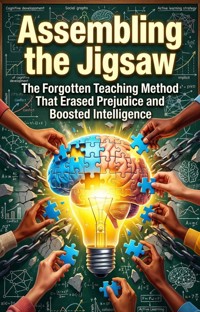
In 1971, amidst the volatile desegregation of public schools in Austin, Texas, racial tensions in classrooms were exploding into daily violence. The traditional, highly competitive education system was failing drastically, pitting students against each other for the teacher's approval. Desperate for a solution, educational psychologist Elliot Aronson invented a radical, counter-intuitive intervention that would change pedagogy forever. He called it the Jigsaw Protocol. Instead of the teacher holding all the knowledge, the day's lesson was divided into pieces. Students were grouped into highly diverse teams, and each child was given just one piece of the puzzle. To pass the test, the students had no choice but to actively listen to, teach, and rely on their peers. The results were immediate and staggering: racial prejudice plummeted, empathy skyrocketed, and the test scores of minority students drastically improved without lowering the performance of others. This book resurrects one of the most successful, yet widely forgotten, psychological interventions in educational history. It explores the cognitive science behind why interdependence breeds intelligence, and why modern, hyper-individualized learning apps fail to replicate the deep neural pathways created by peer-to-peer teaching. Transform the dynamic of any group. Learn how to practically implement the Jigsaw methodology in modern classrooms and corporate training rooms to dissolve hostility, enforce collaboration, and unlock the true potential of active learning.
Sie lesen das E-Book in den Legimi-Apps auf:
Seitenzahl: 152
Veröffentlichungsjahr: 2026
Das E-Book (TTS) können Sie hören im Abo „Legimi Premium” in Legimi-Apps auf:
Ähnliche

















Table of Contents
Chapter 1: The Context of Change
The Educational Landscape of the 1970s
The Downfall of Traditional Teaching Methods
The Need for Innovative Solutions
Elliot Aronson’s Radical Approach
Transforming Classroom Dynamics
Anticipating Resistance to Change
The Legacy of the Jigsaw Protocol
Chapter 2: Understanding the Jigsaw Protocol
The Foundations of the Jigsaw Protocol
The Structure of a Jigsaw Classroom
Cognitive Benefits of Jigsaw Learning
Addressing Prejudice Through Jigsaw
Chapter 3: The Science of Collaboration
The Basis of Social Learning Theory
Enhancing Critical Thinking through Collaboration
The Role of Empathy in Collaborative Learning
Cognitive Development through Active Engagement
Chapter 4: Implementing the Jigsaw in Classrooms
Understanding Group Composition
Designing Engaging Learning Materials
Setting Up the Learning Environment
Facilitating Effective Group Dynamics
Assessing Group and Individual Learning
Chapter 5: Case Studies and Success Stories
The Jigsaw Protocol in Action: A High School Experiment
Testimonials from Educators Using the Jigsaw Method
University Implementation: Success in Higher Education
Jigsaw in Action: A Middle School Success Story
Chapter 6: Challenges and Misconceptions
Understanding Resistance to Change
Misconceptions About Group Work
Time Management Issues
Balancing Academic Rigor
Addressing Diverse Learning Needs
Chapter 7: The Role of Technology
Technology as a Bridge for Collaboration
Accessing a Wealth of Resources
Facilitating Peer Teaching through Online Platforms
Addressing Challenges of Technology in Jigsaw Classrooms
Future Trends in Technology and Collaborative Learning
Chapter 8: Jigsaw Beyond the Classroom
Understanding Jigsaw in Different Contexts
Building Trust Through Teamwork
Enhancing Employee Engagement and Productivity
Incorporating Jigsaw in Community Organizations
Chapter 9: Measuring Success
Understanding Success Metrics
Academic Performance Analysis
Social Dynamics and Interaction
Engagement and Motivation Assessment
Chapter 10: Long-Term Impact and Benefits
Fostering Empathy Through Collaboration
Conflict Resolution Skills Development
Enhanced Critical Thinking Abilities
Long-Lasting Academic Gains
Chapter 11: Revisiting the Jigsaw in Modern Education
The Legacy of Jigsaw: Historical Context
Cognitive Foundations of the Jigsaw Protocol
Adaptability of Jigsaw in Diverse Learning Environments
Implementing Jigsaw: A Practical Guide
Chapter 12: Future Directions in Collaborative Learning
The Evolution of Collaborative Strategies
Current Research in Collaborative Learning
Innovations in Classroom Design
Preparing Educators for Collaborative Methods
Wrapping Up: The Path Forward
Chapter 1: The Context of Change
The landscape of education in the early 1970s was marked by tension and division. In Austin, Texas, the desegregation of public schools unearthed deep-seated prejudices and fostered an environment ripe for conflict among students.
This chapter aims to frame the urgency of the time, highlighting the traditional education system's failings and the need for an innovative approach to learning, paving the way for the introduction of the Jigsaw Protocol.
The Educational Landscape of the 1970s
In the early 1970s, the educational climate in the United States was fraught with challenges. Desegregation led to heightened tensions in classrooms, where racial conflict and competition took precedence over collaboration.
The impact of desegregation on student interactions
The desegregation movement of the early 1970s dramatically reshaped the social dynamics within schools. As schools opened their doors to students from diverse racial and ethnic backgrounds, the interactions among students became increasingly complex. Many students found themselves navigating unfamiliar social landscapes, often fraught with tensions stemming from long-standing prejudices.
In this new environment, students were confronted with the reality of having to coexist with peers whom they had been taught to view with suspicion or hostility. The necessity for collaboration in learning became evident, yet the immediate reaction often favored division rather than unity. This era highlighted the critical need for educational methodologies that could ease these interactions, fostering understanding and respect among peers.
Ultimately, acknowledging the impact of desegregation on student interactions is essential for educators seeking effective strategies to promote inclusivity and cooperation in diverse classrooms.
Prevalence of racial tensions in schools
Racial tensions during the 1970s were particularly pronounced within the classroom setting. With the introduction of desegregation, schools became microcosms of broader societal conflicts, reflecting the unease and resistance that characterized many communities. Students from different backgrounds often found themselves in confrontational positions, leading to frequent altercations and a hostile learning environment.
This hostile atmosphere stifled the potential for collaboration and inhibited effective learning. Instead of fostering empathy and understanding, the day-to-day experiences of students were dominated by fear and mistrust. Consequently, this environment not only hindered academic achievement but also perpetuated cycles of prejudice.
Addressing racial tensions required a critical re-evaluation of instructional practices, with a focus on cultivating mutual respect and cooperation among students. This understanding became the catalyst for innovative approaches like the Jigsaw Protocol.
How traditional competitive education methods failed
The traditional competitive educational framework of the 1970s posed significant challenges to inter-student relationships. In such systems, the primary focus was on individual achievement, often incentivizing students to view their peers as rivals rather than allies. This competition bred an atmosphere of isolation, where collaboration was seen as detrimental to personal success.
As educators prioritized grades and standardized test scores, the emotional and social needs of students were frequently overlooked. Students were often pitted against one another, creating divisions that mirrored societal prejudices. This approach not only exacerbated existing conflicts but also inhibited cognitive and emotional development.
Recognizing the limitations of competition in fostering a cohesive classroom culture was essential. A shift toward a more inclusive model that emphasized collaboration was necessary to break down barriers and promote a healthy learning environment, leading to the development of methods like the Jigsaw Protocol.
The consequences of divisive educational practices
Divisive educational practices during the 1970s had severe repercussions for students' social and academic development. Such practices not only intensified existing prejudices but also diminished students' abilities to work collaboratively. The prioritization of individual achievement over group learning led to numerous learning gaps and a disconnect among students.
As students focused on outperforming peers rather than engaging with them, the consequences became clear: lower academic performance, increased dropout rates, and a pervasive sense of distrust among classmates. Furthermore, these practices often left marginalized students lacking the support needed for success.
The long-term effects of such practices not only impacted students individually but also perpetuated a cycle of exclusion that extended beyond the classroom. Recognizing these consequences underscored the necessity for innovative, collaborative approaches to education, which would give rise to solutions like the Jigsaw Protocol that aimed to create more inclusive and supportive learning environments.
The Downfall of Traditional Teaching Methods
The reliance on competitive teaching methods only exacerbated the problems in the classroom. This section explores how these outdated approaches hindered student learning and perpetuated negativity.
Individualism versus collaboration
Traditional teaching methods often emphasize individualism, where students compete against each other for grades and accolades. This competitive nature fosters an environment where collaboration is seen as weakness rather than strength. When students are pitted against one another, the joy of shared learning experiences diminishes. Individualistic approaches can encourage students to focus solely on their own success, which can diminish the sense of community within the classroom.
In contrast, collaboration allows students to leverage each other's strengths and understand diverse perspectives. By working together, they learn not only from the material but also from each other’s experiences. This creates a more inclusive environment that values every student's contribution and fosters mutual respect and empathy. Shifting the focus from individual achievements to collaborative efforts helps build essential skills such as communication, teamwork, and problem-solving, which are necessary in both academic and real-world settings.
The role of teacher-centered instruction
Teacher-centered instruction dominantly places educators in the spotlight, primarily delivering knowledge while students are passive receivers. This method can inadvertently stifle creativity and engagement, as students lack opportunities to contribute and express themselves. In these traditional settings, teachers often control the flow of information, leaving little room for student inquiry or exploration. Consequently, students may feel disconnected from the learning process, merely memorizing facts instead of truly understanding concepts.
This approach limits student agency and can lead to diminished motivation and interest in learning. A classroom environment characterized by teacher-centered instruction reinforces the status quo, where students may not feel empowered to ask questions or initiate discussions. Transitioning to a more student-centered approach, where learners actively participate in their education, can revitalize classrooms. By encouraging students to take ownership of their learning, educators can foster deeper engagement and a more meaningful educational experience.
Why competition can harm student relationships
Competition in the classroom can create fissures in student relationships. Instead of fostering camaraderie, rivalry can lead to isolation and a lack of cooperation. Children may view their classmates solely as competitors rather than collaborators, which can undermine the establishment of healthy social dynamics. When students are constantly measuring their success against peers, it can lead to increased stress, anxiety, and feelings of inadequacy, especially among those who struggle to meet high expectations.
Such an environment can cultivate negativity and hostility among students. Disparities in academic performance may also result in stigmatization of certain groups, reinforcing existing prejudices. When the focus shifts from collective achievement to individualism, authentic relationships falter, and students may miss opportunities to learn vital social skills. Addressing these competitive structures and promoting cooperative work among students can significantly improve classroom relationships and foster a more supportive, inclusive community.
The rise of disengagement and apathy among students
The competitive nature of traditional teaching methods has increasingly led to student disengagement and apathy. When students feel overwhelmed by constant comparison, their intrinsic motivation to learn can diminish. A focus on grades and testing often results in surface-level learning, where students prioritize memorization over genuine understanding. This approach fosters an environment of disinterest, where students may think, “What’s the point?” rather than finding personal relevance in what they study.
As disengagement takes root, students may become passive participants in their education, disconnected from their peers and the subject matter. This discouragement can perpetuate a cycle of low achievement and disenchantment with school. To combat this trend, educators must recognize the importance of fostering engagement through active learning strategies that connect with students’ interests and individual experiences. By creating meaningful, relevant learning opportunities, teachers can reignite curiosity and foster a lifelong love of learning.
The Need for Innovative Solutions
As the issues in education became undeniable, educators and psychologists sought pathways to healing and growth. The urgency for innovative approaches became clear.
Understanding the symptoms of a fractured educational system
The educational landscape of the early 1970s was plagued by considerable challenges, particularly in the wake of school desegregation. Racial tensions manifested not just in public discourse but within the confines of the classroom. Students were often reduced to mere competitors, vying for their teacher's approval and the highest grades, creating an environment where collaboration was virtually nonexistent. This highly competitive atmosphere fostered resentment among diverse groups, exacerbating existing prejudices rather than alleviating them. Teachers themselves felt powerless; they grappled with disillusionment as they lacked the tools to nurture a more harmonious and productive learning environment. The symptoms of this fractured educational system were evident: increased violence, widespread disengagement, and a growing divide between students that hindered both social and academic development.
The lack of effective strategies for inclusivity
The traditional teaching methods prevalent in schools during the turbulent 1970s had a glaring omission: inclusivity. Many educators failed to recognize or implement teaching strategies that addressed the diverse needs of students from different racial, cultural, and socioeconomic backgrounds. Most classrooms operated under a one-size-fits-all model, neglecting to value individual perspectives and experiences. This lack of effective strategies for inclusivity only perpetuated a cycle of prejudice and misunderstanding among students. Without frameworks that promoted collaboration and shared knowledge, the opportunities for students to learn from and about one another were severely limited. As a result, many educators recognized that a new approach was essential to dismantle barriers and create an educational atmosphere that fostered equality and mutual respect.
Educational stakeholders’ response to pressing needs
As the climate in schools became increasingly volatile, educational stakeholders, including teachers, administrators, and psychologists, came together to address these pressing concerns. Their collective acknowledgment of the dire need for reform sparked a collaboration aimed at pedagogical change. Conferences and workshops began focusing on innovative, student-centered strategies that promoted not only academic excellence but also social cohesion. The urgency to restructure learning environments that supported inclusivity, engagement, and emotional safety was palpable. This collaborative effort signaled a shift in mindset, reshaping the educational discourse of the time and laying the groundwork for pioneering methods like the Jigsaw Protocol. It became clear that addressing the symptoms of a fractured system required preparing students to engage with one another meaningfully, thus redefining what success in education truly meant.
The importance of fostering empathy and collaboration
Fostering empathy and collaboration emerged as essential tenets in addressing the fractures within the educational system. As students participated in competitive, segregated learning environments, the opportunity for emotional connection was systematically stripped away. Educational psychology emphasized that building empathy not only aids interpersonal relationships but is pivotal for cognitive development as well. Collaborative learning strategies allow students to engage deeply with varying perspectives, thus fostering understanding and mutual respect. The Jigsaw Protocol emerged as a response to this necessity, crafting an environment where students could rely on one another’s strengths. Through shared learning experiences, students developed critical thinking skills and emotional intelligence, essential components for success in a diverse society. This principle of collaboration not only enriched the educational experience but also served to diminish prejudice and promote lasting relationships among students.
Elliot Aronson’s Radical Approach
Faced with these challenges, educational psychologist Elliot Aronson proposed a groundbreaking solution: the Jigsaw Protocol. This section details the conceptual shift he introduced.
An overview of the Jigsaw Protocol's principles
The Jigsaw Protocol is grounded in the notion of cooperative learning, where students work together towards a common educational goal. Developed by Elliot Aronson, its core principle is to divide a lesson into distinct segments that each student must learn and then teach to their peers. This method shifts the role of the teacher from the sole provider of knowledge to a facilitator of learning.
By breaking lessons into smaller, democratic pieces, each student becomes responsible for a specific segment, promoting autonomy and accountability. This structure encourages collaboration, as students quickly realize they need each other to fully understand the material and succeed in their assessments. This interdependency is pivotal; when students rely on one another, they foster an environment of support, empathy, and mutual respect — crucial elements for reducing prejudice in diverse classrooms.
The importance of diversity in grouping students
Diversity is a cornerstone of the Jigsaw Protocol. By intentionally grouping students from varying backgrounds, abilities, and perspectives, Aronson's method leverages the benefits of a heterogeneous classroom environment. These diverse teams not only enhance learning outcomes but also challenge stereotypes and promote cultural exchange.
The interaction among peers from different backgrounds encourages students to confront their biases and reconsider preconceived notions about their classmates. This idea of collaborative engagement is essential in creating a more inclusive classroom atmosphere. Moreover, when students engage with perspectives that differ from their own, they develop greater empathy, which is fundamental in decreasing racial prejudice and fostering an understanding of each other's experiences.
How students become active participants in learning
The Jigsaw Protocol transforms students from passive consumers of information into dynamic participants in their educational journey. Each learner is assigned a specific component of a larger topic, compelling them to delve deeply into their subject matter. This ownership over their learning increases motivation and engagement, as students are aware that their success directly impacts the group.
This active involvement not only enhances comprehension but also promotes critical thinking, as students must process and synthesize information to effectively convey it to their peers. As they teach and listen to each other, they become more adept at articulating complex concepts and addressing misconceptions, resulting in a richer and more profound learning experience overall.
The synergy of teaching and learning among peers
The interaction between teaching and learning in the Jigsaw Protocol produces a powerful synergy. Students not only absorb information but also enhance their understanding by articulating their knowledge to classmates. When students teach each other, they solidify their grasp of the material, often achieving deeper insights than they would through traditional learning methods.
This peer-to-peer teaching fosters a collaborative learning environment where students feel empowered and valued. The collective responsibility for learning encourages them to engage constructively and fosters relationships built on trust and respect. Consequently, this synergy not only drives academic success but also cultivates social skills, emotional intelligence, and a sense of community among students, essential for mitigating interpersonal conflicts and reducing prejudice in the classroom.
Transforming Classroom Dynamics
This section examines the successful implementation of the Jigsaw Protocol in real classrooms. Aronson's methodology sparked noticeable changes in classroom dynamics.
Case studies highlighting improvements in student interactions
Numerous case studies across various educational settings have showcased the transformative power of the Jigsaw Protocol on student interactions. One notable example comes from a middle school in Austin, where the implementation of this method saw a dramatic shift in student relationships. Initially characterized by animosity and mistrust, the classroom environment evolved into one of cooperation and mutual respect.
In these case studies, teachers reported that students began to see their peers as allies rather than competitors. By relying on one another for the completion of their tasks, students formed deeper connections that transcended racial and social divides. This collaborative atmosphere not only enhanced communication skills but also fostered a sense of community, allowing students to engage in meaningful discussions. The consistent feedback from these implementations underscores the Jigsaw Protocol's effectiveness in transforming adversarial dynamics into productive, supportive learning partnerships.
The reduction of racial prejudice through peer collaboration
The Jigsaw Protocol plays a pivotal role in reducing racial prejudice by facilitating peer collaboration. By placing students in racially diverse groups and assigning them unique pieces of information to share, Aronson’s method actively engages students in learning from each other's experiences and perspectives. As students teach one another, they develop empathy and a deeper understanding of different cultural backgrounds.
Research following the application of the Jigsaw method in highly segregated classrooms found substantial decreases in racial bias among students. Participating in mixed-group discussions allowed students to challenge their preconceived notions and fostered dialogue that was otherwise absent in traditional learning environments. This peer interaction nurtured a climate of acceptance and respect, significantly diminishing stereotypes and promoting inclusivity. The outcomes from these engagements demonstrate that educational experiences grounded in collaboration can help dismantle ingrained prejudices.
Increased engagement and accountability in learning




