


61,99 €
Mehr erfahren.
- Herausgeber: John Wiley & Sons
- Kategorie: Wissenschaft und neue Technologien
- Sprache: Englisch
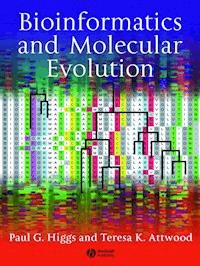
In the current era of complete genome sequencing, Bioinformatics and Molecular Evolution provides an up-to-date and comprehensive introduction to bioinformatics in the context of evolutionary biology.
This accessible text:
- provides a thorough examination of sequence analysis, biological databases, pattern recognition, and applications to genomics, microarrays, and proteomics
- emphasizes the theoretical and statistical methods used in bioinformatics programs in a way that is accessible to biological science students
- places bioinformatics in the context of evolutionary biology, including population genetics, molecular evolution, molecular phylogenetics, and their applications
- features end-of-chapter problems and self-tests to help students synthesize the materials and apply their understanding
- is accompanied by a dedicated website - www.blackwellpublishing.com/higgs - containing downloadable sequences, links to web resources, answers to self-test questions, and all artwork in downloadable format (artwork also available to instructors on CD-ROM).
This important textbook will equip readers with a thorough understanding of the quantitative methods used in the analysis of molecular evolution, and will be essential reading for advanced undergraduates, graduates, and researchers in molecular biology, genetics, genomics, computational biology, and bioinformatics courses.
Sie lesen das E-Book in den Legimi-Apps auf:
Seitenzahl: 1013
Veröffentlichungsjahr: 2013
Ähnliche



















Contents
Preface
CHAPTER 1 Introduction: The revolution in biological information
1.1 DATA EXPLOSIONS
1.2 GENOMICS AND HIGH-THROUGHPUT TECHNIQUES
1.3 WHAT IS BIOINFORMATICS?
1.4 THE RELATIONSHIP BETWEEN POPULATION GENETICS, MOLECULAR EVOLUTION, AND BIOINFORMATICS
REFERENCES
CHAPTER 2 Nucleic acids, proteins, and amino acids
2.1 NUCLEIC ACID STRUCTURE
2.2 PROTEIN STRUCTURE
2.3 THE CENTRAL DOGMA
2.4 PHYSICO-CHEMICAL PROPERTIES OF THE AMINO ACIDS AND THEIR IMPORTANCE IN PROTEIN FOLDING
2.5 VISUALIZATION OF AMINO ACID PROPERTIES USING PRINCIPAL COMPONENT ANALYSIS
2.6 CLUSTERING AMINO ACIDS ACCORDING TO THEIR PROPERTIES
REFERENCES
CHAPTER 3 Molecular evolution and population genetics
3.1 WHAT IS EVOLUTION?
3.2 MUTATIONS
3.3 SEQUENCE VARIATION WITHIN AND BETWEEN SPECIES
3.4 GENEALOGICAL TREES AND COALESCENCE
3.5 THE SPREAD OF NEW MUTATIONS
3.6 NEUTRAL EVOLUTION AND ADAPTATION
REFERENCES
CHAPTER 4 Models of sequence evolution
4.1 MODELS OF NUCLEIC ACID SEQUENCE EVOLUTION
4.2 THE PAM MODEL OF PROTEIN SEQUENCE EVOLUTION
4.3 LOG-ODDS SCORING MATRICES FOR AMINO ACIDS
REFERENCES
CHAPTER 5 Information resources for genes and proteins
5.1 WHY BUILD A DATABASE?
5.2 DATABASE FILE FORMATS
5.3 NUCLEIC ACID SEQUENCE DATABASES
5.4 PROTEIN SEQUENCE DATABASES
5.5 PROTEIN FAMILY DATABASES
5.6 COMPOSITE PROTEIN PATTERN DATABASES
5.7 PROTEIN STRUCTURE DATABASES
5.8 OTHER TYPES OF BIOLOGICAL DATABASE
REFERENCES
CHAPTER 6 Sequence alignment algorithms
6.1 WHAT IS AN ALGORITHM?
6.2 PAIRWISE SEQUENCE ALIGNMENT – THE PROBLEM
6.3 PAIRWISE SEQUENCE ALIGNMENT – DYNAMIC PROGRAMMING METHODS
6.4 THE EFFECT OF SCORING PARAMETERS ON THE ALIGNMENT
6.5 MULTIPLE SEQUENCE ALIGNMENT
REFERENCES
CHAPTER 7 Searching sequence databases
7.1 SIMILARITY SEARCH TOOLS
7.2 ALIGNMENT STATISTICS (IN THEORY)
7.3 ALIGNMENT STATISTICS (IN PRACTICE)
REFERENCES
CHAPTER 8 Phylogenetic methods
8.1 UNDERSTANDING PHYLOGENETIC TREES
8.2 CHOOSING SEQUENCES
8.3 DISTANCE MATRICES AND CLUSTERING METHODS
8.4 BOOTSTRAPPING
8.5 TREE OPTIMIZATION CRITERIA AND TREE SEARCH METHODS
8.6 THE MAXIMUM-LIKELIHOOD CRITERION
8.7 THE PARSIMONY CRITERION
8.8 OTHER METHODS RELATED TO MAXIMUM LIKELIHOOD
REFERENCES
CHAPTER 9 Patterns in protein families
9.1 GOING BEYOND PAIRWISE ALIGNMENT METHODS FOR DATABASE SEARCHES
9.2 REGULAR EXPRESSIONS
9.3 FINGERPRINTS
9.4 PROFILES AND PSSMS
9.5 BIOLOGICAL APPLICATIONS – G PROTEIN-COUPLED RECEPTORS
REFERENCES
CHAPTER 10 Probabilistic methods and machine learning
10.1 USING MACHINE LEARNING FOR PATTERN RECOGNITION IN BIOINFORMATICS
10.2 PROBABILISTIC MODELS OF SEQUENCES – BASIC INGREDIENTS
10.3 INTRODUCING HIDDEN MARKOV MODELS
10.4 PROFILE HIDDEN MARKOV MODELS
10.5 NEURAL NETWORKS
10.6 NEURAL NETWORKS AND PROTEIN SECONDARY STRUCTURE PREDICTION
REFERENCES
CHAPTER 11 Further topics in molecular evolution and phylogenetics
11.1 RNA STRUCTURE AND EVOLUTION
11.2 FITTING EVOLUTIONARY MODELS TO SEQUENCE DATA
11.3 APPLICATIONS OF MOLECULAR PHYLOGENETICS
REFERENCES
CHAPTER 12 Genome evolution
12.1 PROKARYOTIC GENOMES
12.2 ORGANELLAR GENOMES
REFERENCES
CHAPTER 13 DNA Microarrays and the ’omes
13.1 ’OMES AND ’OMICS
13.2 HOW DO MICROARRAYS WORK?
13.3 NORMALIZATION OF MICROARRAY DATA
13.4 PATTERNS IN MICROARRAY DATA
13.5 PROTEOMICS
13.6 INFORMATION MANAGEMENT FOR THE ’OMES
REFERENCES
Mathematical appendix
M.1 EXPONENTIALS AND LOGARITHMS
M.2 FACTORIALS
M.3 SUMMATIONS
M.4 PRODUCTS
M.5 PERMUTATIONS AND COMBINATIONS
M.6 DIFFERENTIATION
M.7 INTEGRATION
M.8 DIFFERENTIAL EQUATIONS
M.9 BINOMIAL DISTRIBUTIONS
M.10 NORMAL DISTRIBUTIONS
M.11 POISSON DISTRIBUTIONS
M.12 CHI-SQUARED DISTRIBUTIONS
M.13 GAMMA FUNCTIONS AND GAMMA DISTRIBUTIONS
REFERENCES
List of Web addresses
Glossary
Color Plates
Index
© 2005 by Blackwell Science Ltd
a Blackwell Publishing company
BLACKWELL PUBLISHING
350 Main Street, Malden, MA 02148-5020, USA
108 Cowley Road, Oxford OX4 1JF, UK
550 Swanston Street, Carlton, Victoria 3053, Australia
The right of Paul G. Higgs and Teresa K. Attwood to be identified as the Authors of this Work has been asserted in accordance with the UK Copyright, Designs, and Patents Act 1988.
All rights reserved. No part of this publication may be reproduced, stored in a retrieval system, or transmitted, in any form or by any means, electronic, mechanical, photocopying, recording or otherwise, except as permitted by the UK Copyright, Designs, and Patents Act 1988, without the prior permission of the publisher.
First published 2005 by Blackwell Science Ltd
Library of Congress Cataloging-in-Publication Data
Higgs, Paul G.
Bioinformatics and molecular evolution / Paul G. Higgs and Teresa K. Attwood.
p. ; cm.
Includes bibliographical references and index.
ISBN 1–4051–0683–2 (pbk. : alk. paper)
1. Molecular evolution—Mathematical models. 2. Bioinformatics.
[DNLM: 1. Computational Biology. 2. Evolution, Molecular. 3. Genetics. QU 26.5 H637b 2005]
I. Attwood, Teresa K. II. Title.
QH371.3.M37H54 2005
572.8—dc22
2004021066
A catalogue record for this title is available from the British Library.
For further information on
Blackwell Publishing, visit our website:
www.blackwellpublishing.com
Preface
RATIONALE
Degree programs in bioinformatics at Masters or undergraduate level are becoming increasingly common and single courses in bioinformatics and computational biology are finding their way into many types of degrees in biological sciences. This book satisfies a need for a textbook that explains the scientific concepts and computational methods of bioinformatics and how they relate to current research in biological sciences. The content is based on material taught by both authors on the MSc program in bioinformatics at the University of Manchester, UK, and on an upper level undergraduate course in computational biology taught by P. Higgs at McMaster University, Ontario.
Many fundamental concepts in bioinformatics, such as sequence alignments, searching for homologous sequences, and building phylogenetic trees, are linked to evolution. Also, the availability of complete genome sequences provides a wealth of new data for evolutionary studies at the whole-genome level, and new bioinformatics methods are being developed that operate at this level. This book emphasizes the evolutionary aspects of bioinformatics, and includes a lot of material that will be of use in courses on molecular evolution, and which up to now has not been found in bioinformatics textbooks.
Bioinformatics chapters of this book explain the need for computational methods in the current era of complete genome sequences and high-throughput experiments, introduce the principal biological databases, and discuss methods used to create and search them. Algorithms for sequence alignment, identification of conserved motifs in protein families, and pattern-recognition methods using hidden Markov models and neural networks are discussed in detail. A full chapter on data analysis for microarrays and proteomics is included.
Evolutionary chapters of the book begin with a brief introduction to population genetics and the study of sequence variation within and between populations, and move on to the description of the evolution of DNA and protein sequences. Phylogenetic methods are covered in detail, and examples are given of application of these methods to biological questions. Factors influencing evolution at the level of whole genomes are also discussed, and methods for the comparison of gene content and gene order between species are presented.
The twin themes of bioinformatics and molecular evolution are woven throughout the book – see the Chapter Plan diagram below. We have considered several possible orders of presenting this material, and reviewers of this book have also suggested their own alternatives. There is no single right way to do it, and we found that no matter in which order we presented the chapters, there was occasionally need to forward-reference material in a later chapter. This order has been chosen so as to emphasize the links between the two themes, and to proceed from background material through standard methods to more advanced topics. Roughly speaking, we would consider everything up to the end of Chapter 9 as fundamental material, and Chapters 10–13 as more advanced methods or more recent applications. Individual instructors are free to use any combination of chapters in whichever order suits them best.
This book is for people who want to understand bioinformatics methods and who may want to go on to develop methods for themselves. Intelligent use of bioinformatics software requires a proper understanding of the mathematical and statistical methods underlying the programs. We expect that many of our readers will be biological science students who are not confident of their mathematical ability. We therefore try to present mathematical material carefully at an accessible level. However, we do not avoid the use of equations, since we consider the theoretical parts of the book to be an essential aspect. More detailed mathematical sections are placed in boxes aside from the main text, where appropriate. The book contains an appendix summarizing the background mathematics that we would hope bioinformatics students should know. In our experience, students need to be encouraged to remember and practice mathematical techniques that they have been taught in their early undergraduate years but have not had occasion to use.
We discuss computational algorithms in detail but we do not cover programming languages or programming methods, since there are many other books on computing. Although we give some pointers to available software and useful Web sites, this book is not simply a list of programs and URLs. Such material becomes out of date extremely quickly, whereas the underlying methods and principles that we focus on here retain their relevance.
Features
Comprehensive coverage of bioinformatics in a single text, including sequence analysis, biological databases, pattern recognition, and applications to genomics, microarrays, and proteomics.
Places bioinformatics in the context of evolutionary biology, giving detailed treatments of molecular evolution and molecular phylogenetics and discussing evolution at the whole-genome level.
Emphasizes the theoretical and statistical methods used in bioinformatics programs in a way that is accessible to biological science students.
Extended problem questions provide reinforcement of concepts and application of chapter material.
Periodic cumulative “self-tests” challenge the students to synthesize and apply their overall understanding of the material up to that point.
Accompanied by a dedicated Web site at
www.blackwellpublishing.com/higgs
including the following:
ACKNOWLEDGMENTS
We wish to thank Andy Brass for his tremendous input to the Manchester Bioinformatics MSc program over many years, and for his “nose” for which subjects are the important ones to teach. We thank Magnus Rattray for his help on the theory and algorithms module and for coming up with several of the problem questions in this book. Thanks are also due to several members of our research groups whose work has helped with some of the topics covered here: Vivek Gowri-Shankar, Daniel Jameson, Howsun Jow, Bin Tang, and Anna Gaulton.
At Blackwell publishers, we would like to thank Liz Marchant, from the UK office, who originally commissioned this book, and Elizabeth Wald and Nancy Whilton at the US office, who have given advice and support in the later stages.
Paul Higgs would also like to thank the enlightened administrative authorities at the University of Manchester for employing a physicist in the biology department and the equally enlightened representatives of McMaster University for employing a bio-informatician in the physics department. The jump between disciplines and between institutions is not too much of a stretch:
M--CMASTER
MANCHESTER
Paul Higgs Terri AttwoodMay 2004
CHAPTER 1
Introduction: The revolution in biological information
1.1 DATA EXPLOSIONS
In the past decade there has been an explosion in the amount of DNA sequence data available, due to the very rapid progress of genome sequencing projects. There are three principal comprehensive databases of nucleic acid sequences in the world today.
The EMBL (European Molecular Biology Laboratory) database is maintained at the European Bioinformatics Institute in Cambridge, UK (Stoesser
et al.
2003).
GenBank is maintained at the National Center for Biotechnology Information in Maryland, USA (Benson
et al.
2003).
The DDBJ (DNA Databank of Japan) is maintained at the National Institute of Genetics in Mishima, Japan (Miyazaki
et al.
2003).
These three databases share information and hence contain almost identical sets of sequences. The objective of these databases is to ensure that DNA sequence information is stored in a way that is publicly, and freely, accessible and that it can be retrieved and used by other researchers in the future. Most scientific journals require submission of newly sequenced DNA to one of the public databases before a publication can be made that relies on the sequence. This policy has proved tremendously successful for the progress of science, and has led to a rapid increase in the size and usage of sequence databases.
As a measure of the rapid increase in the total available amount of sequence data, Fig. 1.1 and Table 1.1 show the total length of all sequences in GenBank, and the total number of sequences in GenBank as a function of time. Note that the vertical scale is logarithmic and the curves appear approximately as straight lines. This means that the size of GenBank is increasing exponentially with time (see Problem 1.1). The dotted line in the figure is a straight-line fit to the data for the total sequence length (the 1982 point seemed to be an outlier and was excluded). From this we can estimate that the yearly multiplication factor (i.e., the factor by which the amount of data goes up each year) is about 1.6, and that the database doubles in size every 1.4 years. All those sequencing machines are working hard! Interestingly, the curve for the number of sequences almost exactly parallels the curve for the total length. This means that the typical length of one sequence entry in GenBank has remained at close to 1000. There are, of course, enormous variations in length between different sequence entries.
Fig. 1.1 Comparison of the rate of growth of the GenBank sequence (data from Table 1.1) with the rate of growth of the number of transistors in personal computer chips (Moore’s law: data from Table 1.2). Dashed lines are fits to an exponential growth law.
Table 1.1 The growth of GenBank.
Year
Base pairs
Sequences
1982
680,338
606
1983
2,274,029
2,427
1984
3,368,765
4,175
1985
5,204,420
5,700
1986
9,615,371
9,978
1987
15,514,776
14,584
1988
23,800,000
20,579
1989
34,762,585
28,791
1990
49,179,285
39,533
1991
71,947,426
55,627
1992
101,008,486
78,608
1993
157,152,442
143,492
1994
217,102,462
215,273
1995
384,939,485
555,694
1996
651,972,984
1,021,211
1997
1,160,300,687
1,765,847
1998
2,008,761,784
2,837,897
1999
3,841,163,011
4,864,570
2000
11,101,066,288
10,106,023
2001
15,849,921,438
14,976,310
2002
28,507,990,166
22,318,883
Data obtained from www.ncbi.nih.gov/Genbank/genbankstats.html.
There is another famous exponentially increasing curve that goes by the name of Moore’s law. Moore (1965) noticed that the number of transistors in integrated circuits appeared to be roughly doubling every year over the period 1959–65. Data on the size of Intel PC chips (Table 1.2) show that this exponential increase is still continuing. Looking at the data more carefully, however, we see that the estimate of doubling every year is rather overoptimistic. The chip size is actually doubling every two years and the yearly multiplication factor is 1.4. Although extremely impressive, this is substantially slower than the rate of increase of GenBank (see Fig. 1.1 and Table 1.3).
What about the world’s fastest supercomputers? Jack Dongarra and colleagues from the University of Tennessee introduced the LINPACK benchmark, which measures the speed of computers at solving a complex set of linear equations. A list of the top 500 supercomputers according to this benchmark is published twice yearly (http://www.top500.org). Figure 1.2 shows the performance benchmark rate of the top computer at each release of the list. Once again, this is approximately an exponential (with large fluctuations). The best-fit straight line has a doubling time of 1.04 years. So supercomputers seem to be beating GenBank for the moment. However, most of us do not have access to a supercomputer. The PC chip size may be a better measure of the amount of computing power available to anyone using a desktop.
Table 1.2 The growth of the number of transistors in personal computer processors.
Type of processor
Year of introduction
Transistors
4004
1971
2,250
8008
1972
2,500
8080
1974
5,000
8086
1978
29,000
286
1982
120,000
386™ processor
1985
275,000
486™ DX processor
1989
1,180,000
Pentium® processor
1993
3,100,000
Pentium II processor
1997
7,500,000
Pentium III processor
1999
24,000,000
Pentium 4 processor
2000
42,000,000
Data obtained from Intel (http://www.intel.com/research/silicon/mooreslaw.htm).
Fig. 1.2 The performance of the world’s top supercomputers using the LINPACK benchmark (Gflops). Data from http://www.top500.org.
Clearly, we have reached a point where computers are essential for the storage, retrieval, and analysis of biological sequence data. However, we cannot simply rely on computers and stop thinking. If we stick with our same old computing methods, then we will be limited by the hardware. We still need people, because only people can think of better and faster algorithms for data analysis. That is what this book is about. We will discuss the methods and algorithms used in bioinformatics, so that hopefully you will understand enough to be able to improve those methods yourself.
Another important type of biological data that is exponentially increasing is protein structures. PDB is a database of protein structures obtained from X-ray crystallography and NMR experiments. From the number of entries in PDB in successive releases, we calculated that the doubling time for the number of available protein structures is 3.31 years (Table 1.3), which is considerably slower than the number of sequences. Since the number of experimentally determined structures is lagging further and further behind the number of sequences, computational methods for structure prediction are important. Many of these methods work by looking for similarities in sequence between a protein of unknown structure and a protein of known structure, and use this to make predictions about the unknown structure. These techniques will become increasingly useful as our knowledge of real examples increases.
Table 1.3 Comparison of rates of increase of several different data explosion curves.
Table 1.4 The history of genome-sequencing projects.
In 1995, the bacterium Haemophilus influenzae entered history as the first organism to have its genome completely sequenced. Sequencing technology has advanced rapidly and has become increasingly automated. The sequencing of a new prokaryotic genome has now become almost commonplace. Table 1.4 shows the progress of complete genome projects with some historical landmarks. With the publication of the human genome in 2001, we can now truly say that we are in the “post-genome age”. The number of complete prokaryotic genomes (total of archaea plus bacteria from Table 1.4) is going through its own data explosion. The doubling time is about 1.3 years and the yearly multiplication factor is about 1.7. For the present, complete eukaryotic genomes are still rather few, so that the publication of each individual genome still retains its status as a landmark event. It seems only a matter of time, however, before we shall be able to draw a data explosion curve for the number of eukaryotic genomes too.
This book emphasizes the relationship between bioinformatics and molecular evolution. The availability of complete genomes is tremendously important for evolutionary studies. For the first time we can begin to compare whole sets of genes between organisms, not just single genes. For the first time we can begin to study the processes that govern the evolution of whole genomes. This is therefore an exciting time to be in the bioinformatics area.
1.2 GENOMICS AND HIGH-THROUGHPUT TECHNIQUES
The availability of complete genomes has opened up a whole research discipline known as genomics. Genomics refers to scientific studies dealing with whole sets of genes rather than single genes. The advances made in sequencing technology have come at the same time as the appearance of new high-throughput experimental techniques. One of the most important of these is microarray technology, which allows measurement of the expression level (i.e., mRNA concentration) of thousands of genes in a cell simultaneously. For example, in the case of the yeast, Saccharomyces cerevisiae, where the complete genome is available, we can put probes for all the genes onto one microarray chip. We can then study the way the expression levels of all the genes respond to changes in external conditions or the way that they vary during the cell cycle. Complete genomes therefore change the way that experimental science is carried out, and allow us to address questions that were not possible before.
Another important field where high-throughput techniques are used is proteomics. Proteomics is the study of the proteome, i.e., the complete set of proteins in a cell. The experimental techniques used are principally two-dimensional gel electrophoresis for the separation of the many different proteins in a cell extract, and mass spectrometry for identifying proteins by their molecular masses. Once again, the availability of complete genomes is tremendously important, because the masses of the proteins determined by mass spectrometry can be compared directly to the masses of proteins expected from the predicted position of open reading frames in the genome.
High-throughput experiments produce large amounts of quantitative data. This poses challenges for bioinformaticians. How do we store information from a microarray experiment in such a way that it can be compared with results from other groups? How do we best extract meaningful information from the vast array of numbers generated? New statistical methods are needed to spot significant trends and patterns in the data. This is a new area of biological sciences where computational methods are essential for the progress of the experimental science, and where algorithms and experimental techniques are being developed side by side.
As a measure of the interest of the scientific community in genomics and related areas, let us look at the number of scientific papers published in these areas over the past few years. The ISI Science Citation Index allows searches for articles published in specific years that use specified words in their title, keywords, or abstract. Figure 1.3 shows the numbers of published articles (cumulative since 1981) for several important terms relevant to this book. Papers using the words “genomics” and “bioinformatics” increase at almost exactly the same rate, both having yearly multiplication factors of 1.8 and doubling times of 1.2 years. “Proteomics” is a very young field, with no articles found prior to 1998. The doubling time is 0.7 years: the fastest growth of any of the quantities considered in Table 1.3. References to “microarray” also increase rapidly. This curve appears significantly nonlinear because there are several different meanings for the term. Almost all the references prior to about 1996 refer to microarray electrodes, whereas in later years, almost all refer to DNA microarrays for gene expression. The rate of increase of the use of DNA microarrays is therefore steeper than it appears in the figure.
The number of papers using both “sequence” and “database” is much larger than those using any of the terms considered above (although it is increasing less rapidly). This shows how important biological databases and the algorithms for searching them have become to the biological science community in the past decade. The number of papers using the term “phylogenetic” or “phylogenetics” dwarfs those using all the other terms considered here by at least an order of magnitude. This curve is a remarkably good exponential, although the doubling time is fairly long (3.7 years). Phylogenetics is a relatively old area, where morphological studies predate the availability of molecular sequences by several decades. The high level of interest in the field in recent years is largely a result of the availability of sequence data and of new methods for tree construction. Very large sequence data sets are now being used, and we are beginning to resolve some of the controversial aspects of evolutionary trees that have been argued over for decades.
Fig. 1.3 Cumulative number of scientific articles published from 1981 to the date shown that use specific terms in the title, keywords, or abstract. Data from the Science Citation Index (SCI-EXPANDED) available at http://wos.mimas.ac.uk/ or http://isi6.isiknowledge.com.
As a comparison, for all the curves in Fig. 1.3 that refer to specific scientific terms, the figure also shows the total number of articles in the Science Citation Index (this curve is in millions of articles, whereas the others are in individual articles). The total level of scientific activity (or at least, scientific writing) has also been increasing exponentially, and hence we all have to read more and more in order to keep up. This curve is an almost perfect exponential, with a doubling time of 9.8 years. Thus, all the curves related to the individual subjects are increasing far more rapidly than the total accumulation of scientific knowledge.
At this point you will be suitably impressed by the importance of the subject matter of this book and will be eager to read the rest of it!
1.3 WHAT IS BIOINFORMATICS?
Since bioinformatics is still a fairly new field, people have a tendency to ask, “What is bioinformatics?” Often, people seem to worry that it is not very well defined, and tend to have a suspicious look in their eyes when they ask. These people would never trouble to ask “What is biology?” or “What is genetics?” In fact, bioinformatics is no more difficult or more easy to define than these other fields. Here is our short and simple definition.
Bioinformatics is the use of computational methods to study biological data.
In case this is too short and too general for you, here is a longer one.
Bioinformatics is:
If that is still too short, have another look at the contents list of this book to see what we think are the most important topics that make up the field of bioinformatics.
1.4 THE RELATIONSHIP BETWEEN POPULATION GENETICS, MOLECULAR EVOLUTION, AND BIOINFORMATICS
1.4.1 A little history . . .
The field of population genetics is concerned with the variation of genes within a population. The issues of natural selection, mutation, and random drift are fundamental to population genetics. Alternative versions of a gene are known as alleles. A large body of population genetics theory is used to interpret experimental data on allele frequency distributions and to ask questions about the behavior of the organisms being studied (e.g., effective population size, pattern of migration, degree of inbreeding). Population genetics is a well-established discipline with foundations dating back to Ronald Fisher and Sewall Wright in the first half of the twentieth century. These foundations predate the era of molecular sequences. It is possible to discuss the theory of the spread of a new allele, for example, without knowing anything about its sequence.
Molecular evolution is a more recent discipline that has arisen since DNA and protein sequence information has become available. Molecular techniques provide many types of data that are of great use to population geneticists, e.g., allozymes, micro-satellites, restriction fragment length polymorphisms, single nucleotide polymorphisms, human mitochondrial haplotypes. Population geneticists are interested in what these molecular markers tell us about the organisms (see the many examples in the book by Avise 1994). In contrast, the focus of molecular evolution is on the molecules themselves, and understanding the processes of mutation and selection that act on the sequences. There are many genes that have now been sequenced in a large number of different species. This usually means that we have a representative example of a single gene sequence from each species. There are only a few species for which a significant amount of information about within-species sequence variation is available (e.g., humans and Drosophila). The emphasis in molecular evolution therefore tends to be on comparative molecular studies between species, while population genetics usually considers variation within a species.
The article by Zuckerkandl and Pauling (1965) is sometimes credited with inventing the field of molecular evolution. This was the first time that protein sequences were used to construct a molecular phylogeny and it set many people thinking about biological sequences in a quantitative way. 1965 was the same year in which Moore invented his law and in which computers were beginning to play a significant role in science. Indeed, molecular biology has risen to prominence in the biological sciences in the same time frame that computers have risen to prominence in society in general.
We might also argue that bioinformatics was beginning in 1965. The first edition of the Atlas of Protein Sequence and Structure, compiled by Margaret Dayhoff, appeared in printed form in 1965. The Atlas later became the basis for the PIR protein sequence database (Wu et al. 2002). However, this is stretching the point a little. The term bioinformatics was not around in 1965, and barring a few pioneers, bioinformatics was not an active research area at that time. As a discipline, bioinformatics is more recent. It arose from the recognition that efficient computational techniques were needed to study the huge amount of biological sequence information that was becoming available. If molecular biology arose at the same time as scientific computing, then we may also say that bioinformatics arose at the same time as the Internet. It is possible to imagine the existence of biological sequence databases without the Internet, but they would be a whole lot less useful. Database use would be restricted to those who subscribed to postal deliveries of database releases. Think of that cardboard box arriving each month and getting exponentially bigger each time. Amos Bairoch of the Swiss Institute of Bioinformatics comments (Bairoch 2000) that in 1988, the version of their PC/Gene database and software was shipped as 53 floppy disks! For that matter, think how difficult it would be to submit sequences to a database if it were not for email and the Internet.
At this point, the first author of this book starts to feel old. Coincidentally, I also first saw the light of day in 1965. Shortly afterwards, in 1985, I was happily writing programs with DO-loops in them for mainframes (students who are too young to know what mainframe computers are probably do not need to know). In 1989, someone first showed me how to use a mouse. I remember this clearly because I used the mouse for the first time when I began to write my Ph.D. thesis. It is scary to think almost all my education is pre-mouse. Possibly even more frightening is that I remember – it must have been in 1994 – someone explaining to our academic department how the World-Wide Web worked and what was meant by the terms URL and Netscape. A year or so after that, use of the Internet had become a daily affair for me. Now, of course, if the network is down for a day, it is impossible to do anything at all!
1.4.2 Evolutionary foundations for bioinformatics
Let’s get back to the plot. Bioinformatics is a new discipline. Since this is a bioinformatics book, why do we need to know about the older subjects of molecular evolution and population genetics? There is a famous remark by the evolutionary biologist Theodosius Dobzhansky that, “Nothing in biology makes sense except in the light of evolution”. You will find this quoted in almost every evolutionary textbook, but we will not apologize for quoting it once again. In fact, we would like to update it to, “Nothing in bioinformatics makes sense except in the light of evolution”. Let’s consider some examples to see why this is so.
The most fundamental and most frequently used procedure in bioinformatics is pairwise sequence alignment. When amino acid sequences are aligned, we use a scoring system, such as a PAM matrix, to determine the score for aligning any amino acid with any other. These scoring systems are based on evolutionary models. High scores are assigned to pairs of amino acids that frequently substitute for one another during protein sequence evolution. Low, or negative, scores are assigned to pairs of amino acids that interchange very rarely. When RNA sequences are aligned, we often use the fact that the secondary structure tends to be conserved, and that pairs of compensatory substitutions occur in the base-paired regions of the structure. Thus, creating accurate sequence alignments of both proteins and RNAs relies on an understanding of molecular evolution.
If we want to know something about a particular biological sequence, the first thing we do is search the database to find sequences that are similar to it. In particular, we are often interested in sequence motifs that are well conserved and that are present in a whole family of proteins. The logic is that important parts of a sequence will tend to be conserved during evolution. Protein family databases like PROSITE, PRINTS, and InterPro (see Chapter 5) identify important conserved motifs in protein alignments and use them to assign sequences to families. An important concept here is homology. Sequences are homologous if they descend from a common ancestor, i.e., if they are related by the evolutionary process of divergence. If a group of proteins all share a conserved motif, it will often be because all these proteins are homologous. If a motif is very short, however, there is some chance that it will have evolved more than once independently (convergent evolution). It is therefore important to try to distinguish chance similarities arising from convergent evolution from similarities arising from divergent evolution. The thrust of protein family databases is therefore to facilitate the identification of true homologs, by making the distinction between chance and real matches clearer.
Similar considerations apply in protein structural databases. It is often observed that distantly related proteins have relatively conserved structures. For example, the number and relative positions of α helices and β strands might be the same in two proteins that have very different sequences. Occasionally, the sequences are so different that it would be very difficult to establish a relationship between them if the structure were not known. When similar (or identical) structures are found in different proteins, it probably indicates homology, but the possibility of small structural motifs arising more than once still needs to be considered. Another important aspect of protein structure that is strongly linked to evolution is domain shuffling. Many large proteins are composed of smaller domains that are continuous sections of the sequence that fold into fairly well-defined three-dimensional structures; these assemble to form the overall protein structure. Particularly in eukaryotes, it is found that certain domains occur in many different proteins in different combinations and different orders. See the ProDom database (Corpet et al. 2000), for example. Although bioinformaticians will argue about what constitutes a domain and where the boundaries between domains lie, it is clear that the duplication and reshuffling of domains is a very useful way of evolving new complex proteins. The main message is that in order to create reliable information resources for protein sequences, structures, and domains, we need to have a good understanding of protein evolution.
In recent years, evolutionary studies have also become possible at the whole genome level. If we want to compare the genomes of two species, it is natural to ask which genes are shared by both species. This question can be surprisingly hard to answer. For each gene in the first species, we need to decide if there is a gene in the second species that is homologous to it. It may be difficult to detect similarity between sequences from different species simply because of the large amount of evolutionary change that has gone on since the divergence of the species. Most genomes contain many open reading frames that are thought to be genes, but for which no similar sequence can be found in other species. This is evidence for the limitations of our current methods as much as for the diversity generated by molecular evolution. In cases where we are able to detect similarity, then it can still be tough to decide which genes are homologous. Many genomes contain families of duplicated genes that often have slightly different functions or different sites of expression within the organism. Sequences from one species that are evolutionarily related and that diverged from one another due to a gene duplication event are called paralogous sequences, in contrast to orthologous sequences, which are sequences in different organisms that diverged from one another due to the split between the species. Duplications can occur in different lineages independently, so that a single gene in one species might be homologous to a whole family in the other species. Alternatively, if duplications occurred in a common ancestor, then both species should contain a copy of each member of the gene family – unless, of course, some genes have been deleted in one or other species. Another factor to consider, particularly for bacteria, is that genomes can acquire new genes by horizontal transfer of DNA from unrelated species. This sequence comparison can show up genes that are apparently homologous to sequences in organisms that are otherwise thought to be extremely distantly related. A major task for bioinformatics is to establish sets of homologous genes between groups of species, and to understand how those genes got to be where they are. The flip side of this is to be able to say which genes are not present in an organism, and how the organism manages to get by without them.
The above examples show that many of the questions addressed in bioinformatics have foundations in questions of molecular evolution. A fair amount of this book is therefore devoted to molecular evolution. What about population genetics? There are many other books on population genetics and hence this book does not try to be a textbook of this area. However, there are some key points that are usually considered in population genetics courses that we need to consider if we are to properly understand molecular evolution and bioinformatics. These questions concern the way in which sequence diversity is generated in populations and the way in which new variant sequences spread through populations. If we run a molecular phylogeny program, for example, we might be asking whether “the” sequence from humans is more similar to “the” sequence from chimpanzees or gorillas. It is important to remember that these sequences have diverged as a result of the fixation of new sequence variants in the populations. We should also not forget that the sequences we have are just samples from the variations that exist in each of the populations.
There are some bioinformatics areas that have a direct link to the genetics of human populations. We are accumulating large amounts of information about variant gene sequences in human populations, particularly where these are linked to hereditary diseases. Some of these can be major changes, like deletions of all or part of a gene or a chromosome region. Some are single nucleotide polymorphisms, or SNPs, where just a single base varies at a particular site in a gene. Databases of SNPs potentially contain information of great relevance to medicine and to the pharmaceutical industry. The area of pharmacogenomics attempts to understand the way that different patients respond more or less well to drug treatments according to which alleles they have for certain genes. The hope is that drug treatments can be tailored to suit the genetic profile of the patient. However, many important diseases are not caused by a single gene. Understanding the way that variations at many different loci combine to affect the susceptibility of individuals to different medical problems is an important goal, and developing computational techniques to handle data such as SNPs, and to extract information from the data, is an important application of bioinformatics.
REFERENCES
Avise, J.C. 1994. Molecular Markers, Natural History, and Evolution. New York: Chapman and Hall.
Bairoch, A. 2000. Serendipity in bioinformatics: The tribulations of a Swiss bioinformatician through exciting times. Bioinformatics,16: 48–64.
Benson, D.A., Karsch-Mizrachi, I., Lipman, D.J., Ostell, J., and Wheeler, D.L. 2003. GenBank. Nucleic Acids Research,31: 23–7.
Corpet, F., Sernat, F., Gouzy, J., and Kahn, D. 2000. ProDom and ProDom-CG: Tools for protein domain analysis and whole genome comparisons. Nucleic AcidsResearch,28: 267–9. http://prodes.toulouse.inra.fr/prodom/2002.1/html/home.php
Miyazaki, S., Sugawara, H., Gojobori, T., and Tateno, Y. 2003. DNA Databank of Japan (DDBJ) in XML. NucleicAcids Research,31: 13–16.
Moore, G.E. 1965. Cramming more components onto integrated circuits. Electronics,38(8): 114–17.
Stoesser, G., Baker, W., van den Broek, A., Garcia-Pastor, M., Kanz, C., Kulikova, T., Leinonen, R., Lin, Q., Lombard, V., Lopez, R., Mancuso, R., Nardone, R., Stoehr, P., Tuli, M.A., Tzouvara, K., and Vaughan, R. 2003. The EMBL Nucleotide Sequence Database: Major new developments. Nucleic Acids Research,31: 17–22.
Wu, C.H., Huang, H., Arminski, L., Castro-Alvear, J., Chen, Y., Hu, Z.Z., Ledley, R.S., Lewis, K.C., Mewes, H.W., Orcutt, B., Suzek, B.E., Tsugita, A., Vinayaka, C.R., Yeh, L.L., Zhang, J., and Barker, W.C. 2002. The Protein Information Resource: An integrated public resource of functional annotation of proteins. NucleicAcids Research,30: 35–7. http://pir.georgetown.edu/.
Zuckerkandl, E. and Pauling, L. 1965. Evolutionary divergence and convergence in proteins. In V. Bryson, and H.J. Vogel (eds.), Evolving Genes and Proteins, pp. 97–166. New York: Academic Press.
CHAPTER 2
Nucleic acids, proteins, and amino acids
2.1 NUCLEIC ACID STRUCTURE
There are two types of nucleic acid that are of key importance in cells: deoxyribonucleic acid (DNA) and ribonucleic acid (RNA). The chemical structure of a single strand of RNA is shown in Fig. 2.1. The backbone of the molecule is composed of ribose units (five-carbon sugars) linked by phosphate groups in a repeating polymer chain. Two repeat units are shown in the figure. The carbons in the ribose are conventionally numbered from 1 to 5, and the phosphate groups are linked to carbons 3 and 5. At one end, called the 5′ (“five prime”) end, the last carbon in the chain is a number 5 carbon, whereas at the other end, called the 3′ end, the last carbon is a number 3. We often think of a strand as beginning at the 5′ end and ending at the 3′ end, because this is the direction in which genetic information is read. The backbone of DNA differs in that deoxyribose sugars are used instead of ribose. The OH group on carbon number 2 in ribose is simply an H in deoxyribose, but the molecules are otherwise the same.
Lesen Sie weiter in der vollständigen Ausgabe!
Lesen Sie weiter in der vollständigen Ausgabe!
Lesen Sie weiter in der vollständigen Ausgabe!
Lesen Sie weiter in der vollständigen Ausgabe!
Lesen Sie weiter in der vollständigen Ausgabe!
Lesen Sie weiter in der vollständigen Ausgabe!
Lesen Sie weiter in der vollständigen Ausgabe!
Lesen Sie weiter in der vollständigen Ausgabe!
Lesen Sie weiter in der vollständigen Ausgabe!
Lesen Sie weiter in der vollständigen Ausgabe!
Lesen Sie weiter in der vollständigen Ausgabe!
Lesen Sie weiter in der vollständigen Ausgabe!
Lesen Sie weiter in der vollständigen Ausgabe!
Lesen Sie weiter in der vollständigen Ausgabe!
Lesen Sie weiter in der vollständigen Ausgabe!
Lesen Sie weiter in der vollständigen Ausgabe!




