


93,99 €
Mehr erfahren.
- Herausgeber: John Wiley & Sons
- Kategorie: Wissenschaft und neue Technologien
- Sprache: Englisch
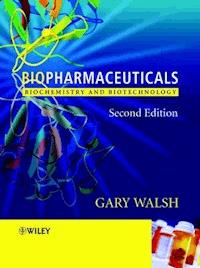
The latest edition of this highly acclaimed textbook, provides a comprehensive and up-to-date overview of the science and medical applications of biopharmaceutical products. Biopharmaceuticals refers to pharmaceutical substances derived from biological sources, and increasingly, it is synonymous with 'newer' pharmaceutical substances derived from genetic engineering or hybridoma technology.
This superbly written review of the important areas of investigation in the field, covers drug production, plus the biochemical and molecular mechanisms of action together with the biotechnology of major biopharmaceutical types on the market or currently under development. There is also additional material reflecting both the technical advances in the area and detailed information on key topics such as the influence of genomics on drug discovery.
Sie lesen das E-Book in den Legimi-Apps auf:
Seitenzahl: 978
Veröffentlichungsjahr: 2013
Ähnliche

















Contents
Preface
Chapter 1 Pharmaceuticals, biologics and biopharmaceuticals
INTRODUCTION TO PHARMACEUTICAL PRODUCTS
BIOPHARMACEUTICALS AND PHARMACEUTICAL BIOTECHNOLOGY
HISTORY OF THE PHARMACEUTICAL INDUSTRY
THE AGE OF BIOPHARMACEUTICALS
BIOPHARMACEUTICALS: CURRENT STATUS AND FUTURE PROSPECTS
TRADITIONAL PHARMACEUTICALS OF BIOLOGICAL ORIGIN
CONCLUSION
FURTHER READING
Chapter 2 The drug development process
DRUG DISCOVERY
PATENTING
DELIVERY OF BIOPHARMACEUTICALS
PRE-CLINICAL TRIALS
CLINICAL TRIALS
THE ROLE AND REMIT OF REGULATORY AUTHORITIES
CONCLUSION
FURTHER READING
Chapter 3 The drug manufacturing process
INTERNATIONAL PHARMACOPOEIA
GUIDES TO GOOD MANUFACTURING PRACTICE
THE MANUFACTURING FACILITY
SOURCES OF BIOPHARMACEUTICALS
PRODUCTION OF FINAL PRODUCT
ANALYSIS OF THE FINAL PRODUCT
FURTHER READING
Chapter 4 The cytokines—the interferon family
CYTOKINES
THE INTERFERONS
CONCLUSION
FURTHER READING
Chapter 5 Cytokines: interleukins and tumour necrosis factor
INTERLEUKIN-2 (IL-2)
INTERLEUKIN-1 (IL-1)
INTERLEUKIN-3: BIOCHEMISTRY AND BIOTECHNOLOGY
INTERLEUKIN-4
INTERLEUKIN-6
INTERLEUKIN-11
INTERLEUKIN-5
INTERLEUKIN-12
TUMOUR NECROSIS FACTORS (TNFS)
FURTHER READING
Chapter 6 Haemopoietic growth factors
THE INTERLEUKINS AS HAEMOPOIETIC GROWTH FACTORS
GRANULOCYTE COLONY STIMULATING FACTOR (G-CSF)
MACROPHAGE COLONY-STIMULATING FACTOR (M-CSF)
GRANULOCYTE-MACROPHAGE COLONY STIMULATING FACTOR (GM-CSF)
CLINICAL APPLICATION OF CSFS
LEUKAEMIA INHIBITORY FACTOR (LIF)
ERYTHROPOIETIN (EPO)
THROMBOPOIETIN
FURTHER READING
Chapter 7 Growth factors
GROWTH FACTORS AND WOUND HEALING
INSULIN-LIKE GROWTH FACTORS (IGFs)
EPIDERMAL GROWTH FACTOR (EGF)
PLATELET-DERIVED GROWTH FACTOR (PDGF)
FIBROBLAST GROWTH FACTORS (FGFs)
TRANSFORMING GROWTH FACTORS (TGFs)
NEUROTROPHIC FACTORS
FURTHER READING
Chapter 8 Hormones of therapeutic interest
INSULIN
GLUCAGON
HUMAN GROWTH HORMONE (hGH)
THE GONADOTROPHINS
CONCLUSIONS
FURTHER READING
Chapter 9 Blood products and therapeutic enzymes
DISEASE TRANSMISSION
WHOLE BLOOD
PLATELETS AND RED BLOOD CELLS
BLOOD SUBSTITUTES
HAEMOSTASIS
FURTHER READING
Chapter 10 Antibodies, vaccines and adjuvants
POLYCLONAL ANTIBODY PREPARATIONS
MONOCLONAL ANTIBODIES
VACCINE TECHNOLOGY
FURTHER READING
Chapter 11 Nucleic acid therapeutics
GENE THERAPY
ANTI-SENSE TECHNOLOGY
CONCLUSION
FURTHER READING
Appendix 1 Biopharmaceuticals thus far approved in the USA or European Union
Appendix 2 Some Internet addresses relevant to the biopharmaceutical sector
SOME BIOTECHNOLOGY/PHARMACEUTICAL/MEDICAL ORGANIZATIONS
REGULATORY AND ASSOCIATED SITES
SOME BIOPHARMACEUTICAL COMPANIES
PROTEINS AND GENES
Appendix 3 Two selected monographs reproduced from the European Pharmacopoeia with permission from the European Commission*
I. RECOMBINANT DNA TECHNOLOGY, PRODUCTS OF
II. INTERFERON α-2 CONCENTRATED SOLUTION
Appendix 4 Annex 2 ‘Manufacture of biological medicinal products for human use.’1
SCOPE
PRINCIPLE
PERSONNEL
PREMISES AND EQUIPMENT
ANIMAL QUARTERS AND CARE
DOCUMENTATION
PRODUCTION
QUALITY CONTROL
Index
First Edition 1998 © John Wiley & Sons, Ltd
Copyright © 2003 John Wiley & Sons Ltd, The Atrium, Southern Gate, Chichester, West Sussex PO19 8SQ, England
Telephone ( + 44) 1243 779777
E-mail (for orders and customer service enquiries): [email protected]
Visit our Home Page on www.wileyeurope.com or www.wiley.com
All Rights Reserved. No part of this publication may be reproduced, stored in a retrieval system or transmitted in any form or by any means, electronic, mechanical, photocopying, recording, scanning or otherwise, except under the terms of the Copyright, Designs and Patents Act 1988 or under the terms of a licence issued by the Copyright Licensing Agency Ltd, 90 Tottenham Court Road, London W1T 4LP, UK, without the permission in writing of the Publisher. Requests to the Publisher should be addressed to the Permissions Department, John Wiley & Sons Ltd, The Atrium, Southern Gate, Chichester, West Sussex PO19 8SQ, England, or emailed to [email protected], or faxed to ( + 44) 1243 770620.
This publication is designed to provide accurate and authoritative information in regard to the subject matter covered. It is sold on the understanding that the Publisher is not engaged in rendering professional services. If professional advice or other expert assistance is required, the services of a competent professional should be sought.
Other Wiley Editorial Offices
John Wiley & Sons Inc., 111 River Street, Hoboken, NJ 07030, USA
Jossey-Bass, 989 Market Street, San Francisco, CA 94103-1741, USA
Wiley-VCH Verlag GmbH, Boschstr. 12, D-69469 Weinheim, Germany
John Wiley & Sons Australia Ltd, 33 Park Road, Milton, Queensland 4064, Australia
John Wiley & Sons (Asia) Pte Ltd, 2 Clementi Loop #02-01, Jin Xing Distripark, Singapore 129809
John Wiley & Sons Canada Ltd, 22 Worcester Road, Etobicoke, Ontario, Canada M9W 1L1
Wiley also publishes its books in a variety of electronic formats. Some content that appears in print may not be available in electronic books.
British Library Cataloguing in Publication Data
A catalogue record for this book is available from the British Library
ISBN 0 470 84326 8 (ppc)
ISBN 0 470 84327 6 (pbk)
I dedicate this book to my beautiful son Shane, born during the revision of Chapter 6. I include his photograph in the hope that a Hollywood producer, looking for a child film star, will spot it and immediately offer to make us suitably rich. In the future, I also hope to use it to embarrass him during his teenage years, by showing it to all his cool, sophisticated friends.
Preface
Advances in our understanding of the molecular principles underlining both health and disease has revealed the existence of many regulatory polypeptides of significant medical potential. The fact that such polypeptides are produced naturally within the body only in minute quantities initially precluded their large-scale medical application. The development in the 1970s of the twin techniques of genetic engineering and hybridoma technology marked the birth of the modern biotech era. These techniques facilitate the large-scale production of virtually any protein, and proteins of medical interest produced by these methodologies have been coined ‘biopharmaceuticals’. More recent developments in biomedical research highlights the clinical potential of nucleic acid-based therapeutic agents. Gene therapy and anti-sense technology are likely to become a medical reality within a decade. The term ‘biopharmaceutical’ now also incorporates the polynucleotide sequences utilized for such purposes.
This book attempts to provide a balanced overview of the biopharmaceutical industry, not only in terms of categorizing the products currently available, but also illustrating how these drugs are produced and brought to market. Chapter 1 serves as an introduction to the topic, and also focuses upon several ‘traditional’ pharmaceutical substances isolated (initially at least) from biological sources. This serves as a backdrop for the remaining chapters, which focus almost exclusively upon recently developed biopharmaceutical products. The major emphasis is placed upon polypeptide-based therapeutic agents, while the potential of nucleic acid-based drugs is discussed in the final chapter.
In preparing the latest edition of this textbook, I highlight the latest developments within the sector, provide a greater focus upon actual commercial products thus far approved and how they are manufactured, and I include substantial new sections detailing biopharmaceutical drug delivery and how advances in genomics and proteomics will likely impact upon (bio)pharmaceutical drug development.
The major target audience is that of advanced undergraduates or postgraduate students pursuing courses in relevant aspects of the biological sciences. The book should prove particularly interesting to students undertaking programmes in biotechnology, biochemistry, the pharmaceutical sciences, medicine or any related biomedical subject. A significant additional target audience are those already employed in the (bio)pharmaceutical sector, who wish to gain a better overview of the industry in which they work.
The successful completion of this text has been made possible by the assistance of several people to whom I owe a depth of gratitude. Chief amongst these is Sandy Lawson, who appears to be able to read my mind as well as my handwriting. Thank you to Nancy, my beautiful wife, who suffered most from my becoming a social recluse during the preparation of this text. Thank you, Nancy, for not carrying out your threat to burn the manuscript on various occasions, and for helping with the proof-reading. I am also very grateful to the staff of John Wiley and Sons Ltd for the professionalism and efficiency they exhibited while bringing this book through the publication process. The assistance of companies who provided information and photographs for inclusion in the text is also gratefully acknowledged, as is the cooperation of those publishers who granted me permission to include certain copyrighted material. Finally, a word of appreciation to all my colleagues at Limerick, who continue to make our university such a great place to work.
Gary Walsh
Limerick, November 2002
Chapter 1
Pharmaceuticals, biologics and biopharmaceuticals
INTRODUCTION TO PHARMACEUTICAL PRODUCTS
Pharmaceutical substances form the backbone of modern medicinal therapy. Most traditional pharmaceuticals are low molecular mass organic chemicals (Table 1.1). Although some (e.g. aspirin) were originally isolated from biological sources, most are now manufactured by direct chemical synthesis. Two types of manufacturing companies thus comprise the ‘traditional’ pharmaceutical sector; the chemical synthesis plants, which manufacture the raw chemical ingredients in bulk quantities, and the finished product pharmaceutical facilities, which purchase these raw bulk ingredients, formulate them into final pharmaceutical products, and supply these products to the end-user.
In addition to chemical-based drugs, a range of pharmaceutical substances (e.g. hormones and blood products) are produced by or extracted from biological sources. Such products, some major examples of which are listed in Table 1.2, may thus be described as products of biotechnology. In some instances, categorizing pharmaceuticals as products of biotechnology or chemical synthesis becomes somewhat artificial, e.g. certain semi-synthetic antibiotics are produced by chemical modification of natural antibiotics produced by fermentation technology.
BIOPHARMACEUTICALS AND PHARMACEUTICAL BIOTECHNOLOGY
Terms such as ‘biologic’, ‘biopharmaceutical’ and ‘products of pharmaceutical biotechnology’ or ‘biotechnology medicines’ have now become an accepted part of the pharmaceutical literature. However, these terms are sometimes used interchangeably and can mean different things to different people.
While it might be assumed that ‘biologic’ refers to any pharmaceutical product produced by biotechnological endeavour, its definition is more limited. In pharmaceutical circles, ‘biologic’ generally refers to medicinal products derived from blood, as well as vaccines, toxins and allergen products. Thus, some traditional biotechnology-derived pharmaceutical products (e.g. hormones, antibiotics and plant metabolites) fall outside the strict definition.
Table 1.1. Some traditional pharmaceutical substances which are generally produced by direct chemical synthesis
Table 1.2. Some pharmaceuticals which were traditionally obtained by direct extraction from biological source material. Many of the protein-based pharmaceuticals mentioned below are now also produced by genetic engineering
Blood products (e.g. coagulation factors)
Treatment of blood disorders such as haemophilia A or B
Vaccines
Vaccination against various diseases
Antibodies
Passive immunization against various diseases
Insulin
Treatment of diabetes mellitus
Enzymes
Thrombolytic agents, digestive aids, debriding agents (i.e. cleansing of wounds)
Antibiotics
Treatment against various infectious agents
Plant extracts (e.g. alkaloids)
Various, including pain relief
The term ‘biopharmaceutical’ was first used in the 1980s and came to describe a class of therapeutic protein produced by modern biotechnological techniques, specifically via genetic engineering or (in the case of monoclonal antibodies) by hybridoma technology. This usage equated the term ‘biopharmaceutical’ with ‘therapeutic protein synthesized in engineered (non-naturally occurring) biological systems’. More recently, however, nucleic acids used for purposes of gene therapy and antisense technology (Chapter 11) have come to the fore and they too are generally referred to as ‘biopharmaceuticals’. Moreover, several recently approved proteins are used for in vivo diagnostic as opposed to therapeutic purposes. Throughout this book therefore, the term ‘biopharmaceutical’ refers to protein or nucleic acid based pharmaceutical substances used for therapeutic or in vivo diagnostic purposes, which are produced by means other than direct extraction from natural (non-engineered) biological sources (Tables 1.3 and 1.4).
As used herein, ‘biotechnology medicines’ or ‘products of pharmaceutical biotechnology’ are afforded a much broader definition. Unlike the term ‘biopharmaceutical’, the term ‘biotechnology’ has a much broader and long-established meaning. Essentially, it refers to the use of biological systems (e.g. cells or tissues) or biological molecules (e.g. enzymes or antibodies) for or in the manufacture of commercial products. Therefore, the term is equally applicable to long-established biological processes, such as brewing, and more modern processes, such as genetic engineering. As such, the term ‘biotechnology medicine’ is defined here as ‘any pharmaceutical product used for a therapeutic or in vivo diagnostic purpose, which is produced in full or in part by either traditional or modern biotechnological means’. Such products encompass, for example, antibiotics extracted from fungi, therapeutic proteins extracted from native source material (e.g. insulin from pig pancreas) and products produced by genetic engineering (e.g. recombinant insulin) (Tables 1.3 and 1.4).
Table 1.3. A summary of the definition of the terms ‘biologic’, ‘biopharmaceutical’ and ‘biotechnology medicine’ as used throughout this book. Reprinted from European Journal of Pharmaceutical Sciences, vol 15, Walsh, Biopharmaceuticals and Biotechnology, p 135–138, ©2002, with permission from Elsevier Science
Biopharmaceutical
A protein or nucleic acid based pharmaceutical substance used for therapeutic or
in vivo
diagnostic purposes, which is produced by means other than direct extraction from a native (non-engineered) biological source
Biotechnology medicine/product of pharmaceutical biotechnology
Any pharmaceutical product used for therapeutic or
in vivo
diagnostic purposes, which is produced in full or in part by biotechnological means
Biologic
A virus, therapeutic serum, toxin, antitoxin, vaccine, blood, blood component or derivative, allergenic product or analogous product, or arsphenamine or its derivatives or any other trivalent organic arsenic compound applicable to the prevention, cure or treatment of disease or conditions of human beings
HISTORY OF THE PHARMACEUTICAL INDUSTRY
The pharmaceutical industry, as we now know it, is barely 60 years old. From very modest beginnings it has grown rapidly, reaching an estimated value of $100 billion by the mid-1980s. Its current value is likely double this figure or more. There are well in excess of 10 000 pharmaceutical companies in existence, although only about 100 of these can claim to be of true international significance. These companies manufacture in excess of 5000 individual pharmaceutical substances used routinely in medicine.
The first stages of development of the modern pharmaceutical industry can be traced back to the turn of the twentieth century. At that time (apart from folk cures), the medical community had at their disposal only four drugs that were effective in treating specific diseases:
Digitalis, extracted from foxglove, was known to stimulate heart muscle and hence was used to treat various heart conditions.
Quinine, obtained from the barks/roots of a plant (
Cinchona
sp.), was used to treat malaria.
Pecacuanha (active ingredient is a mixture of alkaloids), used for treating dysentery, was obtained from the bark/roots of the plant species
Cephaelis
.
Mercury, for the treatment of syphilis.
Table 1.4. The categorization of pharmaceutically significant biological molecules using the indicated definitions as listed in Table 1.3. Reproduced in modified form from European Journal of Pharmaceutical Sciences, vol 15, Walsh, Biopharmaceuticals and Biotechnology, p 135–138, ©2002, with permission from Elsevier Science
The lack of appropriate safe and effective medicines contributed in no small way to the low life expectancy characteristic of those times.
Developments in biology (particularly the growing realization of the microbiological basis of many diseases), as well as a developing appreciation of the principles of organic chemistry, helped underpin future innovation in the fledgling pharmaceutical industry. The successful synthesis of various artificial dyes, which proved to be therapeutically useful, led to the formation of pharmaceutical/chemical companies such as Bayer and Hoechst in the late 1800s, e.g. scientists at Bayer succeeded in synthesizing aspirin in 1895.
Despite these early advances, it was not until the 1930s that the pharmaceutical industry began to develop in earnest. The initial landmark discovery of this era was probably the discovery and chemical synthesis of the sulpha drugs. These are a group of related molecules derived from the red dye, Prontosil rubrum. These drugs proved effective in the treatment of a wide variety of bacterial infections (Figure 1.1). Although it was first used therapeutically in the early 1920s, large-scale industrial production of insulin also commenced in the 1930s.
The medical success of these drugs gave new emphasis to the pharmaceutical industry, which was boosted further by the commencement of industrial-scale penicillin manufacture in the early 1940s. Around this time, many of the current leading pharmaceutical companies (or their forerunners) were founded. Examples include Ciba Geigy, Eli Lilly, Wellcome, Glaxo and Roche. Over the next two to three decades, these companies developed drugs such as tetracyclines, corticosteroids, oral contraceptives, antidepressants and many more. Most of these pharmaceutical substances are manufactured by direct chemical synthesis.
THE AGE OF BIOPHARMACEUTICALS
Biomedical research continues to broaden our understanding of the molecular mechanisms underlining both health and disease. Research undertaken since the 1950s has pinpointed a host of proteins produced naturally in the body which have obvious therapeutic applications. Examples include the interferons, and interleukins, which regulate the immune response; growth factors such as erythropoietin, which stimulates red blood cell production; and neurotrophic factors, which regulate the development and maintenance of neural tissue.
While the pharmaceutical potential of these regulatory molecules was generally appreciated, their widespread medical application was in most cases rendered impractical due to the tiny quantities in which they were naturally produced. The advent of recombinant DNA technology (genetic engineering) and monoclonal antibody technology (hybridoma technology) overcame many such difficulties, and marked the beginning of a new era of the pharmaceutical sciences.
Recombinant DNA technology has had a four-fold positive impact upon the production of pharmaceutically important proteins:
It overcomes the problem of source availability
. Many proteins of therapeutic potential are produced naturally in the body in minute quantities. Examples include interferons (Chapter 4), interleukins (Chapter 5) and colony stimulating factors (Chapter 6). This rendered impractical their direct extraction from native source material in quantities sufficient to meet likely clinical demand. Recombinant production (Chapter 3) allows the manufacture of any protein in whatever quantity it is required.
It overcomes problems of product safety
. Direct extraction of product from some native biological sources has, in the past, led to the unwitting transmission of disease. Examples include the transmission of blood-borne pathogens such as hepatitis B, C and HIV via infected blood products and the transmission of Creutzfeldt–Jakob disease to persons receiving human growth hormone preparations derived from human pituitaries.
It provides an alternative to direct extraction from inappropriate/dangerous source material
. A number of therapeutic proteins have traditionally been extracted from human urine. The fertility hormone FSH, for example, is obtained from the urine of post-menopausal women, while a related hormone, hCG, is extracted from the urine of pregnant women (Chapter 8). Urine is not considered a particularly desirable source of pharmaceutical products. While several products obtained from this source remain on the market, recombinant forms have now also been approved. Other potential biopharmaceuticals are produced naturally in downright dangerous sources. Ancrod, for example, is a protein displaying anti-coagulant activity (Chapter 9) and, hence, is of potential clinical use; however, it is produced naturally by the Malaysian pit viper. While retrieval by milking snake venom is possible, and indeed may be quite an exciting procedure, recombinant production in less dangerous organisms, such as
Escherichia coli
or
Saccharomyces cerevisiae,
would be considered preferable by most.
It facilitates the generation of engineered therapeutic proteins displaying some clinical advantage over the native protein product
. Techniques such as site-directed mutagenesis facilitate the logical introduction of pre-defined changes in a protein’s amino acid sequence. Such changes can be minimal, such as the insertion, deletion or alteration of a single amino acid residue, or can be more substantial, e.g. the alteration or deletion of an entire domain, or the generation of a novel hybrid protein. Such changes can be made for a number of reasons and several engineered products have now gained marketing approval. An overview summary of some engineered product types now on the market is provided in
Table 1.5
. These and other examples will be discussed in subsequent chapters.
Figure 1.1. Sulpha drugs and their mode of action. The first sulpha drug to be used medically was the red dye prontosil rubrum (a). In the early 1930s, experiments illustrated that the administration of this dye to mice infected with haemolytic streptococci prevented the death of the mice. This drug, while effective in vivo, was devoid of in vitro antibacterial activity. It was first used clinically in 1935 under the name Streptozon. It was subsequently shown that prontosil rubrum was enzymatically reduced by the liver, forming sulphanilamide, the actual active antimicrobial agent (b). Sulphanilamide induces its effect by acting as an anti-metabolite with respect to para-aminobenzoic acid (PABA) (c). PABA is an essential component of tetrahydrofolic acid (THF) (d). THF serves as an essential co-factor for several cellular enzymes. Sulphanilamide (at sufficiently high concentrations) inhibits manufacture of THF by competing with PABA. This effectively inhibits essential THF-dependent enzyme reactions within the cell. Unlike humans, who can derive folates from their diets, most bacteria must synthesize it de novo, as they cannot absorb it intact from their surroundings
Table 1.5. Selected engineered biopharmaceutical types/products, which have now gained marketing approval. These and additional such products will be discussed in detail in subsequent chapters
Product description/type
Alteration introduced
Rationale
Faster-acting insulins (Chapter 8)
Modified amino acid sequence
Generation of faster-acting insulin
Slow-acting insulins (Chapter 8)
Modified amino acid sequence
Generation of slow-acting insulin
Modified tissue plasminogen activator (tPA: Chapter 9)
Removal of three of the five native domains of tPA
Generation of a faster-acting thrombolytic (clot degrading) agent
Modified blood factor VIII (Chapter 9)
Deletion of one domain of native factor VIII
Production of a lower molecular mass product
Chimaeric/humanized antibodies (Chapter 10)
Replacement of most/virtually all of the murine amino acid sequences with sequences found in human antibodies
Greatly reduced/eliminated immonogenicity. Ability to activate human effector functions
‘Ontak’, a fusion protein (Chapter 5)
Fusion protein consisting of the diphtheria toxin linked to interleukin-2
Targets toxin selectively to cells expressing an IL-2 receptor
Despite the undoubted advantages of recombinant production, it remains the case that many protein-based products extracted directly from native source material remain on the market. These products have proved safe and effective and selected examples are provided in Table 1.2. In certain circumstances, direct extraction of native source material can prove equally/more attractive than recombinant production. This may be for an economic reason, e.g. if the protein is produced in very large quantities by the native source and is easy to extract/purify, as is the case for human serum albumin (Chapter 9). Also, some blood factor preparations purified from donor blood actually contain several different blood factors and hence can be used to treat several haemophilia patient types. Recombinant blood factor preparations, on the other hand, contain but a single blood factor and hence can be used to treat only one haemophilia type (Chapter 9).
The advent of genetic engineering and monoclonal antibody technology underpinned the establishment of literally hundreds of start-up biopharmaceutical (biotechnology) companies in the late 1970s and early 1980s. The bulk of these companies were founded in the USA, with smaller numbers of start-ups emanating from Europe and other world regions.
Many of these fledgling companies were founded by academics/technical experts who sought to take commercial advantage of developments in the biotechnological arena. These companies were largely financed by speculative monies attracted by the hype associated with the establishment of the modern biotech era. While most of these early companies displayed significant technical expertise, the vast majority lacked experience in the practicalities of the drug development process (Chapter 2). Most of the well-established large pharmaceutical companies, on the other hand, were slow to invest heavily in biotech research and development. However, as the actual and potential therapeutic significance of biopharmaceuticals became evident, many of these companies did diversify into this area. Most either purchased small established biopharmaceutical concerns or formed strategic alliances with them. An example was the longterm alliance formed by Genentech (see later) and the well-established pharmaceutical company, Eli Lilly. Genentech developed recombinant human insulin, which was then marketed by Eli Lilly under the trade name, Humulin. The merger of biotech capability with pharmaceutical experience helped accelerate development of the biopharmaceutical sector.
Many of the earlier biopharmaceutical companies no longer exist. The overall level of speculative finance available was not sufficient to sustain them all long-term (it can take 6–10 years and $200–500 million to develop a single drug; Chapter 2). Furthermore, the promise and hype of biotechnology sometimes exceeded its ability to actually deliver a final product. Some biopharmaceutical substances showed little efficacy in treating their target condition, and/or exhibited unacceptable side effects. Mergers and acquisitions also led to the disappearance of several biopharmaceutical concerns. Table 1.6 lists the major pharmaceutical concerns which now manufacture/market biopharmaceuticals approved for general medical use. Box 1.1 provides a profle of three well-established dedicated biopharmaceutical companies.
BIOPHARMACEUTICALS: CURRENT STATUS AND FUTURE PROSPECTS
By mid-2002, some 120 biopharmaceutical products had gained marketing approval in the USA and/or EU. Collectively, these represent a global biopharmaceutical market in the region of $15 billion (Table 1.7). A detailed list of the approved products is provided in Appendix 1. The products include a range of hormones, blood factors and thrombolytic agents, as well as vaccines and monoclonal antibodies (Table 1.8). All but one are protein-based therapeutic agents. The exception is Vitravene, an antisense oligonucleotide (Chapter 11), first approved in the USA in 1998. Many additional nucleic acid-based products for use in gene therapy or antisense technology (Chapter 11) are currently in clinical trials.
Many of the initial biopharmaceuticals approved were simple replacement proteins (e.g. blood factors and human insulin). The ability to logically alter the amino acid sequence of a protein, coupled to an increased understanding of the relationship between protein structure and function has facilitated the more recent introduction of several engineered therapeutic proteins (Table 1.5). Thus far, the vast majority of approved recombinant proteins have been produced in E. coli, S. cerevisiae or in animal cell lines (most notably Chinese hamster ovary (CHO) cells or baby hamster kidney (BHK) cells). The rationale for choosing these production systems is discussed in Chapter 3.
Table 1.6. Pharmaceutical companies who manufacture and/or market biopharmaceutical products approved for general medical use in the USA and EU
Genetics Institute
Hoechst AG
Bayer
Aventis Pharmaceuticals
Novo Nordisk
Genzyme
Centeon
Schwartz Pharma
Genentech
Pharmacia and Upjohn
Centocor
Biotechnology General
Boehringer Mannheim
Serono
Galenus Mannheim
Organon
Eli Lilly
Amgen
Ortho Biotech
Dompe Biotec
Schering Plough
Immunex
Hoffman-la-Roche
Bedex Laboratories
Chiron
Merck
Biogen
SmithKline Beecham
Pasteur Mérieux MSD
Medeva Pharma
Immunomedics
Cytogen
Novartis
Med Immune
Abbott
Roche
Wyeth
Isis pharmaceuticals
Unigene
Sanofi-Synthelabo
While most biopharmaceuticals approved to date are intended for human use, a number of products destined for veterinary application have also come on the market. One early example of this is recombinant bovine growth hormone (somatotrophin), approved in the USA in the early 1990s and used to increase milk yields from dairy cattle. Additional examples of approved veterinary biopharmaceuticals include a range of recombinant vaccines and an interferon-based product (Table 1.9).
At least 500 potential biopharmaceuticals are currently being evaluated in clinical trials. Vaccines and monoclonal antibody-based products represent the two biggest product categories. Regulatory factors (e.g. hormones and cytokines), as well as gene therapy and antisense-based products, also represent significant groupings. While most protein-based products likely to gain marketing approval over the next 2–3 years will be produced in engineered E. coli, S. cerevisiae or animal cell lines, some products now in clinical trials are being produced in the milk of transgenic animals (Chapter 3). Additionally, plant-based transgenic expression systems may potentially come to the fore, particularly for the production of oral vaccines (Chapter 3).
Interestingly, the first generic biopharmaceuticals are already entering the market. Patent protection for many first-generation biopharmaceuticals (including recombinant human growth hormone, insulin, erythropoietin, α-interferon and granulocyte colony stimulating factor) has now come/is now coming to an end. Most of these drugs command an overall annual market value in excess of US$ 1 billion, rendering them attractive potential products for many biotechnology/pharmaceutical companies. Companies already producing, or about to produce, generic biopharmaceuticals include Genemedix (UK), Sicor and Ivax (USA), Congene and Microbix (Canada) and BioGenerix (Germany); e.g. Genemedix secured approval for sale of a recombinant colony-stimulating factor in China in 2001 and is also commencing the manufacture of recombinant erythropoietin; Sicor currently markets human growth hormone and interferon-α in Eastern Europe and various developing nations. The widespread approval and marketing of generic biopharmaceuticals in regions such as the EU and USA is, however, unlikely to occur in the near future, mainly due to regulatory issues.
Box 1.1. Amgen, Biogen and Genentech
Amgen, Biogen and Genentech represent three pioneering biopharmaceutical companies that remain in business. Founded in the 1980s as AMGen (Applied Molecular Genetics), Amgen now employs over 9000 people worldwide, making it one of the largest dedicated biotechnology companies in existence. Its headquarters are situated in Thousand Oaks, California, although it has research, manufacturing, distribution and sales facilities worldwide. Company activities focus upon developing novel (mainly protein) therapeutics for application in oncology, inflammation, bone disease, neurology, metabolism and nephrology. By mid-2002, six of its recombinant products had been approved for general medical use (the erythropoietin-based products, ‘Aranesp’ and ‘Epogen’ (Chapter 6), the colony stimulating factor-based products, ‘Neupogen’ and ‘Neulasta’ (Chapter 6) as well as the interleukin-1 receptor antagonist, ‘Kineret’ and the anti-rheumatoid arthritis fusion protein, Enbrel (Chapter 5)). Total product sales for 2001 reached US$ 3.5 billion and the company reinvested 25% of this in R&D. In July 2002, Amgen acquired Immunex Corporation, another dedicated biopharmaceutical company founded in Seattle in the early 1980s.
Biogen was founded in Geneva, Switzerland in 1978 by a group of leading molecular biologists. Currently, its international headquarters are located in Paris and it employs in excess of 2000 people worldwide. The company developed and directly markets the interferon-based product, ‘Avonex’ (Chapter 4), but also generates revenues from sales of other Biogen-discovered products which are licensed to various other pharmaceutical companies. These include Schering Plough’s ‘Intron A’ (Chapter 4) as well as a number of hepatitis B-based vaccines sold by SmithKline Beecham (SKB) and Merck (Chapter 10). By 2001, worldwide sales of Biogen-discovered products had reached US$ 3 billion. Biogen reinvests ca. 33% of its revenues back into R&D and has ongoing collaborations with several other pharmaceutical and biotechnology companies.
Genentech was founded in 1976 by scientist Herbert Boyer and the venture capitalist, Robert Swanson. Headquartered in San Francisco, it employs almost 5000 staff worldwide and has 10 protein-based products on the market. These include human growth hormones (‘Nutropin’, Chapter 8), the antibody-based products ‘Herceptin’ and ‘Rituxan’ (Chapter 10) and the thrombolytic agents ‘Activase’ and ‘TNKase’ (Chapter 9). The company also has 20 or so products in clinical trials. In 2001, it generated some US$ 2.2 billion in revenues, 24% of which it reinvested in R&D.
To date (mid-2002) no gene therapy based product has thus far been approved for general medical use (Chapter 11). Although gene therapy trials were initiated as far back as 1990, the results have been disappointing. Many technical difficulties remain, e.g. in relation to gene delivery and regulation of expression. Product effectiveness was not apparent in the majority of trials undertaken and safety concerns have been raised in several trials.
Table 1.7. Approximate annual market values of some leading approved biopharmaceutical products. Data gathered from various sources, including company home pages, annual reports and industry reports
Product and (Company)
Product description and (use)
Annual sales value (US$, billions)
Procrit (Amgen/Johnson & Johnson)
Erythropoietin (treatment of anaemia)
2.7
Epogen (Amgen)
Erythropoietin (treatment of anaemia)
2.0
Intron A (Schering Plough)
Interferon-
α
(treatment of leukaemia)
1.4
Neupogen (Amgen)
Colony stimulating factor (treatment of neutropenia)
1.2
Avonex (Biogen)
Interferon-
β
(treatment of multiple sclerosis)
0.8
Embrel (Immunex)
Monoclonal antibody (treatment of rheumatoid arthritis)
0.7
Betasteron (Chiron/Schering Plough)
Interferon-
β
(treatment of multiple sclerosis)
0.6
Cerezyme (Genzyme)
Glucocerebrosidase (treatment of Gaucher’s disease)
0.5
Table 1.8. Summary categorization of biopharmaceuticals approved for general medical use in the EU and/or USA by August 2002. Refer to Appendix 1 for further details
Only one antisense-based product has been approved to date (in 1998) and, although several such antisense agents continue to be clinically evaluated, it is unlikely that a large number of such products will be approved over the next 3–4 years. Despite the disappointing results thus far generated by nucleic acid-based products, future technical advances will almost certainly ensure the approval of gene therapy- and antisense-based products in the intermediate future.
Table 1.9. Some recombinant (r) biopharmaceuticals recently approved for veterinary application in the EU
Product
Company
Indication
Vibragen Omega (r feline interferon omega)
Virbac
Reduction of mortality/clinical symptoms associated with canine parvovirus
Fevaxyl Pentafel (combination vaccine containing r feline leukaemia viral antigen as one component)
Fort Dodge Laboratories
Immunization of cats against various feline pathogens
Porcilis porcoli (combination vaccine containing r
E. coli
adhesins)
Intervet
Active immunization of sows
Porcilis AR-T DF (combination vaccine containing a recombinant modified toxin from
Pasteurella multocida
)
Intervet
Reduction in clinical signs of progressive atrophic rhinitis in piglets
Porcilis pesti (combination vaccine containing r classical swine fever virus E
2
subunit antigen)
Intervet
Immunization of pigs against classical swine fever
Bayovac CSF E2 (combination vaccine containing r classical swine fever virus E
2
subunit antigen)
Intervet
Immunization of pigs against classical swine fever
Technological developments in areas such as genomics, proteomics and high-throughput screening are also beginning to impact significantly upon the early stages of drug development (Chapter 2). For example, by linking changes in gene/protein expression to various disease states, these technologies will identify new drug targets for such diseases. Many/most such targets will themselves be proteins, and drugs will be designed/developed specifically to interact with them. They may be protein-based or (more often) low molecular mass ligands.
TRADITIONAL PHARMACEUTICALS OF BIOLOGICAL ORIGIN
The remaining chapters of this book are largely dedicated to describing the major biopharmaceuticals currently in use and those likely to gain approval for use in the not-too-distant future. Before undertaking this task, however, it would be useful to overview briefly some of the now-traditional pharmaceutical substances originally obtained from biological sources. This will provide a more comprehensive foundation for the study of biopharmaceuticals and facilitate a better overall appreciation of how biotechnology, in whatever guise, impacts upon the pharmaceutical industry.
As previously indicated, some of these biological substances are now synthesized chemically, although many continue to be extracted from their native biological source material. Animals, plants and microorganisms have all yielded therapeutically important compounds, as described below.
Table 1.10. Some pharmaceutical substances originally isolated from animal sources. While some are still produced by direct extraction from the native source, others are now also produced by direct chemical synthesis (e.g. peptides and some steroids), or by recombinant DNA technology (most of the polypeptide products). Abbreviations: hGH=human growth hormone; FSH=follicle stimulating hormone; hCG=human chorionic gonadotrophin; HSA=human serum albumin; HBsAg=hepatitis B surface antigen
Product
Indication
Original source
Insulin
Diabetes mellitus
Porcine/bovine pancreatic tissue
Glucagon
Used to reverse insulin-induced hypoglycaemia
Porcine/bovine pancreatic tissue
hGH
Treatment of short stature
Originally human pituitaries
FSH
Subfertility/infertility
Urine of post-menopausal women
hCG
Subfertility/infertility
Urine of pregnant women
Blood coagulation factors
Haemophilia and other related blood disorders
Human blood
HSA
Plasma volume expander
Human plasma/placenta
Polyclonal antibodies
Passive immunization
Serum of immunized animals/humans
H Bs Ag
Vaccination against hepatitis B
Plasma of hepatitis B carriers
Urokinase
Thrombolytic agent
Human urine
Peptide hormones (e.g. gonadorelin, oxytocin, vasopressin)
Various
Mostly from pituitary gland
Trypsin
Debriding agent
Pancreas
Pancrelipase
Digestive enzymes
Pancreas
Glucocerebrosidase
Gaucher’s disease
Placenta
Steroid (sex) hormones
Various, including subfertility
Gonads
Corticosteroids
Adrenal insufficiency, antiinflammatory agents, immunosuppressants
Adrenal cortex
Prostaglandins
Various, including uterine stimulants, vasodilators and inhibition of gastric acid secretion
Manufactured in most tissues
Adrenaline
Management of anaphylaxis
Adrenal gland
Pharmaceuticals of animal origin
A wide range of pharmaceutical substances are derived from animal sources (Table 1.10). Many are protein-based and detailed description of products such as insulin and other polypeptide hormones, antibody preparations, vaccines, enzymes, etc., have been deferred to subsequent chapters. (Many of the therapeutic proteins are now also produced by recombinant DNA technology. Considerable overlap would have been generated had a product obtained by direct extraction from native sources been discussed here, with further discussion of a version of the same product produced by recombinant DNA technology at a later stage.) Non-proteinaceous pharmaceuticals originally derived from animal sources include steroid (sex) hormones, corticosteroids and prostaglandins. A limited discussion of these substances is presented below, as they will not be discussed in subsequent chapters. Most of these substances are now prepared synthetically.
The sex hormones
The male and female gonads, as well as the placenta of pregnant females and, to a lesser extent, the adrenal cortex, produce a range of steroid hormones which regulate the development and maintenance of reproductive and related functions. As such, these steroid sex hormones have found medical application in the treatment of various reproductive dysfunctions.
While these steroids directly regulate sexual function, their synthesis and release are, in turn, controlled by gonadotropins—polypeptide hormones produced by the pituitary gland. The biology and medical applications of the gonadotropins are outlined in Chapter 8. Sex hormones produced naturally may be classified into one of three groups:
the androgens;
the oestrogens;
progesterone.
While these steroids can be extracted directly from human tissue, in most instances they can also be synthesized chemically. Direct chemical synthesis methodology has also facilitated the development of synthetic steroid analogues. Many such analogues exhibit therapeutic advantages over the native hormone, e.g. they may be more potent, be absorbed intact from the digestive tract, or exhibit a longer duration of action in the body. The majority of sex steroid hormones now used clinically are chemically synthesized.
The androgens The androgens are the main male sex hormones. They are produced by the Leydig cells of the testes, as well as in the adrenals. They are also produced by the female ovary. As in the case of all other steroid hormones, the androgens are synthesized in the body, using cholesterol as their ultimate biosynthetic precursor. The major androgen produced by the testes is testosterone, of which 4–10 mg is secreted daily into the bloodstream by healthy young men. Testosterone synthesis is stimulated by the gonadotrophin, luteinizing hormone.
Testosterone is transported in the blood bound to transport proteins, the most important of which are albumin (a non-specific carrier) and testosterone–oestradiol binding globulin (TEBG), a 40 kDa polypeptide which binds testosterone and oestrogens with high affinity.
Testosterone and other androgens induce their characteristic biological effects via binding to a specific intracellular receptor. These hormones promote:
induction of sperm production;
development/maintenance of male secondary sexual characteristics;
general anabolic (growth-promoting) effects;
regulation of gonadotrophin secretion.
The actions of androgens are often antagonized by oestrogens, and vice versa. This forms the basis of androgen administration in some forms of breast cancer, and oestrogen administration in the treatment of prostate cancer. Anti-androgenic compounds have also been synthesized. These antagonize androgen action due to their ability to compete with androgens for binding to the receptor.
Androgens are used medically as replacement therapy in male hypogonadal disorders (i.e. impaired functioning of the testes). They are administered to adolescent males displaying delayed puberty to promote an increase in the size of the scrotum and other sexual organs. Androgens are also sometimes administered to females, particularly in the management of some forms of breast cancer. The major androgens used clinically are listed in Table 1.11, and their chemical structures are outlined in Figure 1.2.
Table 1.11. Major androgens/anabolic steroids used medically
Hormone
Description
Use
Danazol
Synthetic androgen. Suppresses gonadotrophin production. Exhibits some weak androgenic activity
Oral administration in the treatment of endometriosis, benign breast disorders, menorrhagia, premenstrual syndrome and hereditary angioedema
Methyltestosterone
Synthetic androgen, longer circulatory half-life than testosterone
Replacement therapy for male hypogonadal disorders. Breast cancer in females
Oxymetholone
Synthetic androgen
Treatment of anaemia
Stanozolol
Synthetic androgen
Treatment of some clinical presentations of Behçet’s syndrome and management of hereditary angioedema
Testosterone
Main androgen produced by testes. Esterified forms display longer circulatory half lives
Treatment of male hypogonadism. Also sometimes used in treatment of post-menopausal breast carcinoma and osteoporosis
Oestrogens Oestrogens are produced mainly by the ovary in (non-pregnant) females. These molecules, which represent the major female sex steroid hormones, are also produced by the placenta of pregnant females. Testosterone represents the immediate biosynthetic precursor of oestrogens. Three main oestrogens have been extracted from ovarian tissue (oestrone, β-oestradiol and oestriol). β-oestradiol is the principal oestrogen produced by the ovary. It is 10 times more potent than oestrone and 25 times more potent than oestriol, and these latter two oestrogens are largely by-products of β-oestradiol metabolism.
Oestrogens induce their various biological effects by interacting with intracellular receptors. Their major biological activities include:
stimulation of the growth and maintenance of the female reproductive system (their principal effect);
influencing bone metabolism; as is evidenced from the high degree of bone decalcification (osteoporosis) occurring in post-menopausal women;
influencing lipid metabolism.
Natural oestrogens generally only retain a significant proportion of their activity if administered intravenously. Several synthetic analogues have been developed which can be administered orally. Most of these substances also display more potent activity than native oestrogen. The most important synthetic oestrogen analogues include ethinyloestradiol and diethylstilboestrol (often simply termed stilboestrol). These are orally active and are approximately 10 and 5 times (respectively) more potent than oestrone.
Figure 1.2. Chemical structure of the major synthetic and native androgens used clinically
Oestrogens are used to treat a number of medical conditions, including:
replacement therapy for medical conditions underlined by insufficient endogenous oestrogen production;
for alleviation of menopausal/post-menopausal disorders/symptoms;
combating post-menopausal osteoporosis;
treatment of some cancer forms, notably prostate and breast cancer;
as an active ingredient in several oral contraceptive preparations.
The major oestrogen preparations used medically are outlined in Table 1.12, and their chemical structure is illustrated in Figure 1.3. The widest clinical application of oestrogens relate to their use as oral contraceptives. Most such contraceptive pills contain an oestrogen in combination with a progestin (discussed later).
Several synthetic anti-oestrogens have also been developed. These non-steroidal agents, including clomiphene and tamoxifen (Figure 1.4) inhibit oestrogen activity by binding their intracellular receptors, but fail to elicit a subsequent cellular response. Such anti-oestrogens have also found clinical application. Many female patients with breast cancer improve when either endogenous oestrogen levels are reduced (e.g. by removal of the ovaries) or antioestrogenic compounds are administered. However, not all patients respond. Predictably, tumours exhibiting high levels of oestrogen receptors are the most responsive.
Table 1.12. Major oestrogens used medically
Hormone
Description
Use
Ethinyloestradiol
Synthetic oestrogen
Used for oestrogen replacement therapy in deficient states, both pre- and post-menopausal. Treatment of prostate cancer (male), breast cancer (post-menopausal women). Component of many oral contraceptives
Mestranol
Synthetic oestrogen
Treatment of menopausal, post-menopausal or menstrual disorders. Component of many oral contraceptives
Oestradiol
Natural oestrogen
Oestrogen replacement therapy in menopausal, post-menopausal or menstrual disorders. Management of breast cancer in post-menopausal women and prostate cancer in man
Oestrone
Natural oestrogen
Uses similar to oestradiol
Quinestrol
Synthetic oestrogen, with prolonged duration of action
Oestrogen deficiency
Stilboestrol
Synthetic oestrogen (non-steroidal)
Treatment of breast/prostate cancer. Management of menopausal/post-menopausal disorders
Progesterone and progestogens Progesterone is the main hormone produced by the corpus luteum during the second half of the female menstrual cycle (Chapter 8). It acts upon the endometrial tissue (lining of the womb). Under its influence, the endometrium begins to produce and secrete mucus, which is an essential prerequisite for subsequent implantation of a fertilized egg. In pregnant females, progesterone is also synthesized by the placenta, and its continued production is essential for maintenance of the pregnant state. Administration of progesterone to a non-pregnant female prevents ovulation and, as such, the progestogens (discussed below) are used as contraceptive agents. Progesterone also stimulates breast growth, and is immunosuppressive at high doses.
Only minor quantities of intact biologically active progesterone are absorbed if the hormone is given orally. Progestogens are synthetic compounds which display actions similar to that of progesterone. Many progestogens are more potent than progesterone itself and can be absorbed intact when administered orally.
Progesterone, and particularly progestogens, are used for a number of therapeutic purposes, including:
treatment of menstrual disorders;
treatment of endometriosis (the presence of tissue similar to the endometrium at other sites in the pelvis);
management of some breast and endometrial cancers;
hormone replacement therapy, where they are used in combination with oestrogens;
contraceptive agents, usually in combination with oestrogens.
Figure 1.3. Chemical structure of the major synthetic and native oestrogens used clinically
Figure 1.4. Structure of clomiphene and tamoxifen, two non-steroidal synthetic anti-oestrogens that have found medical application
Table 1.13. Progesterone and major progestogens used clinically
Hormone
Description
Use
Progesterone
Hormone produced naturally by corpus luteum, adrenals and placenta. Serum halflife is only a few minutes
Dysfunctional uterine bleeding. Sustaining pregnancy in threatening abortion
Chlormadinone
Synthetic progestogen
Menstrual disorders. Oral contraceptive
Ethynodiol diacetate
Synthetic progestogen
Component of many combined oral contraceptives. Progesterone replacement therapy
Medroxyprogesterone acetate
Synthetic progestogen
Treatment of menstrual disorders, endometriosis and hormone responsive cancer. Also used as long-acting contraceptive
Megestrol acetate
Synthetic progestogen
Treatment of endometrial carcinoma and some forms of breast cancer
Norethisterone
Synthetic progestogen
Abnormal uterine bleeding. Endometriosis, component of some oral contraceptives and in hormone replacement therapy
Table 1.13 lists some progestogens which are in common medical use, and their structures are presented in Figure 1.5.
A wide range of oestrogens and progesterone are used in the formulation of oral contraceptives. These contraceptive pills generally contain a combination of a single oestrogen and a single progestogen. They may also be administered in the form of long-acting injections.
These combined contraceptives seem to function by inducing feedback inhibition of gonadotrophin secretion which, in turn, inhibits the process of ovulation (Chapter 8). They also induce alterations in the endometrial tissue that may prevent implantation. Furthermore, the progestogen promotes thickening of the cervical mucus, which renders it less hospitable to sperm cells. This combination of effects is quite effective in preventing pregnancy.
Corticosteroids
The adrenal cortex produces in excess of 50 steroid hormones, which can be divided into 3 classes:
glucocorticoids (principally cortisone and hydrocortisone, also known as cortisol);
mineralocorticoids (principally deoxycorticosterone and aldosterone);
sex corticoids (mainly androgens, as previously discussed).
Glucocorticoids and mineralocorticoids are uniquely produced by the adrenal cortex, and are collectively termed corticosteroids. Apart from aldosterone, glucocorticoid secretion is regulated by the pituitary hormone, corticotrophin. The principal corticosteroids synthesized in the body are illustrated in Figure 1.6. Glucocorticoids generally exhibit weak mineralocorticoid actions and vice versa.
The glucocorticoids induce a number of biological effects (Table 1.14), but their principal actions relate to modulation of glucose metabolism. The mineralocorticoids regulate water and electrolyte metabolism. They generally increase renal reabsorption of Na+, and promote Na+– K+–H+ exchange. This typically results in increased serum Na+ concentrations and decreased serum K+ concentrations. Elevated blood pressure is also usually induced.
Figure 1.5. Chemical structure of progesterone and the major progestogens used clinically
Various synthetic corticosteroids have also been developed. Some display greater potency than the native steroids, while others exhibit glucocorticoid activity with little associated mineralocorticoid effects, or vice versa. The major glucocorticoids used clinically are synthetic. They are usually employed as:
replacement therapy in cases of adrenal insufficiency;
anti-inflammatory agents;
immunosuppressive agents.
Examples of the corticosteroids used most commonly in the clinic are presented in Table 1.15 and Figure 1.7.
Figure 1.6. Corticosteroids produced naturally in the adrenal cortex
Catecholamines
The adrenal medulla synthesizes two catecholamine hormones, adrenaline (epinephrine) and noradrenaline (norepinephrine) (Figure 1.8). The ultimate biosynthetic precursor of both is the amino acid tyrosine. Subsequent to their synthesis, these hormones are stored in intracellular vesicles, and are released via exocytosis upon stimulation of the producer cells by neurons of the sympathetic nervous system. The catecholamine hormones induce their characteristic biological effects by binding to one of two classes of receptors, the α- and β-adrenergic receptors. These receptors respond differently (often oppositely) to the catecholamines.
Table 1.14. Some biological effects of glucocorticoids. Reproduced from Smith et al. (1983), Principles of Biochemistry (mammalian biochemistry), by kind permission of the publisher, McGraw Hill International, New York
System
Effect
Basis for change
General
Increase survival and resistance to stress
Composite of many effects (see below)
Intermediary metabolism
Carbohydrate
Increase fasting levels of liver glycogen
Increase gluconeogenesis and glycogenesis
Decrease insulin sensitivity
Inhibition of glucose uptake, increase gluconeogenesis
Lipid
Increase lipid mobilization from depots
Facilitate actions of lipolytic hormones
Proteins and nucleic acid
Increase urinary nitrogen during fasting
Anti-anabolic (catabolic) effect
Inflammatory and allergic phenomena and effects on leukocyte function
Anti-inflammatory and immunosuppressiveLymphocytopenia, eosinopenia, granulocytosis
Impair cellular immunity Decrease influx of inflammatory cells into areas of inflammationImpair formation of prostaglandinsLymphoid sequestration in spleen, lymph node and other tissuesLymphocytolytic effect (not prominent in humans)
Haematologic system
Mild polycythaemia
Stimulation of erythropoiesis
Fluid and electrolytes
Promote water excretion
Increase glomerular filtration rate; inhibit vasopressin release
Cardiovascular
Increase cardiac output and blood pressure
Increase vascular reactivity
Not known
Bone and calcium
Lower serum Ca
2+
Inhibition of vitamin D function on intestinal Ca
2+
absorption
Osteoporosis
Inhibition of osteoblast function
Growth
Inhibit growth (pharmacologic doses)
Inhibition of cell division and DNA synthesis
Secretory actions
Tendency to increased peptic ulceration
Stimulate secretion of gastric acid and pepsinogen
Central nervous system
Changes in mood and behaviour
Unknown
Fibroblasts and connective tissue
Poor wound healing and thinning of bone (osteoporosis)
Impair fibroblast proliferation and collagen formation
Adrenaline and noradrenaline induce a wide variety of biological responses, including:
stimulation of glycogenolysis and gluconeogenesis in the liver and skeletal muscle;
lipolysis in adipose tissue;
smooth muscle relaxation in the bronchi and skeletal blood vessels;
increased speed and force of heart rate.
Table 1.15. Corticosteroids which find clinical use
Hormone
Description
Use
Betamethasone
Synthetic corticosteroid, displays glucocorticoid activity, lacks mineralocorticoid activity
Use mainly as anti-inflammatory and immunosuppressive effect
Deoxycortone acetate
Modified form of natural corticosteroid (deoxycortone). Is a mineralocorticoid, displays no significant glucocorticoid action
Used to treat Addison’s disease and other adrenocortical deficiency states
Dexamethasone
Synthetic glucocorticoid, lacks mineralocorticoid activity
Used to treat range of inflammatory diseases. Used to treat some forms of asthma, also cerebral oedema and congenital adrenal hyperplasia
Fludrocortisone acetate
Synthetic corticosteroid with some glucocorticoid and potent mineralocorticoid activity
Administered orally to treat primary adrenal insufficiency
Hydrocortisone (cortisol)
Natural glucocorticoid
Used to treat all conditions for which corticosteroid therapy is indicated
Methylprednisolone
Synthetic glucocorticoid
Used as an anti-inflammatory agent and as an immunosuppressant
In general, the diverse effects induced by catecholamines serve to mobilize energy resources and prepare the body for immediate action—the ‘fight or flight’ response.
Catecholamines, as well as various catecholamine agonists and antagonists, can be synthesized chemically and many of these have found medical application.
The major clinical applications of adrenaline include:
emergency management of anaphylaxis;
emergency cardiopulmonary resuscitation;
addition to some local anaesthetics (its vasoconstrictor properties help to prolong local action of the anaesthetic).
Noradrenaline is also sometimes added to local anaesthetics, again because of its vasoconstrictive properties. A prominent activity of this catecholamine is its ability to raise blood pressure. It is therefore used to restore blood pressure in acute hypotensive states.
Prostaglandins
The prostaglandins (PGs) are yet another group of biomolecules that have found clinical application. These molecules were named ‘prostaglandins’, as it was initially believed that their sole site of synthesis was the prostate gland. Subsequently, it has been shown that prostaglandins are but a sub-family of biologically active molecules, all of which are derived from arachidonic acid, a 20-carbon polyunsaturated fatty acid (Figure 1.9). These families of molecules, collectively known as ecosanoids, include the prostaglandins, thromboxanes and leukotrienes.
The principal naturally-occurring prostaglandins include prostaglandin E1 (PGE1), as well as PGE2, PGE3, PGF1α, PGF2α and PGF3α (Figure 1.10). All body tissues are capable of synthesizing endogenous prostaglandins and these molecules display an extremely wide array of biological effects, including:
Figure 1.7. Structure of some of the major corticosteroids that have found routine therapeutic application
Figure 1.8. Structure of adrenaline and noradrenaline. Both are catecholamines (amide-containing derivatives of catechol, i.e. 1,2-dihydroxybenzene)
Figure 1.9. Overview of the biosynthesis of ecosanoids. The 20 carbon fatty acid arachidonic acid is released from cell membrane phospholipids by the actions of phospholipase A2. Free arachidonic acid forms the precursor of prostaglandins and thromboxanes via the multi-enzyme cyclooxygenase pathway, while leukotrienes are formed via the lipoxygenase pathway
effects upon smooth muscle;
the induction of platelet aggregation (PGEs mostly);
alteration of metabolism and function of various tissues/organs (e.g. adipose tissue, bone, kidney, neurons);
mediation of inflammation;
modulation of the immune response.
Figure 1.10. The major prostaglandins (PGs) synthesized naturally by the human body
Their actions on smooth muscle, in particular, can be complex. For example, both PGEs and PGFs induce contraction of uterine and gastrointestinal smooth muscle. On the other hand, PGEs stimulate dilation of vascular and bronchial smooth muscle, whereas PGFs induce constriction of these muscle types.
Although prostaglandins in some ways resemble hormones, they fail to fit the classical definition of a hormone in several respects, e.g. their synthesis is not localized to a specialized gland and they act primarily in a paracrine rather than true endocrine fashion. The diverse biological actions of the prostaglandins underpin their diverse clinical applications. Synthetic analogues have also been developed which display some clinical advantage over native PGs (e.g. greater stability, longer duration of action, more specific biological effects). The major clinical uses of native or synthetic prostaglandins can be grouped as follows:
Obstetrics and gynaecology:
several prostaglandin preparations (mainly E
2
, F
2
α
and their analogues) are used to induce uterine contraction. The purpose can be either to induce labour as part of the normal childbirth procedure, or to terminate a pregnancy;
Induction of vasodilation and inhibition of platelet aggregation
: prostaglandin E
1
and its analogues are most commonly employed and are used to treat infants with congenital heart disease;
Inhibition of gastric acid secretion
: an effect promoted in particular by PGE
1
and its analogues.
In some circumstances, inhibition of endogenous prostaglandin synthesis can represent a desirable medical goal. This is often achieved by administration of drugs capable of inhibiting the cyclooxygenase system. Aspirin is a well known example of such a drug, and it is by this mechanism that it induces its analgesic and anti-inflammatory effects.
Pharmaceutical substances of plant origin
The vast bulk of early medicinal substances were plant-derived. An estimated 3 billion people worldwide continue to use traditional plant medicines as their primary form of healthcare. At least 25% of all prescription drugs sold in North America contain active substances which were originally isolated from plants (or are modified forms of chemicals originally isolated from plants). Many of these were discovered by a targeted knowledge-based ethnobotanical approach. Researchers simply recorded plant-based medical cures for specific diseases and then analysed the plants for their active ingredients. Plants produce a wide array of bioactive molecules via secondary metabolic pathways. Most of these probably evolved as chemical defence agents against infections or predators.
While some medicinal substances continue to be directly extracted from plant material, in many instances plant-derived drugs can now be manufactured, at least in part, by direct chemical synthesis. In addition, chemical modification of many of these plant ‘lead’ drugs have yielded a range of additional therapeutic substances.
The bulk of plant-derived medicines can be categorized into a number of chemical families, including alkaloids, flavonoids, terpenes and terpenoids, steroids (e.g. cardiac glycosides), as well as coumarins, quinines, salicylates and xanthines. A list of some better-known plantderived drugs is presented in Table 1.16.
Table 1.16. Some drugs of plant origin
Alkaloids
Alkaloids may be classified as relatively low molecular mass bases containing one or more nitrogen atoms, often present in a ring system. They are found mainly in plants (from which over 6000 different alkaloids have been extracted). They are especially abundant in flowering plants, particularly lupins, poppies, tobacco and potatoes. They also are synthesized by some animals, insects, marine organisms and microorganisms. Most producers simultaneously synthesize several distinct alkaloids.
The solubility of these substances in organic solvents facilitates their initial extraction and purification from plant material using, for example, petroleum ether. Subsequent chromatographic fractionation facilitates separation of individual alkaloid components. Many alkaloids are poisonous (and have been used for this purpose), although at lower concentrations they may be useful therapeutic agents. Several of the best known alkaloid-based drugs are discussed below. The chemical structure of most of these is presented in Figure 1.11.
Atropine and scopalamine Atropine is found in the berries of the weeds deadly nightshade and black nightshade. It is also synthesized in the leaves and roots of Hyoscyamus muticusi. At high concentrations it is poisonous but, when more dilute, displays a number of beneficial medical applications. Atropine sulphate solutions (1%, w/v) are used in ophthalmic procedures to dilate the pupil. It is also sometimes used as a pre-anaesthetic, as it inhibits secretion of saliva and mucus in the respiratory tract, which protects the patient from bronchoconstriction. Its ability to inhibit gastric secretion underlines its occasional use in the treatment of some stomach ulcers. Scopalamine, found in the leaves of the plant Hyoscyamus niger, shares some properties with atropine. Its major medical use is to treat motion sickness.
Figure 1.11. Chemical structure of some better-known alkaloids that have found medical application
Morphine and cocaine Morphine is medically the most important alkaloid present in opium. Opium itself consists of the dried milky exudate extracted from unripe capsules of the opium poppy (Papaver somniferum), which is grown mainly in Asia, but also in some parts of India and China. Morphine is a powerful analgesic and has been used to treat severe pain. However, its addictive properties complicate its long-term medical use and it is also a drug of abuse. In addition to morphine, opium also contains codeine, which has similar, but weaker, actions.
Cocaine is extracted from coca leaves (Erythoxylum coca), which grows predominantly in South America and the Far East. Indigenous populations used coca leaves for medicinal and recreational purposes (chewing them could numb the mouth, give a sense of vitality and reduce the sensation of hunger). Cocaine was first isolated in 1859 and (until its own addictive nature was discovered) was used to treat morphine addiction and as an ingredient in soft drinks. It also proved a powerful topical anaesthetic and coca leaf extract (and, subsequently, pure cocaine) was first introduced as an eye anaesthetic in Europe by Dr Carl Koller (who subsequently became known as Coca Koller). This represented its major medical application. While it is now rarely used medically, several derivatives (e.g. procaine, lignocaine, etc.) find widespread use as local anaesthetics.
Additional plant alkaloids Additional plant alkaloids of medical note include ephedrine, papaverine, quinine, vinblastine and vincristine.
Ephedrine is the main alkaloid produced in the roots of Ephedra sinica, preparations of which have found medical application in China for at least 5000 years. It was first purified from its natural source in 1887, and its chemical synthesis was achieved in 1927. It was initially used in cardiovascular medicine, but subsequently found wider application in the treatment of mild hayfever and asthma. It is also used as a nasal decongestant and cough suppressant.
Papaverine is an opium alkaloid initially isolated in the mid-1800s. It relaxes smooth muscle and is a potent vasodilator. As such it is used to dilate pulmonary and other arteries. It is therefore sometimes of use in the treatment of angina pectoris (usually caused by partial blockage of the coronary artery), heart attacks and bronchial spasms.
Quinine is an alkaloid produced by various Cinchona species (e.g. Cinchona pubescens or fever tree), which are mainly native to South America. The bark of these trees were initially used to treat malaria. Quinine itself was subsequently isolated in 1820 and found to be toxic not only to the protozoan Plasmodium (which causes malaria) but also to several other protozoan species.
The Madagascar periwinkle plant (Vinca rosea) produces in the region of 60 alkaloids, including vinblastine and vincristine. These two closely related alkaloids (which are obtained in yields of 3 and 2 g/tonne of leaves, respectively) are important anti-tumour agents. They are used mainly to treat Hodgkin’s disease and certain forms of leukaemia. They exert their effect by binding to tubulin, thus inhibiting microtubule formation during cell division.
Ergot alkaloids Ergot is a parasitic fungus which grows upon a variety of grains. It synthesizes over 30 distinct alkaloids, of which ergometrine is the most medically significant. This alkaloid stimulates contractions of the uterus when administered intravenously. It is sometimes used to assist labour and to minimize bleeding following delivery.
Another ergot derivative is the well known hallucinogenic drug, D-lysergic diethylamide (LSD). Other fungi also produce hallucinogenic/toxic alkaloids. These include the hallucinogenic psilocybin (produced by a number of fungi, including Psilocybe mexicana). These are often consumed by Mexican Indians during religious ceremonies.
Flavonoids, xanthines and terpenoids
Flavonoids are 15-carbon polyphenols produced by all vascular plants. Well over 4000 distinct flavonoids have now been identified, a limited number of which display therapeutic activity. These substances are generally degraded if taken orally, and are administered medically via the intravenous route. This is probably just as well (the average Western daily diet contains approximately 1 g of flavonoids). A number of flavonoids appear to display anti-viral activity and, hence, are of pharmaceutical interest (Figure 1.12).
Figure 1.12. Some flavonoids, xanthines and terpenoids. Chrysoplenol B and axillarin are two flavonoids exhibiting anti-viral activity against Rhinovirus (causative agent of the common cold). Examples of xanthines include caffeine and theophylline. Terpenes are polymers of the 5-carbon compound isoprene. Perhaps the best-known such substance discovered in recent years is the diterpenoid taxol, which is used as an anti-tumour agent




