


197,99 €
Mehr erfahren.
- Herausgeber: John Wiley & Sons
- Kategorie: Wissenschaft und neue Technologien
- Serie: Advance Materials Series
- Sprache: Englisch
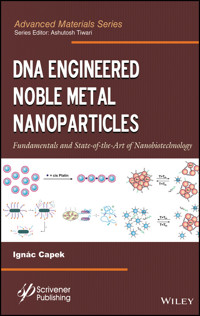
There is a growing interest in the use of nanoparticles modified with DNAs, viruses, peptides and proteins for the rational design of nanostructured functional materials and their use in biosensor applications. The challenge is to control the organization of biomolecules on nanoparticles while retaining their biological activity as potential chemical and gene therapeutics. These noble metal nanoparticles/biomolecules conjugates have specific properties and therefore they are attractive materials for nanotechnology in biochemistry and medicine. In this book, the author review work performed dealing with the DNA structure and functionalities, interactions between DNA, noble metal nanoparticles, surface active agents, solvents and other additives. Particular attention is given to how the DNA's chain length and the DNA conformation affect the interaction and structure of the nanoconjugates and nanostructures that are formed. Also discussed are the recent advances in the preparation, characterization, and applications of noble metal nanoparticles that are conjugated with DNA aptamers and oligomers. The advantages and disadvantages of functionalized nanoparticles through various detection modes are highlighted, including colorimetry, fluorescence, electrochemistry, SPR, and, mass spectrometry for the detection of small molecules and biomolecules. The functionalized noble metal nanoparticles are selective and sensitive for the analytes, showing their great potential in biosensing. Furthermore, this book reviews recent progress in the area of DNA-noble metal nanoparticles based artificial nanostructures, that is, the preparation, collective properties, and applications of various DNA-based nanostructures are also described.
Sie lesen das E-Book in den Legimi-Apps auf:
Seitenzahl: 1159
Veröffentlichungsjahr: 2015
Ähnliche



















Contents
Cover
Half Title page
Title page
Copyright page
Dedication
Acknowledgement
Preface
Chapter 1: Introduction
Chapter 2: Nucleic Acids
2.1 DNA/RNA Basics
2.2 Aptamers, Telomers and Oligonucleotides
2.3 Techniques and Approaches
2.4 DNA-Based Molecular Nanomachines
2.5 Peptide Nucleic Acid
2.6 Nanobiotechnology
Chapter 3: Noble Metal Nanoparticles
3.1 Preparation and Modification
3.2 Optical and Physical Properties
3.3 Conjugates
Chapter 4: DNA-Based Conjugates
4.1 General
4.2 Condensation
4.3 Conjugates
Chapter 5: DNA-Noble Metal Nanoparticle Conjugates
5.1 General Approaches
5.2 DNA Monomers and Oligomers
5.3 Hybridization and Denaturation
5.4 DNA Biotemplates
Chapter 6: DNA-Gold Nanoparticle Conjugates
6.1 DNA-Gold Zero-Dimensional Nanoparticle Conjugates
6.2 DNA One-Dimensional Gold Nanoparticle Conjugates
Chapter 7: PNA-Noble Metal Nanoparticles Conjugates
7.1 PNA-Gold Nanoparticle Conjugates
7.2 PNA-Silver Nanoparticle Conjugates
Chapter 8: DNA-Silver Nanoparticles Conjugates
Chapter 9: The Structure of DNA-Noble Metal Nanoparticles Conjugates
9.1 Configuration of DNA-Noble Metal Nanoparticles Conjugates
9.2 Stabilization of DNA Conjugates
9.3 Nanostructures and Nanoconstructs
9.4 Colorimetric and Sensing Assays
Chapter 10: Photochemical and Photophysical Events
10.1 Noble Metal Nanoparticles
10.2 DNA Nucleobases
10.3 DNA/PNA
10.4 DNA-Dyes Conjugates
10.5 DNA-AuNP-Dye Conjugates
10.6 DNA-Gold Nanoparticle Conjugates
10.7 DNA-AgNPs
10.8 Hot Gold Nanoparticles
Chapter 11: Nanoparticle Therapeutics
11.1 Biodecorated Nanoparticle-Based Therapies
11.2 Photothermal Therapy
11.3 Cells
11.4 Gene Therapy
11.5 Blood Fluid Effect
11.6 Other Application Approaches
Chapter 12: Conclusion
Nomenclature
DNA Entities
Vocabulary and Definitions
References
Index
DNA Engineered Noble Metal Nanoparticles
Scrivener Publishing100 Cummings Center, Suite 541JBeverly, MA 01915-6106
Publishers at Scrivener Martin Scrivener([email protected]) Phillip Carmical ([email protected])
Copyright © 2015 by Scrivener Publishing LLC. All rights reserved.
Co-published by John Wiley & Sons, Inc. Hoboken, New Jersey, and Scrivener Publishing LLC, Salem, Massachusetts.Published simultaneously in Canada.
No part of this publication may be reproduced, stored in a retrieval system, or transmitted in any form or by any means, electronic, mechanical, photocopying, recording, scanning, or otherwise, except as permitted under Section 107 or 108 of the 1976 United States Copyright Act, without either the prior written permission of the Publisher, or authorization through payment of the appropriate per-copy fee to the Copyright Clearance Center, Inc., 222 Rosewood Drive, Danvers, MA 01923, (978) 750-8400, fax (978) 750-4470, or on the web at www.copyright.com. Requests to the Publisher for permission should be addressed to the Permissions Department, John Wiley & Sons, Inc., 111 River Street, Hoboken, NJ 07030, (201) 748-6011, fax (201) 748-6008, or online at http://www.wiley.com/go/permission.
Limit of Liability/Disclaimer of Warranty: While the publisher and author have used their best efforts in preparing this book, they make no representations or warranties with respect to the accuracy or completeness of the contents of this book and specifically disclaim any implied warranties of merchantability or fitness for a particular purpose. No warranty may be created or extended by sales representatives or written sales materials. The advice and strategies contained herein may not be suitable for your situation. You should consult with a professional where appropriate. Neither the publisher nor author shall be liable for any loss of profit or any other commercial damages, including but not limited to special, incidental, consequential, or other damages.
For general information on our other products and services or for technical support, please contact our Customer Care Department within the United States at (800) 762-2974, outside the United States at (317) 572-3993 or fax (317) 572-4002.
Wiley also publishes its books in a variety of electronic formats. Some content that appears in print may not be available in electronic formats. For more information about Wiley products, visit our web site at www.wiley.com.
For more information about Scrivener products please visit www.scrivenerpublishing.com.
Library of Congress Cataloging-in-Publication Data:
ISBN 978-1-118-07214-1
Dedicated to my grandchildren Andrej, Juraj and Michaela
Acknowledgement
This work is supported by the VEGA and APVV research projects at the Polymer Institute, SAS, Bratislava as well as the Faculty of Industrial Technologies, TnUni, Púchov, Slovakia. The author thanks Mrs. Katke Cinovej for the drawing the figures and schemes.
Preface
A discussion on the extensive topic of DNA-noble metal nanostructures is presented in the current volume, DNA Engineered Noble Metal Nanoparticles: Fundamentals and State of the Art of Nanobiotechnology, which will be continued in the complementary forthcoming volume on self-assembling phenomena and DNA biosensors. This volume summarizes the basic knowledge about nucleic acid and noble metal nanoparticle conjugates. Recent advances in the preparation, characterization and applications of noble metal nanoparticles that are conjugated with DNA are discussed, along with their aptamers and oligomers. Highlighted in the book are the advantages and disadvantages of biodecorated nanoparticles through various detection modes; and the great potential in biosensing shown by functionalized noble metal nanoparticles that are selective and sensitive for the analytes. Furthermore, reviews are also presented of recent progress in the area of DNA-noble metal nanoparticles-based artificial nanostructures, that is, the preparation, collective properties, and applications of various DNA-based nanostructures.
The book is organized into twelve chapters and their subchapters. In the introduction, general characteristics and recent advances in nucleic acids and inorganic nanoparticles (NPs) and their conjugates are described, with an emphasis on gold and silver nanoparticles. The second chapter, “Nucleic Acids,” consists of six subchapters. The first one covers basic knowledge about the structure of DNA/RNA, the Watson-Crick (WC) base pairs approach, the framework of a regular double helix, the basic components, or building blocks, of DNA or RNA, the double-helical structure of DNA, covalent and noncovalent bonds and interactions among the DNA building blocks. The second subchapter deals with aptamers, telomers and oligonucleotides. A number of molecular imaging techniques are summarized in the third subchapter, and the fourth subchapter deals with molecular machines based on DNA’s ability to perform tasks on the nanometer scale. The fifth subchapter describes the bionanomaterials of peptide nucleic acid (PNA) analogues of DNA and the last one deals with nanotechnology, nanobiotechnology and nanomaterials. Materials in nanostructured form are excellent candidates as probes because they can achieve high response to very small targets in practical conditions. The third chapter, “Noble Metal Nanoparticles,” consists of three subchapters. The first one discusses various approaches for the synthesis of water-soluble noble metal nanoparticles. The second subchapter describes the optical and physical properties of noble metal nanoparticles and the third one introduces metal nanoparticles as a modifier of carbon nanomaterials, as well as their electronic structure. The fourth chapter, “DNA-Based Conjugates,” consists of two subchapters. The first one covers surface-immobilized deoxyribonucleic acid (DNA), which can store hereditary information and regulate gene expression. The second subchapter describes DNA condensation induced by a variety of processes and agents such as multivalent ions, inorganic nanoparticles, solvents with low dielectric constants, surfactants, small organic compounds and polymers.
The fifth chapter, “DNA-Noble Metal Nanoparticle Conjugates,” consists of four subchapters. The first one presents general approaches used in the conjugation of thiolated DNA strands on the surface of gold nanoparticles performed by ligand exchange steps. There are several methods for conjugating oligonucleotides to gold nanoparticles in which thiol-modified and disulfide-modified oligonucleotides spontaneously bind to gold nanoparticle surfaces. The second subchapter deals with the bioconjugation of gold nanoparticles with (oligo)nucleotides and the third deals with the agglomeration (hybridization) of nanoparticles or scission (dehybridization or denaturation) of nanoparticle assemblies (agglomerates). The final subchapter covers DNA biotemplates.
The sixth chapter, “DNA-Gold Nanoparticle Conjugates,” consists of two subchapters which describe the formation and properties of DNA zero- and one-dimensional gold nanoparticle conjugates. The seventh chapter, “PNA-Noble Metal Nanoparticle Conjugates,” consists of two subchapters which both discuss peptide nucleic acid (PNA) DNA analogues. The eighth chapter, “DNA-Silver Nanoparticle Conjugates,” describes silver nanoparticle conjugates. The ninth chapter, “Structure and Stabilization of DNA Conjugates,” consists of four subchapters. The first one discusses the configuration of DNA-particle conjugates and the second one deals with the colloidal stability of DNA nanoconjugates. The third subchapter describes DNA-AuNPs nanostructures and nanoconstructs and the fourth describes the sensing ability of DNA nanoconjugates. Colorimetric DNA detection was performed by DNA (shell)-functionalized gold nanoparticle(core) (AuNP@DNAs).
The tenth chapter, “Photochemical and Photophysical Events,” consists of eight subchapters. The first subchapter describes plasmonics as a branch of nanophotonics that examines the properties of the collective electronic excitations in noble metal nanoparticles. The second subchapter describes electronic excitation of DNA by solar ultraviolet (UV) light which initiates photochemical and photophysical processes, leading to photolesions and some harmful photoproducts as well. The third subchapter describes the excited states of DNA, PNA and DNA/PNA complexes. The lesion distribution depends on the sequence around the hotspots, suggesting cooperativity between bases. The fourth and fifth subchapters deal with the excited states of DNA-dyes-noble metal nanoparticle nanostructures. An important step into the genomic era was enabled by the development of the YOYO and TOTO dye families since they allowed the detection of DNA at a sensitivity comparable to that of radioactive probes, but without the danger inherent in radioactivity. The ability of these dyes to interact with DNA is addressed through a variety of spectroscopic studies. The sixth subchapter describes the photochemistry of exited DNA-gold nanoparticle conjugates. In correlation with surface or interfacial phenomena, the predominant role of nonequilibrium electrons in driving the most basic reactions, such as desorption, dissociation, or motion of molecules on metal surfaces, has been established. The seventh subchapter deals with the excited states of DNA-silver nanoparticle nanoconjugates and the eighth describes particle heating via light absorption. The eleventh chapter, “Nanoparticle Cancer Theraupeutics,” consists of six subchapters. The first subchapter describes composite nanoparticles tailored to simultaneously carry both drugs and imaging probes and specifically designed to target molecules of diseased tissues. The second subchapter deals with photothermal treatments using immunotargeted gold nanoparticles that have a demonstrated ability to selectively induce cancer cell damage via hyperthermia while minimally affecting nontargeted cells. In the third subchapter, biodecorated metal nanoparticle–cell surface interactions are covered, which can play a vital role in the ultimate location of the nanoparticle. The fourth subchapter describes the inserting or altering of genes in cells, resulting in therapeutic benefits for specific diseases. The fifth subchapter is on blood, a highly complex fluid composed of salts, sugars, proteins, enzymes, and amino acids that can destabilize noble metal nanoparticles (or their conjugates), causing aggregation and embolism. The sixth subchapter describes the various applications of DNA-noble metal nanoparticle conjugates. The concluding twelfth chapter is a further discussion of some of the data presented above.
The first two or three chapters of this book are convenient for beginners, who might also enjoy further chapters even if they lack in-depth knowledge of topics related to DNA-noble metal nanostructures. This book serves as a general introduction to those just entering the field and for the expert seeking more information in various subfields. The intention is for it to be a mostly comprehensive review. Since it is impossible for a book to cover all the aspects of DNA entities, noble metal nanoparticles and DNA-noble metal nanoparticle conjugates, those interested in a deeper insight into, and analysis of, the topic will find representive references to original books and journal publications.
The goal of this book is to provide a platform for researchers working in the field of nanobiotechnology to discuss recent developments on various topics in the exciting area of DNA-noble metal nanoparticles conjugates. The present book might only partly fill in the gaps in the literature dealing with DNA-noble metal nanostructures. The discussed topic is so extensive today that full treatment of a single aspect would require a scope much greater than can be provided in this book. The same is true for all discussed topics. Taking this fact into account, the aim of this book is to provide a brief but, as far as possible, comprehensive insight into the problems of preparing biodecorated noble metal nanoparticles or nanostructures. The necessary selection of the materials, topics and approaches, and the extent of their analysis, reflect the personal approach of the author. Despite this, it is believed that the optimum alternative has been chosen, which is to characterize the biocolloids in an objective and comprehensive way. It is up to the reader to judge to what extent the author has succeeded in his aim.
I. CapekBratislavaJanuary 2015
Chapter 1
Introduction
Although the detailed structure of deoxyribonucleic acid (DNA) was revealed by Watson and Crick [1] back in 1953, stunning and useful new structural modes are still being discovered even today for this versatile macromolecule. Taking lessons from its in vivo role and aided by technological advances, nanoengineers have begun to explore novel and creative uses for DNA including: molecular detection [2], therapeutic regimens [3], complex nanodevices [4], nanomechanical actuators and motors [5], directed organic synthesis [6], and molecular computation [6]. Owing to its unique Watson-Crick hydrogen-bonding nature, DNA ensures the specificity and precision required by biosensors and programmable nanoassemblies [7]. Nucleic acid has been recognized as an attractive scaffolding material because of its very long linear structure and its mechanical rigidity over short distances [8].
The synthesis of nanomaterials using DNA templates is attracting substantial interest in current nanoscience research due to their enormous potential for applications in industrial and medical fields. Utilization of the biochemical functionalities of DNA has been exploited to fabricate and organize nanomaterials. The DNA-based approaches have several advantages over conventional chemical methods when preparing structured nanoscaled materials. These benefits derive from the unique functionalities of biological substances. The numerous active functional moieties of DNA can be conjugated with other organic and inorganic substances. The charged and chemically reactive moieties on the biomolecules, such as amine and carboxyl groups, can be exploited to attract and react with other chemical molecules. Furthermore, their natural substrate-specific affinity makes it possible to assemble and align the biomolecule in a specific pattern. For example, the specific affinities of base pairs of nucleotides have been used to assemble substances in a programmed position, to align small structured materials in a designer pattern, and to conjugate biomolecular substances with each other.
A variety of biomolecules possessing single or multiple functionalities have been used for the preparation of nanoscaled materials. Nucleotides are biomolecules which are commonly used in bionanotechnology due to their hybridizing functions and ease of preparation in the laboratory [9–11]. Moreover, their topological structures are tunable with proper sequence design. Reconfigurable structures of the ribbon, supercoil ring, or triangle can be made from the designed DNA strands [12,13].
Noble metal nanoparticles are fascinating materials with great nanotechnological potential due to their unique and strongly size-dependent electronic, optical, physical, and chemical properties [14,15]. In general, the particulate matter is categorized into particles ≤ 10 μm, ≤ 2.5 μm, and > 0.1 μm in diameter. The latter ones are also referred to as ultrafine particles or nanoparticles (NPs). They are classified into metal-based (e.g., metal and metal oxides, quantum dots [QDs]), carbon-based (e.g., single- and multiwalled carbon nanotubes [SWCNT and MWCNTs], fullerenes), polymer-based and lipid-based (e.g., liposomes) subgroups. Depending on their basic material, nanoparticles are expected to affect biological systems in different ways. However, they share the common characteristic that they exhibit a large surface-to-mass ratio and, therefore, are considered to be biologically more reactive than larger particles of identical material and form. Additionally, the surfaces of nanoparticles can be easily functionalized with various organic and biomolecular ligands, among which the molecules with a sulfur headgroup have been attracting considerable interest [16]. Simple thiol chemistry or electrostatic attachment can bind DNA to gold nanostructures. When attached to gold nanostructures DNA has an increased half-life from minutes to hours [17] against attack by large nucleases due to the increased steric hindrance caused by attachment to the gold surface [17]. Additionally, polyvalent cations near the gold nanoparticle surface electrostatically repel dications located within the nucleases, also increasing oligonucleotide stability [18]. The strong affinity of sulfur to gold has been exploited to form molecular contacts, to link other species to the gold surface, or to form well-ordered self-assembled monolayers (SAMs) [19] for applications like surface patterning [20] and molecular electronics [21]. Several strategies [22] have employed alkanethiol-capped DNA oligonucleotides to link gold nanoparticle building blocks to form periodic functional assemblies, in addition to serving as efficient DNA detection schemes.
DNA represents an ideal scaffold for the generation of ordered nanostructures with noble metal nanoparticles. Over the past decade, researchers have developed many uses for oligonucleotides-noble metal nanoparticle(s) (DNAs-gold nanoparticle(s)) conjugates [23]. These nanostructures, which consist of a nanoparticle core (typically 2–200 nm in size) and many oligonucleotide strands covalently attached to their surface [24], exhibit several unusual properties that make them attractive for nanoconjugate applications and particle stabilizations [25]. These properties include cooperative binding and enhanced affinities for complementary nucleic acids [26] that can be used for signal amplification [27], unusual distance-dependent plasmonic properties [28], and the ability to enter cells without the use of auxiliary transfection agents [29]. They also exhibit an extraordinary intracellular stability that makes them useful for antisense studies, drug delivery, and intracellular molecular diagnostics [30]. Indeed, nucleic acid stability is a key property of any system that aims to use such structures for intracellular regulatory or diagnostic events. The problem is that Nature has evolved an arsenal of enzymes, known as nucleases, to degrade foreign nucleic acids that enter cells [31]. DNAs-gold nanoparticle(s) conjugate might suppress the enzymatic degradation of DNA.
The colloidal stability of gold nanoparticles and their bioconjugates is a complex function of amphiphilic molecules, ligands and biomolecules. Amphiphilic molecules are very popular in nanotechnology due to their self-assembly properties. Most common surface active compounds do not carry a strong charge in the polar headgroup and, therefore, do not interact strongly enough to induce the compaction of negative DNA or its oligomers. In fact, it is the surface active agent self-assembly process itself that, while facilitated by the presence of the DNA molecule, induces compaction of the DNA. Since the self-assembly of the surfactants is relatively easy to control, it is in principle possible to control the compaction of DNA. In fact, this concept has been used with other positively charged agents to improve their efficiency and control. This self-assembly of the surface active compounds and gold nanoparticles was also ascribed to the hydrophobic interactions [32].
Lesen Sie weiter in der vollständigen Ausgabe!
Lesen Sie weiter in der vollständigen Ausgabe!
Lesen Sie weiter in der vollständigen Ausgabe!
Lesen Sie weiter in der vollständigen Ausgabe!
Lesen Sie weiter in der vollständigen Ausgabe!
Lesen Sie weiter in der vollständigen Ausgabe!
Lesen Sie weiter in der vollständigen Ausgabe!
Lesen Sie weiter in der vollständigen Ausgabe!
Lesen Sie weiter in der vollständigen Ausgabe!
Lesen Sie weiter in der vollständigen Ausgabe!
Lesen Sie weiter in der vollständigen Ausgabe!
Lesen Sie weiter in der vollständigen Ausgabe!
Lesen Sie weiter in der vollständigen Ausgabe!
Lesen Sie weiter in der vollständigen Ausgabe!
Lesen Sie weiter in der vollständigen Ausgabe!




