


162,99 €
Mehr erfahren.
- Herausgeber: Wiley-VCH Verlag GmbH & Co. KGaA
- Kategorie: Wissenschaft und neue Technologien
- Sprache: Englisch
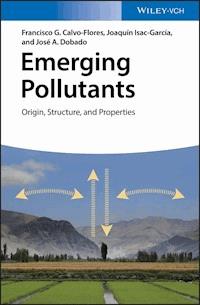
An excellent, concise, and interdisciplinary overview of different classes of emerging pollutants arising, for example, from pharmaceuticals, pesticides, personal care products, and industrial chemicals and their impact on water, soil, and air.
Following an introduction to chemical pollutants, with special attention focused on organic compounds and their properties, the book goes on to describe major emerging pollutants grouped according to their applications in different sectors of industrial or economic activity. For each type of compound, the chemical structure, main properties, and source are presented, along with their fate in the environment as pollutants, the latest analytical methods for detection, possible health or ecology consequences, as well as current regulatory laws. New developments, such as nanotechnology as a pollution source, are also included. The book closes with a chapter devoted to conclusions and future perspectives.
Sie lesen das E-Book in den Legimi-Apps auf:
Seitenzahl: 941
Veröffentlichungsjahr: 2017
Ähnliche

















Table of Contents
Title Page
Copyright
Epigraph
Abbreviations
Glossary
Preface
Acknowledgment
Chapter 1: Introduction
1.1 Chemistry and Development
1.2 Pollution and Contamination
1.3 Chemical Pollutants
1.4 Pollutants in the Environment
1.5 Concept of Emerging Pollutants
1.6 Historical Background of Emerging Pollutants
1.7 Classification of Emerging Pollutants
1.8 Regulations and Normatives
References
Chapter 2: Occurrence and Removal of Environmental Pollutants
2.1 Introduction
2.2 Pollutants in the Atmosphere
2.3 Pollutants in Ground and Surface Waters: Quality Parameters
2.4 Pollutants in the Ground and Soil
2.5 Sources of Emerging Pollutants or CECs
2.6 Treatment of CECs
2.7 Toxicity of CECs
References
Chapter 3: Detection and Analysis of Chemical Pollutants
3.1 Introduction
3.2 Sample Preparation
3.3 Analytical Methods for Identifying EPs
References
Chapter 4: Overview of Pharmaceutical Products as Emerging Pollutants
4.1 Introduction
4.2 Therapeutic Classes of PCs Detected in the Environment
4.3 Sources of PCs in the Environment
4.4 Detection and Analysis of PCs in the Environment
4.5 Occurrence of PCs in the Environment
4.6 Ecotoxicological Aspects of PCs on Environment
4.7 Removal of PCs
4.8 Conclusions
References
Chapter 5: Therapeutic Classes of PCs in the Environment
5.1 Introduction
5.2 Antibiotics (ABs)
5.3 Estrogens and Hormonal Compounds
5.7 Antiepileptic Drugs
5.8 -Blockers/Diuretics
5.9 Lipid Regulators
5.10 -Sympathomimetic Drugs
5.11 Antidiabetic Drugs
5.12 X-Ray Contrast Drugs: Diagnostic Agents
5.13 Cytostatic PCs: Antineoplastics
5.14 Veterinary Drugs: Anthelmintics
References
Chapter 6: Illegal Drugs, Occurrence, and Fate in Environment
6.1 Introduction
6.2 What is an Illicit Drug?
6.3 Classes of Illicit Drugs
6.4 Analytical Methods for Detecting of Illicit Drugs
6.5 Illicit Drugs in the Environmental Compartments
6.6 Estimation of Drug Consumption in Communities (Sewage-Based Epidemiology)
References
Chapter 7: Pesticides as Pollutants
7.1 Introduction
7.2 Classification of Pesticides
7.3 Organic Pesticides
7.4 Pesticides in the Environment
7.5 An Example of National Survey: Pesticides in Italy
7.6 An Example of Pesticides in the Environment: Neonicotinoid Insecticides
References
Chapter 8: Lifestyle Products as Emerging Pollutants
8.1 Introduction
8.2 Stimulants
8.3 Food Additives
8.4 Classes of Food Additives
8.5 Food Additives as Emerging Organic Contaminants
8.6 Antioxidants in the Environment
8.7 Artificial Sweeteners in the Environment
References
Chapter 9: Industrial Chemicals as Emerging Pollutant
9.1 Introduction
9.2 Perfluorinated Alkyl Substances (PFASs)
9.3 Plasticizers
9.4 Flame Retardants
9.5 Brominated Flame Retardants (BFRs)
9.6 Polychlorinated Alkanes (C
10
−C
13
)
9.7 Organophosphate Flame Retardants (OPFRs)
9.8 Corrosion Inhibitors: Benzothiazoles and Benzotriazoles
9.9 Polycyclic Aromatic Hydrocarbons (PAHs)
9.10 Volatile Organic Compounds (VOCs)
9.11 Other Industrial Chemicals
References
Chapter 10: Surfactants in the Environment
10.1 Introduction
10.2 Structure and Classification
10.3 Nonionic Surfactants
10.4 Anionic Surfactants
10.5 Cationic Surfactants
10.6 Amphoteric Surfactants
10.7 Alkoxylated Polysiloxanes
10.8 Fluorosurfactants
10.9 Toxicological Aspects (Environmental Impact) of Surfactants
10.10 Environmental Occurrence of the Surfactants
10.11 Biodegradation of Surfactants
References
Chapter 11: Personal-Care Products
11.1 Introduction
11.2 Musks: Fragrances
11.3 Biocides
11.4 Sunscreen Agents: UV Filters
11.5 Insect Repellents:
N
,
N
-diethyl-
m
-toluamide (DEET)
11.6 Other PCPs
References
Chapter 12: Water Disinfectant By-Products
12.1 Introduction
12.2 Wastewater Treatments
12.3 Disinfection Methods
12.4 Water DPBs
12.5 Methods of Analysis of DBPs
12.6 Disinfection By-Products (DBPs) in Drinking Water
12.7 Disinfection By-Products in Swimming Pools
12.8 Changes in Oxidation/Disinfection Strategies
12.9 Toxicological Studies on DBPs
12.10 Regulations/Guidelines of DBPs in Drinking Water
References
Chapter 13: Other Contaminants of Emerging Concern
13.1 Introduction
13.2 Nanotechnology as a Pollution Source
13.3 Microplastics (MPs)
13.4 Toxic Elements and Elemental Species
13.6 Microorganisms
13.7 Contaminants on the Horizon: Ionic Liquids and Prions
References
InChI Key for the Most Relevant Compounds in this Book
Index
End User License Agreement
Pages
xv
xvii
xviii
xix
xx
xxi
xxii
xxiii
xxiv
xxv
xxvi
xxvii
xxix
1
2
3
4
5
6
7
8
9
10
11
12
13
14
15
16
17
18
19
19
20
21
22
23
24
25
26
27
28
29
30
31
32
33
34
35
36
37
38
39
40
41
42
43
44
45
46
47
48
49
50
51
52
53
54
55
57
58
59
60
61
62
63
64
65
66
67
68
69
70
71
72
73
74
75
76
77
78
79
80
81
82
83
84
85
86
87
88
89
90
91
92
93
94
95
96
97
98
99
100
101
103
104
105
106
107
108
109
110
111
112
113
114
115
116
117
118
119
120
121
122
123
124
125
126
127
128
129
130
131
132
133
134
135
136
137
138
139
140
141
142
143
144
145
146
147
148
149
150
151
152
153
154
155
156
157
158
159
160
161
162
163
164
165
166
167
168
169
170
171
172
173
174
175
176
177
178
179
180
181
182
183
184
185
186
187
188
189
190
191
192
193
194
195
197
198
199
200
201
202
203
204
205
206
207
208
209
210
211
212
213
214
215
216
217
218
219
220
221
222
223
224
225
226
227
228
229
230
231
232
233
234
235
236
237
238
239
240
241
242
243
244
245
246
247
248
249
250
251
252
253
254
255
256
257
258
259
260
261
262
263
264
265
266
267
268
269
270
271
272
273
274
275
276
277
278
279
280
281
282
283
284
285
286
287
288
289
290
291
292
293
294
295
296
297
298
299
300
301
302
303
304
305
306
307
308
309
310
311
312
313
314
315
316
317
318
319
320
321
322
323
324
325
326
327
328
329
330
331
332
333
334
335
336
337
338
339
340
341
342
343
344
345
346
347
348
349
350
351
352
353
354
355
356
357
358
359
360
361
362
363
364
365
366
367
368
369
370
371
372
373
374
375
376
377
378
379
380
381
382
383
384
385
386
387
388
389
390
391
392
393
394
395
396
397
398
399
400
401
402
403
404
405
406
407
408
409
410
411
412
413
414
415
416
417
418
419
420
421
422
423
424
425
426
427
428
429
430
431
432
433
434
435
436
437
438
439
440
441
442
443
444
445
446
447
448
449
450
451
453
454
455
456
457
458
459
460
461
462
463
464
465
466
467
468
469
470
471
472
473
474
475
476
477
478
479
480
481
482
483
484
485
486
487
488
489
490
491
493
494
495
496
497
498
Guide
Table of Contents
Begin Reading
Begin Reading
List of Illustrations
Chapter 1: Introduction
Figure 1.1 POP global migration processes. (Data taken from Ref. [6].)
Figure 1.2 Timeline of EPA regulations and lists of contaminants.
Chapter 2: Occurrence and Removal of Environmental Pollutants
Figure 2.1 Main routes and sources of CECs.
Figure 2.2 Main migration processes to soil.
Figure 2.3 Scheme with different types of filtrations, displaying the sizes of well-known items.
Figure 2.4 Scheme of a generic urban water cycle. Dotted lines indicate untreated water release
Figure 2.5 Scheme of the impact of CECs on the environment and in humans.
Chapter 3: Detection and Analysis of Chemical Pollutants
Figure 3.1 Schematic representation of the DLLME method [8].
Figure 3.2 Application of VALLME percentage (%) in different sample sources.
Figure 3.3 Single-drop microextraction (SDME) procedures. (a) Direct immersion (DI) and (b) headspace (HS).
Figure 3.4 Schematic representation of the MSPD method [15].
Figure 3.5 Analytical methods for biological and environmental samples [20].
Chapter 4: Overview of Pharmaceutical Products as Emerging Pollutants
Figure 4.1 Global PCs sales during the 2013–2015 period by region.
6
Figure 4.2 Principal contamination routes of PCs.
Figure 4.3 Chemical structure of some acidic drugs.
Figure 4.4 Relative percentage of therapeutic classes detected in the environment [208].
Chapter 5: Therapeutic Classes of PCs in the Environment
Figure 5.1 Timeline of the discovery of ABs.
Figure 5.2 Abundance of ABs.
Figure 5.3 Chemical structure of aminoglycosides gentamicin and streptomycin.
Figure 5.4 Chemical structure of common ansamycins.
Figure 5.5 Chemical structure of tetracyclines.
Figure 5.6 Chemical structure of penicillins (-lactams).
Figure 5.7 Chemical structure of cesphalosporins.
Figure 5.8 Chemical structure of chloramphenicol.
Figure 5.9 Chemical structure of cyclic peptides polymyxin B1 and B2.
Figure 5.10 Chemical structure of glycopeptide vancomycin.
Figure 5.11 Chemical structure of imidazoles.
Figure 5.12 Chemical structure of lincosamide lincomycin.
Figure 5.13 Chemical structure of lipopeptide daptomycin.
Figure 5.14 Chemical structure of erythromycin (macrolides).
Figure 5.15 Chemical structure of mitomycin C.
Figure 5.16 Chemical structure of nitrofurans.
Figure 5.17 Chemical structure of oxazolidinones linezolid and tedizolid.
Figure 5.18 Chemical structure of polyene amphotericin B.
Figure 5.19 Chemical structure of polyether calcimycin.
Figure 5.20 Chemical structure of polypeptide bacitracin.
Figure 5.21 Chemical structure of quinolone ciprofloxacin.
Figure 5.22 Chemical structure of quinoxaline carbadox.
Figure 5.23 Chemical structure of streptogramin pristinamycin IA.
Figure 5.24 Chemical structure of sulfanilamide.
Figure 5.25 Chemical structure of trimethoprim.
Figure 5.26 Chemical structure of Sulfadiazine.
Figure 5.27 Chemical structure of some steroids and hormones.
Figure 5.28 Scheme of the potential endocrine disrupting PCs [114].
Figure 5.29 Chemical structure of paracetamol and acetylsalicylic acid.
Figure 5.30 Chemical structure of most common NSAIDs.
Figure 5.31 Structure of some benzodiazepine drugs.
Figure 5.32 Structure of selected psychotropic drugs.
Figure 5.33 Structure of selected psychotropic drugs.
Figure 5.34 Structure of carbamazepine.
Figure 5.35 Structure of some -blockers.
Figure 5.36 Main structure of statins.
Figure 5.37 Chemical structure of some sympathomimetic agonist drugs.
Figure 5.38 Chemical structure of metformin.
Figure 5.39 Structure of triiodobenzoic derivatives used as X-ray contrast drugs.
Figure 5.40 Chemical structure of some antineoplastic drugs.
Figure 5.41 Chemical structure of some commercially available anthelmintic benzimidazoles (I).
Figure 5.42 Chemical structure of some commercially available anthelmintics diphenylsulfides (II) and imidazothiazole (III) groups.
Figure 5.43 Chemical structure of some commercially available anthelmintics hexahydropyrazine (IV).
Figure 5.44 Chemical structure of some commercially available anthelmintics macrocyclic lactone (V) group.
Figure 5.45 Chemical structure of anthelmintics salicylanilide (VI) and tetrahydropyrimidine (VII) groups).
Figure 5.46 Chemical structure of niclofolan (NIF).
Chapter 6: Illegal Drugs, Occurrence, and Fate in Environment
Figure 6.1 Chemical structure of main opiate-type substances.
Figure 6.2 Chemical structure of main opiate metabolites.
Figure 6.3 Structure of the parent compound cocaine and its metabolites.
Figure 6.4 Chemical structure of main amphetamine-type substances (ATS).
Figure 6.5 Chemical structure of some precursors and by-products in illicit drug manufacture.
Figure 6.6 Chemical structure of main hallucinogen substances.
Figure 6.7 Chemical structure of main cannabinoids substances.
Figure 6.8 Chemical structure of main illicit substances.
Chapter 7: Pesticides as Pollutants
Figure 7.1 Chemical structure of the “dirty dozen” POPs.
Figure 7.2 General structure of several families of organophosphorus pesticides.
Figure 7.3 Structure of the most common organophosphorus pesticides.
Figure 7.4 Chemical structure of carbamate and common carbamate pesticides.
Figure 7.5 Chemical structure of the two classes of thiocarbamates.
Figure 7.6 Chemical structure of some commercial thiocarbamates.
Figure 7.7 Chemical structure of some dithiocarbamate fungicides.
Figure 7.8 Chemical structure of natural pyrethrins.
Figure 7.9 Chemical structure of 1 and 2 generation of synthetic pyrethroids.
Figure 7.10 Chemical structure of some phenoxide herbicides.
Figure 7.11 Chemical structure of triazine group of pesticides.
Figure 7.12 Chemical structure of main uracil and urea herbicides.
Figure 7.13 Chemical structure of main imidazole pesticides.
Figure 7.14 Chemical structure of main benzimidazoles.
Figure 7.15 Chemical structure of main triazoles fungicides.
Figure 7.16 Chemical structure of main morpholine fungicides.
Figure 7.17 Chemical structure of paraquat and diquat dibromide.
Figure 7.18 Chemical structure of amide fungicides.
Figure 7.19 Chemical structure of neonicotinoid insecticides.
Figure 7.20 Chemical structure of pyridazine herbicides.
Figure 7.21 Chemical structure of pyridazinone herbicides.
Figure 7.22 Chemical structure of nitrile herbicides.
Figure 7.23 Chemical structure of dinitroaniline herbicides.
Figure 7.24 Chemical structure of pyridine herbicides.
Figure 7.25 Chemical structure of pyrimidine herbicides.
Figure 7.26 Examples of pesticide degradation reactions in different compartments.
Chapter 8: Lifestyle Products as Emerging Pollutants
Figure 8.1 Structure of some central nervous system stimulants.
Figure 8.2 Structure of the main artificial sweeteners.
Chapter 9: Industrial Chemicals as Emerging Pollutant
Figure 9.1 Structure of nonylphenol and bisphenol A and F.
Figure 9.2 Structure of most common phthalates.
Figure 9.3 General biodegradation pathway for phthalate esters in the environment. Data taken from Ref. [90]
Figure 9.4 Chemical structure of
N
-alkylmethylbenzenesulfonamides
Figure 9.5 Total volume of flame-retardant world production.
7
Figure 9.6 Structure of some polybrominated compounds.
Figure 9.7 Relative amounts of FRs used in different sectors. Data taken from Ref. [128]
Figure 9.8 Structure of the most common TBBPA derivatives.
Figure 9.9 Structure of the most common organophosphate flame retardants (OPFRs).
Figure 9.10 Chemical structure of benzotriazole (BT) and derivatives.
Figure 9.11 Chemical structure of benzothiazole and derivatives.
Figure 9.12 The 16 priority pollutant PAHslisted by USEPA.
Figure 9.13 Structure of the most common siloxanes (cyclic and linear).
Chapter 10: Surfactants in the Environment
Figure 10.1 Most commonly observed geometrical shapes of surfactant micelles in aqueous solution.
Figure 10.2 Structure of the tail in surfactants.
Figure 10.3 Scheme of the head type in surfactants.
Figure 10.4 Surfactant sales in the EU in 2014.
2
Figure 10.5 General formula of fatty alcohol polyglycol ethers.
Figure 10.6 Chemical structure of an AEO nonionic surfactant.
Figure 10.7 Structure of EO/PO block polymers.
Figure 10.8 Structure of two major alkylphenol polyglycol ethers.
Figure 10.9 Structure of 4-NP and its derivatives.
Figure 10.10 Structure of alkanolamides.
Figure 10.11 Structure of ethoxylated fatty acids.
Figure 10.12 Chemical structure of glycol and glycerol esters.
Figure 10.13 Structure of alkyl polyglucosides.
Figure 10.14 Structure of sorbitans and their ester-based emulsifiers.
Figure 10.15 Chemical structure of sucrose esters.
Figure 10.16 Chemical structure of glycol and glycerol esters.
Figure 10.17 Chemical structure of ethoxylated sorbitan fatty acid esters.
Figure 10.18 Chemical structure of ethoxylated pentaerythritol ester.
Figure 10.19 Chemical structure of polyglycerol monooleate.
Figure 10.20 Chemical structure of alkyl dimethylamine oxide.
Figure 10.21 Structure of carboxylic acid derivatives salts.
Figure 10.22 Chemical structure of an ether carboxilate salt.
Figure 10.23 Chemical structure of sodium lauryl sulfate (SLS).
Figure 10.24 Chemical structure of alcohol ethoxy sulfates (AEOSs) anionic surfactants.
Figure 10.25 Chemical structure of alkyl sulfonates.
Figure 10.26 Chemical structure of sodium alkylbenzene sulfonates (LAS).
Figure 10.27 Chemical structure of sulfosuccinates.
Figure 10.28 Chemical structure of sulfo fatty acid esters.
Figure 10.29 Chemical structure of acylamino alkane sulfonates.
Figure 10.30 Chemical structure of alkyl phosphates and alkyl ether phosphates.
Figure 10.31 Chemical structure of sodium acylglutamates.
Figure 10.32 Chemical structure of sodium acyl polypeptide.
Figure 10.33 Chemical structure of salts of acylamino acids.
Figure 10.34 Structure of cationic surfactants (alkyl amine salts).
Figure 10.35 Structure of tetraalkyl(-aryl) amonium salt.
Figure 10.36 Structure of heterocyclic amonium salts.
Figure 10.37 Structure of different ethoxylated alkyl amines.
Figure 10.38 Structure of esterified quaternaries.
Figure 10.39 Structure of different acyl ethylenediamines.
Figure 10.40 Structure of different
N
-alkyl amino acids.
Figure 10.41 Structure of different alkyl betaines.
Figure 10.42 Structure of different polydimethyl siloxane. A denotes a hydrophilic group such as polyoxyethylene, amines, etc.
Figure 10.43 Examples of the structure of some fluorosurfactants.
Chapter 11: Personal-Care Products
Figure 11.1 Main chemical structure of different types of musks.
Figure 11.2 Timeline of the discovery of musks.
Figure 11.3 Structure of triclosan and triclocarban.
Figure 11.4 Structure of chrorophene and dichlorophene.
Figure 11.5 Chemical structure of seven alkyl esters of
p
-hydroxybenzoic acid (parabens), with the ester O − C bond in bold.
Figure 11.6 Chemical structure of benzophenone-3 and derivatives.
Figure 11.7 Structure of main benzylidene camphor derivatives.
Figure 11.8 Structure of main UV filters.
Figure 11.9 Metabolic pathways of benzophenone-3 in rats.
Figure 11.10 Metabolic pathway of 4-MBC
in vivo
.
Figure 11.11 Structure of N,N-diethyl-m-toluamide (DEET).
Chapter 12: Water Disinfectant By-Products
Figure 12.1 Chemical structure of sodium dichloroisocyanurate.
Figure 12.2 Relative amounts of ozone and chlorinated DBPs in drinking water.
Figure 12.3 Structure of mutagen-X (MX) and analogs.
Figure 12.4 MX ring opening equilibrium reaction (pH driven).
Figure 12.5 Examples of DNPH and DMNTH derivatization reactions for carbonyl compounds to yield hydrazone products.
Chapter 13: Other Contaminants of Emerging Concern
Figure 13.1 Scheme of the structure of a single-walled carbon nanotube (SWCNT).
Figure 13.2 Environmental risk of MPs in freshwater.
Figure 13.3 Human sources of atmospheric Hg production. Data taken from Ref. [80]
Figure 13.4 Structure of some mycotoxins, including ergot alkaloids.
Figure 13.5 Structure of some phytoplankton toxins.
Figure 13.6 Structure of some toxins in vegetable foodstuffs.
List of Tables
Chapter 1: Introduction
Table 1.1 Example of emissions of natural and human origin.
a
Table 1.2 Representative list of EPs
Table 1.3 Toxicological guideline values established by EFSA and JECFA.
a,b
Chapter 2: Occurrence and Removal of Environmental Pollutants
Table 2.1 Conductivity of some water types and watery solutions.
a
Table 2.2 Brief characterization of the water-goodness classes.
a
Table 2.3 Organic wastewater compounds detected in 20 public supply wells on Cape Cod, Massachusetts.
a,b
Chapter 3: Detection and Analysis of Chemical Pollutants
Table 3.1 SPME fibre coatings classification and preparation procedures [12]
Chapter 4: Overview of Pharmaceutical Products as Emerging Pollutants
Table 4.1 Detected PCs concentration (ng L) in the waters of the Ter river (N Spain) in three sampling campaigns.
a ,b
Table 4.2 Concentration (ng L) of some PCs in different water types and regions
Table 4.3 Concentration of selected drugs and TPs in groundwater
Table 4.4 The 13 PCs detected in seawater in southwestern Taiwan.
a
Table 4.5 Global comparison of CEC concentrations (ng L) in seawater.
a
Table 4.6 Concentration of selected PCs found in soil in different countries.
a
Table 4.7 Toxic and ecological effects of PCs on organisms.
a
Table 4.8 Concentration (ng L) of PCs in the influent and effluent of WWTP and in the inlet and outlet of the UV treatment.
a
Chapter 5: Therapeutic Classes of PCs in the Environment
Table 5.1 Classes and codes of anatomic therapeutic
Table 5.2 Range and typical concentrations (ng L) detected for main PC classes.
a,b
Table 5.3 Evolution of resistance to antibiotics.
a
Table 5.4 Maximum concentrations (ng L) of hormones in different types of water in various locations.
a
Table 5.5 Reported detection limit of different analytical methods for various EDCs in water samples.
a
Table 5.6 Concentrations of anti-inflammatory drugs and metabolites in STP effluents as well as rivers and streams.
a
Table 5.7 Minima and maxima concentrations of -blockers measured in influent and effluent of WWTPs.
a
Table 5.8 Concentrations of lipid regulators and metabolites in STP effluents as well as rivers and streams.
a
Table 5.9 Concentrations of -blockers, -sympathomimetics, and other drugs in STP effluents as well as in rivers and streams.
a
Table 5.10 Physicochemical properties of selected anthelmintics.
a
Chapter 6: Illegal Drugs, Occurrence, and Fate in Environment
Table 6.1 Levels of illicit drugs (ng L) in untreated wastewater influents of several European countries.
a
Table 6.2 Levels of illicit drugs (ng L) in treated wastewater effluents of several European countries.
a
Table 6.3 Levels of illicit drugs (ng L) in surface water of several European countries.
a
Table 6.4 Concentration (ng L) of selected emerging organic contaminants in southwestern Taiwan.
a , b
Chapter 7: Pesticides as Pollutants
Table 7.1 Classification of pesticides according to their use.
a
Table 7.2 Pesticides classified according to target pests and action.
a
Table 7.3 WHO classification of pesticides by hazard
Table 7.4 List of the “dirty dozen” POP compounds and use/source
Table 7.5 Physicochemical properties of neonicotinoid insecticides.
a
Table 7.6 Concentration of pesticides in drinking water regulated by EPA.
a
Table 7.7 Concentration (ng L) of selected pesticide TPs found in groundwater.
a
Table 7.8 Itailian rivers, lakes, and regional groundwaters (GW) where pesticides have been investigated.
a
Table 7.9 Maximum concentration of most detected pesticides in both surface water and groundwater.
a
Chapter 8: Lifestyle Products as Emerging Pollutants
Table 8.1 Locations and concentrations of caffeine in seawater.
a
Table 8.2 AccepTable daily intake (ADI) values of some food additives.
a
Table 8.3 Concentration levels of preservatives in foods.
a
Table 8.4 Reported concentrations of selected artificial sweeteners in the environment
Chapter 9: Industrial Chemicals as Emerging Pollutant
Table 9.1 Relevant industrial chemicals
Table 9.2 Standard and guideline values (g L) established for industrial chemicals for groundwater.
a
Table 9.3 Use of phthalates (according to risk assessment of NTP CERHR, modified).
a
Table 9.4 Physicochemical properties for the most common phthalate esters.
a
Table Figure 9.6 Use of penta- (PeBDE), octa- (OBDE), and deca-bromodiphenyl ethers (DeBDE) in resins, polymers, and substrates.
a
Table 9.5 Nomenclature for PBDEs, chemical formula, and number of isomer congeners
Table 9.7 Composition of commercial PBDEs.
a
Table 9.8 Physicochemical properties of some PBDEs.
a
Table 9.9 Standard, guideline, and concentration values (g L) found in groundwater for industrial chemicals
Chapter 10: Surfactants in the Environment
Table 10.1 Some examples of major commercial and industrial surfactants.
a
Table 10.2 Screening tests (anerobic biodegradability) of anionic surfactants
Chapter 11: Personal-Care Products
Table 11.1 Concentration ranges (ng ) of parabens detected in surface water
Table 11.2 DEET concentration in different water types in countries
Chapter 12: Water Disinfectant By-Products
Table 12.1 Examples of halogenated DBPs reported for chlorination
Table 12.2 Examples of DBPs reported for Cl
2
and O
3
Table 12.3 Examples of non-halogenated DBPs
Table 12.4 Reported chloroform levels in different media
Table 12.5 TCAA concentration in different media (water sources)
Table 12.6 Total THM regulatory limits in different countries and regions.
a
Chapter 13: Other Contaminants of Emerging Concern
Table 13.1 Toxic elements emissions from different industrial sectors.
a
Table 13.2 Physical and biological half-lives of several radionuclides.
a
Table 13.3 Mold fungi that form mycotoxins, and their main substrates.
a
Table 13.4 Content (g kg) of aflatoxin B in some foods with mold.
a
Table 13.5 Key phytoplankton toxins and their occurrence
Emerging Pollutants
Origin, Structure and Properties
Francisco G. Calvo-Flores, Joaquín Isac-García, and José A. Dobado
Authors
Dr. Francisco G. Calvo-Flores
University of Granada
Department of Organic Chemistry
Severo Ochoa s/n
18071 Granada
Spain
Dr Joaquín Isac-García
University of Granada
Department of Organic Chemistry
Severo Ochoa s/n
18071 Granada
Spain
Dr. José A. Dobado
University of Granada
Department of Organic Chemistry
Severo Ochoa s/n
18071 Granada
Spain
Cover: Photo courtesy of Laura Bustos-Sánchez
All books published by Wiley-VCH are carefully produced. Nevertheless, authors, editors, and publisher do not warrant the information contained in these books, including this book, to be free of errors. Readers are advised to keep in mind that statements, data, illustrations, procedural details or other items may inadvertently be inaccurate.
Library of Congress Card No.: applied for
British Library Cataloguing-in-Publication Data
A catalogue record for this book is available from the British Library.
Bibliographic information published by the Deutsche Nationalbibliothek
The Deutsche Nationalbibliothek lists this publication in the Deutsche Nationalbibliografie; detailed bibliographic data are available on the Internet at <http://dnb.d-nb.de>.
© 2018 Wiley-VCH Verlag GmbH & Co. KGaA, Boschstr. 12, 69469 Weinheim, Germany
All rights reserved (including those of translation into other languages). No part of this book may be reproduced in any form — by photoprinting, microfilm, or any other means — nor transmitted or translated into a machine language without written permission from the publishers. Registered names, trademarks, etc. used in this book, even when not specifically marked as such, are not to be considered unprotected by law.
Print ISBN: 978-3-527-33876-4
ePDF ISBN: 978-3-527-69123-4
ePub ISBN: 978-3-527-69121-0
Mobi ISBN: 978-3-527-69122-7
oBook ISBN: 978-3-527-69120-3
Epigraph
All substances are poisons; there is none which is not a poison. The right dose differentiates a poison and a remedy.
This early observation concerning the toxicity of chemicals was made by Paracelsus (1493–1541) and it serves as a good starting point for the discussion on micropollutants.
Abbreviations
α-E2
17α-estradiol
2,3,7,8-TCDD
2,3,7,8-tetrachlorodibenzo-
p
-dioxin
4-NP
4-nonylphenol
4-OP
4-
t
-octylphenol
610P
di-(
n
-hexyl,
n
-octyl,
n
-decyl) phthalate
AB
antibiotic
ABS
acrylonitrile butadiene styrene
ACR
acute to chronic ratio
ADI
acceptable daily intake
AEO
alcohol ethoxylate
AOP
advanced oxidation process
APEO
alkylphenol ethoxylate
API
active pharmaceutical ingredient
ATS
amphetamine-type substance
AV
acute (toxicity) value
AWQC
ambient water quality criteria
BBP
butyl benzyl phthalate
BDE
brominated diphenylether
BFR
brominated flame retardant
BHA
butylated hydroxyanisole
BHT
butylated hydroxytoluene
BOD
biochemical oxygen demand
BOP
butyl 2-ethylhexyl phthalate
BPA
bisphenol A
BPF
bisphenol F
BSTFA
N
,
O
-bis-(trimethylsilyl)-trifluoroacetamide
BTBPE
1,2-bis(2,4,6-tribromophenoxy)ethane
BW
body weight
CBZ
carbamezapene
CCC
criterion continuous concentration
CDC
center of disease control and prevention
CEC
contaminants of emerging concern
CI
chemical ionization
CMC
criterion maximum concentration
CNT
carbon nanotube
COD
chemical oxygen demand
CV
chronic (toxicity) value
CWA
Clean Water Act
D711P
di-(heptyl, nonyl, undecyl) phthalate
DAP
diallyl phthalate
DBDPE
decabromodiphenyl ethane
DBP
disinfection by-product
DDT
1,1,1-trichloro-2,2-bis(
p
-chlorophenyl)ethane
DEET
N
,
N
-dimethyl-
m
-toluamide
DEHP
di-2-ethylhexyl phthalate
DEP
diethyl phthalate
DES
diethylstilbestrol
DHP
di-
iso
-hexyl phthalate
DIBP
di-
iso
-butyl phthalate
DIDP
di-
iso
-decyl phthalate
DINP
di-
iso
-nonyl phthalate
DIOP
di-
iso
-octyl phthalate
DLLME
dispersive liquid-liquid microextraction
DMP
dimethyl phthalate
DnBP
di-
n
-butyl phthalate
DnHP
di-
n
-hexyl phthalate
DnOP
di-
n
-octyl phthalate
DOC
dissolved organic carbon
DPP
di-
n
-propyl phthalate
DTDP
ditridecyl phthalate
DUP
diundecyl phthalate
DWEL
drinking-water equivalent level
DWT
drinking-water treatment
DWTP
drinking-water treatment plant
E1
estrone
E2
17β-estradiol
E3
estriol
ECHA
European Chemicals Agency
EDA
effect-directed analysis
EDC
endocrine disrupting chemical
EDDP
2-ethylidene-1,5-dimethyl-3,3-diphenylpyrrolidine
EDSS
environmental decision support system
EDTA
ethylenediaminetetraacetic acid
EE2
17α-ethynylestradiol
EFSA
European Food Safety Authority
ELISA
enzyme linked immuno sorbent assay
ELS
early life-stage (toxicity test)
ENM
engineered nanomaterial
EP
emerging pollutant
EPA
Environmental Protection Agency
ESI
electrospray ionization
EU
European Union
FACR
final acute to chronic ratio
FAO
food and agriculture organization of the United Nations
FAV
final acute value
FDA
food and drugs administration
GAC
granular activated carbon
GC-MS/MS
tandem gas chromatography-mass spectrometry/mass spectrometry
GC/MS
gas chromatography/mass spectrometry
GC
gas chromatography
GMAV
genus mean acute value
GMCV
genus mean chronic value
HAA
haloacetic acid
HAN
haloacetonitrile
HBB
hexabromobenzene
HBCDD
hexabromocyclododecane
HBRC
hawke's bay regional council
HHCB
galaxolide
HLB
hydrophilic-lipophilic balance
HPG
hypothalamic-pituitary-gonadal (axis)
HPLC
high-performance liquid chromatography
HPT
hypothalamic-pituitary-thyroid (axis)
HRMS
high-resolution mass spectrometry
HTLC
high-temperature liquid chromatography
ID
illicit drug
iodo-THMs
iodo-trihalomethane
IR
infrared
IUPAC
International Union of Pure and Applied Chemistry
JECFA
joint FAO/WHO expert committee on food additives
LAS
linear alkylbenzene sulfonate
LAU
large animal unit
LC-MS/MS
tandem liquid chromatography mass spectrometry/mass spectrometry
LC/MS
liquid chromatography/mass spectrometry
LC
liquid chromatography
LIT
linear ion trap
LLE
liquid–liquid extraction
LOAEL
lowest-observed-adverse-effect level
LOD
limits of detection
LOEC
lowest observed effect concentration
LOQ
limits of quantification
MAE
microwave-assisted extraction
MAR
managed aquifer recharge
MAV
minimum acceptable value
MDMA
3,4-methylenedioxymethamphetamine
MDR
minimum data requirement
MF
microfiltration
MfE
ministry for the environment
MIW SIG
micropollutants in water special interest group
MOA
mode of action
MOE
margin of exposure
MP
microplastic
MS
mass spectrometry
MS/MS
tandem mass spectrometry
MSPD
matrix solid-phase dispersion
MTBE
methyl
tert
-butyl ether
MTD
minimum therapeutic dose
NBBSA
N
-butylbenzenesulfonamide
ND
not detected
NDMA
N
-nitrosodimethylamine
NER
non-extractable residue
NF
nanofiltration
NM
nanomaterial
NMR
nuclear magnetic resonance
NOAEL
no-observed-adverse-effect level
NOEC
no-observed-effect concentration
NOM
natural organic matter (present in mg L
−1
level)
NP
nanoparticle
NPEO
nonylphenol ethoxylate
NPE1
nonylphenol monoethoxylate
NPE2
nonylphenol diethoxylate
NSAID
non-steroidal anti-inflammatory drug
OECD
organization for economic development and cooperation
OPE
octylphenol ethoxylate
OPPT
Office for Pollution Prevention and Toxics
P2P
phenyl-2-propanone
PAH
polycyclic aromatic hydrocarbon
PBB
polybrominated biphenyl
PBDE
polybrominated diphenyl ether
PBT
persistent, bioaccumulative and toxic
PC
pharmaceutical
PCA
polychloro-
n
-alkane
PCB
polychlorinated biphenyl
PCE
tetrachloroethene
PCP
personal care product
PEG
polyethylene glycol
PET
polyethylene terephthalate
PFAS
perfluorinated alkyl substance
PFC
perfluorinated compound
PFCA
perfluorocarboxylic acid
PFOA
perfluorooctanoic acid
PFOS
perfluorooctane sulfonate
PFR
phosphorus flame retardants
PFSA
perfluorosulfonate acid
PM
particulate matter
PNEC
predicted no effect concentration
PoD
point of departure
POP
persistent organic pollutant
PPG
polypropylene glycol
PUB
public utilities board (Singapore)
PVC
polyvinyl chloride
REACH
registration, evaluation, authorisation and restriction of chemical substances
RMA
resource management act
RO
reverse osmosis
SAICM
strategic approach to international chemicals management
SBE
sewage-based epidemiology
SDME
single-drop microextraction
SDWA
Safe Drinking Water Act
SETAC-AU
Australasian society for ecotoxicology
SF
sand filtration
SIM
selected ion monitoring
SMAV
species mean acute value
SOA
secondary organic aerosol
SPE
solid-phase extraction
SPME
solid-phase microextraction
STP
sewage treatment plant
SWCNT
single-walled carbon nanotube
TBBPA
3,3′ ,5,5′-tetrabromobisphenol A
TBEP
tris(2-butoxyethyl) phosphate
TBT
tributyltin
TCE
trichloroethene
TCEP
tris(2-chloroethyl) phosphate
TCPP
tris(chloropropyl) phosphate
TCS
triclosan
TDCPP
tris(1,3-dichloroisopropyl)phosphate
TDI
tolerable daily intake
TEF
toxic equivalency factor
TEP
triethyl phosphate
THM
trihalomethane
TLC
thin-layer chromatography
TMS
trimethylsilyl
TNT
trinitrotoluene
TOF
time-of-flight
TP
transformation product
UF
ultrafiltration
UHPLC
ultra-HPLC
UNEP
United Nations Environment Programme
UPLC
ultraperformance liquid chromatography
U.S.
United States
USEPA
United States Environmental Protection Agency
USGS
U.S. Geological Survey
UV
ultraviolet
VOC
volatile organic compound
VTG
vitellogenin
WHO
World Health Organization
WQC
water quality criteria
WSH
water, sanitation, hygiene and health unit (WHO)
WW
wet weight
WWTP
wastewater treatment plant
Glossary
aerosol
colloid of fine particles of solid or liquid droplets suspended in a gas.
alkaloid
group of naturally occurring chemical compounds nitrogen-containing bases. Many of them produce physiological effects on humans and other animals.
antibiotics
medications that fight bacterial infections, inhibiting or stopping bacterial growth.
antimicrobials
biochemicals that kill or inhibit the growth of microorganisms including bacteria and fungi.
biochemical oxygen demand
a measurement of the amount of dissolved oxygen using aerobic microorganisms.
biocide
chemical substance or microorganism intended to destroy, deter, and render harmless, or exert a controlling effect on any harmful organism by chemical or biological means.
biodegradation
transformation of materials or molecules by bacteria, fungi, or other biological means.
biofiltration
filtration technique using a bioreactor containing living material to remove pollutants by biological degradation.
biomarker
is a measurable indicator of some biological state or condition. The term is also occasionally used to refer to a substance the presence of which indicates the existence of a living organism. They can be related to exposure or to toxic effects of environmental chemicals.
bioreactor
any manufactured or engineered device or system that contains living organisms such as bacteria or yeast.
biosolid
organic wastewater solids recovered from a sewage treatment that can be reused after suitable sewage sludge treatment.
contaminant
any physical, chemical, biological, or radiological substance or matter with an adverse effect on air, water, and soil.
corrosion
chemical reaction between refined metals and the surrounding environment, which converts them into a more chemically stable form, such as oxides, hydroxides, or sulfides and leads to their deterioration.
depressant drug
chemical compound that lowers neurotransmission levels, which is to depress or reduce arousal or stimulation in the brain.
detergent metabolites
chemical compounds formed when detergents are broken down by wastewater treatment or environmental degradation.
diffuse pollution
pollution that may be produced from widespread activities with no single discrete source.
disinfectants
a chemical agent used on non-living surfaces to destroy, neutralize, or inhibit the growth of disease-causing microorganisms.
disinfection by-products
chemical substances resulting from the interaction of organic matter in water with disinfection agents such as chlorine.
ecotoxicity
ability of a chemical or physical agent to affect ecosystems.
effluent
wastewater, treated or untreated, that flows out of a treatment plant, sewer, or industrial point source, such as a pipe. Generally refers to wastes discharged into surface waters.
endocrine disruptor
molecule that interferes with the endocrine system of living organisms and produces adverse developmental, reproductive, neurological, and immune effects.
ergotism
the effect of long-term ergot poisoning, traditionally due to the ingestion of the ergot alkaloids produced by the
Claviceps purpurea
fungus that infects rye and other cereals.
estrogenic compounds
natural or synthetic chemicals that can elicit an estrogenic response.
eutrophication
nutrient enrichment in bodies of water.
flame retardant
chemical added to several manufactured materials, which is able to inhibit or delay the spread of fire by suppressing the reactions produced in the flame or by forming a protective layer on the surface of the treated material.
fragrances
chemical substances that impart a sweet or pleasant odor.
global distillation
mechanism for transportation of persistent organic pollutants from warmer to colder regions by successive evaporation–deposition processes.
hepatotoxicity
damage of the liver parenchyma.
immision
effect of pollutants. The term “immission” means to send in. It denotes the external impact on something.
InChIKey
the IUPAC International Chemical Identifier is a unique text code assigned to a chemical substance, designed to facilitate searches in dabatases and the web.
insect repellents
chemical substances applied to skin or other surfaces to discourage insects from coming into contact with the surface.
LD
50
dose of a substance, in mg kg
−1
, with a lethal effect on half the test animals to whom it is fed.
liquid–liquid extraction
separation process based on the different distribution of the components of a mixture between two immiscible liquid phases.
manure
organic matter, principally derived from excrement of animals except in the case of green manure. They are used as organic fertilizer in agriculture.
metabolites
products and intermediates of metabolism, produced when the body breaks drugs down. Traces of drugs consumed will end up in the sewer network either unchanged or as a mixture of metabolites. The term metabolite is usually restricted to small molecules.
microfiltration
membrane filtration process that uses membranes with pore sizes from 0.1–10 micrometers.
musk
term derived from the Sanskrit word “muska-s,” which means “testicle,” and refers to the fragrant of the apocrine glands of the male musk deer (
Moschus moschiferus
).
nanofiltration
membrane filtration process that uses membranes with pore sizes from 1–10 nanometers.
nanomaterial
materials where a single unit is sized in one, two, or three dimensions from 1–1,000 nanometers.
nanotechnology
study and application of extremely small size materials applicable in fields, such as chemistry, biology, physics, medicine, materials science, and engineering.
no observed effect concentration
the highest tested concentration of an effluent or a toxicant at which no adverse effects are observed on the aquatic test organisms at a specific time of observation.
nonylphenols
are classified within the organic compounds called alkylphenols. They are used in manufacturing surfactants, detergents, emulsifiers, solubilizers, pesticides, antioxidants, and lubricating oil additives.
organophosphorous compound
organic molecule containing phosphorous.
persistent organic compound
compound resistant to environmental degradation that adversely affects human health and the environment, and can accumulate and pass from species through the food chain.
pesticide
generic term for all plant-protection chemicals and biocides.
population
all individuals of a type within a specific area, which can be crossed among each other and therefore have a common genetic complement.
pharmaceuticals
chemical substances used in the prevention or treatment of physiological conditions.
plasticizer
chemical additives that increase the plasticity or fluidity of a material.
pollutant
any substance or energy introduced into the environment that produces undesired toxic effects.
poly aromatic hydrocarbons (PAHs)
a large group of chemical substances usually found in the environment as a result of incomplete burning of carbon-containing materials such as fossil fuels, wood, and garbage.
priority pollutant
regulate chemical pollutant.
reproductive hormones
a group of chemical substances, usually steroids, whose purpose is to stimulate certain reproductive functions.
semipermeable membrane
biological or synthetic membrane that allows certain molecules or ions to pass through it by diffusion.
size exclusion chromatography
a mixture of molecules in solution are separated by their size, and in some cases molecular weight through a gel.
solid-phase extraction
sample preparation procedure in which analytes are dissolved or suspended in a liquid phase and separated from other compounds using solid supports, usually contained in a cartridge-type device.
solvents
chemical solutions, other than water, capable of dissolving another substance.
steroids
a large group of fat-soluble organic compounds with a characteristic molecular structure, which includes many natural and synthetic hormones.
stimulant drugs
substances that temporarily increase alertness and energy in living organisms.
surfactant
chemical substance that lowers the surface tension between two liquids or between a liquid and a solid.
sweetener
natural or synthetic compounds that taste sweet.
teratogenic
triggering deformities.
toxin
is a poisonous substance produced within living cells or organisms; synthetic toxic substances created by artificial processes are thus excluded.
ultrafiltration
filtration through a semipermeable membrane forced by pressure or concentration gradients.
volatile organic compound
organic molecule with a high vapor pressure and a great tendency to evaporate.
xenobiotics
artificially manufactured substances, foreign matter in the biosphere.
Preface
The so-called contaminants of emerging concern, CECs, are defined as a group of substances, mostly organic compounds, that have been detected in water, soil, and air in very small concentrations, but are not yet subjected to restrictions of any kind. Despite the lack of any current regulation, special concerns have grown around them because of their potential effects on ecosystems and living organisms upon long-term exposition. Most of these compounds have been undetectable with conventional analytic tests for many years, but the development of more sensitive procedures has helped identifying them in water bodies, soils, and even fluids and tissues of vegetables and animals. Many of them remain in the environment after conventional waste treatment, as it happens in waste urban waters. Their chemical structure is of diverse origin, in many cases being related to common human activities such as personal hygiene, agriculture, livestock, and use of medical and pharmaceutical products, household or industrial goods, among others.
Terms such as constituents of CECs, microconstituents, trace organic pollutants, and other similar terminologies are often used in the literature for these classes of chemicals, which are here to stay and require proper attention. Our aim with this book is to describe the main families of such compounds, their characteristics, origin, fate, and detection methods and the state of the art related to emerging pollutants.
Granada, April 2017
J. Isac-García
F.G. Calvo-Flores
J.A. Dobado
Acknowledgment
Finally, we would like to give our special thanks to Dr Francisco J. Martín Martínez for his revision of part of this work, to Mr David Nesbitt for his invaluable work on the revision of the English version of the manuscript, and to Mrs Laura Bustos-Sánchez for creating the front cover photo.
Chapter 1Introduction
1.1 Chemistry and Development
World War II was one of the most destructive periods of modern history for humanity, but also one of the most inventive periods for the design and production of new chemicals. It was an epoch of such unprecedented innovation that this period has been often referred to as a second chemical revolution. That golden age for chemistry has had, for better or for worse, an undeniable influence in our lives and in the development of civilization. Food production, medicine, pharmacology, and defense underwent unprecedented expansion during those years of scientific and technological advances, and these developments are profoundly influential even today. Regardless of the origin and the underlying reasons for such scientific progress, this historical era supported the development of new chemicals and materials that have improved human welfare in terms of health, longevity, and general living conditions both at the global as well as individual scale. This, however, has also imposed an underestimated burden.
During the first half of the twentieth century, the continuous expansion of the chemical industry and the use of chemicals in many aspects of our life contributed toward creating a positive image of chemistry in our society. Things changed, however, during the 1960s, when two widely sold books began to generate a different kind of social awareness of chemistry and chemical compounds. Silent Spring [1], focused on the undesirable effects of the indiscriminate use of pesticides on the environment and Our Stolen Future [2] sought to explain how certain chemicals interact with hormones in humans and wildlife. These two works succeeded in providing a new perspective of chemistry among the populace. The ideas presented in these books, together with information on a series of environmental disasters over the following decades, caused by bad practices in the use and handling of chemicals in certain chemical industries and also by unsafe factory design, cast a dark shadow over everything related to chemistry and chemicals. Examples of severe episodes of pollution are the Seveso (Italy) disaster caused by the 2,3,7,8-tetrachlorodibenzo-p-dioxin (2,3,7,8-TCDD) leak in 1976, the Love Canal evacuations in Niagara (New York) caused by the spill of 21,000 t of toxic waste that was buried underground by a local company from the 1940s until 1978, and the Union Carbide leak in Bhopal (India) in 1984, when around half a million people were exposed to methyl isocyanate gas and other substances, and many of them died, which is considered the worst disaster in the chemical industry ever.
All these contributed to an enormous loss of prestige and increased societal concerns about anything related to chemistry throughout the second part of the twentieth century. Despite the many benefits that chemistry has provided for our lives, not to mention that chemistry itself is at the origin of life and existence, the words “chemistry” or “chemical” has taken on a negative connotation in recent times.
Things have begun to change back again in recent decades. Our awareness of the need to preserve the environment for generations to come has risen greatly in the last few years, and is reflected in public opinion, international organizations, governments and, of course, chemists. Profuse legislation has been issued worldwide to set the acceptable levels of pollutants in water, air, or soil, while strong control mechanisms have been implemented to protect the environment and human health. More specific to the chemical industry, numerous documents and institutional publications indicate increasing concerns about bad practices that are prevalent in the production and use of hazardous chemicals. In 1988, the United Nations Environment Programme prompted the signing of the “International declaration on a cleaner production,” which remains applicable today. In this programme, a comprehensive preventive strategy was developed to describe processes, products, and services in the interest of health and safety as well as social and environmental welfare. Concepts such as eco-efficiency, ecological productivity, and pollution prevention were introduced at that time to establish the practices that we apply today. Also, new contributions arising from industry, driven by the World Business Council for Sustainable Development, are remarkable. This international organization formed by more than 125 large companies in 35 countries, and 20 related industries is grouped around three concepts: economic growth, ecological balance, and social development; it has become a forum since 1990, which promotes sustainable development in the world industry.
In 1990, the USEPA, through a document called the Pollution Prevention Act, which establishes US policies to “prevent or reduce pollution on any occasion possible,” an office within the Environmental Protection Agency (EPA), Office for Pollution Prevention and Toxics (OPPT), has promoted the preparation and production of new chemicals that are less hazardous to human health and the environment. The goal set is to replace dangerous substances used in industry as well as to improve existing methods of production, to minimize environmental impact. On this basis, a specific project called Design for the Environment, to address “alternative synthetic pathways for pollution prevention,” has been developed. This program is actually considered the seed of Green Chemistry. Simultaneously, the Clinton administration launched the “Presidential Green Chemistry Challenge” together with the EPA's design for the environment and the scientific community. Since 1996, five annual prizes are awarded focusing on the following priority areas of chemistry: alternative synthetic pathways and reaction conditions and the design of safer chemicals. This contest has helped to improve more sustainable methods and procedures in chemistry, especially for industry, to synthesize safer chemicals and to gain a deeper understanding and complete knowledge of the impact of synthetic compounds on the environment. It is now clear that the uses and the benefits of chemicals, either known or new, must be accompanied by extensive investigation of possible hazards these chemicals may present, as well as an evaluation of the environmental risks related to their production, transport, and handling, and the implementation of an efficient communication policy.
The chemical industry plays an essential role in today's economy in developed countries, being considered a strategic sector, and contributing significantly to the gross domestic product. For example, the chemical industry is the largest manufacturing sector in the United States and the second largest in Europe and Japan, accounting for approximately 5% of the gross domestic product in each of these countries. This represents more than $1.6 trillion of the total market and has provided employment to over 10 million people globally.
1.2 Pollution and Contamination
Pollution is the process of dirtying land, water, air, or other parts of the environment, or making them inappropriate places for use. The process is complex, driven by the introduction of undesirable substances, pathogens, or energy that disturbs both the environment's natural status and the development of specific areas. There are three main groups that contribute to pollution, namely: chemical, physical, and microbiological. Sometimes, the term “contamination” is used as well. Although in most cases, this can be considered a synonym, confusion may arise because of elusive differences of degree. In 2007, Chapman [3] proposed a clarification in this regard:
Contamination is simply the presence of a substance where it should not be or at concentrations above background. Pollution is contamination that results in, or can result in, adverse biological effects to resident communities. All pollutants are contaminants, but not all contaminants are pollutants.
On the other hand, “emissions” is the term used to describe contaminants that are released into the environment or emitted by various sources. There are many sources of emissions: natural and anthropogenic.
Natural sources include biogenic emissions that are caused by living organisms and interaction of water bodies or the atmosphere with soil, rocks, or sediments. During the course of the earth's history, the composition and the average of the compounds present in the diverse spheres have been changing either by natural procedures or by human activities. Accepted data comparing emissions of gases of natural and human origin are listed in Table 1.1
Sources of contamination from human activities (anthropogenic) are diverse. They include emissions from sources such as transport, industry and factories, agriculture livestock, or household activities.
Table 1.1 Example of emissions of natural and human origin.a
Emission
Natural
Human
Emission
Natural
Human
(million t yr
)
(million t yr
)
(million t yr
)
(million t yr
)
CO
2
600,000
22,000
NH
3
1200
7
CO
3800
550
NO
2
770
53
Hydrocarbons
2600
90
N
2
O
145
4
CH
4
1600
110
SO
2
20
150
a Data taken from Ref. [4].
1.3 Chemical Pollutants
Chemical pollutants are organic or inorganic compounds that can harm the environment. They can be substances that are directly emitted to the environment by different means or substances resulting from chemical or photochemical reactions or metabolic transformations by living organisms. The reactions give rise to primary pollutants, while transformations produce secondary pollutants. The latter are usually more difficult to handle, especially when emitted after being metabolized by a living organism from a former toxic or potentially toxic substance, in which case both the original molecule and the metabolite are considered pollutants.
The number of described organic and inorganic substances to date exceeds 127 million1 and most are organic compounds. Therefore, it follows that most pollutants are organic molecules. From the environmental chemistry point of view, organic pollutants can be classified as volatile organic compounds (VOCs) and persistent organic pollutants (POPs).
VOCs are molecules with a low number of carbons in their structures (no more than 10 or 12) that have low boiling points, and vapor-pressure values, usually. Therefore, they evaporate readily and their main occurrence is in the atmosphere, but they can also be found in surface waters, ground waters, or soils. Typical examples of such compounds are common organic solvents, such as trihalomethanes or formaldehyde.
POPs are either semi-volatile molecules or molecules with a low volatility that have remarkable toxicity. POPs strongly resist chemical and biological degradation, so they may have a half-life of years or decades in soils or waters and several days in the atmosphere. But there is no consensus on how long the half-life should be in a given media for a compound to be considered “persistent” [5].
Between aquatic media and soils, POPs partition preferably to solids, mainly on soil organic matter, avoiding the aqueous phase and also partition into lipids in living organisms rather than remaining in the aqueous milieu of cells; thus, they may be stored in fatty tissue. This is a consequence of being typically “water-hating” and “fat-loving” because of their hydrophobicity and liposolubility and therefore they are bioaccumulative. On the other hand, they may volatilize partially from soils, vegetation, and water bodies into the atmosphere. This feature, together with their resistance to degradation reactions in air enables them to travel great distances by a mechanism known as global distillation or grasshopper effect, causing a pollutant “jump,” and re-deposit several times from the Ecuador to colder areas. As a result, POPs are able to accumulate in areas far from where they were used or emitted (see Figure 1.1).
Figure 1.1 POP global migration processes. (Data taken from Ref. [6].)
Included in this group of POPs are pesticides such as 1,1,1-trichloro-2,2-bis(p-chlorophenyl)ethane (DDT) and their metabolites, chlorinated pesticides such as aldrin, toxaphene, other chlorinated molecules such as hexachlorobenzene, polychlorinated biphenyls, and by-products formed in the fabrication of many other chemicals, or in the combustion of fuels or wastes such as dioxins and dibenzofurans. Many POPs are included in the Stockholm convention and are no longer produced or strongly regulated.
According to USEPA, pollutants can be classified into two groups:
Priority pollutants.
Emerging pollutants.
EPA's priority pollutants are a set of regulated chemical substances that have been selected on the basis of their known or suspected carcinogenicity, mutagenicity, teratogenicity, or high acute toxicity, and for which there are well-defined analytical test methods. They have been established in the Clean Water Act (CWA), as a basic structure for regulating discharges of pollutants into US waters, as well as regulating quality standards for surface waters. CWA, first enacted in 1948, was later called the “Federal Water Pollution Control Act.” In 1972, the act was significantly reorganized and expanded to become the currently known CWA.2
Most of these priority pollutants are subject to regulation by rules and laws of individual countries or supranational agencies. This group includes substances such as POP, heavy metals, some pesticides, or polycyclic aromatic hydrocarbons (PAHs). Within this priority category, substances or groups of substances are well known to be toxic, bio-accumulative, and hazardous for the environment. In the European Union (EU), the levels of organic priority pollutants in waters, including some metals (Cd, Ni, Hg, and Pb), are regulated according to the Directive 2008/105/EC [7]. For the United States, the EPA in the CWA references, the list of toxic pollutants includes a set of 126 priority pollutants.
1.4 Pollutants in the Environment
According to the World Health Organization (WHO), more than 100,000 chemicals are released into the global environment every year as a consequence of their production, use, and disposal. The fate of a chemical substance depends on its chemical structure and physicochemical properties, in combination with the characteristics of the environment where it is released.
Pollutants discharged into the environment may be “natural” or “human-made.” A “natural” pollutant is a substance that can appear without human introduction. For example, trace metals can be considered naturally occurring substances and are generally found in the environment only in moderate amounts that do not pose health threats. However, natural pollutants can also have anthropogenic origins. Human activities often cause the release of a large amount of inorganic compounds containing metals into the environment and it is not the mere presence of a contaminant that makes it toxic, but its concentration.
The stability, transport, and transformation of chemical compounds in the environment are consequences of several factors. Some of them depend on the intrinsic nature of the compound, such as chemical stability, vapor pressure, or solubility in water, while others depend on environmental conditions, such as partition-coefficient octanol/water and air/water sorption processes in soils, or bioconcentration. Chemical compounds in the environment can be transformed by chemical, photochemical, or microbiological processes or by a combination of these. The main reactions of chemical compounds in the environment are the following:
Hydrolysis.
Acid–base transformations.
Redox reactions.
Substitution.
Elimination.
Complexation.
Precipitation.
Metal derivatives undergo chemical transformations that, for example, alter toxicity depending on oxidation state, but they stay in the environment unaltered. However, organic compounds can be transformed or not, depending on the structure. In many cases, a combination of individual processes takes place, giving rise to simpler molecules that can be degraded by microorganisms. Moreover, other chemical compounds are resistant to degradation and remain almost unchanged in the environment. These are called POPs and can be found in soil, water bodies, and living organisms tissues, because of their bioaccumulation. Smaller organic molecules have a high tendency to be present in the atmosphere because of their high vapor-pressure values, VOCs, but they can




