


150,99 €
Mehr erfahren.
- Herausgeber: John Wiley & Sons
- Kategorie: Wissenschaft und neue Technologien
- Serie: Wiley Series in Protein and Peptide Science
- Sprache: Englisch
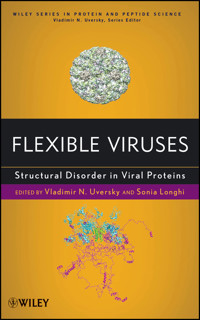
This book provides up-to-date information on experimental and computational characterization of the structural and functional properties of viral proteins, which are widely involved in regulatory and signaling processes. With chapters by leading research groups, it features current information on the structural and functional roles of intrinsic disorders in viral proteomes. It systematically addresses the measles, HIV, influenza, potato virus, forest virus, bovine virus, hepatitis, and rotavirus as well as viral genomics. After analyzing the unique features of each class of viral proteins, future directions for research and disease management are presented.
Sie lesen das E-Book in den Legimi-Apps auf:
Seitenzahl: 981
Veröffentlichungsjahr: 2011
Ähnliche



















Table of Contents
Title Page
Series Page
Copyright
Preface
Introduction to the Wiley Series on Protein and Peptide Science
Contributors
Chapter 1: Do Viral Proteins Possess Unique Features?
1.1 Introduction
1.2 Classification and Functions of Viral Proteins
1.3 Intrinsic Disorder in Viral Proteins
1.4 Functionality of Intrinsic Disorder in Viral Proteins
1.5 Intrinsic Disorder, Alternative Splicing, and Overlapping Reading Frames in Viral Genomes
1.6 Concluding Remarks
1.7 Acknowledgment
1.8 Abbreviations
References
Chapter 2: Functional Role of Structural Disorder in Capsid Proteins
2.1 Introduction
2.2 Nucleic Acid Recognition and Binding
2.3 Control of Assembly
2.4 Stabilization of the Capsid and Control of Nucleic Acid Release
2.5 Acknowledgment
References
Chapter 3: Structural Disorder within the Nucleoprotein and Phosphoprotein from Measles, Nipah, and Hendra Viruses
3.1 The Replicative Complex of Measles, Nipah, and Hendra Viruses
3.2 Structural Organization of the Phosphoprotein
3.3 Structural Organization of the Nucleoprotein
3.4 Functional Role of Structural Disorder within N and P in Terms of Transcription and Replication
3.5 Structural Disorder and Molecular Partnership
3.6 Conclusions
3.7 Acknowledgments
3.8 Abbreviations
References
Chapter 4: Structural Disorder Within Sendai Virus Nucleoprotein and Phosphoprotein
4.1 Introduction
4.2 Characterizing Disordered Proteins by NMR Spectroscopy
4.3 Structural Characterization of Sendai Virus Phosphoprotein
4.4 Structural Characterization of the Sendai Virus Nucleoprotein
4.5 Acknowledgments
4.6 Abbreviations
References
Chapter 5: Structural Disorder in Proteins of the Rhabdoviridae Replication Complex
5.1 Introduction
5.2 The Rhabdovirus Replication Complex
5.3 A Meta-Prediction of Protein Disordered Regions
5.4 The Modular Organization of Rhabdovirus Phosphoprotein
5.5 Flexible Loops in N Participate in Binding P
5.6 Roles of Disorder in the Rhabdovirus Transcription/Replication Complex
5.7 Acknowledgments
5.8 Abbreviations
References
Chapter 6: Structural Disorder in Matrix Proteins of HIV-Related Viruses
6.1 Introduction
6.2 Introducing Lentivirinae Subfamily
6.3 Matrix Proteins in HIV-Related Viruses
6.4 Intrinsic Disorder in Lentivirinae Matrix Proteins
6.5 High Intrinsic Disorder and Immune Response
6.6 Concluding Remarks
6.7 Acknowledgments
6.8 Abbreviations
References
Chapter 7: Structural Disorder in Proteins From Influenza Virus
7.1 Introduction
7.2 Introducing Influenza Virus
7.3 Predicted Intrinsic Disorder in Influenza Virus
7.4 Intrinsic Disorder of Viral Proteins and Viral Infectivity
7.5 Disorder in the 1918 H1N1 and H5N1 Viruses
7.6 Concluding Remarks
7.7 Acknowledgements
7.8 Abbreviations
References
Chapter 8: Making Order in the Intrinsically Disordered Regions of HIV-1 Vif Protein
8.1 Introduction
8.2 Computational Based Structural Analysis of Vif
8.3 The Vif C-Terminal Domain and The SOCS-box Domain
8.4 The HCCH Zn2+-Binding Domain is in Equilibrium With Different Conformations
8.5 Concluding Remarks
8.6 Acknowledgments
8.7 Abbreviations
References
Chapter 9: Order From Disorder: Structure, Function, and Dynamics Of The HIV-1 Transactivator of Transcription
9.1 Introduction
9.2 The Human Immunodeficiency Virus
9.3 Intrinsically Disordered Proteins
9.4 The HIV-1 Transactivator of Transcription
9.5 Structural Biology of Tat
9.6 Therapeutic Implications of Disorder
9.7 Acknowledgments
9.8 Abbreviations
References
Chapter 10: Intrinsically Disordered Domains of Sesbania Mosaic Virus Encoded Proteins
10.1 Introduction
10.2 Bioinformatic Analysis of Intrinsically Disordered Domains of SeMV-Encoded Proteins
10.3 Intrinsically Disordered VPg Modulates the Protease Function
10.4 Intrinsically Disordered, Nucleic-Acid-Binding P8 Domain Activates P10 ATPase
10.5 Intrinsically Disordered Segment of SeMV CP Controls Assembly
10.6 Acknowledgments
10.7 Abbreviations
10.8 List of Viruses
References
Chapter 11: Intrinsic Disorder in Genome-Linked Viral Proteins VPgs OF POTYVIRUSES
11.1 Introduction
11.2 Experimental Probing of Intrinsic Disorder in Potyviral VPgs
11.3 Interaction of PVA VPg with Lipids
11.4 LMV VPg Disorder-to-Order Transition upon eIF4E Binding
11.5 Is Intrinsic Disorder a Common Feature of VPg? an In Silico Comparative Study
11.6 Conclusions
11.7 Acknowledgments
11.8 List of Viruses
11.9 Abbreviations
References
Chapter 12: Intrinsic Disorder in the Human Papillomavirus E7 Protein
12.1 Introduction
12.2 The Papillomavirus E7 Oncoprotein
12.3 HPV16 E7: Conformational Equilibria and Structure
12.4 Conformational Diversity of the E7 Protein INVIVO
12.5 E7N is a Bona Fide IDD
12.6 Interaction Mechanisms of HPV16 E7
12.7 Evolution of the E7 Papillomavirus Protein
12.8 Concluding Remarks
12.9 Acknowledgments
12.10 Abbreviations
References
Chapter 13: The Semliki Forest Virus Capsid Protease is Disordered and Yet Displays Catalytic Activity
13.1 Introduction
13.2 Enzymatic Activity and Steady-State Kinetics of the SFV C-Terminal Truncated Variants
13.3 Pre-Steady-State Kinetics of the SFV C-Terminal Truncated Variants
13.4 Substrate Search and Inhibition Studies
13.5 Structural Studies of the C-Terminal Truncated SFV Capsid Proteins
13.6 Acknowledgments
13.7 Abbreviations
References
Chapter 14: Core-Lations between Intrinsic Disorder and Multifaceted Activities in Hepatitis C Virus and Related Viruses
14.1 The Flaviviridae Family of RNA Viruses
14.2 The Core Protein of Hepatitis C Virus
14.3 Structure and Disorder in the Core Proteins of Flavi- and Pestiviruses
14.4 Acknowledgments
14.5 Abbreviations
References
Chapter 15: The NS5A Domain II Of HCV: Conservation of Intrinsic Disorder in Several Genotypes
15.1 The NS5A Domain II in the HCV Replicative Cycle
15.2 Primary Sequence Information Over the Different Genotypes
15.3 Disorder Predictions Over the Different Genotypes
15.4 Macroscopic Methods to Evaluate Structure: Gel Filtration and CD
15.5 NMR Spectroscopy Of The NS5A D2 Domains
15.6 Conclusions
15.7 Acknowledgements
15.8 Abbreviations
References
Chapter 16: Bacteriophage λ N Protein Disorder-Order Transitions upon Interactions with RNA OR Proteins
16.1 Introduction
16.2 The Antitermination Complex
16.3 Antitermination Protein N
16.4 The λN–RNA Interaction
16.5 NusA–λN Interaction
16.6 Concluding Remarks
References
Chapter 17: N-Terminal Extension Region of Hordeivirus Movement TGB1 Protein Consists of Two Domains with Different Content of Disordered Structure
17.1 Introduction
17.2 Secondary Structure Predictions for PSLV TGBP1
17.3 Spontaneous Limited Proteolysis of the Recombinant PSLV TGBP1 in Escherichia coli
17.4 CD and FTIR Spectra of the Recombinant Proteins Corresponding to the N-Terminal Extension Region (N63K) and Predicted Domains NTD AND ID
17.5 NTD and N63K as Intrinsically Disordered Polypeptides
17.6 ID is Mostly Disordered with Order-Prone Segments
17.7 Properties of NTD, ID and N63K Studied by Dynamic Laser Light Scattering (DLS) and Atomic Force Microscopy (AFM)
17.8 Structural Organization of the TGB1 N-Terminal Extention Regions of Other Viruses with Hordei-Like TGB
17.9 Relationship between Structure of TGB1 Movement Proteins and their Function in Virus Transport in Plants
17.10 Acknowledgements
17.11 Abbreviations
References
Index
Color Plates
Copyright © 2010 by John Wiley & Sons, Inc. All rights reserved.
Published by John Wiley & Sons, Inc., Hoboken, New Jersey.
Published simultaneously in Canada.
No part of this publication may be reproduced, stored in a retrieval system, or transmitted in any form or by any means, electronic, mechanical, photocopying, recording, scanning, or otherwise, except as permitted under Section 107 or 108 of the 1976 United States Copyright Act, without either the prior written permission of the Publisher, or authorization through payment of the appropriate per-copy fee to the Copyright Clearance Center, Inc., 222 Rosewood Drive, Danvers, MA 01923, (978) 750-8400, fax (978) 750-4744. Requests to the Publisher for permission should be addressed to the Permissions Department, John Wiley & Sons, Inc., 111 River Street, Hoboken, NJ 07030, (201) 748-6011, fax (201) 748-6008, or online at http://www.wiley.com/go/permission.
Limit of Liability/Disclaimer of Warranty: While the publisher and author have used their best efforts in preparing this book, they make no representations or warranties with respect to the accuracy or completeness of the contents of this book and specifically disclaim any implied warranties of merchantability or fitness for a particular purpose. No warranty may be created or extended by sales representatives or written sales materials. The advice and strategies contained herein may not be suitable for your situation. You should consult with a professional where appropriate. Neither the publisher nor author shall be liable for any loss of profit or any other commercial damages, including but not limited to special, incidental, consequential, or other damages.
For general information on our other products and services or for technical support, please contact our Customer Care Department within the United States at (800) 762-2974, outside the United States at (317) 572-3993 or fax (317) 572-4002.
Wiley also publishes its books in a variety of electronic formats. Some content that appears in print may not be available in electronic formats. For more information about Wiley products, visit our web site at www.wiley.com.
Library of Congress Cataloging-in-Publication Data:
Uversky, Vladimir N.
Flexible viruses : structural disorder in viral proteins / Vladimir Uversky, Sonia Longhi.
p. cm.-(Wiley series in protein and peptide science ; 11)
Includes index.
ISBN 978-0-470-61831-8 (hardback)
1. Viral proteins. I. Longhi, Sonia. II. Title.
QR460.U94 2012
612'.015756–dc23
2011028226
Preface
The hypothesis that protein function relies on a precise 3D structure constitutes one of the central paradigms of biochemistry. According to this concept, a protein can perform its biological function(s) only being folded into a unique 3D structure, and all the information necessary for a protein to gain this unique 3D structure (in a given environment) is encoded in its amino acid sequence. However, recently, the validity of this structure–function paradigm has been seriously challenged, primarily through the wealth of counterexamples that have gradually accumulated over the past 20–25 years. These counterexamples demonstrated that many functional proteins or protein parts exist in an entirely or partly disordered state. These intrinsically disordered proteins (IDPs) lack a unique, stable 3D structure in solution, existing instead as dynamic ensembles of conformations and exerting their biological activity without a prerequisite stably folded structure.
IDPs possess a distinct set of specific features of their amino acid sequences and compositions (e.g., amino acid sequences of extended disordered proteins are characterized by the combination of a high content of charged residues and a low content of hydrophobic residues) that allows them to be distinguished from globular proteins. These peculiar sequence features have led to the development of various algorithms for disorder predictions, which allowed an estimation of the abundance of disorder in various biological systems. These studies showed that the frequency and length of disordered regions increase with increasing complexity of the organism. For example, long intrinsically disordered regions have been predicted to occur in 33% of eukaryotic proteins, and more than 10% of all eukaryotic proteins are expected to be wholly disordered. Furthermore, viruses and eukaryota were predicted to have 10 times more conserved disorder (roughly 1%) than archaea and bacteria (0.1%). Beyond these computational studies, an increasing amount of experimental evidence has been gathered in the last decade pointing out the large abundance of intrinsic disorder within the living world: more than 625 proteins containing 1342 disordered regions have been annotated so far in the Disprot database (http://www.disprot.org).
Despite this large body of experimental evidence pointing out the abundance and biological relevance of intrinsic disorder in the living world, the notion of a tight dependence of protein function on a precise 3D structure is still deeply anchored in many scientists' mind. The reasons for this lack of awareness or even “resistance” to the concept of protein intrinsic disorder are multiple. First, the growing numbers of protein structures determined by X-ray crystallography and by NMR in the last three decades have shifted the attention of scientists away from the numerous examples of IDPs. Second, IDPs have been long unnoticed because researchers encountering examples of structural disorder mainly ascribed them to experimental errors and artifacts (e.g., failure to purify a given protein in folded biologically active form) and, as such, purged them from papers and reports. Third, structural disorder is hard to conceive and classify. Fourth, IDPs have been neglected because of the perception that a limited amount of mechanistic data could be derived from their study. Fifth, until very recently, no special techniques existed for targeted structural characterization of IDPs and information about intrinsic disorder was retrieved mainly as the lack of specific signals expected for ordered proteins. Yet, the evidence that IDPs exist both in vitro and in vivo is compelling and justifies considering them as a separate class within the protein realm.
Many IDPs undergo a disorder-to-order transition on binding to their physiological partner(s), a process termed induced folding. IDPs bind to their target(s) through “molecular recognition elements” (MoREs) or “molecular recognition features” (MoRFs). MoRFs are interaction-prone short segments with an increased foldability, which are embedded within long disordered regions and become ordered on binding to a specific partner. On the basis of their secondary structure in the bound form, MoRFs can be grouped into four structural classes: α-MoRFs, β-MoRFs, i-MoRFs (irregular-MoRFs), and complex-MoRFs. The conformation of MoRFs in the unbound forms can be either wholly disordered or partially preformed, thus reflecting an inherent conformational preference. In the latter case, a transiently populated folded state would exist even in the absence of the partner for a part time, thus implying that the folding induced by the partner would rely (at least partly) on conformer selection (i.e., selection by the partner of a preexisting conformation) rather than on a “fly-casting” mechanism. It has been proposed that the restriction in the conformational space of MoRFs in the unbound state could reduce the entropic cost of binding, thereby enhancing affinity. IDPs can bind their target(s) with a high extent of conformational polymorphism, with binding generally involving larger normalized interface areas than those found between rigid partners, with protein interfaces being enriched in hydrophobic residues. Thus, protein–protein interactions established by IDPs rely more on hydrophobic–hydrophobic than on polar–polar contacts. Finally, the structural plasticity of MoRFs is assumed to facilitate the binding of IDPs to multiple structurally unrelated partners. Strikingly, as a result of such one-to-many recognition, one IDP can recognize multiple binding partners and gain different types of structure being bound to these different binding partners. In other words, when the situation necessitates it, the MoRF can “morph” into α-helix, β-strand, and irregular structure in order to accommodate different structured partners.
The protein flexibility that is inherent to disorder confers numerous functional advantages. The increased plasticity of IDPs (i) enables binding to numerous structurally distinct targets; (ii) provides the ability to overcome steric restrictions by enabling larger surfaces of interaction; and (iii) allows protein interactions to occur with both high specificity and low affinity. Accordingly, most IDPs are involved in functions that imply multiple partner interactions (e.g., one-to-many and many-to-one binding scenarios), such as molecular recognition, molecular assembly (and amyloidogenesis), cell cycle regulation, signal transduction, and transcription. As such, IDPs are implicated in the development of several pathological conditions (including cancer and cardiovascular diseases) and have been shown to be promising targets for drug development.
Intrinsic disorder is a distinctive and common feature of “hub” proteins, with disorder serving as a determinant of protein promiscuity. Intrinsic disorder also serves as a determinant of the transient nature of the interactions that IDPs can establish, by virtue of the presumed rather low affinity that typifies interactions involving IDPs. The relationship between structural disorder and regulation provides a plausible explanation for the prevalence of disorder in higher organisms, which have more complex signaling and regulatory pathways. On the other hand, the abundance of disorder within viruses likely reflects the need for genetic compaction, where a single disordered protein can establish multiple interactions and hence exert multiple concomitant biological effects. In addition, structural disorder might endow viral proteins with broader ability to interact with the components of the host and may also be related to high adaptability levels and mutation rates observed in viruses, thus representing a unique strategy for buffering the deleterious effects of mutations.
In this book, a thorough description of the current knowledge on the abundance, structural peculiarities, and functional implementations of intrinsic disorder in viral proteins is provided.
Chapter 1, by Bin Xue, Robert W. Williams, Christopher J. Oldfield, Gerard Kian-Meng Goh, A. Keith Dunker, and Vladimir N. Uversky, provides the general overview of intrinsic disorder in viral proteins. It illustrates some structural peculiarities of viral proteins and discusses the roles of intrinsic disorder in functions of different viral proteins.
In Chapter 2, Lars Liljas considers the multiple roles of intrinsic disorder in the form of flexible arms in virus capsids on the basis of the structures of several nonenveloped viruses. The covered aspects range from the roles of those flexible arms in binding to the viral nucleic acids, to controlling the assembly of capsids with quasi-equivalence, and to stabilizing the shell to be controlled by external signals for the release of the viral genome.
In Chapter 3, Johnny Habchi, Laurent Mamelli, and Sonia Longhi analyze the experimental data on the abundance of structural disorder within the nucleoprotein and phosphoprotein from the closely related measles, Nipah, and Hendra viruses. They also describe the molecular mechanisms governing the disorder-to-order transition of the intrinsically disordered C-terminal domain of measles virus N on binding to the C-terminal X domain of the measles virus phosphoprotein.
Chapter 4, by Malene Ringkjøbing Jensen, Pau Bernadó, Rob W. H. Ruigrok, and Martin Blackledge, addresses the peculiarity of structural disorder in Sendai virus nucleoprotein and phosphoprotein. The chapter is focused on the domain organization of the phosphoprotein and nucleoprotein and the structural characterization of these proteins using different experimental techniques such as X-ray crystallography, nuclear magnetic resonance spectroscopy, and small angle X-ray scattering.
Cédric Leyrat, Francine C.A. Gérard, Euripedes A. Ribeiro Jr., Ivan Ivanov, and Marc Jamin in Chapter 5 describe the functional role of intrinsic disorder in the Rhabdoviridae replication complex comprised of three proteins, the nucleoprotein, the phosphoprotein, and the large subunit (L) of the RNA-dependent RNA polymerase. The roles of intrinsically disordered regions in the mechanism of replication/transcription are discussed, and a new model for the interaction of the large subunit of the RNA-dependent RNA polymerase with its N-RNA template is proposed.
Chapter 6, by Gerard Kian-Meng Goh, Bin Xue, A. Keith Dunker, and Vladimir N. Uversky, is dedicated to the analysis of intrinsic disorder in matrix proteins from HIV-related viruses, whereas in Chapter 7, the same authors consider various aspects of structural disorder in proteins from the influenza A virus.
Tali H. Reingewertz, Deborah E. Shalev, and Assaf Friedler dedicated Chapter 8 to elucidating the roles of intrinsic disorder in the function of the HIV-1 Vif protein, which is known to counteract the antiviral activity of the host cellular cytosine deaminase and its interactions with multiple binding partners.
In Chapter 9, Shaheen Shojania and Joe D. O'Neil introduce a small, intrinsically disordered RNA-binding protein crucial for viral replication, the HIV-1 transcriptional regulator Tat. The authors emphasize that intrinsic disorder in the polypeptide backbone can explain Tat's binding promiscuity and its ability to modulate multiple biological processes.
In Chapter 10, Smita Nair, M.R.N. Murthy, and H.S. Savithri summarize the current knowledge on biophysical, biochemical, and structural properties of the intrinsically disordered proteins, VPg (viral proteins genome-linked) and P8, and the disordered segments of coat protein from the Sesbania mosaic virus.
Chapter 11 is written by Jadwiga Chroboczek, Eugénie Hébrard, Kristiina Mäkinen, Thierry Michon, and Kimmo Rantalainen to address the peculiarities of intrinsic disorder in the VPgs of potyviruses. This international team provided a compelling support to the idea that intrinsic disorder is crucial for the biological activity of VPgs of potyviruses and suggests that intrinsic disorder may be a feature shared by all the VPgs of unrelated RNA viruses.
In Chapter 12, Lucía B. Chemes, Ignacio E. Sánchez, Leonardo G. Alonso, and Gonzalo de Prat-Gay discuss the roles of intrinsic disorder in a prototypic viral oncoprotein, the E7 protein from the human papillomavirus, which is responsible for the cellular transformation behind one of the most widespread cancers in women.
Manuel Morillas, Heike Eberl, Fréderic H.-T. Allain, Rudi Glockshuber, and Eva Kuennnemann in Chapter 13 present data supporting the intriguing mechanism of the enzymatic activity of the Semliki Forest virus capsid protease, which is shown to be disordered and yet displays catalytic activity.
In Chapter 14, Roland Ivanyi-Nagy, Eve-Isabelle Pécheur, and Jean-Luc Darlix focus on the multifaceted activities of core proteins in hepatitis C virus and related viruses, and put special emphasis on the relevance of intrinsic disorder for these functions.
Chapter 15, by Xavier Hanoulle, Isabelle Huvent, Arnaud Leroy, Hong Ye, Cong Bao Kang, Yu Liang, Claire Rosnoblet, Jean-Michel Wieruszeski, Ho Sup Yoon, and Guy Lippens, discusses the evolutionary conservation of intrinsic disorder in viral proteins using the intrinsically unstructured domain 2 of the RNA-dependent RNA polymerase from the hepatitis C virus as an illustration.
In Chapter 16, Kristian Schweimer and Paul Rösch introduce the antitermination protein N from bacteriophage λ, which is disordered in its free form, but gains defined structures on interaction with the RNA recognition site nutBoxB and bacterial host factor NusA.
Finally, V. V. Makarov, M. E. Taliansky, E. N. Dobrov, and N. O. Kalinina dedicated their Chapter 17 to the Hordeivirus movement TGB1 proteins, which form ribonucleoprotein complex for the cell-to-cell and long-distance movement of viral genome in plants. In Poa semilatent virus, TGB1 contains both an N-terminal extension region, which consists of a completely intrinsically disordered extreme N-terminal domain (NTD) and an internal domain (ID) adopting a partially disordered, molten globule state, and a C-terminal NTPase/helicase domain. The functional implications of flexibility of the disordered domains are discussed in light of their role in the assembly and movement of viral RNP complexes at different stages of viral transport in the plant.
This book is intended to stimulate and inspire scientists to further extend this fascinating area of research, and we hope that in future years, it will promote research in this rather poorly explored field.
Vladimir N. Uversky
Sonia Longhi
Introduction to the Wiley Series on Protein and Peptide Science
Proteins and peptides are the major functional components of the living cell. They are involved in all aspects of the maintenance of life. Their structural and functional repertoires are endless. They may act alone or in conjunction with other proteins, peptides, nucleic acids, membranes, small molecules, and ions during various stages of life. Dysfunction of proteins and peptides may result in the development of various pathological conditions and diseases. Therefore, the protein/peptide structure–function relationship is a key scientific problem lying at the junction point of modern biochemistry, biophysics, genetics, physiology, molecular and cellular biology, proteomics, and medicine.
The Wiley Series on Protein and Peptide Science is designed to supply a complementary perspective from current publications by focusing each volume on a specific protein- or peptide-associated question and endowing it with the broadest possible context and outlook. The volumes in this series should be considered required reading for biochemists, biophysicists, molecular biologists, geneticists, cell biologists, and physiologists, as well as those specialists in drug design and development, proteomics, and molecular medicine, with an interest in proteins and peptides. I hope that each reader will find in the volumes within this book series interesting and useful information.
First and foremost, I would like to acknowledge the assistance of Anita Lekhwani of John Wiley & Sons, Inc. throughout this project. She has guided me through countless difficulties in the preparation of this book series, and her enthusiasm, input, suggestions, and efforts were indispensable in bringing the Wiley Series on Protein and Peptide Science into existence. I would like to take this opportunity to thank everybody whose contribution in one way or another has helped and supported this project. Finally, special thank you goes to my wife, sons, and mother for their constant support, invaluable assistance, and continuous encouragement.
Contributors
Fréderic H.-T. Allain, Institute of Molecular Biology and Biophysics, ETH-Hoenggerberg, Zurich CH-8093, Switzerland
Leonardo G. Alonso, XBio Inc., Concepción Arenal 4220, CP 1427 Buenos Aires, Argentina
Pau Bernadó, Institute for Research in Biomedicine. Baldiri Reixac, 10.08028 Barcelona, Spain
Martin Blackledge, Protein Dynamics and Flexibility, Institut de Biologie Structurale Jean-Pierre Ebel, CEA-CNRS-UJF, UMR 5075, 41 rue Jules Horowitz, 38027 Grenoble, France
Lucía B. Chemes, Protein Structure, Function and Engineering Laboratory, Fundación Instituto Leloir and Instituto de Investigaciones Bioquímicas, CONICET, Av. Patricias Argentinas 435, CP 1405, Buenos Aires, Argentina
Jadwiga Chroboczek, Therex/TIMC-IMAG, Université Joseph Fourier, Domaine de la Merci, 38706 La Tronche Cedex, France
Jean-Luc Darlix, LaboRetro, Unité de Virologie Humaine INSERM 758, IFR 128, ENS de Lyon, 46 allée d'Italie, 69364 Lyon, France
Gonzalo de Prat-Gay, Protein Structure, Function and Engineering Laboratory, Fundación Instituto Leloir and Instituto de Investigaciones Bioquímicas, CONICET, Av. Patricias Argentinas 435, CP 1405, Buenos Aires, Argentina
Eugeny N. Dobrov, A.N. Belozersky Institute of Physico-Chemical Biology, Moscow State University, 119992 Moscow, Russia
A. Keith Dunker, Center for Computational Biology and Bioinformatics, Institute for Intrinsically Disordered Protein Research, Indiana University School of Medicine, Indianapolis, IN 46202, USA; Indiana University School of Informatics, Indianapolis, IN 46202, USA
Heike Eberl, Institute of Molecular Biology and Biophysics, ETH-Hoenggerberg, Zurich CH-8093, Switzerland; Department of LR-EI, Clinical Trials Centralized Diagnostics, Roche Diagnostics GmbH, Penzberg, Germany
Assaf Friedler, Institute of Chemistry, The Hebrew University of Jerusalem, Safra Campus, Givat Ram, 91904 Jerusalem, Israel
Francine C.A. Gérard, UMI 3265 UJF-EMBL-CNRS, Unit of Virus Host Cell Interactions (UVHCI), 6 rue Jules Horowitz 38042 Grenoble cedex 9, France
Rudi Glockshuber, Institute of Molecular Biology and Biophysics, ETH-Hoenggerberg, Zurich CH-8093, Switzerland
Gerard Kian-Meng Goh, Center for Computational Biology and Bioinformatics, Indiana University School of Medicine, Indianapolis, IN 46202, USA; Institute of Molecular and Cell Biology, Singapore 138673, Republic of Singapore
Johnny Habchi, Architecture et Fonction des Macromolécules Biologiques, UMR 6098 CNRS et Universités d'Aix-Marseille I et II, 163, Avenue de Luminy, Case 932, 13288 Marseille cedex 09, France
Xavier Hanoulle, Unité de Glycobiologie Structurale et Fonctionnelle, UMR 8576 CNRS, IFR 147, Université Lille1-Sciences et Technologies, 59655 Villeneuve d'Ascq, France
Eugénie Hébrard, UMR 186 Résistance des Plantes aux Bio-agresseurs, Institut de Recherche pour le Développement, BP 64501, 34394 Montpellier cedex 5, France
Isabelle Huvent, Unité de Glycobiologie Structurale et Fonctionnelle, UMR 8576 CNRS, IFR 147, Université Lille1-Sciences et Technologies, 59655 Villeneuve d'Ascq, France
Ivan Ivanov, UMI 3265 UJF-EMBL-CNRS, Unit of Virus Host Cell Interactions, 6 rue Jules Horowitz 38042 Grenoble cedex 9, France; Institut Laue Langevin, 6 rue Jules Horowitz 38042 Grenoble cedex 9, France
Roland Ivanyi-Nagy, Molecular Parasitology Group, The Weatherall Institute of Molecular Medicine, University of Oxford, Oxford OX3 9DS, UK
Marc Jamin, UMI 3265 UJF-EMBL-CNRS, Unit of Virus Host Cell Interactions, 6 rue Jules Horowitz, 38042 Grenoble cedex 9, France
Malene Ringkjøbing Jensen, Protein Dynamics and Flexibility, Institut de Biologie Structurale Jean-Pierre Ebel, CEA-CNRS-UJF, UMR 5075, 41 rue Jules Horowitz, 38027 Grenoble, France
Natalia O. Kalinina, A.N. Belozersky Institute of Physico-Chemical Biology, Moscow State University, 119992 Moscow, Russia
Cong Bao Kang, Division of Structural and Computational Biology, School of Biological Sciences, Nanyang Technological University, 60 Nanyang Drive, Singapore 637511, Singapore
Eva Kuennemann, Institute of Molecular Biology and Biophysics, ETH-Hoenggerberg, Zurich CH-8093, Switzerland; Prionics G, Schlieren, Switzerland
Arnaud Leroy, Université Lille1-Sciences et Technologies, Unité de Glycobiologie Structurale et Fonctionnelle, Villeneuve d'Ascq, France; Laboratoire de Biochimie Appliquée, Faculté de Pharmacie à Châtenay-Malabry (Paris XI), Châtenay-Malabry cedex, France, Nanyang Technological University, School of Biological Sciences, Singapore
Cédric Leyrat, UMI 3265 UJF-EMBL-CNRS, Unit of Virus Host Cell Interactions (UVHCI), 6 rue Jules Horowitz 38042 Grenoble cedex 9, France
Yu Liang, Division of Structural and Computational Biology, School of Biological Sciences, Nanyang Technological University, 60 Nanyang Drive, Singapore 637511, Singapore
Lars Liljas, Department of Cell and Molecular Biology, Uppsala University, Box 596, 751 24 Uppsala, Sweden
Guy Lippens, Unité de Glycobiologie Structurale et Fonctionnelle, UMR 8576 CNRS, IFR 147, Université Lille1-Sciences et Technologies, 59655 Villeneuve d'Ascq, France
Sonia Longhi, Architecture et Fonction des Macromolécules Biologiques, UMR 6098 CNRS et Universités d'Aix-Marseille I et II, 163, Avenue de Luminy, Case 932, 13288 Marseille cedex 09, France
Valentin V. Makarov, A.N. Belozersky Institute of Physico-Chemical Biology, Moscow State University, 119992 Moscow, Russia
Kristiina Mäkinen, Department of Food and Environmental Sciences, University of Helsinki, P.O. Box 27, 00014 Finland
Laurent Mamelli, Architecture et Fonction des Macromolécules Biologiques, UMR 6098 CNRS et Universités d'Aix-Marseille I et II, 163, Avenue de Luminy, Case 932, 13288 Marseille cedex 09, France
Thierry Michon, Thierry Michon, UMR 1332 Biologie du Fruit et Pathologie, F-33140 Villenave d'Ornon, France
Manuel Morillas, Institute of Molecular Biology and Biophysics, ETH-Hoenggerberg, Zurich CH-8093, Switzerland; Institut de Recerca Vall d'Hebron, Barcelona, Spain
M. R. N. Murthy, Molecular Biophysics Unit, Indian Institute of Science, Bangalore 560012, India
Smita Nair, Department of Biochemistry, Indian Institute of Science, Bangalore-560012, India; NCI-NIH, HIV Drug resistance program, 1050 Boyles street, 535 Bldg, Rm# 235, Frederick, MD 21702, USA
Christopher J. Oldfield, Center for Computational Biology and Bioinformatics, Indiana University School of Medicine, Indianapolis, IN 46202, USA; Indiana University School of Informatics, Indianapolis, IN 46202, USA
Joe D. O'Neil, Department of Chemistry, University of Manitoba, Winnipeg, Manitoba R3T 2N2, Canada
Eve-Isabelle Pécheur, Institut de Biologie et Chimie des Protéines, UMR CNRS 5086, Université Lyon 1, IFR128 Lyon BioSciences Gerland, 69007 Lyon, France
Kimmo Rantalainen, Department of Biosciences and Nutrition, Karolinska Institute, 14157 Huddinge, Sweden
Tali H. Reingewertz, Institute of Chemistry, The Hebrew University of Jerusalem, Safra Campus, Givat Ram, 91904 Jerusalem, Israel
Euripedes A. Ribeiro, Jr., UMI 3265 UJF-EMBL-CNRS, Unit of Virus Host Cell Interactions (UVHCI), 6 rue Jules Horowitz, 38042 Grenoble cedex 9, France
Paul Rösch, Lehrstuhl Biopolymere und Forschungszentrum für Bio-Makromoleküle, Universität Bayreuth, Universitätsstraße 30, 95447 Bayreuth, Germany
Claire Rosnoblet, Unité de Glycobiologie Structurale et Fonctionnelle, UMR 8576 CNRS, IFR 147, Université Lille1-Sciences et Technologies, 59655 Villeneuve d'Ascq, France
Rob W. H. Ruigrok, Unit for Virus Host Cell Interactions, UJF-EMBL-CNRS UMI 3265, 6 rue Jules Horowitz, BP 181, 38042 Grenoble, France
Ignacio E. Sánchez, Protein Physiology Laboratory, Departamento de Química Biológica, Facultad de Ciencias Exactas y Naturales, Universidad de Buenos Aires, Av, Intendente Güiraldes 2160, Ciudad Universitaria, CP 1428 Buenos Aires, Argentina
H. S. Savithri, Department of Biochemistry, Indian Institute of Science, Bangalore 560012, India
Kristian Schweimer, Lehrstuhl Biopolymere und Forschungszentrum für Bio-Makromoleküle, Universität Bayreuth, Universitätsstraße 30, 95447 Bayreuth, Germany
Deborah E. Shalev, The Wolfson Centre for Applied Structural Biology, The Hebrew University of Jerusalem, Safra Campus, Givat Ram, 91904 Jerusalem, Israel
Shaheen Shojania, Department of Chemistry, University of Manitoba, Winnipeg, Manitoba R3T 2N2, Canada
Michael E. Taliansky, Scottish Crop Research Institute, Invergowrie, Dundee, DD2 5DA Scotland, UK
Vladimir N. Uversky, Center for Computational Biology and Bioinformatics, Institute for Intrinsically Disordered Protein Research, Indiana University School of Medicine, Indianapolis, IN 46202, USA; Department of Molecular Medicine, University of South Florida, FL 33612, USA; Institute for Biological Instrumentation, Russian Academy of Sciences, 142290 Pushchino, Moscow Region, Russia
Jean-Michel Wieruszeski, Unité de Glycobiologie Structurale et Fonctionnelle, UMR 8576 CNRS, IFR 147, Université Lille1-Sciences et Technologies, 59655 Villeneuve d'Ascq, France
Robert W. Williams, Department of Biomedical Informatics, Uniformed Services University, Bethesda, MD 20814, USA
Bin Xue, Center for Computational Biology and Bioinformatics, Institute for Intrinsically Disordered Protein Research, Indiana University School of Medicine, Indianapolis, IN 46202, USA; Department of Molecular Medicine, University of South Florida, FL 33612, USA
Hong Ye, Division of Structural and Computational Biology, School of Biological Sciences, Nanyang Technological University, 60 Nanyang Drive, Singapore 637511, Singapore
Ho Sup Yoon, Division of Structural and Computational Biology, School of Biological Sciences, Nanyang Technological University, 60 Nanyang Drive, Singapore 637511, Singapore
Chapter 1
Do Viral Proteins Possess Unique Features?
Bin Xue, Robert W. Williams, Christopher J. Oldfield, Gerard K.-M. Goh A., Keith Dunker, and Vladimir N. Uversky
1.1 Introduction
Many proteins (or protein regions) are intrinsically disordered. They lack unique 3D structures in their native, functional states under physiological conditions in vitro (Wright and Dyson, 1999; Uversky et al., 2000; Dunker et al., 2001, 2002a,b; Tompa, 2002, 2003; Uversky, 2002a,b, 2003; Minezaki et al., 2006). The major functions of such proteins and regions are signaling, recognition, and regulation activities (Wright and Dyson, 1999, 2009; Dunker et al., 2002a,b; 2005; 2008a,b; Dyson and Wright, 2005; Uversky et al., 2005; Radivojac et al., 2007; Dunker and Uversky, 2008; Oldfield et al., 2008; Tompa et al., 2009). Owing to these crucial functional roles, intrinsically disordered proteins (IDPs) are highly abundant in all species. According to computational predictions, typically 7–30% prokaryotic proteins contain long disordered regions of more than 30 consecutive residues, whereas in eukaryotes the amount of such proteins reaches 45–50% (Romero et al., 1997, 2001; Dunker et al., 2001; Ward et al., 2004; Oldfield et al., 2005a,b; Feng et al., 2006). Furthermore, almost 70% of proteins in the PDB (which is biased to structured proteins) have intrinsically disordered regions (IDRs), which are indicated by missing electron density (Obradovic et al., 2003). Numerous disordered proteins have been shown to be associated with cancer (Iakoucheva et al., 2002), cardiovascular disease (Cheng et al., 2006), amyloidoses (Uversky, 2008a), neurodegenerative diseases (Uversky, 2008b), diabetes, and other human diseases (Uversky et al., 2008), an observation that was used to introduce the “disorder in disorders” or D2 concept (Uversky et al., 2008).
Recently, we showed also that IDPs are abundant in the human diseasome (Midic et al., 2009), a framework that systematically linked the human disease phenome (which includes all the human genetic diseases) with the human disease genome (which contains all the disease-related genes) (Goh et al., 2007). This framework was constructed from the analysis of two networks, a network of genetic diseases, the “human disease network,” where two diseases are directly linked if there is a gene that is directly related to both of them, and a network of disease genes, the “disease gene network,” where two genes are directly linked if there is a disease to which they are both directly related (Goh et al., 2007). Our analysis revealed that there were noticeable differences in the abundance of intrinsic disorder in human disease-related as compared to disease-unrelated proteins (Midic et al., 2009). Furthermore, various disease classes were significantly different with respect to the content of disordered proteins.
Lesen Sie weiter in der vollständigen Ausgabe!
Lesen Sie weiter in der vollständigen Ausgabe!
Lesen Sie weiter in der vollständigen Ausgabe!
Lesen Sie weiter in der vollständigen Ausgabe!
Lesen Sie weiter in der vollständigen Ausgabe!
Lesen Sie weiter in der vollständigen Ausgabe!
Lesen Sie weiter in der vollständigen Ausgabe!
Lesen Sie weiter in der vollständigen Ausgabe!
Lesen Sie weiter in der vollständigen Ausgabe!
Lesen Sie weiter in der vollständigen Ausgabe!
Lesen Sie weiter in der vollständigen Ausgabe!
Lesen Sie weiter in der vollständigen Ausgabe!
Lesen Sie weiter in der vollständigen Ausgabe!
Lesen Sie weiter in der vollständigen Ausgabe!
Lesen Sie weiter in der vollständigen Ausgabe!
Lesen Sie weiter in der vollständigen Ausgabe!
Lesen Sie weiter in der vollständigen Ausgabe!
Lesen Sie weiter in der vollständigen Ausgabe!




