


107,99 €
Mehr erfahren.
- Herausgeber: John Wiley & Sons
- Kategorie: Wissenschaft und neue Technologien
- Sprache: Englisch
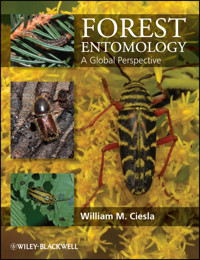
Insects are the most abundant and diverse organisms that inhabit our planet and are found in all the world’s forest ecosystems. Many feed and/or breed on parts of trees. Some perform important functions, such as pollination or break-down of dead vegetation. Others weaken, deform or kill trees, and compete with humans for the many goods and services that trees and forests provide. Forest Entomology: A Global Perspective examines forest insects in a global context and reviews their dynamics, interactions with humans and methods for monitoring and management of species that damage forests. Also provided are 235 profiles of forest insects, worldwide. A series of tables provides summaries of the distribution and hosts of many more species. Included are those that damage forests, others that are simply curiosities and some that are beneficial. This book is designed as a reference for students, practicing foresters and forest health specialists, especially for those who work internationally or are concerned with species that have the potential to expand their ranges via international trade, travel or environmental changes.
Sie lesen das E-Book in den Legimi-Apps auf:
Seitenzahl: 967
Veröffentlichungsjahr: 2011
Ähnliche



















Contents
Cover
Dedication
Title Page
Copyright
Acknowledgements
The Author
Preface
Chapter 1: The World's Forests and Their Dynamics
Introduction
Forest Ecosystems
Forest Dynamics
Chapter 2: Forest insect Dynamics
Introduction
Population Dynamics
Population Processes
Environmental Influences on Insect Populations
Forest Insect Outbreaks
Climate Change and Forest Insect Dynamics
Chapter 3: Forest insect and Human Interactions
Introduction
Forest Insects as Pests
Beneficial Forest Insects
Forest Entomology as a Career
Chapter 4: Monitoring Forest Insects, their Damage and Damage Potential
Introduction
Objectives
Surveillance and Reporting
Estimating Insect Numbers
Traps and Semiochemicals
Remote Sensing
Risk/Hazard Rating
Chapter 5: Forest Insect Management
Healthy Forests – The Objective
Integrated Pest Management
The Decision Process
The Action Process
Pest Management Tactics
Application Technology
Integrated Pest Management Systems
Integration of New Technologies
Chapter 6: Forest Insect Orders and Families
Introduction
Insects Defined
Metamorphosis
Taxonomy
Orders and Families
Chapter 7: Foliage Feeding Insects – Lepidoptera
Introduction
Chapter 8: Other Foliage Feeding Insects
Phasmatoidea (Walkingsticks)
Coleoptera (Beetles)
Hymenoptera (Bees and Wasps)
Chapter 9: Bark and Ambrosia Beetles
Introduction
Chapter 10: Large Cambium and Wood Boring Insects
Introduction
Coleoptera (Beetles)
Lepidoptera
Hymenoptera
Chapter 11: Sucking Insects
Introduction
Chapter 12: Gall Insects
Introduction
Hemiptera
Coleoptera
Hymenoptera
Diptera
Chapter 13: Tip, Shoot and Regeneration Insects
Introduction
Coleoptera (Beetles)
Lepidoptera (Moths and Butterflies)
Chapter 14: Insects Of Tree Reproductive Structures
Introduction
Hemiptera
Coleoptera
Hymenoptera
Lepidoptera
Chapter 15: Insects of Wood in Use
Diptera
Introduction
Isoptera (Termites)
Coleoptera
Hymenoptera
References
Color Plates
Subject and Taxonomic Index
Host index
To:
A. H. MacAndrews
Who introduced me to the world of forest insects
This edition first published 2011 © 2011 by William M. Ciesla
Blackwell Publishing was acquired by John Wiley & Sons in February 2007. Blackwell's publishing program has been merged with Wiley's global Scientific, Technical and Medical business to form Wiley-Blackwell.
Registered office: John Wiley & Sons Ltd, The Atrium, Southern Gate, Chichester, West Sussex, PO19 8SQ, UK
Editorial offices: 9600 Garsington Road, Oxford, OX4 2DQ, UK
The Atrium, Southern Gate, Chichester, West Sussex, PO19 8SQ, UK
111 River Street, Hoboken, NJ 07030-5774, USA
For details of our global editorial offices, for customer services and for information about how to apply for permission to reuse the copyright material in this book please see our website at www.wiley.com/wiley-blackwell.
The right of the author to be identified as the author of this work has been asserted in accordance with the UK Copyright, Designs and Patents Act 1988.
All rights reserved. No part of this publication may be reproduced, stored in a retrieval system, or transmitted, in any form or by any means, electronic, mechanical, photocopying, recording or otherwise, except as permitted by the UK Copyright, Designs and Patents Act 1988, without the prior permission of the publisher.
Designations used by companies to distinguish their products are often claimed as trademarks. All brand names and product names used in this book are trade names, service marks, trademarks or registered trademarks of their respective owners. The publisher is not associated with any product or vendor mentioned in this book. This publication is designed to provide accurate and authoritative information in regard to the subject matter covered. It is sold on the understanding that the publisher is not engaged in rendering professional services. If professional advice or other expert assistance is required, the services of a competent professional should be sought.
Library of Congress Cataloging-in-Publication Data
Ciesla, William M.
Forest entomology : a global perspective / by William M. Ciesla.
p. cm.
Includes bibliographical references and index.
ISBN 978-1-4443-3314-5 (cloth)
1. Forest insects. I. Title.
SB761.C537 2011
634.9'67–dc22
2010048037
A catalogue record for this book is available from the British Library.
This book is published in the following electronic formats: ePDF 9781444397871; Wiley Online Library 9781444397895; ePub 9781444397888
Acknowledgements
A half-century of work as a forester, forest entomologist, remote sensing specialist and forest health program manager is reflected in the pages of this text. My chosen profession has provided me with opportunities to work and travel across much of the USA and also Mexico, portions of Central and South America, Europe, Asia and Africa. I have also had the good fortune to meet many outstanding people along the way who became my mentors, colleagues and friends. Aubrey H. MacAndrews, Professor of Forest Entomology at the State University of New York, College of Environmental Science and Forestry at Syracuse University introduced me to the world of forest insects when I was an undergraduate forestry student. As a young forest entomologist, I had the good fortune to work with people like Gene Amman, A.T. Drooz and Hoover Lambert, USDA Forest Service. Robert C. Heller, USDA Forest Service and later, University of Idaho, first introduced me to color aerial photos as a tool to map and assess forest insect damage. Russell K. Smith, USDA Forest Service, provided me the opportunity, guidance and confidence to manage forest health programs in several Forest Service regions and at the national level. In partnership with contemporaries, including J. W. Barry, W. H. Klein, W. B. White, F. P. Weber, J. D. Ward and many others, we evaluated and integrated remote sensing, geographic information systems and the technology of pesticide application into forest health protection programs.
Jorge Macias (Mexico), Attilio Disperati, Edson Tadeu Iede, Yeda Oliviera and Augusta Rosot (Brazil), Aida Baldini Urrutia, Osvaldo Ramierez and Patrico Ojeda (Chile), Joseph Mwangi (Kenya), Muhammad Yousuf Khan and Hafeez Buzdar (Pakistan), Zhou Jian Sheng and Wang Gaoping (China), Cernal Akesen and Musa Erkanat (Cyprus), Heinrich Schmutzenhofer and Edwin Donaubauer (Austria), Mihai Barca (Romania) and many other international colleagues introduced me to the cultures and forests of their respective countries. Rainier Pöhlmann, Director of Public Affairs, Bavarian National Park, Germany, shared his insights on bark beetles, forest dynamics and people and how they affect management policy of a national park.
Many friends and colleagues provided photos of subjects not available from my own archives. These included Ronald F. Billings, Texas Forest Service, S. Sky Stephens, Colorado State Forest Service, E. Richard Hoebecke, Cornell University, Paula Klasmer, Instituto Nacional de Tecnologia Agropecuaria, Argentina, David Cappaert, Michigan, R. Scott Cameron, International Paper Company, Larry Barber, Sheryl Costello, Jerald E. Dewey, Jose Negrón and Brian Howell, USDA Forest Service. Several of the images in this text were accessed via the www.forestryimages.org website of the University of Georgia, which is the work of Extension Entomologist, G. Keith Douce. William Jacobi, Department of Bioagricultural Sciences and Pest Management, Colorado State University, made available samples of damage caused by ambrosia beetles, carpenter ants, termites and wood borers, photos of which are included in this text.
The team at Wiley-Blackwell took the title of this work “A Global Perspective” seriously. They arranged for constructive and supportive peer review of the manuscript by Robert G. Foottit, Agriculture and Agri-Food Canada, Ottawa, Ontario, Canada. Ward Cooper, Senior Commissioning Editor and Delia Sandford, Managing Editor of Wiley-Blackwell, Oxford, UK provided overall leadership to the production and Kelvin Matthews, Production Manager, also in Oxford, arranged for peer review and design of the cover. Maggie Beveridge, currently residing in Lusaka, Zambia, served as copy editor and was instrumental in transforming a still unfinished draft into a polished document, ready for printing. Jessminder Kaur, Production Editor, Wiley-Blackwell, Singapore, supervised the layout and printing. Prakash Naorem, Thomson Digital, Noida, India provided leadership to the typesetting and layout. Therefore, this project was indeed one of “global” proportions, with people representing six countries and four continents working together to make it a reality.
Finally, special thanks go to my wife and life partner, Pat Ciesla, who spent many long days with me during field assignments in Brazil, China, Chile, Cyprus, Kenya, Indonesia, the USA and many other places and provided encouragement and support as I researched and wrote this text. Several of her photos are also included.
William M. CieslaFort Collins, Colorado, USA
The Author
William M. Ciesla earned a Bachelor of Science Degree in Forestry from the State University of New York, College of Environmental Science and Forestry at Syracuse University in 1960. He later specialized in forest entomology at the same institution and earned a Master of Science Degree in 1963. He began his professional carrier in Asheville, North Carolina with USDA Forest Service and subsequently held assignments as a forest entomologist and forest health program manager in several locations throughout the USA. From 1990 to 1995 he served as Forest Protection Officer for the Food and Agriculture Organization of the United Nations in Rome, Italy and in 1995, chartered Forest Health Management International, an international forest health consulting service based in Fort Collins, Colorado. He has worked with forest insects in over 30 countries and is author or co-author of over 160 publications. He is also author of Stranieri: An Italian Odyssey, a light hearted account of life and travels in Italy. In 2005 he received the Western Forest Insect Work Conference - Founder's Award for outstanding contributions to forest entomology in the West.
Preface
Insects are by far the most dominant group of animals on the Earth's surface. Over a million species have been described and new species are continuously being discovered. They are an integral part of the biodiversity of our planet and presently comprise about 80–85% of the total number of animal species known to science. Some experts estimate that the total number ultimately recognized may eventually approach 30 million species. More than 1000 species can occur in a relatively simple ecosystem such as a back yard and can number many millions per hectare of land surface.
In addition to being abundant, insects are extremely diverse and adaptable organisms. They are found in virtually every ecosystem. Insects are classified into about 30 orders. Each order is further subdivided and classified into families, genera and species. In North America alone, some 698 families, with an estimated 95,553 species are recognized (Erwin 1982, Chapman 2006, Triplehorn & Johnson 2005).
Insects are an integral part of all of the world's forest ecosystems. Many species serve beneficial and even critical functions in forests. Some visit flowers and pollinate plants. Others function as agents in the breakdown of dead vegetation. Insects, such honeybees or the lac insect, provide products beneficial to humans. Others kill old, mature trees and make way for the establishment of young, more vigorous forests. When insects become excessively abundant, they can damage trees and forests and thus compete with humans for the goods and services that forests provide. Some groups of insects, such as foliage feeders and bark beetles, are considered major forest pests and their prevention and control is an integral part of forest management. Worldwide, approximately 68 million ha of forests suffer some type of insect damage each year. This is more than twice the area burned by wildfires (FAO 2005).
This text examines forest insects in a global context and addresses the species of major concern in the world's forest ecosystems. It is divided into two parts: Chapters 1, 2, 3, 4, 5 examine the role of insects in forests, their dynamics and their effects on natural forests, plantations, agroforestry systems, urban forests, wood and non-wood products. Approaches to forest insect monitoring are reviewed and alternatives for management of damaging forest insects within the framework of integrated pest management (IPM) are presented. The basis for classification of forest insects into orders and families is reviewed in Chapter 6. Chapters 7, 8, 9, 10, 11, 12, 13, 14, 15 address the main thrust of this text and provide descriptions of important forest insects, their distribution, hosts, life histories and economic, social and ecological impacts. These chapters are organized according to the damage the insects cause, rather than by taxonomic groups.
This text is written for foresters, forest entomologists and forest health specialists engaged in management and protection of forests, worldwide. It is intended to call attention to the importance of insects in the world's forest ecosystems, the need to consider management of insect pests as an integral part of sustainable forest management and to serve as a guide to the identification of the world's major pest species.
Chapter 1
The World's Forests and their Dynamics
Introduction
Forests cover 3.952 billion ha or 30.3% of the Earth's surface. Other wooded lands cover another 1.3 billion ha.1 They provide habitat for many living organisms. Moreover, they provide a wealth of goods and services for humans. Forests are a source of both wood and non-wood products, including lumber, pulpwood, fuel wood, resin and food items such as nuts, fruits, mushrooms, edible plants and game. In addition, they provide protective cover for watersheds, range for domestic animals and are an important source of recreation and spiritual refreshment. A more recently appreciated value of forests is their ability to remove excess carbon from the Earth's atmosphere, much of which is produced by humans through burning of fossil fuels or clearing of forests, and store it in woody biomass. The world's forests presently store an estimated 240 gigatonnes (Gt) of carbon in woody biomass and a total of 683 Gt of carbon in forest ecosystems as a whole (FAO 2005, 2009a).
The world's forests have been subject to human pressure since the beginning of civilization. Large areas have been deforested to make room for agriculture, communities, industrial sites, roads and highways. Additional areas have been degraded as trees of the most desirable species and quality were harvested, forests were overgrazed by domestic livestock or burned for land clearing or to drive game. Presently, the rate of forest loss due to land use change is estimated at 13 million ha/year, resulting in a net reduction of forest area of about 7.3 million ha/year. Only 36% of the world's forests are regarded as “primary forests.” These are defined as forests of native species in which there is no clearly visible indication of human activity and ecological processes are not significantly disturbed (FAO 2005, 2009a).
Forests have the capacity to regenerate and produce goods and services for humans on a continuing basis, provided they are managed in a sustainable manner. The concept of sustainability evolved as a result of the United Nations Brundtland Commission (United Nations 1987), which defined sustainable development as “development that meets the needs of the present without compromising the ability of future generations to meet their own needs.” Sustainable development focuses attention on finding strategies to promote economic and social development in ways that avoid environmental degradation, overexploitation or pollution. Forests managed under the concept of sustainable development, therefore, should provide needed goods and services for present as well as future generations.
The world's forests are dynamic. They are in a continuous state of flux and, in addition to human activities, are subject to disturbance by wind, water, fire, insects and disease. This chapter provides an overview of the world's forests and the factors that characterize their dynamics.
Forest Ecosystems
The world's forests are highly varied and complex and many classification systems have been used to categorize them. A system proposed by Olson et al. (2001) subdivides the Earth's vegetation into eight biogeographic regions (Fig. 1.1) and 14 biomes. The biomes are further subdivided into 867 ecoregions. Eight of the 14 biomes proposed by Olson et al. (2001) are forest biomes and include:
Tropical and subtropical forests: tropical and subtropical moist broadleaf forests;tropical and subtropical dry broadleaf forests;tropical and subtropical coniferous forests;mangroves.Temperate forests: temperate broadleaf and mixed forests;temperate conifer forests;Mediterranean forests, woodlands and scrub.Boreal forests/taiga.Figure 1.1 Biogeographic regions of the world (redrawn from Olson et al.2001).
Tropical and Subtropical Forests
The portion of the Earth that lies roughly between 23.5° north and south latitude, or between the Tropics of Cancer and Capricorn, is regarded as the tropics. The tropics are characterized by having consistently warm temperatures and are frost free. Annual and monthly mean temperatures are above 18–20°C and there is a difference of no more than 5°C between the warmest and coolest month of the year. These temperatures allow for biological activity to take place throughout the year, except in areas with seasonal droughts.
The subtropics, on the other hand, are two bands around the earth adjacent to the tropics, from about 10° north and south latitude to 23.5° north and south latitude. While the climate is generally warm, subtropical regions are subject to occasional frosts and plant communities are more tolerant of cold temperatures than those found in the tropics.
Species composition in tropical forests varies according to moisture, soil types and geological history. The richest species diversity is in Latin America, followed by Southeast Asia and Africa (Fig. 1.2). There is little similarity in species between these regions, although they do share some common plant families and genera. The tropical forests of Southeast Asia are dominated by members of the plant family Dipterocarpaceae. These are broadleaf trees that include many valuable timber species (Nair 2007).
Figure 1.2 Moist tropical forests are richest in species diversity (Parque Nacional Foz do Iguaçu, Brazil).
Tropical and Subtropical Moist Broadleaf Forests
Most tropical and subtropical moist broadleaf forests have no discernable dry season. They are composed of broadleaf evergreen trees and are rich in terms of both plant and animal diversity. The largest area of moist tropical forest occurs in South America, in the Amazon Basin. Other areas of moist tropical forest occur in portions of Africa and Southeast Asia. Tropical and subtropical moist broadleaf forests are characterized by having dense, luxuriant, multistoried plant growth. Woody lianas or vines are common. Monocots, such as bamboos or canes, are also common in some areas. Tree branches often provide habitat for luxuriant growth of ferns, orchids, bromeliads, mosses and lichens. Many of the world's moist tropical forests occur at elevations of <1000 m in elevation.
Moist tropical forests also occur in mountainous regions, especially in portions of Central and South America, at elevations ranging from 1000 to 3000 m. These forests are sometimes referred to as “cloud” forests because they receive much of their moisture from clouds that envelop the summits of mountain peaks for much of the year.
Moist deciduous tropical forests occur in areas of distinct, alternating wet and dry seasons and are known as “seasonal or monsoonal tropics.” These are occupied by broadleaf trees that lose their foliage and become dormant during dry seasons and are lush and green during rainy seasons. They are found in portions of Asia from Sri Lanka east to southern China, across portions of western and eastern Africa, northern Australia, Brazil, Mexico and Central America.
Tropical and Subtropical Dry Broadleaf Forests
Dry tropical and subtropical forests are characterized by a strong seasonality of rainfall distribution and have several months of severe, even absolute, drought (Mooney et al. 1995). Portions of eastern Africa, for example, have two alternating wet and dry seasons. The long dry season occurs from about December to March and is followed by a long wet season from late March through August. A short dry period occurs from September to October, followed by a short rainy season in November and December. During the dry periods there is little or no precipitation. The Caatinga, a region of dry broadleaf forests in northeastern Brazil, has an average of 300–1000 mm of precipitation/year, which is concentrated over a 3–5 month period. Droughts are common and severe droughts of 3–4 years' duration can occur at intervals of every three or four decades. These forests are characterized by low deciduous trees, often armed with thorns. They transition into open woodlands and savannas in areas where soils are less fertile or where moisture regimes are too dry to support forest cover (Fig. 1.3).
Figure 1.3 Dry tropical woodland, dominated by species of Acacia (Amboseli National Park, Kenya).
Tropical and Subtropical Conifer Forests
Conifer forests are found in tropical and subtropical regions of Mexico, Central America, east Africa and southeastern Asia. In Mexico, Central America and southeastern Asia, these forests are dominated by pines. The pine flora of Mexico and Central America is the most diverse in the world and consists of about 72 species and subspecies (Perry 1991). In Central America, pine forests extend south into northern Nicaragua (Fig. 1.4). Pine forests of southeastern Asia are less diverse but cover significant areas of Cambodia, southern China, Myanmar, Thailand and Vietnam. One species, Pinus merkusii, is found just south of the equator on the Indonesian island of Sumatra (Critchfield & Little 1966). In portions of Ethiopia, Kenya and Saudi Arabia, high-elevation forests are dominated by the east African pencil cedar, Juniperus procera, which is the only juniper that extends its range south of the equator (FAO 1986).
Figure 1.4 A tropical conifer forest dominated by Pinus oocarpa (northern Nicaragua).
Mangroves
Mangroves occur in silt-rich, saline, brackish water habitats, generally along large river deltas, estuaries and coastal areas. They are characterized by having relatively low tree diversity, with a low broken canopy. Mangrove species are broadleaf evergreen trees and shrubs adapted to salty and swampy habitats by having breathing roots, or pneumatophores, which are exposed to the air and absorb oxygen (Fig. 1.5). They are important ecosystems because they provide spawning grounds and nurseries for many marine and freshwater species. They also help prevent and reduce coastal erosion and storm damage. Mangroves are threatened because of their proximity to the ocean and are often targets for development. Moreover, local people make heavy use of mangrove trees as an easy source of wood. These forests occupy roughly 15.2 million ha and about 47% of the world's mangrove forests are found in Australia, Brazil, Indonesia, Mexico and Nigeria. The world's largest mangrove forest is the Sundarbans, which occurs along the coastal regions of Bangladesh and India. The Sundarbans supports the world's largest remaining population of Bengal tigers.
Figure 1.5 A blue heron rests on pneumatophores of red mangrove, Rhyzophora mangle (Bonaire, Netherlands Antilles).
Temperate Forests
Temperate forests have well-defined warm and cold seasons. They are found north and south of the tropical/subtropical forests or at high elevations in tropical/subtropical latitudes where temperatures are cooler. The cold or winter season usually has sufficiently low temperatures to force plants into dormancy. Growing seasons vary from 140 to 200 days and from 4 to 6 frost-free months. These forests may be composed of conifers and both broadleaf evergreen and deciduous trees.
Temperate Broadleaf and Mixed Forests
Temperate broadleaf and mixed broadleaf–conifer forests are the dominant forest biome over most of Europe, portions of Asia and eastern North America. They are restricted to the northern hemisphere, except for a small area at the southern tip of South America (Argentina and Chile), and occur where average temperatures are below 0°C for the coldest month of the year and above 10°C for the warmest month (Dansereau 1957).
Most of the broadleaf species in these forests are deciduous and are characterized by leaf fall in autumn, which is an adaptation to a cold season when liquid water is either restricted or unavailable to plants. Leaf fall is preceded by an often spectacular coloration of autumn foliage. Annual precipitation ranges between 70 and 150 cm and is more or less evenly distributed. Evergreen broadleaf species tend to be intolerant of winter drought or prolonged cold and are generally absent from these forests.
Central Europe's temperate broadleaf forests have been severely fragmented due to agriculture, grazing and other human activities. These forests have less species diversity than other temperate deciduous forests because many species were lost during the Pleistocene ice ages. Pure forests of beech, Fagus sylvatica, dominate the higher elevations (Fig. 1.6) and oaks, Quercus spp., linden, Tilia spp., and ash, Fraxinus spp., are dominant components of low-elevation forests. In Asia, North America and the Near East, there are many more species of trees including representatives of the genera Acer, Aesculus, Carya, Juglans, Liquidambar, Liriodendron and Magnolia, as well as outliers of some tropical families (e.g. Diospyros) (Hora 1981). For example, the temperate deciduous forests of the southern Appalachian Mountains of southeastern USA have approximately 140 different species of trees (Westveld 1949).
Figure 1.6 A temperate mixed deciduous broadleaf–conifer forest dominated by Fagus sylvatica and Picea abies (Alpensee near Füssen, Bavaria, Germany).
Warm temperate forests may consist of both deciduous and evergreen broadleaf species and conifers and tend to occur along the eastern coastal regions of continents that are exposed to monsoons or trade winds. They often transition into subtropical forests. Rainfall is abundant and evenly distributed throughout the year. In southeastern Asia, eastern Australia and southern Brazil, there is a continuous gradation with increasing latitude from wet tropical to subtropical to warm temperate conditions. This makes it difficult to distinguish vegetation zones. These forests are typically dense and penetration is difficult due to abundance of vegetation. They tend to be rich in tree species, including some conifers, epiphytes and climbers, although less so than tropical forests. Some of the broadleaf trees found in these forests are deciduous.
In Australia, warm temperate forests, dominated by Nothofagus, are found in Tasmania and Victoria. In Africa, only the Drakensburg Mountains of South Africa have suitably moist conditions to support warm temperate forests. The boundaries of the warm temperate forests of eastern North America are poorly defined because cold air masses move south as far as the Gulf of Mexico. They are generally found along coastal regions of the Atlantic Ocean and Gulf of Mexico from North Carolina south to Florida and west to Texas, USA. The tree flora of North American warm temperate forests is rich and includes both evergreen and deciduous species of oaks, Quercus spp., Liquidambar stryaciflua, and conifers including several pines, Pinus spp., and bald cypress, Taxodium distichum. Warm temperate forests also occur in New Zealand and include several species of Nothofagus and kauri pine, Agathis australis, which often occur in mixture with subtropical broadleaf species (Hora 1981).
Islands of warm temperate forests occur at high elevations in the tropics. For example, high-elevation temperate cloud forests are found in Central America and extend as far as the northern tip of South America. These contain species of oaks, Quercus spp., and other broadleaf trees (Author's observation, Ramierez Correa 1988).
Temperate Conifer Forests
Large areas over portions of western North America are dominated by conifers of the family Pinaceae. Many of these forests occur in mountainous regions with semi-arid climates and species occurrence tends to be stratified by elevation and moisture. In Colorado, USA, for example, piñon pine, Pinus edulis, and juniper, Juniperus spp., woodlands dominate the lowest elevations and begin at about 2000 m. As elevations increase, pure forests of ponderosa pine, Pinus ponderosa, become the dominant species. As elevation and available moisture increase, Douglas-fir, Pseudotsuga menziesii, and in southern Colorado and northern New Mexico, white fir, Abies concolor, occur in mixture with the ponderosa pine. On north-facing slopes, which receive less direct sunlight and have a cooler, moister climate, Douglas-fir appears at lower elevations than on south-facing slopes, which are warmer and drier. In northern Colorado, ponderosa pine–Douglas-fir forests are usually replaced by pure, even-aged forests of lodgepole pine, Pinus contorta, at around 2400 m and at elevations of around 3000 m, subalpine fir, Abies lasiocarpa, and Engelmann spruce, Picea engelmannii, are the dominant trees. As elevation continues to increase, the proportion of Engelmann spruce increases until at approximately 3500 m, the upper limit of tree growth, nearly pure stands of this species exist (Figs 1.7 & 1.8). Similar stratifications of species by elevation and moisture can be found in conifer forests of the Atlas Mountains of northern Africa and the Himalaya Mountains of Asia.
Figure 1.7 Stratification of coniferous forest types by elevation and moisture in the central Rocky Mountain region of northern Colorado, USA.
Figure 1.8 Stratification of coniferous forest types by elevation and moisture in the central Rocky Mountain region of northern New Mexico and southern Colorado, USA.
Along the Pacific Coast of North America, where there are higher levels of precipitation, forests are dominated by giant conifers including redwood, Sequoia sempervirens, Douglas-fir, western hemlock, Tsuga heterophylla, and western red cedar, Thuja plicata.
Mediterranean Forests
Mediterranean climates are characterized by mild wet winters and hot dry summers. Areas with Mediterranean climate are found along the western coastal regions of the world's continents and include portions of southern Europe, North Africa and the Near East; southern California, USA, central Chile and Western Australia. Average annual precipitation ranges from 500 to 1000 mm, with prolonged periods of low humidity. The vegetation of Mediterranean forests tends to be relatively rich in species diversity. In Mediterranean Europe and California, they are dominated by pine, oak and other broadleaf trees. In the western part of Australia, eucalypts, Eucalyptus spp., are the dominant trees and in central Chile, species of Nothofagus dominate. Many plants that occupy Mediterranean forests have hard leather-like or sclerophylus leaves, which are an adaptation to prolonged dry summers.
Mediterranean forests are subject to frequent wildfires, often of human origin, and are easily degraded by grazing of domestic animals. Moreover, heavy cutting results in domination of formerly forested sites with low dense, evergreen woody shrub vegetation, known by several colloquial names: maquis in Mediterranean Europe, chaparral in California, USA, mattaral in Chile, malee scrub in Australia and fynbosch or karroo in South Africa (Hora 1981).
Boreal Forests/Taiga
The boreal forests or taiga encircle the northern hemisphere and cover a vast area of North America and Eurasia between 50° and 60° north latitude. Despite their large area, boreal forests occur in relatively few countries: Canada, northern China, Finland, northern Mongolia, Norway, Russia, Sweden and the USA (Alaska) (Fig. 1.9). Climate is characterized by long, cold and dry winters and short, moist summers. Growing season is short, about 130 days, and soils are thin, nutrient poor and acidic. Boreal forests are dominated by conifers of the genera Abies, Larix, Picea and Pinus (Fig. 1.10). Broadleaf trees are poorly represented, although the few species that do occur can cover large areas. Families and genera of broadleaf trees found in the boreal forests include members of the Salicaceae (Salix, Populus), Betulaceae (Alnus, Betula) and Rosaceae (Sorbus). In the northern limits of the boreal forest, trees are typically reduced to low, shrubby trees, known as krumholz, due to short growing seasons and severe weather. Island forests composed of typically boreal species extend south into the higher elevations of the Alps, Carpathian and Pyrenees Ranges of Europe and the Appalachian, Rocky and Cascade mountain ranges of North America (Hora 1981, Vasilevich 1996).
Figure 1.9 Global distribution of boreal forests or taiga across the northern hemisphere (redrawn from Olson et al. 2001).
Figure 1.10 Aerial view of a boreal forest dominated by white spruce, Picea glauca (Kenai Peninsula, Alaska, USA).
Forest Dynamics
Forests are dynamic and their structure and composition are continuously subject to change. Disturbances set the stage for replacement of mature, senescent trees and stands with young vigorous trees. The magnitude of disturbances ranges from the death an individual or group of trees that leaves a small opening or gap in the forest canopy to a wildfire that can encompass thousands of hectares.
At first glance, forest canopies may appear uniform. In reality, they are a mosaic of conditions. Canopy gaps are an integral part of virtually every mature forest. They can be caused by death of individual or small groups of trees, strong winds, landslides, wildfires and pest outbreaks. Strong winds and landslides with resultant uprooting of trees may disturb the soil and expose the mineral horizon. Many fast-growing, shade-intolerant, pioneer species are adapted to canopy disturbance and require gaps in which to become established. Some late-successional species may tolerate shade as juveniles, but most also require disturbance of the forest canopy to reach reproductive maturity. As gap size increases, conditions become more favorable for the establishment of shade-intolerant pioneer species, which may eventually succeed to more shade-tolerant species.
Tropical Forests
In moist tropical forests, natural disturbances tend to be relatively small and help give the impression of a stable forest ecosystem. However, disturbances can be of relatively high frequency and caused by a number of factors (Nair 2007).
In the Amazon Basin, a key biotic disturbance agent is invasion by lianas following death of small groups of trees or disturbances, often caused by indigenous people. These are eventually occupied by pioneer trees. A climbing bamboo, Guarda macrocarpa, is also capable of invading more open forests in transition between tropical rain forests and the seasonally dry cerrado vegetation that lies to the south of the Amazon Basin. Abiotic disturbance factors in Amazon rain forests include blowdown events caused by convective downburst winds or, less frequently, tornadoes, and flooding or accelerated tree mortality due to below normal precipitation (Nelson 2006).
Wildfires are an important factor in the dynamics of tropical forests. Most wildfires in tropical forests are of human origin, largely due to escaped agricultural fires (FAO 2005). Low-intensity ground fires, for example, are a disturbance factor that influences the dynamics of tropical rain forests in the Amazon Basin, especially in areas disturbed by timber harvesting (Nelson 2006). Some moist tropical forests are subject to periodic prolonged droughts, such as those caused by the El Niño Southern Oscillation (ENSO), which increase their susceptibility to stand replacement fires. An ENSO event in 1982–3 set the stage for catastrophic wildfires that occurred in East Kalimantan, Indonesia and burned over 3.5 million ha of primary and secondary tropical rain forest. Severe, ENSO-related wildfires also occurred in Indonesia during 1991–2, 1993–4 and 1997–8. Wildfires during the 1997–8 ENSO event burned over 5.2 million ha or about 25% of the forest area of East Kalimantan (Hoffman et al. 1999). Fuel accumulations caused by windthrow due to tropical storms can also increase risk of wildfire. In 1988, Hurricane Gilbert swept across tropical forests of the Yucatan Peninsula of Mexico and damaged over 1 million ha of forests. During the following year, over 120,000 ha of Mexico's largest area of tropical forest burned.
Dry tropical forests are subject to regular wildfire episodes that can cover large areas. For example, during the 1990s and early part of the 21st century, wildfires burned over large areas of Chad, located in the Sudo-Sahelian region of Central Africa. These fires burned over 50–70% of the vegetation and 20–23% of the Sahelian vegetation each year.
Today, humans are undoubtedly the key factor that influences the dynamics of tropical forests. Tropical deforestation, due to land clearing for agriculture, is occurring at high rates. As mentioned earlier in this chapter, the annual rate of deforestation for the period 2000–5 averaged 13 million ha/year. This resulted in a net loss of 7.3 million ha/year, an area equivalent to the land area of Panama or Sierra Leone (FAO 2005).
Temperate and Boreal Forests
Temperate and boreal forests are subject to frequent and widespread disturbance events, including wildfire, severe winds and insect outbreaks. Landscape level disturbance events are relatively common. As is the case in tropical forest ecosystems, disturbance events set the stage for replacement of mature, senescent forests with young, vigorous stands, often of the same species that occupied the site prior to the disturbance. In most cases, disturbance events are due to interactions of several factors, including the condition of the forest, climatic events, human activities, insects and disease.
Catastrophic outbreaks of insects, especially bark beetles and defoliators, are a major cause of disturbance in many temperate and boreal forests. The following sections describe scenarios of how insects interact with other factors, including human activities, to create major forest disturbances.
Windstorms and Bark Beetles
Severe storms, resulting in extensive windthrow of mature forests, can set the stage for bark beetle outbreaks (Fig. 1.11). Several species of conifer-infesting bark beetles invade fresh windthrow and build to epidemic levels. Beetles that emerge from the windthrow subsequently invade standing trees at the edge of the windthrow and cause additional tree mortality. Examples of bark beetles that build to epidemic proportions in fresh windthrow and cause landscape level tree mortality are the spruce bark beetle, Ips typographus, in Eurasia and the spruce beetle, Dendroctonus rufipennis, and Douglas-fir beetle, D. pseudotsugae, in North America.
Figure 1.11 Windthrow events provide a large volume of host material for buildup of several conifer infesting bark beetles (Bavarian National Park, Germany).
In central Europe, forests have been managed intensively for over 200 years. Management of spruce, Picea abies, takes into consideration the risk of development of outbreaks of the spruce beetle, Ips typographus, and includes rapid removal of windthrown trees, debarking of trees that have been harvested and use of pheromone traps to reduce numbers of beetles. In 1970, the Bavarian National Park was established in southeastern Germany along the border with the Czech Republic. The park was to be managed on the principle of “let nature take its course.” During the 1990s and early part of the 21st century, several windstorms occurred in mature spruce forests in the park. The windthrown trees were subsequently invaded by I. typographus. Beetles emerging from the windthrow attacked adjacent standing trees. As of late 2009, 5000 ha or about 20% of the 24,500-ha park had been killed by spruce beetle outbreaks, mostly in high-elevation forests of pure spruce. Public reaction to the outbreak and safety considerations has forced park officials to modify the “let nature take its course” policy. Pest management actions included removal of infested trees to reduce hazard of falling dead trees along hiking trails and to minimize spread of the outbreak into surrounding privately owned forests. In addition, the park has conducted a program of educating the public on the dynamics of spruce forests, including forest disturbances such as wind storms and bark beetle outbreaks, and set the stage for replacement of old spruce forests with young, vigorous stands.2
Fire, Humans and Insects
Interactions between fire, humans and insect outbreaks in temperate and boreal forests cause disturbance events, including insect outbreaks. Many forest ecosystems throughout the world are subject to disturbances by naturally occurring fire and have developed adaptations that allow them to co-exist with naturally occurring fire. Virtually all of the world's pine forests, for example, are subject to wildfire and fire regimes in pine forests can vary from low, moderate or high severity depending on the species and local climatic conditions (Agee 1998).
Pinus ponderosa
In western North America, pure forests of ponderosa pine, Pinus ponderosa, dominate low-elevation forests. This species is long lived (300–600 years) and subject to frequent, low-intensity fires. Prior to arrival of European settlers, the fire return interval in these forests averaged from 3 to 36 years. Older, larger ponderosa pines are thick barked, which allows them to survive low-intensity fires. This resulted in a landscape of open, park-like pine forests with a grass understory (Fig. 1.12, Oliver & Ryker 1990, Agee 1998).
Figure 1.12 Open park-like forests of ponderosa pine, Pinus ponderosa, are the result of relatively frequent, low-intensity fires (Rio Grande National Forest, Colorado, USA).
European settlement on the fringes of ponderosa pine forests resulted in a need for wildfire suppression. This lengthened the fire interval and gradually changed the character of the open forests to more dense forests. These have become susceptible to outbreaks of mountain pine beetle, Dendroctonus ponderosae. In addition, when fire now occurs in these stands, they tend to be high-intensity stand replacement fires. In other areas, a combination of selective harvesting of ponderosa pine and wildfire suppression has allowed species such as Abies concolor and Pseudotsuga menziesii to invade sites formerly dominated by ponderosa pine. These trees are subject to outbreaks of defoliating insects including western spruce budworm, Choristoneura occidentalis, and Douglas-fir tussock moth, Orgyia pseudotsugata.
Pinus contorta
Lodgepole pine, Pinus contorta, is another species that occupies large areas of forest in western North America. This species occurs as a mosaic of pure, even-aged stands of varying age classes over the landscape. Unlike ponderosa pine, this tree has a relatively short life span and most stands are considered mature at about age 60–100 years. Lodgepole pine forests have a moderate severity fire regime with a fire return interval that ranges from 60 to over 100 years. Because the bark of lodgepole pine is thin and unable to protect trees, fires in lodgepole pine are typically stand replacement fires. Lodgepole pine has adapted to fire by producing serotinous cones, which open only when exposed to high temperatures (Fig. 1.13). When a wildfire burns through lodgepole pine, the high temperatures cause these cones to open and release abundant seeds to start a new forest (Fig 1.14, Agee 1998).
Figure 1.13 Serotinous cones of lodgepole pine, Pinus contorta, open only when exposed to high temperatures associated with wildfires (Beaverhead National Forest, Montana, USA).
Figure 1.14 Regeneration of lodgepole pine, Pinus contorta, after a wildfire (Yellowstone National Park, Wyoming, USA).
Lodgepole pine forests are also subject to devastating outbreaks of mountain pine beetle, Dendroctonus ponderosae. These can cover millions of hectares and kill most or all of the trees in excess of 13 cm in diameter. Beginning in the late 1990s, massive outbreaks of this insect developed over portions of British Columbia, Canada, and Colorado and Wyoming, USA. They are believed to be the result of a combination of large areas of mature lodgepole pine, susceptible to beetle attack, fire exclusion and a decade of mild winters that allowed a higher portion of overwintering beetles to survive. The outbreak in British Columbia, Canada has affected over 7 million ha of lodgepole pine forests and is regarded as the most severe insect outbreak ever to occur in that country (Aukema et al. 2006).
A question on many people's minds is: do bark beetle outbreaks increase the probability of a catastrophic wildfire? These outbreaks have left thousands of dead trees in their wake and changed the character of the forest fuels. Dead standing trees, with red needles and fine dead branches, can carry high-intensity wildfires. However, after a few years, the needles and fine branches drop from the trees. Over time, many of the beetle-killed trees fall and new trees develop in their wake. This creates ladder fuels and conditions favorable for fires capable of burning over large areas.
The wildfires on lodgepole pine forests in the Greater Yellowstone Basin, which covers portions of Idaho, Montana and Wyoming, USA in 1988, provided some insights into the interaction between mountain pine beetle outbreaks and wildfire. These fires burned approximately 36% of Yellowstone National Park's forest area following the driest period in its recorded history. Prior to 1988, Yellowstone National Park and surrounding areas endured two mountain pine beetle outbreaks; one from 1972 to 1975 and another from 1980 to 1983. An analysis of the relationship between fire and previous outbreaks showed that areas affected by mountain pine beetle 13–16 years before the fire increased the probability of an area burning by about 11%. However, the occurrence of the more recent outbreak was not correlated with the probability of an area burning. Scientists who conducted this study believe that one of the reasons older outbreak areas have a higher probability of intense wildfires was that enough time had passed to allow understory vegetation to release, providing “ladder fuels.” These consist of a combination of low-growing tree branches, shrubs and small trees (Lynch et al. 2006).
Foliage Feeding Insects
Many insects feed on foliage of trees and other woody plants and some species are capable of causing landscape-level outbreaks. These insects also have a role in forest dynamics, which, in strictly ecological terms, are beneficial. Mattson and Addy (1975) argue that the ecological role of foliage feeding insects is nutrient recycling. Feeding by insect larvae and, in a few cases, adults, on foliage and dropping of fecal pellets on to the forest floor results in a transfer of nutrients from the foliage to the soil. In addition, these insects are instrumental in plant succession. Crown thinning due to insect feeding allows more sunlight to reach the forest floor and encourages growth of understory vegetation. Stand openings created by pockets of tree mortality due to insect feeding favors the growth of successive generations of trees. Defoliator outbreaks may also contribute to greater species diversity and, therefore, greater ecosystem stability.
1. Forests are defined as land spanning 0.5 ha with trees higher than 5 m and a canopy of more than 10%. Other wooded land is defined as land spanning more than 0.5 ha with trees higher than 5 m and a canopy cover of between 5% and 10% (FAO 2005, 2009a).
2. Information in this paragraph is based on an interview with Rainier Pöhlmann, Director of Public Affairs, Bavarian National Park, 12 October 2009.
Chapter 2
Forest Insect Dynamics
Introduction
In Chapter 1, it was pointed out that forests are dynamic entities. Insects are also dynamic, significantly more so than forests. Their abundance is a function of many factors in the environment they occupy. This chapter addresses the dynamics of forest insect populations, the factors that set the stage for outbreaks and the nature of insect outbreaks.
Population Dynamics
Population dynamics is the study of animal populations and addresses their abundance and density and how they change over time as functions of rates of birth, mortality, immigration and emigration. The study of the dynamics of animal populations, especially of insects, is a complex and fascinating science. The dynamics of some insect populations have been simulated by complex mathematical models that describe their behavior in nature.
Several definitions are in order. A population is defined as a group of individuals of the same species that occupy a given geographic area. Population abundance is the absolute number of individuals that make up this population and population density is the number of individuals of the population that occupy a given unit of area (number of larvae per branch of a given length, insects/m2 of foliage, insects/tree, etc.) (Berryman 1986).
Population abundance and density are rarely constant. They are influenced by many factors, including the environment occupied by the population, interactions within species, between species and the behavior and physiology of the species in question. A basic understanding of these mechanisms and how they influence numbers of potentially damaging forest insects is one of the foundations of forest entomology. Understanding the population dynamics of forest insects allows specialists to examine the underlying causes of outbreaks, predict population trends and establish a better basis for forest pest management activities.
Lesen Sie weiter in der vollständigen Ausgabe!
Lesen Sie weiter in der vollständigen Ausgabe!
Lesen Sie weiter in der vollständigen Ausgabe!
Lesen Sie weiter in der vollständigen Ausgabe!
Lesen Sie weiter in der vollständigen Ausgabe!
Lesen Sie weiter in der vollständigen Ausgabe!
Lesen Sie weiter in der vollständigen Ausgabe!
Lesen Sie weiter in der vollständigen Ausgabe!
Lesen Sie weiter in der vollständigen Ausgabe!
Lesen Sie weiter in der vollständigen Ausgabe!
Lesen Sie weiter in der vollständigen Ausgabe!
Lesen Sie weiter in der vollständigen Ausgabe!
Lesen Sie weiter in der vollständigen Ausgabe!
Lesen Sie weiter in der vollständigen Ausgabe!
Lesen Sie weiter in der vollständigen Ausgabe!
Lesen Sie weiter in der vollständigen Ausgabe!
Lesen Sie weiter in der vollständigen Ausgabe!




