


2,99 €
Mehr erfahren.
- Herausgeber: Books on Demand
- Kategorie: Fantasy und Science-Fiction
- Sprache: Englisch
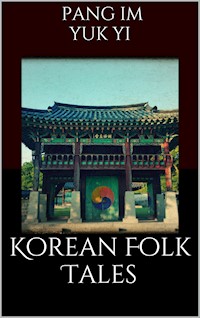
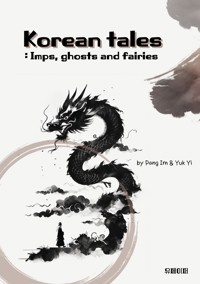
To any one who would like to look somewhat into the inner soul of the Oriental, and see the peculiar spiritual existences among which he lives, the following stories will serve as true interpreters, born as they are of the three great religions of the Far East, Taoism, Buddhism and Confucianism. An old manuscript copy of Im Bang's stories came into the hands of the translator a year ago, and he gives them now to the Western world that they may serve as introductory essays to the mysteries, and, what many call, absurdities of Asia. Very gruesome indeed, and unlovely, some of them are, but they picture faithfully the conditions under which Im Bang himself, and many past generations of Koreans, have lived.
Das E-Book können Sie in Legimi-Apps oder einer beliebigen App lesen, die das folgende Format unterstützen:
Veröffentlichungsjahr: 2018
Ähnliche


















Published by BoD - Books on Demand, NorderstedtISBN: 9783748130949
Table of contents
PREFACE
BIOGRAPHICAL
I
II
III
IV
V
VI
VII
VIII
IX
X
XI
XII
XIII
XIV
XV
XVI
XVII
XVIII
XIX
XX
XXII
XXIII
XXIV
XXV
XXVI
XXVII
XXVIII
XXIX
XXX
XXXI
XXXII
XXXIII
XXXIV
XXXV
XXXVI
XXXVII
XXXVIII
XL
XLI
XLII
XLIII
XLIV
XLV
XLVI
XLVII
XLVIII
XLIX
L
LI
LII
LIII




