


3,99 €
Mehr erfahren.
- Herausgeber: via tolino media
- Kategorie: Fachliteratur
- Sprache: Englisch
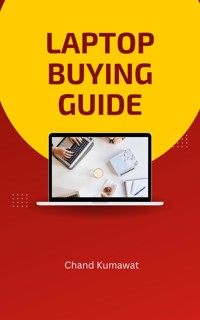
In today's world, laptops have become an essential tool for work, education, entertainment, and communication. With so many options available, choosing the right laptop can be a daunting task. That's why this comprehensive laptop buying guide is the perfect tool for anyone looking to purchase a new laptop. From the latest technology trends to in-depth comparisons of different operating systems, display types, and laptop categories, this guide covers everything you need to know to make an informed decision. You'll also learn how to avoid common mistakes, compare prices, and protect your investment with warranties and extended protection plans. With valuable tips and recommendations, this guide will help you choose the perfect laptop for your needs and budget. Whether you're a student, a business professional, or a gamer, this guide is an indispensable resource for anyone in the market for a new laptop.
Das E-Book können Sie in Legimi-Apps oder einer beliebigen App lesen, die das folgende Format unterstützen:
Veröffentlichungsjahr: 2023
Ähnliche


















Inhaltsverzeichnis
Introduction to Laptop Buying Guide
Determine Your Needs and Budget
Laptop Size and Weight Considerations
Screen Quality and Resolution
Processor Speed and Performance
Graphics and Gaming Capabilities
RAM and Storage Capacity
Battery Life and Power Consumption
Keyboard and Touchpad Quality
Ports and Connectivity Options
Operating System Comparison
Brand Reputation and Customer Support
Online Reviews and Ratings
Refurbished vs. New Laptops
Custom-Built Laptops vs. Pre-built Laptops
Upgradability and Expandability
Security Features and Privacy Concerns
Display Types: LED, LCD, OLED
2-in-1 Laptops vs. Traditional Laptops
Ultrabooks and Thin-and-Light Laptops
Gaming Laptops vs. Workstation Laptops
Business Laptops vs. Consumer Laptops
Chromebooks and Other Alternative Operating Systems
Touchscreen and Stylus Compatibility
Cooling and Fan Noise
Audio and Speaker Quality
Webcam and Microphone Quality
Durability and Build Quality
Environmental Impact and Sustainability
Price Comparison and Bargain Hunting
Warranty and Extended Protection Plans
Common Laptop Mistakes to Avoid
Final Tips and Recommendations for Choosing a Laptop
Impressum
Laptop Buying Guide
Chand Kumawat
© 2023 Chand Kumawat. All rights reserved.
Imprint: Independently Published.
Email: [email protected]
Introduction to Laptop Buying Guide
Laptops have become an essential tool for modern life, whether it be for work, school, entertainment, or communication. However, with so many options on the market, choosing the right laptop can be a daunting task. This is where a laptop buying guide can be extremely useful. In this chapter, we will provide you with a comprehensive introduction to laptop buying, including why you need a laptop, the advantages and disadvantages of owning a laptop, and factors to consider when purchasing a laptop.
Why Do You Need a Laptop?
The answer to this question may seem obvious, but it is important to consider why you need a laptop before you start shopping. Laptops are versatile machines that can perform a wide range of functions. They are great for work, school, entertainment, and communication. Here are some reasons why you may need a laptop:
Work: If you work from home or need a portable computer for work, a laptop is an excellent option. Laptops can handle all types of work-related tasks, from basic email and document editing to more complex tasks like video editing and programming.
School: Laptops are essential for students, whether it be for taking notes in class, doing research, or completing assignments.
Entertainment: Laptops are great for entertainment purposes, whether it be for streaming movies and TV shows, playing games, or listening to music.
Communication: Laptops allow you to communicate with others via email, social media, video calls, and more.
Advantages and Disadvantages of Owning a Laptop
Before you purchase a laptop, it is important to consider both the advantages and disadvantages of owning one. Here are some pros and cons to keep in mind:
Advantages:
Portability: Laptops are portable, which means you can take them with you wherever you go.
Convenience: Laptops are convenient because they are small and lightweight, making them easy to carry around.
Versatility: Laptops can perform a wide range of functions, from work to entertainment to communication.
Connectivity: Laptops are connected to the internet, which means you can access information and communicate with others easily.
Disadvantages:
Price: Laptops can be expensive, especially if you are looking for high-end models.
Battery Life: Laptops have a limited battery life, which means you need to charge them regularly.
Upgrades: Laptops are not as easy to upgrade as desktop computers, which means you may need to replace them sooner.
Durability: Laptops are not as durable as desktop computers, which means they may break or wear out more easily.
Factors to Consider When Purchasing a Laptop
When it comes to purchasing a laptop, there are several factors you need to consider. Here are some of the most important:
Budget: Your budget will determine the type of laptop you can afford. It is important to set a budget before you start shopping so you know what you can and cannot afford.
Size and Weight: Laptops come in different sizes and weights, so it is important to consider your needs. If you plan on carrying your laptop around with you, a smaller and lighter model may be better.
Screen Quality and Resolution: The quality and resolution of the screen are important factors to consider, especially if you plan on using your laptop for entertainment or work purposes.
Processor Speed and Performance: The processor is the brain of the laptop, so it is important to choose a model with a fast processor if you plan on doing more complex tasks.
Graphics and Gaming Capabilities: If you plan on using your laptop for gaming or graphic design, it is important to choose a model with a dedicated graphics card.
Determine Your Needs and Budget
Before you start shopping for a laptop, it is important to determine your needs and budget. Knowing what you need and how much you can afford will help you narrow down your options and find the right laptop for you. In this chapter, we will discuss how to determine your needs and budget when buying a laptop.
Determine Your Needs
The first step in determining your needs is to consider how you plan on using your laptop. Are you a student who needs a laptop for taking notes and completing assignments? Are you a professional who needs a laptop for work-related tasks? Or are you a gamer who needs a laptop for gaming purposes? Here are some factors to consider when determining your needs:
Usage: Consider how you plan on using your laptop. Do you need it for work, school, entertainment, or communication?
Portability: Do you need a laptop that is portable, or will it stay in one place most of the time?
Screen Size: Do you need a larger screen for work-related tasks or a smaller screen for portability?
Battery Life: Do you need a laptop with a long battery life, or will you be near a power source most of the time?
Keyboard: Do you need a keyboard with a numeric keypad, or will a standard keyboard suffice?
Operating System: Do you prefer Windows, Mac, or another operating system?
Graphics: Do you need a laptop with a dedicated graphics card for gaming or graphic design purposes?
Once you have determined your needs, you can start researching laptops that meet your specific requirements.
Determine Your Budget
The next step is to determine your budget. Laptops come in a wide range of prices, from budget models to high-end models. It is important to set a budget before you start shopping so you know what you can and cannot afford. Here are some factors to consider when determining your budget:
Usage: Consider how you plan on using your laptop. If you need it for basic tasks like web browsing and email, you can opt for a budget model. If you need it for more complex tasks like video editing or gaming, you may need to spend more.
Brand: Brand name laptops are generally more expensive than budget models. Consider whether brand name is important to you or if you are willing to consider lesser-known brands.
Features: More features generally mean a higher price. Consider which features are essential for your needs and which ones you can live without.
Warranty: Laptops with longer warranties are generally more expensive. Consider whether a longer warranty is important to you.
Refurbished vs. New: Refurbished laptops are generally cheaper than new laptops. Consider whether you are comfortable with a refurbished model or if you prefer a new laptop.
Once you have determined your budget, you can start looking for laptops that meet your specific needs and fall within your price range.
Conclusion
Determining your needs and budget is the first step in buying a laptop. By considering how you plan on using your laptop and how much you can afford to spend, you can narrow down your options and find the right laptop for you. When shopping for a laptop, be sure to read reviews and compare prices to ensure you are getting the best deal. With a little research and careful consideration, you can find the perfect laptop to meet your needs and fit within your budget.
Laptop Size and Weight Considerations
When it comes to buying a laptop, size and weight are important considerations. The size and weight of a laptop can impact its portability, performance, and overall usability. In this chapter, we will discuss the different laptop sizes and weights available, and how to determine which one is right for you.




