


3,99 €
Mehr erfahren.
- Herausgeber: via tolino media
- Kategorie: Fachliteratur
- Sprache: Englisch
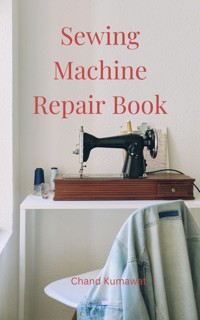
"Sewing Machine Repair Book" is a must-read for anyone who is passionate about sewing and wants to keep their machine running in top condition. This comprehensive guide covers all aspects of sewing machine maintenance and repair, from basic troubleshooting to more complex repairs. With easy-to-understand instructions and step-by-step illustrations, this book will empower you to take charge of your sewing machine and make repairs on your own, saving you time and money in the long run. You'll learn how to identify common problems, troubleshoot issues, and perform essential maintenance tasks to keep your machine running smoothly.
Das E-Book können Sie in Legimi-Apps oder einer beliebigen App lesen, die das folgende Format unterstützen:
Veröffentlichungsjahr: 2023
Ähnliche
















Inhaltsverzeichnis
Introduction to Sewing Machine Repair
Understanding How a Sewing Machine Works
Tools and Equipment Needed for Sewing Machine Repair
Cleaning and Maintenance of Sewing Machines
Troubleshooting Common Sewing Machine Problems
Thread Tension Adjustment
Bobbin Winding and Insertion
Sewing Machine Motor Troubleshooting and Repair
Needle Bar Adjustment and Timing
Sewing Machine Foot Pedal Repair
Sewing Machine Belts Replacement
Sewing Machine Light Bulb Replacement
Basic Electrical Troubleshooting for Sewing Machines
Sewing Machine Lubrication and Oiling
Sewing Machine Parts Identification and Replacement
Adjusting and Aligning Feed Dogs
Sewing Machine Threading and Needle Selection
Common Sewing Machine Noise Issues and Solutions
Cleaning and Repairing the Bobbin Case
Adjusting the Stitch Length and Width
Common Sewing Machine Needle Issues and Solutions
Sewing Machine Timing Adjustment
Repairing the Thread Take-Up Lever
Sewing Machine Speed Control Troubleshooting and Repair
Sewing Machine Electronic Controls Troubleshooting and Repair
How to Diagnose and Repair Sewing Machine Electrical Faults
Sewing Machine Zigzag Stitch Repair
Sewing Machine Buttonhole
Function Troubleshooting and Repair
Sewing Machine Embroidery Function Troubleshooting and Repair
Final Tips for Sewing Machine Maintenance and Repair
Impressum
Sewing Machine Repair Book
Chand Kumawat
© 2023 Chand Kumawat. All rights reserved.
Imprint: Independently Published.
Email: [email protected]
Introduction to Sewing Machine Repair
Sewing machines have been a part of our lives for a long time. From making clothes to household items, sewing machines have become an essential tool in our daily lives. However, like any other machine, sewing machines can also break down or malfunction. This is where the knowledge of sewing machine repair comes in handy. In this chapter, we will introduce you to the world of sewing machine repair and the basics of how to get started.
Why learn sewing machine repair?
The benefits of learning sewing machine repair are numerous. Firstly, it can save you money on repairs and maintenance costs. Secondly, it can also give you a sense of empowerment and independence as you won't have to rely on a repair person to fix your sewing machine. Additionally, it can help you to better understand how your sewing machine works and how to take care of it properly.
Tools and equipment needed for sewing machine repair
Before you start working on your sewing machine, it's important to have the right tools and equipment. Some of the basic tools you will need include:
Screwdrivers (both flathead and Phillips head)
Needle nose pliers
Allen wrenches
Tweezers
Cleaning brush
Lubricating oil
Grease
Sewing machine manual
It's also important to have a clean, well-lit workspace to work on your sewing machine.
Understanding how a sewing machine works
Before you start repairing a sewing machine, it's important to have a basic understanding of how it works. A sewing machine works by passing a threaded needle through fabric to create a stitch. The fabric is fed through the machine by the feed dogs, which are small teeth that grip the fabric and move it forward.
There are different types of sewing machines, including mechanical and electronic models. Mechanical sewing machines are powered by a foot pedal, while electronic models have a motor that powers the machine. It's important to understand the basic components of your sewing machine before attempting to repair it.
Cleaning and maintenance of sewing machines
Regular cleaning and maintenance can help prolong the life of your sewing machine. This includes cleaning the bobbin case, feed dogs, and other areas that collect lint and debris. Lubricating the moving parts of the machine can also help to prevent wear and tear.
Troubleshooting common sewing machine problems
One of the most common sewing machine problems is the machine not picking up the bobbin thread. This can be caused by a number of factors, including improper threading or a broken needle. Another common problem is thread tension issues, which can cause uneven stitching. Troubleshooting these issues can help you to quickly fix the problem and get back to sewing.
Conclusion
In conclusion, learning how to repair a sewing machine can save you time and money. With the right tools and knowledge, you can troubleshoot and fix common sewing machine problems. Regular maintenance and cleaning can also help to prevent issues from occurring in the first place. In the next chapters, we will go into more detail on how to repair specific parts of a sewing machine, including the motor, foot pedal, and thread tension.
Understanding How a Sewing Machine Works
A sewing machine is a complex piece of machinery that can seem overwhelming to someone who has never used one before. However, understanding how a sewing machine works is crucial for anyone who wants to repair or maintain their machine. In this chapter, we will break down the different parts of a sewing machine and explain how they work together to create stitches.
Parts of a Sewing Machine
The main parts of a sewing machine are the needle, the bobbin, and the feed dogs. The needle is responsible for piercing the fabric and creating a hole for the thread to pass through. The bobbin is a small spool of thread that sits underneath the fabric and is responsible for creating the lower thread in a stitch. The feed dogs are a set of teeth that grip the fabric and move it through the machine as the needle stitches.
The Mechanics of Stitching
When you press the foot pedal on a sewing machine, it activates the machine's motor. The motor then spins a series of gears, which in turn causes the needle to move up and down. As the needle moves down, it pierces the fabric and creates a hole. The bobbin thread is then pulled up through the hole by the hook mechanism, which rotates around the bobbin case.
The needle then begins to move up again, and the feed dogs grip the fabric and move it forward. As the fabric moves forward, the upper thread and the bobbin thread come together to create a stitch. The needle then moves down again, and the process repeats itself.
Different Types of Stitches
There are different types of stitches that a sewing machine can create, including straight stitches, zigzag stitches, and decorative stitches. Straight stitches are the most basic type of stitch and are used for sewing seams. Zigzag stitches are used to prevent fabric edges from fraying, and decorative stitches are used for embellishment.
Thread Tension
One of the most important aspects of creating a good stitch is proper thread tension. Thread tension refers to the amount of pressure applied to the upper and lower threads as they are stitched together. If the tension is too loose, the stitches will be loose and may even skip. If the tension is too tight, the stitches will be tight and may even cause the fabric to pucker.




