


0,99 €
Mehr erfahren.
- Herausgeber: Josh Parker
- Kategorie: Geisteswissenschaft
- Sprache: Englisch
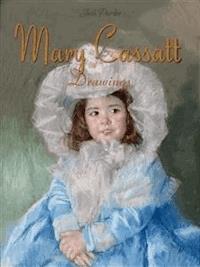
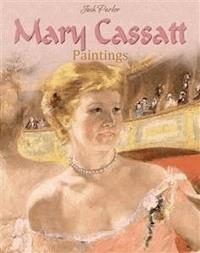
Mary Cassatt was an American impressionist who depicted the life of women, essentially the intimate bond between mother and child. In Europe, Cassatt’s paintings were better received that in United States. She exhibited every year at the Paris Salon until 1877, when all her works were rejected. Distraught at her rejection, she turned to the Impressionists, who welcomed her with welcome arms. Deciding early in her career that marriage was not an option, Cassatt never married. As her career progressed, her critical reputation grew, and she was often considered, along with Degas, as the one of the best exhibitors at the Impressionist Salon. She was awarded the French Legion of Honor in 1906 and is known for superior draftsmanship in all the media, notably pastel.
Das E-Book können Sie in Legimi-Apps oder einer beliebigen App lesen, die das folgende Format unterstützen:
Veröffentlichungsjahr: 2015
Ähnliche













Mary Cassatt: Drawings
ByJosh Parker
First Edition
Copyright © 2015 byJosh Parker
*****
Mary Cassatt: Drawings
*****
Foreword
Mary Cassatt was an American impressionist painter who depicted the lives of women, chiefly theintimatebond between mother and child. She traveled extensively as a child, and was probably exposed to the works of the great masters at the World’s fair in Paris in 1855. Degas and Pissarro would later become her mentors and fellow painters. She began studying art seriously at the age of 15, at a time when only around twenty percent of all arts students were female. Unlike many of the other female students, she was determined to make art her career, rather than just a social skill. She was disappointed at her art education in the United States, and moved to Paris to study art under private tutors in Paris. Her mother and family friends traveled with her to France, acting as chaperones.
She continued her art education in France, and her first work was accepted into the Paris Salon in 1868. At the outbreak of the Franco-Prussian War in 1870, however, she returned to the United States to live with her family. Her father, who did not approve of her chosen vocation as an artist, paid for her living expenses, but refused to pay for her art supplies. During her stay in the United States, Cassatt was miserable. She exhibited some paintings but found no buyers, and upset at the lack of art to study; she quit painting and almost gave up the craft. After a trip to Chicago, her work was noticed by the Archbishop of Pittsburgh, who commissioned from her a copy of two of Correggio’s paintings in Italy. He offered to pay for her travel expenses and she immediately left the United States.
In Europe, Cassatt’s paintings were better received, increasing her prospects, and exhibited in the Salon of 1872, selling a painting. She exhibited every year at the Paris Salon until 1877, when all her works were rejected. Distraught at her rejection, she turned to the Impressionists, who welcomed her with welcome arms.
Deciding early in her career that marriage was not an option, Cassatt never married, and spent much of her time with her sister Lydia, until her death in 1882, which left Mary unable to work for a short time. As her career progressed, her critical reputation grew, and she was often touted, along with Degas, as the one of the best exhibitors at the Impressionist Salon. She was awarded the French Legion of Honor in 1906. She is most famous for works with the subject of mother and child. She is known for superior draughtsmanship in all the media, notably pastel.
In her later life, she was diagnosed with rheumatism, neuralgia, diabetes, and cataracts, although her spirit was never crushed. She continued to fight for the cause of women’s suffrage after she went almost blind in 1914.
She died twelve years later.
Drawings
Child Drinking Milk
c.1868, pastel
Head of a Young Woman
1873,watercolor
Profile of an Italian Woman
1873,watercolor
Mother Combing Her Child's Hair
1879,pastel
Elsie Cassatt Holding a Big Dog
1880, pastel
Elsie in a Blue Chair
1880, pastel




