


5,99 €
Mehr erfahren.
- Herausgeber: Shuttle Systems Ltd
- Kategorie: Ratgeber
- Sprache: Englisch
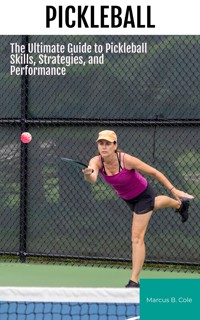
"Discover the exciting world of pickleball in this comprehensive guide."
Discover the exciting world of pickleball with "Pickleball: The Ultimate Guide to Pickleball Skills, Strategies, and Performance." This comprehensive guide is perfect for beginners and seasoned players alike, offering in-depth knowledge and practical advice on everything from the sport's history to advanced techniques.
Explore the origins of pickleball, its evolution over time, and the growth of the sport worldwide. Delve into the rules, equipment, and scoring systems. Compare pickleball to tennis and learn how to master essential techniques, strategies, and tactics. Boost your fitness and endurance with targeted exercises, drills, and mental training.
This all-encompassing guide covers singles and doubles play, mixed doubles, etiquette, sportsmanship, injury prevention, and recovery. It also offers valuable insights into pickleball for different age groups, abilities, and genders. Join the vibrant pickleball community, learn about famous players and influencers, and get inspired by the sport's pioneers.
Discover the business and globalization aspects of pickleball, and stay informed about the future of this rapidly growing sport. "Pickleball: The Ultimate Guide to Pickleball Skills, Strategies, and Performance" is your go-to resource for improving your game and immersing yourself in the dynamic world of pickleball. Don't miss out on this opportunity to elevate your game, boost your performance, and enjoy the many rewards of pickleball mastery.
Das E-Book können Sie in Legimi-Apps oder einer beliebigen App lesen, die das folgende Format unterstützen:
Veröffentlichungsjahr: 2023
Ähnliche

















Created by BornIncredible.com
All rights reserved.
Copyright © 2005 onwards .
By reading this book, you agree to the below Terms and Conditions.
BornIncredible.com retains all rights to these products.
No part of this book may be reproduced in any form, by photostat, microfilm, xerography, or any other means, or incorporated into any information retrieval system, electronic or mechanical, without the written permission of BornIncredible.com; exceptions are made for brief excerpts used in published reviews.
This publication is designed to provide accurate and authoritative information with regard to the subject matter covered. It is sold with the understanding that the publisher is not engaged in rendering legal, accounting, health, relationship or other professional / personal advice. If legal advice or other expert assistance is required, the services of a competent professional should be sought.
A New Zealand Made Product
Get A Free Book At: BornIncredible.com/free-book-offer/
Table of Contents
The History of Pickleball
The origins of the sport
How it's evolved over time
The growth and spread of pickleball around the world
The role of governing bodies and organizations in pickleball's development
Understanding the Rules of Pickleball
The court and equipment
Scoring and serving rules
Faults and how to avoid them
Pickleball vs. Tennis
Comparing the court size, equipment, and scoring
Analyzing the strategies and tactics of pickleball and tennis
The crossover appeal between pickleball and tennis players
Mastering the Basic Pickleball Techniques
Forehand and backhand strokes
Volleys and dinks
Overhead slams and smashes
Advanced Pickleball Strategies and Tactics
The importance of positioning and footwork
How to read your opponent and anticipate their shots
Various shot combinations to keep your opponent on their toes
Improving Your Pickleball Fitness and Endurance
Strength and conditioning exercises to improve your game
Cardiovascular training for endurance and stamina
Proper warm-up and cool-down techniques
Pickleball Drills for Skill Development
Warm-up and conditioning drills for pickleball players
Drills to improve shot accuracy and consistency
Partner and group drills for enhancing teamwork and communication
The Mental Game of Pickleball
Developing a winning mindset
Staying focused and avoiding distractions
Handling pressure and maintaining composure on the court
Playing Pickleball Singles vs Doubles
The differences between singles and doubles play
Pickleball Doubles Strategies and Tactics
The dynamics of effective doubles partnerships
Communication and teamwork in pickleball doubles
Adapting strategies for different opponents and situations
Mixed Doubles Pickleball: A Unique Challenge
The appeal and challenges of mixed doubles pickleball
Strategies and tactics for successful mixed doubles play
Strategies and tactics for each format
Tips for improving your game in both formats
Pickleball Etiquette and Sportsmanship
The importance of good sportsmanship on and off the court
Proper etiquette for playing with partners and opponents
Respecting the game and its players
Common Pickleball Injuries and How to Prevent Them
The most common injuries in pickleball and how to avoid them
Proper stretching and injury prevention techniques
How to recover from injuries and come back stronger
Taking Your Pickleball Game to the Next Level
Advanced techniques and strategies for experienced players
Training tips for competing at a high level
How to continue improving your game and staying at the top of your game
Pickleball Gear and Equipment
Choosing the right paddle and ball for your playing style
Proper clothing and footwear for pickleball
Accessories and gear to enhance your game
Pickleball Nutrition and Hydration
The importance of proper nutrition for peak performance
Hydration and electrolyte balance during play
Tips for healthy eating and staying hydrated on and off the court
Pickleball for All Ages and Abilities
How pickleball can benefit people of all ages and abilities
Adapting the game for seniors or those with disabilities
Tips for playing with children or beginners
Pickleball Community and Culture
The sense of community and camaraderie in pickleball
Joining local clubs and leagues
Attending pickleball tournaments and events
Competitive Pickleball: Tournaments and Championships
The structure and organization of pickleball competitions
Major national and international pickleball tournaments
The growth and future prospects of competitive pickleball
Famous Pickleball Players and Influencers
The pioneers and trailblazers of pickleball
Profiles of top professional pickleball players
The role of pickleball influencers in promoting the sport
The Social and Recreational Appeal of Pickleball
The growth of pickleball in community centers and clubs
The benefits of playing pickleball for physical and mental well-being
The role of pickleball in fostering social connections
Pickleball Coaching and Instruction
The role of pickleball coaches and instructors
Developing effective coaching strategies for pickleball
The importance of mentorship and role models in pickleball
The Future of Pickleball: Growth and Opportunities
The current state of pickleball and future prospects
The role of governing bodies and organizations in promoting pickleball
The potential for pickleball to shape the future of racket sports
Pickleball for Women: Growth and Opportunities
The rise of women's participation in pickleball
Female pioneers and role models in the sport
The growth of women's pickleball competitions and events
The Business of Pickleball: Opportunities and Challenges
The rise of pickleball-related businesses and services
The role of sponsorships and endorsements in pickleball
The impact of pickleball on the broader sports industry
The Globalization of Pickleball
The growth of pickleball in countries outside the United States
The role of international competitions and exchanges in spreading the sport
The future of pickleball as a global phenomenon
Pickleball Essentials
How To Play Pickleball
The Basic Rules Of Pickleball
Pickleball Drills
Top Tips / Secrets
Frequently Asked Questions.
Where Is pickleball played
What are the 5 basic rules of pickleball?
Is pickleball more difficult than tennis?
Why do they call it pickleball?
How hard is it to learn pickleball?
How do you play pickleball
What are 5 things you Cannot do in pickleball?
What are you not allowed to do in pickleball?
What should you not do in pickleball?
What age group plays pickleball the most?
Why is pickleball so much fun?
Do you hit a pickleball like a tennis ball?
Why is pickleball more popular than tennis?
Why is pickleball so popular now?
Is pickleball like tennis or ping-pong?
How old is the average pickleball player?
Am I too old to play pickleball?
Do I need special shoes for pickleball?
Can beginners play pickleball?
What is the difference between paddle ball and pickleball?
How long does it take to play one game of pickleball?
Why can't you go in the kitchen in pickleball?
What are the 3 etiquettes of pickleball?
What happens if the ball hits you in pickleball?
Can you step into the kitchen in pickleball?
How do you score a pickleball game?
What is a dink in pickleball?
Can a 70 year old play pickleball?
Is it OK to slam the ball in pickleball?
What is the golden rule pickleball?
Have Questions / Comments?
Get Another Book Free
The History of Pickleball
Pickleball is a popular racquet sport played by people of all ages and skill levels around the world. It combines elements of tennis, badminton, and ping pong, and is played on a smaller court with a lower net, making it a perfect sport for people of all ages and abilities. The history of pickleball is an interesting and unique story that starts in the Pacific Northwest and has spread across the world.
Pickleball was invented in 1965 by Joel Pritchard, a congressman from Washington state, and his friend Bill Bell, a successful businessman. The two men were looking for a way to entertain their families on a lazy summer afternoon, so they gathered some equipment from other sports, including ping pong paddles and a badminton net, and started playing a new game.
The first pickleball court was created in Pritchard's backyard, and the game quickly became a favorite among his family and friends. The game was originally named "Pickle Ball," after Pritchard's dog, Pickles, who would often chase after the ball during games. However, as the game grew in popularity, the name was changed to "pickleball" to avoid confusion with the dog.
The first pickleball tournament was held in 1976 in Tukwila, Washington, and featured just a handful of players. Over the years, the sport continued to grow in popularity, and by the 1990s, it had spread across the United States and Canada.
One of the keys to pickleball's success has been its accessibility. The game is easy to learn and can be played by people of all ages and skill levels. The court is smaller than a tennis court, and the lower net means that players don't need to be as athletic to compete. This makes pickleball a great sport for seniors, children, and anyone else looking for a fun and engaging way to stay active.
Another factor that has contributed to the growth of pickleball is the sense of community that comes with playing the sport. Pickleball players often form tight-knit communities around their local courts, and the sport has become a way for people to connect with others and build friendships.
In recent years, pickleball has continued to grow in popularity, with new players and courts popping up around the world. The sport has even been added to the National Senior Games, a multi-sport event for athletes over the age of 50.
Despite its growing popularity, pickleball is still a relatively young sport, and there is much that can be done to expand its reach. One of the biggest challenges facing the sport is a lack of awareness, particularly among younger generations. To overcome this, pickleball organizations are working to promote the sport through social media, outreach programs, and partnerships with schools and community centers.
In addition to raising awareness, there are also efforts underway to standardize the rules of the game and establish a more formalized structure for tournaments and competitions. This will help to ensure that pickleball continues to grow and thrive in the years to come.
pickleball is a unique and fascinating sport with a rich history and a bright future. It has grown from a simple backyard game to a worldwide phenomenon, and its accessibility and community spirit have made it a beloved pastime for people of all ages and abilities. With continued promotion and standardization, there is no doubt that pickleball will continue to grow and evolve in the years to come.
The origins of the sport
Pickleball is a unique and popular racquet sport that combines elements of tennis, badminton, and ping pong. While it may seem like a relatively new sport, pickleball actually has a rich and fascinating history that dates back over five decades.
The origins of pickleball can be traced back to 1965, when Joel Pritchard, a congressman from Washington state, and his friend Bill Bell, a successful businessman, were looking for a way to entertain their families on a lazy summer afternoon. The two men gathered some equipment from other sports, including ping pong paddles and a badminton net, and started playing a new game.
At first, the game was played on an improvised court in Pritchard's backyard. The court was smaller than a tennis court, and the net was lower, making it easier for players to hit the ball. The game was initially named "Pickle Ball," after Pritchard's dog, Pickles, who would often chase after the ball during games.
As the game grew in popularity, Pritchard and Bell started to refine the rules and equipment. They added a few more elements from other sports, such as the serving style from badminton and the use of a Wiffle ball. They also raised the net to make it slightly more challenging for players.
The first pickleball tournament was held in 1976 in Tukwila, Washington, and featured just a handful of players. Over the years, the sport continued to grow in popularity, and by the 1990s, it had spread across the United States and Canada.
While pickleball was originally a casual game played among friends and family, it eventually evolved into a more competitive sport with organized tournaments and official rules. Today, there are dozens of national and international pickleball organizations, and the sport is played in countries around the world.
One of the key factors that has contributed to the popularity of pickleball is its accessibility. The smaller court and lower net make it easier for players of all ages and skill levels to compete. This has helped to make pickleball a popular sport for seniors, children, and anyone else looking for a fun and engaging way to stay active.
Another factor that has helped to drive the growth of pickleball is its sense of community. Pickleball players often form tight-knit communities around their local courts, and the sport has become a way for people to connect with others and build friendships. Many pickleball players describe the sport as being like a family, with players supporting each other on and off the court.
Despite its growing popularity, pickleball is still a relatively young sport, and there is much that can be done to expand its reach. One of the biggest challenges facing the sport is a lack of awareness, particularly among younger generations. To overcome this, pickleball organizations are working to promote the sport through social media, outreach programs, and partnerships with schools and community centers.
In addition to raising awareness, there are also efforts underway to standardize the rules of the game and establish a more formalized structure for tournaments and competitions. This will help to ensure that pickleball continues to grow and thrive in the years to come.
Overall, the history of pickleball is a fascinating and unique story that highlights the power of innovation and creativity. What started as a casual game played among friends has grown into a worldwide phenomenon that brings people together from all walks of life. With its accessibility, community spirit, and competitive edge, pickleball is sure to continue growing in popularity for many years to come.
How it's evolved over time
Pickleball is a unique and popular racquet sport that has evolved significantly over the years. What started as a casual game played among friends has grown into a worldwide phenomenon with organized tournaments, official rules, and a thriving community of players.
One of the key ways that pickleball has evolved over time is through the refinement of its rules and equipment. When the sport was first invented in 1965, it was played on an improvised court with equipment borrowed from other sports, including ping pong paddles and a badminton net. As the game grew in popularity, players began to refine the rules and equipment to make it more challenging and competitive.
One of the most significant changes to the sport was the addition of official rules. In the early days of pickleball, there were few guidelines governing how the game should be played. However, as the sport became more organized, players and organizations worked to create a set of standard rules that would ensure fair play and consistency across different courts and tournaments.
The rules of pickleball have evolved significantly over time, with changes being made to reflect the needs and preferences of players. For example, in the early days of the sport, players were only allowed to serve underhand. However, this rule was later changed to allow for overhead serves as well, making the game more challenging and dynamic.
Another significant evolution of pickleball has been the development of new equipment. While the sport was originally played with ping pong paddles and a badminton net, today's pickleball equipment is specifically designed for the sport. Modern pickleball paddles are made of lightweight materials like graphite or composite, and come in a variety of shapes and sizes to accommodate different playing styles. The balls used in pickleball have also been refined over time, with today's balls made from a hard plastic that is more durable and consistent than the Wiffle balls used in the early days of the sport.
As the sport has evolved, so too has its community. Pickleball players have always been known for their tight-knit communities and sense of camaraderie. However, as the sport has grown in popularity, these communities have expanded to include players from all walks of life and all parts of the world. Today, pickleball is played in countries around the world, and there are dozens of national and international pickleball organizations.
The growth of pickleball has also led to an increase in the number and variety of tournaments and competitions. In the early days of the sport, there were few organized events, and most games were played informally among friends and family. However, as the sport has grown, so too have the opportunities for competitive play. Today, there are dozens of national and international pickleball tournaments, ranging from small local events to large-scale competitions that draw players from around the world.
Another way that pickleball has evolved over time is through the use of technology. Today's players have access to a range of tools and resources that were unimaginable just a few decades ago. For example, players can now use video analysis software to analyze their technique and improve their game, or use online resources to connect with other players and find new opponents.
Overall, the evolution of pickleball is a testament to the sport's enduring appeal and adaptability. From its humble origins as a casual game played among friends, pickleball has grown into a worldwide phenomenon that brings people together from all walks of life. As the sport continues to evolve and grow, there is no doubt that it will continue to inspire new generations of players and fans around the world.
The growth and spread of pickleball around the world
Pickleball is a unique and popular racquet sport that has experienced tremendous growth and spread around the world in recent years. What started as a casual game played among friends has grown into a worldwide phenomenon with organized tournaments, official rules, and a thriving community of players.
One of the key factors behind the growth of pickleball has been its accessibility. The smaller court and lower net make it easier for players of all ages and skill levels to compete. This has helped to make pickleball a popular sport for seniors, children, and anyone else looking for a fun and engaging way to stay active.
Another factor that has helped to drive the growth of pickleball is its sense of community. Pickleball players often form tight-knit communities around their local courts, and the sport has become a way for people to connect with others and build friendships. Many pickleball players describe the sport as being like a family, with players supporting each other on and off the court.
One of the earliest areas of growth for pickleball was the Pacific Northwest region of the United States, where the sport was first invented in 1965. However, over time, pickleball has spread far beyond its original home. Today, pickleball is played in countries around the world, from Canada to Australia, Europe to Asia.
One of the key drivers of pickleball's global growth has been the efforts of international organizations and individual players to promote the sport in new regions. In many cases, these efforts have been spearheaded by expats or visitors who discovered the sport while living or traveling abroad and brought it back to their home countries.
Another factor that has helped to promote the growth of pickleball around the world is the establishment of international tournaments and competitions. These events bring together players from different countries and help to promote the sport on a global scale. Some of the most notable pickleball events include the US Open Pickleball Championships, the World Pickleball Championships, and the Pickleball Masters.
Despite its growing popularity, pickleball still faces some challenges in terms of global growth. One of the biggest challenges is a lack of awareness, particularly among younger generations. To overcome this, pickleball organizations are working to promote the sport through social media, outreach programs, and partnerships with schools and community centers.
In addition to raising awareness, there are also efforts underway to standardize the rules of the game and establish a more formalized structure for tournaments and competitions. This will help to ensure that pickleball continues to grow and thrive in the years to come.
Overall, the growth and spread of pickleball around the world is a testament to the sport's enduring appeal and adaptability. From its humble origins as a casual game played among friends, pickleball has grown into a worldwide phenomenon that brings people together from all walks of life. As the sport continues to evolve and grow, there is no doubt that it will continue to inspire new generations of players and fans around the world.
The role of governing bodies and organizations in pickleball's development
Pickleball is a unique and popular racquet sport that has experienced tremendous growth and development in recent years. While the sport was originally played among friends and family, it has evolved into a global phenomenon with organized tournaments, official rules, and a thriving community of players. The development of pickleball has been largely driven by the efforts of governing bodies and organizations that have worked to promote and support the sport.
One of the earliest and most influential organizations in the world of pickleball was the USA Pickleball Association (USAPA), which was founded in 1984. The USAPA played a key role in establishing standardized rules for the sport, as well as promoting the growth of pickleball in the United States and around the world. Today, the USAPA has over 40,000 members and is the largest pickleball organization in the world.
Another important organization in the world of pickleball is the International Federation of Pickleball (IFP), which was founded in 2010. The IFP is responsible for promoting the sport on a global level, as well as establishing international rules and standards for the game. The IFP has also been instrumental in establishing international tournaments and competitions, which have helped to raise the profile of pickleball around the world.
In addition to these large organizations, there are also many smaller, regional organizations that play an important role in the development of pickleball. These organizations are often responsible for organizing local tournaments and events, as well as providing coaching and training for players of all skill levels.
The role of these organizations in the development of pickleball has been multifaceted. On one hand, these organizations have worked to promote the sport and raise awareness of its benefits and appeal. This has included efforts to engage with local communities, schools, and other organizations, as well as using social media and other platforms to spread the word about the sport.
At the same time, these organizations have also been instrumental in establishing and enforcing standardized rules and regulations for the sport. This has helped to ensure that players can compete fairly and consistently across different tournaments and locations, and has helped to establish pickleball as a legitimate and respected sport.
Another important role that these organizations have played in the development of pickleball is in providing resources and support for players of all skill levels. This has included everything from coaching and training programs to equipment and gear, as well as opportunities to connect with other players and participate in tournaments and events.
Overall, the role of governing bodies and organizations in the development of pickleball has been critical to the sport's success. These organizations have helped to promote the sport on a global level, establish standardized rules and regulations, and provide resources and support for players of all skill levels. As pickleball continues to evolve and grow, these organizations will undoubtedly continue to play an important role in shaping the future of the sport.
Understanding the Rules of Pickleball
Pickleball is a unique and exciting racquet sport that has gained a large following in recent years. Whether you're a seasoned player or just getting started, understanding the rules of pickleball is essential to enjoying the game and competing successfully. In this article, we'll take a closer look at the rules of pickleball, including how to score points, how to serve the ball, and other important guidelines.
The Court
The first thing to understand about pickleball is the court itself. A pickleball court is about a third the size of a standard tennis court, measuring 20 feet wide and 44 feet long. The court is divided into two halves by a 34-inch high net.
Service Rules
The game begins with a serve, which must be made underhand and hit diagonally across the net into the opponent's court. The serve must be made from behind the baseline and must clear the non-volley zone, which is a seven-foot area on either side of the net where players are not allowed to step into to hit the ball. The server must also keep one foot behind the baseline until they hit the ball.
Scoring
Points are scored in pickleball only when the serving team wins a rally. A rally is defined as the period of play that begins with the serve and continues until one team fails to return the ball or hits the ball out of bounds. A game is typically played to 11 points, and the winning team must win by at least two points.
Doubles Play
Pickleball can be played in both singles and doubles formats, but the vast majority of games are played in doubles. In doubles play, each team has two players, one on each side of the court. The server must serve to the diagonal side of the court, and the returning team must hit the ball back to the opposite diagonal side.
Non-Volley Zone
One of the unique aspects of pickleball is the non-volley zone, also known as the kitchen. This is a seven-foot area on either side of the net where players are not allowed to step into to hit the ball. Players are allowed to enter the non-volley zone after hitting the ball, but they must exit the zone before hitting the ball again.
Faults
There are several common faults that can result in a point being awarded to the opposing team. These include:
Stepping into the non-volley zone and hitting the ball
Hitting the ball out of bounds
Failing to hit the ball back over the net
Hitting the ball into the net on a serve
Serving out of turn
Other Rules
In addition to these basic rules, there are several other guidelines that players should be aware of when playing pickleball. For example, players are not allowed to touch the net or any of the opposing team's equipment. They are also not allowed to deliberately hit the ball into the net or aim for the opposing player.
––––––––
Understanding the rules of pickleball is essential to enjoying the game and competing successfully. While there are many nuances and subtleties to the game, the basic guidelines we've outlined here should give you a good foundation to get started. Whether you're playing for fun or competing in a tournament, mastering the rules of pickleball is the key to success.
The court and equipment
Pickleball is a unique and exciting racquet sport that is played on a smaller court than tennis. The court and equipment used in pickleball have been specifically designed to accommodate the unique features of the game and provide a fun and challenging playing experience. In this article, we'll take a closer look at the pickleball court and the equipment used in the game.
The Court
The pickleball court is a rectangular playing surface that measures 20 feet wide by 44 feet long. The court is divided into two halves by a 34-inch high net. The court is typically made of either concrete or asphalt, although some courts may be made of other materials like wood or synthetic surfaces.
The court is divided into several different areas, each of which has its own specific function. The areas of the court include:
1. Baseline: The baseline is the back boundary of the court. This is where players stand to serve the ball and where the game begins.
2. Sidelines: The sidelines are the boundaries that run along the length of the court.
3. Non-Volley Zone: The non-volley zone, also known as the kitchen, is a seven-foot area on either side of the net where players are not allowed to step into to hit the ball.
4. Service Area: The service area is a rectangle that extends 15 feet from the net on either side of the court. This is where the server must stand to serve the ball.
Equipment
The equipment used in pickleball includes a variety of different items, each of which has been specifically designed for the game. Some of the most important pieces of equipment used in pickleball include:
5. Paddle: The pickleball paddle is the racquet used to hit the ball. Paddles are typically made of lightweight materials like graphite or composite and come in a variety of shapes and sizes to accommodate different playing styles.
6. Ball: The pickleball ball is a hard plastic ball that is designed to be lightweight and durable. The ball has holes in it, which help to reduce its speed and provide a more consistent playing experience.
7. Net: The pickleball net is a 34-inch high net that runs across the middle of the court. The net is typically made of nylon or polyester and is designed to be lightweight and easy to set up.
8. Court Markings: The court is marked with a variety of different lines and boundaries that help to define the different areas of the court. These markings include the sideline, baseline, non-volley zone, and service area.
––––––––
The court and equipment used in pickleball have been specifically designed to accommodate the unique features of the game and provide a fun and challenging playing experience. Whether you're a seasoned player or just getting started, understanding the different areas of the court and the equipment used in the game is essential to enjoying the sport and competing successfully. With the right equipment and a solid understanding of the court, you'll be well on your way to mastering the game of pickleball.
Scoring and serving rules
Pickleball is a unique and exciting racquet sport that has gained popularity around the world in recent years. Understanding the scoring and serving rules of pickleball is essential to enjoying the game and competing successfully. In this article, we'll take a closer look at the scoring and serving rules of pickleball, including how to serve the ball, how to score points, and other important guidelines.
Serving Rules
The game of pickleball begins with a serve, which must be made underhand and hit diagonally across the net into the opponent's court. The serve must be made from behind the baseline and must clear the non-volley zone, which is a seven-foot area on either side of the net where players are not allowed to step into to hit the ball. The server must also keep one foot behind the baseline until they hit the ball.
In doubles play, each team has two players, one on each side of the court. The server must serve to the diagonal side of the court, and the returning team must hit the ball back to the opposite diagonal side. If the serving team wins the rally, they will continue to serve the ball until they lose the rally. If the returning team wins the rally, they will take over the serve and serve the ball to the other side of the court.
Scoring Rules
Points are only awarded in pickleball when the serving team wins a rally. A rally is defined as the period of play that begins with the serve and continues until one team fails to return the ball or hits the ball out of bounds. A game is typically played to 11 points, and the winning team must win by at least two points.
When the serving team wins a rally, they will be awarded one point and will continue to serve the ball. If the returning team wins the rally, they will take over the serve and have the opportunity to score points. The first team to score 11 points and win by a margin of two points will win the game.
Non-Volley Zone
One of the unique aspects of pickleball is the non-volley zone, also known as the kitchen. This is a seven-foot area on either side of the net where players are not allowed to step into to hit the ball. Players are allowed to enter the non-volley zone after hitting the ball, but they must exit the zone before hitting the ball again. If a player steps into the non-volley zone while hitting the ball, a fault will be called and the point will be awarded to the opposing team.
Faults
There are several common faults that can result in a point being awarded to the opposing team. These include:
Stepping into the non-volley zone and hitting the ball
Hitting the ball out of bounds
Failing to hit the ball back over the net
Hitting the ball into the net on a serve
Serving out of turn
––––––––
Understanding the scoring and serving rules of pickleball is essential to enjoying the game and competing successfully. Whether you're a seasoned player or just getting started, mastering the rules of the game will help you to better understand the strategies and techniques involved in playing pickleball. With practice and a solid understanding of the game's rules and guidelines, you'll be well on your way to becoming a skilled pickleball player.
Faults and how to avoid them
Pickleball is a unique and exciting racquet sport that requires skill, strategy, and precision. One of the keys to success in pickleball is avoiding faults, which are common errors that can result in the loss of points or even the game. In this article, we'll take a closer look at some of the most common faults in pickleball and how to avoid them.
Stepping into the Non-Volley Zone
One of the most common faults in pickleball is stepping into the non-volley zone, also known as the kitchen. The non-volley zone is a seven-foot area on either side of the net where players are not allowed to step into to hit the ball. If a player steps into the non-volley zone while hitting the ball, a fault will be called and the point will be awarded to the opposing team.
To avoid this fault, players should try to hit the ball from behind the non-volley zone or step out of the zone after hitting the ball. It's also important to remember that players are allowed to enter the non-volley zone after hitting the ball, but they must exit the zone before hitting the ball again.
Hitting the Ball Out of Bounds
Another common fault in pickleball is hitting the ball out of bounds. If the ball lands outside of the court boundaries, a fault will be called and the point will be awarded to the opposing team.
To avoid this fault, players should focus on hitting the ball accurately and within the boundaries of the court. It's also important to pay attention to the wind and other environmental factors that can affect the trajectory of the ball.
Failing to Hit the Ball Back Over the Net
One of the most frustrating faults in pickleball is failing to hit the ball back over the net. If a player misses the ball or hits it too softly, a fault will be called and the point will be awarded to the opposing team.
To avoid this fault, players should focus on hitting the ball with enough power and accuracy to clear the net and land in the opposing team's court. It's also important to stay focused and alert during the game to ensure that you don't miss any opportunities to hit the ball.
Hitting the Ball into the Net on a Serve
A common fault in pickleball is hitting the ball into the net on a serve. If the ball fails to clear the net or hits the net on a serve, a fault will be called and the point will be awarded to the opposing team.
To avoid this fault, players should practice their serving technique to ensure that they can consistently hit the ball over the net and into the opposing team's court. It's also important to stay relaxed and focused during the serve, as tension and nerves can affect your performance.
Serving Out of Turn
Finally, serving out of turn is another common fault in pickleball. If a player serves out of turn, a fault will be called and the point will be awarded to the opposing team.
To avoid this fault, players should pay attention to the serving order and communicate clearly with their partner to ensure that they are serving at the correct time.
––––––––
Avoiding faults is essential to success in pickleball. By understanding the most common faults and taking steps to avoid them, players can improve their performance and increase their chances of winning games. Whether you're a seasoned player or just getting started, practicing your technique and staying focused can help you to avoid faults and become a skilled and successful pickleball player.
Pickleball vs. Tennis
Pickleball and tennis are two popular racquet sports that share some similarities, but also have some significant differences. While both sports require skill, strategy, and athleticism, there are some key distinctions between the two. In this article, we'll take a closer look at the similarities and differences between pickleball and tennis.
Court Size and Dimensions
One of the most noticeable differences between pickleball and tennis is the size of the court. A pickleball court is much smaller than a tennis court, measuring 20 feet wide by 44 feet long, compared to a tennis court, which is 27 feet wide by 78 feet long. The smaller court size of pickleball makes the game faster-paced and more intense, requiring players to be quick and agile on their feet.
Equipment
Another significant difference between pickleball and tennis is the equipment used in each sport. In tennis, players use larger, heavier racquets made of materials like graphite or titanium. The tennis ball is also larger and heavier than the pickleball, with a felt exterior that helps to grip the court surface.
In contrast, pickleball players use paddles made of lighter materials like wood, graphite, or composite. The pickleball itself is a hard plastic ball with holes in it, which helps to reduce its speed and provide a more consistent playing experience.
Serving
The serving technique is another area where pickleball and tennis differ. In tennis, players typically serve overhand, hitting the ball with a full swing that generates a lot of power and speed. In contrast, pickleball players must serve underhand and hit the ball diagonally across the net into the opponent's court.
Scoring
While both sports require players to score points, the scoring systems used in pickleball and tennis are quite different. In tennis, games are typically played to six or seven points, with the winner being the first player to win a set number of games. In contrast, pickleball games are typically played to 11 points, with the winning team needing to win by at least two points.
Non-Volley Zone
One of the unique features of pickleball is the non-volley zone, also known as the kitchen. This is a seven-foot area on either side of the net where players are not allowed to step into to hit the ball. In tennis, there is no similar non-volley zone, and players are free to move around the court as they please.
Similarities
While there are some significant differences between pickleball and tennis, there are also some similarities between the two sports. Both require skill, strategy, and athleticism, and both can be played as singles or doubles. Additionally, both sports can be enjoyed by players of all ages and skill levels, making them popular choices for recreational activities and competitive play.
––––––––




