


9,99 €
Mehr erfahren.
- Herausgeber: Daniel Zaborowski
- Sprache: Englisch
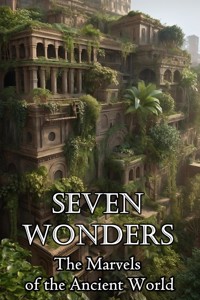
Seven Wonders: The Marvels of the Ancient World is an extraordinary journey through time, exploring the seven wonders that continue to captivate the world even after their disappearance. From the Great Pyramid of Giza to the Lighthouse of Alexandria, this book takes you on a captivating adventure, discovering the secrets behind each wonder's construction, purpose, and enduring legacy. With in-depth research and stunning illustrations, each chapter will transport you back in time, exploring the myths and legends surrounding each wonder, and sharing the latest archaeological discoveries that continue to shed light on these incredible feats of engineering and ingenuity. Whether you're an avid history buff or simply fascinated by the mysteries of the ancient world, Seven Wonders is a must-read for anyone who wants to discover the true marvels of human achievement.
Das E-Book können Sie in Legimi-Apps oder einer beliebigen App lesen, die das folgende Format unterstützen:
Veröffentlichungsjahr: 2023
Ähnliche



















Seven Wonders: The Marvels of the Ancient World
Daniel Zaborowski
Published by Daniel Zaborowski, 2023.
While every precaution has been taken in the preparation of this book, the publisher assumes no responsibility for errors or omissions, or for damages resulting from the use of the information contained herein.
SEVEN WONDERS: THE MARVELS OF THE ANCIENT WORLD
First edition. April 6, 2023.
Copyright © 2023 Daniel Zaborowski.
Written by Daniel Zaborowski.
10 9 8 7 6 5 4 3 2 1
Table of Contents
Title Page
Copyright Page
Introduction
Chapter 1: The Great Pyramid of Giza
Chapter 2: Hanging Gardens of Babylon
Chapter 3: Temple of Artemis at Ephesus
Chapter 4: Statue of Zeus at Olympia
Chapter 5: Mausoleum at Halicarnassus
Chapter 6: Colossus of Rhodes
Chapter 7: Lighthouse of Alexandria
Conclusion
Introduction
The Seven Wonders of the Ancient World are a testament to human ingenuity, innovation, and imagination. Built centuries ago by our ancestors, these awe-inspiring structures continue to captivate the world and inspire generations to come. From the Great Pyramid of Giza to the Lighthouse of Alexandria, each wonder tells a unique story of the civilization that created it, the challenges they faced, and the aspirations that drove them to greatness.
In this book, we embark on a journey to explore the wonders of the ancient world, examining their history, construction, and significance. We will delve deep into the mysteries surrounding each wonder, examining the myths and legends that have been passed down through the ages. We will also explore the latest archaeological discoveries and research that continue to shed light on these incredible structures, revealing new insights into their purpose and symbolism.
As we travel through time, we will witness the impact these wonders had on the civilizations that built them and the legacy they left behind. We will discover how these structures influenced art, culture, philosophy, and spirituality, shaping the world we know today.
Join us on this captivating adventure as we discover the Seven Wonders of the Ancient World and uncover the secrets that continue to fascinate and inspire us.
Brief explanation of what the book will cover
Seven Wonders: The Marvels of the Ancient World is a book that explores the history, construction, and significance of the seven wonders of the ancient world. Each chapter of the book is dedicated to one of the seven wonders, providing a comprehensive overview of the structure's history, its significance to the civilization that built it, and the engineering and architectural techniques used to create it.
The first chapter of the book explores the Great Pyramid of Giza, the oldest and most famous of the seven wonders. Built over 4,500 years ago by the ancient Egyptians, this towering structure was the largest man-made building in the world for over 3,800 years. The chapter delves into the various theories surrounding the construction of the pyramid, examining the role of the pharaohs, the role of religion and symbolism, and the construction techniques used by the ancient Egyptians.
The second chapter of the book explores the Hanging Gardens of Babylon, one of the most elusive of the seven wonders. While there is little archaeological evidence to suggest that the gardens ever existed, they remain an enduring symbol of the ancient world's love of beauty and the natural world. The chapter examines the various theories surrounding the gardens' existence, including the role of the Assyrian queen Semiramis and the Babylonian king Nebuchadnezzar.
The third chapter of the book explores the Temple of Artemis at Ephesus, a magnificent temple built to honor the Greek goddess of the hunt. Located in what is now Turkey, this temple was one of the most impressive structures of the ancient world, boasting over 100 columns, each over 60 feet tall. The chapter examines the role of religion and symbolism in the temple's construction, as well as the various engineering techniques used to create such a monumental structure.
The fourth chapter of the book explores the Statue of Zeus at Olympia, a massive sculpture that stood over 40 feet tall and was considered one of the greatest works of art of the ancient world. The statue depicted the Greek god Zeus seated on his throne, holding a scepter and a thunderbolt. The chapter examines the role of art and culture in the statue's creation, as well as the various techniques used to create such a large and complex sculpture.
The fifth chapter of the book explores the Mausoleum at Halicarnassus, a magnificent tomb built for the Persian satrap Mausolus. The structure was renowned for its intricate carvings and detailed sculptures, many of which survive to this day. The chapter examines the role of architecture and engineering in the tomb's creation, as well as the various influences that contributed to its unique style.
The sixth chapter of the book explores the Colossus of Rhodes, a massive statue of the Greek god Helios that stood over 100 feet tall. Built in the city of Rhodes, the statue was considered one of the greatest engineering feats of the ancient world. The chapter examines the role of technology and engineering in the statue's construction, as well as the symbolism and mythology surrounding the figure of Helios.
The seventh and final chapter of the book explores the Lighthouse of Alexandria, a towering structure that stood over 400 feet tall and was considered one of the most impressive structures of the ancient world. The lighthouse served as a navigational aid for ships entering the port of Alexandria, and its construction involved complex engineering and architectural techniques. The chapter examines the role of innovation and technology in the lighthouse's construction, as well as its legacy and influence on future generations.
Throughout the book, readers will discover the fascinating stories behind each wonder, delving into the myths and legends that surround them, as well as the latest archaeological discoveries that continue to shed light on their construction and significance. The book also explores the legacy of the seven wonders, examining their influence on art, culture, and engineering throughout the centuries.
Seven Wonders: The Marvels of the Ancient World is a captivating journey through some of the most remarkable structures of the ancient world. From the towering Great Pyramid of Giza to the magnificent Lighthouse of Alexandria, this book offers a comprehensive and detailed exploration of each wonder, examining the techniques, cultures, and stories that brought them to life. Whether you are a history enthusiast, an engineering buff, or simply someone who loves a good story, Seven Wonders is a must-read book that will captivate and educate readers of all ages.
––––––––
Historical context of the Seven Wonders of the Ancient World
The Seven Wonders of the Ancient World are a collection of remarkable structures that were created by ancient civilizations during a time of significant cultural and technological development. These structures have captivated the imaginations of people for centuries, and each one has a unique story and history.
The Great Pyramid of Giza, the Hanging Gardens of Babylon, the Temple of Artemis at Ephesus, the Statue of Zeus at Olympia, the Mausoleum at Halicarnassus, the Colossus of Rhodes, and the Lighthouse of Alexandria were all considered to be remarkable feats of engineering and design. Each wonder was a testament to the creativity, skill, and resourcefulness of the ancient civilizations that built them.
These wonders were built in different parts of the world, by different civilizations, and at different times in history. However, they all share a common thread of greatness and innovation. The construction of these wonders required advanced engineering techniques, organizational skills, and a significant amount of resources.
Today, only the Great Pyramid of Giza still stands in its original form, while the other six wonders have been lost to time. However, their legacy lives on through the written accounts of ancient historians and the fascination that they continue to evoke in people to this day.
The Seven Wonders of the Ancient World were a testament to the ingenuity and creativity of the ancient civilizations that built them. They represent a significant period in human history, and their enduring legacy is a testament to the enduring human spirit of innovation and excellence.
Importance and significance of these wonders
The Seven Wonders of the Ancient World continue to captivate the imaginations of people around the world. They are a testament to the ingenuity and resourcefulness of ancient civilizations, and their significance extends far beyond their physical structures.
One of the most important aspects of the Seven Wonders is their historical significance. These structures were built during a time of significant cultural and technological development, and they provide a window into the ancient world. Through the study of these wonders, we can gain a deeper understanding of the beliefs, values, and achievements of ancient civilizations.
In addition to their historical importance, the Seven Wonders also have cultural significance. They have been the subject of countless works of art, literature, and popular culture. Their enduring legacy is a testament to their power to inspire and captivate people across generations.
The Seven Wonders also have practical significance. Their construction required advanced engineering techniques and organizational skills, and they represent some of the most remarkable achievements in human history. They are a testament to the human spirit of innovation and excellence, and they continue to inspire modern architects, engineers, and builders.
Furthermore, the Seven Wonders have tourism significance. They are among the most popular tourist attractions in the world, and they draw millions of visitors each year. Their popularity is a testament to their enduring appeal and their ability to captivate people from all walks of life.
Finally, the Seven Wonders have symbolic significance. They represent a set of ideals and values that continue to resonate with people today. They embody the power of human creativity, the potential for greatness, and the enduring legacy of human achievement. They are a reminder of the power of the human spirit to create something enduring and remarkable.
The Seven Wonders of the Ancient World are among the most remarkable achievements in human history. Their historical, cultural, practical, tourism, and symbolic significance extends far beyond their physical structures, and they continue to inspire and captivate people around the world. They are a testament to the enduring power of the human spirit to create something remarkable and enduring.




