


139,99 €
Mehr erfahren.
- Herausgeber: John Wiley & Sons
- Kategorie: Wissenschaft und neue Technologien
- Serie: Foundation of Human Biology
- Sprache: Englisch
Thin on the Ground: Neandertal Biology, Archeology and Ecology synthesizes the current knowledge about our sister species the Neandertals, combining data from a variety of disciplines to reach a cohesive theory behind Neandertal low population densities and relatively low rate of technological innovation. The book highlights and contrasts the differences between Neandertals and early modern humans and explores the morphological, physiological, and behavioral adaptive solutions which led to the extinction of the Neandertals and the population expansion of modern humans. Written by a world recognized expert in physical anthropology, Thin on the Ground: Neandertal Biology, Archaeology and Ecology will be a must have title for anyone interested in the rise and fall of the Neandertals.
Sie lesen das E-Book in den Legimi-Apps auf:
Seitenzahl: 1148
Veröffentlichungsjahr: 2014
Ähnliche



















Advances in Human Biology
Series Editors:
Matt Cartmill
Kaye Brown
Boston University
Titles in this Series
Thin on the Ground: Neandertal Biology, Archeology, and Ecology by Steven E. Churchill
THIN ON THE GROUND
Neandertal Biology, Archeology, and Ecology
STEVEN EMILIO CHURCHILL
Department of Evolutionary Anthropology Duke University USA
SERIES EDITORS: MATT CARTMILL AND KAYE BROWN
This edition first published 2014 © 2014 by John Wiley & Sons, Inc.
Editorial offices:1606 Golden Aspen Drive, Suites 103 and 104, Ames, Iowa 50010, USA The Atrium, Southern Gate, Chichester, West Sussex, PO19 8SQ, UK 9600 Garsington Road, Oxford, OX4 2DQ, UK
For details of our global editorial offices, for customer services and for information about how to apply for permission to reuse the copyright material in this book please see our website at www.wiley.com/wiley-blackwell.
Authorization to photocopy items for internal or personal use, or the internal or personal use of specific clients, is granted by Blackwell Publishing, provided that the base fee is paid directly to the Copyright Clearance Center, 222 Rosewood Drive, Danvers, MA 01923. For those organizations that have been granted a photocopy license by CCC, a separate system of payments has been arranged. The fee codes for users of the Transactional Reporting Service are ISBN-13: 978-1-1185-9087-4/2014.
Designations used by companies to distinguish their products are often claimed as trademarks. All brand names and product names used in this book are trade names, service marks, trademarks or registered trademarks of their respective owners. The publisher is not associated with any product or vendor mentioned in this book. This publication is designed to provide accurate and authoritative information in regard to the subject matter covered. It is sold on the understanding that the publisher is not engaged in rendering professional services. If professional advice or other expert assistance is required, the services of a competent professional should be sought.
Limit of Liability/Disclaimer of Warranty: While the publisher and author have used their best efforts in preparing this book, they make no representations or warranties with the respect to the accuracy or completeness of the contents of this book and specifically disclaim any implied warranties of merchantability or fitness for a particular purpose. It is sold on the understanding that the publisher is not engaged in rendering professional services and neither the publisher nor the author shall be liable for damages arising herefrom. If professional advice or other expert assistance is required, the services of a competent professional should be sought.
Library of Congress Cataloging-in-Publication Data has been applied for
ISBN: 978-1-1185-9087-4 (cloth)
A catalogue record for this book is available from the British Library.
Wiley also publishes its books in a variety of electronic formats. Some content that appears in print may not be available in electronic books.
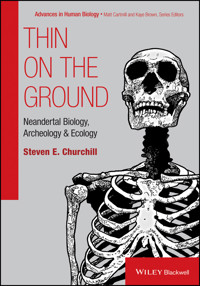
Cover drawing by Matt Cartmill
Contents
Series Introduction
Preface
Acknowledgements
Chapter One: Thin on the Ground: Population Density and Technological Innovation
Note
Chapter Two: The Neandertals in Time and Space
2.1 Geographic and Temporal Boundaries
2.2 Defining the Neandertals
2.3 Neandertal DNA
2.4 Neandertal Taxonomy
2.5 Regional and Temporal Variation in Neandertal Morphology
2.6 The Evolutionary History of the Neandertals
Notes
Chapter Three: Neandertal Material Culture
3.1 Neandertal-associated Lithic Industries
3.2 Variation in the Eurasian Middle Paleolithic: Technology as Adaptive Interface
3.3 Composite Technology, and the Archeologically Less-visible Component of Technology
3.4 Subsistence Technology
3.5 Domestic Technology
Notes
Chapter Four: The Body Neandertal
4.1 Neandertal Body Size: Short but Massive
4.2 Body Composition: “Scaled Up” Inuit?
4.3 The Cost of Size: Feeding a Large Body and Large Brain
4.4 The Benefits of Size: Neandertal Body Size in Ecological Context
Notes
Chapter Five: Surviving the Cold
5.1 How Cold Was It?
5.2 Human Adaptation to the Cold
5.3 Cold Adaptation and Neandertal Morphology
5.4 Physiological Solutions to Cold Stress
5.5 Cold Stress and Neandertal Behavior
5.6 Thermogenic Capacity and Cold Tolerance
5.7 The Neandertals Were Cold-adapted
Notes
Chapter Six: The Caloric Economy of Pleistocene Europe
6.1 Issues in the Reconstruction of Past Environments
6.2 Pleistocene Biomes of Europe and Western Asia
Notes
Chapter Seven: Neandertals as Consumers
7.1 Analysis of Food Residues: The Macromammal Component of Neandertal Diet
7.2 Analysis of Food Residues: The Small Animal Data
7.3 Analysis of Food Residues: Macrobotanical Remains
7.4 Dental Wear and Food Residues on Teeth
7.5 Stable Isotope and Trace Element Analyses
7.6 The Thorny Issue of Cannibalism
7.7 The Trophic Ecology of Neandertals
Notes
Chapter Eight: Red in Tooth and Claw: Neandertals as Predators
8.1 Neandertal Morphology and Predation
8.2 Neandertals as Close-range Predators
8.3 Prey Size, Hunting “Pack” Size, and Risk of Injury to Neandertal Hunters
8.4 Neandertal Hunting in Ecological Context
Notes
Chapter Nine: In the Company of Killers: Neandertals as Carnivores
9.1 Large-bodied Carnivores of the Eurasian Late Pleistocene
9.2 The Members of the Eurasian Pleistocene Large-bodied Carnivore Guild
9.3 Competition within the Carnivore Guild
9.4 Neandertals Were Not the Socially-Dominant Members of the Carnivore Guild
9.5 Neandertal Ecology in the Context of Competition within the Carnivore Guild
Notes
Chapter Ten: The Cost of Living in Ice Age Europe
10.1 Subsistence Organization and Mobility
10.2 Home Range Size
10.3 Paleontological Reflections of Neandertal Mobility
10.4 The Energetic Cost of Mobility
10.5 The Energetic Cost of Domestic Activities
10.6 Neandertal Physical Activity Levels
Notes
Chapter Eleven: Neandertal Social Life, Life History, and Demography
11.1 Subsistence Labor Demands, Group Size, and Social Structure
11.2 Neandertal Life History
11.3 Neandertal Demography
Notes
Chapter Twelve: From Thin to Thick: The African MSA
12.1 Tipping the Scales on Population Growth
12.2 Culture Change in the Late MSA and Mousterian
Note
References
Index
End User License Agreement
List of Tables
Chapter 2
Table 2.1
Chapter 3
Table 3.1
Table 3.2
Table 3.3
Table 3.4
Chapter 4
Table 4.1
Table 4.2
Table 4.3
Table 4.4
Table 4.5
Table 4.6
Table 4.7
Table 4.8
Table 4.9
Table 4.10
Table 4.11
Table 4.12
Chapter 5
Table 5.1
Table 5.2
Table 5.3
Table 5.4
Table 5.5
Table 5.6
Chapter 6
Table 6.1
Table 6.2
Table 6.3
Chapter 7
Table 7.1
Table 7.2
Table 7.3
Table 7.4
Chapter 8
Table 8.1
Table 8.2
Table 8.3
Table 8.4
Chapter 9
Table 9.1
Table 9.2
Table 9.3
Table 9.4
Table 9.5
Table 9.6
Chapter 10
Table 10.1
Table 10.2
Table 10.3
Table 10.4
Table 10.5
Table 10.6
Table 10.7
Table 10.8
Table 10.9
Guide
Cover
Table of Contents
Preface
Pages
ix
x
xi
xii
xiii
xiv
xv
xvi
1
2
3
4
5
6
7
9
10
11
12
13
14
15
16
17
18
19
20
21
22
23
24
25
26
27
28
29
30
31
32
33
34
35
36
37
38
39
40
41
42
43
44
45
46
47
48
49
50
51
52
53
54
55
56
57
58
59
60
61
62
63
64
65
66
67
68
69
70
71
72
73
74
75
76
77
78
79
80
81
82
83
84
85
86
87
88
89
90
91
92
93
94
95
96
97
98
99
100
101
102
103
104
105
107
108
109
110
111
112
113
114
115
116
117
118
119
120
121
122
123
124
125
126
127
128
129
130
131
132
133
134
135
136
137
138
139
140
141
142
143
144
145
146
147
148
149
150
151
152
153
154
155
156
157
158
159
160
161
162
163
164
165
166
167
168
169
170
171
172
173
174
175
176
177
179
180
181
182
183
184
185
186
187
188
189
190
191
192
193
194
195
196
197
198
199
200
201
202
203
204
205
206
207
208
209
210
211
212
213
214
215
216
217
218
219
220
221
222
223
224
225
226
227
228
229
230
231
232
233
234
235
236
237
238
239
240
241
242
243
244
245
246
247
248
249
250
251
252
253
254
255
256
257
258
259
260
261
262
263
264
265
266
267
268
269
270
271
272
273
274
275
276
277
278
279
280
281
282
283
284
285
287
288
289
290
291
292
293
294
295
296
297
298
299
300
301
302
303
304
305
306
307
308
309
310
311
312
313
314
315
316
317
318
319
320
321
322
323
324
325
326
327
328
329
330
331
333
334
335
336
337
338
339
340
341
342
343
344
345
346
347
348
349
350
351
352
353
354
355
356
357
358
359
360
361
362
363
365
366
367
368
369
370
371
372
373
374
375
376
377
378
379
380
381
382
383
384
385
386
387
388
389
390
391
392
393
394
395
396
397
398
399
400
401
402
403
404
405
406
407
408
409
410
411
412
413
414
415
416
417
418
419
420
421
422
423
424
425
426
427
428
429
430
431
432
433
434
435
436
437
438
439
440
441
442
443
445
446
447
448
449
450
451
452
453
Series Introduction
For us, the experience of reading Steve Churchill's book Thin on the Ground: Neandertal Biology, Archeology, and Ecology was like that of reading The Origin of Species for the first time. In both Churchill's and Darwin's books, the reader is led carefully and meticulously through a beautifully organized presentation of all the evidence bearing on a vexed and long-standing problem, arriving at a novel answer that resolves many issues all at once. Like Darwin, Churchill makes his case with such a wide-ranging, comprehensive, and judicious presentation that when the overall conclusion is fully laid out in the last chapter, its force is inescapable.
In Thin on the Ground, Churchill attempts to answer the overriding question of why the Neandertals became extinct. Over the past 150 years, many answers have been offered to this question. Some have claimed that Neandertals were too dim-witted or inarticulate to compete with the modern humans that began streaming into their European homeland some 40,000 years ago. Others have sought the cause of the Neandertals' demise in disease, or in changing climates that grew too hot or too cold for them, or in genocidal persecution by our own ancestors. Still others have argued that the Neandertals simply evolved into modern Europeans, and never became extinct at all. The search for understanding the disappearance of the Neandertals has seemed both speculative and never-ending.
In this new text, Churchill carefully demonstrates the inadequacy of all these answers. He marshals evidence from a broad range of sciences – genetics, anatomy, archeology, ecology and climatology – to support a complex answer of his own: Neandertals inhabited a ecologically marginal and energetically precarious position in the trophic pyramid of Pleistocene Europe, from which they (and some other large carnivores) were ousted by invaders whose physiology and subsistence strategies gave them an insuperable competitive edge.
We are enormously proud to begin our Advances in Human Biology textbook series, aimed at professionals as well as advanced undergraduate students, with this accessible yet magisterial book by Steve Churchill. We firmly believe it will become a landmark in the scientific study of the fossil record of the human lineage.
Matt Cartmill and Kaye Brown
Lesen Sie weiter in der vollständigen Ausgabe!
Lesen Sie weiter in der vollständigen Ausgabe!
Lesen Sie weiter in der vollständigen Ausgabe!
Lesen Sie weiter in der vollständigen Ausgabe!
Lesen Sie weiter in der vollständigen Ausgabe!
Lesen Sie weiter in der vollständigen Ausgabe!
Lesen Sie weiter in der vollständigen Ausgabe!
Lesen Sie weiter in der vollständigen Ausgabe!
Lesen Sie weiter in der vollständigen Ausgabe!
Lesen Sie weiter in der vollständigen Ausgabe!
Lesen Sie weiter in der vollständigen Ausgabe!
Lesen Sie weiter in der vollständigen Ausgabe!
Lesen Sie weiter in der vollständigen Ausgabe!
Lesen Sie weiter in der vollständigen Ausgabe!
Lesen Sie weiter in der vollständigen Ausgabe!
Lesen Sie weiter in der vollständigen Ausgabe!
Lesen Sie weiter in der vollständigen Ausgabe!




