


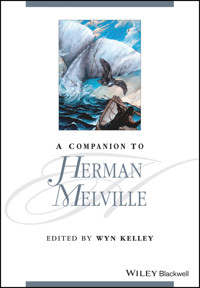
A Companion to Herman Melville E-Book
38,99 €
Mehr erfahren.
- Herausgeber: John Wiley & Sons
- Kategorie: Geisteswissenschaft
- Serie: Blackwell Companions to Literature and Culture
- Sprache: Englisch
In a series of 35 original essays, this companion demonstrates the relevance of Melville’s works in the twenty-first century.
- Presents 35 original essays by scholars from around the world, representing a range of different approaches to Melville
- Considers Melville in a global context, and looks at the impact of global economies and technologies on the way people read Melville
- Takes account of the latest and most sophisticated scholarship, including postcolonial and feminist perspectives
- Locates Melville in his cultural milieu, revising our views of his politics on race, gender and democracy
- Reveals Melville as a more contemporary writer than his critics have sometimes assumed
Sie lesen das E-Book in den Legimi-Apps auf:
Seitenzahl: 1455
Veröffentlichungsjahr: 2015
Ähnliche




















CONTENTS
Cover
Title page
Illustrations
Notes on Contributors
Acknowledgments
Texts and Abbreviations
Preface
Part I: Travels
1 A Traveling Life
References and Further Reading
2 Cosmopolitanism and Traveling Culture
Cosmopolitanism and American Literature
Melville in the Age of Travel
Traveling Culture in the Pacific
Comparative Cosmopolitanism in
Moby-Dick
The Cosmopolitan Muse: From
Moby-Dick
to James’s Cosmopolitan World – and Beyond
References and Further Reading
3 Melville’s World Readers
Writer for the World
American Melville
British Melville
Pacific and Caribbean Melville
European Melville
South American Melville
Asian Melville
Global Melville
References and Further Reading
4 Global Melville
Gone Global: Melville and the World “We” Live In
“One Cosmopolitan and Confident Tide”: Scenes of Globalization in Nineteenth-Century US Writing
Melville’s “Grand Principles” and America Among the Nations
Melville and the Newest (Dis)Course of American Studies
References and Further Reading
Part II: Geographies
5 Science and the Earth
Geological-Cosmological Imaginings: or, Digging toward Eternity
Natural History and the Post-Biblical World of Ruins
Aqueous Geographies: Fluidic Spaces and Ecofeminism
Conclusion: The Science of Charts and the Hubris of Representation
References and Further Reading
6 Ships, Whaling, and the Sea
Melville’s Voyages
Whaling
Storms and Calms
Melville’s Whaling Captains
Melville’s Naval Leaders
Conclusion
References and Further Reading
7 Pacific Paradises
References and Further Reading
8 Atlantic Trade
Israel Potter
and the Tides of the Atlantic
“Benito Cereno” and the Specter of the Atlantic
Billy Budd
and the Rights of Man
Coda:
Redburn
and the Wealth of Nations
References and Further Reading
9 Ancient Lands
Introduction
Two Hieroglyphic Scenes
Iconographies
Desert Mythology: Architecture of Belief and Unbelief
Consciousness: Landscape as Protagonist
Transformed Icons
References
Part III: Nations
10 Democracy and its Discontents
References and Further Reading
11 Urbanization, Class Struggle, and Reform
Urbanization
Reforming Cities
Tropical Versions of Urban Problems
Cities, Ships, and Jails
Writing Reform
The City and the Country
References and Further Reading
12 Wicked Books: Melville and Religion
Typee
: “Elasticity of Mind”
Moby-Dick
: “Wicked Book”
Clarel
: Jerusalem’s “Blank, Blank Towers”
Coda: “To-and-Fro”
References and Further Reading
13 Pierre's Bad Associations: Public Life in the Institutional Nation
References and Further Reading
14 Melville, Slavery, and the American Dilemma
Slavery and the American Dilemma
Melville and Slavery
The Problem of Utopia
Monomania and Immediatism
The Problem of Progress
The Costs of Freedom
References and Further Reading
15 Gender and Sexuality
Melville and Heterosexuality
Melville and Masculinity
Melville and Homosexuality
Part IV: Libraries
16 The Legacy of Britain
From English Renaissance to the “American Renaissance”
Shakespeare: Kingly Tragedy, the Drama of Human Nature, and the Politics of Empire
Milton: Free Will, Satanic Revenge, and Civil War
Sir Thomas Browne’s Marvelous Travel Narratives, Speculative Gamesmanship, and Acknowledgement of the Insurgent World of Spirit
References and Further Reading
Romantic Philosophy, Transcendentalism, and Nature:
Romanticism’s Contradictions and Nondualities
Transcendentalism
Politics and the Individual
Melville’s Romantic Legacy
References and Further Reading
18 Literature of Exploration and the Sea
Exploration
Sea Fiction
Sea Lyrics
“In Ocean Sand”: The Timoneer
References and Further Reading
19 Death and Literature: Melville and the Epitaph
References and Further Reading
20 The Company of Women Authors
References and Further Reading
21 Hawthorne and Race
Hawthorne, Melville, and the Critics
The “Blackness of Darkness” and “Hawthorne and His Mosses”
“Hawthorne: A Problem”: Blackness and
The House of the Seven Gables
Moby-Dick
,
Pierre
, and Miscegenated Selfhood
References and Further Reading
22 “Unlike Things Must Meet and Mate”: Melville and the Visual Arts
1
2
3
4
References and Further Reading
Part V: Texts
23 The Motive for Metaphor:
Typee
,
Omoo
, and
Mardi
“The Most Ferocious Animal on the Face of the Earth”
“One Is Judged by the Company He Keeps”
“Something in Me That Could Not Be Hidden”
References and Further Reading
24 Artist at Work:
Redburn
,
White
-
Jacket
,
Moby-Dick
, and
Pierre
Redburn
: “A narrative like mine”
White-Jacket:
“To return to the gig.”
Moby-Dick
: “Out of the trunk, the branches grow; out of them, the twigs. So, in productive subjects, grow the chapters.”
Pierre
: “I write precisely as I please”
References and Further Reading
25 The Language of
Moby-Dick
: “Read It If You Can”
Literary History (“By Way of Variety”)
Culture (“Parts of the Times”)
Theory (“Which Language Cannot Paint”)
A Final Word (“Slobgollion”)
References and Further Reading
26 Threading the Labyrinth:
Moby-Dick
as Hybrid Epic
References and Further Reading
27 The Female Subject in
Pierre
and
The Piazza Tales
References and Further Reading
28 Narrative Shock in “Bartleby, the Scrivener,” “The Paradise of Bachelors and the Tartarus of Maids,” and “Benito Cereno”
“Bartleby, the Scrivener”
“The Paradise of Bachelors and The Tartarus of Maids”
“Benito Cereno”
References and Further Reading
29 Fluid Identity in
Israel Potter
and
The Confidence-Man
Introduction: Nature and the Nation
Israel Potter
: Fluid Identifications in the Patriotic Market
Confidence, Commerce, and Contingent Identity
Conclusion: Market Resistance
References and Further Reading
30 How
Clarel
Works
Words and Stones
Meter, Rhyme, and Division
The “Heart” of
Clarel
References and Further Reading
31 Melville the Realist Poet
References and Further Reading
32 Melville’s Transhistorical Voice:
Billy Budd, Sailor
and the Fragmentation of Forms
From “Billy in the Darbies” to the Handsome Sailor
Genesis: Making “Ragged Edges”
“A Quizzing Sort of Look”: The Dynamics of Reading
The Narrator’s Transhistorical Reach
Vere’s “Directness”: The Fragmentation of “Measured Forms”
References and Further Reading
Part VI: Meanings
33 The Melville Revival
Avant-garde
Grand Recognition
Critical Inquiry and Investigation
No Trust
References and Further Reading
34 Creating Icons: Melville in Visual Media and Popular Culture
Melville and Popular Visual Culture
Melville and Fine Art
Intersections of Pop Culture and Fine Art: Politics, Race, Nature, Gender
References and Further Reading
35 The Melville Text
Text as Words and Wording
Editing Melville
The Melville Text in the Digital Age
References and Further Reading
Melville Editions (In Chronological Order)
Index
End User License Agreement
List of Illustrations
Chapter 08
Figure 8.1 Notary Protection Certificate, issued to mariner Andrew Boteler by New York State, May 17, 1796. Like other Seamen's Protections, this document was designed to affirm the citizenship of an American sailor, although in practice many protections went unhonored. Image courtesy of the G. W. Blunt White Library, Mystic Seaport, Mystic, CT.
Chapter 22
Figure 22.1 J.C. Edwards after Clarkson Stanfield. Title vignette for the 1836 edition of The Pirate and the Three Cutters by Captain Frederick Marryat (London: Longman & Company, and Philadelphia: Desilba, Thomas & Company). 31õõ/2 × 41õõ/4 in. Melville Memorial Room, Berkshire Athenaeum, Pittsfield, MA.
Figure 22.2 R.Brandard after J.M.W. Turner. Snow Storm – Steam-Boat. Engraved for The Turner Gallery, 1859. 77 õõ/ 8 × 10 in. Melville Memorial Room, Berkshire Athenaeum, Pittsfield, MA.
Figure 22.3 Rectangular Persian tile with figure of horseman and huma. Composite body, molded and underglaze painted. Qajar period, mid-19th century. 131õõ/2 × 103õõ/4 in. Berkshire Historical Society at Arrowhead, Pittsfield, MA.
Figure 22.4 F. Vivares and William Woollett after Claude Lorrain.
The Enchanted Castle
. Published by Susanna Vivares, March 12, 1782. 16
1
õõ/
2
× 22
3
õõ/
8
in. Private collection.
Chapter 30
Figure 30.1 This image, the title plate in the second edition of Piranesi's Carceri, is reproduced from a volume that probably was part of the nineteenth-century Astor Library, whose reference collections were open to the public during the years Melville lived in New York and worked on Clarel. Photo: Art & Architecture Collections, Miriam and Ira D. Wallach Division of Art, Prints and Photographs, The New York Public Library, Astor, Lenox and Tilden Foundations.
Chapter 34
Figure 34.1 George Klauba.
The Castaway
(2004). Acrylic on panel. 18 14 5 in.
Figure 34.2 Mark Milloff.
Stripping the Whale
(2003). Pastel on paper. 75 50 in.
Figure 34.3 Kathleen Piercefield.
Queequeg in His Own Person
(2004). Monotype, collagraph, polymer-plate lithography, etching, and hand-coloring on canvas. 96 40 in.
Figure 34.4 Ellen Driscoll. From sketches for
Ahab's Wife
(1998). Ink on paper. 11 8 5 in.
Guide
Cover
Table of Contents
Begin Reading
Pages
ii
iii
iv
v
vi
xi
xii
xiii
xiv
xv
xvi
xvii
xviii
xix
xx
xxi
xxii
xxiii
xxiv
xxv
xxvi
xxvii
1
3
4
5
6
7
8
9
10
11
12
13
14
15
16
17
18
19
20
21
22
23
24
25
26
27
28
29
30
31
32
33
34
35
36
37
38
39
40
41
42
43
44
45
46
47
48
49
52
53
54
55
56
57
58
59
60
61
62
63
64
65
66
67
69
71
72
73
74
75
76
77
78
79
80
81
82
83
84
85
86
87
88
89
90
91
92
93
94
95
96
97
98
99
100
101
102
103
104
105
106
107
108
109
110
111
112
113
114
115
116
117
118
119
120
121
122
123
124
125
126
127
128
129
130
131
132
133
134
135
136
137
138
139
140
141
142
143
144
145
147
149
150
151
152
153
154
155
156
157
158
159
160
161
162
163
164
165
166
167
168
169
170
171
172
173
174
175
176
177
178
179
180
181
182
183
184
185
186
187
188
189
190
191
192
193
194
195
196
197
198
199
200
201
202
203
204
205
206
207
208
209
210
211
212
213
214
215
216
217
218
219
220
221
222
223
224
225
226
227
228
229
230
231
232
233
234
235
236
237
238
239
240
241
242
243
244
245
246
247
249
265
266
267
268
269
270
271
272
273
274
275
276
277
278
279
280
281
282
283
284
285
286
287
288
289
290
291
292
293
294
295
296
297
298
299
300
301
302
303
304
305
306
307
308
309
310
311
312
313
314
315
316
317
318
319
320
321
322
323
324
325
326
327
328
329
330
331
332
333
334
335
336
337
338
339
340
341
342
343
344
345
346
347
348
349
350
351
352
353
354
355
356
357
358
359
360
361
363
365
366
367
368
369
370
371
372
373
374
375
376
377
378
379
380
381
382
383
384
385
386
387
388
389
390
391
392
393
394
395
396
397
398
399
400
401
402
403
404
405
406
407
408
409
410
411
412
413
414
415
416
417
418
419
420
421
422
423
424
425
426
427
428
429
430
431
432
433
434
435
436
437
438
439
440
441
442
443
444
445
446
447
448
449
450
467
468
469
470
471
472
473
474
475
476
477
478
479
480
481
482
483
484
485
486
487
488
489
490
491
492
493
494
495
496
498
497
499
500
501
502
503
504
505
506
507
508
509
510
511
512
513
515
516
517
518
519
520
521
522
523
524
525
526
527
528
529
530
531
532
533
534
535
536
537
538
539
540
541
542
543
544
545
546
547
548
549
550
551
553
554
555
556
557
558
559
560
561
562
563
564
565
566
567
568
569
570
571
572
573
574
575
576
577
578
579
580
581
582
Blackwell Companions to Literature and Culture
This series offers comprehensive, newly written surveys of key periods and movements and certain major authors, in English literary culture and history. Extensive volumes provide new perspectives and positions on contexts and on canonical and post-canonical texts, orientating the beginning student in new fields of study and providing the experienced undergraduate and new graduate with current and new directions, as pioneered and developed by leading scholars in the field.
Published Recently
72.
A Companion to Irish Literature
Edited by Julia M. Wright
73.
A Companion to Romantic Poetry
Edited by Charles Mahoney
74.
A Companion to the Literature and Culture of the American West
Edited by Nicolas S. Witschi
75.
A Companion to Sensation Fiction
Edited by Pamela K. Gilbert
76.
A Companion to Comparative Literature
Edited by Ali Behdad and Dominic Thomas
77.
A Companion to Poetic Genre
Edited by Erik Martiny
77.
A Companion to Poetic Genre
Edited by Erik Martiny
78.
A Companion to American Literary Studies
Edited by Caroline F. Levander and Robert S. Levine
79.
A New Companion to the Gothic
Edited by David Punter
80.
A Companion to the American Novel
Edited by Alfred Bendixen
81.
A Companion to Literature, Film, and Adaptation
Edited by Deborah Cartmell
82.
A Companion to George Eliot
Edited by Amanda Anderson and Harry E. Shaw
83.
A Companion to Creative Writing
Edited by Graeme Harper
84.
A Companion to British Literature, 4 volumes
Edited by Robert DeMaria, Jr., Heesok Chang, and Samantha Zacher
85.
A Companion to American Gothic
Edited by Charles L. Crow
86.
A Companion to Translation Studies
Edited by Sandra Bermann and Catherine Porter
87.
A New Companion to Victorian Literature and Culture
Edited by Herbert F. Tucker
88.
A Companion to Modernist Poetry
Edited by David E. Chinitz and Gail
McDonald
89.
A Companion to J. R. R. Tolkien
Edited by Stuart D. Lee
90.
A Companion to the English Novel
Edited by Stephen Arata, Madigan Haley, J. Paul Hunter, and Jennifer Wicke
91.
A Companion to the Harlem Renaissance
Edited by Cherene Sherrard-Johnson
A COMPANION TO HERMAN MELVILLE
EDITED BY WYN KELLEY
This paperback edition first published 2015© 2006 Blackwell Publishing Ltd except for editorial material and organization© 2006 Wyn KelleyEdition history: Blackwell Publishing Ltd. (hardback, 2006)
Registered OfficeJohn Wiley & Sons, Ltd, The Atrium, Southern Gate, Chichester, West Sussex, PO19 8SQ, UK
Editorial Offices350 Main Street, Malden, MA 02148-5020, USA9600 Garsington Road, Oxford, OX4 2DQ, UKThe Atrium, Southern Gate, Chichester, West Sussex, PO19 8SQ, UK
For details of our global editorial offices, for customer services, and for information about how to apply for permission to reuse the copyright material in this book please see our website at www.wiley.com/wiley-blackwell.
The right of Wyn Kelley to be identified as the author of the editorial material in this work has been asserted in accordance with the UK Copyright, Designs and Patents Act 1988.
All rights reserved. No part of this publication may be reproduced, stored in a retrieval system, or transmitted, in any form or by any means, electronic, mechanical, photocopying, recording or otherwise, except as permitted by the UK Copyright, Designs and Patents Act 1988, without the prior permission of the publisher.
Wiley also publishes its books in a variety of electronic formats. Some content that appears in print may not be available in electronic books.
Designations used by companies to distinguish their products are often claimed as trademarks. All brand names and product names used in this book are trade names, service marks, trademarks or registered trademarks of their respective owners. The publisher is not associated with any product or vendor mentioned in this book.
Limit of Liability/Disclaimer of Warranty: While the publisher and author have used their best efforts in preparing this book, they make no representations or warranties with respect to the accuracy or completeness of the contents of this book and specifically disclaim any implied warranties of merchantability or fitness for a particular purpose. It is sold on the understanding that the publisher is not engaged in rendering professional services and neither the publisher nor the author shall be liable for damages arising herefrom. If professional advice or other expert assistance is required, the services of a competent professional should be sought.
Library of Congress Cataloging-in-Publication Data
A companion to Herman Melville / edited by Wyn Kelley. p. cm. — (Blackwell companions to literature and culture; 41) Includes bibliographical references and index.
ISBN-13: 978-1-4051-2231-3 (alk. paper) 978-1-119-04527-4 (paperback) ISBN-10: 1-4051-2231-5 (alk. paper) 1-119-04527-4 (paperback)1. Melville, Herman, 1819–1891.—Criticism and interpretation—Handbooks, manuals, etc. I. Kelley, Wyn. II. Series. PS2387.C66 2006 813′.3—dc22
2006003196
A catalogue record for this book is available from the British Library.
Cover image: George Klauba, The Chase, 2005. Acrylic on panel, 18 × 14.5”. Courtesy of Ann Nathan Gallery, Chicago.
Herman Melville by Joseph O. Eaton, 1870. Reprinted by permission of the Houghton Library, Harvard University
For Dale Peterson
Illustrations
Frontispiece Herman Melville by Joseph O. Eaton, 1870
8.1
Notary Protection Certificate, 1796
22.1
J. C. Edwards after Clarkson Stanfield. Title vignette for the 1836 edition of
The Pirate and The Three Cutters
by Captain Frederick Marryat
22.2
R. Brandard after J. M. W. Turner.
Snow Storm – Steam-Boat
22.3
Rectangular Persian tile with the figure of horseman and
huma
22.4
F. Vivares and William Woollett after Claude Lorrain.
The Enchanted Castle
30.1
Giovanni Battista Piranesi,
Carceri
, title plate
34.1
George Klauba.
The Castaway
(2004)
34.2
Mark Milloff.
Stripping the Whale
(2003)
34.3
Kathleen Piercefield.
Queequeg in His Own Person
(2004)
34.4
Ellen Driscoll. From sketches for
Ahab’s Wife
(1998)
Notes on Contributors
Charlene Avallone writes as an independent scholar based in Kailua, Hawai’i, having served on the faculties of the universities of Notre Dame and Hawai’i. She sits on the editorial board of Leviathan and, with Carolyn Karcher, co-directed the Fourth International Melville Conference, Melville and the Pacific, on Maui in 2003. Her publications treat Margaret Fuller and Catharine Sedgwick in addition to Melville, as well as the gender and racial limitations of the American renaissance critical tradition. Her work in progress studies the feminization of conversation in the US (1770 to 1870). Forthcoming essays include “Elizabeth Palmer Peabody and the Discipline of Conversation” in Re-inventing the Peabody Sisters (edited by Katharine Rodier, Julie Hall, and Monika Elbert).
Mary K. Bercaw Edwards is a past president of the Melville Society and an Associate Professor in the Department of English at the University of Connecticut. She teaches primarily for the Maritime Studies degree program. Bercaw Edwards is the author of (1987) and the co-editor of Wilson Heflin’s (2004). In addition to teaching, Bercaw Edwards works at Mystic Seaport: The Museum of America and the Sea. She sets sails aboard the whaleship , the only extant whaleship in the world, which was built in the same town as, and only six months after, Melville’s first whaleship, the .
Lesen Sie weiter in der vollständigen Ausgabe!
Lesen Sie weiter in der vollständigen Ausgabe!
Lesen Sie weiter in der vollständigen Ausgabe!
Lesen Sie weiter in der vollständigen Ausgabe!
Lesen Sie weiter in der vollständigen Ausgabe!
Lesen Sie weiter in der vollständigen Ausgabe!
Lesen Sie weiter in der vollständigen Ausgabe!
Lesen Sie weiter in der vollständigen Ausgabe!
Lesen Sie weiter in der vollständigen Ausgabe!
Lesen Sie weiter in der vollständigen Ausgabe!
Lesen Sie weiter in der vollständigen Ausgabe!
Lesen Sie weiter in der vollständigen Ausgabe!
Lesen Sie weiter in der vollständigen Ausgabe!
Lesen Sie weiter in der vollständigen Ausgabe!
Lesen Sie weiter in der vollständigen Ausgabe!
Lesen Sie weiter in der vollständigen Ausgabe!
Lesen Sie weiter in der vollständigen Ausgabe!
Lesen Sie weiter in der vollständigen Ausgabe!
Lesen Sie weiter in der vollständigen Ausgabe!
Lesen Sie weiter in der vollständigen Ausgabe!
Lesen Sie weiter in der vollständigen Ausgabe!
Lesen Sie weiter in der vollständigen Ausgabe!
Lesen Sie weiter in der vollständigen Ausgabe!
Lesen Sie weiter in der vollständigen Ausgabe!
Lesen Sie weiter in der vollständigen Ausgabe!
Lesen Sie weiter in der vollständigen Ausgabe!
Lesen Sie weiter in der vollständigen Ausgabe!
Lesen Sie weiter in der vollständigen Ausgabe!
Lesen Sie weiter in der vollständigen Ausgabe!
Lesen Sie weiter in der vollständigen Ausgabe!
Lesen Sie weiter in der vollständigen Ausgabe!
Lesen Sie weiter in der vollständigen Ausgabe!
Lesen Sie weiter in der vollständigen Ausgabe!
Lesen Sie weiter in der vollständigen Ausgabe!
Lesen Sie weiter in der vollständigen Ausgabe!
Lesen Sie weiter in der vollständigen Ausgabe!
Lesen Sie weiter in der vollständigen Ausgabe!
Lesen Sie weiter in der vollständigen Ausgabe!
Lesen Sie weiter in der vollständigen Ausgabe!
Lesen Sie weiter in der vollständigen Ausgabe!
Lesen Sie weiter in der vollständigen Ausgabe!
Lesen Sie weiter in der vollständigen Ausgabe!
Lesen Sie weiter in der vollständigen Ausgabe!
Lesen Sie weiter in der vollständigen Ausgabe!
Lesen Sie weiter in der vollständigen Ausgabe!
Lesen Sie weiter in der vollständigen Ausgabe!




