


0,99 €
Mehr erfahren.
- Herausgeber: Joel Puga
- Kategorie: Fantasy und Science-Fiction
- Sprache: Englisch
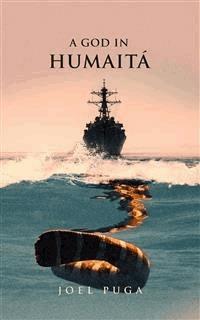
During the Passage of Humaitá, one of the most important moments of the Paraguayan War, the intervention of a Guarani god changes the course of history. However, for two soldiers on opposite sides, it's a catastrophic event.
Das E-Book können Sie in Legimi-Apps oder einer beliebigen App lesen, die das folgende Format unterstützen:
Veröffentlichungsjahr: 2018
Ähnliche















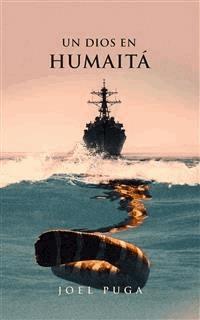

A God in Humaitá
by Joel Puga
Text copyright © 2016 Joel Puga
All Rights Reserved
Table of Contents
Story
About the Author
Other Works by the Author
Story
As midnight approached, Captain Joaquim Paranhos felt increasingly nervous. From the bow of the Rio Negro, an ironclad just a few months out from the shipyards of Rio de Janeiro and whose command had been entrusted to him, he waited for the signal that would start the operation. It would be only the second time in his whole life that he would face enemy fire. The first had been the night before, when, along with the rest of the fleet, he had forced the passage in Curupaity. But the two or three dozen guns he had faced there were nothing compared to the more than a hundred that waited in Humaitá, the most powerful fortress in South America.
He would have rather stayed in Rio with his wife, and was eager to go back. He missed the balls organized by the créme de la créme of Rio's society or sitting and reading in one of the great halls of his home while drinking tea served by one of his many servants. However, although the rank of captain came with many privileges, it didn't always allow him to be where or do what he liked, especially in wartime.
All over the ship, sailors finished the preparations for the passage. They closed the gunports, put sandbags, planks and chains in the most vulnerable places to complement the armor, and checked the ropes that, following the orders of Captain Delfim Carvalho, the operation's commander, bound the Rio Negro to the monitor Rio Branco to make sure they were secure.
In the darkness, Joaquim couldn't clearly see what was happening on the ships in front of him, only black figures moving between the dim light of oil lanterns, but he deduced that they were making similar preparations.
Finally, at midnight, he heard a sequence of small blasts coming from the Bahía, the flagship. It was the signal announcing the beginning of the operation.
“First mate, gather the men,” he ordered Joaquim Honorio, an experienced sea dog and a Platine War veteran.
“Yes, captain,” the man replied with a grunt.
Joaquim knew that Honorio resented the fact that he had been placed under Joaquim’s command, and Joaquim didn't blame him. After all, it was obvious to everyone that the old man was only there to baby sit him, an untried captain who had done nothing to deserve the rank besides marrying the right woman.
The squadron gunboats, eight wooden ships, began the diversionary bombardment. At the same time, tied together in pairs, the eight steel ships that would force the passage started up the river: Barroso, Rio Grande, Bahía, Alagoas, Tamandaré, Pará and, finally, Rio Negro and Rio Branco.




