


9,99 €
Mehr erfahren.
- Herausgeber: Daniel Zaborowski
- Sprache: Englisch
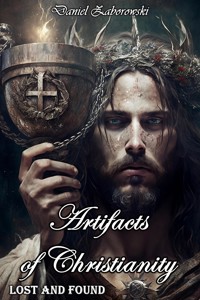
"Artifacts of Christianity - Lost and Found" is a comprehensive guide to the different Christian artifacts that are considered to be significant and revered. The book covers a wide range of artifacts, including the most revered ones such as the Shroud of Turin, the Holy Lance, and the True Cross, as well as artifacts of the Crucifixion, the Last Supper, and the Holy Sepulchre. The book also covers other revered artifacts such as the Miraculous Medal, the Holy Robe, and the Bones of Saint Stephen.
Each artifact is explored in detail, covering its origins, history, significance, and cultural impact. The book provides a rich historical and cultural context for each artifact and reflects on the importance of Christian artifacts in shaping the history and culture of Christianity.
The book concludes by summarizing the significance of Christian artifacts and provides final thoughts and recommendations for those interested in learning more about these important cultural and historical treasures. Overall, "Artifacts of Christianity - Lost and Found" is an engaging and informative guide for anyone interested in learning about the rich history and cultural significance of Christian artifacts.
Das E-Book können Sie in Legimi-Apps oder einer beliebigen App lesen, die das folgende Format unterstützen:
Veröffentlichungsjahr: 2023
Ähnliche


















Artifacts of Christianity: Lost and Found
Daniel Zaborowski
Published by Daniel Zaborowski, 2023.
While every precaution has been taken in the preparation of this book, the publisher assumes no responsibility for errors or omissions, or for damages resulting from the use of the information contained herein.
ARTIFACTS OF CHRISTIANITY: LOST AND FOUND
First edition. February 10, 2023.
Copyright © 2023 Daniel Zaborowski.
Written by Daniel Zaborowski.
10 9 8 7 6 5 4 3 2 1
Table of Contents
Title Page
Copyright Page
Introduction
The Shroud of Turin
The Holy Lance
The True Cross
The Pillar of Flagellation
The Veil of Veronica
The Holy Sponge
The Holy Robe
The Crown of Thorns
The Holy Nails
The Holy Chalice / Grail
The Icon of the Theotokos of Czestochowa
The Reliquary of the Holy Blood
The Bell of Holy Sepulchre
The Hand of Saint James
The Stone of Unction
The Relics of Saint Peter
The Miraculous Medal
The Bones of Saint Stephen
The Cross of Constantine
Conclusion
Introduction
Artifacts play a significant role in shaping our understanding of the world and its history. They provide tangible evidence of a time and place, giving us a glimpse into the past and helping us to connect with our cultural heritage. In the case of Christian artifacts, they hold a unique and important place in the history of the world's largest religion, providing us with tangible evidence of the faith and its impact on society.
Definition of Christian Artifacts
Christian artifacts are objects, structures, or works of art that hold religious or cultural significance within the Christian faith. They can range from simple objects like crosses or statues to complex works of art such as illuminated manuscripts or stained glass windows. These artifacts are often associated with specific religious events, figures, or traditions and are believed to have spiritual or symbolic power.
One of the most important aspects of Christian artifacts is their historical significance. These objects serve as tangible reminders of the religion's rich history and heritage and provide evidence of the faith's evolution over time. From the early days of Christianity, artifacts have played a central role in shaping and transmitting the religion, serving as visual aids in the spread of the faith and helping to preserve its teachings and traditions.
Christian artifacts can also hold significant cultural and social importance. For example, religious works of art often served as expressions of the beliefs and values of a particular society, reflecting the cultural norms and attitudes of the time. This is especially true of religious artifacts created during the Middle Ages, where the majority of works of art were produced for the purpose of religious worship. These objects were often highly decorative and ornate, reflecting the importance placed on religion in medieval society.
Another important aspect of Christian artifacts is their symbolic power. Many objects and structures within the Christian faith hold deep symbolic meaning, reflecting the beliefs and teachings of the religion. For example, the cross is a symbol of the sacrifice of Jesus Christ, while the halo is a symbol of spiritual purity and enlightenment. These symbols help to reinforce the teachings of the faith and provide a visual representation of its beliefs and values.
The Significance of Christian Artifacts
Christian artifacts play a significant role in the history, culture, and religion of the Christian community. These artifacts have been cherished and preserved over the centuries, representing the beliefs and traditions of the faith. They have inspired devotion, fostered spiritual growth, and have been the subject of much study and investigation. In this section, we will explore the importance of Christian artifacts and the role they have played in the history of the faith.
One of the most significant aspects of Christian artifacts is their ability to evoke deep spiritual emotions and devotion. For many believers, these artifacts serve as tangible representations of their faith, providing a connection to the divine and the historical events that formed the foundation of the religion. For example, the Holy Shroud of Turin, which is believed by some to be the burial cloth of Jesus, has been the focus of intense devotion and pilgrimage for centuries. The shroud is said to possess miraculous powers and has inspired countless acts of devotion and piety.
In addition to serving as objects of devotion, Christian artifacts also serve as important historical and cultural artifacts. These artifacts provide insight into the beliefs and practices of the early Christian community and offer a window into the development of the faith. For example, the True Cross, which is believed to be the cross on which Jesus was crucified, has been preserved and venerated by Christians for centuries. Its historical significance is evident in its widespread distribution and the numerous fragments that have been preserved.
Christian artifacts have also been the subject of much investigation and study, particularly in recent years. Scientific and historical research have shed light on the origins and authenticity of many artifacts, and have helped to deepen our understanding of the early Christian community and the events that shaped the faith. For example, the shroud of Turin has been the subject of numerous scientific studies, including radiocarbon dating and imaging techniques, which have helped to shed light on its authenticity and history.
The study of Christian artifacts has also had a significant impact on the development of Christian art and literature. The representation of these artifacts in art and literature has served to deepen our understanding of the beliefs and practices of the early Christian community and has inspired the creation of new works that continue to influence the faith today. For example, the depiction of the crucifixion in art and literature has inspired countless works of religious art and has helped to propagate the story of the passion of Christ.
Overview of the book
The book "Artifacts of Christianity - Lost and Found" offers a comprehensive look into the significance of Christian artifacts and their impact on the religious and cultural landscape of the world. It provides an overview of the most revered Christian artifacts, including the Shroud of Turin, the Holy Lance, the True Cross, and the Holy Sepulchre. The book explores the historical and cultural context of these artifacts, their significance and beliefs, and their scientific and religious controversies.
In addition to examining the most well-known artifacts, the book also delves into lesser-known but equally important relics, such as the Icon of the Theotokos of Czestochowa, the Miraculous Medal, and the Holy Tunic of Argenteuil. Each artifact is given its own section, including its origins and history, significance and beliefs, and cultural impact.
The book is not just about the artifacts themselves, but also about the impact they have had on human history and the role they play in shaping and reinforcing religious beliefs. It provides a unique perspective on the importance of these artifacts and the role they play in our understanding of the Christian faith and its impact on the world.
This book is an invaluable resource for anyone interested in the history of Christianity and the role of artifacts in shaping and reinforcing religious beliefs. Whether you are a historian, a religious scholar, or simply a curious reader, this book will provide you with a new and deeper appreciation for the significance of these relics and the impact they have had on human history.
The Shroud of Turin
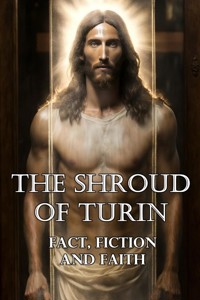
The Shroud of Turin is one of the most intriguing and controversial Christian artifacts in existence. It is believed by many to be the burial shroud that covered the body of Jesus Christ after his crucifixion, making it one of the holiest objects in the Christian world. Despite the many debates and scientific studies that have been conducted over the years, the true origins of the shroud remain shrouded in mystery.
The shroud is approximately 14 feet long and 3.5 feet wide, and it is made of a type of cloth known as a herringbone twill, which was commonly used in the ancient Middle East. The shroud is a negative image, meaning that it is not a painting or a drawing, but rather an imprint of a body that was laid on top of the cloth. The imprint is brown and appears to show the outline of a man who was crucified, including his hands, feet, and the wounds that he sustained during his crucifixion.




