


5,99 €
Mehr erfahren.
- Herausgeber: Shuttle Systems Ltd
- Kategorie: Fachliteratur
- Sprache: Englisch
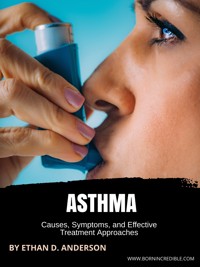
A Complete Guide to Understanding and Managing Asthma for a Healthy and Fulfilling Life
Discover comprehensive insights and practical advice on asthma with this indispensable resource for individuals living with the condition, their families, and healthcare professionals.
Asthma affects millions of people worldwide, impacting their quality of life and posing significant health risks. This comprehensive guide, "Asthma: Causes, Symptoms, and Effective Treatment Approaches," provides an in-depth understanding of the condition, its history, impact, causes, and various types of asthma. It also explores treatment options, lifestyle modifications, and strategies for managing asthma triggers.
The book delves into specific topics such as:
The relationship between allergies, irritants, respiratory infections, exercise, family history, genetics, obesity, occupational exposures, and stress on asthma
Diagnosis techniques like spirometry, peak flow meter, allergy testing, bronchial provocation tests, and more
Overview of asthma medications, complementary and alternative therapies, and the importance of following an asthma action plan
Nutrition and lifestyle changes in treatment, including exercise, diet, quitting smoking or vaping, reducing irritants, and stress management
Coping with emotional and social challenges of living with asthma, education and advocacy for asthma awareness, and supporting loved ones with asthma
With personal stories that offer encouragement and inspiration, this book also discusses asthma in children, older adults, and during pregnancy. It covers asthma emergencies and when to seek medical attention, as well as the latest research and innovations in the field, such as biological therapies, gene therapy, personalized medicine, smart inhalers, and more.
"Asthma: Causes, Symptoms, and Effective Treatment Approaches" is an essential resource for anyone affected by asthma, providing a wealth of knowledge and practical guidance to help improve quality of life and better manage this chronic condition. Don't let asthma control your life or the life of your loved ones; take charge with this comprehensive guide.
Get your copy of "Asthma: Causes, Symptoms, and Effective Treatment Approaches" today and take the first step towards a healthier, more fulfilling life with asthma!
Das E-Book können Sie in Legimi-Apps oder einer beliebigen App lesen, die das folgende Format unterstützen:
Veröffentlichungsjahr: 2023
Ähnliche


















Created by BornIncredible.com
All rights reserved.
Copyright © 2005 onwards .
By reading this book, you agree to the below Terms and Conditions.
BornIncredible.com retains all rights to these products.
No part of this book may be reproduced in any form, by photostat, microfilm, xerography, or any other means, or incorporated into any information retrieval system, electronic or mechanical, without the written permission of BornIncredible.com; exceptions are made for brief excerpts used in published reviews.
This publication is designed to provide accurate and authoritative information with regard to the subject matter covered. It is sold with the understanding that the publisher is not engaged in rendering legal, accounting, health, relationship or other professional / personal advice. If legal advice or other expert assistance is required, the services of a competent professional should be sought.
A New Zealand Made Product
Get A Free Book At: BornIncredible.com/free-book-offer/
Table of Contents
Introduction
The History Of Asthma
Definition And Explanation Of Asthma
Statistics On Asthma Prevalence And Impact On Individuals And Society
The Impact Of Asthma Both Globally And Nationally.
The Causes Of Asthma
The Relationship Between Allergies And Asthma
The Relationship Between Irritants And Asthma
The Relationship Between Respiratory Infections And Asthma
The Relationship Between Exercise And Asthma
The Relationship Between Family History And Asthma
The Relationship Between Genetics And Asthma
The Relationship Between Obesity And Asthma
The Relationship Between Occupational Exposures And Asthma
The Relationship Between Stress And Asthma
Controversial Theories About Asthma.
Pathophysiology Of Asthma
Types Of Asthma
Bronchial Asthma
Intermittent Asthma
Persistent Asthma
Reactive Airway Disease
Brittle Asthma
Common Triggers For Asthma Attacks
Symptoms Of Asthma
Physical Symptoms
Emotional Symptoms
How Asthma Is Diagnosed
Spirometry:
Peak Flow Meter:
Allergy Testing:
Bronchial Provocation Test:
Fractional exhaled nitric oxide (FeNO) testing:
Methacholine challenge testing:
Other Possible Tests
Treatment Options For Asthma
Overview Of Asthma Medications
Complementary And Alternative Therapies
Importance Of Following An Asthma Action Plan
The Role Of Healthcare Professionals
Questions To Ask Your Doctor
The Role Of Nutrition And Lifestyle Changes In Treatment
Living With Asthma
Managing Asthma Triggers In The Home, Workplace, And Other Environments
Identify Your Asthma Triggers
Lifestyle Modifications To Reduce Asthma Symptoms
Reduce Asthma Symptoms With Exercise:
Reduce Asthma Symptoms With Diet
Reduce Asthma Symptoms By Quiting Smoking Or Vaping
Reduce Asthma Symptoms By Reducing Irritants
Reduce Asthma Symptoms By Reducing Stress
Possible Natural Remedies
Tips To Help Prevent Asthma Attacks
What To Do During An Asthma Attack
Breathing Normalization
Breathing Exercises That May Help Your Asthma
Hyperventilation To Help With Asthma
Coping With Emotional And Social Challenges Of Living With Asthma
Education And Advocacy For Asthma Awareness
Asthma In Children And Older Adults
Do You Ever Outgrow Asthma
Asthma And Pregnancy
Asthma Emergencies And When To Seek Medical Attention
Research And Innovations
Biological Therapies:
Gene therapy:
Personalized Medicine:
Smart Inhalers:
Air Pollution Monitoring:
Virtual Reality Therapy:
Nanotechnology:
Telemedicine:
Precision medicine:
Environmental interventions:
Wearable technology:
Asthma apps:
Living With Asthma
Encouragement And Inspiration For Those Living With Asthma
Supporting Loved Ones With Asthma
How To Support A Partner, Family Member, Or Friend With The Condition
Tips For Providing Emotional Support And Practical Assistance
Personal Stories
Emily’s Story
Rachel’s Story
Lily’s Story
Ava’s Story
Kasia’s Story
Anna’s Story
David’s Story
Ryan’s Story
Rohan’s Story
Anjali’s Story
Aarav’s Story
Kahu’s Story
Looking Forward
Current Research And Advancements In Treatment Options
Conclusion
Frequently Asked Questions.
What is the main cause of asthma?
What are the 3 types of asthma?
How do u know if u have asthma?
What are 2 triggers of asthma?
Can you get rid of asthma?
What asthmatics should avoid?
What is the best treatment for asthma?
Why is asthma worse at night?
Does asthma get worse with age?
What is an asthma cough like?
How do I test for asthma?
What does an asthma cough sound like?
How do you calm an asthma cough at night?
Does stress trigger asthma?
Does asthma make you tired?
Do asthma patients live long?
What are the foods that trigger asthma?
What helps asthma without an inhaler?
What foods help asthma?
Is cold water good for asthma?
Is asthma higher risk for Covid?
What naturally heals asthma?
Can your lungs heal from asthma?
What exercises cure asthma?
What position should I sleep in for asthma?
What are the side effects of Ventolin?
When should you go to the hospital for asthma?
Does asthma show up on xray?
What happens if asthma is untreated?
At what age is asthma most severe?
What is difference between asthma and bronchial asthma?
What is the best treatment for bronchial asthma?
What is the most common symptom of bronchial asthma?
What can trigger bronchial asthma?
How serious is bronchial asthma?
What should I avoid if I have bronchial asthma?
How do you test for bronchial asthma?
Which drug will aggravate bronchial asthma?
What are the three 3 most common triggers for asthma?
How long does bronchial asthma last?
How can you tell the difference between bronchial asthma and COPD?
What is the most severe asthma called?
Are you contagious if you have bronchial asthma?
What is the difference between bronchitis and bronchial asthma?
Can bronchial asthma be cured permanently?
Can bronchial asthma cause sudden death?
Is walking good for bronchial asthma?
What are the five foods that trigger asthma?
Is banana good for bronchial asthma?
Which fruit is good for bronchial asthma?
What does asthmatic bronchitis feel like?
Is paracetamol good for asthma?
What medication opens up airways?
Why can't asthmatics have ibuprofen?
What are silent asthma symptoms?
How do I know if I have bronchitis or emphysema?
Can bronchial asthma lead to COPD?
Is asthma cough wet or dry?
Do asthmatics cough up phlegm?
What's the best way to get phlegm out of your chest?
What triggers intermittent asthma?
What are the symptoms of intermittent asthma?
Can intermittent asthma be cured?
How is intermittent asthma diagnosed?
What is the treatment for intermittent asthma?
What medication is used for mild intermittent asthma?
What is silent asthma?
What is the life expectancy of someone with asthma?
What is quick relief of symptoms of intermittent asthma?
How do you calm an asthma flare up?
Is it normal to have asthma attacks every day?
What makes asthma worse at night?
Why have I suddenly developed asthma?
What medication do they give you for asthma in New Zealand?
How can I calm my asthma without medication?
How is mild intermittent asthma diagnosed?
What is the mildest form of asthma?
What are the 5 stages of asthma?
What type of asthma is considered the most life threatening?
Does asthma mean you have weak lungs?
What does untreated asthma feel like?
Does anxiety trigger asthma?
Does asthma get worse as you age?
Does walking help asthma?
Is asthma related to heart problems?
What an asthmatic person should avoid?
Does cold air help asthma?
What foods help with asthma?
How do I know what type of asthma I have?
Can asthma flare up for no reason?
What causes persistent asthma?
What are the 4 categories of asthma?
What does persistent asthma feel like?
What is the treatment for persistent asthma?
Can persistent asthma be cured?
What is the most serious type of asthma?
What is the last stage of asthma?
How do I know if my asthma is severe?
Why wont my asthma go away?
What is stage 4 asthma?
What to do if inhaler isn t helping?
What is the strongest asthma treatment?
What medication is used for severe persistent asthma?
Can you live a long life with severe asthma?
Is cold air good for asthma?
Does asthma worsen with age?
What condition is worse than asthma?
Why has my asthma suddenly got worse?
How can I strengthen my lungs from asthma?
Is asthma considered a disability?
Can a chest xray show asthma?
Can Ventolin make asthma worse?
Why is my Ventolin inhaler not working?
How do I know if I have COPD or asthma?
What qualifies as uncontrolled asthma?
When should you step down for asthma?
What is the new asthma drug 2022?
Does asthma lead to COPD?
What do hospitals do for asthma attacks?
When steroids don't help asthma?
What triggers reactive airway disease?
Is reactive airway disease serious?
Can reactive airways be cured?
What does reactive airway disease feel like?
How do you calm reactive airways?
Can anxiety cause reactive airway disease?
How long can reactive airway disease last?
Does reactive airway disease turn into asthma?
Is there a difference between asthma and reactive airway disease?
Is reactive airway disease caused by Covid?
Can a virus cause reactive airway disease?
What reduces inflammation in the airways?
What age is reactive airway disease?
Can airway inflammation go away?
What medicine relaxes airways?
Can sinusitis cause reactive airway?
What are the symptoms of inflammation of airways?
What are the 2 most common inflammatory diseases of the airway?
Is inflammation of the airways serious?
What steroids treat reactive airway disease?
Does reactive airway disease cause sleep apnea?
Is reactive airway disease the same as bronchiolitis?
What causes air trapping in lungs?
How do you get small airways disease?
How do you treat air trapping in the lungs?
How long does it take for inflamed airways to heal?
How can I reduce inflammation in my airways naturally?
Why can't asthmatics take ibuprofen?
Is reactive airway disease genetic?
Which condition is permanent inflammation of the airways?
Have An Unanswered Question?
Receive Another Book Free
Introduction
Asthma is a chronic respiratory disease that affects millions of people around the world. It is characterized by inflammation and narrowing of the airways, which can cause symptoms such as coughing, wheezing, shortness of breath, and chest tightness. While there is no cure for asthma, proper management and treatment can help control symptoms and improve quality of life.
This book aims to provide a comprehensive guide to everything you need to know to treat and live with asthma. We will explore the latest research and scientific evidence surrounding asthma, as well as practical tips and strategies for managing the disease.
Whether you or a loved one has been diagnosed with asthma, or you simply want to learn more about this common respiratory condition, this book is for you. We hope that by reading this book, you will gain a deeper understanding of asthma and be better equipped to manage and live with the disease.
In this book, we will cover the history of asthma, its causes, symptoms, and diagnosis, as well as the different types of asthma and their treatments. We will also explore practical tips and strategies for managing asthma, including lifestyle modifications, coping strategies, and breathing exercises. Additionally, we will provide information on childhood asthma, asthma and allergies, and the relationship between asthma and exercise.
Whether you are looking for tips on managing your own asthma or seeking information to help a loved one, this book is a comprehensive resource that can help you better understand and live with asthma.
The History Of Asthma
Asthma is not a new condition; it has been around for thousands of years. The earliest known recorded reference to asthma dates back to ancient Egypt, where it was described as "he who breathes heavily." Over the centuries, the understanding and treatment of asthma have evolved significantly, from using herbs and oils to modern medicine.
One of the earliest documented treatments for asthma comes from ancient China, where the use of ephedra was recorded over 2,000 years ago. Ephedra is still used in some traditional Chinese medicine practices today.
In the 19th century, the concept of airway inflammation as the underlying cause of asthma began to take shape. In 1872, English physician Henry Hyde Salter described asthma as a "nervous catarrh," and in 1895, French physician Louis Pasteur suggested that asthma was caused by the presence of microorganisms in the airways.
In the early 20th century, the use of bronchodilators, such as epinephrine, became a common treatment for asthma. However, it wasn't until the 1960s that the role of inflammation in asthma was fully understood, and in the 1980s, the development of inhaled corticosteroids revolutionized asthma treatment.
Today, asthma is a well-understood and treatable condition. Advances in medical research have led to the development of new treatments and medications, as well as a better understanding of the underlying causes of asthma. Despite these advancements, however, asthma remains a significant health concern, affecting millions of people worldwide.
Definition And Explanation Of Asthma
Asthma is a chronic respiratory disease that affects the airways in the lungs. The airways become inflamed and narrowed, making it difficult to breathe. This inflammation can also cause the airways to produce excess mucus, further obstructing airflow.
Asthma is a common condition, affecting approximately 300 million people worldwide. It can affect people of all ages, but often starts in childhood. While there is no cure for asthma, proper treatment and management can help control symptoms and improve quality of life.
The exact cause of asthma is not fully understood, but it is thought to be related to a combination of genetic and environmental factors. People with a family history of asthma or allergies are more likely to develop asthma, as are those who are exposed to environmental triggers such as air pollution, dust, and allergens.
The most common symptoms of asthma include wheezing, coughing, shortness of breath, and chest tightness. These symptoms can range from mild to severe and can be triggered by a variety of factors, including exercise, allergens, and stress.
Diagnosis of asthma typically involves a physical examination, lung function tests, and medical history review. Treatment for asthma typically involves a combination of medications, inhalers, and lifestyle modifications. The goal of treatment is to reduce inflammation in the airways and improve breathing function.
In summary, asthma is a chronic respiratory disease characterized by inflammation and narrowing of the airways in the lungs. It can cause a range of symptoms, from mild to severe, and can be triggered by a variety of factors. Proper treatment and management can help control symptoms and improve quality of life for individuals with asthma.
Statistics On Asthma Prevalence And Impact On Individuals And Society
Asthma is a significant health concern, affecting millions of people around the world. In this chapter, we will explore the statistics on asthma prevalence and the impact it has on individuals and society.
According to the World Health Organization (WHO), approximately 235 million people worldwide have asthma. In the United States, asthma affects over 25 million people, or approximately 1 in 13 people. Asthma is more common in children, with an estimated 7.7 million children in the United States having asthma.
Asthma can have a significant impact on individuals, affecting their daily activities and quality of life. People with asthma may experience symptoms such as wheezing, coughing, and shortness of breath, which can make it difficult to exercise, sleep, and perform daily tasks. Asthma can also lead to missed school or work days and increased healthcare costs.
In addition to its impact on individuals, asthma also has a significant economic impact on society. According to the Centers for Disease Control and Prevention (CDC), asthma costs the United States approximately $80 billion annually in medical expenses, lost productivity, and premature death.
While asthma is a common condition, it is also a manageable one. With proper treatment and management, individuals with asthma can control their symptoms and live a healthy, active life. However, it is important for individuals with asthma to receive an accurate diagnosis and appropriate treatment, as untreated asthma can lead to serious complications.
In conclusion, asthma is a common respiratory condition that affects millions of people around the world. It can have a significant impact on individuals and society, both in terms of quality of life and economic costs. While asthma is a chronic condition, it is also a manageable one, and with proper treatment and management, individuals with asthma can control their symptoms and live a healthy, active life.
The Impact Of Asthma Both Globally And Nationally.
Asthma is a significant global health concern, affecting millions of people around the world. In this chapter, we will explore the impact of asthma both globally and nationally, including its economic and social impact.
Globally, asthma is a major cause of morbidity and mortality. According to the World Health Organization (WHO), asthma is responsible for an estimated 250,000 deaths each year. The burden of asthma is highest in low- and middle-income countries, where access to quality healthcare and medication may be limited.
Asthma also has a significant economic impact globally. The cost of asthma includes direct medical costs, such as hospitalizations and medication, as well as indirect costs, such as lost productivity and missed work days. According to a study by the Global Initiative for Asthma (GINA), the total cost of asthma globally is estimated to be $19.7 billion per year.
Nationally, asthma is a significant health concern in many countries. In the United States, asthma affects over 25 million people, making it one of the most common chronic conditions. Asthma is also the leading cause of hospitalizations among children under the age of 15.
The economic impact of asthma in the United States is also significant. According to the Centers for Disease Control and Prevention (CDC), the annual cost of asthma in the United States is approximately $80 billion. This includes direct medical costs, such as hospitalizations and medication, as well as indirect costs, such as lost productivity and missed work days.
In addition to its economic impact, asthma also has a significant social impact. People with asthma may experience stigma and discrimination due to their condition, and may face challenges in accessing healthcare and medication.
In conclusion, asthma is a significant global and national health concern. It has a significant economic and social impact, and affects millions of people worldwide. While asthma is a chronic condition, it is also a manageable one, and with proper treatment and management, individuals with asthma can control their symptoms and live a healthy, active life. It is important for governments, healthcare providers, and individuals to work together to address the burden of asthma and improve access to quality care and medication.
The Causes Of Asthma
Asthma is a complex condition that is thought to be caused by a combination of genetic and environmental factors. In this chapter, we will explore the different causes of asthma, including environmental triggers, genetic factors, and other potential causes.
Environmental Triggers:
Environmental triggers are external factors that can cause asthma symptoms or make existing symptoms worse. Common environmental triggers include air pollution, tobacco smoke, allergens, and viral infections. These triggers can cause inflammation in the airways, leading to symptoms such as wheezing, coughing, and shortness of breath.
Allergens, such as dust mites, pollen, and pet dander, are common triggers for asthma. When a person with asthma is exposed to an allergen, their immune system reacts by producing antibodies, which can cause inflammation in the airways. In addition to allergens, irritants such as smoke, air pollution, and strong odors can also trigger asthma symptoms.
Genetic Factors:
While environmental triggers can cause asthma symptoms, genetics also play a role in the development of the condition. Asthma tends to run in families, and people with a family history of asthma or allergies are more likely to develop the condition themselves. Researchers have identified several genes that may be associated with asthma, including genes that control inflammation and immune function.
Other Potential Causes:
In addition to environmental and genetic factors, there are several other potential causes of asthma. These include respiratory infections, hormonal changes, and obesity. Respiratory infections, such as the common cold or flu, can cause inflammation in the airways and trigger asthma symptoms. Hormonal changes, such as those that occur during pregnancy or menstruation, can also affect the airways and trigger asthma symptoms. Obesity has also been linked to an increased risk of asthma, as excess weight can put pressure on the lungs and make breathing more difficult.
In conclusion, asthma is a complex condition that is thought to be caused by a combination of genetic and environmental factors. Environmental triggers, such as air pollution and allergens, can cause inflammation in the airways and trigger asthma symptoms. Genetics also play a role in the development of asthma, and people with a family history of asthma or allergies are more likely to develop the condition. Other potential causes of asthma include respiratory infections, hormonal changes, and obesity. Understanding the different causes of asthma can help individuals and healthcare providers develop effective treatment and management strategies for the condition.
The Relationship Between Allergies And Asthma
Allergies and asthma are two separate conditions, but they are closely related. In fact, allergies are one of the most common triggers for asthma. In this chapter, we will explore the relationship between allergies and asthma, including how allergies can trigger asthma symptoms and how to manage both conditions.
What are allergies?
Allergies occur when the immune system reacts to a foreign substance, such as pollen, dust mites, or pet dander. The immune system produces antibodies to fight off the allergen, which can cause inflammation and other symptoms such as itching, sneezing, and congestion.
How do allergies trigger asthma?
When a person with asthma is exposed to an allergen, their immune system reacts by producing antibodies, which can cause inflammation in the airways. This inflammation can make the airways more sensitive, and can lead to symptoms such as wheezing, coughing, and shortness of breath. In some cases, exposure to an allergen can trigger an asthma attack, which can be life-threatening.
Managing allergies and asthma:
If you have both allergies and asthma, it is important to manage both conditions to prevent symptoms and reduce the risk of asthma attacks. Some tips for managing allergies and asthma include:
Identify and avoid allergens: Work with your healthcare provider to identify the allergens that trigger your symptoms, and take steps to avoid exposure. This may include using air filters, washing bedding frequently, and avoiding pets or other triggers.
Take medications as prescribed: If you have allergies and asthma, your healthcare provider may prescribe medications to manage both conditions. This may include allergy medications such as antihistamines or decongestants, as well as asthma medications such as bronchodilators or corticosteroids.
Create an asthma action plan: Work with your healthcare provider to create an asthma action plan, which outlines the steps to take if you experience asthma symptoms or an asthma attack. This plan may include medications, breathing exercises, and emergency procedures.
Maintain a healthy lifestyle: Eating a healthy diet, getting regular exercise, and avoiding smoking can all help to manage both allergies and asthma.
In conclusion, allergies and asthma are closely related conditions, and allergies are one of the most common triggers for asthma. When a person with asthma is exposed to an allergen, their immune system can react by producing antibodies, which can cause inflammation in the airways and trigger asthma symptoms. To manage both allergies and asthma, it is important to identify and avoid allergens, take medications as prescribed, create an asthma action plan, and maintain a healthy lifestyle. Working with your healthcare provider can help you manage both conditions and prevent symptoms.
The Relationship Between Irritants And Asthma
In addition to allergens, irritants can also trigger asthma symptoms. In this chapter, we will explore the relationship between irritants and asthma, including common irritants and how to manage asthma triggered by irritants.
What are irritants?
Irritants are substances that can irritate the airways and trigger asthma symptoms. Common irritants include tobacco smoke, air pollution, strong odors, and certain chemicals.
How do irritants trigger asthma?
When a person with asthma is exposed to an irritant, it can cause inflammation in the airways, leading to symptoms such as coughing, wheezing, and shortness of breath. In some cases, exposure to irritants can also trigger an asthma attack, which can be life-threatening.
Common irritants that can trigger asthma symptoms include:
Tobacco smoke: Tobacco smoke contains many harmful chemicals that can irritate the airways and trigger asthma symptoms. If you have asthma, it is important to avoid smoking and exposure to secondhand smoke.
Air pollution: Air pollution, such as ozone or particulate matter, can also irritate the airways and trigger asthma symptoms. This is especially true for people who live in urban or industrial areas.
Strong odors: Certain strong odors, such as perfumes or cleaning products, can also irritate the airways and trigger asthma symptoms. It is important to avoid exposure to strong odors if you have asthma.
Managing asthma triggered by irritants:
If you have asthma triggered by irritants, there are several steps you can take to manage your symptoms:
Identify and avoid irritants: Work with your healthcare provider to identify the irritants that trigger your symptoms, and take steps to avoid exposure. This may include using air filters, avoiding certain products or chemicals, and staying indoors on high-pollution days.
Take medications as prescribed: Your healthcare provider may prescribe medications, such as bronchodilators or corticosteroids, to manage your asthma symptoms.
Use a peak flow meter: A peak flow meter is a simple device that measures how well you are breathing. Your healthcare provider may recommend using a peak flow meter to monitor your asthma symptoms and adjust your medications as needed.
Create an asthma action plan: Work with your healthcare provider to create an asthma action plan, which outlines the steps to take if you experience asthma symptoms or an asthma attack. This plan may include medications, breathing exercises, and emergency procedures.
In conclusion, irritants can trigger asthma symptoms and even asthma attacks. Common irritants include tobacco smoke, air pollution, and strong odors. To manage asthma triggered by irritants, it is important to identify and avoid irritants, take medications as prescribed, use a peak flow meter to monitor your symptoms, and create an asthma action plan. Working with your healthcare provider can help you manage your asthma symptoms and prevent asthma attacks.
The Relationship Between Respiratory Infections And Asthma
Respiratory infections, such as the common cold, flu, and pneumonia, can also trigger asthma symptoms. In this chapter, we will explore the relationship between respiratory infections and asthma, including how infections can trigger asthma symptoms and how to manage asthma during respiratory infections.
How do respiratory infections trigger asthma?
When a person with asthma has a respiratory infection, the infection can cause inflammation in the airways, leading to asthma symptoms such as coughing, wheezing, and shortness of breath. In some cases, respiratory infections can also trigger an asthma attack, which can be life-threatening.
Managing asthma during respiratory infections:
If you have asthma and are experiencing a respiratory infection, there are several steps you can take to manage your symptoms:
Follow your asthma action plan: If you have an asthma action plan, follow the steps outlined in the plan to manage your symptoms. This may include taking your medications as prescribed and monitoring your peak flow.
Stay hydrated: Drinking plenty of fluids can help to thin out mucus and make it easier to breathe.
Rest: Resting can help your body fight off the infection and reduce stress on your airways.
Use a humidifier: Using a humidifier can help to keep the air moist and make it easier to breathe.
Seek medical attention if necessary: If your symptoms worsen or if you are having trouble breathing, seek medical attention immediately.
Preventing respiratory infections:
To prevent respiratory infections and reduce the risk of asthma symptoms, it is important to take steps to prevent the spread of germs. This includes washing your hands frequently, avoiding close contact with people who are sick, and getting vaccinated for the flu and pneumonia.
In conclusion, respiratory infections can trigger asthma symptoms and even asthma attacks. If you have asthma and are experiencing a respiratory infection, it is important to follow your asthma action plan, stay hydrated, rest, use a humidifier, and seek medical attention if necessary. To prevent respiratory infections and reduce the risk of asthma symptoms, it is important to take steps to prevent the spread of germs. Working with your healthcare provider can help you manage your asthma symptoms and prevent asthma attacks during respiratory infections.
The Relationship Between Exercise And Asthma
Exercise is an important part of a healthy lifestyle, but for people with asthma, exercise can sometimes trigger asthma symptoms. In this chapter, we will explore the relationship between exercise and asthma, including how exercise can trigger asthma symptoms and how to manage asthma during exercise.
How does exercise trigger asthma?
During exercise, a person's breathing rate and depth increase, which can cause the airways to narrow in people with asthma. This can lead to symptoms such as coughing, wheezing, and shortness of breath.
Managing asthma during exercise:
If you have asthma and want to exercise, there are several steps you can take to manage your symptoms:
Warm up before exercising: A proper warm-up can help to prepare your body for exercise and reduce the risk of asthma symptoms.
Use your inhaler before exercising: Your healthcare provider may recommend using your inhaler before exercising to help prevent asthma symptoms.
Choose the right type of exercise: Certain types of exercise, such as swimming or cycling, may be better for people with asthma than others, such as running or cold-weather sports.
Monitor your symptoms: It is important to monitor your symptoms during exercise and take a break if you start to experience asthma symptoms.
Cool down after exercising: A proper cool-down can help to reduce the risk of asthma symptoms after exercise.
Preventing exercise-induced asthma:
To prevent exercise-induced asthma, it is important to take steps to manage your asthma symptoms and reduce the risk of triggers. This may include using your inhaler before exercise, warming up properly, choosing the right type of exercise, monitoring your symptoms, and cooling down after exercise.
In some cases, your healthcare provider may recommend additional treatments, such as leukotriene modifiers or cromolyn sodium, to help prevent exercise-induced asthma.
In conclusion, exercise can sometimes trigger asthma symptoms, but with proper management, people with asthma can still enjoy the benefits of exercise. To manage asthma during exercise, it is important to warm up properly, use your inhaler as prescribed, choose the right type of exercise, monitor your symptoms, and cool down after exercise. Working with your healthcare provider can help you manage your asthma symptoms and prevent exercise-induced asthma.
The Relationship Between Family History And Asthma
Family history is an important risk factor for asthma. In this chapter, we will explore the relationship between family history and asthma, including how genetics can play a role in the development of asthma and what steps can be taken to manage asthma in families with a history of the condition.
How does family history play a role in the development of asthma?
Studies have shown that there is a strong genetic component to asthma. If one or both parents have asthma, their children are more likely to develop the condition. Additionally, if a sibling has asthma, a child's risk of developing the condition is also increased.
Genetics can play a role in the development of asthma by affecting the immune system and how the body responds to environmental triggers. However, not all cases of asthma are related to genetics, and other factors such as environmental exposures and lifestyle choices can also play a role.
Managing asthma in families with a history of the condition:
If you have a family history of asthma, there are several steps you can take to manage your symptoms and reduce the risk of developing asthma:
Know your family history: Talk to your family members about their health history and any history of asthma or allergies in the family.
Reduce exposure to triggers: It is important to reduce exposure to common asthma triggers, such as tobacco smoke, dust mites, and air pollution, especially for children who are at increased risk of developing asthma.
Take medications as prescribed: If you or your child has been diagnosed with asthma, it is important to take medications as prescribed to manage symptoms and reduce the risk of asthma attacks.
Work with your healthcare provider: Working with your healthcare provider can help you manage your asthma symptoms and develop an asthma action plan to help prevent asthma attacks.
Get regular check-ups: Regular check-ups with your healthcare provider can help to monitor your asthma symptoms and adjust treatment as needed.
In conclusion, family history is an important risk factor for asthma, and genetics can play a role in the development of the condition. If you have a family history of asthma, it is important to take steps to manage your symptoms and reduce the risk of developing asthma. This may include reducing exposure to triggers, taking medications as prescribed, working with your healthcare provider, and getting regular check-ups. Working with your healthcare provider can help you manage your asthma symptoms and prevent asthma attacks.
The Relationship Between Genetics And Asthma
Genetics play an important role in the development of asthma. In this chapter, we will explore the relationship between genetics and asthma, including how genes can affect the immune system and the development of asthma, and what steps can be taken to manage asthma in individuals with a genetic predisposition.
How do genes affect the development of asthma?
Asthma is a complex condition that is influenced by both genetic and environmental factors. Certain genes can affect the immune system's response to environmental triggers, such as allergens and pollutants, leading to inflammation in the airways and the development of asthma.
There are several genes that have been associated with asthma, including genes that affect the immune system, genes that affect the development and function of the airways, and genes that affect the body's response to certain medications.
However, it is important to note that not all cases of asthma are related to genetics, and other factors such as environmental exposures and lifestyle choices can also play a role.
Managing asthma in individuals with a genetic predisposition:
If you have a genetic predisposition to asthma, there are several steps you can take to manage your symptoms and reduce the risk of asthma attacks:
Know your family history: Talk to your family members about their health history and any history of asthma or allergies in the family.
Reduce exposure to triggers: It is important to reduce exposure to common asthma triggers, such as tobacco smoke, dust mites, and air pollution.
Take medications as prescribed: If you have been diagnosed with asthma, it is important to take medications as prescribed to manage symptoms and reduce the risk of asthma attacks.
Work with your healthcare provider: Working with your healthcare provider can help you manage your asthma symptoms and develop an asthma action plan to help prevent asthma attacks.
Get regular check-ups: Regular check-ups with your healthcare provider can help to monitor your asthma symptoms and adjust treatment as needed.
In some cases, genetic testing may be recommended for individuals with a family history of asthma. Genetic testing can help to identify individuals who are at increased risk of developing asthma and may help guide treatment decisions.
In conclusion, genetics play an important role in the development of asthma.
Certain genes can affect the immune system's response to environmental triggers, leading to the development of asthma. If you have a genetic predisposition to asthma, it is important to take steps to manage your symptoms and reduce the risk of asthma attacks. This may include reducing exposure to triggers, taking medications as prescribed, working with your healthcare provider, and getting regular check-ups. Genetic testing may also be recommended for individuals with a family history of asthma. Working with your healthcare provider can help you manage your asthma symptoms and prevent asthma attacks.
The Relationship Between Obesity And Asthma
Obesity has been identified as a risk factor for asthma. In this chapter, we will explore the relationship between obesity and asthma, including how obesity can affect lung function and increase the risk of developing asthma, and what steps can be taken to manage asthma in individuals who are overweight or obese.
How does obesity affect the risk of developing asthma?
Obesity can affect lung function and increase the risk of developing asthma. People who are overweight or obese may experience reduced lung capacity and increased airway resistance, making it more difficult to breathe. Additionally, obesity can lead to inflammation in the body, which can contribute to the development of asthma.
Studies have shown that obesity is associated with an increased risk of developing asthma, particularly in women. Additionally, obesity can make asthma symptoms worse and increase the risk of asthma attacks.
Managing asthma in individuals who are overweight or obese:
If you are overweight or obese and have asthma, there are several steps you can take to manage your symptoms and reduce the risk of asthma attacks:
Lose weight: Losing weight can improve lung function and reduce inflammation in the body, which can help to manage asthma symptoms.




