


Cancer Risk Assessment E-Book
197,99 €
Mehr erfahren.
- Herausgeber: John Wiley & Sons
- Kategorie: Fachliteratur
- Sprache: Englisch
With a weight-of-the-evidence approach, cancer risk assessment indentifies hazards, determines dose-response relationships, and assesses exposure to characterize the true risk. This book focuses on the quantitative methods for conducting chemical cancer risk assessments for solvents, metals, mixtures, and nanoparticles. It links these to the basic toxicology and biology of cancer, along with the impacts on regulatory guidelines and standards. By providing insightful perspective, Cancer Risk Assessment helps researchers develop a discriminate eye when it comes to interpreting data accurately and separating relevant information from erroneous.
Sie lesen das E-Book in den Legimi-Apps auf:
Seitenzahl: 1784
Veröffentlichungsjahr: 2010
Ähnliche




















Table of Contents
Cover
Table of Contents
Half title page
Title page
Copyright page
PREFACE
CONTRIBUTORS
ABBREVIATIONS AND ACRONYMS
Part I: CANCER RISK ASSESSMENT, SCIENCE POLICY, AND REGULATORY FRAMEWORKS
CHAPTER 1 CANCER RISK ASSESSMENT
1.1. CANCER RISK ASSESSMENT
1.2. THE WEIGHT OF EVIDENCE (WOE) FOR DETERMINING CARCINOGENICITY
1.3. RISK ASSESSMENT IN THE 21ST CENTURY
1.4. APPLICATIONS IN RISK MANAGEMENT
CHAPTER 2 SCIENCE POLICY AND CANCER RISK ASSESSMENT
2.1. INTRODUCTION
2.2. USE OF RISK ASSESSMENT IN REGULATORY DECISION-MAKING
2.3. ROLE OF RISK ASSESSMENT GUIDELINES
2.4. DATA QUALITY REQUIREMENTS
2.5. TYPES OF DATA USED IN RISK ASSESSMENT
2.6. APPLICATION OF “CONSERVATIVE” ASSUMPTIONS AND PRECAUTION
2.7. CONCLUSION
CHAPTER 3 HAZARD AND RISK ASSESSMENT OF CHEMICAL CARCINOGENICITY WITHIN A REGULATORY CONTEXT
3.1. OVERVIEW
3.2. RISK ASSESSMENT
3.3. REGULATORY SCHEMES FOR INDUSTRIAL CHEMICALS AND BIOCIDES
3.4. SCIENTIFIC ASPECTS OF CARCINOGENIC RISK ASSESSMENT
3.5. CONCLUSIONS
ACKNOWLEDGMENTS
CHAPTER 4 USE OF CANCER RISK ASSESSMENTS IN DETERMINATION OF REGULATORY STANDARDS
4.1. INTRODUCTION
4.2. AIR STANDARDS
4.3. WATER STANDARDS
4.4. FOOD STANDARDS, PESTICIDE TOLERANCES, ADDITIVES, AND IMPURITIES
4.5. SOIL STANDARDS
4.6. CONSUMER PRODUCT STANDARDS
4.7. RECENT DEVELOPMENTS AND FUTURE DIRECTIONS
Part II: CANCER BIOLOGY AND TOXICOLOGY
CHAPTER 5 THE INTERPLAY OF CANCER AND BIOLOGY
5.1. HISTORICAL ACCOUNT OF SOME IMPORTANT EVENTS IN UNDERSTANDING CANCER
5.2. RECENT FOUNDATIONS OF BIOLOGICAL MECHANISMS OF CANCER
5.3. CELL BIOLOGY OF CANCER
5.4. SOME FINAL THOUGHTS ON BIOLOGY AND CANCER
CHAPTER 6 CHEMICAL CARCINOGENESIS: A BRIEF HISTORY OF ITS CONCEPTS WITH A FOCUS ON POLYCYCLIC AROMATIC HYDROCARBONS
6.1. A BRIEF HISTORY OF CHEMICAL CARCINOGENESIS
6.2. JAMES A. AND ELIZABETH C. MILLER AND THEIR THEORY OF METABOLIC ACTIVATION
6.3. THE CONCEPTS OF INITIATION, PROMOTION, AND PROGRESSION: THE ORIGIN OF MULTISTAGE CARCINOGENESIS
CHAPTER 7 HORMESIS AND CANCER RISKS: ISSUES AND RESOLUTION
7.1. INTRODUCTION
7.2. EVIDENCE FOR REGULATORY CANCER RISK ASSESSMENT
7.3. HORMESIS AND CANCER RISK ASSESSMENT: MODELS
7.4. CONCLUSIONS
ACKNOWLEDGMENTS
CHAPTER 8 THRESHOLDS FOR GENOTOXIC CARCINOGENS: EVIDENCE FROM MECHANISM-BASED CARCINOGENICITY STUDIES
8.1. OVERVIEW
8.2. INTRODUCTION
8.3. LOW-DOSE CARCINOGENICITY OF 2-AMINO-3,8-DIMETHYLIMIDAZO[4,5-F]QUINOXALINE (MEIQx) IN THE RAT LIVER
8.4. LOW-DOSE HEPATOCARCINOGENICITY OF N-NITROSO COMPOUNDS
8.5. LOW-DOSE CARCINOGENICITY OF 2-AMINO-1-METHYL-6-PHENYLIMIDAZO[5,6-B]PYRIDINE (PHIP) IN THE RAT COLON
8.6. LOW-DOSE CARCINOGENICITY OF POTASSIUM BROMATE, KBRO3 IN THE RAT KIDNEY
8.7. CONCLUSION
ACKNOWLEDGMENTS
Part III: GENETIC TOXICOLOGY, TESTING GUIDELINES AND REGULATIONS, AND NOVEL ASSAYS
CHAPTER 9 DEVELOPMENT OF GENETIC TOXICOLOGY TESTING AND ITS INCORPORATION INTO REGULATORY HEALTH EFFECTS TEST REQUIREMENTS
9.1. INTRODUCTION
9.2. DEFINITIONS AND USAGE
9.3. THE HISTORICAL DEVELOPMENT OF GENETIC TOXICITY TESTING
9.4. TYPES OF AVAILABLE TESTS
9.5. TESTING APPROACHES
9.6. WHERE ARE WE NOW?
9.7. SUMMARY
CHAPTER 10 GENETIC TOXICOLOGY TESTING GUIDELINES AND REGULATIONS
10.1. HISTORICAL OVERVIEW OF GENOTOXICITY TESTING GUIDELINES
10.2. ORGANIZATION FOR ECONOMIC COOPERATION AND DEVELOPMENT (OECD) GUIDELINES FOR GENOTOXICITY
10.3. INTERNATIONAL CONFERENCE OF HARMONIZATION OF TECHNICAL REQUIREMENTS FOR REGISTRATION OF PHARMACEUTICALS FOR HUMAN USE (ICH) GUIDELINES FOR PHARMACEUTICALS
10.4. INTERNATIONAL WORKSHOP ON GENOTOXICITY TESTS (IWGT)
10.5. THE INTERNATIONAL PROGRAM ON CHEMICAL SAFETY (IPCS) UNDER THE AUSPICES OF THE WORLD HEALTH ORGANIZATION (WHO)
10.6. IN VITRO TESTING
10.7. IN VIVO TESTING
10.8. EUROPEAN UNION GUIDELINE FOR TESTING OF CHEMICALS UNDER THE REGISTRATION, EVALUATION, AUTHORIZATION AND RESTRICTION OF CHEMICAL (REACH)
10.9. SPECIALTY GUIDELINES FOR GENOTOXICITY: GENOTOXIC IMPURITIES IN PHARMACEUTICALS
10.10. THE QUINTESSENCE FOR REGULATORY ASSESSMENT: IN VIVO TESTING FOR RISK ASSESSMENT
10.11. SUMMARY AND OUTLOOK
CHAPTER 11 IN VITRO GENOTOX ASSAYS
11.1. INTRODUCTION
11.2. IN VITRO METABOLIC ACTIVATION
11.3. IN VITRO TESTS FOR GENE MUTATION IN BACTERIA
11.4. IN VITRO TESTS FOR GENE MUTATION IN MAMMALIAN CELLS
11.5. IN VITRO TESTS FOR CHROMOSOME DAMAGE IN MAMMALIAN CELLS
11.6. THE IN VITRO MICRONUCLEUS TEST
11.7. IN VITRO TEST FOR UNSCHEDULED DNA SYNTHESIS IN RAT HEPATOCYTES
11.8. IN VITRO COMET ASSAY
11.9. STRENGTHS AND LIMITATIONS
CHAPTER 12 IN VIVO GENOTOXICITY ASSAYS
12.1. INTRODUCTION
12.2. PARAMETERS AND CRITERIA FOR VALID IN VIVO GENOTOXICITY ASSAYS AND IMPLICATIONS FOR EXPERIMENTAL DESIGN
12.3. IN VIVO GENOTOXICITY ASSAYS REQUIRED IN THE STANDARD BATTERY OF TESTS
12.4. IN VIVO GENOTOXICITY ASSAYS USED MAINLY AS COMPLEMENTARY OR FOLLOW-UP TESTS
12.5. CONCLUSION AND PERSPECTIVES
Part IV: ASSESSING THE HUMAN RELEVANCE OF CHEMICAL-INDUCED TUMORS
CHAPTER 13 FRAMEWORK ANALYSIS FOR DETERMINING MODE OF ACTION AND HUMAN RELEVANCE
13.1. INTRODUCTION
13.2. FRAMEWORK ANALYSIS: MODE OF ACTION AND KEY EVENTS
13.3. FRAMEWORK ANALYSIS: HUMAN RELEVANCE
13.4. FUTURE DIRECTIONS
CHAPTER 14 EXPERIMENTAL ANIMAL STUDIES AND CARCINOGENICITY
14.1. INTRODUCTION
14.2. CURRENT STATUS OF HAZARD TESTING FOR CANCER FOR REGULATORY RISK ASSESSMENT
14.3. APPLICATION IN RISK ASSESSMENT
14.4. EVOLUTION OF TESTING STRATEGIES
14.5. DISCUSSION: CLOSING THE GAP BETWEEN HAZARD TESTING AND RISK ASSESSMENT
CHAPTER 15 CANCER EPIDEMIOLOGY
15.1. INTRODUCTION
15.2. CONSIDERATIONS FOR THE EPIDEMIOLOGIC STUDY OF CANCER
15.3. EPIDEMIOLOGIC STUDY METHODS
15.4. EVALUATION OF STUDIES AND THEIR RESULTS
15.5. SUBSTANCES CAUSALLY ASSOCIATED WITH CANCER
15.6. FUTURE FOR CANCER EPIDEMIOLOGY
CHAPTER 16 RODENT HEPATOCARCINOGENESIS
16.1. INTRODUCTION
16.2. MECHANISMS OF ACTION OF HEPATIC CARCINOGENS
16.3. HUMAN RELEVANCE FRAMEWORK
16.4. SUMMARY
CHAPTER 17 MODE OF ACTION ANALYSIS AND HUMAN RELEVANCE OF LIVER TUMORS INDUCED BY PPARα ACTIVATION
17.1. OVERVIEW
17.2. INTRODUCTION
17.3. MODE OF ACTION ANALYSIS IN THE U.S. EPA RISK ASSESSMENT FRAMEWORK
17.4. RELEVANCE OF PPARα ACTIVATOR-INDUCED RODENT LIVER TUMOR RESPONSE TO HUMANS
CHAPTER 18 ALPHA2U-GLOBULIN NEPHROPATHY AND CHRONIC PROGRESSIVE NEPHROPATHY AS MODES OF ACTION FOR RENAL TUBULE TUMOR INDUCTION IN RATS, AND THEIR POSSIBLE INTERACTION
18.1. INTRODUCTION
18.2. CHEMICALS THAT INCREASE THE INCIDENCE OF RENAL TUBULE TUMORS IN MALE RATS BY AN α2U-GLOBULIN MODE OF ACTION
18.3. CHEMICALS INCREASING THE INCIDENCE OF RENAL TUMORS THROUGH EXACERBATION OF SPONTANEOUS CHRONIC PROGRESSIVE NEPHROPATHY (CPN)
18.4. CHEMICALS INCREASING RTT INCIDENCE THROUGH A MODE OF ACTION INVOLVING EXACERBATION OF CPN
18.5. EXAMPLES WHERE THE α2U-G AND EXACERBATED CPN MODES OF ACTION MAY BE ACTING IN CONCERT
18.6. RELEVANCE OF RAT A2U-GLOBULIN NEPHROPATHY AND CPN TO HUMANS
CHAPTER 19 URINARY TRACT CALCULI AND BLADDER TUMORS
19.1. INTRODUCTION
19.2. DIRECT AND INDIRECT FORMATION OF URINARY SOLIDS
19.3. URINARY FACTORS INFLUENCING THE FORMATION OF URINARY SOLIDS
19.4. COLLECTION OF URINE FOR DETECTION OF URINARY SOLIDS
19.5. INTERSPECIES COMPARISON OF URINE COMPOSITION
19.6. URINARY SOLID CARCINOGENESIS IN RODENTS
19.7. EPIDEMIOLOGY
19.8. RISK ASSESSMENT
Part V: METHODS FOR INFORMING CANCER RISK QUANTIFICATION
CHAPTER 20 (Q)SAR ANALYSIS OF GENOTOXIC AND NONGENOTOXIC CARCINOGENS: A STATE-OF-THE-ART OVERVIEW
20.1. INTRODUCTION
20.2. OVERVIEW OF (Q)SAR ANALYSIS AND MODELING
20.3. MECHANISM-BASED SAR ANALYSIS OF CHEMICAL CARCINOGENS, FIBERS, AND PARTICLES/NANOPARTICLES
20.4. USES OF (Q)SAR IN CANCER HAZARD/RISK ASSESSMENT AND BRIEF OVERVIEW OF PREDICTIVE SYSTEMS/SOFTWARES
20.5. FUTURE PERSPECTIVES
CHAPTER 21 PHYSIOLOGICALLY BASED PHARMACOKINETIC (PBPK) MODELS IN CANCER RISK ASSESSMENT
21.1. INTRODUCTION
21.2. PBPK MODELING: CHARACTERISTICS AND APPROACHES
21.3. PBPK MODELS IN CANCER RISK ASSESSMENT
21.4. PBPK MODELS IN CANCER RISK ASSESSMENT: CASE STUDIES
21.5. CONCLUDING REMARKS
CHAPTER 22 GENOMICS AND ITS ROLE IN CANCER RISK ASSESSMENT
22.1. INTRODUCTION
22.2. “-OMICS” TECHNOLOGIES
22.3. GENOMICS AND THE NEW RISK ASSESSMENT PARADIGM
22.4. CASE STUDIES
22.5. USE OF GENOMICS IN PREDICTIVE TOXICOLOGY
22.6. CONCLUSIONS
CHAPTER 23 COMPUTATIONAL TOXICOLOGY IN CANCER RISK ASSESSMENT
23.1. INTRODUCTION
23.2. RISK ASSESSMENT: HISTORICAL PERSPECTIVE
23.3. ENHANCEMENTS IN QUANTITATIVE RISK ASSESSMENT
23.4. COMPUTATIONAL TOXICOLOGY AND FUTURE RISK ASSESSMENTS
23.5. CONCLUSION
Part VI: GENERAL APPROACHES FOR QUANTIFYING CANCER RISKS
CHAPTER 24 LINEAR LOW-DOSE EXTRAPOLATIONS
24.1. INTRODUCTION
24.2. HISTORICAL
24.3. ISSUES RELATED TO EXTRAPOLATION FROM EXPERIMENTAL DATA
24.4. CONCLUSION
ACKNOWLEDGMENTS
CHAPTER 25 QUANTITATIVE CANCER RISK ASSESSMENT OF NONGENOTOXIC CARCINOGENS
25.1. INTRODUCTION
25.2. SOME EXAMPLES AND APPLICATIONS
25.3. CONCLUDING REMARKS
CHAPTER 26 NONLINEAR LOW-DOSE EXTRAPOLATIONS
26.1. INTRODUCTION
26.2. MECHANISTIC ASPECTS OF NONLINEAR CARCINOGENESIS
26.3. DNA-REACTIVE CARCINOGENS AND NONLINEARITY
26.4. NONMUTAGENIC CARCINOGENS AND NONLINEARITY
26.5. CANCER RISK ASSESSMENT
26.6. NONLINEARITY PRINCIPLES INTO PRACTICE
26.7. SUMMARY AND CONCLUSION
ACKNOWLEDGMENTS
CHAPTER 27 CANCER RISK ASSESSMENT: MORE UNCERTAIN THAN WE THOUGHT
27.1. INTRODUCTION
27.2. SUMMARY OF PREVIOUS ANALYSES
27.3. SELECTION OF CARCINOGENICITY MEASURE—THE CD10
27.4. THE VARIATION OF CD10 WITHIN A SPECIES
27.5. EXTRAPOLATION OF THE MEDIAN CD10 BETWEEN SPECIES
27.6. EXTRAPOLATION OF THE INTRASPECIES VARIATION IN CD10
27.7. CONCLUSIONS
ACKNOWLEDGMENTS
27.8. APPENDIX
CHAPTER 28 COMBINING NEOPLASMS FOR EVALUATION OF RODENT CARCINOGENESIS STUDIES
28.1. INTRODUCTION
28.2. RATIONALE FOR COMBINING NEOPLASMS
28.3. USEFULNESS OF DIFFERENTIATING BENIGN FROM MALIGNANT NEOPLASMS AND OF SUBCLASSIFYING NEOPLASMS
28.4. CRITERIA FOR COMBINING NEOPLASMS
28.5. SUMMARY
CHAPTER 29 CANCER RISK BASED ON AN INDIVIDUAL TUMOR TYPE OR SUMMING OF TUMORS
29.1. INTRODUCTION
29.2. SUMMING OF TUMORS OF RELATED TYPES
29.3. SUMMING OF UNRELATED TUMOR TYPES
29.4. EXAMPLE: 1,3-BUTADIENE
29.5. CONCLUSIONS
CHAPTER 30 EXPOSURE RECONSTRUCTION AND CANCER RISK ESTIMATE DERIVATION
30.1. INTRODUCTION
30.2. EXPOSURE RECONSTRUCTION METHODOLOGY
30.3. APPLICATION OF ESTIMATED HISTORICAL EXPOSURE VALUES TO CANCER RISK ESTIMATES
30.4. SUMMARY
Index
Color Plates
CANCER RISK ASSESSMENT
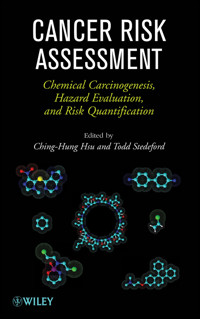
About the cover: The cover structures are chemicals classified as known human carcinogens in the U.S. National Toxicology Program’s Annual Report on Carcinogens (http://www.ntp.niehs.nih.gov/). The center structure is cyclosporin A (CASRN 59865-13-3). The outer structures going clockwise are benzidine (92-87-5), vinyl chloride (CASRN 75-01-4), tamoxifen (CASRN 10540-29-1), cyclophosphamide (CASRN 50-18-0), benzene (CASRN 71-43-2), and azathioprine (CASRN 446-86-6). These structures were prepared using ACD/ChemSketch (ACD/Labs Release: 11; Product Version: 11.01; http://www.acdlabs.com).
Copyright © 2010 John Wiley & Sons, Inc. All rights reserved.
Published by John Wiley & Sons, Inc., Hoboken, New Jersey
Published simultaneously in Canada
No part of this publication may be reproduced, stored in a retrieval system, or transmitted in any form or by any means, electronic, mechanical, photocopying, recording, scanning, or otherwise, except as permitted under Section 107 or 108 of the 1976 United States Copyright Act, without either the prior written permission of the Publisher, or authorization through payment of the appropriate per-copy fee to the Copyright Clearance Center, Inc., 222 Rosewood Drive, Danvers, MA 01923, (978) 750-8400, fax (978) 750-4470, or on the web at www.copyright.com. Requests to the Publisher for permission should be addressed to the Permissions Department, John Wiley & Sons, Inc., 111 River Street, Hoboken, NJ 07030, (201) 748-6011, fax (201) 748-6008, or online at http://www.wiley.com/go/permission.
Limit of Liability/Disclaimer of Warranty: While the publisher and author have used their best efforts in preparing this book, they make no representations or warranties with respect to the accuracy or completeness of the contents of this book and specifically disclaim any implied warranties of merchantability or fitness for a particular purpose. No warranty may be created or extended by sales representatives or written sales materials. The advice and strategies contained herein may not be suitable for your situation. You should consult with a professional where appropriate. Neither the publisher nor author shall be liable for any loss of profit or any other commercial damages, including but not limited to special, incidental, consequential, or other damages.
For general information on our other products and services or for technical support, please contact our Customer Care Department within the United States at (800) 762-2974, outside the United States at (317) 572-3993 or fax (317) 572-4002.
Wiley also publishes its books in a variety of electronic formats. Some content that appears in print may not be available in electronic formats. For more information about Wiley products, visit our web site at www.wiley.com.
Library of Congress Cataloging-in-Publication Data:
Cancer risk assessment : chemical carcinogenesis, hazard evaluation, and risk quantification / [edited by] Ching-Hung Hsu, Todd Stedeford.
p. ; cm.
Includes bibliographical references and index.
Summary : “With a weight-of-the-evidence approach, cancer risk assessment indentifies hazards, determines dose-response relationships, and assesses exposure to characterize the true risk. This book focuses on the quantitative methods for conducting chemical cancer risk assessments for solvents, metals, mixtures, and nanoparticles. It links these to the basic toxicology and biology of cancer, along with the impacts on regulatory guidelines and standards. By providing insightful perspective, Cancer Risk Assessment helps researchers develop a discriminate eye when it comes to interpreting data accurately and separating relevant information from erroneous”—Provided by publisher.
ISBN 978-0-470-23822-6 (cloth)
ISBN 978-1-118-03512-2 (ebk)
1. Carcinogens. 2. Health risk assessment. I. Hsu, Ching-Hung. II. Stedeford, Todd.
[DNLM: 1. Neoplasms–chemically induced. 2. Risk Assessment–methods. 3. Carcinogens–toxicity. 4. Environmental Exposure. 5. Mutagenicity Tests. QZ 202 C21556 2010]
RC268.6.C357 2010
616.99′4071—dc22
2009049268
PREFACE
Cancer risk assessment is an ever-changing discipline with standard regulatory practices and defaults giving way to ever-increasing breakthroughs in scientific discovery. The scientific literature is, however, replete with reports of toxicant-induced changes, but discriminating between those reports that are irrelevant or relevant to humans and those that are compensatory versus truly adverse can be an arduous task. This book aims to inform and to provide interpretive guidance on evaluating toxicological data and understanding the relevance of such data to hazard evaluation and cancer risk estimation.
The topics presented herein begin with Part I, which provides an overview of cancer risk assessment, followed by a discussion on science policy. The regulatory frameworks for industrial chemicals and biocides are presented along with the general approaches for developing standards for chemicals in air, water, food, soil, and consumer products. In Part II, basic concepts in cancer biology, chemical carcinogenesis, hormesis, and experimental evidence of thresholds for genotoxic carcinogens are provided. Thereafter, Part III describes the testing guidelines and regulations for in vitro and in vivo genotoxicity testing, and Part IV offers interpretive guidance on assessing the human relevance of chemical-induced tumors from rodent studies, along with the necessary criteria for evaluating data from epidemiological studies. Commonly observed modes of action from experimental animal studies, including PPAR-α, α2u-globulin, and so on, are then discussed. In Part V, methods for informing cancer risk quantification, including quantitative structure–activity relationships (QSAR), physiologically based pharmacokinetic (PBPK) modeling, “-omics”, and computational toxicology are discussed. Finally, Part VI addresses general approaches for quantifying cancer risks including linear and nonlinear low-dose extrapolations, summing tumors, and exposure reconstruction for cancer risk estimation.
The foregoing topics are critical for keeping abreast of changes that are taking place in cancer risk assessment, as well as in the fields of toxicology and risk assessment in general. For example, with the increased emphasis on describing a chemical’s mode of action for both cancer and noncancer endpoints, an understanding of the human relevance framework is essential, as is the role of rapidly developing technologies (e.g., “-omics”) for informing mode(s) of action. Therefore, readers of this text will take away knowledge that is applicable to cancer risk assessment and more broadly to toxicology and risk assessment. The resources that formed the bases for this text include: peer-reviewed scientific articles, regulatory guidance documents, validated test guidelines, and the many years of experience conveyed throughout by the contributing authors.
The editors are truly grateful to the contributing authors of this text, who provided their expertise on a gratis basis. If it were not for their dedication and commitment to advancing the knowledge and understanding of cancer risk assessment, the extensive coverage provided herein would not have been possible.
CHING-HUNG HSU
Taipei, Taiwan
TODD STEDEFORD
Baton Rouge, Louisiana
April 2010
CONTRIBUTORS
Elizabeth L. Anderson, Ph.D., FATS Group Vice President and Principal Scientist, Exponent, Inc., Alexandria, Virginia
Lora L. Arnold, M.S. Assistant Professor, University of Nebraska Medical Center, Omaha, Nebraska
Barbara D. Beck, Ph.D., DABT, FATS Principal, Gradient, Cambridge, Massachusetts
Jerry N. Blancato, M.S., Ph.D. Acting Director, Office of Administrative and Research Support, Office of Research and Development (ORD), United States Environmental Protection Agency, Research Triangle Park, North Carolina
Amy Brix, D.V.M., Ph.D., DACVP Veterinary Pathologist and Contractor for NTP QA, Experimental Pathology Laboratories, Inc., Research Triangle Park, North Carolina
Jessie P. Buckley, M.P.H. Ph.D. Candidate, Gillings School of Global Public Health, University of North Carolina, Chapel Hill, North Carolina
Edward J. Calabrese, Ph.D., FATS Professor of Toxicology, Department of Public Health, University of Massachusetts, Amherst, Massachusetts
Samuel M. Cohen, M.D., Ph.D. Havlik–Wall Professor of Oncology, Department of Pathology and Microbiology, University of Nebraska Medical Center, Omaha, Nebraska
J. Christopher Corton, Ph.D. Senior Research Biologist, Integrated Systems Toxicology Division, National Health and Environmental Effects Research Laboratory (NHEERL), Office of Research and Development (ORD), United States Environmental Protection Agency, Research Triangle Park, North Carolina
Edmund A. C. Crouch, Ph.D. Senior Scientist, Cambridge Environmental, Inc., Cambridge, Massachusetts
Vicki Dellarco, Ph.D. Science Advisor, Office of Pesticide Programs, United States Environmental Protection Agency, Washington, D.C.
Kathryn D. Devlin, M.S. Health Scientist, ChemRisk, LLC, Boulder, Colorado
Michael Dourson, Ph.D., DABT, FATS President, Toxicology Excellence for Risk Assessment (TERA), Cincinnati, Ohio
Anna M. Fan, Ph.D., DABT Chief, Pesticide and Environmental Toxicology Branch, Office of Environmental Health Hazard Assessment (OEHHA), California Environmental Protection Agency, Oakland, California
Shoji Fukushima, M.D., Ph.D. Director, Japan Bioassay Research Center, Japan Industrial Safety & Health Association, Hadano, Kanagawa, Japan
Shannon H. Gaffney, Ph.D., M.H.S., CIH Managing Health Scientist, ChemRisk, LLC, San Francisco, California
David Gatehouse, Ph.D., FRCPath Consultant, Buntingford, Hertfordshire, United Kingdom
Herman J. Gibb, Ph.D., M.P.H. President, Tetra Tech Sciences, Arlington, Virginia
Virginia A. Gretton Regulatory Advisor, SafePharm Laboratories Ltd., Derbyshire, United Kingdom
Lynne Haber, Ph.D., DABT Associate Director, Toxicology Excellence for Risk Assessment (TERA), Cincinnati, Ohio
Gordon C. Hard, BVSc, Ph.D., DSc, DACVP, FRCPath, FRCVS, FAToxSci Independent Consultant, Tairua, New Zealand
Jerry F. Hardisty, D.V.M., DACVP, IATP President and Veterinary Pathologist, Experimental Pathology Laboratories, Inc., Research Triangle Park, North Carolina
James W. Holder, Ph.D. Toxicologist/Cancer, National Center for Environmental Assessment, Office of Research and Development, United States Environmental Protection Agency (Retired), Washington, D.C.
Robert A. Howd, Ph.D. Chief, Water Toxicology Section, Office of Environmental Health Hazard Assessment (OEHHA), California Environmental Protection Agency, Oakland, California
Jihyoun Jeon, M.S., Ph.D. Staff Scientist, Program in Biostatistics and Biomathematics, Fred Hutchinson Cancer Research Center, Seatte, Washington
Anna Kakehashi, Ph.D. Lecturer, Department of Pathology, Osaka City University Medical School, Osaka, Japan
David J. Kirkland, Ph.D. Consultant and Professor (University of Wales, Swansea, United Kingdom), Tadcaster, North Yorkshire, United Kingdom
James E. Klaunig, Ph.D. Professor and Chair, Environmental Health, Indiana University, Bloomington, Indiana
Kannan Krishnan, Ph.D., DABT, FATS Professor, Department of Environmental Health and Health at Work, University of Montréal, Montreal, Quebéc, Canada
David Y. Lai, Ph.D., DABT Senior Toxicologist, Risk Assessment Division, Office of Pollution Prevention and Toxics (OPPTS), United States Environmental Protection Agency, Washington, D.C.
Ari S. Lewis, M.S. Senior Scientist, Gradient, Cambridge, Massachusetts
Edward A. Lock, MIBiol, Ph.D., FRCPath, FBTS, FATS Professor, School of Pharmacy and Biomolecular Sciences, Liverpool John Moores University, Liverpool, United Kingdom
Kimberly Lowe, Ph.D., M.H.S. Senior Scientist, Exponent, Inc., Seattle, Washington
Gary E. Marchant, Ph.D., J.D. Lincoln Professor, College of Law, Arizona State University, Tempe, Arizona
Hans-Jörg Martus, Ph.D. Head, Genetic Toxicology, Preclinical Safety, Novartis Institutes for BioMedical Research, Basel, Switzerland
Ernest E. McConnell, D.V.M., M.S., DACVP, DABT President, Tox Path, Inc., Raleigh, North Carolina
Mary Elizabeth (Bette) Meek, M.Sc., Ph.D. Associate Director, Chemical Risk Assessment, McLaughlin Centre for Population Health Risk Assessment, University of Ottawa, Ottawa, Ontario, Canada
Rafael Meza, Ph.D. Research Scientist, Division of Mathematical Modeling, University of British Columbia Centre for Disease Control, Vancouver, British Columia, Canada
Suresh H. Moolgavkar, M.D., Ph.D. Corporate Vice President and Director, Center for Epidemiology, Biostatistics, and Computational Biology, Exponent, Inc., Bellevue, Washington
Lutz Müller, Ph.D. Head Full Development Projects, Non-Clinical Drug Safety, F. Hoffmann-La Roche Ltd., Basel, Switzerland
Stephen Nesnow, Ph.D. Senior Research Scientist, Integrated Systems Toxicology Division, National Health and Environmental Effects Research Laboratory (NHEERL), Office of Research and Development (ORD), United States Environmental Protection Agency, Research Triangle Park, North Carolina
Dennis J. Paustenbach, Ph.D., CIH, DABT President and Founder, ChemRisk, LLC, San Francisco, California
R. Julian Preston, Ph.D. Associate Director for Health, National Health and Environmental Effects Research Laboratory (NHEERL), Office of Research and Development (ORD), United States Environmental Protection Agency, Research Triangle Park, North Carolina
Paolo F. Ricci, Ph.D., LL.M., M.P.A. Professor, Holy Names University, Oakland, California, and University of Massachusetts, Amherst, Massachusetts
Lindsey A. Roth, M.A. Research Scientist II, Safer Alternatives Assessment and Biomonitoring Section, Office of Environmental Health Hazard Assessment (OEHHA), California Environmental Protection Agency, Oakland, California
Jennifer Sahmel, M.P.H., CIH, CSP Supervising Health Scientist, ChemRisk, LLC, Boulder, Colorado
Banalata Sen, Ph.D. Science Education and Outreach Program Manager, Environmental Health Perspectives, DHHS, NIH, NIEHS, Durham, North Carolina
Andrew G. Salmon, M.A., D.Phil. Chief, Toxicology and Risk Assessment Section, Office of Environmental Health Hazard Assessment (OEHHA), California Environmental Protection Agency, Oakland, California
Todd Stedeford, Ph.D., J.D., DABT Toxicology Advisor & In-House Counsel, Health, Safety & Environment, Albemarle Corporation, Baton Rouge, Louisiana
Shugo Suzuki, M.D., Ph.D. Postdoctoral Research Associate, University of Nebraska Medical Center, Omaha, Nebraska
Henk Tennekes, M.Sc., Ph.D., RT Consultant in Toxicology, Experimental Toxicology Services, Zutphen, The Netherlands
Véronique Thybaud, Ph.D. Scientific Advisor, Disposition-Safety and Animal Research, Preclinical Safety, Sanofi Aventis, Vitry sur Seine, France
Paul Turnham, B. Eng., M.S., P.E. Senior Managing Scientist, Exponent, Inc., Alexandria, Virginia
Mathieu Valcke, M.Sc. Scientific Advisor, National Institute of Public Health of Québec, Montreal, Quebec, Canada
Hideki Wanibuchi, M.D., Ph.D. Professor, Department of Pathology, Osaka City University Medical School, Osaka, Japan
Min Wei, M.D., Ph.D. Assistant Professor, Department of Pathology, Osaka City University Medical School, Osaka, Japan
Douglas C. Wolf, D.V.M., Ph.D., FIATP, ATS Assistant Laboratory Director, National Health and Environmental Effects Research Laboratory (NHEERL), Office of Research and Development (ORD), United States Environmental Protection Agency, Research Triangle Park, North Carolina
Yin-tak Woo, Ph.D., DABT Senior Toxicologist, Risk Assessment Division, Office of Pollution Prevention and Toxics (OPPTS), United States Environmental Protection Agency, Washington, D.C.
Errol Zeiger, Ph.D., J.D. Principal, Errol Zeiger Consulting, Chapel Hill, North Carolina
ABBREVIATIONS AND ACRONYMS
AAF
2-Acetylaminofluorene
4-ABP
4-Aminobiphenyl
ACF
Aberrant crypts foci
ACO
Acyl-CoA oxidase
ACToR
Aggregated chemical toxicity resource
ADAF
Age-dependent adjustment factor
Ade
Adenine
ADI
Allowable daily intake
ADME
Absorption, distribution, metabolism, and excretion
AFC
Altered foci cells
AHF
Altered hepatic foci
AhR
Aryl hydrocarbon receptor
AI
Artificial intelligence
AMS
Accelerator mass spectrometry
ANOVA
Analysis of variance
AOM
Azoxymethane
apo
Apolipoprotein
ARB
Air Resources Board, California EPA
ARNT
Ah receptor nuclear translocator
ATSDR
U.S. Agency for Toxic Substances and Disease Registry
AUC
Area under the curve
B[a]A
Benz[a]anthracene
BBDR
Biologically based dose–response
BDA
Bayesian data analysis
BE
Biomonitoring equivalents
BEEL
Biological environmental exposure limit
BEIs
Biological exposure indices
BMD
Benchmark dose
BMDL
Benchmark dose lower bound
BMR
Benchmark response
B[a]P
Benzo[a]pyrene
BPD
Biocidal products directive
BPDE
Benzo[a]pyrene diol epoxides
BrDU
5-Bromo-2-deoxyuridine
b.w.
Body weight
CAA
U.S. Clean Air Act
CAF
Cancer-associated fibroblast
CAG
Carcinogens Assessment Group
CAM
Cellular adhesion molecule
CAR
Constitutive androstane receptor
CCA
Chromated copper arsenate
CCl4
Carbon tetrachloride
CD10
10% of Cancer dose
CDC
Center for Disease Control
CDC
U.S. Centers for Disease Control and Prevention
CDK
Cyclin-dependent kinase
CEBS
Chemical effects in biological systems
CEO
Chloroethylene oxide
CEO
Cyanoethylene oxide
CEPA
Canadian Environmental Protection Act
CERCLA
Comprehensive Environmental Response, Compensation and Liability Act
cGys
Centigrays
ChAMP
Chemical Assessment and Management Program
CHMP
Committee of Human Medicinal Products
CIIT
Chemical Industries Institute of Toxicology
CMRs
Carcinogens, mutagens, or reproductive toxicants
CNDR
Canadian National Dose Registry
CoA
Acyl coenzyme A
COPC
Contaminants of Potential Concern
CPDB
Carcinogenic potency database
CPN
Chronic progressive nephropathy
CPSC
Consumer Product Safety Commission
CPT-I
Carnitine palmitoyl transferase-I
CPUM
Colorado Plateau Uranium Miners
CSA
Chemical Safety Assessment
CSF
Cancer slope factor
CSR
Chemical Safety Report
CTM
Chinese tin miners
Cx
Connexon
CYP
Cytochrome P450
2-D
Two-dimensional
3-D
Three-dimensional
4-DAB
4-Dimethylaminoazobenzene
DAG
Directed acyclic graph
DAPI
4′,6-Diamidino-2-phenylindole
4-DAST
4-Dimethylaminostilbene
DB[a,l]P
Dibenzo[a,l]pyrene
DC
Dendritic cells
DCB
1,4-Dichlorobenzene
DCC
Deleted in colorectal cancer
DCM
Dichloromethane or methylene chloride
1,3-DCP
1,3-Dichloropropene
DDT
Dichlorodiphenyltrichloroethane
DEEM
Dietary Exposure Evaluation Model
DEHA
Di-(2-ethylhexyl)adipate
DEHP
Di-(2-ethylhexyl)phthalate
DEN
N-Nitrosodiethylamine
DEN, DENA
N,N-Diethylnitrosamine
DEPM
Dietary Exposure Potential Model
dGua
Deoxyguanosine
DHEW
U.S. Department of Health Education and Welfare
DINP
Di-(2-isononyl) phthalate
DINP
Diisononyl phthalate
DMA
Dimethylarsenic acid
DMBA
7,12-Dimethylbenz[a]anthracene or 9,10-Dimethyl-1,2-benz[a] anthracene
DMN
Dimethylnitrosamine
DMN
N-Nitrosodimethylamine
DQA
Data Quality Act
DSS
Dextran sulfate sodium
DSSTox
Distributed structure-searchable toxicity
Dt
Dose metrics
EAF
Enzyme-altered foci
ECHA
European Chemicals Agency
ECM
Extracellular matrix
ECVAM
European Centre for the Validation of Alternative Methods
ED
Effective dose
EFSA
European Food Safety Authority
2-EH
2-Ethylhexanol
EHEN
Ethyl hydroxyethylnitrosamine
ELISA
Enzyme-linked immunosorbant assays
EMSA
Electrophoretic mobility shift assay
ENNG
N-Ethyl-N′-nitro-N-nitrosoguanidine
ENU
Ethylnitrosourea
ENU
N-Nitroso-N-ethylurea
EPA
U.S. Environmental Protection Agency
EPI
Exposure potency index
EPIC
European Prospective Investigation into Cancer and Nutrition
ER
Estrogen receptor
ERK
Extracellular signal-regulated kinases
ESR
Electron spin resonance
ESTR
Expanded Simple Tandem Repeat
EU
European Union
FDA
U.S. Food and Drug Administration
FDCA
Food, Drug and Cosmetic Act
FFDCA
Federal Food, Drug and Cosmetic Act
FGFFibroblast growth factor
FGFR3
Fibroblast growth factor receptor 3
FIFRA
Federal Insecticide, Fungicide and Rodenticide Act
FISH
Fluorescent in situ hybridization
FPG
Formamido pyrimidine glycosylase
FQPA
Food Quality Protection Act
GAC
Genetic alterations in cancer
γ-GGT
Gamma-glutamyltransferase
GI
Gastrointestinal
GJIC
Gap junction intercellular communication
GJs
Gap junction connections
GLP
Good laboratory practice
G6PD
Glucose-6-phosphate dehydrogenase
GSSG
Glutathione disulfide
GSH
Glutathione
GST
Glutathione S-transferases
GST-P
Glutathione S-transferase placental form
Gua
Guanine
HaSDR
Health and Safety Data Reporting
HCA
Hydrocyanic acid
HCA
High content analysis
HC
Health Canada
HCC
Hepatocellular carcinoma
HCV
Hepatitis C virus
HEAA
β-Hydroxyacetic acid
HGP
Human Genome Project
HIV
Human immunodeficiency virus
HMG-CoA3-Hydroxy-3-methylglutaryl-CoA
Hmgcr
Hydroxymethylglutaryl-CoA reductase
hPPARα
Human PPARα
HPLC
High-performance liquid chromatography
hprt
Hypoxanthine-guanine phosphoribosyl transferase
HPV
Human papilloma viruses
HPV
High production volume
HPVIS
High Production Volume Information System
HRF
Human relevance framework
HSC
Hemocytoblasts
HTLV
Human T-cell lymphotropic virus
HTS
High-throughput screening
IAEMS
International Association of Environmental Mutagen Societies
IARC
International Agency for Research on Cancer
ICEM
International Conferences on Environmental Mutagens
ICCVAM
Interagency Coordinating Committee on the Validation of Alternative Methods
ICH
International Conference on Harmonisation
IDS
Immunodefense system
IKK
IκB kinase
IL1α
Interleukin-1alpha
IL1β
Interleukin-1beta
ILSI
International Life Science Institute
ILSI RSI
International Life Sciences Risk Sciences Institute
IND
Exploratory investigational new drug applications
IPCS
International Programme on Chemical Safety
IR
Ionizing radiation
IRIS
Integrated Risk Information System
IRIS
U.S. EPA Integrated Risk Information System
ITER
International Toxicity Estimates for Risk
ITC
TSCA Interagency Testing Committee
IUR
Inhalation unit risk
IUR
Inventory update reporting
IWGT
International Workshop(s) on Genotoxicity Tests
IWR
Interaction weighting ratio
JaCVAM
Japanese Center for the Validation of Alternative Methods
JECFA
Joint FAO/WHO Expert Committee on Food Additives
JEM
Job exposure matrix
JNK
c-Jun N-terminal kinases
Kdis
Dissolution rate constants
LBD
Ligand binding domains
LED01
Lower limit on effective dose01
LED10
Lower 95% confidence limit for the dose giving the animals an increased tumor incidence of 10%
LET
Linear-energy-transfer
LFC
Lowest feasible concentration
LMS
Linearized multistage
LMW
Low-molecular-weight protein
ln(GSD)
Logarithm of the geometric standard deviation
LNT
Linear no-threshold
LOAEL
Lowest observed adverse effect level
LSC
Lymphoblast
LSS
Life-stage study
LTA
Local tissue array
MAC
Apoptosis-induced channel
MACT
Maximum achievable control technology
MAP
Mitogen-activated protein
MC
Mast cell
MCL
Maximum contaminant level
MCMC
Markov chain Monte Carlo
MDA
Malondialdehyde
MEHP
Mono-2-ethylhexyl phthalate
MeIQx
2-Amino-3,8-Dimethylimidazo[4,5-f] quinoxaline
MIBK
Methyl isobutyl ketone
miRNA
MicroRNAs
MLA
Mouse lymphoma tk+/− assay
MLE
Maximum likelihood estimate
MMP
Matrix metalloprotease
MMS
Methyl methanesulfonate
MN
Micronuclei
MNU
Methylnitrosourea
MOA
Mode of action
MOE
Margin of exposure
MPV
Medium-production volume
MS
Mass spectrometric
MSCE
Multistage clonal expansion
MTBE
Methyl-tert-butyl ether
MTD
Maximum tolerable dose
MUP
Mouse urinary protein
MVK
Moolgavkar–Venzon–Knudson
NAS
National Academy of Sciences
NAS
U.S. National Academies of Science
NBR
NCI Black–Reiter
NCEA
U.S. EPA National Center for Environmental Assessment
NCEs
Normochromatic erythrocytes
NCEH
National Center for Environmental Health
NCoRNuclear receptor corepressor
NDI
National death index
NF-kB
Nuclear factor kappa B
NHANES
National Health and Nutrition Examination Survey
NIOSH
U.S. National Institute for Occupational Safety and Health
NIOSH-IREP
Interactive RadioEpidemiological Program
NNG
Net nuclear grain
NNM
N-Nitrosomorpholine
NOAEL
No observed adverse effect level
NOEL
No observed effect level
NPCs
Nonparenchymal cells
NRC
National Research Council
NRC
U.S. National Research Council
NSRLs
No significant risk levels
NTP
National Toxicology Program
NTP
U.S. National Toxicology Program
Cmax
Maximum or peak concentration
OECD
Organisation for Economic Co-operation and Development
OEHHA
Office of Environmental Health Hazard Assessment, California EPA
8-OH-dG
8-Hydroxy-2′-deoxyguanosine
2-OH-TMP
2,2,4-Trimethyl 2-pentanol
OMB
U.S. Office of Management and Budget
OPP
U.S. EPA Office of Pesticide Programs
OPPTS
Office of Prevention, Pesticides and Toxic Substances
ORD
U.S. EPA Office of Research and Development
OSHA
U.S. Occupational Safety and Health Administration
OSH Act
U.S. Occupational Safety and Health Act of 1970
OSOR
One substance, one registration
OSTP
U.S. Office of Science and Technology Policy
OSWER
U.S. EPA Office of Solid Waste and Emergency Response
PAHs
Polycyclic aromatic hydrocarbons
PAIR
Preliminary assessment and information reporting
PAPS
3′-Phosphoadenosine 5′-phosphosulfate
PBBs
Polybrominated biphenyls
PBPK
Physiologically based pharmacokinetic
PBTs
Persistent, bioaccumulative, and toxic substances
PCBs
Polychlorinated biphenyls
PCDD
Polychlorinated dibenzo dioxin
PCE
Polychromatic erythrocyte
pCi
Picocuries
PCNA
Proliferating cell nuclear antigen
PD
Cell population growth over time
Probability density function
PDGF
Platelet-derived growth factor
PEI
Polyethyleneimine
PELs
Permissible exposure limits
PFAA
Perfluoroalkyl acid
PFOA
Perfluorooctanoic acid
PFOS
Perfluorooctanesulfonic acid
PGMBE
Propylene glycol monobutyl ether
Pgp
P-glycoprotein
PHGs
Public health goals
PhIP
2-Amino-1-methyl- 6-phenylimidazo[4,5-b] pyridine
PIR
Proportionate incidence ratio
PMR
Proportionate mortality ratio
POD
Point of departure
PPAR
Peroxisome proliferator-activated receptor
PPAR-α
Peroxisome proliferation activating receptor-alpha
PPL
32P-Postlabeling
PPREs
PPARα responsive elements
pRb
Inactivated retinoblastoma gene product
PRGs
Preliminary remediation goals
PSP
Poorly soluble particles
PTEN
Phosphatase and tension
PTL
Priority testing list
PXR
Pregnane X receptor
q1*
Upper 95% confidence limit on the cancer potency slope
qPCR
Quantitative polymerase chain reaction
(Q)SAR
Quantitative structure–activity relationships
RAGS
Risk assessment guidance for Superfund
RBC
Red blood cell
RBP
Risk-based prioritizations
RCF
Refractory ceramic fibers
R&D
Research and development
REACH
Registration, evaluation, authorization, and restriction of chemicals
REDs
Reregistration eligibility documents
RELs
Recommended exposure limits
RfD
Reference dose
RFLP
Restriction fragment length polymorphism
RIVM
The Netherlands National Institute for Public Health andRMM
Risk management measures
RNS
Reactive nitrogen species
R.O.C.
Receiver operating characteristic
RoC
Report on carcinogens
ROS
Reactive oxygen species
RSD
Risk–specific dose
RTG
Relative total growth
RT-PCR
Reverse transcription polymerase chain reaction
RTT
Renal tubule tumors
RXRα
Retinoid X receptor-alpha
SA
Structural alert
SAB
U.S. EPA Science Advisory Board
SAR
Structure–activity relationship
SARA
Superfund Amendments and Reauthorization Act
SCE
Sister chromatid exchange
SDWA
U.S. Safe Drinking Water Act
S9 fraction
9000 g Supernatant
SDS
Safety data sheet
SEER
Surveillance epidemiology and end results
SHEDS
Stochastic human exposure and dose simulation
SIEF
Substance information exchange forum
SIR
Standardized incidence ratio
SMR
Standardized mortality ratio
SOT
U.S. Society of Toxicology
SPPSecurity and prosperity partnership
SPS
Sanitary and phytosanitary
SS IIC
Stoddard solvent IIC
STN
Stochastic transition network
SV
Simian virus
SWCNTSingle-walled carbon nanotubes
SWP
Safety working party
T-90
90% Clearance time
t/a
Tonnes per annum
TAA
Thioacetamide
TBA
Tert-butyl alcohol
TBARS
Thiobarbituric reactive substances
TCA
Trichloroacetate
TCDD, dioxin
2,3,7,8-Tetrachlorodibenzo-p-dioxin
TCE
Trichloroethylene
TD
Tolerable dose
TD50
The dose inducing a tumor incidence of 50% in rodents
TDI
Tolerable daily intake
TERA
Toxicology Excellence for Risk Assessment
TF
Transcription factor
TGD
Technical guidance document
TGF
Transforming growth factor
TGFβ1Transforming growth factor beta 1
tk
Thymidine kinase
TLC
Thin-layer chromatography
TMP
2,2,4-Trimethylpentane
TNF
Tumor necrosis factor
TNFα
Tumor necrosis factor alpha
ToxRefDB
Toxicology reference database
TPA
Tetradecanoyl phorbol acetate
the Environment
TRAIL
TNF-related apoptosis-inducing ligand
TRI
Toxics release inventory
TSCE
Two-stage clonal expansion
TTC
Threshold of toxicological concern
TWA
Time-weighted average
UCL
Upper confidence limit
UDS
Unscheduled DNA synthesis
UFUncertainty factor
USDA
U.S. Department of Agriculture
UVR
Ultraviolet radiation
VC
Vinyl chloride
VLDL
Very low density lipoproteins
VOC
Volatile organic compound
WOE
Weight of evidence
vPvBs
Very persistent and very bioaccumulative substances
VSD
Virtually safe dose
WHO
World Health Organization
Wnt
Wingless type
WT1/2
Weighted clearance half-time
WTO
World Trade Organization
Part I: CANCER RISK ASSESSMENT, SCIENCE POLICY, AND REGULATORY FRAMEWORKS
CHAPTER 1
CANCER RISK ASSESSMENT
Elizabeth L. Anderson, Kimberly Lowe and Paul Turnham
1.1. CANCER RISK ASSESSMENT
1.1.1. Cancer in the United States
Cancer is a group of diseases that result from abnormal and prolific cellular division. Based on current U.S. National Cancer Institute’s Surveillance Epidemiology and End Results (SEER) of cancer prevalence, it is estimated that more than 10 million people were living with cancer in the United States in 2005 (NCI 2008). The American Cancer Society predicts that 1 in 2 males and 1 in 3 females will develop some type of cancer in their lifetime, and that 1 in 4 males and 1 in 5 females is at risk of dying from this disease (NCI 2007a,b). Cancer is undoubtedly a substantial threat to public health.
Understanding the etiology of cancer, identifying methods of prevention or treatment, and determining the carcinogenicity of the chemicals we use in our everyday lives are the objectives of many of our government divisions, academic institutions, and health-care industries. However, for public health agencies charged with quantifying safe levels of exposure to protect public health, these tasks are not simple matters of using biology to inform the standard-setting process; instead, gaps in science must be filled using a number of assumptions that are based both on scientific inferences and policy judgments.
Under Congressional delegation, the broad mission of public health agencies is disease prevention. This includes a wide range of activities from providing education about healthy living to regulating the use and dispersion of agents that are known, or suspected, to cause cancer or other diseases. The basic principle of cancer risk assessment is to characterize both the weight of evidence (WOE) that the agent might be capable of causing cancer and the magnitude of risk, given past, current, or future exposure levels. The fundamental objective is to determine the threshold at which exposure to the agent poses no appreciable risk to humans or, in the absence of mechanistic knowledge, to define an acceptable risk for suspect carcinogens.
1.1.2. Historical Perspectives of Cancer Risk Assessment
Imagine a time when there was no exposure assessment, no evaluation of dose–response relationships (potency), and no particular attention paid to mechanisms of action to define the relevance of responses in animals to diseases in humans, as well as a time when the science of risk assessment to address environmental carcinogens was not developed. This time existed when the U.S. Environmental Protection Agency (EPA) was created in 1970, and it existed until the first Federal policy to adopt the use of risk assessment and risk management was announced by the Agency in 1976 (Albert et al. 1977; USEPA 1976). This policy was accompanied by the first guidelines for carcinogen risk assessment (USEPA 1976) and the establishment of an Agency group to carry out these assessments (named the Carcinogens Assessment Group, or CAG). The approach was novel at the time; however, it borrowed from the experience of radiation risk assessment, where a common mechanism of action was known and dose–response relationships in humans had been reasonably well characterized. Of course, large knowledge gaps existed. For most agents suspected of causing cancer, evidence was from high-dose studies in animals that relied on two dose levels to define cancer potential for humans who experienced much lower environmental exposures. Although controversial at the time, the science of risk assessment has developed into the internationally accepted approach to evaluate carcinogen risk associated with of exposure to environmental agents, food contaminants, and occupational contaminants. These approaches also have dictated close scrutiny of the scientific principles that lead to improved methods of addressing potency, mechanisms of action, test methods, exposure, and internal dose relationships. This section describes the landmarks and key events in the evolution of this science.
Not long after the EPA was established, it began evaluating carcinogenesis data and translating its findings into public policy. These early decisions spawned the necessity to depart from simple qualitative characterization of tumors in humans or animals to incorporate the reality of exposures at low doses, far below those in the studies, and the potential for harm associated with these low-dose exposures. Because the Agency was newly developed, there was no precedent for regulating carcinogens in the environment.
The early years of the EPA were a time of enormous zeal to cleanse the environment, especially of carcinogens that were thought to be the principal cause of a “cancer epidemic.” The Food, Drug, and Cosmetic Act (FDCA) had a provision for regulating intentional food additives to a zero-tolerance level, meaning that evidence of cancer by tumor formation in animals or humans was sufficient cause for banning the agent. The same zero-tolerance policy was attempted for a wide range of environmental agents thought to be potential carcinogens, including three major pesticides: dichlorodiphenyltrichloroethane (DDT), aldrin/dieldrin, and chlordane/heptachlor, although the cancellation of DDT was probably more compelled by ecologic harm (USEPA 1972, 1975). Between 1970 and 1975, the EPA moved to suspend their use. The cancellation of these three pesticides set the zero-tolerance policy in motion and became what was judged to be the Agency’s cancer policy. However, it quickly became evident that a zero-tolerance policy was impractical. For many economically important products, it was impossible to remove all exposure to agents suspected of having the ability to cause cancer (e.g., low-level exposure to benzene, a known human carcinogen, in gasoline). The policy was also highly controversial. Using the qualitative evidence of tumors in animals or humans, attorneys at the EPA had summarized the scientific information needed to characterize an agent as carcinogenic in legal briefs at the conclusions of the hearings to cancel the pesticides listed above. These summary statements were referred to in legal motions as “Cancer Principles.” The intent of these statements was to establish the foundation for the EPA’s authority to protect public health from exposure to environmental carcinogens. This approach received substantial criticism from the scientific community, parts of the private sector, and the Congress (Anonymous 1976). The criticism was largely based on the fact that the complex field of carcinogenesis could not be reduced to simple summary statements (USEPA 1976). In addition, there was concern that the Agency would take a broad approach to cancer regulation by labeling agents as carcinogenic in humans if they were carcinogenic in animals, treating all agents as if they had equal potency, or regulating without information about exposure and the specific threat of a particular agent.
Given the large number of chemicals to which people are exposed in their everyday lives, there was a substantial need to establish a basis for setting priorities and balancing the risks associated with their use in terms of social and economic factors, as called for by the specific statutes under which public health agencies operated, including the EPA, which had inherited very broad authorities (Anderson 1983). Ultimately, the failure of the zero-tolerance policy led to the development of the risk assessment framework at the EPA. It was not until 1979 that other federal agencies joined the EPA in an effort to establish interagency guidance for conducting carcinogen risk assessments (Albert et al. 1977; IRLG 1979c; USEPA 1976). This initial risk assessment approach was developed to answer two questions (Anderson 1983):
1. How likely is the agent to be a human carcinogen? This step involves evaluating all of the relevant biomedical data to determine the total weight of evidence (WOE). At that time, the WOE was ranked from strongest to weakest in a scientific context. The strongest evidence was obtained from human data that were supported by animal bioassay results. Substantial evidence of carcinogenicity could be obtained from laboratory animal bioassay results showing replication of effects across species related to dose levels, and suggestive evidence could be obtained from weaker associations in animal studies. Other evidence from in vivo or in vitro studies was also considered.
2. On the assumption that an agent is a human carcinogen, what is the magnitude of its public health impact given current and projected exposures? This step is quantitative in nature and involves establishing a dose–response relationship to extrapolate to low levels of exposure, where environmental exposures generally occur, and evaluating the magnitude of the exposures of interest. Its purpose was to provide regulators a sense of the cancer potency of the agent, and some information about the public health impacts associated with exposures. In this step, risks were bracketed between an upper and lower bound approaching zero. The upper bounds were expressed both in terms of the individual increased cancer risks in the exposed population and the nationwide impact in terms of the annual increase in cases.
Of particular note: (1) These first guidelines called for revising each risk assessment as better information became available, a goal that has been rarely realized. (2) Gaps in scientific knowledge were to be filled with public health protective assumptions to err on the side of safety, an early application of the precautionary principle.
Over the last several decades, the Agency has sought to extend guidelines for carcinogens to incorporate improvements in our understanding of the cancer process. Because risk assessment necessarily relies on both science and policy judgments, these guidelines are essential to ensure that a consistent approach to risk assessment is taken. The effort to bring consistency to risk assessment is evolving and has produced revisions of guidelines and standard practices (examples of which are shown in Table 1.1). The most fundamental endorsement of the risk assessments that had been practiced at EPA since 1976, where approximately 150 carcinogen risk assessments had been completed in the first eight years, occurred in 1983 when the National Research Council (NRC) of the U.S. National Academies of Science (NAS) endorsed risk assessment as a proper process and defined specific steps for hazard identification, dose–response assessment, exposure assessment, and risk characterization as the risk assessment paradigm (NRC 1983). This endorsement created wider applications of risk assessment, which rapidly expanded across all federal regulatory agencies and beyond to state agencies and international communities. The specifics of this process are described in the following section.
TABLE 1.1. Historical Perspectives of the Development of the Risk Assessment Process
YearDocumentDetails1975Quantitative Risk Assessment for Community Exposure to Vinyl Chloride (Kuzmack and McGaughy 1975)This was the first risk assessment document to be completed by the EPA.1976Interim Procedures and Guidelines for Health Risks and Economic Impact Assessments of Suspected Carcinogens (USEPA 1976)This document communicated the EPA’s intent to include “rigorous assessments of health risk and economic impacts” in the regulatory process.1978Hazardous substances summary and full development plan. United States. Interagency Regulatory Liaison Group (IRLG 1979a)This document describes laws and legislation regarding hazardous substances and chemicals.1979Publications on toxic substances. United States. Interagency Regulatory Liaison Group (IRLG 1979b)This document reports basic facts about toxic substances and describes the publications that are available from many federal agencies.1980Integrated Risk Information System (IRIS)This database reports human health effects that may be related to chemicals found in the environment.1983Risk Assessment in the Federal Government: Managing the Process (NRC 1983)Commonly referred to as the “Red Book,” this document was published by the National Academy of Sciences and described methods for risk assessment in the federal government. The EPA adopted and implemented the risk assessment methods that were outlined in this book.1984Risk Assessment and Management: Framework for Decisionmaking (USEPA 1984)Published by the EPA, this document illustrated the strengths and weaknesses of the risk assessment process and emphasized the need to make the process as transparent as possible.1985Chemical Carcinogens: A Review of the Science and Its Associated Principles (OSTP 1985)Published by the U.S. Office of Science and Technology Policy (OSTP), this document provides a complete review of the application of epidemiology in carcinogen risk assessment.1986The Risk Assessment Guidelines of 1986a (USEPA 1986b)This EPA document provided guidelines for evaluating the human and animal evidence of carcinogenicity, as well as a classification scheme for categorizing the level of risk associated with a particular agent (i.e., limited, inadequate, no data, or no evidence).1986Guidelines for Carcinogen Risk Assessment (USEPA 1986a)The purpose of these guidelines was to outline a procedure that EPA scientists could use to assess the cancer risk associated with exposure to chemicals in the environment. This document was also used to inform the public about the process of cancer risk assessment.1989Risk Assessment Guidance for Superfund, Vol. I: Human Health Evaluation Manual (Part A) (USEPA 1989)Published by the EPA Office of Solid Waste and Emergency Response (OSWER), this is the first of a series of guidance documents on risk assessment for the Superfund.1996Proposed Guidelines for Carcinogen Risk Assessment (USEPA 1996)Because limitations were identified in the 1986 carcinogen risk assessment guidelines, new cancer risk assessment guidelines were set forth that allowed scientists the flexibility to incorporate relevant biological information into the assessment process. The new guidelines were reviewed by the EPA Science Advisory Board (SAB) in 1997. The guidelines were made available for public comment in 2001 and then were reviewed again by the SAB in 2003.1997Exposure Factors Handbook. U.S. EPA (USEPA 1997)Published by the EPA National Center for Environmental Assessment (NCEA) within the EPA’s Office of Research and Development (ORD), this document provides data on exposure activities and other parameters for assessing exposure to contaminants in the environment. The 1997 handbook updates the 1989 original.2002OSWER Draft Guidance for Evaluating the Vapor Intrusion to Indoor Air Pathway from Groundwater and Soils (Subsurface Vapor Intrusion Guidance) (USEPA 2002)Published by the EPA Office of Solid Waste and Emergency Response (OSWER), this document provides guidance for the evaluation of the vapor intrusion exposure pathway.2003World Trade Center Indoor Environment Assessment: Selecting Contaminants of Potential Concern and Setting Health-Based Benchmarks (USEPA 2003)This document, published by the Contaminants of Potential Concern (COPC) Committee of the World Trade Center Indoor Air Task Force Working Group, provides guidelines and methodologies for setting health based standards for chemicals in settled indoor dust.2005Guidelines for Cancer Risk Assessment (USEPA 2005)The formal guidelines for cancer risk assessment were initially developed in 1986 and were finalized in 2005. After almost two decades of scientific input and progress, the final guidelines were designed to be flexible, with the ability to evolve as scientific advancement occurs.2008Child-Specific Exposure Factors Handbook (USEPA 2008a)Published by the National Center for Environmental Assessment (NCEA) within the EPA’s Office of Research and Development (ORD), this document supplements the 1997 Exposure Factors Handbook with child-specific data on exposure activities and other parameters for assessing exposure to contaminants in the environment.2009The U.S. Environmental Protection Agency’s Strategic Plan for Evaluating the Toxicity of Chemicals (USEPA 2009)In response to modern advances in computational and molecular biology, the EPA developed a strategic plan in 2009 to outline an approach for transforming and improving toxicity testing and risk assessment over the next 10 years. The premise of the proposed new plan is that risk assessors should consider how genes, proteins, and small molecules interact in the molecular pathways to maintain cellular function and how exposure to agents in the environment could disrupt these pathways. The strategic plan is built upon three components: (1) toxicity pathway identification and chemical screening prioritization, (2) toxicity pathway-based risk assessment, (3) institutional transition.Present-day risk assessment methodologies have an increasing emphasis on physiologically based pharmacokinetics (PBPK) or toxicokinetic models and mode of action (MOA). Such models have been developed to predict exposure levels in target tissues for a large number of agents. PBPK models are especially useful in the risk assessment context because they allow data to be extrapolated across species, dose levels, and routes of exposure.
1.1.3. The Defining Steps in Cancer Risk Assessment
The NAS has developed risk assessment strategies and guidelines that are used by many agencies in cancer risk assessment to answer four fundamental questions: (1) Is the agent a carcinogenic hazard? (2) At what dose does the agent become a carcinogenetic hazard? (3) What is the current and expected extent of human exposure to the agent? (4) What is the estimated disease burden expected from exposure to the agent? The strategies used to answer these questions are divided into four actions (NRC 1983):
Hazard Identification. The total weight of the evidence from epidemiologic, animal, and toxicological studies is evaluated to determine the toxicity and carcinogenicity of an agent. In addition, as scientists begin to understand the process by which healthy cells transform into malignant cells, the use of mechanistic information is becoming more common in risk assessment. This may involve identifying the precursor events that may lead to increased cancer risk, as well as the specific genetic or cellular processes that occur during carcinogenesis.Dose–Response Assessment. The toxic effect of an agent is dependent upon many factors, including the amount of agent that is ingested, the route of exposure, and the specific endpoint under evaluation. Dose–response assessments are primarily focused on determining the safe dose for human exposure for noncarcinogens or acceptable risk levels for carcinogens. Because thresholds for carcinogen activity could not be defined as had traditionally been the case for noncarcinogens, the first risk assessment guidelines at the EPA relied on a linear, nonthreshold, dose extrapolation model for placing plausible upper bounds on risk; the real risks at low doses were thought to be lower, even approaching zero. Dose–response assessments are generally conducted in animals and use empirical, physiologically based toxicokinetic, or mechanism-based dose–response modeling techniques. In contrast, safety assessments for noncarcinogens historically relied on (a) establishing a no observed effect level (NOEL) or a lowest observed adverse effect level (LOAEL) in animals and (b) reducing this level by application of various safety or uncertainty factors to arrive at a safe dose for humans. Today, there is a convergence of methods for carcinogens and noncarcinogens, at least academically, to utilize understandings of toxicokinetics and toxicodynamics to arrive at safe exposure levels.Exposure Assessment. The fate of an agent in the environment and the extent to which humans will be exposed to the agent is determined through exposure assessment. The primary interests in exposure assessments are to determine the magnitude, frequency, and duration of the exposure. This assessment involves determining the environmental fate and transport of the agent, as well as evaluating the routes of potential exposure (i.e., inhalation in the air, ingestion in food or water, and through dermal contact). The most detailed guidance for exposure assessment is found in the EPA’s Risk Assessment Guidance for Superfund, Volume I (USEPA 1989) and the EPA’s Exposure Factors Handbook (USEPA 1997).Risk Characterization. Using both (a) the results of the qualitative hazard identification to express the WOE that an agent poses a cancer risk and (b) the quantitative information obtained from the dose–response modeling together with the results of the exposure assessment, the risk characterization step fundamentally describes the risk associated with exposure to an agent at various levels of exposure for the circumstances of concern.The fact that there are scientific uncertainties in these steps has long been recognized. While there are no formal methods to fully characterize the uncertainties in the hazard assessment and dose–response stages (USEPA 2005), methodology and mathematical techniques exist for accounting for uncertainty (and variability) in the exposure assessment stages. Monte Carlo risk analysis modeling, for example, is a mathematical tool that can be used to describe the impact of uncertainty in a specific exposure scenario. It provides a probability distribution for each uncertainty parameter in the model and then can calculate thousands of probability scenarios. This tool allows risk assessors to model the unavoidable uncertainties that are inherent in the risk assessment process, including the occasion when conflicting expert opinions needs to be combined (Vose 1997).
The NAS also defined a separate step, Risk Management, where the level of acceptable risk is established. For suspected carcinogens, an acceptable risk range of one in a million to one in ten thousand has been chosen by the EPA and most other public health agencies as the acceptable risk range for regulatory purposes, with risk becoming less acceptable as it rises above the presumptively safe level of one in ten thousand (40_CFR_Part_61 1989). In addition, the results of any necessary risk–benefit analyses and scientific uncertainty analyses, as well as other social and economic issues as defined by the enabling statute, may be considered at this stage in the process.
1.1.4. The Mode of Action (MOA)
As described in the Guidelines for Cancer Risk Assessment (USEPA 2005, pp. 1–10), the MOA is defined as “a sequence of key events and processes, starting with interaction of an agent with a cell, proceeding through operational and anatomical changes, and resulting in cancer formation.” In fact, the severity of effect associated with exposure to an agent largely depends on the interaction between the biology of the organism and the chemical properties of the specific agent (USEPA 2005). In terms of cancer risk assessment, theoretically the potential carcinogen effect of an agent can be identified through modes of action that influence mutagenicity, mitogenesis, inhibition of cell death, cytoxicology, and immune function (USEPA 2005). Conclusions about the MOA for a particular agent are based on the following questions (USEPA 2005): (1) Do animal tests sufficiently support the hypothesized MOA? (2) If the MOA is supported by animal models, is the same action relevant to humans? (3) Are there specific populations or life stages in which humans are more vulnerable to the MOA? This information is included in the final risk assessment narrative that summarizes the total weight of the evidence regarding the potential carcinogenicity of an agent.
Because the MOA is based on physical, chemical, and biological processes, it is possible for an agent to have more than one MOA at different sites within the body. This makes it impossible to generalize the results obtained for one endpoint to other sites within the body. Information on the MOA often includes tumor data in humans, tumor data in animals and observations from in vitro test systems, and the structural analogue of the agent (USEPA 2005). As with all components of risk assessment, establishing the MOA of an agent can only be defined with confidence where complete data packages, rather than generic assessments or general knowledge of the agent, provide the foundations. When determining if the MOA observed in animal models is relevant to humans, risk assessors must rely on many sources of information including consideration of the tumor type, the number of studies conducted at each site, and the subgroups evaluated (gender, species, etc.), the metabolic activation and detoxification process observed in the animal model and in humans, the route of exposure, the dose, and the effect of dose and time on the progression of the tumor (see Chapter 13) (USEPA 2005). Only rarely are complete data sets available for defining the MOA. Most often the available information can provide only partial certainty about the MOA and its contribution to the WOE evaluation.
1.1.5. Accounting for Scientific Uncertainty
One of the greatest challenges of risk assessment is to account for and manage the scientific uncertainty associated with each step in the assessment process. Uncertainty is an unavoidable consequence of evaluating the fate of an agent in our dynamic environment and complex human systems. Sources of uncertainty in assessing the carcinogenicity of an agent include: (1) the parameter values resulting from data that are limited or inadequate, (2) the parameter modeling caused by inherent limitation in the models that are used to evaluate exposures and outcomes, and (3) the completeness of the assessment because of the often infeasible task of exhaustively evaluating all possible components of risk (USEPA 1997). In addition, there is uncertainty associated with applying the results of laboratory animal studies to humans (i.e., interspecies extrapolation), estimating the risk of low-dose ambient exposures from high-dose animal studies (i.e., dose extrapolation), and accounting for the needs of susceptible populations (i.e., intraspecies extrapolation). Given these intrinsic challenges, it may be impossible to guarantee that the best outcome identified in the risk assessment process will actually occur; however, it is imperative that public health decisions are made despite these uncertainties. The consequence of not doing so would be paralysis of the public health and regulatory systems (Bean 1988).
1.2. THE WEIGHT OF EVIDENCE (WOE) FOR DETERMINING CARCINOGENICITY
1.2.1. Epidemiologic Studies
Results from well-conducted epidemiologic studies provide the strongest weight of evidence (WOE) in cancer risk assessment. Epidemiology is the science of understanding the distribution of disease among humans and the factors that increase or decrease the risk of disease incidence (see Chapter 15). Because epidemiologic studies always measure an exposure (i.e., to a toxic agent) and an outcome (i.e., a specific cancer type), they are of great value to the cancer risk assessment process. Nevertheless, most observations in human populations have occurred when populations have been inadvertently exposed at high levels, above those commonly experienced in the environment. Epidemiologic studies are conducted in humans; therefore there are no issues related to species-to-species variation; however, other factors must be considered when estimating how the carcinogen potential of an agent may change when exposures are far lower or when population circumstances are at issue—for example, when lifestyle factors of the individual or population are concurrently assessed. The best evidence comes from well-conducted epidemiologic studies that are sufficiently powered to test a specific hypothesis and are backed up by confirmatory animal studies. However, well-conducted epidemiology studies are available for only a limited number of substances and often have limited uses because of difficulties involved in interpretation.
Unlike animal studies that are conducted in a controlled setting within the laboratory, epidemiologic studies seek to evaluate humans in their natural environments. This is both advantageous and challenging for the risk assessment process. Well-conducted epidemiologic studies will often have many of the following attributes (USEPA 2005): The objectives and the hypothesis are clearly stated, the people included in the study have been properly selected, the exposure has been characterized, the length of the study is long enough to ensure adequate time for the disease to occur, design flaws that may bias the results have been identified and minimized, factors that may confound the relationship between the exposure and the outcome have been properly accounted for, enough people have been enrolled in the study to detect the desired measure of effect, the data have been collected and analyzed using appropriate methods, and the results have been clearly documented. Because it is possible for one or more of these factors to be inadequate, epidemiologic studies that show no association between exposure to an agent and a cancer outcome do not prove that an agent has no carcinogenic potential. Therefore, the limitations of epidemiologic studies that are used in the risk assessment process must be identified and considered.
The types of epidemiologic studies used by risk assessors include case–control studies, cohort studies, descriptive epidemiologic studies, and case reports:
Case–control studies enroll people who have the disease (i.e., cases) and people who do not have the disease (i.e., controls) and then look retrospectively to assess the differences in exposure between the two groups. It is possible to determine causality from a well-conducted case–control study; overall evidence of causality is judged as a WOE that takes account of all qualified epidemiologic studies.Cohort studies enroll people who have been exposed to the agent of interest and people who have not been exposed to the agent, and then they follow the two groups through time to see which group (if either) has a higher incidence of disease. It is possible to determine causality from a well-conducted cohort study; overall evidence of causality is judged as a WOE that takes account of all qualified epidemiologic studies.Descriptive epidemiologic studies do not have a temporal component like case–control or cohort studies. Rather, this type of study evaluates factors that may influence the incidence of a disease, such as demographic or socioeconomic characteristics. It is not possible to determine causality from a descriptive epidemiologic study. Rather, this type of study is often used to generate a hypothesis that can be tested in case–control or cohort studies.Case reports are used to describe specific events or outcomes that occurred in a small number of people. It is not possible to determine causality from case reports, but they are useful for identifying unique events, such as the effects of a unique exposure or the incidence of an unusual tumor and for generating hypotheses that may be tested in follow-up, appropriately designed studies.The premise of epidemiology is to determine if there is an association




