


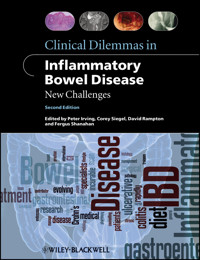
Clinical Dilemmas in Inflammatory Bowel Disease E-Book
68,99 €
Mehr erfahren.
- Herausgeber: John Wiley & Sons
- Kategorie: Fachliteratur
- Sprache: Englisch
The second edition of Clinical Dilemmas in Inflammatory Bowel Disease: New Challenges, is a practical, up-to-date handbook providing expert guidance on specific clinical dilemmas and areas of difficulty that the gastroenterologist regularly faces in day-to-day practice. In this new edition, 75% of the "dilemmas" are brand new dilemmas facing the IBD specialist concerning emerging treatment therapies, such as the use of cannabinoids and Viagra for Crohn's disease. The remaining 25% of the dilemmas are fully updated from the previous edition, incorporating the latest clinical thinking. Each of the 57 evidence-based chapters contains clear learning points, addresses different topics, and provides sound guidance on subjects ranging from optimizing current management through to special management problems and novel treatments. This book is suitable for all medical professionals involved in the care of patients with IBD: established and trainee gastroenterologists, colorectal surgeons, pathologists, radiologists, specialist nurses, pharmacists, dieticians and counselors.
Sie lesen das E-Book in den Legimi-Apps auf:
Seitenzahl: 617
Veröffentlichungsjahr: 2011
Ähnliche




















Contents
Cover
Title Page
Copyright
Contributors
Preface
Part I: Genes and Phenotype in IBD
Chapter 1: Which will take us further in IBD—study of coding variation or epigenetics?
Gene expression: sequence variation versus epigenetic factors
Genetic variation in IBD
Regulation of gene expression in IBD
Limitations of current studies of epigenetic mechanisms in IBD
Conclusions
Chapter 2: IBD in different ethnic groups: same or different?
Introduction
Genotype
Phenotype
Dysplasia in UC
Extraintestinal Manifestations
Conclusions
Part II: Bugs and IBD—Good, Bad, or Indifferent?
Chapter 3: How does the risk of infection influence management of IBD around the world?
Introduction
Acute bacterial and parasitic infections mimicking IBD flare
Influence of IBD therapies on the risk of infection
Conclusion
Chapter 4: Traveling with IBD
Introduction
IBD, infections, and vaccination
Pretravel preparation
Chapter 5: What to do about hepatitis B and hepatitis C in patients with IBD
Introduction
IBD and chronic viral hepatitis
Effect of treatment for IBD on viral hepatitis
Treatment of IBD in patients with HBV
Treatment of IBD in patients with HCV
Treatment of viral hepatitis—effect of interferon on IBD
Conclusions
Chapter 6: CMV in IBD—passenger or pathogen?
Introduction
Diagnosis of CMV infection
Conclusions and recommendations
Chapter 7: Clostridium difficile in IBD: impact, prevention, and treatment
Introduction
Prevalence and impact
Presentation and assessment
Diagnosis
Prognosis
Treatment
Prevention
Conclusions
Chapter 8: Prebiotics and synbiotics: panacea or placebo
Introduction: the pathogenesis of inflammatory bowel disease (IBD)
The microbiota in IBD
Probiotics in IBD
Prebiotics and synbiotics: introduction
Conclusions
Chapter 9: Worms: light at the end of their burrow
Introduction
Hygiene hypothesis/rational for helminthic therapy
Conclusion
Chapter 10: Do we really need to vaccinate all patients with IBD?
What constitutes immunocompromised status?
Conclusion
Part III: Investigating IBD
Chapter 11: Biomarkers in IBD: myth or marvel?
Introduction
Classical biomarkers
Fecal biomarkers
Emerging serological biomarkers
Conclusions
Chapter 12: Radiation exposure in IBD: how do we minimize the dangers?
Introduction
Radiation exposure in IBD
Radiation exposure and CT
Alternative imaging strategies for minimizing radiation exposure
Improving referral practices
Conclusion
Chapter 13: Surveillance colonoscopy in UC: what is the best way to do it?
Introduction
Risk stratification
Surveillance colonoscopy
Dysplasia management
Conclusion
Part IV: Medical Therapy
5-ASA
Chapter 14: New 5-ASAs for ulcerative colitis: a tiny step or giant stride forward?
Introduction
Mechanism of action and pharmacology of different formulations
Efficacy and safety of aminosalicylates for UC
Conclusion
Chapter 15: Do 5-ASAs prevent cancer?
Introduction
How might 5-ASAs protect against CRC in UC?
What is the clinical and observational evidence?
Might other drugs be chemopreventive?
Conclusion
Chapter 16: Why do we still use 5-ASAs in Crohn's disease?
Introduction
Role in inducing remission
Role in maintaining remission
Role in maintaining remission in postoperative patients
Role in chemoprevention for colorectal cancer (CRC) prevention
Conclusions
Steroids
Chapter 17: Steroids in Crohn's disease: do the benefits outweigh the dangers?
Introduction
Benefits of steroids
Limitations of therapeutic effects of steroids
Adverse effects of steroids
Co-administration of immunomodulators with steroids
Role of anti-TNF therapies
The place of steroids in treatment of Crohn's disease
Immunomodulators
Chapter 18: Thioguanine nucleotide measurement: nonadherent, underdosed, shunter, or refractory?
Introduction
Thiopurine metabolism and the role of metabolite monitoring
Indications for the measurement of thiopurine metabolites
Conclusions
Chapter 19: Thiopurines and the sun: what should be done?
Introduction
Thiopurines and the sun: what is the risk?
Molecular mechanisms of thiopurine-associated skin cancer
What should be done?
Conclusions
Acknowledgements
Chapter 20: Do thiopurines worsen risk and prognosis of cervical neoplasia?
Introduction
Thiopurines and cancer risk
The risk of cervical cancer in thiopurine-treated IBD
The prognosis of cervical cancer in thiopurine-treated IBD
AZA in patients with a history of cervical cancer
Conclusion
Minimizing risks
Chapter 21: Optimizing use of methotrexate
Introduction
Lessons from pharmacology of methotrexate [1,2]
Efficacy in IBD
Adverse effects
Conclusions (Table 21.1)
Chapter 22: Which calcineurin inhibitor and when?
Introduction
Cyclosporine in UC
Tacrolimus in UC
Pharmacology
Toxicity
When to start a calcineurin inhibitor
Conclusions
Biologics
Chapter 23: Are all anti-TNF agents the same?
Introduction
Structure and function
Pharmacokinetic properties
Immunogenicity
Clinical efficacy
Conclusions
Chapter 24: One drug or two: do patients on biologics need concurrent immunomodulation?
Introduction
Efficacy of combination therapy
Conclusion
Chapter 25: How do we identify patients needing early aggressive therapy and what should we use?
Introduction
Clinical factors identifying complicated disease
Biomarkers for predicting complicated disease
Genetic markers of complicated disease
What should we use in patients identified as requiring early aggressive therapy?
Conclusion
Chapter 26: What is the role of biologics in UC?
Introduction
When to initiate a biologic for UC
Which drug(s) to initiate
The use of biologics around the time of surgery
Conclusions
Chapter 27: What can we do with Crohn's patients who fail or lose response to anti-TNF therapy?
Treat the patient earlier in their disease course
Use concomitant immune modulation and commit to maintenance therapy
Confirm active inflammation
Defining primary nonresponse to anti-TNF therapy
Management of the Patient with Primary Nonresponse to TNF inhibitors
Management of the patient with secondary loss of response or simple relapse
Conclusions
Chapter 28: Which extraintestinal manifestations of IBD respond to biologics?
Musculoskeletal EIMs
Skin manifestations
Oral manifestations
Ocular complications of IBD
Hepatobiliary complications of IBD
Conclusion
Chapter 29: Use and abuse of biologics in pregnancy
Use of biologics during pregnancy
Use of biologics and breastfeeding (see Chapter 20)
Use of biologics and newborn management
Conclusions
Chapter 30: Is anti-TNF therapy safe to use in people with a history of malignancy?
Introduction
What is the risk of malignancy in patients treated with anti-TNF antibodies?
What is the risk of cancer recurrence or progression after anti-TNF therapy?
Should patients with previous malignancy be treated with anti-TNF therapy?
Chapter 31: The risks of immunomodulators and biologics: what should we tell patients?
Introduction
What to tell patients about possible side effects
How to tell patients about the risk of side effects
Conclusion
Chapter 32: When, how, and in whom should we stop biologics?
Introduction
Reasons for stopping anti-TNF
Available studies on anti-TNF treatment cessation in IBD
Practical considerations when stopping anti-TNF treatment in CD
Conclusions
Part V: Other Treatments
Chapter 33: Avoiding drug interactions
Introduction
Drug interactions
Warfarin
Smoking cessation
Conclusion
Chapter 34: Is there still a role for ursodeoxycholic acid treatment in patients with inflammatory bowel disease associated with primary sclerosing cholangitis?
Introduction
The PSC–IBD relationship
Effectiveness of UDCA in PSC
Chemopreventive effect of UDCA
Conclusions
Chapter 35: Stem cell transplantation for Crohn’s: will it fulfill its promise?
Introduction
What are stem cells?
Rationale for stem cell transplantation in Crohn's disease
Hematopoietic stem cell transplantation
Safety of HSCT in Crohn's disease
Mesenchymal stem cell transplantation
Conclusions
Chapter 36: Complementary therapy: is there a needle in the haystack?
How often and why is CAM used in IBD?
Conclusions
Part VI: Surgical Dilemmas in IBD
Chapter 37: Optimizing IBD patients for surgery and recovery
Introduction
Preoperative care
Operative care
Postoperative care
Chapter 38: Is surgery the best initial treatment for limited ileocecal Crohn's disease?
Introduction
Conclusion
Chapter 39: Laparoscopic or open surgery for IBD?
Introduction
Laparoscopy for Crohn's disease
Conclusion
Chapter 40: Optimizing management of perianal Crohn's disease
Introduction
Skin tags and hemorrhoids
Strictures
Fissures
Perianal abscesses
Fistulizing disease
Conclusions
Chapter 41: Does anti-TNF therapy increase the risk of complications of surgery?
Introduction
Crohn's Disease
Combined cohorts
Conclusion
Chapter 42: Pouches for indeterminate colitis and Crohn's disease: act now, pay later?
Indeterminate colitis
Crohn's disease
Conclusion
Chapter 43: Dealing with pouchitis
Introduction
Investigation
Treatment (see Figure 43.1 [3])
Preventing initial onset of pouchitis
Implications of use of antibiotics in patients with pouchitis
Part VII: Unsolved Issues in IBD
Chapter 44: Mucosal healing in IBD: does it matter?
Crohn's disease
Ulcerative colitis
Conclusions
Chapter 45: Vitamin D in IBD: from genetics to bone health via cancer and immunology
Vitamin D In IBD: from genetics to bone health via cancer and immunology
Conclusion
Chapter 46: Got milk? Medication use and nursing in women with IBD
Introduction
Effect of nursing on course of IBD
Problems and unresolved issues
Chapter 47: Does stress matter?
Introduction
Plausible mechanisms by which stress can increase gut inflammation
Conclusion
Chapter 48: IBS is common in IBD: fact or fallacy?
Introduction
What is IBS?
Chapter 49: So where is all the cancer?
Colorectal cancer in IBD remains an unsolved issue
Conclusion
A glance into the future
Part VIII: Nutrition in IBD
Chapter 50: What should patients with IBD eat?
Intervention studies
Malnutrition in IBD
“Best current advice”
Need for future work
Chapter 51: Enteral nutrition in Crohn’s—who for, when, how and which formula?
Diet and risk of IBD
Conclusions
Chapter 52: Optimizing treatment of iron deficiency anemia
Introduction
Anemia in IBD
Screening
Diagnostics
Therapy
Intravenous iron supplementation
Further therapy options
Conclusion
Part IX: Management Process
Chapter 53: IBD Standards: will they enhance patient care?
Quality of care: an overview
Quality of IBD care
Defining IBD standards: structure, process, and outcomes
Current efforts to define IBD standards
Future directions: using quality measures to enhance care
Chapter 54: Your treatment will not work if the patient does not take it
Introduction
Nonadherence to maintenance treatment in IBD
The perceptions and practicalities approach (PPA) [9]
Implications for practice
Conclusion
Chapter 55: Inflammatory bowel disease: what to tell your emergency department (ED) team
Introduction
The scale of the problem
Reasons for ER attendance
Approach to the patient with IBD presenting as an emergency
Non-IBD related attendances to ER
How to improve emergency care for patients with IBD
Chapter 56: Transitioning from pediatric to adult care
Introduction
Barriers
The transition process
Conclusion
Chapter 57: Medicolegal pitfalls in inflammatory bowel disease care
Introduction
Conclusions
Index
This edition first published 2011 © 2006, 2011 Blackwell Publishing Ltd.
Blackwell Publishing was acquired by John Wiley & Sons in February 2007. Blackwell’s publishing program has been merged with Wiley’s global Scientific, Technical and Medical business to form Wiley-Blackwell.
Registered office: John Wiley & Sons, Ltd, The Atrium, Southern Gate, Chichester, West Sussex, PO19 8SQ, UK
Editorial offices: 9600 Garsington Road, Oxford, OX4 2DQ, UK The Atrium, Southern Gate, Chichester, West Sussex, PO19 8SQ, UK 111 River Street, Hoboken, NJ 07030-5774, USA
For details of our global editorial offices, for customer services and for information about how to apply for permission to reuse the copyright material in this book please see our website at www.wiley.com/wiley-blackwell
The right of the author to be identified as the author of this work has been asserted in accordance with the UK Copyright, Designs and Patents Act 1988.
All rights reserved. No part of this publication may be reproduced, stored in a retrieval system, or transmitted, in any form or by any means, electronic, mechanical, photocopying, recording or otherwise, except as permitted by the UK Copyright, Designs and Patents Act 1988, without the prior permission of the publisher.
Designations used by companies to distinguish their products are often claimed as trademarks. All brand names and product names used in this book are trade names, service marks, trademarks or registered trademarks of their respective owners. The publisher is not associated with any product or vendor mentioned in this book. This publication is designed to provide accurate and authoritative information in regard to the subject matter covered. It is sold on the understanding that the publisher is not engaged in rendering professional services. If professional advice or other expert assistance is required, the services of a competent professional should be sought.
The contents of this work are intended to further general scientific research, understanding, and discussion only and are not intended and should not be relied upon as recommending or promoting a specific method, diagnosis, or treatment by physicians for any particular patient. The publisher and the author make no representations or warranties with respect to the accuracy or completeness of the contents of this work and specifically disclaim all warranties, including without limitation any implied warranties of fitness for a particular purpose. In view of ongoing research, equipment modifications, changes in governmental regulations, and the constant flow of information relating to the use of medicines, equipment, and devices, the reader is urged to review and evaluate the information provided in the package insert or instructions for each medicine, equipment, or device for, among other things, any changes in the instructions or indication of usage and for added warnings and precautions. Readers should consult with a specialist where appropriate. The fact that an organization or Website is referred to in this work as a citation and/or a potential source of further information does not mean that the author or the publisher endorses the information the organization or Website may provide or recommendations it may make. Further, readers should be aware that Internet Websites listed in this work may have changed or disappeared between when this work was written and when it is read. No warranty may be created or extended by any promotional statements for this work. Neither the publisher nor the author shall be liable for any damages arising herefrom.
Library of Congress Cataloging-in-Publication Data
Clinical dilemmas in inflammatory bowel disease : new challenges / edited by Peter Irving ... [et al.]. – 2nd ed. p. ; cm. Includes bibliographical references and index. ISBN-13: 978-1-4443-3454-8 (pbk. : alk. paper) ISBN-10: 1-4443-3454-9 (pbk. : alk. paper) ISBN-13: 978-1-4443-4254-3 (ePDF) ISBN-13: 978-1-4443-4257-4 (e-ISBN-10: : Wiley Online Library) [etc.] 1. Inflammatory bowel diseases. 2. Inflammatory bowel diseases–Decision making. I. Irving, Peter, 1970- [DNLM: 1. Inflammatory Bowel Diseases. WI 420] RC862.I53C553 2011 616.3′44–dc22 2011007515
A catalogue record for this book is available from the British Library.
This book is published in the following electronic formats: ePDF 9781444342543; Wiley Online Library 9781444342574; ePub 9781444342550; Mobi 9781444342567
Contributors
Ashwin N. Ananthakrishnan MD, MPH Instructor in Medicine Harvard Medical School Gastrointestinal Unit Massachusetts General Hospital Boston, MA, USA
Donna Appleton MD, MRCS Specialist Registrar Department of General and Colorectal Surgery Stafford General Hospital Stafford, UK
Judith E. Baars MSc, PhD Medical Student Erasmus University Rotterdam, The Netherlands Department of Gastroenterology and Hepatology Erasmus MC Hospital Rotterdam, The Netherlands
Jacques Belaiche PhD Professor of Gastroenterology Department of gastroenterology CHU Liège and GIGA Research University of Liège Liège, Belgium
David G. Binion MD Visiting Professor of Medicine Division of Gastroenterology, Hepatology, and Nutrition University of Pittsburgh School of Medicine Pittsburgh, PA, USA
Wojciech Blonski MD, PhD Research Scholar Division of Gastroenterology University of Pennsylvania Philadelphia, PA, USA; Department of Gastroenterology Medical University Wroclaw, Poland
Brian Bressler MD, MS, FRCPC Clinical Assistant Professor of Medicine Division of Gastroenterology University of British Columbia Vancouver, BC, Canada
Emma Calabrese MD, PhD University of Rome “Tor Vergata” Rome, Italy
Adam S. Cheifetz MD Assistant Professor of Medicine; Clinical Director, Center for Inflammatory Bowel Disease Division of Gastroenterology Beth Israel Deaconess Medical Center and Harvard Medical School Boston, MA, USA
Dorothy K.L. Chow MBChB, MD, MRCP Clinical Assistant Professor (Honorary) Department of Medicine and Therapeutics Prince of Wales Hospital The Chinese University of Hong Kong Hong Kong SAR, China
Miranda Clark BSc(Hons) Clinical Trials Coordinator University Hospital Queen’s Medical Centre Nottingham, UK
Norman R. Clark III MD Division of Gastroenterology Vanderbilt University Medical Center Nashville, TN, USA
Morven Cunningham MA(Hons), MBBS, MRCP Clinical Research Fellow Blizard Institute of Cell and Molecular Science Barts and The London School of Medicine and Dentistry Queen Mary, University of London UK
Andrew S. Day MB,ChB, MD, FRACP, AGAF Associate Professor Department of Paediatrics University of Otago Dunedin, Otago, New Zealand; Pediatric Gastroenterology Christchurch Hospital Christchurch, New Zealand
Alan N. Desmond MB, BCh, BAO, BMedSc, MRCPI Specialist Registrar Department of Gastroenterology and General Internal Medicine Cork University Hospital Wilton, Cork, Ireland
Shane M. Devlin MD, FRCPC Clinical Assistant Professor Division of Gastroenterology Inflammatory Bowel Disease Clinic The University of Calgary Calgary, AB, Canada
Geert D’Haens MD, PhD Professor of Medicine Academic Medical Centre Amsterdam, The Netherlands
Axel Dignass MD, PhD, FEBG, AGAF Professor of Medicine Head, Department of Medicine I Markus Hospital Frankfurt/Main, Germany
Glen A. Doherty MB, PhD, MRCPI Consultant Gastroenterologist Centre for Colorectal Disease St Vincent’s University Hospital/University College Dublin Dublin, Ireland
Marla C. Dubinsky MD Associate Professor of PediatricsDirector, Pediatric IBD Center Cedars Sinai Medical Center Los Angeles, CA, USA
Tim Elliott MBBS, FRACP Specialist Registrar Department of Gastroenterology Guys and St Thomas’ Hospitals London, UK
Marc Ferrante MD, PhD Consultant Gastroenterologist Department of Gastroenterology University Hospital Gasthuisberg Leuven, Belgium
Laurie N. Fishman MD Assistant Professor of Pediatrics Center for Inflammatory Bowel Disease Division of Gastroenterology and Nutrition Children’s Hospital Boston Harvard Medical School Boston, MA, USA
Phillip Fleshner MD, FACS, FASCRS Program Director, Colorectal Surgery Residency Los Angeles, CA, USA; Clinical Professor of Surgery UCLA School of Medicine Los Angeles, CA, USA
Anna Foley MBBS(Hons), FRACP Consultant Gastroenterologist Department of Gastroenterology and Hepatology Box Hill Hospital Melbourne, VIC, Australia
Graham R. Foster FRCP, PhD Professor of Hepatology Blizard Institute of Cell and Molecular Science Barts and The London School of Medicine and Dentistry Queen Mary, University of London London, UK
Richard B. Gearry MB, ChB, PhD, FRACP Associate Professor of Medicine Consultant Gastroenterologist Department of Medicine University of Otago Dunedin, Otago, New Zealand; Department of Gastroenterology Christchurch Hospital Christchurch, New Zealand
Peter Gibson MD, FRACP Professor of Medicine and Consultant Gastroenterologist Department of Gastroenterology and Hepatology Eastern Health Clinical School Monash University, Melbourne VIC, Australia
James Goodhand BSc(Hons), MBBS, MRCP Clinical Research Fellow Barts and the London School of Medicine and Dentistry Queen Mary’s University of London London, UK
Richard J. Grand MD Professor of Pediatrics Harvard Medical School Director Emeritus, Center for Inflammatory Bowel Diseases Division of Gastroenterology and Nutrition Children’s Hospital Boston Boston, MA, USA
Gauree Gupta MD Staff Physician Department of Medicine Cedars Sinai Medical Center and David Geffen School of Medicine at UCLA Los Angeles, CA, USA
Elizabeth J. Hait MD, MPH Center for Inflammatory Bowel Disease Division of Gastroenterology and Nutrition Children’s Hospital Boston Harvard Medical School Boston, MA, USA
Stephen B. Hanauer MD Professor of Medicine and Clinical Pharmacology Section of Gastroenterology, Hepatology, and Nutrition University of Chicago Medical Center Chicago, IL, USA; Chief, Section of Gastroenterology, Hepatology, and Nutrition University of Chicago Medical Center Chicago, IL, USA
Catherine A. Harwood Centre for Cutaneous Research Blizard Institute of Cell and Molecular Science Barts and The London School of Medicine and Dentistry Queen Mary University of London London, UK
Christopher J. Hawkey DM, FRCP Professor of Gastroenterology University Hospital Queen’s Medical Centre Nottingham University Hospitals NHS Trust Nottingham, UK
A. Barney Hawthorne DM, FRCP Consultant Gastroenterologist Department of Medicine University Hospital of Wales Cardiff, UK
Michael Hershman DHMSA, MSc(Hons), MS(Hons), FRCS (Eng, Ed, Glas & Irel), FICS Consultant Surgeon Department of General Surgery Stafford Hospital Stafford, UK
Rob Horne Professor of Behavioural Medicine Director, Centre for Behavioural Medicine The School of Pharmacy University of London London, UK
Peter M. Irving MD, MRCP Consultant Gastroenterologist Department of Gastroenterology Guy’s and St Thomas’ Hospitals London, UK
Jennifer L. Jones MD, MSc, FRCPC Director, MDIBD Clinic and IBD Clinical Trials Assistant Professor Departments of Medicine and Community Health Sciences and Epidemiology University of Saskatchewan Royal University Hospital Saskatoon, SK, Canada
Ahmed Kandiel MD, MPH Staff Gastroenterologist Department of Gastroenterology and Hepatology Digestive Disease Institute Cleveland Clinic Cleveland, OH, USA
Sunanda Kane MD, MSPH Professor of Medicine Mayo Clinic College of Medicine Rochester, MN, USA
Gilaad Kaplan MD, MPH, FRCPC Assistant Professor Departments of Medicine and Community Health Sciences Teaching Research and Wellness Center University of Calgary Calgary, AB, Canada
Michael D. Kappelman MD, MPH Assistant Professor Division of Pediatric Gastroenterology Department of Pediatrics University of North Carolina Chapel Hill Chapel Hill, NC, USA
Louise Langmead BSc(Hons), MD Consultant Gastroenterologist Endoscopy Unit Barts and the London NHS Trust The Royal London Hospital London, UK
Bret Lashner MD, MPH Professor of Medicine Department of Gastroenterology and Hepatology Digestive Disease Institute Cleveland Clinic Cleveland, OH, USA
Joanna K. Law MD, MA [Ed], FRCP(C) Clinical Instructor, Division of Gastroenterology University of British Columbia Vancouver, BC, Canada
Ian Craig Lawrance MBBS(Hons), PhD, FRACP Professor, School of Medicine and Pharmacology University of Western Australia Perth, WA, Australia; Director, Centre for Inflammatory Bowel Diseases Fremantle Hospital Fremantle, WA, Australia
Keith Leiper MD, FRCP Consultant Gastroenterologist Royal Liverpool University Hospital Liverpool, UK
Rupert W.L. Leong MBBS, MD, FRACP Associate Professor of Medicine (Conjoint) The University of New South Wales Sydney, NSW, Australia; Director of Endoscopy Department of Gastroenterology and Liver Services Sydney South West Area Health Service Concord and Bankstown Hospitals Sydney, NSW, Australia
John Leung MD Instructor Division of Gastroenterology Tufts Medical Center Boston, MA, USA
L. Campbell Levy MD Assistant Professor of Medicine Dartmouth Medical School Section of Gastroenterology and Hepatology Dartmouth–Hitchcock Medical Center Lebanon, NH, USA
Gary R. Lichtenstein MD Professor of Medicine Division of Gastroenterology University of Pennsylvania Philadelphia, PA, USA
Ming Valerie Lin MD Department of Internal Medicine Pennsylvania Hospital University of Pennsylvania Health System Philadelphia, PA, USA
Keith D. Lindor MD Professor of Medicine Division of Gastroenterology and Hepatology Mayo Clinic Rochester, MN, USA; Dean, Mayo Medical School Mayo Clinic Rochester, MN, USA
James O. Lindsay PhD, FRCP Consultant and Senior Lecturer in Gastroenterology, Digestive Diseases Clinical Academic Unit Barts and the London NHS Trust The Royal London Hospital Whitechapel, London, UK
Richard Logan, MB, ChB, MSc, FFPH, FRCP Professor of Clinical Epidemiology/Consultant Gastroenterologist Division of Epidemiology and Public Health Queens Medical Centre Nottingham University Hospitals Nottingham, UK
Edouard Louis MD, PhD Professor of Gastroenterology Department of Gastroenterology CHU Liège and GIGA Research University of Liège Liège, Belgium
Mark Lust MBBS, FRACP, PhD Senior Clinical Fellow in Gastroenterology Translational Gastroenterology Unit John Radcliffe Hospital Oxford, UK
Michael M. Maher MD Professor Department of Radiology Alimentary Pharmabiotic Centre University College Cork National University of Ireland Cork, Ireland
Robert G. Maunder MD Associate Professor and Staff Psychiatrist Mount Sinai Hospital and University of Toronto Toronto, ON, Canada
Jane M. McGregor MA, MB BChir, FRCP, MD Senior Lecturer and Honorary Consultant Dermatologist Barts and the London NHS Trust London, UK; Centre for Cutaneous Research Blizard Institute of Cell and Molecular Science Barts and The London School of Medicine and Dentistry Queen Mary University of London, London, UK
Simon D. McLaughlin MD, MRCP Consultant Gastroenterologist Department of Gastroenterology Royal Bournemouth Hospital Bournemouth, UK
Tina A. Mehta Department of Gastroenterology Bristol Royal Infirmary Bristol, Avon, UK
Gil Y. Melmed MD, MS Assistant Clinical Professor of Medicine Cedars Sinai Medical Center and David Geffen School of Medicine at UCLA Los Angeles, CA, USA
Owen J. O’Connor MD, FFR(RCSI), MRCSI Radiology Lecturer Department of Radiology University College Cork National University of Ireland Cork, Ireland
Tom resland MD, PhD Professor Department of GI Surgery Akershus University Hospital University of Oslo Lrenskog, Norway
Helen M. Pappa MD, MPH Instructor in Pediatrics Harvard Medical School Staff, Center for Inflammatory Bowel Diseases Division of Gastroenterology and Nutrition Children’s Hospital Boston Boston, MA, USA
Miles Parkes MA, DM, FRCP Consultant Gastroenterologist Addenbrooke’s Hospital and University of Cambridge Cambridge, UK
Kiran K. Peddi MBBS, MRCP (UK) Department of Gastroenterology Specialist Registrar and Fellow in Gastroenterology Fremantle Hospital Fremantle, WA, Australia
Conal M. Perrett MB, ChB, MRCP(UK), PhD Consultant Dermatologist and Honorary Senior Lecturer University College London Hospitals London, UK
Chris S.J. Probert MD, FRCP, FHEA Professor of Gastroenterology Bristol Royal Infirmary Bristol, UK
David S. Rampton DPhil, FRCP Professor of Clinical Gastroenterology Centre for Digestive Diseases Barts and The London School of Medicine and Dentistry London, UK
Catherine Reenaers MD, PhD Department of Gastroenterology CHU Liège and GIGA Research University of Liège Liège, Belgium
Jonathan M. Rhodes MD, FRCP, FMedSci Division of Gastroenterology School of Clinical Sciences University of Liverpool and Royal Liverpool University Hospital Liverpool, UK
Emile Richman BSc(Hons), MSc, PGCE Specialist Gastroenterology Dietitian Department of Nutrition and Dietetics Royal Liverpool University Hospital Liverpool, UK
David T. Rubin MD Associate Professor of Medicine Codirector, Inflammatory Bowel Disease Center Program Director, Fellowship in Gastroenterology, Hepatology, and Nutrition University of Chicago Medical Center Chicago, IL, USA
Matthew D. Rutter MBBS, MD, FRCP Consultant Gastroenterologist and Trust Endoscopy Lead University Hospital of North Tees Stockton-on-Tees, Cleveland, UK; Clinical Director, Tees Bowel Cancer Screening Centre University Hospital of North Tees Stockton-on-Tees, Cleveland, UK
Jeremy D. Sanderson MBBS, MD, FRCP Consultant Gastroenterologist Department of Gastroenterology St Thomas’ Hospital London, UK; Senior Clinical Research Fellow Nutritional Sciences Research Kings College London London, UK
Hermann Schulze Dr.med. Frankfurter Diakonie-Kliniken Markus-Krankenhaus Frankfurt, Germany
David A. Schwartz MD Associate Professor of Medicine Director, IBD Center Division of Gastroenterology Vanderbilt University Medical Center Nashville, TN, USA
Ernest G. Seidman MDCM, FRCPC, FACG Professor of Medicine and Pediatrics Division of Gastroenterology McGill University Health Center Faculty of Medicine McGill University Montreal, QC, Canada
Christian P. Selinger MRCP Salford Royal Hospital Department of Gastroenterology Salford, UK
Raanan Shamir MD Chairman, Institute of Gastroenterology, Nutrition, and Liver Diseases Schneider Children’s Medical Center Petach-Tikva, Israel; Professor of Pediatrics Sackler Faculty of Medicine Tel-Aviv University Tel-Aviv, Israel
Fergus Shanahan MD Professor and Chair Department of Medicine Director, Alimentary Pharmabiotic Centre University College Cork National University of Ireland Cork, Ireland
Bo Shen MD Professor of Medicine Department of Gastroenterology Cleveland Clinic Lerner College of Medicine Case Western Reserve University Cleveland, OH, USA; Staff Gastroenterologist Department of Gastroenterology Cleveland ClinicCleveland, OH, USA
Corey A. Siegel MD, MS Assistant Professor of Medicine and The Dartmouth Institute for Health Policy and Clinical Practice; Dartmouth Medical School Director, Inflammatory Bowel Disease Center Dartmouth–Hitchcock Medical Center Section of Gastroenterology and Hepatology Lebanon, NH, USA
Emmanouil Sinakos MD Research Fellow Division of Gastroenterology and Hepatology Mayo Clinic Rochester, MN, USA
Melissa A. Smith BSc(Hons), MB, ChB, MA, MRCP Specialist Registrar Department of Gastroenterology St Thomas’ Hospital Guy’s and St Thomas’ NHS Foundation Trust London, UK
Ing Shian Soon MD Resident Division of Gastroenterology Department of Pediatrics and Community Health Sciences University of Calgary Calgary, AB, Canada
Miles Sparrow MBBS, FRACP Consultant Gastroenterologist Department of Gastroenterology The Alfred Hospital Melbourne, VIC, Australia
A. Hillary Steinhart MD, FRCP(C) Inflammatory Bowel Disease Centre Mount Sinai Hospital Toronto, ON, Canada; Associate Professor of Medicine University of Toronto Toronto, ON, Canada
Venkataraman Subramanian MD, DM, MRCP (UK) Academic Clinical Lecturer (Gastroenterology) Nottingham Digestive Diseases Centre Queens Medical Centre Nottingham University Hospitals NHS Trust Nottingham, UK
Simon Travis DPhil, FRCP Consultant Gastroenterologist Translational Gastroenterology Unit John Radcliffe hospital Oxford, UK
William J. Tremaine MD Maxine and Jack Zarrow Professor Division of Gastroenterology and Hepatology Mayo Clinic Rochester, MN, USA
C. Janneke van der Woude MD, PhD Gastroenterologist Department of Gastroenterology and Hepatology Erasmus MC Hospital Rotterdam, The Netherlands
Séverine Vermeire MD, PhD Assistant Professor Department of Gastroenterology University Hospital Gasthuisberg Leuven, Belgium
Joel V. Weinstock MD Professor in Gastroenterology Division of Gastroenterology Tufts Medical Center Boston, MA, USA
Jonathan M. Wilson MBCh B, FRCS(Edin), PhD Specialist Registrar in Colorectal Surgery Department of Colorectal Surgery University College London Hospitals London, UK
Alastair Windsor MD, FRCS, FRCS (Ed), FRCS (Glas) Consultant SurgeonUniversity College London Hospitals London, UK
Henit Yanai MD University of Chicago Medical Center Chicago, IL, USA
Preface
In 2006, three of us published a short book containing about 60 pithy and sometimes provocative chapters on controversial topics in IBD. These were selected with the aim of covering areas that commonly cause clinicians difficulties in decision-making. The book was well received but because of its subject matter has inevitably, at least in some chapters, become a bit out of date. Therefore, we have now produced a new book guided by the same principles as the first. A few of the chapters in this book are updates of their predecessors, but most are entirely new, reflecting the changing challenges faced by gastroenterologists at the beginning of the millennium’s second decade. Our authors are almost all acknowledged experts in their fields and work wherever IBD is common in the world. To help widen the appeal of the book, for this edition we have engaged both a US coeditor (CS) and more US-based contributors than previously.
As before, we have deliberately chosen some tricky topics, and should point out that as editors we do not necessarily agree with all that is written here; if we did the book might be dull. Again, we hope the book will appeal both to senior and trainee gastroenterologists, as well as other members of the IBD team, and that readers will find that it provides a useful distillation and analysis of a wide range of current management dilemmas.
We are very grateful to all our coauthors, almost all of whom delivered their chapters on time and with minimal hassling. We are particularly grateful too to the team at Blackwell’s, especially Oliver Walter for his support for the project and Jennifer Seward for her editorial work.
PMI, CS, DSR, FS July 2011
Part I
Genes and Phenotype in IBD
1
Which will take us further in IBD—study of coding variation or epigenetics?
Miles Parkes
Department of Gastroenterology, Addenbrooke's Hospital and University of Cambridge, Cambridge, UK
LEARNING POINTS
Genome-wide association scans have revealed many genetic risk factors for Crohn's disease and ulcerative colitis.As with environmental risk factors, some of the genetic risk is shared and some is specific to either Crohn's disease or ulcerative colitis.Lesen Sie weiter in der vollständigen Ausgabe!
Lesen Sie weiter in der vollständigen Ausgabe!
Lesen Sie weiter in der vollständigen Ausgabe!
Lesen Sie weiter in der vollständigen Ausgabe!
Lesen Sie weiter in der vollständigen Ausgabe!
Lesen Sie weiter in der vollständigen Ausgabe!
Lesen Sie weiter in der vollständigen Ausgabe!
Lesen Sie weiter in der vollständigen Ausgabe!
Lesen Sie weiter in der vollständigen Ausgabe!
Lesen Sie weiter in der vollständigen Ausgabe!
Lesen Sie weiter in der vollständigen Ausgabe!
Lesen Sie weiter in der vollständigen Ausgabe!
Lesen Sie weiter in der vollständigen Ausgabe!
Lesen Sie weiter in der vollständigen Ausgabe!
Lesen Sie weiter in der vollständigen Ausgabe!
Lesen Sie weiter in der vollständigen Ausgabe!
Lesen Sie weiter in der vollständigen Ausgabe!
Lesen Sie weiter in der vollständigen Ausgabe!
Lesen Sie weiter in der vollständigen Ausgabe!
Lesen Sie weiter in der vollständigen Ausgabe!
Lesen Sie weiter in der vollständigen Ausgabe!
Lesen Sie weiter in der vollständigen Ausgabe!
Lesen Sie weiter in der vollständigen Ausgabe!
Lesen Sie weiter in der vollständigen Ausgabe!
Lesen Sie weiter in der vollständigen Ausgabe!
Lesen Sie weiter in der vollständigen Ausgabe!
Lesen Sie weiter in der vollständigen Ausgabe!
Lesen Sie weiter in der vollständigen Ausgabe!
Lesen Sie weiter in der vollständigen Ausgabe!
Lesen Sie weiter in der vollständigen Ausgabe!
Lesen Sie weiter in der vollständigen Ausgabe!
Lesen Sie weiter in der vollständigen Ausgabe!
Lesen Sie weiter in der vollständigen Ausgabe!
Lesen Sie weiter in der vollständigen Ausgabe!
Lesen Sie weiter in der vollständigen Ausgabe!
Lesen Sie weiter in der vollständigen Ausgabe!
Lesen Sie weiter in der vollständigen Ausgabe!
Lesen Sie weiter in der vollständigen Ausgabe!
Lesen Sie weiter in der vollständigen Ausgabe!
Lesen Sie weiter in der vollständigen Ausgabe!
Lesen Sie weiter in der vollständigen Ausgabe!
Lesen Sie weiter in der vollständigen Ausgabe!
Lesen Sie weiter in der vollständigen Ausgabe!
Lesen Sie weiter in der vollständigen Ausgabe!
Lesen Sie weiter in der vollständigen Ausgabe!
Lesen Sie weiter in der vollständigen Ausgabe!
Lesen Sie weiter in der vollständigen Ausgabe!
Lesen Sie weiter in der vollständigen Ausgabe!
Lesen Sie weiter in der vollständigen Ausgabe!
Lesen Sie weiter in der vollständigen Ausgabe!
Lesen Sie weiter in der vollständigen Ausgabe!
Lesen Sie weiter in der vollständigen Ausgabe!
Lesen Sie weiter in der vollständigen Ausgabe!
Lesen Sie weiter in der vollständigen Ausgabe!
Lesen Sie weiter in der vollständigen Ausgabe!
Lesen Sie weiter in der vollständigen Ausgabe!
Lesen Sie weiter in der vollständigen Ausgabe!
Lesen Sie weiter in der vollständigen Ausgabe!
Lesen Sie weiter in der vollständigen Ausgabe!
Lesen Sie weiter in der vollständigen Ausgabe!
Lesen Sie weiter in der vollständigen Ausgabe!
Lesen Sie weiter in der vollständigen Ausgabe!
Lesen Sie weiter in der vollständigen Ausgabe!
Lesen Sie weiter in der vollständigen Ausgabe!
Lesen Sie weiter in der vollständigen Ausgabe!
Lesen Sie weiter in der vollständigen Ausgabe!
Lesen Sie weiter in der vollständigen Ausgabe!
Lesen Sie weiter in der vollständigen Ausgabe!
Lesen Sie weiter in der vollständigen Ausgabe!




