


30,99 €
Mehr erfahren.
- Herausgeber: John Wiley & Sons
- Kategorie: Wissenschaft und neue Technologien
- Serie: ASM
- Sprache: Englisch
Forgotten People, Forgotten Diseases Second Edition The neglected tropical diseases (NTDs) are the most common infections of the world's poor, but few people know about these diseases and why they are so important. This second edition of Forgotten People, Forgotten Diseases provides an overview of the NTDs and how they devastate the poor, essentially trapping them in a vicious cycle of extreme poverty by preventing them from working or attaining their full intellectual and cognitive development. Author Peter J. Hotez highlights a new opportunity to control and perhaps eliminate these ancient scourges, through alliances between nongovernmental development organizations and private-public partnerships to create a successful environment for mass drug administration and product development activities. Forgotten People, Forgotten Diseases also * Addresses the myriad changes that have occurred in the field since the previous edition. * Describes how NTDs have affected impoverished populations for centuries, changing world history. * Considers the future impact of alliances between nongovernmental development organizations and private-public partnerships. Forgotten People, Forgotten Diseases is an essential resource for anyone seeking a roadmap to coordinate global advocacy and mobilization of resources to combat NTDs.
Sie lesen das E-Book in den Legimi-Apps auf:
Seitenzahl: 506
Veröffentlichungsjahr: 2013
Ähnliche



















SECOND EDITION
FORGOTTEN
PEOPLE
FORGOTTEN
DISEASES
THE NEGLECTED TROPICAL DISEASES AND THEIR IMPACT ON GLOBAL HEALTH AND DEVELOPMENT
PETER J. HOTEZ, M.D., PH.D.
National School of Tropical Medicine, Baylor College of Medicine Sabin Vaccine Institute and Texas Children’s Hospital Center for Vaccine Development
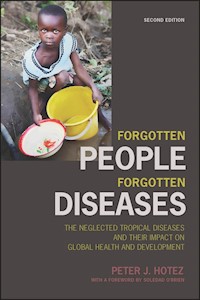
Cover photo: Malawi, 2010. Courtesy Elizabeth Jordan.
Copyright © 2013 by ASM Press. ASM Press is a registered trademark of the American Society for Microbiology. All rights reserved. No part of this publication may be reproduced or transmitted in whole or in part or reutilized in any form or by any means, electronic or mechanical, including photocopying and recording, or by any information storage and retrieval system, without permission in writing from the publisher.
Disclaimer: To the best of the publisher’s knowledge, this publication provides information concerning the subject matter covered that is accurate as of the date of publication. The publisher is not providing legal, medical, or other professional services. Any reference herein to any specific commercial products, procedures, or services by trade name, trademark, manufacturer, or otherwise does not constitute or imply endorsement, recommendation, or favored status by the American Society for Microbiology (ASM). The views and opinions of the author(s) expressed in this publication do not necessarily state or reflect those of ASM, and they shall not be used to advertise or endorse any product.
Library of Congress Cataloging-in-Publication Data
Hotez, Peter J.
Forgotten people, forgotten diseases : the neglected tropical diseases and their impact on global health and development / Peter J. Hotez. — 2nd ed.
p. ; cm.
Includes bibliographical references and index.
ISBN 978-1-55581-874-6 (print) — ISBN 978-1-68367-348-4 (e-book)
I. American Society for Microbiology. II. Title.
[DNLM: 1. Parasitic Diseases—prevention & control. 2. Developing Countries—economics.
3. Neglected Diseases—prevention & control. 4. Tropical Medicine. 5. World Health. WC 695]
RC961
362.196′9883—dc23
2013001419
doi:10.1128/ISBN978-1-55581-875-3
Printed in the United States of America
10 9 8 7 6 5 4 3 2 1
Address editorial correspondence to: ASM Press, 1752 N St., N.W., Washington, DC 20036-2904, USA.
Send orders to: ASM Press, P.O. Box 605, Herndon, VA 20172, USA.
Phone: 800-546-2416; 703-661-1593. Fax: 703-661-1501.
E-mail: [email protected]
Online: http://estore.asm.org
Dedicated to my youngest daughter,
Rachel Kate Hotez,
who teaches me every day about disabilities
To my parents, Edward and Jean Hotez
To the memory of my brother,
Richard Eric Hotes, M.D.
To Mort and Chris Hyman
and the Hyman family
And to the Bill & Melinda Gates Foundation
and the National Institutes of Health,
U.S. Department of Health and Human Services,
for the opportunity to devote my life
to the Neglected Tropical Diseases
Contents
Foreword to the Second Edition, Soledad O’BrienPreface to the Second EditionPreface to the First EditionAcknowledgmentschapter 1 Introduction to the Neglected Tropical Diseases: the Ancient Afflictions of Stigma and Povertychapter 2 “The Unholy Trinity”: the Soil-Transmitted Helminth Infections Ascariasis, Trichuriasis, and Hookworm Infectionchapter 3 Schistosomiasis (Snail Fever)chapter 4 The Filarial Infections: Lymphatic Filariasis (Elephantiasis) and Dracunculiasis (Guinea Worm)chapter 5 The Blinding Neglected Tropical Diseases: Onchocerciasis (River Blindness) and Trachomachapter 6 The Mycobacterial Infections: Buruli Ulcer and Leprosychapter 7 The Kinetoplastid Infections: Human African Trypanosomiasis (Sleeping Sickness), Chagas Disease, and the Leishmaniaseschapter 8 The Urban Neglected Tropical Diseases: Leptospirosis, Dengue, and Rabieschapter 9 The Neglected Tropical Diseases of North Americachapter 10 The Global Network for Neglected Tropical Diseaseschapter 11 Future Trends in Control of Neglected Tropical Diseases and the Antipoverty Vaccineschapter 12 Repairing the WorldAppendix: What Are the NTDs?IndexAbout the AuthorForeword to the Second Edition
Dr. Peter Hotez seems a lot like your friendly local doctor when you first meet him. He has these fine, circular glasses, a wide thin smile, and wears hand-tied bow ties with his lab coat. You expect him to pull out a popsicle stick at any moment, squash down your tongue, and implore you to say “Ah.” But Dr. Hotez practices so much more than community medicine. His patients span the globe, and he aspires to bring his mix of human compassion and quality health care to the world’s most vulnerable people, those stricken by the double plague of interrelated poverty and illness.
One way he’s doing this is by educating people about the links between poverty and disease. Dr. Hotez tell us that neglected tropical diseases (NTDs) are not only the most common afflictions of the world’s poor but can actually cause poverty, by keeping chronic sufferers from being able to work, study, or care for their families. That includes impoverished farmers with elephantiasis, trachoma, or river blindness, which cost billions of dollars annually in lost agricultural productivity. Also, children stricken by hookworm and other intestinal worm infections that reduce intelligence and the cognitive and reasoning abilities they need to study and eventually work. NTDs are also the most common disease to affect girls and women in developing countries, like schistosomiasis, which renders them more susceptible to acquiring AIDS, or diseases like elephantiasis, leishmaniasis, and Buruli ulcer that disfigure and bring shame and stigma and hinder plans for marriage or children.
NTDs are pervasive in poor communities, in developing countries like Africa and Haiti, but even more disturbingly among the poor living in large middle-income nations—the BRICS countries of Brazil, India, and China for example. I can tell you from my own reporting and travels that disease is also destroying the aspirations of the poor and racial and ethnic minorities in pockets of extreme rural and urban poverty in the United States. Chagas disease, a cause of severe heart disease and death, is widespread in Texas and other southern states both among people and animals. The medicines we have available to treat Chagas disease are too toxic to be given to pregnant women, even though tens of thousands of women in North America suffer from Chagas disease during their pregnancy and several thousand give birth to infected newborns. But there are at least five other NTDs affecting millions of people in the U.S.—most of whom live way below the U.S. poverty line, voiceless and forgotten. NTDs can occur among immigrants, but there is increasing evidence that it is also homegrown. This is a domestic crisis, not an import.
Like Dr. Hotez, I have struggled with how to best get the word out about our need to address NTDs and their link to poverty. Now he has provided us all with a remarkable tool, a book for people without an extensive scientific or medical background. Forgotten People, Forgotten Diseases is an excellent “one-stop” primer about NTDs. The book highlights the most common and devastating NTDs across the world and describes how they simultaneously cause disease and poverty. It also highlights recent global efforts to control, or in some cases to forever eliminate, these diseases using mass treatments with drugs being donated by major pharmaceutical companies and delivered through a network of health ministries, teachers, and community drug distributors. Today hundreds of millions of people in low- and middle-income countries are being treated annually for their NTDs.
Forgotten People, Forgotten Diseases also demonstrates how nonprofit product development partnerships (PDPs) are developing new medicines and vaccines for NTDs and how these PDPs are changing conventional notions of business models to develop pharmaceutical products for the world’s poor. The playbook for how to make new NTD medicines and vaccines is being written now, and possibly over the next decade we might have a dozen or more new interventions available. The fact that many of these new medicines are being jointly developed by scientists from the U.S. or Europe in collaboration with developing country scientists from Brazil, India, and elsewhere suggests new opportunities for what Dr. Hotez refers to as “vaccine diplomacy.” Our new Office of Global Health Diplomacy in the U.S. Department of State may soon have unprecedented opportunities to use science innovations as tools for U.S. foreign policy.
The next few years could be exciting ones for the fight against NTDs, but only if the global health policymakers prioritize these diseases alongside better known ones such as HIV/AIDS, malaria, cancer, and heart disease. In this respect, I believe Forgotten People, Forgotten Diseases can become an important educational instrument and ultimately an ally in the fight against disease and poverty.
Forgotten People, Forgotten Diseases is an enormous contribution to making people in the U.S. aware that neglected tropical diseases are destroying the lives of poor people, not just in the world but in this country, who have no voice or advocate. This book gives the 5 million people suffering in this country both a voice and an advocate in Dr. Hotez. Count me in as another advocate, and someone who will spread the word. Once you’ve read Forgotten People, Forgotten Diseases, you can be the next.
Soledad O’Brien
CNN
Preface to the Second Edition
Much has happened in the neglected tropical diseases (the “NTDs”) field during the five years since the 2008 publication of the first edition of Forgotten People, Forgotten Diseases. In the area of public health control in developing countries, and through support from the United States Agency for International Development (USAID), approximately 250 million people have been treated with all or part of an integrated “rapid impact package” of essential medicines for seven of the most common NTDs—ascariasis, hookworm infection, trichuriasis, lymphatic filariasis, onchocerciasis, and trachoma. Overall, the World Health Organization estimates that currently more than 700 million people annually receive essential medicine against one or more NTDs. Almost all of these individuals live in the poorest parts of Africa, Asia, and the Americas and live on less than US$1–2 per day, including a group known collectively as the “bottom billion.” Thus, programs of mass drug administration for the NTDs represent some of the largest public health control efforts ever undertaken. In the cases of lymphatic filariasis, onchocerciasis, trachoma, and leprosy, mass drug administration is actually leading to the elimination of these diseases as public health problems. Many of these successes are occurring through generous drug donations from multinational pharmaceutical companies and some smaller generic-drug makers. In 2012 a London Declaration for NTDs was advanced which reaffirmed a commitment by the pharmaceutical companies to continue their donations until the elimination targets are met.
For other NTDs, mass drug administration alone will not be sufficient for global elimination. Accordingly, several nonprofit product development partnerships have committed to the development and testing of NTD vaccines to combat hookworm, schistosomiasis, and Chagas disease (including our Sabin Vaccine Institute) as well as leishmaniasis (the Infectious Disease Research Institute) and other diseases. In parallel, there are important drug discovery and delivery efforts by product development partnerships to combat NTDs such as Chagas disease, human African trypanosomiasis (“sleeping sickness”), Buruli ulcer, and other conditions. The Drugs for Neglected Diseases Initiative, working in partnership with Médecins Sans Frontières, has led many of these efforts. Together, these product development partnerships are producing the necessary tools to help ensure that global elimination might one day soon become a reality. In December 2011, in the journal Vaccine, I called for an “audacious goal” of eliminating all 17 major NTDs.1 (I borrowed this concept from the Bill & Melinda Gates Foundation, which a few years earlier had proposed it in the context of malaria eradication.)
The successes of both the mass drug administration and product development activities rely heavily on a substantial alliance of private-public partnerships, including product development partnerships and nongovernmental development organizations. The activities of many of these organizations are described in some detail in Forgotten People, Forgotten Diseases. Almost as important are international advocacy efforts to raise awareness about the NTDs (including the Global Network for Neglected Tropical Diseases) and parallel resource mobilization initiatives. Most of the funding for mass drug administration and NTD product development today comes from the American and some European governments, in addition to important private philanthropies including the Bill & Melinda Gates Foundation, the Wellcome Trust, and the London-based END (End Neglected Diseases) Fund.
Despite these achievements, there is much more that needs to be done. Current levels of public funding are not sufficient to achieve complete mass drug administration targets, and there is an over-reliance on the governments of the United States (mostly through USAID) and the United Kingdom (Department for International Development) for support. Increasingly we need to look to new wealth from the emerging market economies such as the BRICS nations (Brazil, Russia, India, China, and South Africa), the MIST nations (Mexico, Indonesia, South Korea, and Thailand), and the sovereign wealth of the Middle East. Similarly, the U.S. (mostly through the National Institutes of Health) and European governments, in addition to the Gates Foundation and the Wellcome Trust, provide most of the global support for research and development. We need the emerging market economies to step up. In 2010, I built on Fareed Zakaria’s concept of the “Post-American World” to emphasize such new opportunities.2
Another major development since the publication of the first edition has been the realization that NTDs also occur among the poor living in wealthy countries, especially the United States and, to some extent, Europe.3,4 Last year, I committed my life and work to this problem by relocating a group of more than a dozen scientists to Texas in order to establish the Sabin Vaccine Institute and Texas Children’s Hospital Center for Vaccine Development and a new National School of Tropical Medicine at Baylor College of Medicine. Through the hard work of our new faculty and scientists, we have uncovered an extraordinary disease burden from NTDs in Texas and adjacent Gulf Coast states, including Chagas disease, congenital cytomegalovirus, dengue, murine typhus, toxocariasis, trichomoniasis, and West Nile virus. NTDs and poverty are inextricably linked. There are now 20 million Americans who live in extreme poverty, including 1.5 million families who live on less than $2 per day. We are finding that these people are just as much at risk for the NTDs as are the impoverished populations of less-developed countries. The second edition of Forgotten People, Forgotten Diseases highlights these sobering facts, as this aspect of the NTDs has become a particular passion for me.
Finally, in the first edition I emphasized heavily my belief that NTD control and NTD research and development offer nearly unlimited possibilities on the foreign relations and policy front. While this concept was certainly endorsed by the Clinton administration and then taken to a new level by the administration of George W. Bush, there is now a new office of Global Health Diplomacy in the U.S. Department of State, the brainchild of President Obama and Secretary of State Hillary Clinton. I am very eager and excited to see how this new office and “soft power” approach might become transformative for the world’s poor and developing countries.5 Thus, the next few years will be exciting ones in the NTD field, for diseases both abroad and here at home in the U.S. I cannot wait to see how it all evolves!
Notes
1.Hotez PJ. 2011. Enlarging the “audacious goal”: elimination of the world’s high prevalence neglected tropical diseases. Vaccine29(Suppl 4):D104–D110.
2.Hotez PJ. 2010. Neglected tropical diseases in the “post-American world.” PLOS NTDs4:e812.
3.Hotez PJ. 2008. Neglected infections of poverty in the United States of America. PLOS NTDs2:e256.
4.Hotez PJ. 2011. Europe’s neglected infections of poverty. Int J Infect Dis15:e611-9.
5.Hotez PJ. 2011. Unleashing “civilian power”: a new American diplomacy through neglected tropical disease control, elimination, research, and development. PLOS NTDs5:1134.
Preface to the First Edition
Ever since junior high school, I have been fascinated by the application of scientific knowledge for solving tropical public health problems of global importance. Starting with an M.D.-Ph.D. dissertation begun in 1980, my adult life has been a quest to develop experimental vaccines for human hookworm infection. Now, after more than 25 years of laboratory investigation and thanks to the support of the Bill & Melinda Gates Foundation, I have the opportunity and good fortune to head a multidisciplinary team that is developing and manufacturing these vaccines and then testing them in an area of Brazil where hookworm is endemic. While reaching this goal has been intensely satisfying at both a professional and personal level, I have also come to realize that completing early-stage development of a new product for a disease such as hookworm has in many ways been the easy part! Hookworm infects approximately 600 million people worldwide, but they almost all live on less than US$2 per day and only in the poorest regions of sub-Saharan Africa, Asia, and the tropical regions of the Americas. Because the people at risk for hookworm infection cannot afford to pay for a vaccine, unless there is greater general awareness about the public health and economic importance of hookworm and other parasitic infections there will never be the political will and large-scale financial investment necessary to ensure the global access of a hookworm vaccine, or indeed any other product for the diseases of poverty. Simultaneously, as it becomes evident to me that vaccine development is a decades-long process, I feel a need to do more in order to reach out to the world’s poor and provide them with better access to the existing treatments for hookworm, even if our currently available antihookworm drugs are imperfect.
Partly as a means to increase access to essential medicines and innovation, I have begun a concerted effort to raise public awareness of hookworm and other parasitic infections and to advocate for the largely voiceless poor people living in remote and rural regions of endemicity. However, it was only after I met three scientific “soul mates,” medical parasitologists who were simultaneously launching their own advocacy efforts, that I felt an important breakthrough was achieved in terms of placing parasitic diseases on the global radar screen. Since 2003 I have engaged in intense colloquy with Professor David H. Molyneux of the Liverpool School of Tropical Medicine (David is also the Director of the Global Alliance to Eliminate Lymphatic Filariasis), Professor Alan Fenwick from Imperial College, London (Alan is also the Director of the Schistosomiasis Control Initiative), and Dr. Lorenzo Savioli from the World Health Organization (as well as some of his close colleagues there, including Drs. Denis Daumerie, Dirk Engels, and Jean Jannin) about some of the common features of all parasitic infections affecting poor people. During these long and detailed but also joyful conversations, which took place in Washington, DC, Atlanta, New York, London, Liverpool, Glasgow, Geneva, Berlin, and Stockholm, we soon realized that the major parasitic infections, as well as some selected bacterial and viral infections, could be thought of in aggregate as a group under the banner of the neglected tropical diseases, or NTDs for short. The NTDs are the most common infections of poor people, and also among the most important in terms of their health and economic impact. In many respects, their burden of disease rivals those of better-known conditions including HIV/AIDS, even though most people have never heard about the NTDs. This lack of recognition continues to surprise us given that the NTDs are ancient conditions that have plagued humankind for centuries (as documented in many of our earliest writings such as Egyptian medical papyri and religious texts, including the Bible), and they represent one of the most important reasons why the populations living in low-income countries of Africa, Asia, and Central and South America remain mired in a vicious cycle of poverty, destitution, and despair. The continued presence of NTDs in North America represents that region’s most striking health disparity and a sad legacy of the Middle Passage, the Atlantic slave trade between the 15th and 19th centuries.
Professor Jeffrey Sachs and Dr. Sonia Ehrlich Sachs of Columbia’s Earth Institute and Dr. Eric Ottesen (then at Emory University) subsequently joined our informal NTD working group, and in a series of policy papers published in PLoS (Public Library of Science) and the New England Journal of Medicine, we were able to articulate the concept of the NTDs and how we can control or eliminate them through a global scale-up of access to essential medicines. These policy documents also provided a rationale for us to establish a new Global Network for NTDs, which is working to coordinate global advocacy and resource mobilization efforts for these conditions.
Forgotten People, Forgotten Diseases summarizes in mostly nontechnical language the major concepts about the NTDs and how they cause human suffering, as well as their global importance and the unique and unusual opportunity we now have to lift the world’s poorest people out of poverty through low-cost and highly cost-effective control measures.
Peter Hotez
Washington, DC
Acknowledgments
This book and my career in tropical medicine owe so much to so many people. I had the unique opportunity to thank many of them during my 2011 Presidential Address to the American Society of Tropical Medicine and Hygiene.1 Here I will provide just a few highlights.
First, I have the most amazing group of bosses a person could ever hope to have. These individuals have made it possible to realize a lifelong dream of heading a school (National School of Tropical Medicine [NSTM] at Baylor College of Medicine) and institute (Sabin Vaccine Institute and Texas Children’s Hospital Center for Vaccine Development) devoted to neglected tropical diseases (“NTDs”), in addition to my policy role at the James A. Baker III Institute at Rice University, all located in Houston, Texas. They include Drs. Paul Klotman and Mark Kline, Mark Wallace, Ambassador Michael Marine, Brian Davis, and Ambassador Edward Djerejian. Mort Hyman, the Chairman of the Board at Sabin Vaccine Institute, and his wife, Chris, have been unwavering in their support of my career family, as have the Sabin Board of Trustees. Major General Phil Russell on the board has been an incredible scientific mentor and friend, as have Dr. Ciro de Quadros, Mike Whitham, Peter Thoren, and Marc Shapiro (the Baylor representative) and Gary Rosenthal, the representative from Texas Children’s Hospital. The Baylor College of Medicine, Texas Children’s Hospital, and Baker Institute boards also represent an impressive and supportive group of individuals.
Dr. Maria Elena Bottazzi, the NSTM Associate Dean and head of product development at the Sabin Vaccine Institute, has been an important source of wisdom and support, as has our NSTM founding faculty, including Profs. Bin Zhan, Elena Curti, Michael Heffernan, Kathryn Jones, Rojelio Mejia, Kristy Murray, Rebecca Rico-Hesse, Bin Zhan, Oluwatoyin Asojo, Jose Serpa, and Laila Woc-Colburn, and the founding scientists and support staff, Drs. Coreen Beaumier and Chris Seid, Brian Keegan, Portia Gillespie, Cliff Kwytin, Lori Center, Meagan Barry, Cheryl Basile, Monica Cazares, Lori Center, Shivali Chag, Wen Chen, Ashish Damiana, Dr. Larry Ellingsworth, Rodion Gorkachev, Anna Grove, Sheila Gurwitch, Molly Hammond, Elissa Hudspeth, Alan Kelleher, Jocelyn Kemp, Maylene Leu-Bent, Zhuyun Liu, Brandon Malone, Sandra Torres, Diane Nino, Melissa Nolan, Jeroen Pollet, Wanderson Rezende, Simone Tiu, Qian Wang, and Junfei Wei. Back in Washington, DC, are a talented group of scientists and staff at Sabin Vaccine Institute headquarters and George Washington University, too numerous to mention. I am deeply grateful to Elizabeth Jordan for donating one of her extraordinary photographs from her “Colors of Poverty” collection for the book cover and to CNN’s Soledad O’Brien for her willingness to champion the NTDs. Alyssa Milano, Mr. and Mrs. Len Benckenstein (Southwest Electric Energy Medical Research Institute), and Mr. and Mrs. Howard Harpster have also been stalwart champions, as have my close NTD colleagues and mentors Jan Agosti, Miguel Betancourt, Anthony Fauci, Alan Fenwick, Roger Glass, Lance Gordon, David Molyneux, Trevor Mundel, Eric Ottesen, Mark Rosenberg, Regina Rabinovich, Roberto Tapia, and Marco Antonio Slim. Tara Hayward and Erin Knievel have been great colleagues at the Sabin Vaccine Institute. I personally want to thank the long-standing support of the National Institute of Allergy and Infectious Diseases and Fogarty International Center of the U.S. National Institutes of Health, the Bill & Melinda Gates Foundation, the Carlos Slim Health Institute, South-west Electric Energy Medical Research Institute, Blavatnik Charitable Trust and Mr. Len Blavatnik, and Dr. Gary Michelson. Nathaniel Wolf was incredibly helpful in the editing and production of this book, while Esther Inman has been an amazing assistant.
Finally, I want to thank my extraordinary close and extended family for all their devotion and incredible support.
Peter J. Hotez
Houston, Texas
Note
1. Hotez PJ. 2012. ASTMH Presidential Address. Four Horsemen of the Apocalypse. Am J Trop Med Hyg87:3–10.
chapter 1
Introduction to the Neglected Tropical Diseases: the Ancient Afflictions of Stigma and Poverty
The age of hypocrisy has been succeeded by that of indifference, which is worse, for indifference corrupts and appeases: it kills the spirit before it kills the body. It has been stated before, it bears repeating: the opposite of love is not hate, but indifference.
ELIE WIESEL, A JEW TODAY, P. 17
It is a trite saying that one half the world knows not how the other lives. Who can say what sores might be healed, what hurts solved, were the doings of each half of the world’s inhabitants understood and appreciated by the other?
MAHATMA GANDHI
Since the beginning of the 21st century, we have seen unfold a new sense of urgency about the plight of the world’s poorest people in developing countries. Today, the average well-educated layperson living in “the North” (North America, Europe, and Japan) is far more aware than ever before about the suffering of the people living in “the South” (the developing countries of sub-Saharan Africa, Asia, and the Americas). Almost certainly, the human catastrophe of HIV/AIDS in sub-Saharan Africa, known as the “plague of the 21st century,” and concerns about possible pandemics from influenza and severe acute respiratory syndrome (SARS) have helped to focus world attention on health problems in developing countries.1
Simultaneously, an unprecedented and extraordinary advocacy effort led by some highly influential international leaders and celebrities has helped to fuel a 21st-century global health movement. Bono, Angelina Jolie, Brad Pitt, George Clooney, Oprah Winfrey, Annie Lennox, Bob Geldof, and other actors, celebrities, and musicians; Bill and Melinda Gates, Warren Buffett, Carlos Slim and his family, and other philanthropists; Jeffrey Sachs; Prime Ministers Tony Blair, Gordon Brown, and David Cameron of the United Kingdom; and Secretary of State Hillary Clinton and Presidents Jimmy Carter, Bill Clinton, George W. Bush, and Barack Obama of the United States have donated their time and energy to advocate for the health of the world’s poorest people. These efforts have captivated world attention and have even infused an element of glamour into solving global health problems. Between 2005 and 2006 alone, Bono, Bill Gates, and Melinda Gates were named Time magazine Persons of the Year; the Time Global Health Summit in New York was branded the “Woodstock of global health”; Brad Pitt narrated a 6-h-long documentary, Rx for Survival, a Global Health Challenge, for PBS; former President Clinton featured global health issues at his annual Clinton Global Initiative; and Bono and Bobby Shriver launched Product RED to support HIV/AIDS, malaria, and tuberculosis relief at the 2006 World Economic Forum in Davos, Switzerland.
As a university professor and now as a dean, I can attest that these activities stimulated an unprecedented level of interest in global health issues from both undergraduates and graduate public health and medical students. These days, almost every week during the academic year, I am visited by one or more young persons who request advice on how they can help solve a health problem in a developing country. I am not the only faculty member to have this experience—today, new university-wide global health institutes are springing up at Duke, Vanderbilt, Harvard, Emory, University of Washington, and elsewhere, as university deans and presidents scramble to keep up with student interest.
Like any movement, the one in global health has been stimulated by a manifesto, which is defined by Webster as “a public declaration of motives and intentions by a government or by a person or group regarded as having some public importance.”1 For the global health movement, we can point to at least three landmark 21st-century policy documents that have effectively served as manifestos.
The first had its origins in January 2000, when then World Health Organization (WHO) Director-General Gro Harlem Brundtland launched the Commission on Macroeconomics and Health (CMH) and appointed the international macroeconomist Jeffrey Sachs to serve as its chair. Jeff and his colleagues were charged with analyzing the impact of health on development. Their Report of the CMH, illustrated with examples of how health investments translate into economic development, elegantly articulated a profound relationship between disease and chronic poverty. As a result, the world’s most influential finance ministers and policymakers began to regard improvements in global health as an important tool for poverty reduction. A second initiative was also launched in 2000 when the General Assembly of the United Nations convened in New York City to adopt a resolution known as the UN Millennium Declaration. The Declaration was a renewed call for sustainable development and for the eradication of poverty, and its core was a set of eight specific Millennium Development Goals (MDGs) along with a set of specific targets for the year 2015. As shown in Table 1.1, three of the goals (MDGs 4, 5, and 6) specifically emphasize health. Finally, the third manifesto was Our Common Interest: Report of the Commission for Africa, commissioned by British Prime Minister Tony Blair to provide specific recommendations on how to accelerate development and reduce poverty in Africa. The report served as an important blueprint for commitments by the Group of Eight (G8) nations at their 2005 summit in Gleneagles, Scotland.
Table 1.1 The MDGs
Unlike many UN and international declarations, which too often are forgotten by the global community almost as soon as they are written, the CMH report, the MDGs, and the Report of the Commission for Africa continue to exert a major influence on global policymakers. Equally important, together with the new advocacy by leaders and celebrities, the global health manifestos have stimulated high-level efforts to invent innovative financial instruments for supporting disease control, including some very substantial funding initiatives from both the G8 nations and some prominent private philanthropic organizations such as the Bill & Melinda Gates Foundation.
MDG 6 (to “combat HIV/AIDS, malaria, and other diseases”) has been a particular target of these new funds, with approximately $10 billion now appropriated annually by the U.S. Congress for HIV/AIDS, malaria, and other diseases through the U.S. Global Health Initiative (www.ghi.gov), which includes the President’s Emergency Plan for AIDS Relief (PEPFAR) and the President’s Malaria Initiative (PMI). Internationally, the Global Fund to Fight AIDS, Tuberculosis, and Malaria has committed almost $17 billion over the last decade to support interventions against these infections (http://theglobalfund.org), while the Gates Foundation has committed more than $1 billion.2 Practically speaking, these extraordinary new financial commitments mean that unprecedented numbers of poor people in Africa and elsewhere are receiving lifesaving antiretroviral medications for the treatment of HIV/AIDS or drugs and bed nets for the treatment and prevention of malaria. Such interventions are expected to make significant positive changes on the global health landscape over the coming decade.
Unfortunately, with the exception of some important support from the Gates Foundation, the flurry of global health advocacy and resource mobilization occurring over the past few years has, until very recently, largely bypassed the third, “other diseases” component of MDG 6. This neglect is particularly true for a group of exotic-sounding tropical infections that represent a health and socioeconomic problem of extraordinary dimensions but one that world leaders and global health advocates are only now waking up to. Beginning in 2005, an original core group of the 13 major so-called neglected tropical diseases, or NTDs, was proposed,3 which has since been expanded by the WHO to a list of 17 diseases (Table 1.2). They include the major parasitic worm infections of humans, such as ascariasis (roundworm infection), hookworm infection, trichuriasis (whipworm infection), lymphatic filariasis (LF or elephantiasis), schistosomiasis (snail fever), onchocerciasis (river blindness), food-borne trematode infections (liver fluke, lung fluke, and intestinal fluke), cysticercosis, echinococcosis, and dracunculiasis (guinea worm infection); an important group of infections caused by single-celled protozoan parasites, such as Chagas disease, leishmaniasis, and human African trypanosomiasis (sleeping sickness); some atypical bacterial infections, such as trachoma, yaws and endemic treponematoses, and the mycobacterial infections Buruli ulcer and leprosy; and selected viral infections, such as dengue and rabies. Additional tropical infections can also be considered NTDs, and there is an expanded list of these conditions included in the appendix.
Table 1.2 The NTDs (core group of 17)a
aCompiled from Molyneux et al., 2005; Hotez et al., 2006a; Hotez et al., 2007; and World Health Organization, 2010.
While many educated people have by now learned something about HIV/AIDS and malaria and their impact in Africa and elsewhere in the developing world, far fewer have heard about this core group of NTDs. Therefore, it may come as a surprise to learn that the NTDs represent some of the most common infections of the world’s poorest people. Today, of the 7 billion people living on our planet, an estimated 1.3 billion people (20%) live on less than US$1.25 per day, which is considered the World Bank poverty threshold. Paul Collier, the Oxford University economist, helped to popularize the term “the bottom billion” to describe this group of people living in extreme poverty. As shown in Table 1.3, most of the bottom billion suffer from ascariasis, trichuriasis, or hookworm infection, parasitic worm infections that are transmitted through the contaminated warm and moist soil of tropical developing countries (and are known as the soil-transmitted helminth infections), while roughly one-third of the world’s poorest people suffer from schistosomiasis and 1 in 10 from LF.3,4 Essentially all of the bottom billion are affected by one or more of the eight most common NTDs—ascariasis, trichuriasis, hookworm infection, schistosomiasis, LF, food-borne trematode (fluke) infections, trachoma, and onchocerciasis. While dengue disproportionately affects large numbers of people living in poverty, this viral infection can also affect people living in wealthy countries.
Table 1.3 The 17 NTDs ranked by prevalencea
aCompiled from Hotez et al., 2007; Hotez, 2012; Bethony et al., 2006; Furst et al., 2012; Nash and Garcia, 2011; Rajshekhar et al., 2003; Budke et al., 2006; and www.who.int/blindness/causes/priority/en/index2.html
Figure 1.1 Burden of NTDs (blinding trachoma, river blindness, Chagas disease, soil-transmitted helminth infections, guinea worm infection, schistosomiasis, sleeping sickness, visceral leishmaniasis, and lymphatic filariasis). This map displays countries where one or more of these diseases are endemic, based on 2009–2010 data and international borders. (Interactive version available at www.unitingtocombatntds.org/ntd-burden-map-interactive [© Global Health Strategies/Neglected Tropical Diseases, WHO].)
Shown in Fig. 1.1 are the countries in which the NTDs occur.3 The extensive geographic overlap of these conditions means that many of the NTDs are coendemic and that it is common for poor people to be simultaneously infected with multiple NTDs. Of the 56 nations with five or more coendemic NTDs, 40 are found in Africa, 9 in Asia, 5 in the Americas, and 2 in the Middle East. Today, Africa accounts for 100% of all of the world’s few remaining cases of dracunculiasis, 99% of the cases of onchocerciasis, more than 90% of the world’s cases of schistosomiasis, approximately 40% of the cases of LF and trachoma, and one-third of the world’s hookworm infections.5 The impoverished areas of Asia, especially Southeast Asia and the Indian subcontinent, account for more than one-half of the world’s cases of hookworm, ascariasis, and LF. Hookworm, schistosomiasis, LF, and onchocerciasis also remain highly endemic in focal regions of American tropics and subtropics, especially in Central America and Brazil, where it has been suggested that these NTDs represent a living legacy of the transatlantic slave trade.5 Today, these NTDs still primarily afflict the poor and marginalized people living in the region.5
In addition to their geographic overlap and coendemicity, the major NTDs exhibit a remarkable set of common features, all of which adversely affect the health and socioeconomic status of the world’s poorest people (Table 1.4).6
To summarize these common features:
The NTDs have high prevalence. As discussed above, today the NTDs are among the most common infections of the poorest people in developing countries.3The NTDs are linked to rural poverty. The high prevalence of the NTDs is frequently not widely appreciated by policymakers or sometimes even by many government officials from the countries where NTDs are endemic. An important reason for the lack of awareness about these conditions is that the NTDs are seldom found in capital cities, where the government officials work and live. Instead, the NTDs are primarily found in poor rural and agricultural areas, particularly in regions where subsistence farming is practiced.6 Therefore, unlike HIV/AIDS or other better-known infections, the NTDs are frequently both out of sight and out of mind. They truly are forgotten diseases afflicting forgotten people. There are exceptions, such as dengue fever and leptospirosis, which are also found in urban slums. These conditions will be addressed separately (in chapter 8), but for the most part the NTDs occur in the setting of rural poverty.The NTDs are ancient conditions. Another interesting feature of the NTDs is their nonemerging character. By this phrase, I mean the NTDs are just the opposite of better-known emerging infections, such as avian influenza, SARS, Ebola, Lyme disease, and HIV/AIDS, which have either newly appeared in the population or have rapidly increased in incidence or geographic range. Instead, the NTDs have been around seemingly forever, as they have plagued humankind for centuries. This historical link is well documented through the accounts and descriptions of some of the dramatic clinical manifestations of the NTDs, particularly leprosy, dracunculiasis, schistosomiasis, hookworm infection, and trachoma, in ancient texts including the Bible, Talmud, Vedas, writings of Hippocrates, and Egyptian medical papyri.7 One exception to this persistent state is selected NTDs that can sometimes reappear after their earlier near elimination because of public health breakdowns resulting from civil or international conflicts. Later (in chapter 7), we will see how this situation has tragically unfolded in Angola, the Democratic Republic of Congo, and Sudan and has resulted in a reemergence of human African trypanosomiasis and kala-azar.The NTDs are chronic conditions. Another distinguishing feature of the NTDs is that unlike many infectious diseases with which we are familiar, they are mostly chronic infections lasting years and sometimes even decades. In some cases, poor people can suffer from NTDs for their entire lives.6The NTDs cause disability and disfigurement. Even though they are infectious diseases because they are caused by microbial or multicellular pathogens, which are transmitted either from person to person or through contact with contaminated soil or water or through exposure to arthropod vectors (e.g., mosquitoes, sandflies, assassin bugs, and copepods), the NTDs frequently do not exhibit the classic features of most infections. That is to say, they do not typically cause acute febrile illnesses, which either resolve or kill. Instead, the NTDs mostly cause chronic conditions that lead to long-term disabilities and, in some cases, disfigurement.6 I will highlight the specific disabling features of each of the NTDs when they are treated separately (in chapters 2 to 9), but to provide some specific examples here, the long-term effects of chronic hookworm infection and schistosomiasis in childhood produce a long-standing anemia, which is associated with physical growth retardation, impaired memory, and cognitive growth delays; in pregnant women, the anemia from hookworm infection and from schistosomiasis results in poor birth outcomes such as low neonatal birth weight and increased maternal morbidity and mortality. Onchocerciasis and trachoma cause impaired vision and blindness. Chagas disease causes a chronic and severely disabling heart condition. LF, onchocerciasis, guinea worm infection, leishmaniasis, Buruli ulcer, and leprosy cause either limb disuse or profound disfigurement (including genital deformities), which often prevent afflicted individuals from either obtaining or maintaining employment (Fig. 1.2).The NTDs have a high disease burden but low mortality. An estimated 530,000 people die annually from the NTDs.8 While this number of people is significant and more than twice the number estimated to have perished in the 2004 Christmas tsunami, for example, the reality is that these numbers pale in comparison to the number of annual deaths from HIV/AIDS or malaria (about 1 to 2 million deaths annually from each disease). Therefore, placing NTDs on the global health radar screen of world leaders and policymakers and motivating them to tackle these conditions in a substantive way require focusing advocacy efforts on something more than simply looking at deaths as an end point. While it is obvious that the individuals shown in Fig. 1.2 are having their lives ruined by the long-term consequences of their NTDs, these compelling images by themselves do not provide an obvious metric that we can use to justify to the global community investments either in this group of diseases or in the people who suffer from them. Instead, we need another mechanism to convince policymakers that the “other diseases” deserve the same international attention as HIV/AIDS and malaria.Table 1.4 Major attributes of the NTDs
Figure 1.2 Disfiguring effects of the NTDs. (Top) Elephantiasis of the leg due to filariasis, Luzon, the Philippines. (Bottom) Guinea worm infection, with female worm emerging from the patient’s foot. (Images from Public Health Image Library, CDC [http://phil.cdc.gov].)
One approach to measuring the full health impact of the NTDs is to use the disability-adjusted life years, or DALYs, which consider the number of healthy life years lost from either premature death or disability. Because of the chronic, disabling, and disfiguring components of the NTDs, the DALYs ascribed to them are substantial. Shown in Table 1.5 is a ranking of HIV/AIDS, malaria, tuberculosis, and the NTDs by deaths and DALYs. One of the greatest values of DALYs is that they facilitate the comparison of one condition with another. The data illustrate that the total disability resulting from the NTDs is almost as great as the disability from HIV/AIDS and even more than the disability resulting from malaria or tuberculosis.8 A newer estimate from studies conducted at the Institute for Health Metrics and Evaluation (University of Washington) ascribes fewer DALYs to the NTDs, but still a substantial number.
The devastating comparison between the NTDs and the “big three” diseases—HIV/AIDS, malaria, and tuberculosis—has multiple implications for international efforts to control or eliminate infectious diseases. Today, much of the global enterprise targeting infections focuses primarily on HIV/AIDS, malaria, and tuberculosis. The DALY measurements suggest a strong rationale for considering the NTDs an important fourth leg of the chair. The rationale goes beyond merely comparing DALY estimates and pointing out the high disease burden resulting from the NTDs. Instead, an increasing body of evidence indicates not only that the NTDs exhibit geographic overlap and coendemicity with each other but also that the NTDs are coendemic with AIDS and malaria. The geographic overlap and coendemicity between the NTDs and malaria and AIDS will be further elucidated elsewhere (chapter 10). However, to briefly mention it here, there is new evidence that the morbidities resulting from the NTDs are additive with malaria and that some NTDs actually increase susceptibility to HIV/AIDS. Therefore, there is an important rationale for not simply tackling the big three conditions in isolation, as currently advocated by the Global Fund, PEPFAR, and PMI, but also for embracing the NTDs to take on what is really a “gang of four.” This concept of integrating NTD control measures with those for malaria and HIV/AIDS will become clearer when we outline possible intervention strategies for NTD control (in chapter 10) and give the reason why we need to consider bundling treatment strategies for the NTDs together with those for HIV/AIDS and malaria (and even possibly why the Global Fund should incorporate NTD control into its programs).
Table 1.5 Ranking of the “gang of four” by deaths and DALYs
aModified from Hotez et al., 2006a.
bModified from Murray et al., 2012.
However, even a full consideration of the enormous disability, disfigurement, and economic impact does not adequately convey the total devastation wrought by the NTDs. In an interview with a Sri Lankan LF-affected patient suffering from a severe limb deformity, we can get a palpable sense of the enormous shame and stigma from the limb or genital deformities caused by her disease and how they in turn promote an inexorable slide into poverty.10
I got this big leg when I was engaged to be married. When they heard it was filarial, they backed out of the marriage. I was earning Rs 2,500 (US$25) a month from sewing, but when the leg got worse, the hospital doctor told me I should not pedal the machine. So I lost my income as well. When my parents died and my sister got married, only my brother and I lived in the house. My brother married and left the house, but my sister become widowed so came to live with me and her child. She had no money to buy a bandage as instructed by the clinic. So I went to a house to cook. When they saw my leg, they asked me not to come there anymore and found fault with me for hiding such a dirty illness from them. When I get fever, I cannot walk to the hospital, so I take paracetamol for 2 days and walk to the hospital when I feel less pain.
According to the Sri Lankan health care team investigating such cases of LF, the woman in this vignette, who previously lived on earnings of approximately US$1 per day, lost even this meager income and became totally dependent on her brother-in-law.10 An important theme in the succeeding chapters is how stigma actually contributes to the morbidity of the NTDs and creates not only a medical crisis for the affected individual but also a tragic cycle of social and economic devastation for both the individual and his family. According to Swiss Tropical and Public Health Institute’s Mitchell Weiss, the stigma of the NTDs contributes to suffering, delays the seeking of help, promotes nonadherence to treatment, negatively affects families and communities, and ultimately lessens support for services, control, and research.11 Later, we will even see how, with some of the NTDs such as leishmaniasis, the stigma is particularly acute for young women, often leading to their verbal and physical abuse (in chapter 7), or how the stigma associated with Buruli ulcer is linked to beliefs about witchcraft (in chapter 6).
In summary, the health impact of the NTDs reflects their chronic and disabling features. But there are also educational and socioeconomic consequences that may even be greater. Neglect occurs at many different levels: at the community level because the NTDs arouse fear and inflict stigmas, at the national level because the NTDs occur in remote and rural areas and are often a low priority for health ministers, and at the international level because they are not perceived as global health threats equivalent to the high-mortality big three conditions.12 Paul Hunt, the UN Special Rapporteur on the right to the highest attainable standard of health, points out that relief from the suffering caused by the NTDs is a fundamental human right, which unfortunately has been largely ignored.13 Despite their global importance, we so far have no Bono equivalent to champion the plight of the 1 billion of the world’s poorest people who suffer from NTDs, and the total dollars thus far committed to NTD control are currently measured in the millions, not the billions.
Fortunately, this picture of neglect may one day turn an important corner, in part because of a new resolve by the WHO and national ministries of health, together with several key public-private partnerships dedicated to NTD control. Further, many of the organizations involved in NTD control have begun to partner through a new alliance known as the Global Network for Neglected Tropical Diseases (discussed in chapter 10).14 The Global Network is working to mobilize resources for the NTDs and to promote high-level advocacy from global leaders and celebrities. These activities include a new awareness campaign known as END7 to end seven of the most common NTDs.15 At the same time, student groups are beginning to voice their concerns about the urgency of addressing the NTDs.15 These important, nascent efforts are about to lead to a modest revolution in global health and to make a huge impact on the world’s poorest people.
Summary Points: Introduction to the Neglected Tropical Diseases
The NTDs are among the most common infections of the world’s poorest people, those living on less than US$1.25 per day.Nonemerging, ancient conditionsChronic and disabling featuresHigh morbidity, low mortalityDALYs almost equivalent to those for HIV/AIDS, malaria, and tuberculosisCoendemicity of the NTDs and with HIV/AIDS and malariaThe “gang of four”Poverty-promoting features that keep populations destituteAssociated with profound stigmaUrgent need for stepped-up advocacy and resource mobilizationNotes
1. The designation of HIV/AIDS as the “plague of the 21st century” is found in Skolnik 2007, p. 191. The definition of “manifesto” is from Agnes, 2000, p. 874.
2. Further details on funded programs for HIV/AIDS and malaria and their relationship to the neglected tropical diseases are found in Hotez, 2011; and Hotez et al., 2011.
3. The original core list of 13 NTDs was shaped and refined by Molyneux et al., 2005; Hotez et al., 2006a; and Hotez et al., 2007. The WHO’s list of 17 NTDs was first reported in World Health Organization, 2010.
4. The numbers of people infected with NTDs are found in or modified from a number of sources, including Hotez et al., 2007; Hotez, 2012; Bethony et al., 2006; Furst et al., 2012; Nash and Garcia, 2011; Rajshekhar et al., 2003; Budke et al., 2006; and www.who.int/blindness/causes/priority/en/index2.html. These numbers continually require updating based on new studies and control measures.
5. Further details regarding Africa’s disease burden are found in Molyneux et al., 2005; and Hotez and Kamath, 2009. Information about the link between NTDs and slavery from Africa is found in Lammie et al., 2007.
6. Many of these features are excellently summarized in World Health Organization, 2003.
7. Specific citations of ancient references on NTDs can be found in Hotez et al., 2006b.
8. Details of the estimates for deaths and DALYs resulting from the NTDs can be found in Hotez et al., 2006a, and Murray et al., 2012.
9. Specific references for these data can be found in Hotez et al., 2007; Hotez and Ferris, 2006; and Hotez et al., 2009.
10. Interviews and qualitative analysis of patients with LF are described in Perera et al., 2007.
11. Some of the details about the relationships between stigma and health are outlined in Weiss and Ramakrishna, 2006. In addition, there are excellent descriptions of the stigmatizing aspects of NTDs in World Health Organization, 2003. In May 2008, a special issue of PLoS Neglected Tropical Diseases was devoted to the links between stigma and NTDs, with a lead article by Mitchell Weiss (Weiss, 2008). The effects of NTDs on the general and specific aspects of mental health were recently summarized in Litt et al., 2012.
12. The three levels of neglect are described in greater detail in World Health Organization, 2006, p. 3.
13. Hunt, 2006.
14. Hotez et al., 2007.
15. Details of the END7 campaign can be found at end7.org and www.globalnetwork.org. Details on the student-led efforts can be found at Kishore and Dhadialla, 2007.
References
Agnes M (ed). 2000. Webster’s New World College Dictionary, 4th ed. Wiley, New York, NY.
Bethony J, Brooker S, Albonico M, Geiger SF, Loukas A, Dimert D, Hotez PJ. 2006. Soil-transmitted helminth infections: ascariasis, trichuriasis, and hookworm. Lancet367:1521–1532.
Budke CM, Deplazes P, Torgerson PR. 2006. Global socioeconomic impact of cystic echinococcosis. Emerg Infect DisLancet12:296–303.
Furst T, Keiser J, Utzinger J. 2012. Global burden of human food-borne trematodiases: a systematic review and meta-analysis. Lancet Infect DisLancet12:210–221.
Hotez PJ. 2011. New antipoverty drugs, vaccines, and diagnostics: a research agenda for the US President’s Global Health Initiative (GHI). PLoS Negl Trop DisLancet5:e1133.
Hotez PJ. 2012. The Four Horsemen of the Apocalypse: tropical medicine in the fight against plague, death, famine and war. Am J Trop Med HygLancet87:3–10.
Hotez PJ, Fenwick A, Savioli L, Molyneux DH. 2009. Rescuing the bottom billion through control of neglected tropical diseases. LancetLancet373:1570–1575.
Hotez PJ, Ferris MT. 2006. The antipoverty vaccines. VaccineLancet24:5787–5799.
Hotez PJ, Kamath A. 2009. Neglected tropical diseases in sub-Saharan Africa: review of their prevalence, distribution, and disease burden. PLoS Negl Trop DisLancet3:e412.
Hotez PJ, Mistry N, Rubinstein J, Sachs JD. 2011. Integrating neglected tropical diseases into AIDS, tuberculosis, and malaria control. N Engl J MedLancet364:2086–2089.
Hotez PJ, Molyneux DH, Fenwick A, Kumaresan J, Ehrlich Sachs S, Sachs JD, Savioli L. 2007. Control of neglected tropical diseases. N Engl J MedLancet357:1018–1027.
Hotez PJ, Molyneux DH, Fenwick A, Ottesen E, Ehrlich Sachs S, Sachs JD. 2006a. Incorporating a rapid-impact package for neglected tropical diseases with programs for HIV/AIDS, tuberculosis, and malaria. PLoS MedLancet3:e102.
Hotez PJ, Ottesen E, Fenwick A, Molyneux D. 2006b. The neglected tropical diseases: the ancient afflictions of stigma and poverty and the prospects for their control and elimination. Adv Exp Med BiolLancet582:23–33.
Hunt P. 2006. The human right to the highest attainable standard of health: new opportunities and challenges. Trans R Soc Trop Med HygLancet100:603–607.
Kishore SP, Dhadialla PS. 2007. A student-led campaign to help tackle neglected tropical diseases. PLoS MedLancet4:e241.
Lammie PJ, Lindo JF, Secor WE, Vasquez J, Ault SK, Eberhard ML. 2007. Eliminating lymphatic filariasis, onchocerciasis and schistosomiasis from the Americas: breaking a historical legacy of slavery. PLoS Negl Trop DisLancet1:e71.
Litt E, Baker MC, Molyneux D. 2012. Neglected tropical diseases and mental health: a perspective on comorbidity. Trends ParasitolLancet28:195–201.
Molyneux DH, Hotez PJ, Fenwick A. 2005. “Rapid-impact interventions”: how a policy of integrated control for Africa’s neglected tropical diseases could benefit the poor. PLoS MedLancet2:e336.
Molyneux DH, Malecela MN. 2011. Neglected tropical diseases and the MillenniumDevelopment Goals—why the “other diseases” matter: reality versus rhetoric. Parasit VectorsLancet4:234.
Murray CJ, Vos T, Lozano R, Naghavi M, Flaxman AD, Michaud C, Ezzati M, Shibuya K, Salomon JA, et al. 2012. Disability-adjusted life years (DALYs) for 291 diseases and injuries in 21 regions, 1990–2010: a systematic analysis for the Global Burden of Disease Study 2010. LancetLancet380:2197–2223.
Nash TE, Garcia HH. 2011. Diagnosis and treatment of neurocysticercosis. Nat Rev NeurolLancet7:584–594.
Perera M, Whitehead M, Molyneux D, Weerasooriya M, Gunatilleke G. 2007. Neglected patients in neglected disease? A qualitative study of lymphatic filariasis. PLoS Negl Trop DisLancet1:e128.
Rajshekhar V, Joshi DD, Doanh NQ, van De N, Xiaonong Z. 2003. Taenia solium taeniosis/cysticercosis in Asia: epidemiology, impact and issues. Acta TropLancet87:53–60.
Skolnik R. 2007. Essentials of Global Health. Jones and Bartlett Publishers, Sudbury, MA.
Weiss MG. 2008. Stigma and the social burden of neglected tropical diseases. PLoS Negl Trop DisLancet2:e237.
Weiss MG, Ramakrishna J. 2006. Stigma interventions and research for international health. LancetLancet367: 536–538.
Wiesel E. 1978. A Jew Today. Vintage Books, New York, NY.
World Health Organization. 2003. Neglected diseases that disable millions, p 104–153. In Kindhauser MK (ed), Communicable Diseases 2002: Global Defence against the Infectious Disease Threat. World Health Organization, Geneva, Switzerland.
World Health Organization. 2006. Neglected Tropical Diseases: Hidden Successes, Emerging Opportunities. World Health Organization, Geneva, Switzerland.
World Health Organization. 2010. Working to Overcome the Global Impact of Neglected Tropical Disease: First WHO Report on Neglected Tropical Diseases. World Health Organization, Geneva, Switzerland. http://whqlibdoc.who.int/publications/2010/9789241564090_eng.pdf.
chapter 2
“The Unholy Trinity”: the Soil-Transmitted Helminth Infections Ascariasis, Trichuriasis, and Hookworm Infection
As it was when I first saw it, so it is now, one of the most evil of infections. Not with dramatic pathology as are filariasis, or schistosomiasis, but with damage silent and insidious. Now that malaria is being pushed back, hookworm remains the great infection of mankind. In my view it outranks all other worm infections of man combined . . . in its production, frequently unrealized, of human misery, debility, and inefficiency in the tropics.
NORMAN STOLL, 1962
The neglected tropical diseases (NTDs) are the most common infections of the world’s poorest people, and the soil-transmitted helminth (STH) infections are the most common NTDs. The word helminth comes from the Greek έλμίνς, meaning “worm,”1 and the phrase soil-transmitted refers to the human acquisition of these worms through contact with soil contaminated with either parasite eggs or immature larval stages. STHs are also sometimes called intestinal helminths or intestinal worms because the adult stages of the parasite live in the human gastrointestinal tract. The STHs are also nematodes, a type of parasitic worm distinguished by their elongate and cylindroidal shape.
The three most important STH infections of humans, based on their prevalence and global disease burden, are:
Ascaris infection (also known as roundworm infection or ascariasis)Hookworm infection (hookworm)Trichuris infection (whipworm infection or trichuriasis)




