


9,99 €
Mehr erfahren.
- Herausgeber: Daniel Zaborowski
- Sprache: Englisch
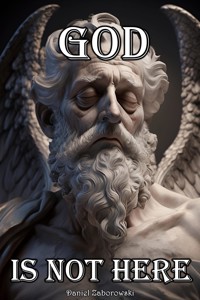
The ebook "The God is Not Here - The Evidence Against the Divine Being" is a comprehensive exploration of the arguments against the existence of a divine being. Through a thorough examination of scientific, philosophical, theological, historical, and ethical arguments, the book provides a nuanced analysis of the evidence for and against the existence of God. The book begins with an overview of the different concepts of God and the importance of examining the evidence for and against the existence of a divine being.
The scientific arguments presented in the book include the Big Bang theory, the theory of evolution, the laws of thermodynamics, and the findings of neuroscience. The philosophical arguments discussed in the book include the problem of evil, the argument from nonbelief, the argument from consciousness, and the argument from analogy and lack of evidence. The theological arguments presented in the book include the inconsistencies and contradictions in religious texts, the diversity of religious beliefs, the problem of divine hiddenness, and the absence of universally accepted proof of God's existence.
The historical arguments discussed in the book include the lack of credible evidence for the existence of God, the historical reliability of religious texts, the changing nature of religious beliefs over time, and the relationship between religion and politics. The ethical arguments presented in the book include the ethical implications of belief in God, the absence of a universal moral code, the challenge of defining God's morality, and the relationship between religion and violence.
In conclusion, the ebook provides a thoughtful and well-reasoned analysis of the arguments for the non-existence of God, and provides a final evaluation of the evidence for and against the existence of a divine being. The book is a valuable resource for anyone looking to understand the complexities of this ongoing debate.
Das E-Book können Sie in Legimi-Apps oder einer beliebigen App lesen, die das folgende Format unterstützen:
Veröffentlichungsjahr: 2023
Ähnliche



















The God is Not Here: The Evidence Against the Divine Being
Daniel Zaborowski
Published by Daniel Zaborowski, 2023.
While every precaution has been taken in the preparation of this book, the publisher assumes no responsibility for errors or omissions, or for damages resulting from the use of the information contained herein.
THE GOD IS NOT HERE: THE EVIDENCE AGAINST THE DIVINE BEING
First edition. February 6, 2023.
Copyright © 2023 Daniel Zaborowski.
Written by Daniel Zaborowski.
10 9 8 7 6 5 4 3 2 1
Table of Contents
Title Page
Copyright Page
Introduction
Scientific Arguments
Philosophical Arguments
Theological Arguments
Historical Arguments
Religious Experience and Evidence for the Existence of God
Famous past and present atheists
Famous quotes about God
Conclusion
Introduction
The purpose of this book is to present a comprehensive examination of the evidence against the existence of God. Throughout the chapters that follow, we will be taking a deep dive into the scientific, philosophical, theological, historical, and ethical arguments that have been put forward as evidence against the existence of a divine being.
The question of whether or not God exists is one of the most debated and contested topics in human history. For centuries, people have been grappling with this question, trying to find proof one way or another. While there are those who believe in the existence of God, there are just as many, if not more, who do not.
In this book, we will be looking at the evidence against the existence of God, and we will be exploring the many arguments that have been put forward to support this position. Our goal is to provide a balanced, objective examination of the evidence, and to present the arguments in a clear and concise manner.
One of the main arguments that will be presented in this book is the scientific argument against God's existence. We will be examining the evidence from the fields of biology, physics, and astronomy, among others, to see how they support or detract from the existence of a divine being.
We will also be exploring the philosophical arguments against God's existence. We will be examining the many different philosophical schools of thought, including skepticism, nihilism, and existentialism, and we will see how these philosophies support or detract from the existence of God.
The theological argument against God's existence will also be explored in this book. We will be examining the many different religious beliefs and practices, including Christianity, Islam, Judaism, Hinduism, and Buddhism, among others, and we will see how these beliefs support or detract from the existence of a divine being.
In addition to the scientific, philosophical, and theological arguments, we will also be examining the historical arguments against God's existence. We will be looking at the historical reliability of religious texts, including the Bible, the Quran, and the Bhagavad Gita, among others, and we will see how these texts support or detract from the existence of God.
Finally, we will be examining the ethical arguments against God's existence. We will be exploring the many different moral codes that have been put forward over the centuries, and we will see how these moral codes support or detract from the existence of a divine being.
It is important to note that this book is not meant to be an attack on religion or the belief in God. Instead, our goal is to present a balanced examination of the evidence, and to provide readers with the information they need to make an informed decision about the existence of God.
This book presents a comprehensive examination of the evidence against the existence of God. Through the use of scientific, philosophical, theological, historical, and ethical arguments, we hope to provide a balanced and objective examination of the evidence, and to give readers the tools they need to make an informed decision about the existence of God.
Definition of God and the different concepts of divine beings
The definition of God has been a subject of debate for centuries. The concept of a divine being has been present in many cultures and religions throughout history, with each having its own unique interpretation of what God is and what role the divine plays in the world. In this book, we will be examining the different concepts of divine beings and exploring the evidence for and against the existence of God.
One of the first things that must be established in this discussion is a clear definition of what we mean by God. For some, God is a personal deity who interacts with the world and with individuals. For others, God is an abstract force or principle that governs the universe. And for still others, God is simply an idea or a belief, without any concrete form or substance.
Regardless of the definition, the concept of a divine being has been a central part of human culture and history. In many cultures and religions, God is seen as the creator of the universe, the source of all life and morality, and the one who holds ultimate authority over the world.
One of the earliest and most well-known concepts of God is the monotheistic God of Judaism, Christianity, and Islam. This God is often seen as a personal deity who is omnipotent, omniscient, and benevolent. According to these religions, God created the world, sustains it, and interacts with it through various means, such as prophecy and divine revelation.
Another concept of God is the pantheistic God of Hinduism and some forms of spirituality. In this belief system, God is seen as an all-encompassing force that is present in all things and that underlies the entire universe. This concept of God is often associated with the idea of cosmic unity and the interconnectedness of all things.
There are also many other concepts of divine beings, including the polytheistic gods of ancient Greek and Roman mythology, the gods of indigenous cultures, and the spiritual forces and entities of various New Age and spiritualist belief systems.
Despite the many different concepts of God that exist, the central question remains the same: does God actually exist? This is a question that has been the subject of much debate and discussion for centuries, and it is one that has important implications for our understanding of the world and our place in it.
Overview of the different perspectives on the existence of God
One of the key perspectives on the existence of God is theism, which asserts that God exists as a personal deity who is all-powerful, all-knowing, and all-good. Theists believe that God created the universe and is actively involved in the world, guiding and directing human events. This perspective is central to many major world religions, including Judaism, Christianity, and Islam.
Another perspective is deism, which asserts that God exists as a non-interventional creator who set the universe in motion but does not interact with it. Deists believe that God created the laws of the universe and established natural order, but is not actively involved in the world.
A third perspective is atheism, which asserts that God does not exist. Atheists reject the idea of a divine being and believe that the universe and all its phenomena can be explained through natural causes. This perspective is based on scientific evidence, critical thinking, and a rejection of supernatural explanations for the world.
A fourth perspective is agnosticism, which asserts that the existence of God is unknown and may be unknowable. Agnostics do not take a stance on the existence of God, and instead believe that the question of God's existence is beyond human comprehension.
In addition to these perspectives, there are also many different interpretations of what God is and what role the divine plays in the world. Some believe in a personal deity who is all-powerful and benevolent, while others believe in a more abstract force or principle that governs the universe. There are also those who believe in multiple gods, or a pantheon of divine beings, and still others who believe in the existence of spiritual entities and forces.
Regardless of the perspective or interpretation, the question of the existence of God is one that has important implications for our understanding of the world and our place in it. It affects our views on morality, ethics, and the meaning of life, and has far-reaching effects on how we live our lives and interact with others.
The importance of examining the evidence for and against the existence of God
The existence of God is a question that has captivated human beings for centuries, inspiring countless debates, philosophical discussions, and theological treatises. Despite this long-standing interest, the question of God's existence remains unresolved, with individuals holding a wide range of beliefs about the divine being and its role in the world.
For many, the question of God's existence is not just an academic exercise, but a matter of profound personal significance. Our beliefs about the existence of God shape our views on morality, ethics, and the meaning of life, and they impact how we interact with others and approach the world. Given the importance of this question, it is essential that we examine the evidence for and against the existence of God in a systematic and rigorous manner.
One of the challenges of examining the evidence for and against the existence of God is that there is no universally accepted definition of what God is. Different perspectives on the divine being hold different views on what God is and what role the divine plays in the world. This diversity of beliefs and interpretations makes it difficult to examine the evidence for and against the existence of God in a systematic manner.
Despite these challenges, there is a growing body of evidence that suggests that the existence of God may not be necessary to explain the world and its phenomena. Advances in science and technology have provided new insights into the nature of the universe and the forces that govern it, and many of these discoveries challenge traditional beliefs about the divine being.
For example, the theory of evolution and the growing body of evidence for it suggests that the complexity and diversity of life can be explained through natural processes, without the need for a divine creator. Similarly, the expanding knowledge of the universe and the laws that govern it has led many to question whether the divine being is necessary to explain the origin and structure of the universe.
At the same time, there are those who argue that the evidence for the existence of God is compelling and that there are compelling reasons to believe in the divine being. These individuals point to the complexity and beauty of the world or the existence of moral and ethical values.




