


1,99 €
Mehr erfahren.
- Herausgeber: BookRix
- Kategorie: Lebensstil
- Sprache: Englisch
Tired of stubborn sticker residue ruining your surfaces?
This practical guide shows you simple, proven methods to remove adhesive marks quickly and safely from glass, plastic, wood, metal, and more. Using everyday household items and easy step-by-step techniques, you’ll learn how to restore surfaces without causing damage.
Clear it. Clean it. Make it look brand new again.
Das E-Book können Sie in Legimi-Apps oder einer beliebigen App lesen, die das folgende Format unterstützen:
Veröffentlichungsjahr: 2026
Ähnliche



















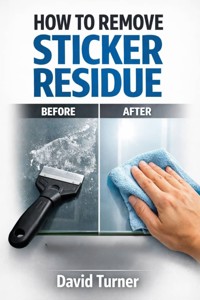
HOW TO REMOVE STICKER RESIDUE
David Turner
Copyright © 2026
All rights reserved. No part of this book may be reproduced, stored in a retrieval system, or transmitted in any form or by any means—electronic, mechanical, photocopying, recording, or otherwise—without prior written permission from the author, except for brief quotations used in reviews or educational or informational purposes.
This publication is intended solely for informational purposes.
TABLE OF CONTENT
Chapter 1 — Understanding Sticker Residue and Surfaces
Chapter 2 — Basic Tools and Household Products for Residue Removal
Chapter 3 — Step-by-Step Methods for Removing Sticker Residue
Chapter 4 — Removing Residue from Special and Delicate Surfaces
Chapter 5 — Preventing Residue and Avoiding Common Mistakes
Disclaimer
The information in this book is provided for general guidance only. The author and publisher assume no responsibility for any damage, loss, or injury resulting from the use or misuse of the methods and suggestions described in this book.
Readers are advised to test cleaning methods on a small, hidden area before applying them to surfaces, as materials may react differently to cleaning products. Always follow product safety instructions and use appropriate caution when handling cleaning agents.
Chapter 1 — Understanding Sticker Residue and Surfaces
Sticker residue is a common household annoyance. Almost everyone has experienced peeling off a label or sticker only to find a sticky film left behind. This residue attracts dust and dirt, making surfaces look messy and sometimes difficult to clean. Whether it appears on glass jars, plastic containers, furniture, appliances, or electronic devices, sticky residue can be frustrating to remove if the correct methods are not used.
Understanding why sticker residue forms and how different surfaces react to cleaning methods is the first step toward safe and effective removal. This chapter explains what sticker residue is, why it sticks, and how to approach cleaning different materials without causing damage.
What Is Sticker Residue?
Sticker residue is the sticky substance left behind after removing labels, price tags, or adhesive stickers. Stickers use adhesive glue designed to stick firmly to surfaces, ensuring labels stay in place during storage, shipping, and handling.
When a sticker is removed, the paper or plastic portion often tears away while the adhesive remains attached to the surface. This leftover glue collects dirt and becomes even harder to remove over time.
Residue varies in thickness and strength depending on the type of adhesive used. Some labels peel off cleanly, while others leave stubborn patches that seem impossible to remove.
Why Adhesive Residue Sticks So Strongly
Adhesives are designed to bond with surfaces using pressure and sometimes heat. When stickers are applied, the adhesive spreads into tiny surface pores, creating a strong grip.
Several factors increase the strength of adhesive residue:
Heat exposure during storage or shipping
Long periods without removal
Pressure applied over time
Surface texture and material type
Environmental humidity and temperature
When stickers remain attached for months or years, the adhesive can harden, making removal more difficult.
Types of Stickers That Leave Residue
Not all stickers behave the same way. Some are designed for easy removal, while others use strong adhesives.
Common stickers that leave residue include:
Price labels on household goods
Product packaging labels
Shipping labels
Promotional stickers
Warning or instruction labels
Children's stickers
Decorative decals
Permanent or industrial labels often leave more residue than temporary stickers.
How Time Affects Sticker Residue
Fresh stickers are usually easier to remove because the adhesive is still soft. Over time, exposure to heat and air causes adhesives to dry and bond more firmly with surfaces.
Old stickers may crumble during removal, leaving thick residue patches behind. This is why removing stickers soon after purchase often saves effort later.
How Different Surfaces React to Residue Removal
Before attempting removal, it is important to understand how surfaces respond to cleaning products and methods. Using the wrong technique can damage finishes, cause discoloration, or scratch surfaces.
Below are common household surfaces and how they behave during residue removal.
Glass Surfaces
Glass is one of the easiest surfaces to clean. It is durable and resistant to most cleaning agents. Residue often appears on:
Windows
Glass jars
Mirrors
Glass doors
Picture frames
Glass can usually tolerate scraping with plastic tools or careful use of cleaning solutions. However, excessive force can still scratch the surface.
Plastic Surfaces
Plastic surfaces are common but more delicate than glass. Containers, appliances, toys, and electronics often use plastic materials.
Plastic can scratch easily and may react poorly to strong chemicals or high heat. Some plastics become cloudy or damaged when harsh solvents are applied.
Gentle cleaning methods work best for plastic surfaces.
Metal Surfaces
Residue frequently appears on metal items such as kitchen appliances, tools, and cookware.
Most metal surfaces tolerate cleaning well, but some finishes may scratch. Stainless steel, for example, should be cleaned carefully to maintain appearance.
Painted metal surfaces require extra caution to avoid removing paint.
Wood Surfaces
Wood surfaces can be sensitive to moisture and chemicals. Finished wood furniture and flooring may tolerate light cleaning, but unfinished or delicate wood can absorb liquids and become stained.
Sticker residue on wood should be removed gently to prevent damage to varnish or polish.
Painted Surfaces
Walls, doors, and furniture often have painted finishes. Removing stickers from paint requires care because aggressive cleaning can peel or fade the paint.
Older paint may be especially sensitive, so gentle techniques are recommended.
Fabric and Clothing
Stickers sometimes end up on clothing, upholstery, or carpets. Removing adhesive from fabric can be challenging because glue may sink into fibers.
Improper cleaning can spread stains or damage fabric texture.
Electronic Devices
Electronics often carry labels or protective stickers. Residue removal on devices requires caution to prevent moisture damage or scratching.
Screens, keyboards, and plastic housings should be cleaned using minimal liquid and gentle tools.
Why Choosing the Correct Method Matters
Not all residue removal methods are suitable for every surface. Some techniques that work well on glass may damage plastic or paint.
Choosing the correct method prevents problems such as:
Scratches
Discoloration
Warping
Paint removal
Surface dullness
Testing cleaning methods on small hidden areas is always recommended.
Common Mistakes When Removing Residue
Many people make removal harder by using improper methods.
Common mistakes include:
Scraping with metal tools or knives
Using excessive force
Applying harsh chemicals without testing
Using too much heat
Ignoring surface sensitivity
These mistakes can cause permanent damage even if residue is removed.
Environmental Factors That Affect Residue
Environmental conditions also influence adhesive strength.
Heat softens adhesives but can also cause them to spread. Cold temperatures harden glue, making removal more difficult. Humidity and dust also change how residue behaves.
Understanding these factors helps determine the best removal approach.
Benefits of Understanding Residue Removal
Knowing why residue forms and how surfaces react helps homeowners remove stickers efficiently and safely.
Proper knowledge helps:
Save time and effort
Prevent surface damage
Maintain household items
Keep surfaces clean and attractive
Learning correct techniques also reduces frustration when dealing with stubborn residue.
Preparing for Sticker Removal
Before removing residue, it is helpful to gather suitable cleaning tools and understand surface sensitivity. Patience and gentle methods often work better than aggressive scraping.
Preparation ensures safer cleaning and better results.
Conclusion
Sticker residue is a common but manageable problem once its causes and behaviors are understood. Adhesives stick due to pressure, time, and surface bonding, and different materials require different removal approaches.
By understanding surfaces and adhesive behavior, homeowners can approach residue removal safely and effectively.
In the next chapter, we will explore common household tools and cleaning products that can be used to remove sticker residue quickly and safely without damaging surfaces.
Chapter 2 — Basic Tools and Household Products for Residue Removal
Removing sticker residue does not always require expensive cleaning products. In many cases, effective solutions can be found in common household supplies. Knowing which tools and products to use makes the removal process easier, safer, and more efficient. This chapter explains the basic tools and household products commonly used to remove adhesive residue and how they work.
Understanding these options helps you choose the right method for different surfaces and levels of residue buildup.
Why Using the Right Tools Matters
Sticker residue removal often fails when the wrong tools are used. For example, scraping with sharp metal objects can scratch surfaces, while strong chemicals may damage finishes or discolor materials.
Using proper tools allows you to remove residue while protecting surfaces. Gentle methods usually work better than aggressive techniques, especially on delicate materials.
Having a few simple cleaning supplies at home makes residue removal quick and convenient whenever needed.
Basic Cleaning Tools for Residue Removal
Several tools help remove adhesive residue safely. These tools are inexpensive and useful for many cleaning tasks.
Microfiber Cloths
Microfiber cloths are soft and effective for wiping surfaces without scratching. They absorb cleaning solutions well and help loosen residue gently.
Soft Sponges
Sponges are useful for applying warm water or cleaning solutions. Soft sponges prevent scratches while helping lift residue.
Plastic Scrapers or Cards
Plastic scrapers or old credit cards help peel off residue without damaging surfaces. They are safer than metal tools.
Cotton Balls or Pads
Cotton balls are useful for applying small amounts of cleaning solution to targeted areas.
Soft Brushes or Toothbrushes
Soft brushes help clean residue from textured surfaces or small corners.
Paper Towels
Paper towels are useful for wiping away loosened adhesive and excess liquid.
These tools help handle most residue removal tasks without risking damage.
Warm Water and Soap
One of the simplest cleaning methods uses warm water and dish soap. Soap breaks down grease and helps loosen adhesive residue.
To use this method:
Mix warm water with dish soap.
Soak a cloth or sponge in the solution.
Apply it to the residue.
Let it sit for several minutes.
Wipe or gently scrape off residue.
This method works well for light residue and is safe for many surfaces.
Cooking Oils and Vegetable Oils
Oils such as vegetable oil, olive oil, or coconut oil help dissolve sticky adhesives. Oil softens residue, making it easier to wipe away.
Apply a small amount of oil to the residue and allow it to sit for a few minutes before wiping clean.
Oil works especially well on glass, metal, and many plastic surfaces. However, surfaces must be cleaned afterward to remove oily residue.
Baking Soda
Baking soda is a mild abrasive that helps scrub away stubborn residue without causing scratches when used gently.
A paste can be made by mixing baking soda with a small amount of water or oil. Apply the paste to the residue and scrub lightly using a cloth or sponge.
Baking soda works well for thick adhesive buildup but should be used carefully on delicate surfaces.
Vinegar
White vinegar is a natural cleaning agent that helps loosen adhesive residue. Its mild acidity breaks down sticky substances.
To use vinegar:
Soak a cloth with vinegar.
Place it on the residue for several minutes.
Wipe or gently scrape away residue.
Vinegar works well on glass, metal, and many hard surfaces. However, it should be avoided on natural stone and some delicate materials.
Rubbing Alcohol
Rubbing alcohol is effective for dissolving adhesives and evaporates quickly, reducing moisture exposure.
Apply alcohol using a cloth or cotton pad and gently rub the residue until it loosens.
Alcohol works well for glass, plastic, and electronics surfaces when applied carefully. Avoid using excessive liquid on sensitive items.
Peanut Butter or Mayonnaise
These household items contain oils that can help break down adhesive residue. Although it may seem unusual, the oils help loosen sticky patches.
Apply a small amount to the residue, allow it to sit briefly, then wipe clean. Surfaces must be washed afterward to remove food residue.
Commercial Adhesive Removers
Stores sell products specifically designed to remove adhesives. These removers are often effective but should be used carefully.
When using commercial removers:
Follow manufacturer instructions.
Test on hidden areas first.
Use minimal amounts.
Clean surfaces afterward.
Commercial products may contain strong chemicals, so caution is necessary.
Heat as a Removal Aid
Heat softens adhesive, making it easier to remove residue. Household tools like hair dryers can warm the residue gently.
When using heat:
Apply warm air for a short time.
Avoid overheating surfaces.
Combine heat with wiping or scraping.
Heat works well on glass and metal but should be used carefully on plastic.
Freezing Method for Certain Items
In some cases, placing items in a freezer hardens adhesive, allowing residue to break away more easily.
After freezing, residue may peel off more easily when scraped gently.
This method works well for removable items like containers or tools.
Choosing the Right Product for Each Surface
Not all cleaning products are suitable for every surface. Some materials are sensitive to moisture or chemicals.
General guidance includes:
Use gentle solutions first.
Test cleaning agents on hidden areas.
Avoid strong chemicals on delicate surfaces.
Use minimal liquid on electronics.
Choosing wisely prevents accidental damage.
Safety Tips When Using Cleaning Products
Even household products should be used safely.
Important safety tips include:
Work in well-ventilated areas.
Wear gloves if skin irritation occurs.
Keep products away from children.
Avoid mixing cleaning chemicals.
Safe handling prevents accidents.
Keeping Cleaning Supplies Ready
Keeping basic cleaning supplies organized makes residue removal easier when needed. A small cleaning kit containing cloths, soap, baking soda, and alcohol can handle most situations.
Preparation saves time and reduces frustration.
Conclusion
Sticker residue removal becomes simple when the right tools and household products are available. Many effective solutions already exist in most homes, eliminating the need for expensive cleaners.
By understanding how these tools and products work, homeowners can safely remove adhesive residue from various surfaces.
In the next chapter, we will explore step-by-step techniques for removing sticker residue from common surfaces, including glass, plastic, and metal, ensuring successful results in everyday situations.
Chapter 3 — Step-by-Step Methods for Removing Sticker Residue
Sticker residue appears on many household items, from glass jars and plastic containers to metal appliances and tools. While residue removal may seem difficult, using the correct method makes the process much easier. Different surfaces require slightly different approaches, but the basic steps remain similar: soften the adhesive, loosen it carefully, and clean the surface completely.
This chapter provides practical, step-by-step methods for removing sticker residue from common household surfaces safely and effectively.
General Residue Removal Process
Before looking at specific surfaces, it is helpful to understand the general process used for removing adhesive residue.
The typical process includes:
Removing as much of the sticker as possible.
Softening leftover adhesive.
Gently scraping or wiping residue away.
Cleaning the surface to remove remaining oils or chemicals.
Drying the surface completely.
Following this sequence prevents unnecessary damage and produces better results.
Removing Residue from Glass
Glass surfaces are among the easiest to clean because they tolerate moisture and gentle scraping.
Examples include windows, glass containers, mirrors, and glass doors.
Step-by-step method:
Peel off as much sticker material as possible.
Apply warm, soapy water or vinegar to the sticky area.
Let the solution sit for several minutes.
Use a plastic scraper or card to gently remove softened residue.
Wipe the surface with a clean cloth.
Dry the glass to prevent streaks.
For stubborn residue, rubbing alcohol or cooking oil can be applied before scraping.
Glass surfaces usually clean quickly with minimal effort.
Removing Residue from Plastic Surfaces
Plastic is common in household items but requires gentle cleaning to avoid scratches or discoloration.
Plastic surfaces include food containers, appliance covers, toys, and packaging materials.
Step-by-step method:
Remove as much sticker material as possible.
Apply warm soapy water or cooking oil to the residue.
Allow the area to soak for several minutes.
Gently rub with a soft cloth or sponge.
Use a plastic scraper if necessary.
Wash the surface with soap and water afterward.
Dry completely.
Avoid using strong chemicals or metal scrapers, which can damage plastic surfaces.
Removing Residue from Metal Surfaces
Metal surfaces are durable but may scratch if cleaned aggressively.
Common metal surfaces include appliances, tools, and cookware.
Step-by-step method:
Peel off the sticker carefully.
Apply warm water or oil to soften residue.
Allow it to sit for several minutes.
Gently scrape using a plastic card.
Clean with soap and water afterward.
Dry the surface to prevent water spots.
For stainless steel surfaces, always wipe in the direction of the metal grain to maintain appearance.
Removing Residue from Ceramic and Tile Surfaces
Ceramic surfaces, such as tiles or mugs, generally tolerate cleaning well.
Step-by-step method:
Remove remaining sticker pieces.
Apply warm soapy water or vinegar.
Allow soaking time.
Scrub gently using a sponge.
Rinse and dry thoroughly.
Ceramic surfaces are usually resistant to scratches, but gentle cleaning is still recommended.
Removing Residue from Glass Jars for Reuse
Many people reuse glass jars for storage, but labels often leave sticky residue.
Jar cleaning method:
Soak jars in warm, soapy water for 15–20 minutes.
Peel off softened labels.
Apply baking soda paste or oil to leftover residue.
Scrub gently with a sponge.
Rinse and dry.
This method prepares jars for reuse in kitchens or storage areas.
Removing Residue from Car Windows and Surfaces
Cars often carry parking permits or dealership stickers that leave residue.
Removal method:
Warm the sticker area with a hair dryer.
Peel off the sticker slowly.
Apply rubbing alcohol or vinegar to residue.
Wipe clean with a soft cloth.
Dry the surface completely.
Care should be taken not to scratch glass or damage tinted windows.
Removing Residue from Kitchen Appliances
New appliances often have promotional stickers attached.
Removal method:
Gently peel away the sticker.
Apply oil or vinegar to sticky areas.
Let the solution sit briefly.
Wipe gently with a microfiber cloth.
Clean with soap and water afterward.
Avoid abrasive tools that can scratch appliance finishes.
Handling Old and Hardened Residue
Old residue may become dry and crumbly, making removal harder.
In such cases:
Apply heat using a hair dryer to soften adhesive.
Use oil or alcohol to dissolve glue.
Work slowly and patiently.
Repeat cleaning steps if necessary.
Multiple cleaning attempts may be required for old adhesives.
Combining Methods for Tough Residue
Sometimes one method is not enough. Combining heat, oil, and gentle scraping often produces better results.
For example:
Warm the residue.
Apply oil to loosen adhesive.
Gently scrape residue.
Clean surface afterward.
Patience usually leads to success.
Cleaning After Residue Removal
Once adhesive is removed, surfaces should be cleaned to remove leftover cleaning agents.
Final cleaning steps include:
Washing with mild soap and water.
Wiping dry with a clean cloth.
Checking for remaining sticky spots.
This step restores surfaces to their original condition.
Avoiding Damage During Removal
To prevent damage:
Avoid metal scrapers or knives.
Test cleaning agents first.
Use gentle pressure.
Avoid excessive moisture on sensitive items.
Careful handling protects surfaces.
Developing Good Removal Habits
Removing stickers soon after purchase prevents residue from hardening. Checking new items for labels and removing them early saves effort later.
Routine attention keeps surfaces clean.
Conclusion
Sticker residue removal becomes easy when handled step by step using proper methods. Glass, plastic, metal, and ceramic surfaces can all be cleaned effectively with patience and the right tools.
Understanding these methods allows homeowners to remove sticky residue safely without damaging surfaces.
In the next chapter, we will explore safe techniques for removing sticker residue from delicate and special surfaces such as wood furniture, painted walls, electronics, and clothing.
Chapter 4 — Removing Residue from Special and Delicate Surfaces
While many surfaces such as glass and metal can tolerate common cleaning methods, some materials require extra care when removing sticker residue. Delicate surfaces can easily scratch, discolor, or become damaged if the wrong techniques or products are used. Items such as wooden furniture, painted walls, electronics, clothing, and leather goods need gentle treatment to avoid permanent damage.
This chapter explains safe methods for removing sticker residue from sensitive and special surfaces commonly found in homes.
Why Delicate Surfaces Require Special Care
Delicate surfaces often have protective finishes or coatings that can be damaged by aggressive cleaning methods. Moisture, strong chemicals, or rough scraping tools may remove paint, dull finishes, or weaken materials.
Cleaning these surfaces requires patience and gentle techniques. The goal is to loosen the adhesive without harming the material underneath.
Testing cleaning methods on a small hidden area is always recommended before treating visible areas.
Removing Residue from Wood Surfaces
Wood surfaces are common in homes, appearing in furniture, flooring, cabinets, and decorative items. Sticker residue on wood must be removed carefully to avoid damaging varnish or polish.
Safe removal method:
Gently peel off any remaining sticker material.
Apply a small amount of cooking oil or diluted vinegar to a cloth.
Rub lightly on the residue.
Allow it to sit briefly to soften adhesive.
Wipe gently with a soft cloth.
Clean with mild soap and water afterward.
Dry immediately to prevent moisture damage.
Avoid soaking wood or using excessive liquid, as water may stain or warp surfaces.
Removing Residue from Painted Walls
Stickers placed on walls, especially in children's rooms, often leave sticky marks or pull paint away during removal.
Wall cleaning method:
Carefully peel away sticker material.
Use warm soapy water on a soft sponge.
Gently rub the sticky area.
Pat dry with a soft cloth.
If residue remains, a small amount of vinegar or rubbing alcohol may help, but always test first to avoid removing paint.
Avoid scrubbing aggressively, as this may damage wall finishes.
Removing Residue from Electronic Devices
Electronics frequently include product labels or protective stickers. Cleaning these surfaces requires caution because moisture can damage internal components.
Devices include laptops, televisions, phones, keyboards, and game consoles.
Safe removal method:
Turn off and unplug the device.
Carefully peel away sticker material.
Apply rubbing alcohol to a cloth, not directly to the device.
Gently rub the residue.
Wipe dry immediately.
Avoid letting liquid enter device openings. Use minimal moisture and soft cloths to protect screens and surfaces.
Removing Residue from Fabric and Clothing
Stickers sometimes stick to clothing, upholstery, or carpets. Adhesive may spread if not treated properly.
Fabric cleaning method:
Remove as much sticker material as possible.
Place fabric in a freezer for about 30 minutes to harden adhesive.
Scrape off hardened residue gently.
Apply stain remover or liquid detergent.
Wash fabric according to care instructions.
For delicate fabrics, professional cleaning may be safer.
Avoid rubbing aggressively, as this can spread adhesive deeper into fibers.
Removing Residue from Leather and Faux Leather
Leather furniture, jackets, and bags require gentle treatment to prevent cracking or discoloration.
Leather cleaning method:
Peel off sticker material gently.
Apply a small amount of oil or mild soap solution to a cloth.
Rub gently on residue.
Wipe clean with a damp cloth.
Dry immediately.
Apply leather conditioner afterward if available.
Avoid strong chemicals that can damage leather finishes.
Removing Residue from Books and Paper Surfaces
Price stickers on books and paper products often leave residue or tear surfaces during removal.
Safe removal method:
Warm the sticker slightly with a hair dryer on low heat.
Slowly peel off the sticker.
Lightly rub residue using an eraser or gentle adhesive remover.
Avoid moisture that can wrinkle pages.
Patience is essential to prevent tearing.
Removing Residue from Non-Stick Cookware
Non-stick cookware coatings are easily damaged by abrasive tools.
Removal method:
Soak cookware in warm, soapy water.
Rub gently with a soft sponge.
Apply cooking oil if residue remains.
Wash again gently.
Avoid metal tools or rough scrubbers.
Removing Residue from Screens and Displays
Television and device screens require careful cleaning to avoid scratches or damage.
Cleaning method:
Turn off the screen.
Use a dry microfiber cloth first.
Apply a small amount of screen-safe cleaner to cloth if needed.
Gently wipe residue.
Dry carefully.
Never spray liquids directly on screens.
Handling Antique or Valuable Items
Older or valuable items should be treated with extra care. Adhesive removal methods that work on modern materials may damage antiques.
If unsure, consult a professional cleaner or restoration expert.
Protecting valuable items is more important than quick cleaning.
Using Minimal Force and Patience
Delicate surface cleaning often requires patience. Trying to remove residue too quickly usually leads to damage.
Allow cleaning agents time to soften adhesive and use gentle pressure.
Slow, careful cleaning usually produces better results.
Avoiding Common Mistakes
When working with delicate surfaces, avoid:
Using sharp or metal scraping tools
Applying strong chemicals without testing
Using excessive water
Rubbing aggressively
Ignoring surface sensitivity
Avoiding these mistakes protects household items.
Conclusion
Removing sticker residue from delicate surfaces requires careful methods and patience. Wood, painted walls, electronics, fabrics, and leather can all be cleaned safely using gentle techniques and proper tools.
Understanding surface sensitivity prevents damage and keeps valuable household items looking their best.
In the final chapter, we will explore ways to prevent sticker residue problems and avoid common mistakes, helping homeowners reduce future cleaning challenges.
Chapter 5 — Preventing Residue and Avoiding Common Mistakes
Removing sticker residue can take time and effort, especially when adhesive has hardened or spread across delicate surfaces. Fortunately, many of these problems can be avoided with simple preventive habits and proper removal techniques. Understanding how to prevent sticky buildup and recognizing common mistakes helps reduce frustration and protects household items.
This final chapter focuses on preventing sticker residue problems and avoiding errors that often make removal more difficult.
Why Prevention Is Better Than Removal
Sticker residue becomes harder to remove over time. Heat, pressure, and aging cause adhesives to bond more strongly with surfaces. Removing residue immediately or using preventive measures saves time and reduces cleaning effort.
Prevention also protects surfaces from damage caused by aggressive cleaning methods later.
Developing simple habits helps maintain cleaner surfaces throughout the home.
Removing Stickers Soon After Purchase
One of the easiest ways to prevent residue is to remove stickers as soon as possible after purchasing items. Fresh adhesives are softer and easier to peel away.
When bringing new items home:
Remove price labels immediately.
Peel stickers slowly instead of quickly.
Check products for hidden labels.
Clean remaining residue before storage.
Quick removal prevents adhesive from hardening.
Using Heat for Easier Sticker Removal
Applying gentle heat softens adhesives and makes stickers easier to remove cleanly.
A hair dryer on low heat can be used to warm stickers briefly. Once warmed, stickers often peel off without leaving residue.
Care should be taken not to overheat surfaces, especially plastic or delicate materials.
Peeling Stickers Slowly and Carefully
Pulling stickers off quickly often causes tearing, leaving adhesive behind.
Instead:
Lift one corner slowly.
Pull at a low angle rather than straight up.
Apply gentle, steady pressure.
Slow peeling allows adhesive to separate cleanly from surfaces.
Cleaning Residue Immediately
If residue remains after sticker removal, cleaning it right away prevents dirt buildup and hardening.
Quick cleaning using soap, oil, or alcohol makes removal easier before residue dries.
Delaying cleaning allows residue to attract dust and become more difficult to remove later.
Avoiding Poor Quality Stickers on Household Surfaces
Decorative stickers or labels placed on walls, furniture, or appliances often leave residue when removed.
Whenever possible:
Avoid placing stickers directly on surfaces.
Use removable hooks or labels designed for easy removal.
Place labels on protective coverings instead of permanent surfaces.
This prevents future cleaning challenges.
Protecting Surfaces Before Applying Labels
In offices, kitchens, or storage areas, labels are often necessary. To prevent residue damage:
Apply labels to removable tape first.
Use protective label holders.
Use erasable tags instead of adhesive labels.
These alternatives reduce adhesive contact with surfaces.
Avoiding Common Removal Mistakes
Many people unintentionally make residue removal harder by using improper methods.
Common mistakes include:
Scraping with knives or metal tools
Using strong chemicals without testing
Applying excessive force
Using too much liquid on delicate surfaces
Ignoring manufacturer cleaning instructions
These mistakes often cause scratches or surface damage.
Avoiding Harsh Chemicals Without Testing
Strong solvents can remove adhesive but may also damage finishes or discolor materials.
Always:
Test cleaning products on hidden areas first.
Use mild methods before stronger ones.
Follow product instructions carefully.
Testing prevents accidental damage.
Preventing Residue in Storage Areas
Boxes, containers, and jars often carry labels that leave residue in storage areas.
Removing labels before storing items keeps shelves and containers cleaner. This also improves the appearance of reused storage items.
Maintaining clean containers supports better organization.
Teaching Family Members Proper Removal Methods
Sticker problems often occur when children or family members apply stickers to walls, furniture, or electronics.
Teaching proper sticker use and removal helps prevent damage.
Encourage household members to:
Avoid placing stickers on delicate surfaces.
Ask before applying labels.
Remove stickers carefully.
Shared responsibility helps maintain clean spaces.
Creating a Cleaning Kit for Quick Removal
Keeping simple cleaning supplies available allows immediate removal when residue appears.
A basic kit may include:
Microfiber cloths
Dish soap
Baking soda
Rubbing alcohol
Plastic scraper
Soft sponge
Quick access to supplies prevents residue from becoming permanent.
Checking Surfaces After Removing Labels
After removing stickers, always check surfaces for leftover adhesive. Small patches often go unnoticed until dust accumulates.
Cleaning surfaces immediately keeps items looking new.
Regular inspection prevents buildup.
Developing Good Habits for Long-Term Results
Consistent habits make sticker residue less of a problem over time.
Helpful habits include:
Removing labels immediately
Cleaning residue promptly
Avoiding unnecessary sticker use
Choosing removable adhesives when possible
Maintaining cleaning supplies
Small actions lead to long-term benefits.
Benefits of Proper Sticker Management
Preventing residue problems saves time and reduces stress. Proper habits protect surfaces and maintain household items in good condition.
Benefits include:
Cleaner surfaces
Less cleaning effort
Reduced risk of damage
Better organization
Improved appearance of household items
Prevention makes cleaning easier.
Final Thoughts
Sticker residue is a common household issue, but it does not have to become a difficult problem. By removing stickers promptly, using careful techniques, and avoiding common mistakes, households can keep surfaces clean and protected.
The methods explained throughout this book provide practical solutions for handling adhesive residue on a wide range of surfaces. With proper tools, patience, and preventive habits, sticker residue removal becomes simple and manageable.
This concludes the guide to removing sticker residue safely and effectively, helping you maintain clean and attractive household surfaces with confidence.




