


56,99 €
Mehr erfahren.
- Herausgeber: John Wiley & Sons
- Kategorie: Wissenschaft und neue Technologien
- Sprache: Englisch
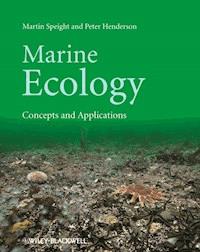
This book began life as a series of lectures given to second and third year undergraduates at Oxford University. These lectures were designed to give students insights as to how marine ecosystems functioned, how they were being affected by natural and human interventions, and how we might be able to conserve them and manage them sustainably for the good of people, both recreationally and economically. This book presents 10 chapters, beginning with principles of oceanography important to ecology, through discussions of the magnitude of marine biodiversity and the factors influencing it, the functioning of marine ecosystems at within trophic levels such as primary production, competition and dispersal, to different trophic level interactions such as herbivory, predation and parasitism. The final three chapters look at the more applied aspects of marine ecology, discussion fisheries, human impacts, and management and conservation.
Other textbooks covering similar topics tend to treat the topics from the point of view of separate ecosystems, with chapters on reefs, rocks and deep sea. This book however is topic driven as described above, and each chapter makes full use of examples from all appropriate marine ecosystems. The book is illustrated throughout with many full colour diagrams and high quality photographs.
The book is aimed at undergraduate and graduate students at colleges and universities, and it is hoped that the many examples from all over the world will provide global relevance and interest.
Both authors have long experience of research and teaching in marine ecology. Martin Speight’s first degree was in marine zoology at UCNW Bangor, and he has taught marine ecology and conservation at Oxford for 25 years. His research students study tropical marine ecology from the Caribbean through East Africa to the Far East. Peter Henderson is a Senior Research Associate at the University of Oxford, and is Director of Pisces Conservation in the UK. He has worked on marine and freshwater fisheries, as well as ecological and economic impacts and exploitation of the sea in North and South America as well as Europe.
Sie lesen das E-Book in den Legimi-Apps auf:
Seitenzahl: 672
Veröffentlichungsjahr: 2013
Ähnliche



















CONTENTS
Preface
Acknowledgments
1 The physical template
Introduction
Marine regions
Salinity and mineral content
Depth, pressure, and topography
Light and irradiance
Temperature
Oxygen
Tides
Waves
Ocean currents
Vertical currents and the global conveyer belt
Local currents
Suspended sediments
Climate change
Conclusions
2 Marine biodiversity
Introduction
The comparative richness of marine habitats in terms of animal phyla
Marine species richness in geological time
Present marine species richness
Geographical variation in marine diversity
Differences in the distribution of biomass and species number
Factors determining biodiversity and species richness
Conclusions
3 Primary production and chemosynthesis
The photosynthetic communities of marine environments
Microphytobenthic communities
Phytoplankton diversity and the efficiency of resource utilization
Photosynthetic symbioses
The availability of light and the spring bloom
The availability of nutrients and large-scale differences in productivity
Seasonal changes in the phytoplankton community and the availability of resources
Spatial variation in net production and the influence of temperature
The effects of excessive nutrient loads
Chemosynthetic ocean communities
4 Primary consumption: marine herbivores and detritivores
Trophic guilds
Sediment and deposit feeders
Filter and suspension feeders
Phytoplankton grazers
Grazing on surface algae
The role of algal grazers in shaping communities – phase shifts
5 Predators, parasites, and pathogens
Predation
Parasitism
6 Competition and succession
Intraspecific competition
Interspecific competition
Succession
7 Dispersal and settlement
Dispersal
Departure
Traveling
Settlement
8 The exploitation and maintenance of marine and estuarine fisheries
The over-exploitation of commercial fisheries
The loss of top predators
Habitat damage and loss
Are marine fish populations ever stable?
The Hudson Estuary: an example of multifactorial historical changes and fisheries collapse
Concluding remarks
9 Threats to marine ecosystems: the effects of man
Recent problems
Short-term anthropogenic impacts
Long-term and continuous impacts
10 Marine conservation
Restoration and rehabilitation
Artificial reefs
Marine protected areas (MPAs)
Management examples
Appendix
References
Index
This edition first published 2010, © 2010 by Martin Speight and Peter Henderson
Blackwell Publishing was acquired by John Wiley & Sons in February 2007. Blackwell’s publishing program has been merged with Wiley’s global Scientific, Technical and Medical business to form Wiley-Blackwell.
Registered office:John Wiley & Sons Ltd, The Atrium, Southern Gate, Chichester, West Sussex, PO19 8SQ, UK
Editorial offices:9600 Garsington Road, Oxford, OX4 2DQ, UKThe Atrium, Southern Gate, Chichester, West Sussex, PO19 8SQ, UK111 River Street, Hoboken, NJ 07030-5774, USA
For details of our global editorial offices, for customer services and for information about how to apply for permission to reuse the copyright material in this book please see our website at www.wiley.com/wiley-blackwell
The right of the author to be identified as the author of this work has been asserted in accordance with the Copyright, Designs and Patents Act 1988.
All rights reserved. No part of this publication may be reproduced, stored in a retrieval system, or transmitted, in any form or by any means, electronic, mechanical, photocopying, recording or otherwise, except as permitted by the UK Copyright, Designs and Patents Act 1988, without the prior permission of the publisher.
Wiley also publishes its books in a variety of electronic formats. Some content that appears in print may not be available in electronic books.
Designations used by companies to distinguish their products are often claimed as trademarks. All brand names and product names used in this book are trade names, service marks, trademarks or registered trademarks of their respective owners. The publisher is not associated with any product or vendor mentioned in this book. This publication is designed to provide accurate and authoritative information in regard to the subject matter covered. It is sold on the understanding that the publisher is not engaged in rendering professional services. If professional advice or other expert assistance is required, the services of a competent professional should be sought.
Library of Congress Cataloguing-in-Publication Data
Speight, Martin, 1967–Marine ecology : concepts and applications / Martin Speight and Peter Henderson.p. cm.Includes bibliographical references and index.ISBN 978-1-4051-2699-1 (hardcover : alk. paper) – ISBN 978-1-4443-3545-3 (pbk. : alk. paper) 1. Marine ecology. I. Henderson, Peter. II. Title.QH541.5.S3S655 2010577.7–dc222009053167
A catalogue record for this book is available from the British Library.
1 2010
To our families:Angela, Cate, Claire, James, Nick, Richard, Rowena and Toby
PREFACE
The book Silent World was written by Jacques Cousteau, and published by Hamish Hamilton in 1953. In it, Cousteau describes his first encounter with the undersea world using goggles which enabled him to see underwater. He says: “One Sunday morning in 1936 … I waded into the Mediterranean and looked into it through Fernez goggles. I was a regular Navy gunner, a good swimmer interested only in perfecting my crawl style. The sea was merely a salty obstacle that burned my eyes. I was astounded by what I saw in the shallow shingle …, rocks covered with green, brown and silver forests of algae, and fishes unknown to me, swimming in crystal clear water. Standing up to breathe I saw a trolleybus, people, electric street-lights. I put my eyes under again and civilization vanished with one last bow. I was in a jungle never seen by those who floated on the opaque roof.”
Marine ecology has always been fascinating, mysterious, and indeed for many centuries, downright dangerous. Sea monsters such as giant squid and krakens lived in the deep and dragged ships to their doom. Sirens lured unprepared sailors onto rocks, whilst mermaids lured the same sailors into other activities. The bottom of the sea was as far removed from almost everyone as the surface of the moon, and catching fish was a mysterious, hunter-gatherer sort of activity with random and often unpredictable outcomes.
Whilst terrestrial ecologists could walk out into their habitats and ecosystems with a pencil and paper, butterfly net and hand lens, their marine counterparts had to resort to buckets, grabs and cores dangled from boats or piers, somewhat akin to sampling a woodland with a grapnel suspended from a hot-air balloon. The deeper the sea, the bigger the problem, so that anywhere beyond the reach of a depth sounding line or a fishing net was pretty much completely unknown. As Sydney Hickson said in his Fauna of the Deep Sea published in 1893, “The bottom of the deep sea was until quite recently (first half of nineteenth century) … terrae incognitae. It was regarded by most persons, when it entered into their minds to consider it at all, as one of those regions about which we do not know anything, never shall know anything, and do not want to know anything” (our parentheses). Ambitious expeditions were nonetheless mounted to explore the sea using the available technology, the most famous of which was the Challenger Expedition that lasted for 4 years beginning in 1872. HMS Challenger covered over 120,000 km, surveying, trawling and dredging, and eventually discovering over 4000 new species. Fifty or so years later, another famous and influential marine biological expedition set sail, this time to explore the cold seas of the southern oceans. On board the Discovery was the marine scientist Alistair Hardy, later to become Sir Alistair Hardy. Hardy became Linacre Professor of Zoology in Oxford in 1946, and two of his longstanding achievements were firstly the invention of the continuous plankton recorder, and later the publication of the classic two-part book, The Open Sea.
Back at the individual level, free diving – holding the breath and reaching far below the surface to collect food or sponges, or attack the enemies’ fleets – has been going on since ancient times. Throughout history, we have invented machines to enable us to descend deeper into sea and stay there for longer than a single breath-hold. These new systems enabled us to see a little more of the marine realm first hand, albeit from the bottom of a primitive diving chamber or bell. Aristotle apparently described a diving bell, but it wasn’t until the fourteenth and fifteenth centuries that Europeans began to use such apparatus in attempts to raise the valuable bits of shipwrecks, such as cannon and treasure. In 1535, the Italian inventor and explorer, Guglielmo de Lorena, was attributed with the invention of the first proper diving bell, though Leonard da Vinci had produced designs for such a device some years earlier. Leather seals and manual pumps increased the sophistication of diving bells, and by the 1930s, William Beebe was able to descend to nearly 1000 m off Bermuda in his bathysphere. The remaining problem was that such machines had to be lowered by cranes from the surface, and venturing any deeper was very difficult. What followed was the bathyscaphe, a somewhat similar machine, but this time the pressure-proof sphere containing the divers was attached to a large flotation device, allowing the machine to move independently of the surface. The culmination of this development came in 1960, when Trieste, a bathyscaphe piloted by Jacques Piccard and Don Walsh, reached the bottom of the Challenger Deep in the Marinas Trench, a depth of 10,916 m. Today, there are many deep submersible vehicles (DSVs), such as Alvin owned by the Woods Hole Oceanographic Institute and Mir run by the Russian Academy of Sciences, but none can go anywhere near as deep as Trieste.
As alternatives to diving bells, at least for shallow waters, the use of individual diving suits became routine in the 1830s when Augustus Siebe formed the company Siebe Gorman to produce the traditional copper-helmeted diving dress. All but a very few of the designs thus far depended on an air supply from the surface, pumped down to the diver under pressure. What was needed by the budding science of marine biology and ecology was a self-contained underwater breathing apparatus (SCUBA) to free the diver from a surface supply.
Various attempts were made to produce a safe and effective SCUBA device, and the first half of the twentieth century saw a series of inventions, such as the oxygen closed circuit systems used by navy frogmen in the Second World War. Though effective enough at depths above 10 m or so, the pure oxygen became toxic at deeper depths and higher pressures, seriously limiting any recreational or scientific applications for the apparatus. The real breakthrough came in 1943, when Jacques-Yves Cousteau and Emile Gagnan invented a demand valve (regulator) that supplied the diver using it with air from steel cylinders on his or her back at the same pressure as that of the surrounding water; the “aqualung” was born.
New institutions for the study of marine biology and ecology were already established. In the USA, Scripps Institute of Oceanography in southern California has its origins in 1903, whilst Woods Hole Oceanographic Institute in Massachusetts was incorporated early in 1930. In the UK, the Marine Biological Association was founded as far back as 1884, and it opened its Citadel Hill Laboratory in Plymouth in 1888. The Monaco Aquarium on the Mediterranean coast was founded in 1910, and in Australia, the Commonwealth Scientific and Industrial Research Organization (CSIRO) set up its Fisheries Investigation Section, later to become the CSIRO Division of Fisheries in 1937. So, marine research around the world was active well before the invention of the aqualung.
Undoubtedly, the aqualung opened the floodgates for the exploration of shallow seas, down to 50 m or so, and we would suggest that detailed marine ecology only really began in the early 1950s as post-war scientists and recreational divers started to explore and study coral reefs and kelp beds alike. Of course the aqualung also enabled much easier exploitation of marine organisms from sponges to scallops, fish to lobsters. SCUBA diving with a speargun was hardly sporting, but very rewarding to some. So, marine ecology in shallow waters at least has burgeoned over the decades since then. For example, a trawl through ISI Web of Knowledge using the search terms “marine and ecology” yielded an average of 5000 or so publications in the 1990s, over 6000 in 2002, over 7000 in 2003, nearly 10,000 in 2004, and more than 11,000 per year in 2005, 2006, and 2007. Human-derived impacts are becoming more far-reaching and serious as the years go by, and climate change such as temperate and sea level rises, is now feared to be having severe and irrevocable effects on shallow marine ecosystems.
In the deep sea, all was thought to be quiet, calm, and possibly boring, until 1977 when scientists from Woods Hole Oceanographic Institute used the DSV Alvin to explore areas of underwater volcanic activity near the Galapagos Islands in the eastern Pacific. The enormous diversity of life on newly discovered hydrothermal vents amazed and delighted the scientific world and amateurs alike, and the far-reaching and fundamental research, even down to the origins of life on earth itself, have continued apace. The sheer excitement of vent communities, as well as cold seeps, whale-falls, and so on, is hard to describe.
Critics will no doubt ask the questions “why should Speight and Henderson write such a book?”. and “What do they know about marine ecology?”. First and foremost, we believe strongly that a textbook for students should be written by teachers, tutors, and lecturers. Research papers are excellent for reporting exciting and challenging new findings at the cutting edge of their fields, but someone has to convert such scholarly works into summaries and syntheses suitable for communication with undergraduates and other students. Secondly, we feel that people who write these textbooks should be good communicators, familiar and practiced with converting sometimes cryptic information into palatable, understandable and indeed enjoyable accounts which will captivate as well as inform.
Martin Speight has been teaching marine biology, ecology, and conservation to university students at undergraduate and postgraduate level for over a quarter of a century. Peter Henderson has done large amounts of university teaching in the field for many years, and also has made his livelihood by examining marine ecological problems and communicating his findings successfully to complete nonexperts. It has never been our intention to steal other people’s work, and we have taken great pains throughout the lengthy writing of this book to consult as widely as possible and to seek all approvals and permissions to report the findings of experts in their specific fields. In short, we believe, some will say immodestly, that we are both good teachers and good communicators, and hence well qualified to deliver such a book.
We have strived to base the book on modern primary literature, predominantly post 2000. Some classic work dating back to times before this has of course been required on occasion, but we hope that the book will represent the “state of the art” as perceived at the time of writing this preface. Clearly, research never stays still and we hope to be able to provide new editions as the years go by which will reflect the new findings as they are published. Another problem with this approach, especially when the applied aspects of marine ecology are considered, is that information such as management plans, conservation strategies, and regional or local tactics are not officially published, but merely stay as “grey literature,” usually web-based and difficult to verify or attribute. Although we have tried very hard to check such information, and report it as accurately as possible, we apologize to source and reader if we have made mistakes or provided misinformation. Any corrections to this type of error will be gratefully received, and put right in the next edition of the book.
Chapter 1 presents aspects of oceanography and other physical and chemical aspects of the sea which impinge on living things. Chapter 2 discusses the levels of diversity (more realistically, species richness) of marine communities and the various factors which influence them. The remaining chapter structure of the book follows a functional approach as much as possible, rather than describing different types of marine ecosystems separately. Thus, Chapters 3, 4, 5, 6, and 7 discuss various levels of functionality, primary production, herbivory and detritivory, predation and parasitism, competition, succession, and dispersal as major topics in marine ecology. Examples to illustrate concepts have been taken from all parts of the sea as appropriate, from the shallowest intertidal to the abyssal depths. Chapter 8 looks at global fisheries and the problems of sustainable resource use in the sea, and the final two chapters, 9 and 10, consider all aspects of anthropogenic impacts on marine ecosytems, from pollution to tourism, and finally the complex issues of marine conservation and management.
Martin Speight, OxfordPeter Henderson, PenningtonDecember 2009
ACKNOWLEDGMENTS
A myriad of people have helped us write the book. The first vote of thanks must go to all the hundreds of marine scientists who have published their findings in learned journals which we have read. We have strived on every single case of a citation and/or graphic reproduction to attribute source and acknowledge authorship. Secondly, we are enormously grateful to all the publishers that have granted us permissions to reproduce published diagrams, tables and photographs, mostly free of charge. Thirdly, we are most thankful for the generosity and kindness of many underwater photographers who have allowed us to use their wonderful pictures. In this context, we must single out Paul Naylor, a hugely accomplished diver and photographer, who has not only provided numerous beautiful photographs in the text, but also the front cover picture of a diverse benthic community in Scotland.
The following list attempts to thank every individual and every institution who have provided information, pictures, permissions, support, and friendship throughout the project. We apologize unreservedly for any omissions:
People – Ian Banks, Joanna Barker, Henry Bennet-Clark, Brian Bett, Monika Bright, Paulyn Cartwright, Josh Cinner, Tim Coles, Ward Cooper, Julian Cremona, Pat Croucher, Robin Crump, Sammy de Grave, Angela Douglas, Dave Fenwick, Magdalena Fischhuber, Peter Funch, Brian Gratwicke, Clive Hambler, Jessica Harm, Rosie Hayden, Dave Harasti, Alex Hayward, Claire Henderson, Scott Henderson, Don Hickey, Jeff Jeffords, Brian Keller, Kathy Kirbo, Raphael Leiteritz, Martin Leyendecker, Pippa Mansell, Kelvin Matthews, Susan Mills, Annalie Morris, Andy Murch, Paul Naylor, Rasmus Neiderham, Andrea Nussbaum, Steve Oliver, Mel Parker, Michael Pidwirny, Jesús Pinada, Camilla Poire, Edi Purwanto, Antares Ramos-Alvares, Joel Rice, Delia Sandford, Scott Santos, Richard Seaby, Charles Sheppard, Jonathan Shrives, Dave Smith, Robin Soames, Angela Speight, Dave Suggett, Carissa Thomas, Hal Thompson, Lizzie Tyler, Ernesto Weil, and Ross Wylie.
Institutions – AGU, American Association for the Advancement of Science, American Society for Microbiology, Annual Reviews Inc., Benjamin Cummings (Addison-Welsley Longman), Cambridge University Press, Cascades Volcano Observatory, Coastal Education & Research Foundation, Commonwealth Scientific and Industrial Research Organization (CSIRO), Coralpedia, Ecological Society of America, Elsevier Science Publishers, Exxon Valdez Oil Spill Trustee Council, Fishbase, Florida Keys National Marine Park (FKNMP), Great Barrier Reef Marine Park (GBRMP), Honduran Coral Reef Foundation (HCRF), Huon Commonwealth Reserve, InterResearch, Joint Nature Conservancy Council (JNCC), Monterey Bay Aquarium Research Institute (MBARI), National Academy of Sciences USA, National Aeronautics and Space Administration (NASA), National Oceanic and Atmospheric Organization (NOAA), Nature Publishing Group, Operation Wallacea, Oxford University Press, Pisces Conservation, Reef Ball Foundation Inc., Reefbase, Rosenstiel School of Marine and Atmospheric Science, Royal Society Publishing, Royal Society of Chemistry, Sinauer, Springer, St Annes College Oxford, Taylor & Francis, United States Geological Survey (USGS), University of Bangor, University of Chicago Press, University of Essex, University of Oxford, University of Southampton, Woods Hole Oceanographic Institute (WHOI), Wiley-Blackwell, and Wiley InterScience.
Chapter 1
The physical template
Introduction
The physical environment determines the most fundamental constraints acting upon life. Life is only possible over a small part of the potential range of physical variables such as temperature that may occur on Earth and all species have evolved adaptations optimized for particular conditions. However, the physical conditions on Earth which all life, including man, are constrained by are not purely the result of physical processes. Life on our planet, and particularly life in the oceans, modifies the physical environment and makes the planet more suitable for life. The physical template we observe is to some extent the product of organisms over millions of years. Since life began in the oceans about 3.5 billion years ago, factors such as salinity, temperature, oxygen and nutrient levels have been shaping the evolution of the myriad of marine organisms alive today and they have in turn been changing these and other variables. Before we examine in detail these organisms and their interactions, it is appropriate to consider the major physical processes acting within the oceans that form the template upon which every ecological community is built.
Marine regions
The sea covers 70% of the surface of the earth and offers greater than 98% of the total space available to life. The Earth from space (Figure 1.1) is clearly a water world; observers approaching from a distance would likely assume all dominant life is marine, simply from the color of the distant planet. Indeed, the preponderance of terrestrial species is a geologically recent phenomenon. Further most of the habitat is in deep water; only about 3% of the world’s waters lie over the continental shelf, which have an average depth of around 200 m. The average depth of the oceans is 3200 m and the maximum depth of about 11,200 m is at the bottom of the Challenger Deep in the Marianas Trench near Guam in the western Pacific.
As shown in Figure 1.2, working from the land towards increasing depth, a number of major habitat divisions are recognized. The zone that is influenced by the sea but not always covered in water is the intertidal, or littoral. Next, the sublittoral extends from the extreme low water level down to about 40 m, which is around the safe limit for recreational scuba diving on compressed air. From the edge of the continental shelf the depth increases down the continental slope then slopes more gently down the continental rise to reach the abyssal zone. The continental shelf is the submerged gently sloping border of the land, the width of which varies from 100 m to 1300 km. The continental slope marks the edge of the continents and the region where the seabed slopes at an average angle of 4 degrees to a depth of about 2000 m. The foot of the slope marks the beginning of the abyssal plain.
Figure 1.1 Earth from space. Planet Earth taken by Apollo 11, July 16, 1969. (Photograph courtesy of NASA.)
Figure 1.2 Diagram showing location of major marine habitats in relation to depth.
Aquatic habitats are classified by depth and locality within the water body. The term benthic is used to describe living on or within the seabed at any depth. In comparison, the neritic zone extends from the low-tide level to a depth of 200 m, and is thus at or near coastlines in contrast to the oceanic zone which occurs away from land. Pelagic is used to describe the open water habitats, which may lie close to shore and they can also be described as neritic. Pelagic habitats are divided into four depth zones, epipelagic (0–200 m), mesopelagic (200–1000 m), bathypelagic (1000–4000 m), and abyssopelagic (below 4000 m). The term hadal is used for the deepest parts of the oceans below 6000 m in depth.
The ocean floor is not featureless and the boundaries of the tectonic plates (Figure 1.3) are marked by towering underwater mountain ranges. Figure 1.3 shows the Mid-Atlantic Ridge running down the centre of the Atlantic Ocean, roughly parallel to the shores of Africa and Europe to the east, and the Americas to the west. Similarly, in the Pacific Ocean, approximately 3000 km off the South American coast, there is the East Pacific Rise. This oceanic ridge towers about 2 km from the ocean floor, and stretches from the Gulf of California to the southernmost tip of South America. Submarine ridges owe their formation to the movement of the continental (tectonic) plates. As these plates slowly move away from each other, they leave gaps in the Earth’s crust. This allows molten rock from beneath the Earth’s crust to move up into the gap, forming a new ocean floor. As the molten rock seeping through these gaps is under pressure, it spews upward, forming a ridge. These ridges cause oceans and seas to be divided into basins. It is in these gaps that hydrothermal vents occur (Figure 1.4), where seawater is superheated by the volcanic activity and discharged in black or white “smokers.” This water is rich in dissolved sulfur, iron, and other minerals, and such sites may have supported the first appearance of life on earth.
Mid-ocean ridges are regions of high volcanic activity and are estimated to produce 75% of the total annual output of molten volcanic rock, magma, on earth. It has been estimated that there are more than one million submarine volcanoes and perhaps as many as 75,000 of these volcanoes rise over 1 km above the ocean floor. Some break the surface to form isolated volcanic islands. The Galapagos archipelago in the Pacific Ocean off the coast of South America is a well-known example of a volcanic island group. Ocean trenches are also linked to the boundaries of tectonic plates and are formed as two plates collide and one moves under the other.
Salinity and mineral content
Figure 1.3 The boundaries of the tectonic plates showing the areas of greatest geological activity. (Reproduced with permission of Cascades Volcano Observatory, US Geological Survey.)
Figure 1.4 Hydrothermal venting from sulphur mounds. (Photo courtesy of Submarine Ring of Fire 2006 Exploration, NOAA Vents Program.)
As we shall see later in this chapter, temperature and depth are linked, so that deeper water tends to be colder than surface water at least in temperate and tropical seas, though close to deep-sea hydrothermal vents where volcanic activity just beneath the seabed produces superheated seawater from cracks in the Earth’s crust, the temperatures can become extremely high. As temperatures reach upwards of 350°C, salinities may drop to less than 10 ppt (1‰ Figure 1.6, Fontaine et al 2007). Maximum salinities of water leaving vents such as black smokers are limited as a result of phase separation, where seawater which enters a vent system becomes separated into a low-salinity vapour phase, which rapidly rises and pours out through the vent chimneys, and a highly saline brine phase, which stays pooled within the vent system and is only released slowly.
Figure 1.5 Box and whisker plots of salinity within 20 dbar pressure intervals. Data collected from the Gult of Mexico. (From Thacker 2007; reproduced with permission of Elsevier.)
The mineral content of seawater is not a simple solution of sodium chloride, but is dominated by 11 chemicals which in order of concentration are chloride, sodium, sulphate, magnesium, calcium, potassium, bicarbonate, bromide, strontium, boron, and fluoride. In addition, there is a large number of trace elements that are listed in Table 1.1. Many of these trace components have important biological functions. For example, calcium is of course a vital building block for exoskeletons, potassium an important fertilizer for marine primary productions, whilst boron is a trace element used for cellular processes by plants such as seagrass. We shall revisit some of these actions in later chapters.
Figure 1.6 The salinity and temperature relationship for high temperature vents. (From Fontaine et al 2007; reproduced with permission of Elsevier.)
Table 1.1 Detailed composition of seawater at 35 ppt salinity in order of abundance (based on values given by Turekian (1968) Oceans, published by Prentice-Hall)
Defining and measuring salinity
Salinity is expressed as either parts per thousand (ppt) or on a practical salinity scale (PSS) often termed practical salinity units (psu). For most purposes and waters there is little numerical difference between ppt and psu measurements. Originally salinity was defined to be the total amount of dissolved material in grams in one kilogram of seawater. This is not useful in practice because the dissolved material is impossible to measure. Because salinity is directly proportional to the amount of chlorine in seawater, and chlorine can be measured accurately by a simple chemical analysis, salinity, S, was redefined using chlorinity, Cl, as
where chlorinity is defined as the mass of silver required to precipitate completely the halogens in 0.3285234 kg of the seawater sample.
Oceanographers now use conductivity meters to measure salinity, where the passage of an electrical current through water is related to the amount of salts dissolved within it. The equation relating conductivity to salinity is termed the practical salinity scale (PSS). With careful calibration, an accuracy of 0.002 PSS and a precision of 0.001 PSS can be achieved. Biologists working in coastal and estuarine waters are more likely to use refractometers which measure the salt content by the change in direction of light as it passes across a film of water placed on the instrument. The accuracy at best is 0.1 ppt.
Estuaries and sediments
Within estuaries there are salinity gradients ranging from 0 in the river to 35 ppt at the seaward limit. In the water column, salinity varies with the tide, wind and river flow creating a rapidly and constantly varying habitat for organisms that maintain a fixed position on the seabed. Because saline water has a higher density than freshwater there is a tendency for marine waters to flow in along the bottom and freshwater to flow out on the surface. The intrusion of higher salinity waters along the bed of an estuary is often termed the salt wedge. These flows and changes in salinity also cause the flocculation of clay and the deposition of sediments. Flocculation occurs when very small clay particles combine into groups to form larger crumbs or flocs which sink to the bottom, removing significant amounts of metal ions from the water column. As shown in Figure 1.7, the dramatic changes in water salinity observed in estuarine water do not occur within the bottom sediments. Within a few centimeters below the sediment surface, salinity concentrations remain fairly constant no matter what is happening in the water above. This relative stability within the sediments is important for bottom-living organisms that are unable to tolerate changes in salinity.
Figure 1.7 Variation in the salinity within the water column and within the bottom sediments of an estuary.
Salinity tolerance
Organisms are classified by their ability to withstand variation in salinity. Obligate freshwater organisms do not live in waters that exceed 8 ppt and obligate fully marine organisms, which will not tolerate salinities below about 30 ppt, are termed stenohaline. Echinoderms such as starfish and sea urchins are stenohaline, predominantly due to their unique water vascular systems which will only function if their internal body fluids are isosmotic (having an equal osmotic pressure) with the surrounding seawater. Both freshwater and stenohaline marine species cannot survive in the variable salinities of estuaries. Animals able to withstand wide salinity variation are termed euryhaline, and include many of the familiar Crustacea such as shore crabs (Figure 1.8) which can be found in all estuaries, salt marshes, and rock pools, and fish such as salmon, flounder, shad, and eel. Many fish and lamprey, including river lamprey, salmon and shad, undertake most of their growth in the sea and only return to freshwater as adults to breed. These species are termed anadromous. Species such as eels (Anguilla spp.) (Figure 1.9) start their life at sea and may enter freshwater to grow, only returning to the sea to spawn. These species are termed catadromous. These fish are discussed in more detail in Chapter 8. In addition to reproductive movements between marine and fresh-waters, there are also many species of marine fish that use estuaries as nursery grounds (Elliot et al 2007) as they offer rich feeding and sheltered habitat such as salt marsh.
Salinity variation lies at the core of estuarine biology, acting as a physiological barrier for species lacking the physiological ability to adapt. Euryhaline animals use several different strategies to adapt to salinity change. Among the vertebrates, blood osmotic concentrations are regulated within a narrow range by hormonal controls of ion fluxes and the accumulation of organic chemicals (amino acids and their derivatives) called osmolytes, which adjust the water content of cells and maintain their volume under varying environmental salinity levels (Pequex et al 1988). Invertebrates show several adaptive strategies, but they can be roughly classified as conformers, regulators, or a mixture of the two. The common shore crab Carcinus maenas (Figure 1.8) demonstrates both invertebrate approaches. At salinities above 25 ppt, the blood osmotic concentration tracks that of the ambient water, it is a conformer. At salinities below 25 ppt, it uses physiological mechanisms to regulate blood salt levels. This regulation can be maintained down to salinities of 8 ppt; it cannot survive in freshwater.
Figure 1.8 The shore or green crab, Carcinus maenas. (Photograph courtesy of Paul Naylor.)
Figure 1.9 European eel, Anguilla anguilla, a catadromous species of fish that during its lifecycle moves from freshwater to the sea and back to freshwater. (Photograph courtesy of Richard Seaby, Pisces Conservation Ltd.)
Man also discharges hypersaline water into estuaries and the ocean. The effects of these artificial elevations are discussed on page 190.
Depth, pressure, and topography
Light and irradiance
Only a small fraction of the sunlight incident on the sea surface is reflected, the greater proportion entering the water. The rate at which sunlight is attenuated determines the depth that is lit and heated by the sun. Attenuation is due to absorption by pigments and scattering by dissolved molecules and suspended particles. The rate of attenuation depends on the wavelength of the light. Blue light is absorbed the least and red light is absorbed most strongly. Thus, as divers move down through clear ocean water they perceive an environment that becomes increasingly blue; bright colors, especially the reds and yellows, quickly fade to grey. The change in the light spectrum with depth is shown in Figure 1.11 and the photographs in Figure 1.12 show sections of the same coral reef on the island of Utila in the Caribbean off the mainland of Honduras taken using natural light only with the same camera on the same dive. Note that the vast majority of wonderful photos of marine life showing striking colors are taken with powerful flash guns (strobes). These colors are normally invisible to the local fauna and visitors alike. The physical mechanisms for differential light absorption are complex. Put simply, pure water is itself very slightly blue because water molecules absorb light at the red end of the visible spectrum (Braun & Smirnov 1993), In fact, if the absorption coefficient is constant, the light intensity decreases exponentially with depth:
where l is the original radiance or irradiance of light, and lx is the radiance at depth x and c is the absorption coefficient.
Figure 1.11 Light penetration with depth in open ocean and coastal waters. (Courtesy of Kyle Carothers, Ocean Explorer, NOAA.)
Figure 1.12 (a) Bay Islands (Honduras) coral reef at 2 m depth. (b) Bay Islands (Honduras) coral reef at 20 m depth. (Photographs Martin Speight.)
In addition, coastal waters are typically more turbid (less clear) than offshore ocean waters. They contain pigments from land (sometimes called gelbstoffe which just means yellow stuff) and suspended sediments from rivers and the action of waves on the seabed in shallow water. Very little light penetrates more than a few meters into these waters. In some particularly turbid estuaries where high tidal currents result in levels of suspended solids as high as 1 g l−1 or more, light may penetrate less than 1 m. Crucially of course, light fuels the primary production of shallow seas via photosynthesis, so that if it is unable to penetrate far into the water, primary productivity will be highly constrained. Further, photosynthetic organisms such as macroalgae (seaweeds), microalgae (phytoplankton), and symbiotic algae such as zooxanthellae in coral polyps and other cnidarian tissues also respire, so that if their energy capture by photosynthesis is less than that used by respiration, there is a net loss of production. The depth at which respiration losses equal photosynthetic gains is called the compensation depth, where light penetration is just sufficient for production to match that lost by respiration (see Chapter 3). Above this depth, light can influence the distribution of organisms, and/or their abilities to survive and grow, as shown in the example of corallimorph, Rhodactis rhodostoma (Cnidaria: Anthozoa) from Red Sea coral reefs (Kuguru et al 2007). As mentioned above, almost all corals, and many other marine organisms, contain intracellular symbionts, dinoflagellates called zooxanthellae in the genus Symbiodinium, which photosynthesize using nutrient chemicals from their host. The abundance of zooxanthellae within polyps, and the quantity of chlorophyll a pigment they hold, increases significantly with depth. Both these changes are responses to reduced light levels with depth. Because of this response animals like Rhodactis are able to exist successfully over a range of depths and varying light levels. It seems that different strains of zooxanthellae with different responses to irradiance levels occur in polyp tissues at different depths. In contrast to the limitations caused by low light levels, too much light (high irradiance) can have severe affects on marine organisms. Coral bleaching is one of the most serious global threats to shallow marine tropical ecosystems and, in part at least, seems to be a function of intense light levels, especially from the ultraviolet end of the spectrum. In very high light levels, the zooxanthellae either lose their chlorophyll, and/or die. Either way, the photosynthetic ability of the symbionts declines catastrophically, to the detriment of the host animal. This condition may not be irreversible. In the case of Rhodactis at least, removing the stressing effects of light (and temperature) enables the zooxanthellae to regain their photosynthetic ability.
Temperature
Figure 1.13 shows the variation in seawater surface temperature (SST) with latitude from less than 0°C (<32°F) close to the poles to over 30°C (86°F) in the tropics. This latitudinal gradient is linked to variation in the light energy received per unit area. However, surface temperatures are not perfectly correlated to the received energy because of ocean currents. Notice, for example, the incursions into the otherwise warm areas along the west coasts of South America and Africa, caused by cold currents from the Antarctic (Humboldt and Benguela currents respectively).
Figure 1.13 Global variations in sea surface temperatures (SST). (Courtesy of NOAA – www.cdc.noaa.gov/map/images/sst/sst.gif)
Figure 1.14 Annual variation in sea temperature according to depth at Las Cruces in central Chile. (From Narváez et al 2004; reproduced with permission of Elsevier.)
Deep ocean waters are fairly constant in temperature, ranging from about 0°C to 4°C (32°F to 39°F), though high pressures at depth cause slight adiabatic warming because of compression. However, deep-sea hydrothermal vents are a notable local exception as we mentioned earlier in this chapter: water from these can raise local temperatures to well over 100°C (212°F), and may exceed 400°C at the point of emergence. In the shallow temperate zones there are considerable seasonal temperature variations. Some of the most extreme occur on the North American East Coast. In the River Hudson Estuary near New York, for example, surface temperature can vary from below 0 to 30°C. As shown in Figure 1.14 coastal waters do not show the same degree of variation and this variation declines with depth (Narváez et al 2004). In this example from the southern hemisphere, notice that the coldest seawater can be experienced not in mid-winter, but in spring, due to the time lag in the cooling and heating of the huge mass of water. In general, most marine organisms living in deep water experience relatively small variations in temperature, when compared to terrestrial life, they are not well adapted to extremes of temperature. The only exceptions are organisms specially adapted to changing conditions such as those of littoral habitats. An example of an animal with a particularly narrow and limited temperature adaptation is the mussel Bathymodiolus childressi (Mollusca-Bivalvia: Mytilidae) (Figure 1.15), which occurs around cold seeps in 750 m of water in the Gulf of Mexico (Berger & Young 2006). Cold seeps were only discovered in the 1980s, and are places where water from the underlying bedrock flows out, rather like an underwater spring. This water is rich in methane and sulfides which provide the chemosymbiotic bacteria in the mussel tissues with fuel for primary production (see Chapter 3). Unlike the very hot hydrothermal vents, cold seeps are at the same temperature as the surrounding water, perhaps 2 or 3°C. Under these stable conditions, Bathymodiolus is unable to survive in water warmer than 20°C for very long.
Water temperature at the sea surface can vary considerably, and studies of sea surface temperature (SST) are an important research topic. SST can now be measured using high-resolution satellites such as those deployed by NOAA (National Oceanic & Atmospheric Administration), and NASA (National Aeronautics & Space Administration), both in the USA (Mesias et al 2007). Clearly, any increase in temperature will have some influence on the metabolic rate of most marine organisms, since the vast proportion of species living in the sea are poikilothermic (“cold blooded”), and as we shall see in detail in Chapter 3, oceanic primary productivity is closely linked to water temperature, though not necessarily in a simple linear manner. The SST can influence the whole structure of marine communities, as shown for example in intertidal habitats in California (Blanchette et al 2006). The percentage cover of filter feeders such as barnacles, Chthalamus and Balanus spp. (Crustacea: Cirripedia), and mussels, Mytilus spp., (Mollusca-Bivalvia: Mytilidae) increases linearly as mean SST increases, linked to the increasing numbers of juveniles settling (so-called recruitment rate) with increasing SST. However, the cover of primary producers such as seaweeds decreases with increasing SST, probably linked to increased numbers and activity of herbivores (see Chapter 4).
Figure 1.15 Deep sea mussel community with squat lobsters and shrimps. (Photo courtesy of Submarine Ring of Fire 2006 Exploration, NOAA Vents Program.)
SSTs that exceed normal variations, or are atypical at various temporal scales, may indicate changes which can have serious, even catastrophic, consequences for marine ecosystems and indeed global climate patterns. One illustration of these SST anomalies is shown in Figure 1.16 (Behrenfeld et al 2006). The diagram shows positive (pink) and negative (blue) anomalies by comparing SSTs from 1999 to 2004. Changes in SSTs to warmer conditions can be seen parts of the Arctic, Atlantic, Indian and especially Pacific oceans, as well as the Caribbean. One of the most threatening physical factors in marine ecology today is that of elevated SSTs on coral survival. Figure 1.17 illustrates a clear relationship between SST anomalies and coral bleaching in the Caribbean (McWilliams et al 2005). It seems that as little as a 1°C increase in SST during the hottest months of the year can cause bleaching, when the symbiotic zooxanthellae either lose their chlorophyll or die. The optimum temperature for most hard (scleractinian) corals is between 25 and 29°C, and even increases in water temperature to 30 or 31°C can cause serious losses of zooxanthellae (Sammarco et al 2006). If the symbionts are unable to recolonize, or the warm conditions persist for too long, corals may die on a massive scale. It may be that variations in temperature are more destructive than steady but stable increases. The above authors looked at SSTs using discriminant function analysis (DFA) to group their data on coral bleaching events on reefs around Puerto Rico. Three groups were identified: cool water with no bleaching; warm water also with no bleaching; and warm water with bleaching. The coefficient of variation (CV) of the data measures variability (degree of fluctuation), and the likelihood of bleaching in warm water was found to increase at lower temperatures as the temperature CV increased. Without doubt, climate change and global warming (see later in this chapter) are exerting pressures on some of our most precious marine ecosystems. As we suggested above, all may not be lost; some coral species seem able to thermally acclimatize to increasing water temperatures, and their symbionts, the zooxanthellae, are able to exchange temperature-tolerant genotypes. Berkelmans & van Oppen (2006) suggest that “though such mechanisms might not enable corals to survive all of the SST increases predicted for the next 100 years, it may buy them time.”
Figure 1.16 Global changes in annual average sea surface temperatures (SSTs) for the period 1999 to 2004. (From Behrenfeld et al 2006b; reproduced with permission of Nature.)
Figure 1.17 The relationship between the regional SST anomalies and the percentage of coral bleaching. (From McWilliams et al 2005; reproduced with permission of Ecology – ESA.) Each data point represents 1 year. Solid circles represent years described in the literature as mass-bleaching events; open circles represent other years.
Man also discharges heated water into estuaries and the ocean. The effects of these artificial temperatures are discussed in Chapter 9 (see p. 184).
Oxygen
In the open ocean the oxygen content at the surface is relatively high (about 6 ml l−1) and is replenished from the air. Deeper in the water the oxygen content begins to decrease with depth until at about 1000 m (3082 feet) the value reaches a minimum. The reason for the decrease is the consumption by bacteria of the rain of organic debris (marine snow) falling through the water. The exact amount of oxygen at the minimum varies with location in the ocean. The oxygen concentration profile for the Eastern tropical Pacific Ocean, which is noted for the severity of the oxygen minimum, is shown in Figure 1.18. This minimum is known to reduce the abundance and diversity of life in the mid-water region (Wishner et al 1990). The deep water in the ocean starts out at the surface in polar regions and when it sinks it carries dissolved oxygen from the surface (see p. 16 for information on currents).
Figure 1.18 The variation in oxygen concentration with depth in the eastern tropical Pacific Ocean at 13°23’N, 102°27’W. (Modified from Wishner et al 1990.)
In inshore, shallow waters oxygen concentration can vary greatly both spatially and temporally. It is not uncommon for bottom waters in some parts of estuaries to be almost anoxic because of oxygen consumption by bacteria and other micro-organisms. In estuarine and shallow coastal waters the oxygen concentration is one of the key physical variables determining the abundance and diversity of life. While hypoxic and anoxic waters occur naturally, there are clear indications that oxygen deprivation is increasing and that this is linked to the activities of man. Diaz (2001) in a review of hypoxia concluded “that many ecosystems that are now severely stressed by hypoxia may be near or at a threshold of change or collapse (loss of fisheries, loss of biodiversity, alteration of food webs).” He also noted that several large systems for which we have reliable nineteenth century oxygen concentration data (including the Kattegat, between Denmark and Sweden) and did not then suffer from hypoxia, now experience severe seasonal hypoxia. Reports of a decline in ocean oxygen levels are generally becoming more frequent, and oxygen concentration decline is likely to be an important area of concern for the foreseeable future.
Tides
Tides are the periodic rise and fall of the sea. They are one of the most important physical features for life in coastal waters, creating the productive but challenging conditions within the littoral zone and the currents used by animals and plants for dispersal (see Chapter 7). The most important tidal waves are caused by the gravitational interaction between the Earth and the Moon (lunar waves), with other components such as the interaction between the Earth and the Sun (solar waves) being significant but of lower magnitude. The gravitational attraction of the Moon causes the oceans (simply a very large volume of incompressible fluid) to bulge out in the direction of the Moon. Another bulge occurs on the opposite side, since the Earth is also being pulled toward the Moon (and away from the water on the far side). As the Earth is rotating, there are about two high tides per day, but the Moon actually takes about 24 hours and 50 minutes to return to the same position in the sky from one day to the next. Thus in general, each high tide is 12 hours and 25 minutes later than the one before it.
Spring tides are especially strong tides that occur when the Earth, Sun, and Moon are aligned and the gravitational pull of the Moon and the Sun are working together. This alignment occurs at the full and new moons, so that there are two spring tides every month. Note that the term “spring” has nothing to do with the seasons. In contrast, the smallest tidal ranges over the lunar cycle, called neap tides, occur when the sun and moon are pulling in opposite directions. Not all springs and neaps are of equal extent however, since the Moon comes closer to the Earth at certain times of the year. When the Moon is closest to the Earth, it is said to be at apogee, and when it is furthest away, it is at perigee. If the Moon at apogee is directly in line with the Sun, then an extra pull on the oceans occurs and so produces extreme spring tides. The highest and lowest tides of a year take place a day or two after the nearest new or full moon to the spring (now a season) and autumn equinoxes in March and September. To summarize, Figure 1.19 shows typical tidal cycles in South Wales over a month, indicating that the tides go in and out twice a day, that springs and neaps occur twice a month, and that the extent of a spring tide also varies over a few weeks. Most importantly, notice that whatever the peaks and troughs, or high tide and low tide extents, the average of a tidal cycle (between high and low tide on a particular cycle at a particular place, is always the same. We shall return to the ecological significance of mean tide level (MTL) below.
Figure 1.19 Typical series of tidal cycles over a month from Milford Haven in Southwest Wales. Chart datum (y-axis) is mainly used on nautical charts and is the lowest possible astronomical tide which may never actually be achieved over many years. (Data from ‘Tide Plotter’, Belfield Software.)
Tides differ in periodicity and the rate of rise and fall between localities because the tidal wave is reflected from the continental edges creating interference patterns and can be funneled within inlets creating exceptionally large tidal ranges. The tidal range varies dramatically between localities (Figure 1.20, Kowalik 2004). The M2 tides are depicted in Figure 1.20; these are the principal lunar component of total tidal cycles with an absolute periodicity of 12.42 hours. The Figure shows that the highest and lowest M2 tides can be experienced on the Atlantic coast of Western Europe and North Africa, on the Indian Ocean coasts of East Africa, and on the Pacific coasts of Alaska, British Columbia and Washington State, Columbia, and Ecuador. The largest tidal ranges of more than 15 m occur in the Bay of Fundy, Canada, in estuaries in Northern France, islands in the western English Channel (Figure 1.21) and in the Bristol Channel, UK. These huge tides are created by the flow of tidal waves into funnel-like water bodies. The exceptional long narrow funnel of the Bay of Fundy results at Burntcoat Head in a tidal range of 16.1 m, the greatest on the planet. In contrast, Eureka, on Ellesmere Island, Canada probably has the smallest tidal range of only 0.1 m. In the mouths of some rivers, the incoming tide meets the out flowing current and builds up forming tidal bores. These are fast-moving currents that travel as a wave front or wall of water. They can produce spectacular waves that in the River Severn, England and the Amazon estuary, Brazil, can be used by surfers.
Figure 1.20 The geographical variation in tidal height. This figure shows the M2 tidal component which is the dominant tidal component caused by the movement of the Moon. (From Kowalik 2004; reproduced with permission of Institute of Oceanology PAS.)
Figure 1.21 Low and high tides in Jersey. (Photographs courtesy of Jonathan Shrives.)
Mean tide level (MTL) has particular significance for organisms living between the tides. Any organism living on a rock, in a pool or in sediment at this point will spend 50% of its time away from the direct influence of the sea. Above MTL, life for marine organisms becomes more and more difficult, requiring complex physiological, morphological and/or behavioral adaptations to cope with living in a terrestrial environment for increasing periods of time. Of course it is perfectly possible and indeed normal on all but the most sheltered shores for the sea’s influence to extend much further than the height of an extreme high tide by virtue of splash driven by winds and waves. We discuss the phenomenon of exposure in this context in the next section. Note finally that although tides are usually thought of as operating at the sea’s surface, they can also occur in the deep ocean as internal tides (Garrett & Kunze 2007). Internal tides are produced by the interaction of deep currents with the varying seabed topography, and can cause the vertical displacement of water by tens or even hundreds of meters, enabling mixing of water masses. Mixing in a fluid such as seawater increases dramatically over a region of structurally complex seabed as compared with a homogeneous, smooth topography, and this turbulence can extend for many meters above the seabed. These tides are not much influenced by astronomical bodies, but mainly by pressure and topography, hence their name of barotropic tides. It is not hard to imagine the great potential for sediment suspension, and the nutrient and propagule mixing in the deep-sea derived from internal tide generation.
Waves
Wind causes surface waves. The wind transfers energy to the water, through friction between the air molecules and the water molecules. Waves of water do not move horizontally, they only move up and down. The wave height is the distance between the wave crest and trough. This can vary dramatically from negligible to extreme, with a maximum of probably in excess of 30 m, although such monster waves have rarely been measured. In 1998, a buoy moored 500 km southeast of Cape Breton recorded a maximum wave height of 27 m when the eye of Hurricane Danielle passed nearby. In September 2004 Scientists at the Stennis Space Centre measured a record ocean wave of 27.7 m in height when the eye of Hurricane Ivan passed over moorings deployed in the Gulf of Mexico. The highest average wind speeds occur in the Southern Ocean where wave heights frequently exceed 6 m. The distance between wave crests is termed the wavelength and the maximum depth at which the wave motion is experienced is half the wavelength. It follows therefore that the deeper the water for a wave of a given length, the less affected organisms and habitats will be. For example, with a wavelength (distance between one wave and the next following it) of say 30 m, a diver or any other object would hardly feel the movement or swell at all. As all SCUBA divers know, it is the ascent to the choppy or even violent surface that can be the worst part of a dive.
Figure 1.22 Rocky shore communities under two exposure extremes. Both habitats are in close proximity on the North Somerset coast, England. High exposure shows domination of species that attach tightly such as barnacles, low exposure shows luxuriant macroalgal growth and few barnacles. (a) Very exposed to wave action. (b) Very sheltered from wave action. (Photographs courtesy of Richard Seaby, Pisces Conservation Ltd.)
The degree of exposure of the coast to wave action determines the nature of the substrate and the community of plants and animals. There is a clear change in the temperate rocky shore community that can be related to wave action. W.J. Ballantine invented a system of exposure rating in the UK in 1961 which depends on the distribution and occurrences of common sessile or sedentary intertidal organisms. In a very sheltered region (exposure scale 7 or 8), large, luxuriant species such as brown seaweeds (fucoids or wracks) dominate, whereas on exposed shores (exposure scale 1 or 2), where large weeds would be washed away, encrusting species are most common such as barnacles and a few small, tightly attached macroalgae (Figure 1.22a,b). This concept of exposure in relation to shallow-water community structures also has parallels in the tropics. For example coral reef structure is influenced by wave action caused by storms (Hubbard and Dennis 1989). For example, Caribbean reef type is determined by the wave energy and three types of habitat can be defined:
TYPE I: algal ridges with reef crests dominated by coralline algae rather than coral. The exposure to frequent storm damage breaks corals and provides coral substrate for algae. High wave energy reduces fish grazing which would otherwise inhibit algal growth.
TYPE II: branching elkhorn coral,
Acropora palmata
, dominates. There is high wave energy, but less frequent storms.
TYPE III: only scattered coral cover with open “pavements” and a relatively low diversity community. Frequent storms disrupt the reef-crest, but low wave energy conditions between storms permits grazing, reducing the deposition of thick algal crusts, but also discouraging coral recruitment.
Figure 1.23 (a) Mean “velocities of dislodgement” for each individual of three sea urchin species calculated from hydrodynamic experiments. Error bars represent ± s.e. of means. (b) Mean abundances of each sea urchin species at each depth stratum across the study area. Error bars represent ± s.e. of means; n




