


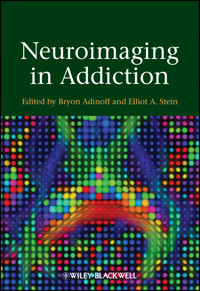
Neuroimaging in Addiction E-Book
134,99 €
Mehr erfahren.
- Herausgeber: John Wiley & Sons
- Kategorie: Fachliteratur
- Sprache: Englisch
Neuroimaging in Addiction presents an up-to-date, comprehensive review of the functional and structural imaging human studies that have greatly advanced our understanding of this complex disorder. Approaching addiction from a conceptual rather than a substance-specific perspective, this book integrates broad neuropsychological constructs that consider addiction as a neuroplastic process with genetic, developmental, and substance-induced contributions.
The internationally recognized contributors to this volume are leaders in clinical imaging with expertise that spans the addiction spectrum.
Following a general introduction, an overview of neural circuitry and modern non-invasive imaging techniques provides the framework for subsequent chapters on reward salience, craving, stress, impulsivity and cognition. Additional topics include the use of neuroimaging for the assessment of acute drug effects, drug-induced neurotoxicity, non-substance addictive behaviors, and the application of imaging genetics to identify unique intermediate phenotypes. The book concludes with an exploration of the future promise for functional imaging as guide to the diagnosis and treatment of addictive disorders.
Scientists and clinicians will find the material in this volume invaluable in their work towards understanding the addicted brain, with the overall goal of improved prevention and treatment outcomes for patients.
Features a Foreword by Edythe London, Director of the Center for Addictive Behaviors, University of California at Los Angeles.
Sie lesen das E-Book in den Legimi-Apps auf:
Seitenzahl: 728
Veröffentlichungsjahr: 2011
Ähnliche




















Contents
Cover
Title Page
Copyright
Dedication
Foreword
List of Contributors
Chapter 1: Introduction
Chapter 2: An Integrated Framework for Human Neuroimaging Studies of Addiction from a Preclinical Perspective
2.1 Introduction
2.2 A Conceptual Framework for Understanding Drug Addiction Based on Preclinical Observations
2.3 Neuropharmacological Considerations
2.4 Neuropathology of Chronic Drug Abuse
2.5 Impulsivity: An Endophenotype for Drug Addiction
2.6 Compulsivity: Craving versus Drug-Seeking
2.7 Summary
Chapter 3: Structural and Functional Neuroimaging Methods: Applications to Substance Abuse and Addiction
3.1 Introduction
3.2 MRI Based Imaging Tools and their Application to Drug Abuse Research
3.3 Molecular Imaging with PET and SPECT
3.4 Summary and Peek into the Future
Chapter 4: Functional Neuroimaging of the Acute Effects of Drugs of Abuse
4.1 Introduction
4.2 Fundamental Neuronal Systems Related to Abuse Liability in Humans
4.3 Psychostimulants
4.4 Alcohol
4.5 Cannabis and the Cannabinoids
4.6 Opioids
4.7 Conclusions and Future Directions
Chapter 5: Reward Processing
5.1 Introduction
5.2 Neurotransmitter Systems Implicated in Reward Processing
5.3 Neurotransmitter Systems Involved in Drug-Related Reward Processing
5.4 Alterations in the Mesostriatal System in Addiction
5.5 Summary and Outlook
5.6 Acknowledgments
Chapter 6: A Neuroimaging Approach to the Study of Craving
6.1 A Neuroimaging Approach to the Study of Craving
6.2 Neural Response During Cue-Elicited Craving
6.3 Associations between Neural and Subjective Response During Cue-Elicited Craving
6.4 Modulators of Neural Response During Cue-Elicited Craving
6.5 Effects of Intervention on the Neural Response During Cue-Elicited Craving
6.6 Summary and Integration of Findings
6.7 Conclusions
Chapter 7: Impulsivity and Addiction
7.1 Introduction
7.2 Impulsivity as Reward versus Control
7.3 The Neurobiology of Impulsivity
7.4 Impulsivity and Risk for Developing a Drug Use Disorder
7.5 Impulsivity in Current Users
7.6 Impulsivity, Abstinence, and Relapse
7.7 Conclusion
Chapter 8: Cognitive Disruptions in Drug Addiction: a Focus on the Prefrontal Cortex
8.1 Introduction
8.2 Attention
8.3 Working Memory
8.4 Decision-Making
8.5 Pre-Morbid Vulnerabilities
8.6 Other Brain Regions
8.7 Limitations Across All Studies
8.8 Treatment Implications
8.9 General Summary and Conclusions
8.10 Acknowledgments
Chapter 9: Neural Mechanisms of Stress and Addiction
9.1 Stress and Addiction
9.2 Neural Circuits of Stress Regulation
9.3 Dysfunction in the Neural Circuits Underlying Stress and Addiction
9.4 Interplay of Gene, Stress, and Drug Intake
9.5 Acknowledgments
Chapter 10: Anatomical and Neurochemical Evidence of Neurotoxic Changes in Psychostimulant Abuse and Dependence
10.1 Introduction
10.2 Characteristics of Psychostimulants
10.3 Quantitative MR Morphology Changes Associated with Psychostimulant Dependence
10.4 Gross Anatomic Changes in Brain Structures and Subtle Neurotoxicity
10.5 Relationship between Errant Neuromodulation by Drug Abuse and Cognitive Abnormalities
10.6 Neurochemical Alterations and Psychostimulant Dependence
10.7 Abnormal White Matter Integrity in Psychostimulant Dependence
10.8 Alcohol and Opiate Addiction
10.9 Conclusion
Chapter 11: Neuroimaging in Behavioral Addictions
11.1 Introduction
11.2 Diagnostic Considerations
11.3 Mesostriatal Dopamine Pathway
11.4 Reward
11.5 Craving
11.6 Future Directions
Chapter 12: Imaging Genetics and Addiction
12.1 Introduction
12.2 Domains of Vulnerability
12.3 Cognitive Function
12.4 Brain Morphometric Changes
12.5 Bridging Gaps
12.6 Imaging Pharmacogenetics
12.7 Conclusion
Glossary
Chapter 13: The Diagnostic and Therapeutic Potential of Neuroimaging in Addiction Medicine
13.1 Can fMRI Become the ECG in Addiction Medicine, or What Are the Treatment Implications of Neuroimaging Research in Drug Addiction?
13.2 Functional Neuroimaging in Addiction: Relevant Cognitive Constructs to Address during Treatment
13.3 Drug Challenge Studies Enhance Knowledge on Pharmacokinetics and Drug-Experience-Relationships
13.4 Imaging Symptom Severity
13.5 Neuroimaging-Based Monitoring of Treatment Regimes and the Prediction of Treatment Outcomes
13.6 Assessing the Relapse Potential Using fMRI
13.7 Neurofeedback as a Therapeutic Approach?
13.8 Methodological Challenges to Utilize Functional Neuroimaging as a Clinical Test
13.9 The Near Future of Brain Imaging in Addiction Medicine
Index
This edition first published 2011 © 2011 by John Wiley & Sons, Ltd
Wiley-Blackwell is an imprint of John Wiley & Sons, formed by the merger of Wiley’s global Scientific, Technical and Medical business with Blackwell Publishing.
Registered office: John Wiley & Sons Ltd, The Atrium, Southern Gate, Chichester, West Sussex, PO19 8SQ, UK
Editorial offices: 9600 Garsington Road, Oxford, OX4 2DQ, UK 350 Main Street, Malden, MA 02148-5020, USA 2121 State Avenue, Ames, Iowa 50014-8300, USA 111 River Street, Hoboken, NJ 07030-5774, USA
For details of our global editorial offices, for customer services and for information about how to apply for permission to reuse the copyright material in this book please see our website at www.wiley.com/wiley-blackwell.
The right of the author to be identified as the author of this work has been asserted in accordance with the UK Copyright, Designs and Patents Act 1988.
All rights reserved. No part of this publication may be reproduced, stored in a retrieval system, or transmitted, in any form or by any means, electronic, mechanical, photocopying, recording or otherwise, except as permitted by the UK Copyright, Designs and Patents Act 1988, without the prior permission of the publisher.
Designations used by companies to distinguish their products are often claimed as trademarks. All brand names and product names used in this book are trade names, service marks, trademarks or registered trademarks of their respective owners. The publisher is not associated with any product or vendor mentioned in this book. This publication is designed to provide accurate and authoritative information in regard to the subject matter covered. It is sold on the understanding that the publisher is not engaged in rendering professional services. If professional advice or other expert assistance is required, the services of a competent professional should be sought.
Library of Congress Cataloging-in-Publication Data
Adinoff, Bryon. Neuroimaging in addiction / Bryon Adinoff and Elliot Stein. p. ; cm. Includes bibliographical references and index. ISBN 978-0-470-66014-0 (cloth) 1. Compulsive behavior–Magnetic Resonance Imaging. 2. Brain–Effect of drugs on. 3. Brain–Radiography. I. Stein, Elliot. II. Title. [DNLM: 1. Behavior, Addictive–radiography. 2. Brain–drug effects. 3. Brain–radiography. 4. Magnetic Resonance Imaging–methods. 5. Substance-Related Disorders–radiography. 6. Tomography, X-Ray Computed–methods. WM 176] RC533.A35 2011 616.8′047572–dc23 2011021437
A catalogue record for this book is available from the British Library.
This book is published in the following electronic formats: ePDF 9781119998464; Wiley Online Library 9781119998938; ePUB 9781119972709; Mobi Pocket 9781119972716
1 2011
Cover figure courtesy of Dr. Xujuan Geng of the NIDA-IRP, where this work was done. Dr. Geng is now Assistant Professor, Department of Psychiatry, University of North Carolina, USA.
To my lovely wife, Trish, and my wonderful children, Zack and Holly. Their love and support through the years have calmed my limbic hot spots.
Bryon Adinoff
To Marsha, Lindsay and Matthew: All that I am, all that I do, is better because of you.
Elliot Stein
Foreword
Edythe D. London, PhD
Semel Institute of Neuroscience and Biobehavioral Sciences, Department of Molecular and Medical Pharmacology, David Geffen School of Medicine at UCLA, USA
Addictive disorders are among the primary preventable causes of major health problems. They also present therapeutic challenges, and often are treatment-resistant and characterized by relapse. The quest for effective addiction treatments has evolved in parallel with major technical advances in the field of brain imaging, which have yielded convincing illustrations that addictions are “brain diseases.” With this in mind, it seems appropriate that a thorough understanding of how disturbances in brain circuitry promote and maintain addiction can help advance the development of effective addiction therapies.
Publication of Neuroimaging in Addiction is timely in view of substantial changes in technology and approaches since the appearance of a previous volume on the same subject, almost a decade ago [1]. Relevant advances include the development of new imaging techniques and their application to clinical problems. For example, although a patent was issued for the use of diffusion tensor imaging (DTI) in 1996 [2], it was years later, after the technique was deemed feasible for studies of the brain, that there was a proliferation of studies using DTI for assessment of white matter. Notably, most articles using DTI in studies of substance abuse have appeared in the literature only within the past three years. Similarly, while the technique of determining functional connectivity, using functional MRI in the resting state, was described in the late 1990s [3,4], this approach has only been applied in addiction research in recent years [5]. Not only has the last decade seen the application of new imaging techniques, but there have also been substantial advancements in functional and structural image analysis procedures, which have greatly influenced the flexibility, scope, and sensitivity of neuroimaging studies [6].
With that in mind, the editors of this book, Bryon Adinoff and Elliot Stein, have assembled an outstanding group of international scholars who contributed to the present volume. The book provides a logical sequence of chapters, beginning with a presentation of current knowledge regarding the neural circuits and neurotransmitters affected by the acute and chronic administration of drugs of abuse, with a focus on findings gleaned primarily from animal studies. After a description of various imaging modalities and how they are used in studies of addiction, the next chapters deal with the acute effects of drugs of abuse, reward processing and craving, and the progression of changes that occur as addiction develops. The subsequent chapters discuss impulsive behavior and neuroimaging studies of disruptions in cognitive function, such as changes in decision-making, that contribute to the maintenance of addictions and that can interfere with behavioral treatments. Next, there is a chapter exploring the role of stress in the development of addiction and in relapse to substance abuse followed by a chapter that presents anatomical evidence for structural changes associated with addictive disorders.
In view of research developments over the past decade, including evidence that various addictions (alcohol, drugs, sugar, etc.) involve the same neurotransmitters and circuits, as well as commonalities in genetic markers of addiction vulnerability, the book generally considers addictions as a group of disorders that share neural substrates, without a primary focus on any one substance of abuse. This is exemplified by a chapter which has been devoted to neuroimaging studies of non-chemical addictions. Given the enormous contribution of uncontrolled eating to obesity, diabetes, and other highly prevalent and debilitating diseases, such as cardiovascular disease and stroke, major attention to non-substance addictions is warranted. Brain imaging studies point to commonalities in the neural correlates of these disorders, suggesting that approaches aimed at correcting neural function in common circuitry may be useful in treating the array of addictive disorders. Such approaches have the potential to reduce the burden of disease across a variety of syndromes that feature loss of self-control as a symptom.
With respect to addiction vulnerability, linkage analyses, candidate-gene analyses and genome-wide association studies have yielded findings that have implicated specific genes. Nonetheless, because of the profound influences of epigenetic and environmental factors, intermediate phenotypes at the level of neural systems can provide valuable correlates of behavioral measures. Furthermore, assessments of neural markers and responses can be used in studies of the mechanisms by which genotype can influence behavior. Considering these issues, a chapter in this volume focuses on the use of brain imaging studies to describe relevant intermediate phenotypes that are linked to addiction.
The volume closes with a chapter that integrates the previous chapters and provides examples and considerations of how brain imaging can be used to predict risk for addiction, diagnosis of addictive disorders, and personalization of treatment. Identification of individuals with neural phenotypes that confer risk for addiction can help target those who might maximally benefit from targeted preventive interventions. Such prophylaxes include educational programs, behavioral approaches, and even vaccines against drug addictions, which are currently under investigation. Although success in clinical trials can be predicted from self-reports of drug use and urine screening [7], which are less costly than neuroimaging, it is possible that identification of dysfunction at the circuit level may be useful in selecting an appropriate targeted treatment.
The birth of the field of brain imaging brought with it the hopes of diagnosing neuropsychiatric diseases that are difficult to discern from one another, and identifying the most relevant therapeutic targets. Although the use of brain imaging for diagnostic purposes has not been as successful as predicted 30 years ago, the increasingly progressive development of brain imaging technologies has provided us with the means to clarify the links between neural circuits and behavioral states that lead to and result from addictive disorders.
This volume brings us up to date on how imaging technologies are applied in understanding addiction and the therapeutic targets that it presents. Research in the next decade promises equally exciting advances in molecular brain imaging techniques and their application in drug abuse research. At the very least, positron emission tomography research is at the brink of providing new radiotracers that extend our ability to study the brain of drug-abusing individuals and to evaluate effects of treatments. For example, while currently available radiotracers can be used to assess striatal and extrastriatal D2-like dopamine receptor availability, ongoing development focuses on tracers for quantitative assay of dopamine dynamics in low-receptor areas of brain, such as the cerebral cortex. Furthermore, ongoing research is directed at overcoming the radiation dosimetry limitations of nuclear medicine approaches (PET and SPECT scanning), which restrict their use in children and in multiple assessments of human subjects of any age. A promising area of technological development is the use of nonradioactive magnetonanoparticles, which are detectable by external imaging [8].
Another area of potential advancement in drug abuse research involves the use of real-time functional MRI feedback in facilitating behavioral change. In this regard, real-time functional MRI has been used to show that individuals can voluntarily control activation in a particular brain region, influencing the perception of pain [9]. It is conceivable that addiction-relevant behavioral states, such as craving, could be influenced as well.
Whereas these anticipated advances are the subject of future reviews, this highly informative volume describes the brain circuits and neurochemical pathways that contribute to addictive disorders with various technical approaches and how they have been used to elucidate the neural correlates of addictive behaviors and their links to genetics. It serves as an excellent reference volume to both researchers and students interested in the translational neurobiology of addictive disorders.
Edythe D. London, PhD
References
1. Kaufman, M. (2001) Brain Imaging in Substance Abuse: Research, Clinical and Forensic Applications, Humana Press, Totowa, NJ.
2. Basser, P.J., Mattiello, J., and LeBihan, D. (1996) Method and System for measuring the diffusion tensor and for diffusion tensor imaging. U. S. Pat. No. 5539310, issued Jul 23.
3. Biswal, B., Yetkin, Z.F., Haughton, V.M., and Hyde, J.S. (1995) Functional connectivity in the motor cortex of resting human brain using echoplanar MRI. Magn Reson Med, 34, 537–541.
4. Lowe, M.J., Mock, B.J., and Sorenson, J.A. (1998) Functional connectivity in single and multislice echoplanar imaging using resting state fluctuations. Neuroimage, 7, 119–132.
5. Hong, L.E., Gu, H., Yang, Y., Ross, T.J. et al. (2009) Association of nicotine addiction and nicotine's actions with separate cingulate cortex functional circuits. Arch Gen Psychiatry, 66(4), 431–41.
6. Smith, S.M., Jenkinson, M., Woolrich, M.W. et al. (2004) Advances in functional and structural MR image analysis and implementation as FSL. Neuroimage, 23(Suppl. 1), S208–S219.
7. Dean, A.C., London, E.D., Sugar, C.A. et al. (2009) Predicting adherence to treatment for methamphetamine dependence from neuropsychological and drug use variables. Drug Alcohol Depend., 105(1–2), 48–55.
8. Akhtari, M., Bragin, A., Cohen, M. et al. (2008) Functionalized magnetoparticles for MRI diagnosis and localization in epilepsy. Epilepsia, 49(8), 1419–1430.
9. deCharms, R.C., Maeda, F., Glover, G.H. et al. (2005) Control over brain activation and pain learned by using real-time functional MRI. Proc. Natl. Acad. Sci., USA, 102(51), 18626–18631.
List of Contributors
Bryon Adinoff, M.D. Professor and Distinguished Professor in Drug and Alcohol Abuse Research, Chief, Division on Addictions, Department of Psychiatry, UT Southwestern Medical Center, VA North Texas Health Care System, Dallas, TX, USA
Anne Beck, Ph.D. Postdoctoral Fellow, Department of Psychiatry and Psychotherapy Charité, Universitätsmedizin Berlin Charité Campus Mitte Charitéplatz 1, Berlin, Germany
Svetlana Chefer, Ph.D. Senior Research Scientist, Neuroimaging Research Branch, National Institute of Drug Abuse, National Institutes of Health, Baltimore, MD, USA
Xi Chen, Ph.D. Postdoctoral Fellow, Neuroimaging Research Branch, National Institute of Drug Abuse, National Institutes of Health, Baltimore, MD, USA
Eric D. Claus, Ph.D. Research Scientist, University Mind Research Network, Albuquerque, NM, USA
Karen D. Ersche, Dipl-Psych, M.Sc., Ph.D., CPsychol Senior Research Associate, Department of Psychiatry and Behavioural and Clinical Neuroscience Institute, University of Cambridge, Cambridge, UK
Francesca M. Filbey, Ph.D. Assistant Professor, School of Behavioral and Brain Sciences University, University of Texas at Dallas, Dallas, TX, USA
Hugh Garavan, Ph.D. Associate Professor, Departments of Psychiatry and Psychology, University of Vermont, Burlington, VT, USA
Xiujuan Geng, Ph.D. Assistant Professor, Department of Psychiatry, University of North Carolina School of Medicine, Chapel Hill, NC, USA
David Goldman, M.D. Chief, Laboratory of Neurogenetics, National Institute on Alcohol Abuse and Alcoholism, National Institutes of Health, Bethesda, MD, USA
Rita Z. Goldstein, Ph.D. Scientist, Medical Research, Brookhaven National Laboratory, Upton, NY, USA
Anthony A. Grace, Ph.D. Distinguished Professor of Neuroscience, Professor of Psychiatry and Psychology, Department of Neuroscience, University of Pittsburgh, Pittsburgh, PA, USA
Hong Gu, Ph.D. Research Associate, Neuroimaging Research Branch, National Institute of Drug Abuse, National Institutes of Health, Baltimore, MD, USA
Cynthia R. Harrington, M.D., Ph.D. Clinical Instructor, Department of Dermatology, UT Southwestern Medical Center, Dallas, TX, USA
Andreas Heinz, M.D. Director and Chair, Department of Psychiatry and Psychotherapy Charité, Universitätsmedizin Berlin Charité Campus Mitte Charitéplatz 1, Berlin, Germany
Kent E. Hutchison, Ph.D. Professor, Department of Psychology, University of Colorado at Boulder, Boulder, CO, USA
Edythe D. London, Ph.D. Thomas P. and Katherine K. Pike Professor of Addiction Studies, Professor of Psychiatry and Biobehavioral Sciences, Professor of Molecular and Medical Pharmacology, Department of Psychiatry and Biobehavioral Sciences, Department of Molecular and Medical Pharmacology, University of California Los Angeles, Los Angeles, CA, USA
Scott J. Moeller, Ph.D. Postdoctoral Research Associate, Medical Research, Brookhaven National Laboratory, Upton, NY, USA
David J. Nutt, DM FRCP FRCPsych FMedSci The Edmond J Safra Chair in Neuropsychopharmacology, Director, Neuropsychopharmacology Unit, Imperial College London, London, UK
Martin P. Paulus, M.D. Professor of Psychiatry, Department of Psychiatry, Laboratory of Biological Dynamics and Theoretical Medicine, University of California San Diego, La Jolla, CA, USA
Laurence John Reed, Ph.D., MRCPsych Clinical Senior Lecturer in Addiction Neurobiology, Neuropsychopharmacology Unit, Centre for Pharmacology and Therapeutics, Division of Experimental Medicine, Department of Medicine, Imperial College London, London, UK
Perry F. Renshaw, M.D., Ph.D., M.B.A. Professor, Department of Psychiatry, University of Utah, Salt Lake City, UT, USA
Martina Reske, Ph.D. Postdoctoral Researcher, Institute of Neuroscience and Medicine 4, Forschungszentrum Jülich, Jülich, Germany
Trevor W. Robbins, Ph.D., F.R.S., FMedSci Professor of Cognitive Neuroscience and Experimental Psychology, Director of the Behavioural and Clinical Neuroscience Institute, Head of Department of Experimental Psychology, University of Cambridge, Cambridge, UK
Dongju Seo, Ph.D. Associate Research Scientist, Department of Psychiatry, Yale University School of Medicine, New Haven, CT, USA
Rajita Sinha, Ph.D. Professor, Department of Psychiatry and Child Study, Yale University School of Medicine, New Haven, CT, USA
Vibhuti Srivastava, Ph.D. Post Doctoral Fellow, Department of Molecular Pathology, The University of Texas, MD Anderson Cancer Center, Houston, TX, USA
Elliot A. Stein, Ph.D. Chief of Neuroimaging Research Branch, National Institute on Drug Abuse, National Institutes of Health, Baltimore, MD, USA
Young-Hoon Sung, M.D., M.S. Assistant Professor, Department of Psychiatry, University of Utah, Salt Lake City, UT, USA
Nora D. Volkow, M.D. Director, National Institute on Drug Abuse, National Institutes of Health, Bethesda, MD, USA
Yihong Yang, Ph.D. Chief of MR Imaging and Spectroscopy Section, Neuroimaging Research Branch, National Institute on Drug Abuse, National Institutes of Health, Baltimore, MD, USA
Chapter 1
Introduction
Bryon Adinoff1,2 and Elliot Stein3
1Department of Psychiatry, UT Southwestern Medical Center, Dallas, TX
2VA North Texas Health Care System, Dallas, TX
3National Institutes on Drug Abuse-Intramural Research Program, Baltimore, MD
Derived from addictionem, meaning “an awarding, a devoting,” the term addiction evolved in the 1600s to suggest a tendency of habits and pursuits. Used in the modern sense since the 1800s with reference to tobacco, opium, and spirits, addiction now describes a symptom complex of loss of control, compulsive use, and continued use despite adverse consequence. Although “dependence” was used by DSM III to describe the physical dependence upon drugs and alcohol (as evidenced by tolerance and withdrawal) and subsequently by DSM III-R and IV to include the three Cs (Control, Compulsive use, and Consequences), there is now relatively widespread agreement that “addiction” best denotes the symptom cluster that is the focus of this volume: Neuroimaging in Addiction [1]. As this book goes to press, the DSM-V work group on substance-related disorders has recommended that “addiction” replace “dependence” as the diagnostic label that defines these behaviors, concerns regarding its vagueness, associated stigma, overuse, and non-scientific formulation non-withstanding [2].
“Addiction,” however, has also been usurped in the public domain to describe any behavior that is performed in excess, including Internet use, sex, chocolate, shopping, pornography, gambling, tanning, or eating. Whether or not these behaviors are truly “addictive,” and whether these behaviors are consistent with a disease process, begs the question of how to definitively identify this disorder. The diagnosis of substance use disorders (in addition to other so-called “process” or “behavioral” addictions), unfortunately, shares a dilemma encountered throughout psychiatry – the diagnosis is based solely on descriptive, symptomatic checklist criteria. The use of biological measures, such as blood tests, physiological measures (e.g., blood pressure), electrocardiograms, or x-rays, to diagnosis disease states, which are standard protocol throughout the rest of medicine, continues to elude our field. The absence of accurate (or even partially accurate) biological markers to guide the diagnosis of neuropsychiatric disorders remains a critical limiting factor in discerning a neurobiologically-based disease from a non-pathological behavioral state and may, in part, be responsible for the poor outcome prognoses for many of our patients suffering from addiction. We believe that neuroimaging techniques offer the best hope to realize this Holy Grail of psychiatry.
When the editors began their training, brain imaging was in its early stages of development and implementation as a diagnostic tool. Researchers and clinicians were suddenly provided the opportunity to safely, and with relatively minimal patient discomfort, investigate the human brain in situ. The promises inspired by structural and functional brain imaging were profound. The 1990s were pronounced “The Decade of the Brain” and it was assumed that these tools would herald the neurobiologically based diagnosis and targeted treatment of psychiatric disorders by the turn of the twenty-first century. This, of course, did not happen. What did happen, however, were stunning technical advancements in assessing brain activity that allowed an unparalleled investigation of neural processes, exponentially increasing our understanding of how the brain perceives, integrates, and responds to sensory and affective stimuli. Steady progress has also been evident in unveiling the neurobiological differences in individuals with psychiatric disorders, albeit not (as of yet) with the diagnostic sensitivity and specificity required for clinical use. These advances, perhaps most impressive in the addictive disorders, has motivated the publication of Neuroimaging in Addiction.
The accomplishments in understanding the neural processes involved in addiction are due, at least in part, to superb animal models that closely mimic the repetitive and compulsive drug-taking behaviors observed in addicted humans. Neuroimaging techniques have provided the interface necessary to translate these anatomical, cellular and circuitry models into the human addicted brain. A major accomplishment of these closely aligned approaches is the elucidation of biologic processes that are shared across several substances of abuse. The growing confluence of these two approaches signaled to the editors that the timing was propitious to summarize the neuroimaging findings to-date and has guided two key concepts encapsulated in Neuroimaging in Addiction.
First, the chapters have been organized by key constructs shared across the various substances of abuse, starting with a description of shared disruptions in neurocircuitry and extending to experiential, cognitive and behavioral processes such as reward salience, craving, stress, and impulsivity. This approach, rather than a categorical approach based upon a specific drug of abuse, supports the common DSM-IV behavioral criteria used to describe all additive disorders. Second, the title of the book refers to Addiction in the singular, denoting a common disease process that is differentially manifested (i.e., a shared etiology and neurocircuitry that is variably expressed with different drug choices) rather than a spectrum disorder (i.e., each substance addiction encapsulates its own etiologic and biologic profile with shared symptoms across each substance). This distinction has critical implications for our understanding, as well as treatment, of addiction.
Guided by this framework, the contributors to Neuroimaging in Addiction detail the state-of-the-art in their respective fields. Although the original intent of the editors was to specifically highlight the advances of neuroimaging in addiction, each chapter has also evolved into a superb overview of the construct or topic approached and thus simultaneously provides the reader with an excellent textbook on addiction neurobiology. This extensive overview emphasizes the remarkable progress that has occurred in our field over the past ten years.
Yet, as noted earlier, these great leaps forward have not been paralleled with similar progress in the diagnosis or treatment of addiction. Making accurate diagnoses on an individual subject/patient basis remains elusive, as does our ability to assess treatment efficacy. Nevertheless, dramatic advances in imaging technology, coupled with those in other fields (e.g., genomics, drug discovery), promise such breakthroughs in the not-too-distant future. New technologies have and will continue to offer new insights in the structure and function of both the healthy brain and its pathophysiology. Justified excitement in the neuroimaging field can be seen in the recent advances in the ability to perform white matter tract tracing in situ, combine the excellent temporal resolution of EEG with the superb spatial resolution of fMRI in combined recording studies, and measure the important neurotransmitters glutamate and GABA via MR spectroscopy. New PET ligands are starting to emerge from the lab, promising the ability to make molecular measurements of compounds based on scientific hypotheses, not simply because a ligand was available. And new hardware continues to be developed, whether it be ever higher field MRI scanners (a human 11.7 T scanner is currently in development) or the exciting recent PET camera insert into a standard 3T MRI, allowing for the first time simultaneous measurements. Finally, especially in the field of MRI, new analysis methods are continually being developed to better extract information from the rich MRI signal. These developments include the rapidly evolving field of resting state functional connectivity, and its analysis using network and multivariate analyzes, although only the former has yet to be applied to the addiction field.
Elucidating subject-specific differences in brain functioning will enable the identification of neural correlates of behavioral complexes, unique intermediate phenotypes, and/or substance-specific disruptions as well as targeted treatment approaches and objective assessments of treatment efficacy. Clarification of the distinct and overlapping neural networks defining addictive and other psychiatric disorders, including schizophrenia, bipolar, post-traumatic stress, and antisocial social personality disorders, will allow increasingly focused treatment approaches. Finally, it is likely that identifying neural signatures of addiction will markedly diminish the stigma associated with addictive disorders. Such biological markers should lessen the fear and shame that accompanies this disease, and in turn, remove self-imposed, social, and medical obstacles in seeking and obtaining treatment. It is our hope that scientists, clinicians, and students will find the material in this volume useful as we continue our journey to understand the addicted brain with the goal of improved prevention and treatment outcomes for our patients.
References
1. O’Brien, C.P., Volkow, N., and Li, T.K. (2006) What's in a word? Addiction versus dependence in DSM-V. American Journal of Psychiatry, 163, 764–765.
2. Erickson, C.K. (2007) Terminology and characterization of “Addiction”, in The Science of Addiction: From Neurobiology to Treatment, W. W. Norton & Company, New York, pp. 1–31.
Chapter 2
An Integrated Framework for Human Neuroimaging Studies of Addiction from a Preclinical Perspective
Karen D. Ersche1 and Trevor W. Robbins1,2
1University of Cambridge, Behavioural & Clinical Neuroscience Institute, Cambridge, UK
2University of Cambridge, Department of Experimental Psychology, Cambridge, UK
2.1 Introduction
Preclinical research into the neural substrates of drug dependence focused attention onto the dopamine-dependent functions of the nucleus accumbens of the ventral striatum in rewarded behavior (see recent review [1]. More recent analyzes have shown the importance of considering the neural context of the ventral striatum in subserving such behavior [2], including limbic-cortical and prefrontal interactions with the striatum. It is this framework of preclinical research that has guided the yet more complex issues of the neural substrates of addiction, particularly in humans, to a variety of drugs of abuse, including stimulants and opiates.
2.2 A Conceptual Framework for Understanding Drug Addiction Based on Preclinical Observations
Understanding the neural basis of drug addiction has required an integrated approach from both studies in cognitive and affective neuroscience on human volunteers and clinical patients, and also from behavioral neuroscientists and psychopharmacologists conducting well-controlled animal experiments. However, it was discoveries derived from experiments with animals that provided the first clues about how the brain might mediate reinforcement processes relevant to addiction, and it is this literature that underpins many of today's sophisticated investigations of the neural substrates of human addiction. Perhaps the seminal discovery was that by Roberts et al. [3], who showed that depleting dopamine from the mesolimbic dopamine system appeared to block the self-administration of intravenous cocaine in rats in a way that could not easily be accounted for as a motor deficit (given the implication of dopamine in Parkinson's disease). Previous work by several groups beginning with Crow [4] had implicated mesolimbic dopamine in a “brain reward system” from studies on intracranial self-stimulation via implanted electrodes in the medial forebrain bundle.
2.2.1 The Pivotal Role of the Nucleus Accumbens
One of the terminal regions of the mesolimbic dopamine system is a structure in the basal forebrain, associated with both the basal ganglia and the limbic system, the nucleus accumbens. Much interest was already focused on the role of the nucleus accumbens in reward processes when Hoebel et al. [5] showed that rats would self-administer d-amphetamine directly into this region unilaterally in very small volumes – with little evidence of other “hot-spots.” Phillips et al. [6] confirmed this finding with evidence from bilateral self-administered infusions that were up-regulated by simultaneously adding dopamine D1 or D2 receptor antagonists to the infusate – suggesting that the rats were “regulating” their preferred level of dopamine receptor stimulation, as rates of self-administration increased, again contrary to what would be expected of a purely motor function for these neurons.
Two other classic studies have confirmed an important focus on dopamine-dependent functions of the nucleus accumbens, while broadening its involvement to include non-stimulant drugs such as heroin and alcohol. DiChiara and Imperato [7], using microdialysis, have shown that many drug withdrawal states, whether from stimulants such as cocaine, nicotine, alcohol or heroin, all increase levels of dopamine sampled in the nucleus accumbens. This does not, of course, suggest that such an effect is sufficient or even necessary for drug reinforcement, as many other receptor-types and brain regions may be implicated for example in alcohol reinforcement, but the commonality is significant. However, Koob and LeMoal [8] have also highlighted many other neurochemical and neuroendocrine changes occurring in drug withdrawal. A second landmark study was that of Bozarth and Wise [9], which appeared to dissociate the positive reinforcing effects of opiates from their physical withdrawal signs. The latter were attributed to brain-stem systems, but rats would self-administer morphine directly into the vicinity of the dopamine cell bodies in the ventral tegmental area (VTA) in the absence of any obvious precipitated signs of withdrawal – implicating a dopamine system in the positively reinforcing actions of opiates. However, it was shown subsequently that not only did morphine self-administration occur in the nucleus accumbens but also that it was, perhaps surprisingly, not blocked by dopamine depletion from that structure (see [8] for a review). Thus, the nucleus accumbens clearly had an important role in opioid reinforcement, but its contribution to opioid self-administration was independent of its dopamine input.
Lesen Sie weiter in der vollständigen Ausgabe!
Lesen Sie weiter in der vollständigen Ausgabe!
Lesen Sie weiter in der vollständigen Ausgabe!
Lesen Sie weiter in der vollständigen Ausgabe!
Lesen Sie weiter in der vollständigen Ausgabe!
Lesen Sie weiter in der vollständigen Ausgabe!
Lesen Sie weiter in der vollständigen Ausgabe!
Lesen Sie weiter in der vollständigen Ausgabe!
Lesen Sie weiter in der vollständigen Ausgabe!
Lesen Sie weiter in der vollständigen Ausgabe!
Lesen Sie weiter in der vollständigen Ausgabe!
Lesen Sie weiter in der vollständigen Ausgabe!
Lesen Sie weiter in der vollständigen Ausgabe!
Lesen Sie weiter in der vollständigen Ausgabe!
Lesen Sie weiter in der vollständigen Ausgabe!
Lesen Sie weiter in der vollständigen Ausgabe!
Lesen Sie weiter in der vollständigen Ausgabe!
Lesen Sie weiter in der vollständigen Ausgabe!
Lesen Sie weiter in der vollständigen Ausgabe!
Lesen Sie weiter in der vollständigen Ausgabe!
Lesen Sie weiter in der vollständigen Ausgabe!
Lesen Sie weiter in der vollständigen Ausgabe!
Lesen Sie weiter in der vollständigen Ausgabe!




