


Erhalten Sie Zugang zu diesem und mehr als 300000 Büchern ab EUR 5,99 monatlich.
- Herausgeber: epubli
- Kategorie: Fachliteratur
- Sprache: Englisch
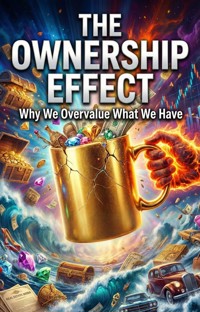
Why we overvalue what we have. An experiment: You receive a mug as a gift. Instantly, it is worth more to you than the identical mug in the store. This is the ownership effect—a cognitive bias that makes you poor and inflexible. This book explains why people demand irrational prices for their possessions, hold bad investments too long, and miss opportunities because they cannot let go. The mechanism is loss aversion. Losing hurts twice as much as winning feels good. We analyze how to overcome the effect. Learn to see ownership as temporary. Understand opportunity costs. Every thing you own also owns you. It costs space, time, mental energy. Freedom is not having more. Freedom is needing less.
Sie lesen das E-Book in den Legimi-Apps auf:
Seitenzahl: 159
Veröffentlichungsjahr: 2026
Das E-Book (TTS) können Sie hören im Abo „Legimi Premium” in Legimi-Apps auf:
Ähnliche



















Table of Contents
Chapter 1: Understanding the Ownership Effect
What is the Ownership Effect?
The Role of Loss Aversion
Ownership and Behavioral Economics
Overcoming the Ownership Effect
Chapter 2: The Psychology Behind Ownership
Understanding Loss Aversion
The Ownership Effect in Action
The Cost of Ownership
Reframing Ownership
Chapter 3: The Impact of the Ownership Effect on Decision Making
Understanding the Ownership Effect
The Role of Loss Aversion
Impact on Financial Decisions
Effects on Personal Relationships
Strategies to Mitigate the Ownership Effect
Chapter 4: Common Scenarios Where Overvaluation Occurs
Real Estate Decisions
Personal Belongings
Investments and Stocks
Business Ownership
Chapter 5: Holding onto Bad Investments
Understanding the Ownership Effect
The Role of Loss Aversion
Identifying Bad Investments
Strategies for Letting Go
The Freedom of Minimalism
Chapter 6: The Cost of Ownership: Opportunity Costs
Understanding Opportunity Costs
The Emotional Toll of Ownership
Assessing the Hidden Costs of Possessions
The Freedom of Letting Go
Chapter 7: Shifting Perspectives: Viewing Ownership as Temporary
Understanding the Ownership Effect
Recognizing Loss Aversion
The Temporary Nature of Ownership
Reducing the Weight of Ownership
Understanding Opportunity Costs
The Freedom of Needing Less
Chapter 8: Strategies to Combat the Ownership Effect
Understanding the Ownership Effect
Practicing Mindfulness
Cognitive Reframing
Embracing Opportunity Costs
Chapter 9: Freedom from Ownership: Embracing Minimalism
Understanding Minimalism
The Psychological Impact of Ownership
Embracing the Concept of Temporary Ownership
Opportunity Costs of Ownership
The Journey to Minimalism
Chapter 10: Learning from Others: Case Studies
The Power of Letting Go: The Story of a Successful Entrepreneur
A Nonprofit's Transformation: The Case of Donating Goods
Corporate Case: A Tech Company’s Shift to Agile Workspaces
The Personal Journey: An Individual’s Declutter Challenge
Chapter 11: The Long-Term Effects of Ownership on Personal Growth
Understanding the Ownership Effect
The Role of Loss Aversion
The Importance of Letting Go
Seeing Ownership as Temporary
Understanding Opportunity Costs
The Connection Between Ownership and Identity
Chapter 12: Redefining Success Beyond Ownership
Understanding Traditional Success Metrics
The Impact of the Ownership Effect on Mindset
Emphasizing Experiences Over Ownership
The Role of Opportunity Cost in Success Redefinition
Strategies for Letting Go of the Ownership Mindset
Embracing a New Vision of Success
Wrapping Up: Embracing Change and Freedom
Chapter 1: Understanding the Ownership Effect
In this chapter, we explore the concept of the ownership effect, a psychological phenomenon that causes us to overvalue the things we possess. You will discover how this bias influences our decisions, making us irrationally cling to items and ideas. Through relatable examples like receiving a simple mug as a gift, we illustrate how ownership alters our perception of value.
What is the Ownership Effect?
The ownership effect refers to the psychological phenomenon where people place a higher value on what they own compared to identical items they do not possess. This chapter introduces the ownership effect, illustrating how our possessions influence our perception and decision-making.
Definition of the Ownership Effect
The ownership effect is a psychological phenomenon wherein individuals attribute greater value to their possessions than to similar items that they do not own. This cognitive bias can manifest in various aspects of life, such as personal belongings, investments, or even ideas. When you possess an item, its perceived worth amplifies due to emotional attachment and subjective value judgments.
For instance, consider a common object like a coffee mug. If you've received it as a gift, you may find yourself evaluating that mug’s worth as significantly higher than a similar mug on store shelves. This demonstrates how the ownership effect distorts our assessment of value, leading to decisions driven by illogical assessments rather than objective reasoning. Understanding this bias is crucial for developing a more balanced perspective on value and possession.
Psychological Basis
The ownership effect is deeply rooted in cognitive biases, particularly loss aversion, a concept originating from behavioral economics. Loss aversion indicates that the pain of losing something is psychologically felt twice as intensely as the pleasure derived from acquiring something of equal value. This innate bias affects how we perceive both our assets and potential opportunities.
When individuals experience ownership, they may become overly protective of their possessions, fearing the emotional and psychological loss associated with parting from them. This leads to a skewed perception of worth, where the potential loss outweighs rational considerations, reinforcing a cycle of overvaluation. Acknowledging this psychological basis is the first step toward mitigating its effects in our personal and financial decision-making.
Example: The Mug Scenario
To illustrate the ownership effect, let’s examine a relatable scenario involving a gifted mug. When someone receives a coffee mug as a present, they often begin to perceive it as a unique item, imbuing it with sentimental value that an identical mug purchased from a store lacks.
This distortion in value perception highlights the ownership effect in action. The recipient may irrationally believe that the gifted mug is inherently superior, leading them to dismiss the idea of replacing it or acquiring another. Such insights can inform our understanding of behavioral financial decisions, where emotional attachments strongly influence market valuations and personal choices.
Real-life Implications
The implications of the ownership effect extend far beyond personal feelings regarding items. This cognitive bias can lead to detrimental financial decisions, such as overvaluing possessions when attempting to sell or engaging in emotional attachment that prevents the disposal of outdated or unnecessary assets.
Moreover, the ownership effect contributes to poor investment strategies, where individuals cling to depreciating assets due to an irrational belief in their worth. Understanding these real-life implications is vital; it encourages individuals to adopt a more flexible mindset, consider opportunity costs, and ultimately make more informed decisions that align with their long-term goals for personal and financial growth.
The Role of Loss Aversion
Loss aversion plays a crucial role in the ownership effect. This principle explains why people often prefer avoiding losses to acquiring equivalent gains. Understanding it helps clarify our attachment to possessions.
Understanding Loss Aversion
Loss aversion is a fundamental principle in behavioral economics that asserts our fear of losing what we already possess outweighs the pleasure derived from acquiring new items. This powerful emotional response can be traced back to evolutionary psychology, where the impacts of losses were often more critical to survival than the benefits of equivalent gains.
For instance, if a person owns a valuable asset like a car, the thought of losing that car often evokes a stronger emotional reaction than the imagined joy of acquiring a new vehicle. This psychology explains why we become attached to possessions and resist parting with them, even when rational analysis suggests it would be better for us to do so. Understanding loss aversion is vital for recognizing how it invariably affects our decision-making processes.
Impact on Decision Making
The influence of loss aversion on decision-making can lead individuals to make suboptimal choices that may hinder personal growth and financial health. For example, someone might delay selling a depreciating asset like a stock, clinging to the belief that it will rebound, despite evidence to the contrary.
This hesitance can create a cycle of inaction, where the fear of realizing a loss prevents one from pursuing better investment opportunities. Moreover, loss aversion can discourage switching from a familiar service or brand to a more superior alternative simply because the fear of losing the status quo becomes overwhelming. Recognizing this tendency in ourselves can empower us to make more informed decisions.
Examples of Loss Aversion
A common scenario illustrating loss aversion is when individuals remain invested in failing stocks. The emotional burden of loss leads them to hold onto these investments longer than advisable, even as market conditions worsen.
This attachment isn't rational; it stems from a deeper emotional need to avoid feeling the sting of loss. Consequently, they miss opportunities to reinvest in more promising options, ultimately impacting their financial growth. By examining these patterns in our behavior, we can better navigate potential pitfalls and make wiser investment choices.
Influence on Emotional Well-being
The strong attachment many people have to their possessions can create unnecessary emotional strain. When faced with the possibility of losing items of sentimental value, individuals often experience heightened anxiety and stress.
This emotional toll not only diminishes personal happiness but also impedes mental clarity, leading to further indecision about retaining or discarding items. Acknowledging the grip of loss aversion can help us establish a healthier perspective on ownership. By embracing principles of minimalism and impermanence, we can foster emotional resilience and achieve a greater sense of freedom in our lives.
Ownership and Behavioral Economics
The ownership effect is a critical concept in behavioral economics, influencing how individuals and markets operate. This section highlights its significance and its real-world consequences.
Behavioral Economics Overview
Behavioral economics combines insights from psychology with traditional economic theory to understand how individuals make decisions. Rather than assuming people always act rationally and in their best financial interests, this field acknowledges that emotions and cognitive biases heavily influence choices. These biases, including the ownership effect, lead to behaviors that often conflict with established economic models.
The ownership effect illustrates how simply possessing an item can inflate its perceived value, making us resistant to letting go of things we own. This field aims to identify these irrational behaviors, enabling better predictions about market trends and consumer dynamics. By recognizing the psychological underpinnings of our decisions, businesses can tailor their strategies to more effectively meet consumer needs and expectations.
The Ownership Effect in Action
The ownership effect manifests in numerous real-world scenarios, particularly in market pricing. For instance, when individuals sell their possessions, they often set prices significantly higher than what buyers are willing to pay, simply because they own those items. This disparity arises from an emotional attachment to ownership, leading to inflated expectations regarding value.
This bias can distort markets, as sellers believe their belongings are worth more than the objective market rate. Consequently, some potential transactions never materialize. Understanding this phenomenon is essential for both consumers and business owners, enabling them to navigate market transactions more effectively and maintain realistic price expectations.
Market Dynamics
Grasping the ownership effect can provide businesses with a substantial advantage in setting prices and structuring their marketing strategies. By anticipating how consumers' attachment to their possessions might influence their purchasing decisions, companies can design offers that resonate more deeply with buyers. For example, appealing to the emotional aspects of ownership can enhance customer loyalty and increase perceived value.
Additionally, recognizing the ownership bias allows businesses to explore innovative pricing strategies. Companies can leverage this understanding to create marketing campaigns that highlight the benefits of letting go of old items or purchasing new ones, ultimately influencing consumer behavior in a positive direction. By acknowledging the complexities of ownership and its psychological effects, businesses can align their strategies with consumer behavior and market dynamics.
Investment Strategies
For investors, the ownership effect is a significant barrier that can lead to suboptimal decision-making. When individuals become emotionally attached to their investments, they may hold onto poor-performing stocks or assets longer than they should. This tendency not only prevents them from realizing losses but also inhibits the opportunity to reinvest in better options.
To navigate this challenge, investors must consciously recognize their biases and the ownership effect's influence on their choices. Strategies such as setting predetermined sell points and regularly reviewing portfolio performance can help mitigate these emotional attachments. By adopting a more analytical and objective approach, investors can make more informed decisions that align with their long-term financial goals, ultimately improving their chances of success in the market.
Overcoming the Ownership Effect
Recognizing the ownership effect is the first step toward overcoming it. This section provides strategies for mitigating its influence on decision-making and personal growth.
Shift Your Mindset
To effectively overcome the ownership effect, it is crucial to shift your mindset. Begin by viewing ownership as a temporary state rather than a permanent one. This perspective can significantly reduce the emotional weight associated with your possessions. Understand that everything you own is merely on loan from the universe.
When you frame ownership as temporary, it becomes easier to detach from items that no longer serve you. This detachment allows for a healthier relationship with belongings, making it easier to let go when necessary. Consider the transient nature of life itself—clinging to possessions can inhibit personal growth and prevent opportunities from arising.
Ultimately, fostering a mindset of flexibility and impermanence can enhance your decision-making process. By practicing this outlook, you can appreciate the value of your belongings without being held hostage by them.
Evaluate Opportunity Costs
An essential strategy in overcoming the ownership effect is to critically evaluate opportunity costs. Each item you hold onto can represent a missed opportunity for something new or potentially more fulfilling. Take a moment to assess what you might gain or lose by clinging to specific possessions.
For instance, holding onto an old item may prevent you from making room for new experiences or investments. Evaluate how the time, mental energy, and physical space consumed by certain items could be redirected toward pursuits that align more closely with your goals.
By consciously considering the trade-offs involved, you empower yourself to make informed decisions. This evaluation encourages you to see possessions as resources to be utilized rather than burdens to carry, leading to a more strategic approach to ownership.
Practice Mindful Decision-Making
Implementing mindful decision-making is vital for mitigating the ownership effect. Before making any significant decisions regarding your belongings, take a step back and assess their actual value based on your current needs and goals. Ask yourself whether the emotional attachment you feel is justified or if it is merely a byproduct of ownership bias.
Being mindful involves recognizing the difference between genuine value and perceived value. This process may require introspection and honesty, ensuring you are not influenced by nostalgia or sentimentality inappropriately. By anchoring your decisions in present realities rather than past attachments, you can foster a healthier relationship with your possessions.
Through this clarity, you can streamline your life, making choices that align with your aspirations rather than the default settings of emotional attachment.
Embrace Minimalism
Adopting a minimalist lifestyle is an effective way to combat the ownership effect. Minimalism encourages you to evaluate what truly adds value to your life, allowing for a greater focus on experiences rather than possessions. By decluttering your environment, you free up mental energy and resources that can be redirected toward more meaningful engagements.
When you minimize your possessions, you also mitigate the constant pull of ownership bias. Fewer items mean less emotional baggage, which leads to increased clarity in decision-making. This lifestyle choice fosters a sense of freedom that comes from needing less, ultimately enhancing your overall well-being.
In embracing minimalism, you make a conscious effort to prioritize quality over quantity, leading to sustained personal growth. The pathway to freedom lies not in amassing more, but in appreciating what you have while strategically releasing what no longer serves you.
Chapter 2: The Psychology Behind Ownership
This chapter dives into the core psychological principles that explain why we value our possessions more highly than identical ones we do not own. We will discuss concepts such as loss aversion and how they're rooted in our evolutionary past, leading us to fear losing what we have far more than we enjoy acquiring new things.
Understanding Loss Aversion
Loss aversion is a key psychological principle that describes our tendency to prefer avoiding losses rather than acquiring equivalent gains. This section explores the concept and its implications on our behavior regarding ownership.
Loss aversion defined:
Loss aversion refers to the psychological phenomenon where the pain of losing something is felt more intensely than the pleasure associated with acquiring an equivalent gain. In the context of ownership, this means that when we possess an item—a mug, for instance—we experience a profound attachment to it. Should we lose that mug, the discomfort we feel outweighs any joy we might have felt had we gained a similar mug. This principle illustrates why people often demand higher prices for their possessions and why they hold onto items longer than they should. The emotional weight of loss is so significant that it skews our decision-making processes, often leading us to irrational conclusions about the value of what we own, rendering us vulnerable to the ownership effect.
Evolutionary roots:
The concept of loss aversion is not merely a recent psychological observation; it traces its origins back to our evolutionary history. As early human beings, survival hinged on our ability to retain resources—food, tools, and shelter. Losing these resources signaled a direct threat to our existence. This innate fear of loss became ingrained in our psychology, making us acutely aware of potential threats. In contemporary society, while the nature of our possessions has evolved, the underlying instinct remains. Consequently, our brains react more vigorously to the prospect of losing what we have than to the promise of gaining something new, effectively tying our emotional and psychological well-being to our possessions even in a largely secure environment.
Quantifying the impact:
Research in behavioral economics has uncovered insightful data regarding loss aversion, indicating that losses are psychologically about twice as impactful as gains. This means that the negative emotional response to losing $100 is far greater than the satisfaction felt from earning an additional $100. Such findings significantly influence our decision-making and emotional responses, often leading us into a cycle of irrational behavior regarding ownership. The very act of weighing the potential loss against a potential gain can distort our judgment, causing us to undervalue new opportunities and overemphasize the current state of our possessions. Understanding this quantification not only sheds light on our behavior but can also empower us to make more balanced financial and emotional decisions.
Application in everyday life:
Recognizing the influence of loss aversion in our lives can illuminate why we find it challenging to part with possessions, even those we no longer need. Many individuals hold onto items that provide minimal, if any, utility, purely because they fear the loss of what they currently possess. This attachment can hinder personal growth and financial flexibility. By becoming aware of how loss aversion guides our attachment, we can actively work to mitigate its impact. Strategies, such as reframing ownership as temporary, can help us ease the emotional burden tied to possessions. Embracing the notion that letting go can create space for new opportunities enables us to break free from the ownership effect, fostering greater freedom and growth.
The Ownership Effect in Action
The ownership effect highlights how our perceived value of items shifts dramatically once we claim ownership. This section looks at real-life examples to illustrate this bias.
The mug experiment:
In a classic psychological experiment, participants are given identical mugs. Those who receive the mug as a gift typically demand a higher selling price than those who do not own one. This phenomenon, known as the ownership effect, illustrates the cognitive bias that distorts value perception based on ownership. The gift recipients often feel a stronger attachment to the mug, believing that it holds greater intrinsic value simply because it belongs to them.




