


5,99 €
Mehr erfahren.
- Herausgeber: Shuttle Systems Ltd
- Kategorie: Ratgeber
- Sprache: Englisch
"A personal emergency fund is like a superhero cape, it gives you the power to conquer any financial crisis."
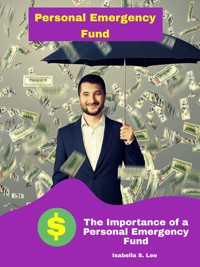
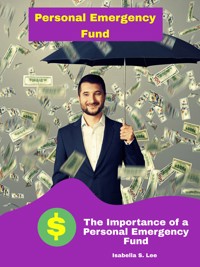
Are you prepared for unexpected emergencies that can happen at any time? The Personal Emergency Fund is the ultimate guide for building, managing, and protecting your financial safety net. Whether you're a beginner or an experienced saver, this book provides practical advice and strategies to help you create an emergency fund that will give you peace of mind and financial security.
The first section of the book explains the importance of having an emergency fund and the consequences of not having one. It helps you determine how much money should be in your emergency fund and teaches you how to overcome the instant gratification mindset.
The second section of the book covers strategies for building an emergency fund. It includes tips on making savings automatic, using a dedicated account for your emergency fund, and saving windfalls and unexpected money. The book also explains the impact of debt on your emergency fund and offers strategies for reducing debt while building your emergency fund.
The third section of the book discusses how major life changes impact your emergency fund and offers advice on rebuilding your emergency fund after a crisis. The book also includes case studies of emergency fund success stories and offers analysis of successful emergency fund strategies.
The fourth section of the book focuses on lifestyle changes to boost your emergency fund. It includes advice on cutting costs and living frugally, increasing your income with side hustles, and building an emergency fund on a low income. The book also explains the connection between your career and your emergency fund and offers strategies for saving when money is tight.
The fifth section of the book explores the role of insurance in your emergency plan and offers advice on understanding the various types of insurance and deciding what insurance you need. It also explains how insurance and your emergency fund work together to protect you financially.
The sixth section of the book dispels common myths and misconceptions about emergency funds and offers advice on ensuring your emergency fund lasts. It also provides tips for wise spending during an emergency and advice on refilling your emergency fund after use.
In conclusion, the Personal Emergency Fund is an essential guide for anyone who wants to build a strong financial safety net. With its practical advice, clear explanations, and real-life examples, this book will help you create an emergency fund that will protect you and your family in times of need. Whether you're just starting out or you're a seasoned saver, this book will provide you with the tools you need to manage your money and build a secure financial future.
Das E-Book können Sie in Legimi-Apps oder einer beliebigen App lesen, die das folgende Format unterstützen:
Veröffentlichungsjahr: 2023
Ähnliche


















Created by Xspurts.com
All rights reserved.
Copyright © 2005 onwards .
By reading this book, you agree to the below Terms and Conditions.
Xspurts.com retains all rights to these products.
No part of this book may be reproduced in any form, by photostat, microfilm, xerography, or any other means, or incorporated into any information retrieval system, electronic or mechanical, without the written permission of Xspurts.com; exceptions are made for brief excerpts used in published reviews.
This publication is designed to provide accurate and authoritative information with regard to the subject matter covered, however is for entertainment purposes only. It is sold with the understanding that the publisher is not engaged in rendering legal, accounting, health, relationship or other professional / personal advice. If legal advice or other expert assistance is required, the services of a competent professional should be sought.
First Printed 2023.
ISBN:
DIGITAL VERSION: 978-1-77684-798-3
PHYSICAL VERSION: 978-1-77684-689-4
A New Zealand Designed Product
Get A Free Book At: go.xspurts.com/free-book-offer
Table of Contents
Understanding the Importance of an Emergency Fund
The Role of an Emergency Fund
The Consequences of Not Having an Emergency Fund
How Much Money Should Be in Your Emergency Fund
The Psychology of Saving
Overcoming the Instant Gratification Mindset
The Emotional Comfort of an Emergency Fund
Building the Saving Habit
Establishing Your Financial Goals
Short Term vs Long Term Goals
Prioritizing Your Financial Goals
Aligning Your Emergency Fund with Your Financial Goals
Strategies for Building an Emergency Fund
Making Savings Automatic
Using a Dedicated Account for Your Emergency Fund
Saving Windfalls and Unexpected Money
The Impact of Debt on Your Emergency Fund
Managing Debt While Building Your Emergency Fund
Balancing Paying Off Debt and Saving
Strategies for Reducing Debt
Investing Your Emergency Fund
Keeping Your Emergency Fund Accessible
Choosing Safe Investments for Your Emergency Fund
Understanding Risk and Return
Life Changes and Your Emergency Fund
How Major Life Changes Impact Your Emergency Fund
Rebuilding Your Emergency Fund After a Crisis
Adjusting Your Emergency Fund Over Time
Teaching Kids About the Importance of Saving
Why Kids Should Learn About Saving Early
Fun Ways to Teach Kids About Money and Saving
Instilling Good Financial Habits in Children
Emergency Fund Case Studies
Examples of When an Emergency Fund Saved the Day
Learning from Others' Emergency Fund Mistakes
Analysis of Successful Emergency Fund Strategies
Your Emergency Fund and the Future
Planning for Unknown Future Expenses
How an Emergency Fund Gives You Options
The Peace of Mind that Comes with Having an Emergency Fund
The Role of Insurance in Your Emergency Plan
Understanding the Various Types of Insurance
Deciding What Insurance You Need
How Insurance and Your Emergency Fund Work Together
Lifestyle Changes to Boost Your Emergency Fund
Cutting Costs and Living Frugally
Increasing Your Income with Side Hustles
The Impact of Your Lifestyle Choices on Your Savings
Building an Emergency Fund on a Low Income
Strategies for Saving When Money is Tight
Dealing with Unexpected Expenses on a Low Income
Success Stories of Low-Income Savers
The Connection Between Your Career and Your Emergency Fund
How Job Security Affects Your Emergency Fund
Saving More as You Earn More
Planning for Unemployment or Job Change
The Emotional Aspects of Money and Saving
Dealing with Financial Stress
The Psychology of Money Management
Maintaining Motivation to Keep Saving
Revisiting and Reviewing Your Emergency Fund
When and Why to Review Your Emergency Fund
Adjusting Your Savings Goals
Celebrating Savings Milestones
Emergency Funds for Retirement
The Role of an Emergency Fund in Retirement Planning
Managing Your Money in Retirement
How an Emergency Fund Can Protect Your Retirement Savings
Myths and Misconceptions About Emergency Funds
Debunking Common Emergency Fund Myths
Learning from Common Mistakes
Setting the Record Straight on Saving Money
Next Steps After Building Your Emergency Fund
Exploring Other Financial Goals
Transitioning from Saving to Investing
Building Wealth Beyond Your Emergency Fund
Ensuring Your Emergency Fund Lasts
Wise Spending During an Emergency
Refilling Your Emergency Fund After Use
The Future of Your Emergency Fund
Have Questions / Comments?
Get Another Book Free
Understanding the Importance of an Emergency Fund
Life is unpredictable, and unexpected financial challenges can arise at any time. That's why having an emergency fund is crucial for financial security and peace of mind. An emergency fund is a pool of money set aside specifically to cover unforeseen expenses, such as medical emergencies, car repairs, or job loss. Below we will delve into the importance of having an emergency fund and its benefits in providing financial stability.
Financial Security:
One of the primary reasons for having an emergency fund is to provide financial security. Life is full of uncertainties, and unexpected expenses can quickly derail your financial stability. Whether it's a sudden medical emergency or an unforeseen home repair, having a dedicated fund allows you to handle these expenses without resorting to high-interest loans or credit cards. An emergency fund acts as a safety net, providing a sense of security and reducing financial stress.
Protection against Debt:
An emergency fund serves as a shield against debt. Without sufficient savings, unexpected expenses can force individuals into borrowing money or accumulating credit card debt, leading to a cycle of financial burden. With an emergency fund in place, you can cover these expenses without relying on credit, preventing the accumulation of debt and the associated interest payments. It allows you to maintain control over your financial situation and avoid the pitfalls of debt.
Peace of Mind:
Knowing that you have a cushion to fall back on in times of crisis brings peace of mind. Financial stress can have a significant impact on mental and emotional well-being. By having an emergency fund, you can navigate unexpected situations with confidence, knowing that you have a financial backup plan. This peace of mind allows you to focus on other areas of your life without the constant worry of how you'll handle financial emergencies.
Flexibility and Independence:
Having an emergency fund provides you with flexibility and independence. It gives you the freedom to make decisions based on what's best for your situation rather than being forced into choices dictated by financial constraints. For example, if you have an emergency fund, you may have the option to leave a job that is causing excessive stress or to pursue an entrepreneurial venture. It grants you the ability to make choices that align with your long-term goals and aspirations.
Preventing Disruptions to Long-Term Financial Goals:
An emergency fund acts as a safeguard for your long-term financial goals. Without it, unexpected expenses can divert funds meant for important milestones like homeownership, retirement savings, or education. By having an emergency fund, you protect your progress toward these goals. It ensures that you stay on track and minimizes the risk of derailing your long-term financial plans.
Avoiding Financial Dependency:
Relying on external sources for financial assistance can lead to a loss of control and independence. In times of emergency, having your own emergency fund allows you to avoid seeking help from friends, family, or financial institutions. This self-reliance strengthens your financial autonomy and preserves your relationships by not burdening others with your financial challenges.
Capitalizing on Opportunities:
An emergency fund not only serves as protection against unexpected expenses but also enables you to seize opportunities when they arise. Whether it's a chance to invest in a promising business venture or take advantage of a discounted investment opportunity, having readily available funds allows you to capitalize on these situations. It puts you in a position to take calculated risks and potentially reap the rewards.
Creating a Culture of Saving:
Building an emergency fund fosters a culture of saving and responsible financial habits. It encourages disciplined saving practices, where a portion of your income is consistently allocated to your emergency fund. Over time, this habit extends beyond the emergency fund, leading to better financial management and the ability to pursue other financial goals.
The Role of an Emergency Fund
Life is full of unexpected events and financial challenges that can arise at any time. It is essential to be prepared for such situations to maintain financial stability and peace of mind. One of the key tools in achieving this is having an emergency fund. An emergency fund is a dedicated pool of money set aside specifically to cover unexpected expenses or financial emergencies. Below we will explore the role of an emergency fund and its importance in providing financial security and resilience.
Financial Safety Net:
The primary role of an emergency fund is to serve as a financial safety net. It acts as a buffer to protect individuals and families from unforeseen circumstances such as job loss, medical emergencies, or major home repairs. With a well-funded emergency fund, individuals can navigate these situations without having to rely on high-interest loans or credit cards. It provides a sense of security and stability, allowing individuals to focus on addressing the emergency rather than worrying about how to cover the associated expenses.
Avoiding Debt:
One of the significant advantages of having an emergency fund is its ability to prevent or minimize debt. Without an emergency fund, unexpected expenses often lead individuals to resort to borrowing money, accumulating credit card debt, or taking out personal loans. These debts can quickly spiral out of control, resulting in financial stress and a burden that lingers long after the emergency has passed. By having an emergency fund, individuals can cover the expenses without relying on debt, preserving their financial well-being in the long run.
Flexibility and Freedom of Choice:
An emergency fund provides individuals with flexibility and the freedom to make choices in times of financial crises. Having a financial cushion allows individuals to explore different options and make decisions based on what is truly in their best interest, rather than being forced into undesirable choices due to financial constraints. For example, individuals with a well-funded emergency fund may have the flexibility to negotiate severance packages, take time off to pursue further education, or explore new career opportunities. This financial freedom empowers individuals to take control of their lives and make decisions aligned with their long-term goals.
Stability in Income Fluctuations:
In today's dynamic job market, income fluctuations are becoming more common. Freelancers, entrepreneurs, and individuals in industries with seasonal or contract-based work often face irregular income patterns. An emergency fund acts as a crucial tool to provide stability during periods of low income or unexpected gaps in employment. It ensures that essential expenses can be met and prevents individuals from falling into financial distress during these challenging times.
Peace of Mind:
Financial stress can have a significant impact on mental health and overall well-being. The constant worry and anxiety about unexpected expenses can take a toll on individuals and their relationships. However, having an emergency fund brings peace of mind. Knowing that there is a financial safety net in place to handle unforeseen circumstances alleviates stress and allows individuals to focus on other aspects of their lives. It promotes mental well-being and contributes to a healthier and happier lifestyle.
Protection of Long-Term Financial Goals:
While it is essential to focus on short-term financial stability, an emergency fund also plays a vital role in protecting long-term financial goals. Without an emergency fund, individuals may be forced to tap into long-term investments or savings intended for retirement, education, or other significant milestones. By having a separate fund dedicated to emergencies, individuals can protect their long-term financial goals and ensure that progress towards those goals is not derailed by unexpected expenses.
Preparedness for Life Transitions:
Life is full of transitions and major life events, such as marriage, starting a family, purchasing a home, or sending children to college. These transitions often come with significant financial responsibilities and can be financially straining if not properly planned for.
The Consequences of Not Having an Emergency Fund
Life is full of uncertainties, and unexpected events can occur at any time, putting a strain on our financial well-being. Not having an emergency fund can leave individuals vulnerable to these unforeseen circumstances, leading to a range of negative consequences. Below we will explore the repercussions of not having an emergency fund and highlight the importance of having one to mitigate financial risks.
Relying on High-Interest Debt:
One of the significant consequences of not having an emergency fund is the reliance on high-interest debt to cover unexpected expenses. Without a financial safety net, individuals often resort to credit cards, personal loans, or payday loans to address immediate financial needs. These forms of debt come with high-interest rates, making it difficult to repay the borrowed amount and leading to a cycle of debt. This can result in a significant financial burden and strain on an individual's long-term financial well-being.
Increased Financial Stress:
The absence of an emergency fund creates financial insecurity and increases stress levels. When faced with unexpected expenses, individuals without sufficient savings may find themselves constantly worrying about how to cover the costs. This financial stress can take a toll on mental health, leading to anxiety, sleep disturbances, and decreased overall well-being. The continuous financial pressure can also strain personal relationships and impact individuals' ability to focus on other important aspects of their lives.
Limited Options in Emergencies:
Not having an emergency fund limits individuals' options when faced with unexpected events. Without the financial resources to handle emergencies, individuals may have to make difficult choices, such as selling assets, borrowing from friends and family, or even withdrawing funds from retirement accounts. These options can have long-term consequences, such as depleting retirement savings or straining relationships. Having an emergency fund provides individuals with more choices and the ability to handle emergencies without resorting to drastic measures.
Delayed Financial Goals:
Without an emergency fund, individuals may find it challenging to achieve their long-term financial goals. Unforeseen expenses can disrupt savings plans and force individuals to divert funds away from their intended purposes. For example, individuals may have to postpone saving for retirement, delay homeownership plans, or put off educational pursuits. This delay in reaching financial goals can have long-lasting effects on individuals' financial security and their ability to build wealth over time.
Lack of Financial Resilience:
An emergency fund serves as a critical tool in building financial resilience. It acts as a cushion to absorb financial shocks and allows individuals to recover more quickly from unexpected events. Without this buffer, individuals are more susceptible to financial setbacks and may find it challenging to bounce back. A lack of financial resilience can create a cycle of financial instability, making it difficult to recover from emergencies and regain financial stability.
Increased Reliance on Others:
Not having an emergency fund can lead to increased reliance on others for financial support. Individuals may have to turn to family members or friends for assistance in times of need, putting strain on those relationships. Moreover, relying on others for financial help may limit individuals' autonomy and independence, leading to a loss of self-confidence and self-reliance.
Missed Opportunities:
Without an emergency fund, individuals may miss out on opportunities that require financial flexibility. Whether it's starting a business, pursuing further education, or making investments, individuals without a safety net may hesitate to seize such opportunities due to the fear of financial instability.
How Much Money Should Be in Your Emergency Fund
Having an emergency fund is a crucial aspect of personal financial management. It acts as a safety net to protect individuals from unexpected expenses and financial hardships. However, determining the appropriate amount of money to keep in an emergency fund can be a challenging task. Below we will explore factors to consider when determining the size of your emergency fund and provide guidelines to help you make an informed decision.
Assess Your Monthly Expenses:
One way to estimate the amount of money to keep in your emergency fund is by evaluating your monthly expenses. Start by calculating the average monthly costs of essential items such as housing, utilities, food, transportation, and insurance. Multiply this amount by the number of months you feel comfortable having covered in the event of a financial emergency. For example, if you decide to have six months' worth of expenses saved, multiply your average monthly expenses by six.
Consider Your Income Stability:
The stability of your income plays a crucial role in determining the size of your emergency fund. If you have a steady job with a reliable income, a smaller emergency fund may be sufficient. However, if your income is unpredictable or you work in an industry with high job volatility, it is advisable to have a larger emergency fund to provide a more substantial buffer during periods of income disruption.
Evaluate Your Health and Insurance Coverage:
Your health and insurance coverage should also be taken into account when determining the size of your emergency fund. If you have comprehensive health insurance that covers medical expenses and an adequate disability insurance policy, you may need a smaller emergency fund. However, if you have limited insurance coverage or a higher deductible, it is wise to have a larger emergency fund to cover potential medical costs or periods of disability.
Consider Your Financial Responsibilities:
Your financial responsibilities, such as outstanding debt or dependents, should influence the size of your emergency fund. If you have significant debt obligations, it may be prudent to set aside a larger emergency fund to ensure you can continue meeting your financial commitments in case of job loss or other unforeseen circumstances. Likewise, if you have dependents relying on your income, a larger emergency fund can provide peace of mind and financial security for both you and your family.
Evaluate Your Risk Tolerance:
Your risk tolerance also plays a role in determining the size of your emergency fund. If you are risk-averse and prefer a higher level of financial security, you may choose to have a larger emergency fund. Conversely, if you are comfortable with some level of risk and have other financial resources or investment options, you may opt for a smaller emergency fund.
Consider Additional Factors:
While the general recommendation is to have three to six months' worth of expenses saved in an emergency fund, it is essential to consider additional factors that may affect your specific situation. For example, if you work in a highly specialized or niche industry with limited job opportunities, you may want to have a larger emergency fund. Similarly, if you anticipate upcoming significant life events or expenses, such as starting a family or purchasing a home, it may be wise to increase the size of your emergency fund accordingly.
Regularly Reevaluate and Adjust:
It's important to note that your financial situation and needs may change over time. Regularly reevaluating and adjusting the size of your emergency fund is crucial to ensure it remains sufficient. As you pay off debts, experience income fluctuations, or reach significant financial milestones, reassessing your emergency fund will help you maintain an appropriate level of financial security.
The Psychology of Saving
Saving money is a crucial aspect of personal finance, and it plays a significant role in achieving financial stability and security. However, the act of saving goes beyond simply setting aside money. It involves understanding the psychology behind our saving habits, motivations, and behaviors. Below we will explore the psychology of saving and its relevance to having a personal emergency fund. Understanding the psychological factors that influence our saving habits can help us develop a healthy saving mindset and achieve our financial goals.
The Importance of Mindset:
One of the key factors in saving money is having the right mindset. Our mindset determines our attitudes, beliefs, and behaviors towards money and saving. A positive saving mindset involves recognizing the value of saving, believing in the importance of financial security, and being motivated to take action. By cultivating a positive saving mindset, we can overcome challenges and make saving a priority.
Emotional Factors:
Emotions play a significant role in our financial decisions, including saving. Emotions such as fear, anxiety, and stress can either motivate us to save or lead us to make impulsive spending choices. When it comes to building an emergency fund, the fear of financial uncertainty or unexpected expenses can be a powerful motivator. Understanding and harnessing these emotions can help us stay focused on our saving goals.
Behavioral Economics:
Behavioral economics explores how psychological and cognitive factors influence economic decision-making. It provides insights into our saving behaviors and offers strategies to overcome common psychological biases that hinder saving. For example, the "present bias" refers to our tendency to prioritize immediate gratification over long-term goals, which can hinder saving. By understanding these biases, we can employ techniques like setting up automatic savings transfers or using mental accounting to overcome them.
Goal Setting:
Setting clear and achievable goals is essential in motivating saving behavior. When it comes to an emergency fund, having a specific savings goal, such as saving three to six months' worth of expenses, can provide a sense of purpose and direction. Breaking down the goal into smaller milestones can help us track progress and stay motivated along the way. Additionally, attaching meaning to our goals, such as the peace of mind and financial security an emergency fund provides, can further enhance our motivation to save.
Social Influences:
Our social environment plays a significant role in shaping our saving habits. The behavior and attitudes of our friends, family, and peers can influence our own financial decisions. If those around us prioritize saving and financial security, we are more likely to adopt similar behaviors. On the other hand, if our social circle promotes excessive spending or a disregard for saving, it can be challenging to maintain a disciplined saving approach. Surrounding ourselves with individuals who share similar financial values can positively impact our saving habits.
Self-Control and Delayed Gratification:
Saving requires self-control and the ability to delay immediate gratification. Resisting the temptation to spend impulsively and instead opting to save for the future can be challenging. Developing strategies to improve self-control, such as creating a budget, avoiding impulsive purchases, and finding alternative ways to reward ourselves, can help us maintain a disciplined saving routine. Recognizing the long-term benefits of saving and focusing on the future rewards can strengthen our ability to delay gratification.
Tracking and Monitoring:
Regularly tracking and monitoring our savings progress is essential to stay motivated and accountable. Seeing our savings grow over time can provide a sense of accomplishment and reinforce positive saving behaviors. Utilizing financial tools and apps can help us visualize our progress, set reminders for saving contributions, and track expenses. This active engagement with our savings journey keeps us focused on our goals and encourages continued saving.
Overcoming the Instant Gratification Mindset
In today's fast-paced world, we are often surrounded by messages promoting instant gratification. From online shopping to social media, the desire for immediate pleasure and satisfaction can easily influence our financial decisions. However, adopting an instant gratification mindset can hinder our ability to save and plan for the future, including building a personal emergency fund. Below we will explore the concept of instant gratification, its impact on our financial well-being, and strategies to overcome this mindset in relation to having a personal emergency fund.
Understanding Instant Gratification:
Instant gratification refers to the desire for immediate pleasure or satisfaction without considering the long-term consequences. It is the tendency to prioritize short-term pleasures over long-term goals, such as saving for emergencies. Instant gratification can manifest in impulsive spending, excessive debt, and a lack of savings. Recognizing this mindset is the first step towards overcoming its limitations.
Delayed Gratification and Goal Setting:
Delayed gratification is the ability to resist immediate rewards in favor of long-term benefits. It involves setting goals and making conscious choices to delay immediate pleasures in order to achieve more significant objectives. When it comes to building an emergency fund, setting specific savings goals and focusing on the long-term benefits of financial security can help shift our mindset towards delayed gratification. By visualizing the rewards of having a well-funded emergency fund, we can stay motivated to overcome the allure of instant gratification.
Building Financial Awareness:
Developing financial awareness is essential to overcoming the instant gratification mindset. It involves understanding our financial situation, tracking expenses, and identifying areas where we tend to indulge in instant gratification. By analyzing our spending patterns and recognizing the impact of impulsive purchases on our long-term financial goals, we can begin to make more conscious decisions. This awareness allows us to allocate our resources towards saving and building an emergency fund.
Creating a Budget:
A budget serves as a roadmap for our financial journey. It helps us prioritize our spending, allocate funds towards savings, and avoid unnecessary expenses. Creating a budget allows us to differentiate between needs and wants, and it promotes mindful spending. By including saving for emergencies as a non-negotiable category in our budget, we can overcome the instant gratification mindset and develop disciplined saving habits.
Establishing an Emergency Fund Plan:
Having a clear plan for our emergency fund can help us overcome the allure of instant gratification. Determine the desired amount for your emergency fund based on your financial situation and goals. Break down the savings goal into smaller, achievable milestones. This not only provides a sense of accomplishment along the way but also reinforces the importance of saving for emergencies. Having a specific purpose and timeline for your emergency fund can counter the impulse to spend frivolously.
Automating Savings:
Automating our savings is a powerful strategy to overcome the instant gratification mindset. By setting up automatic transfers from our checking account to our emergency fund, we remove the temptation to spend the money on impulsive purchases. This approach ensures that a portion of our income is consistently allocated towards our emergency fund, reinforcing the habit of saving and reducing the opportunity for impulsive spending.
Cultivating Patience and Discipline:
Overcoming the instant gratification mindset requires patience and discipline. It's essential to remind ourselves of the long-term benefits of saving for emergencies and the financial security it provides. Practicing mindfulness and being aware of our emotions when faced with impulsive buying urges can help us pause and consider the consequences. Developing strategies, such as waiting 24 hours before making non-essential purchases, allows us to make more thoughtful decisions and resist instant gratification.
The Emotional Comfort of an Emergency Fund
Financial security is not just about having enough money to cover expenses; it also provides emotional comfort and peace of mind. An emergency fund, specifically designed to handle unexpected expenses, plays a crucial role in providing this emotional comfort. Below we will explore the significance of an emergency fund in terms of emotional well-being, how it relieves stress and anxiety, and the sense of security it brings in times of uncertainty. Understanding the emotional comfort of an emergency fund can motivate individuals to prioritize savings and develop a strong financial foundation.
Relieving Financial Stress:
One of the primary benefits of an emergency fund is its ability to relieve financial stress. When unexpected expenses arise, such as medical emergencies, car repairs, or job loss, having a dedicated fund to rely on reduces the anxiety associated with finding immediate solutions. Instead of resorting to credit cards, loans, or borrowing money from others, individuals with an emergency fund can navigate financial challenges with greater ease and peace of mind.
Creating a Sense of Security:
The presence of an emergency fund creates a sense of security that extends beyond financial matters. Knowing that there is a cushion to fall back on in times of crisis allows individuals to face uncertainties with more confidence. It acts as a safety net, providing reassurance that they can handle unexpected events without derailing their financial stability. This sense of security permeates various aspects of life, promoting overall well-being and reducing the emotional toll of financial worries.
Fostering Independence:
An emergency fund empowers individuals to be self-reliant during difficult times. It allows them to take control of their financial situation without relying on external assistance. This sense of independence boosts self-esteem and self-confidence, as individuals know they have the resources to handle unexpected challenges on their own. The ability to address financial emergencies independently enhances overall emotional well-being and instills a sense of personal accomplishment.
Minimizing the Impact of Financial Setbacks:
Life is unpredictable, and unforeseen events can have a significant impact on our financial stability. Without an emergency fund, individuals may be forced to make hasty and less favorable decisions to cover unexpected expenses, such as taking on high-interest debt or liquidating long-term investments. These choices can have long-lasting repercussions and exacerbate financial stress. However, with an emergency fund, individuals can navigate through setbacks without compromising their long-term financial goals and plans, providing emotional relief in times of crisis.
Reducing Anxiety and Improving Mental Health:
Financial concerns and uncertainty can significantly impact mental health. The constant worry about how to handle unexpected expenses can lead to increased stress, anxiety, and even depression. An emergency fund acts as a buffer against such emotional turmoil. It provides individuals with a sense of control over their financial future, reducing anxiety and improving overall mental well-being. The knowledge that they have a financial safety net can alleviate the burden of financial stress, allowing individuals to focus on other aspects of their lives with greater peace of mind.
Enhancing Relationships:
Financial difficulties can strain relationships and lead to tension among family members or partners. Arguments about money are common and can contribute to emotional distress. However, having an emergency fund in place can reduce financial conflicts and ease relationship strains. It enables couples and families to face unexpected expenses together, without placing undue strain on their relationships. This shared financial security promotes a healthier and more harmonious environment, fostering stronger relationships and emotional well-being.
Encouraging Future Financial Planning:
The emotional comfort provided by an emergency fund often serves as a catalyst for individuals to take charge of their overall financial situation. When individuals experience the peace of mind that comes with having a safety net, they are more motivated to engage in proactive financial planning.




