


133,99 €
Mehr erfahren.
- Herausgeber: Wiley-VCH
- Kategorie: Wissenschaft und neue Technologien
- Serie: Edition Bautechnikgeschichte / Construction History
- Sprache: Englisch
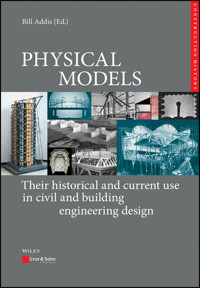
Physical models have been, and continue to be used by engineers when faced with unprecedented challenges, when engineering science has been non-existent or inadequate, and in any other situation when the engineer has needed to raise their confidence in a design proposal to a sufficient level to begin construction. For this reason, models have mostly been used by designers and constructors of highly innovative projects, when previous experience has not been available.
The book covers the history of using of physical models in the design and development of civil and building engineering projects including bridges in the mid-18th century, William Fairbairn?s Britannia bridge in the 1840s, the masonry Aswan Dam in the 1890s, concrete dams in the 1920s, thin concrete shell roofs and the dynamic behaviour of tall buildings in earthquakes from the 1930s, tidal flow in estuaries and the acoustics of concert halls from the 1950s, and cable-net and membrane structures in the 1960s.
Traditionally, progress in engineering has been attributed to the creation and use of engineering science, the understanding materials properties and the development of new construction methods. The book argues that the use of reduced scale models have played an equally important part in the development of civil and building engineering. However, like the history of engineering design itself, this crucial contribution has not been widely reported or celebrated.
The book concludes with reviews of the current use of physical models alongside computer models, for example, in boundary layer wind tunnels, room acoustics, seismic engineering, hydrology, and air flow in buildings.
Sie lesen das E-Book in den Legimi-Apps auf:
Seitenzahl: 2014
Veröffentlichungsjahr: 2020
Ähnliche



















Table of Contents
Cover
Foreword of the series editors
Foreword
Preface
References
Note
Section A: Physical models from ancient times to the 1880s
1 Models in civil engineering from ancient times to the Industrial Revolution
1.1 Introduction
1.2 Engineering models in classical times
1.3 The Master Builders of the Renaissance and their engineering models
1.4 The first collections of engineering models
1.5 Models in the Age of Enlightenment
1.6 Final remarks
References
2 Block models of the masonry arch and vault
2.1 The beginnings of arch construction
2.2 The use of block models from 1400 to 1700
2.3 Block models in eighteenth- and nineteenth-century France
2.4 Block models in nineteenth-century Britain
2.5 Block models in the late nineteenth and twentieth centuries
References
3 The catenary and the line of thrust as a means for shaping arches and vaults
3.1 Introduction
3.2 The early use of the catenary in construction
3.3 Catenary models in the early nineteenth century
3.4 Hanging models for architectural designs
3.5 Hanging models become three-dimensional
3.6 Epilogue
References
4 Leonhard Euler and the model tests for a 300-metre timber arch bridge in St. Petersburg
4.1 Timber bridges and material experiments in the eighteenth century
4.2 Proposals for a bridge across the River Neva in St Petersburg
4.3 Euler's ‘Simple rule’ for assessing the strength of bridges
4.4 Competition between rival designs for the Neva Bridge
4.5 Further work by Euler
4.6 The practical solution to the academic question: Kulibin's experiment
4.7 Final remarks
Abbreviations and citation methods
References
5 The use of models in early nineteenth-century British suspension bridge design
5.1 Suspension bridges in the early nineteenth century
5.2 The proposed suspension bridge at Runcorn
5.3 The proposed suspension bridge at Montrose
5.4 The Menai suspension bridge – chain geometry model
5.5 Wood as a material for suspension chains
5.6 James Dredge and the taper chain controversy
5.7 Final remarks
Acknowledgements
References
6 Models used during the design of the Conway and Britannia tubular bridges
6.1 The Chester to Holyhead railway
6.2 Bridge engineering around 1840
6.3 The first set of model tests – Fairbairn in Millwall
6.4 The second set of model tests – Hodgkinson in Manchester
6.5 The third series of tests, on the large model – Fairbairn in Manchester
6.6 Discussion of
similarity
6.7 Final remarks
References
Note
Section B: Physical models used in structural design, 1890s-1930s
7 The use of models to inform the structural design of dams, 1890s-1930s
7.1 Introduction – the British experimental approach in the nineteenth century
7.2 Masonry dam design before 1900
7.3 The Aswan Dam
7.4 Responses to Baker's call for the use of models for the Aswan dam
7.5 The ICE debate in January 1908
7.6 After Wilson and Gore
7.7 Conclusions
Further reading
Acknowledgements
References
8 Models used during the design of the Boulder Dam
8.1 The US Bureau of Reclamation dams: 1925-1940
8.2 Preliminary model studies
8.3 Boulder Dam – structural model studies
8.4 Boulder Dam – hydraulic model studies
8.5 Final remarks
Acknowledgements
References
9 The role of models in the early development of Zeiss-Dywidag shells
9.1 Zeiss-Dywidag shells: an absence of empiricism?
9.2 The Jena models: domes
9.3 The Jena models: cylindrical shells
9.4 Basic research in Biebrich
9.5 Models of large-scale buildings
9.6 The ‘white temple’ of Biebrich
9.7 Outlook and conclusion
References
10 Model testing of structures in pre-war Italy: the School of Arturo Danusso
10.1 The beginning of model testing in Italy
10.2 The
Laboratorio Prove Modelli e Costruzioni
at the Polytechnic of Milan
10.3 The encounter between Arturo Danusso and Pier Luigi Nervi
10.4 Model analysis and structural intuition in the work of Pier Luigi Nervi
10.5 Further experimental model studies by Nervi and Oberti
10.6 Final remarks
Further reading
References
11 Eduardo Torroja and his use of models up to 1936
11.1 Introduction
11.2 Tests on full-scale models
11.3 Tests on equivalent reduced-size models
11.4 Final remarks
Further reading
References
Note
12 Photoelastic stress analysis
12.1 The principles of photoelastic stress analysis
12.2 History of photoelastic stress analysis
12.3 Technical developments in photoelastic stress analysis
12.4 Some case studies
12.5 Conclusion
Acknowledgements
References
Section C: Physical models used in structural design, 1940s to 1980s
13 Structural modelling technique
13.1 Introduction
13.2 Dimensionless numbers and similitude
13.3 Experimental stress analysis using measurement models
13.4 The measurement of strain
13.5 The Beggs Deformeter
13.6 Concluding remarks
References
14 Physical modelling at the University of Stuttgart
14.1 The Materials Testing Institute at the Technical University of Stuttgart
14.2 Model testing after the Second World War
14.3 The
Institut für Leichte Flächentragwerke
, University of Stuttgart
14.4 The decline of physical model testing in Stuttgart
References
15 Model testing of structures in post-war Italy. The activity of ISMES, 1951-1974
15.1 Istituto Sperimentale Modelli e Strutture (ISMES)
15.2 ISMES' activity 1951-1961
15.3 1964-1974. Changes for ISMES: new guidance, new horizons
15.4 Nervi's projects at ISMES
15.5 Other structures tested at ISMES
15.6 From physical to virtual models
15.7 Concluding remarks
Further reading
References
16 Eduardo Torroja and his use of models from 1939
16.1 Introduction
16.2 The Central Laboratory for Testing Construction Materials (LCEMC)
16.3 Photoelastic stress analysis
16.4 Tests on reduced-scale physical models
16.5 Model studies for concrete dams
16.6 Reduced-scale roof models.
16.7 Final remarks
Further reading
References
17 Scale models for structural testing at the Cement and Concrete Association, UK: 1951-1973
17.1 Introduction
17.2 The Morice years (1951-1957): establishing a reputation for expertise
17.3 The Rowe years I (1958-1966): model testing on a cost repayment basis
17.4 The Rowe Years II (1966-1973): applying and reporting research
17.5 Final remarks
Appendix
References
18 Heinz Hossdorf: his contribution to the development of physical model testing
18.1 Introduction
18.2 Tests using physical scale models
18.3 The construction of scale models
18.4 Evolution of his experimental laboratory
18.5 Final remarks
Acknowledgements
References
19 Soap-film and soap-bubble models
19.1 Some historical notes
19.2 Manufacture of soap films and bubbles
19.3 Creating soap film surfaces
19.4 Other forms of film and bubble
19.5 Air-inflated structures – the pneus
19.6 Bubbles with free edges
19.7 Soap bubbles with nets
19.8 Using soap films in the design of structures
19.9 Concluding remarks
References
20 The model as a concept: the origins of the design methods of Sergio Musmeci
20.1 The interdependence of form and method
20.2 The quest for the form
20.3 The physical model as instrument
20.4 The development of the method
20.5 The origin of the method
20.6 The scientification of the design
Acknowledgements
References
21 Heinz Isler and his use of physical models
21.1 Introduction
21.2 Modelling techniques
21.3 The application of physical models in Isler's design process
21.4 Isler's use of models in teaching student engineers and architects
21.5 Dissemination of Isler's modelling techniques to engineers and architects
21.6 Isler's contribution to the use of models in structural design
References
22 Models for the design development, engineering and construction of the Multihalle for the 1975 Bundesgartenschau in Mannheim
22.1 Introduction
22.2 Early gridshells
22.3 Initial design for the Mannheim shells
22.4 Wind loads
22.5 Structural model testing: the Essen model
22.6 Predicting failure loads from model tests
22.7 Structural model testing: the Multihalle model
22.8 Concluding remarks
References
Section D: Physical models used in non-structural engineering disciplines
23 The historical use of physical model testing in free-surface hydraulic engineering
23.1 Introduction
23.2 The nineteenth-century pioneers
23.3 The first hydraulics laboratories 1900-1930
23.4 Hydraulic modelling in the USA in the 1930s
23.5 Hydraulic modelling in other countries in the 1930s
23.6 Some post-war developments in free-surface water modelling
23.7 Conclusion
Acknowledgements
References
24 The historical use of physical model testing in wind engineering
24.1 The scientific study of wind
24.2 The first measurement of wind-pressure loads on model buildings
24.3 Making visible the dynamic behaviour of fluids
24.4 Wind-tunnel model studies in the 1920s and 1930s
24.5 The Tacoma Narrows Bridge collapse, November 1940
24.6 The boundary-layer wind tunnel
24.7 Final remarks
References
25 The historical use of physical model testing in earthquake engineering
25.1 Early shaking tables
25.2 Shaking tables in the 1930s
25.3 Post-war developments in shaking tables
25.4 Final remarks
References
26 The historical use of models in the acoustic design of buildings
26.1 Early twentieth century
26.2 Model testing in the 1960s and 1970s
26.3 Model studies at one-eighth scale in the late-twentieth century
26.4 Model studies at one-fiftieth scale
26.5 Physical modelling of acoustics – the first hundred years
References
27 Geotechnical centrifuge models – a history of their role in pre-construction design
27.1 Introduction
27.2 Historical review
27.3 Physical model testing for site-specific prototypes
27.4 Centrifuge model testing for more-general geotechnical problems
27.5 Concluding remarks
References
Section E: Physical modelling in the twenty-first century
28 Physical models as powerful weapons in structural design
28.1 Introduction
28.2 Aesthetic models
28.3 Mechanism models
28.4 ‘Touch and feel’ models
28.5 Structural behaviour models
28.6 Concluding remarks
References
29 Physical modelling of structures for contemporary building design
29.1 Introduction
29.2 The canopy – tensegrity then ferrocement
29.3 Column heads with bearings, springs and dampers
29.4 Seismic base isolation
29.5 The wind-tunnel model
29.6 The flexible mast
29.7 The future use of physical models in structural design
Acknowledgements
References
30 Models in the design of complex masonry structures
30.1 Introduction
30.2 Modelling traditional Iranian vaults
30.3 Experimental construction of a free-form shell structure in masonry
30.4 Reconstruction of the vault in the Chapel of Dresden Castle: a masonry structure with complex geometry
30.5 Conclusion
Acknowledgements
References
31 Physical modelling of free surface water – current practice
31.1 Introduction
31.2 Physical model testing
31.3 Combined use of physical and digital models
31.4 Conclusion
Acknowledgements
References
32 Boundary layer wind tunnel model testing – current practice
32.1 Introduction
32.2 Recent developments in test facilities
32.3 Recent developments in measuring techniques
32.4 Wind-tunnel tests on buildings and urban environments
32.5 Wind-tunnel tests on bridges
32.6 Wind-tunnel tests on other structures
32.7 The future of the BLWT
References
33 Model testing using shake tables – current practice
33.1 Introduction
33.2 The need for physical testing
33.3 Key components of a shake table
33.4 Notable modern shake tables in the USA
33.5 Shake tables in Japan
33.6 Shake tables in Europe and Asia
33.7 Some notable projects tested with shake tables
33.8 Concluding remarks
Acknowledgements
References
34 Geotechnical centrifuge modelling – current practice
34.1 The role of the geotechnical centrifuge
34.2 State-of-the-art geotechnical centrifuge facilities
34.3 Complex ground improvement – the Rion-Antirion Bridge
34.4 Offshore oil and gas platforms – the Yolla and Maari projects
34.5 Sub-sea pipelines – modelling of ‘whole life’ system behaviour
34.6 Concluding remarks – Why use geotechnical centrifuge modelling?
References
35 The use of physical models in acoustic design – current practice
35.1 Introduction
35.2 Elisabeth Murdoch Hall, Melbourne
35.3 Concert hall, Krakow Congress Centre
35.4 An acoustic scale model on wheels
35.5 The ongoing popularity of acoustic models at scale factors of 1:10 or similar
35.6 Final remarks
References
36 Water-bath modelling – small-scale simulation of natural ventilation flows
36.1 Introduction
36.2 Historical perspective
36.3 Fundamentals and theory – developing the technique
36.4 Water-bath modelling
36.5 Some applications of water-bath modelling in design
36.6 Experimental techniques and flow visualisation
36.7 Concluding remarks
References
37 The use of biological models for building engineering design
37.1 Historical background
37.2 A new way of thinking in the twenty-first century
37.3 The Elytra Filament Pavilion
37.4 Plant movements as concept generators for adaptive building systems
37.5 Concluding remarks
References
38 Flying a 100-metre long Jumbo Koinobori
38.1 Introduction
38.2 Model theory and dimensional analysis
38.3 Other technical issues
38.4 Launching the Jumbo Koinobori
38.5 Concluding remarks
References
39 Epilogue: A future for models from the past
39.1 Introduction
39.2 Historical study of engineering models
39.3 Some surviving models from the twentieth century
39.4 A plan for the future
Acknowledgements
References
Appendices
Appendix A.1: Extract from Vitruvius (c.30-15 BC)
Appendix A.2: Extract from Galileo (1638)
Note
Appendix A.3: Leonhard Euler (1766) A simple rule to determine the strength of a bridge or similar structure, on the basis of the known strength of a model
Notes
Appendix A.4: Extract from report: Telford's design for new London Bridge (1801)
Appendix A.5: Experimental Models,
The Builder
(1846)
Experimental Models
Notes
Appendix A.6: On model experiments,
The Civil Engineer and Architect’s Journal
(1847)
On Model Experiments
On Model Experiments
Appendix A.7: Osborne Reynolds (1888) Extract from paper: On certain laws relating to the regime of rivers and estuaries
Author biographies
About the series editors
About this series
Index
End User License Agreement
List of Tables
Chapter 5
Table 5.1 Experiments on wood chains (span 26¼ feet) by Drewry.
Table 5.2 The model tests of James Dredge in Bristol and London.
Chapter 12
Table 12.1 Properties of some common photoelastic materials
Chapter 22
Table 22.1 Collapse load for the Essen gridshell, based on model tests, and p...
Chapter 32
Table 32.1 Occupants' perception of wind-induced accelerations in tall buildi...
Table 32.2 Lawson criteria for pedestrian comfort in wind and description of ...
List of Illustrations
Preface
Figure 1 Diagram showing the scope of civil and building engineering history...
Chapter 1
Figure 1.1 Fontana's illustration of nine models of methods for raising the ...
Figure 1.2 Model of the Rialto Bridge, conserved in the Stromer family archi...
Figure 1.3 Two prints, dated 1595-1603, showing models of designs for the ti...
Figure 1.4 Model of the ‘Lueg-ins-Land Tower’ by Adolf Daucher manufactured ...
Figure 1.5 Model of the city of Augsburg made in 1563 by the master printer ...
Figure 1.6 Model of an innovative lifting device (17
th
century), Modellkamme...
Figure 1.7 Model of a boring machine, driven by a waterwheel, for making tim...
Figure 1.8 Models of two water pumps made by Caspar Walter in 1754, Maximili...
Figure 1.9 Original model of the ‘Trogen bridge’ (around 1745-1755), Grubenm...
Figure 1.10 John Smeaton's model waterwheel used to compare the efficiency o...
Figure 1.11 Smeaton's drawing of the model he made of the rough-cut Eddyston...
Chapter 2
Figure 2.1 Egyptian scale drawing of an arch, Third Dynasty, ca. 2600 BC. Or...
Figure 2.2 (a) Gothic rule for buttress design; (b) Application to the rule ...
Figure 2.3 Leonardo's drawings on arch mechanics: (a) Rule for an arch that ...
Figure 2.4 Leonardo's proposed models to compare the thrusts of different ar...
Figure 2.5 Leonardo's sketches for the collapse of semi-circular arches unde...
Figure 2.6 Collapse mechanism for a masonry arch.
Figure 2.7 Possible experiments with arches by Leonardo da Vinci.
Figure 2.8 (a) Plate from the
Dissertation
showing the model arch. (b) Detai...
Figure 2.9 Vault theory of La Hire.
Figure 2.10 Tests made by Danyzy on small plaster voussoir arches.
Figure 2.11 The Fouchard Bridge, Saumur. Below, the tests made by Lecreulx i...
Figure 2.12 Boistard's tests on semi-circular arches.
Figure 2.13 Boistard's tests in different oval and segmental arches.
Figure 2.14 Boistard's tests on a model with the profile of the bridge of Ne...
Figure 2.15 Rondelet's stone models of arches. The model in Fig.11 (left) ha...
Figure 2.16 Stone models of arches of different forms tested by Rondelet. Al...
Figure 2.17 Rondelet's stone models of domes. Model of vaults divided in blo...
Figure 2.18 Tests on 1:10 scale models of masonry piers for a suspension bri...
Figure 2.19 Méry's tests on full-scale masonry arches, with a span of 8.1 m ...
Figure 2.20 Méry's study of Boistard's tests by means of ‘
courbes de pressio
...
Figure 2.21 Robison's illustrations of the catenary. Fig. 6, a catenary made...
Figure 2.22 Robison's model arch made with blocks of chalk to study the fail...
Figure 2.23 The design by Thomas Telford and James Douglass for a single cas...
Figure 2.24 Attwood's ‘no-friction’ model of an arch made with blocks of pol...
Figure 2.25 Arch models used by Thomas Young in his lecture on Architecture ...
Figure 2.26 Hypothetical reconstruction of Young's hanging-block model. The ...
Figure 2.27 Some tests on block models made by Bland.
Figure 2.28 Voussoir arch of curved joints. The points of contact allow the ...
Figure 2.29 (a) Barlow's arch model with small removable pieces of wood form...
Figure 2.30 Load tests on an arch with voussoirs with curved joints, to show...
Figure 2.31 The first test of a masonry arch to investigate the application ...
Figure 2.32 Test of a full-size masonry arch in the quarry of Souppes.
Figure 2.33 Voussoir arch model made with steel voussoirs and a span of 1.2 ...
Figure 2.34 Model arch of concrete voussoirs of 3.05 m span. (a) Arch restin...
Figure 2.35 Series of tests on an arch of voussoirs of limestone concrete ar...
Chapter 3
Figure 3.1 The catenary.
Figure 3.2 Robert Hooke:
ut pendet continuum flexile, sic stabit contiguum r
...
Figure 3.3 (a) Sassanid Royal Palace at Ctesiphon, Iraq. Photograph from 186...
Figure 3.4 (a) Vault of the Cathedral of Palma de Mallorca.
Figure 3.5 William Edwards' bridge at Pontypridd, Wales, 1754.
Figure 3.6 Suspended weights in equilibrium, Simon Stevin
Figure 3.7 St. Paul's Cathedral, London.
Figure 3.8 Sketch by Christopher Wren showing the line of a hanging chain wi...
Figure 3.9 St Paul's cathedral, London. Cross section.
Figure 3.10 (a) Parabolic relieving arch above a basket arch over a gateway....
Figure 3.11 Timber bridge whose floor follows ‘the curve of a
Cathanarian Ar
...
Figure 3.12 Poleni's underlying notions of the ideal dome.
Figure 3.13 Poleni's hanging model of the dome with balls representing the d...
Figure 3.14 Cross section of St Peter's cupola showing the radial cracks in ...
Figure 3.15 Kulibin's design for a 300 m timber arch bridge across the River...
Figure 3.16 Dome of Sainte Geneviève, Paris, designed by Soufflot and Rondel...
Figure 3.17 Dome of Sainte Geneviève, Paris. (a) The thin, middle, load-bear...
Figure 3.18 (a) Diagrams by Yvon-Villarceau explaining the self-equilibratin...
Figure 3.19 Various vaults for basements and undercrofts proposed by David G...
Figure 3.20 Hanging chain used to design an inclined brick arch bridge over ...
Figure 3.21 (a) Investigation of arch forms for different load cases, suspen...
Figure 3.22 Church at Bulach. Two-dimensional hanging model after Hübsch. Re...
Figure 3.23 St Cyriakus Catholic Church at Bulach near Karlesruhe, completed...
Figure 3.24 St Cyriakus Catholic Church at Bulach. (a) Exterior view. Contem...
Figure 3.25 The Henschel foundry in Kassel. (a) A contemporary aquatint by J...
Figure 3.26 The Henschel foundry today, after refurbishment. (a) Exterior vi...
Figure 3.27 Wilhelm Tappe's vision for an architecture for masonry buildings...
Figure 3.28 (a) Fornes y Gurrea's method for generating the catenary arch fo...
Figure 3.29 (a) Staircase patented by Guastavino. (b) Ways of constructing a...
Figure 3.30 Fritz Gösling's scheme for the new German Reichstag building, 18...
Figure 3.31 German Reichstag design by Gösling. (a) Arch design based on an ...
Figure 3.32 German Reichstag design by Gösling, 1871. Section.
Figure 3.33 (a) The thread model, shown inverted, used to design the central...
Figure 3.34 (a) Gösling's modified vault design with a crown replacing the c...
Figure 3.35 Church of the Colònia Güell. Photograph of Gaudí's original mode...
Figure 3.36 Photograph of Gaudí's original model in the workshop adjacent to...
Figure 3.37 Two views of the Colònia Güell painted by Gaudí over photographs...
Figure 3.38 The reconstructed model (inverted) of Gaudí's thread model. Reco...
Figure 3.39 Helium-filled balloons creating at full size, over Gaudì's crypt...
Figure 3.40 Church of the Colònia Güell. (a) Computer-generated model of the...
Figure 3.41 Reconstruction of the Church of the Colònia Güell: photomontage....
Figure 3.42 Karl Buschüter's drawing to demonstrate that his ‘Fallbogen’ is ...
Chapter 4
Figure 4.1 Wettingen Bridge (1766). Built by Hans Ulrich Grubenmann, his bro...
Figure 4.2 A bridge of span 62.8 m tested by Caspar Walter by applying loads...
Figure 4.3 A bridge of span 94.2 m tested by Caspar Walter by applying loads...
Figure 4.4 Illustrations by Bélidor of tests to determine the strength of be...
Figure 4.5 Illustration by Musschenbroek of tests to determine the tensile s...
Figure 4.6 Illustration by Musschenbroek of his apparatus for determining th...
Figure 4.7 Illustration by Musschenbroek of his apparatus for determining th...
Figure 4.8 Illustration by Musschenbroek showing how specimens of different ...
Figure 4.9 Original 1:60 scale model of a timber arch bridge across the Neva...
Figure 4.10 Original 1:60 scale model of a timber arch bridge across the Nev...
Figure 4.11 Drawing of the final variant of Kulibin's bridge project, probab...
Figure 4.12 General view of Kulibin's timber arch bridge over the Neva. Engr...
Figure 4.13 Reconstruction of a hanging rope model used by Kulibin to determ...
Figure 4.14 Kulibins experimental machine (
Ispytatelnaja Maschina
).
Figure 4.15 Three-hinged arch with the load distribution described by Kulibi...
Figure 4.16 Figures 7, 8 and 9 from Euler's memorandum.
Figure 4.17 (a) Euler's diagram of a cantilever arm, encastered at its base....
Figure 4.18 (a) Euler's diagram showing a rod loaded in tension...
Figure 4.19 Construction details of the lattice truss from Kulibin's publica...
Figure 4.20 Construction details of the cross section and springing from Kul...
Chapter 5
Figure 5.1 Telford's wire test apparatus...
Figure 5.2 Two methods of linking bars of wood in the chain of Drewry's mode...
Figure 5.3 Drewry's model with timber ‘chains’ in the central portion of the...
Figure 5.4 A typical taper chain bridge of James Dredge.
Figure 5.5 Graphical statics calculation (1843) by James Dredge of forces in...
Figure 5.6 Mr Clive's system of constructing suspension bridges.
Figure 5.7 (a) Model of a proposed cable-stayed bridge tested by Clive. (b) ...
Chapter 6
Figure 6.1 Britannia Bridge across the Menai Strait in North Wales.
Figure 6.2 Apparatus used for the experiments with the sheet iron tubes and ...
Figure 6.3 Preliminary experiments on the Transverse Strengths of rectangula...
Figure 6.4 Experiments on sheet iron tubes and beams. 4.8 m span.
Figure 6.5 Load tests on a 9-metre span model. Cast-iron plate was attached ...
Figure 6.6 (a) Failure in the second test by sway buckling of the side walls...
Figure 6.7 Detail of Figure 6.6 showing three areas (hatched) where the brit...
Figure 6.8 Table showing the strengths of ten 1:6 scale models, each rebuilt...
Figure 6.9 (a) Sequence of raising and connecting the four spans of the brid...
Figure 6.10 (a) Detail of a riveted, wrought-iron cell in the girder. (b) Th...
Figure 6.11 Deflected shape of the wooden model beam, 10 m x 12.5 mm x 12.5 ...
Figure 6.12 Results of the load-deflection test on the full-size girder, lat...
Figure 6.13 Daily horizontal and vertical motion of the tubes
Figure 6.14 Rivet-furnaces at the works by the Menai Strait with chimneys ma...
Chapter 7
Figure 7.1 Diagram illustrating Rankine's preferred profile from his Report ...
Figure 7.2 Section of the Aswan dam as designed by Baker.
Figure 7.3 Atcherley and Pearson's model dams made of wood. The left model c...
Figure 7.4 Baker's design for the raised dam.
Figure 7.5 Baker's diagram showing deformation of the gelatine model under l...
Figure 7.6 Pollard and Pearson's gelatine-based models. (a) Aswan Dam – unlo...
Figure 7.7 Drawing of Wilson and Gore's first model test rig.
Figure 7.8 Photograph of Wilson and Gore's first model test rig.
Figure 7.9 Wilson and Gore's first model (a) marked up with lined grid. (b) ...
Figure 7.10 Wilson and Gore's second test rig.
Figure 7.11 Wilson and Gore's diagram of ellipses of stresses (see Figure 7....
Figure 7.12 Drawing of deformations in Wilson and Gore's rubber model. The b...
Figure 7.13 Wilson and Gore's models which are preserved in London's Science...
Figure 7.14 Diagram showing deformation of the Plasticine model after 33 day...
Figure 7.15 Ottley & Brightmore's diagrams showing the stress field in the l...
Figure 7.16 Professor Pippard's comparison of the results from model tests b...
Chapter 8
Figure 8.1 Artist's impression of the Stevenson Creek Experimental Dam, 1926...
Figure 8.2 Stevenson Creek Experimental Dam in October 1926.
Figure 8.3 General scheme for the Boulder Dam
Figure 8.4 Section of the model showing the wooden form and the apparatus fo...
Figure 8.5 Arrangement of gauges for measurement of radial deflections of th...
Figure 8.6 Arrangement of gauges for measurement of tangential deflections o...
Figure 8.7 Arrangement of gauges set to measure cantilever strains on the do...
Figure 8.8 Load applied to the model and canyon wall. (a) Strains on the dow...
Figure 8.9 Model dam encased in a jacket, ready for connection of pipes to i...
Figure 8.10 Comparison of measured and calculated deflections of the downstr...
Figure 8.11 Apparatus for applying live loads. (The similar system for apply...
Figure 8.12 Gauge installation for measuring cantilever and foundation defle...
Figure 8.13 Deformations of the cantilever and foundations under no load, de...
Figure 8.14 Tuckerman-type optical strain gauge mounted on the model.
Figure 8.15 Model set up for application of mercury loads on the upstream ed...
Figure 8.16 Principal stresses in the cantilever and foundations under live ...
Figure 8.17 Apparatus for applying loads to the extrados of the arch. The tr...
Figure 8.18 Arrangement of gauges for the radial deflection tests.
Figure 8.19 Modified model arch, with smooth fillets between the extrados an...
Figure 8.20 Radial and tangential deflections of the arch.
Figure 8.21 Principal stresses (isostatic lines) in the arch.
Figure 8.22 The completed rubber-litharge model.
Figure 8.23 Mechanical strain-gauge rosette for the upstream face.
Figure 8.24 Strain-gauge rosettes fixed to the upstream face of 1:180 scale ...
Figure 8.25 Hand-operated strain gauge for use on the downstream face.
Figure 8.26 Locations for placing the hand-operated strain gauges on the dow...
Figure 8.27 1:20 scale model of the spillway. Alternative means were tested ...
Figure 8.28 1:20 scale model of the spillway with equivalent of full flow (5...
Figure 8.29 Models of the final design with water flow at 60% of maximum. (a...
Figure 8.30 1:64 scale model of the intake tower, 1.6 m tall (a) Cross secti...
Figure 8.31 1:64 scale model of the penstock for delivering water to the tur...
Figure 8.32 Plan view of the electrical analogy model of the intake tower....
Figure 8.33 Flow net into the intake tower for the case with a filter in pla...
Figure 8.34 Tunnel-plug outlet works. The water from the 7.6 m penstock is s...
Figure 8.35 1:20 scale model of outlet works. (a) View of the model. (b) Act...
Figure 8.36 1:20 scale model of outlet works. Action in tunnel for different...
Figure 8.37 Hoover Dam during jet flow gate testing, June 1998.
Figure 8.38 Plan and details of the 1:150 scale river model.
Figure 8.39 1:150 scale model of the river. (a) Water from the Powerhouse an...
Chapter 9
Figure 9.1 Experimental planetarium, Jena, 1922/23. The Zeiss steel bar latt...
Figure 9.2 Semi-ellipsoid brass sheet model for the Schott dome with Zeiss d...
Figure 9.3 Ellipsoid brass sheet model with kink fold across the equator cau...
Figure 9.4 Model of a cylindrical steel-lattice shell by August Föppl, c.189...
Figure 9.5 Brass-sheet model vessel with elliptical cross-section, sketch by...
Figure 9.6 Construction works at Building 23 of the Zeiss South Works in Jen...
Figure 9.7 Shipbuilding hall at the Dywidag shipyard in Neuss on the River R...
Figure 9.8 Dischinger and Finsterwalder seated on a model cylindrical shell ...
Figure 9.9 Schematic drawing of a Zeiss-Dywidag cylindrical shell, c.1927....
Figure 9.10 Second model cylindrical shell in reinforced concrete at Biebric...
Figure 9.11 Dywidaghalle at the GeSoLei exhibition in Düsseldorf, 1926. In t...
Figure 9.12 Metal-sheet models with lens-shaped cross-sections made of circu...
Figure 9.13 Reinforced-concrete model for the Frankfurt wholesale market hal...
Figure 9.14 Frankfurt wholesale market hall, 1927/28. The model shell, which...
Figure 9.15 Architectural model of the Leipzig wholesale market hall, 1927. ...
Figure 9.16 1:60 scale model for the dome of the Leipzig wholesale market ha...
Figure 9.17 Cross-section of the 1:60 scale model and test rig for the Leipz...
Figure 9.18 1:600 scale (approx.) rubber-sheet model of the cellar ceiling o...
Figure 9.19 Cross-sections of the Frankfurt (left) and Budapest (right) whol...
Figure 9.20 1:30 scale steel-sheet model for the Budapest wholesale market h...
Figure 9.21 Test beam for the Budapest wholesale market hall during load tes...
Figure 9.22 Representation of a doubly-curved translational shell, converted...
Figure 9.23 Architectural model of the Dresden wholesale market hall (detail...
Figure 9.24 Assembly of the formwork for the reinforced-concrete model, appr...
Figure 9.25 Provisional storage of the model shell on the premises of the Dy...
Figure 9.26 An icon of construction history. Thirty-nine Dyckerhoff & Widman...
Figure 9.27 Reinforced concrete model of a ‘ribless’ shell roof in Harvey, I...
Chapter 10
Figure 10.1 The structure supporting the model of a semi-cylindrical shell d...
Figure 10.2 Model of a semi-cylindrical shell dam, by Camillo Guidi. 1926. (...
Figure 10.3 Plan of the
Prove Modelli e Costruzioni
Laboratory in 1941. 1 – ...
Figure 10.4 Universal machine for testing of structural elements in the
Prov
...
Figure 10.5 Photoelastic model analysis of a gravity dam subject to the acti...
Figure 10.6 1:37.5 scale celluloid model of the reinforced-concrete hangars ...
Figure 10.7 1:37.5 scale celluloid model of the reinforced-concrete hangars....
Figure 10.8 1:37.5 scale celluloid model of the reinforced-concrete hangars ...
Figure 10.9 Manifesto for the 1942 Universal Exhibition in Rome, 1939. (Sour...
Figure 10.10 1:200 scale model of the E42 arch, tested at the Politecnico di...
Figure 10.11 Diagram of stresses in the model of the E42 arch, tested at the...
Figure 10.12 Semi-circular pavilion for the Milan Trade Fair, 1947, designed...
Figure 10.13 1:5 scale model of three bays for the semi-circular pavilion fo...
Figure 10.14 Plan and sections of the Civic Centre of Tucumán, Argentina in ...
Figure 10.15 1:25 scale model of a structural element of the Civic Centre of...
Chapter 11
Figure 11.1 The Tempul aqueduct, 1927.
Figure 11.2 The Tempul aqueduct during tests to determine the rise of the sa...
Figure 11.3 The Hospital Clínico. (a) The completed building. (b) Deflection...
Figure 11.4 The cantilever slab section of the Clinical Hospital. (a) During...
Figure 11.5 Courtyard canopy at the Elementary Technical School, Madrid. (a)...
Figure 11.6 Canopy of the
Hipódromo de la Zarzuela
, Madrid. (a) Load te...
Figure 11.7 Roof of operating theatre at the
Hospital Clinico
. (a) Cross sec...
Figure 11.8 Roof of operating theatre at the
Hospital Clinico
. (a) Equivalen...
Figure 11.9 Market hall in Algeciras, Andalucía, 1934. (a) Shell under const...
Figure 11.10 1:10 (estimate) scale model of Algeciras market hall roof, 4.76...
Figure 11.11 Algeciras market. Section of a column showing the original sche...
Figure 11.12 The interior of the Frontón Recoletos, Madrid, 1935. Engineer: ...
Figure 11.13 1:10 scale model of the Frontón Recoletos, 3.5 m wide, 3 m high...
Figure 11.14 Interior of the model. 1: Cables used to apply the wind loads r...
Figure 11.15 Exterior of the model. 1: Frames that support the extreme edges...
Figure 11.16 Drawing of the model showing arrangement of cables, distributio...
Figure 11.17 Comparison of deformations of the shell: calculation, model and...
Chapter 12
Figure 12.1 A beam loaded in bending.
Figure 12.2 A polariscope.
Figure 12.3 A beam with a notch, loading in bending, showing the effect of t...
Figure 12.4 Photoelastic models of a connector under (horizontal) tensile lo...
Figure 12.5 Model test of a reinforced-concrete conduit under application of...
Figure 12.6 Photoelastic model of a disc with holes, loaded under centrifuga...
Figure 12.7 Fringes observed by Brewster in a glass beam loaded in bending. ...
Figure 12.8 Mesnager's 28 cm long glass model for photoelastic analysis of a...
Figure 12.9 Photoelastic measurements of the stress distribution in tension ...
Figure 12.10 Coker's test apparatus for a photoelastic model of a generic re...
Figure 12.11 Graphical summary of surface stresses for a point load of 13.6 ...
Figure 12.12 Photoelastic model used to determine the points of contraflexur...
Figure 12.13 Photoelastic model used to determine the points of contraflexur...
Figure 12.14 1:100 scale photoelastic model of a section of the shell. (a) T...
Figure 12.15 Diagrams showing surface stresses in section-models of the dam ...
Figure 12.16 Stages in constructing the lines of principal stress for Model ...
Figure 12.17 The 1:200 scale photoelastic model of one barrel shell and the ...
Figure 12.18 (a) The photoelastic model under load (loaded from right to lef...
Figure 12.19 Details of the photoelastic model of the road base. (a) Drawing...
Figure 12.20 Fringes observed in the 3 mm thick slices taken from the solid ...
Figure 12.21 Lines of principal stress in each slice, determined from the ph...
Chapter 13
Figure 13.1 (a) Froude's drawing of the two types of wave formed by a vessel...
Figure 13.2 A cantilever of length
l
, second moment of area
I
, stiffness
E
, ...
Figure 13.3 Mechanical strain-gauge rosette used in the model studies for th...
Figure 13.4 Mesnager extensometer. (a) Cross section. Gauge length A1-A2. Pi...
Figure 13.5 Okhuizen extensometer. Gauge length – ab; lower pivot – e; upper...
Figure 13.6 Isostatic lines in a gusset plate of an eccentrically loaded ste...
Figure 13.7 Huggenberger-A tensometer. Height – 16.5 cm; weight – 70 g. (a) ...
Figure 13.8 (a) Huggenberger-A tensometers mounted on a pressure vessel. (b)...
Figure 13.9 A 1:10 scale model of a welded Vierendeel girder with Huggenberg...
Figure 13.10 Model tests to determine the forces in the members of a bow-str...
Figure 13.11 Three Maihak acoustic strain gauges mounted on a steel column. ...
Figure 13.12 Tests under way on the 1:2 scale model / prototype shell at Dre...
Figure 13.13 (a) A carbon-pile ‘strain telemeter’. Supports 2 and 3 are fixe...
Figure 13.14 (a) Double-resistor carbon-pile telemeter (strain gauge) which ...
Figure 13.15 Records of strains produced in two ties of a truss bridge when ...
Figure 13.16 A Wheatstone bridge.
Figure 13.17 Arthur Ruge engaged in using his bonded electrical-resistance s...
Figure 13.18 The SR-4 stain gauge. (a) Drawing from Ruge's patent for the bo...
Figure 13.19 (a) A single foil strain gauge. (b) Five foil strain gauges mou...
Figure 13.20 Brittle-lacquer coating. The region of cracking is visible on t...
Figure 13.21 Drawings in Beggs' patent showing the Deformeter with which kno...
Figure 13.22 Drawing from Beggs' patent showing the arrangement of Deformete...
Figure 13.23 Drawing showing the different arrangements of the gauge plugs t...
Figure 13.24 Typical arrangement for undertaking model tests on a celluloid ...
Figure 13.25 A 4.3-metre long celluloid model of the White River Bridge bein...
Figure 13.26 Magnel's 'microinfluencemètre' applied to the analysis of a Vie...
Chapter 14
Figure 14.1 1:100 scale measurement model of the, Rhine Bridge near Cologne-...
Figure 14.2 1:125 scale measurement model for a proposed suspension bridge s...
Figure 14.3 1:50 scale measurement model for the new main station in Munich,...
Figure 14.4 Detailed model of the compression ring for the dome, under load,...
Figure 14.5 Model test for a proposed monocable suspension bridge for a brid...
Figure 14.6 1:26.67 scale Perspex model for the shell roof over the Alster s...
Figure 14.7 1:26.67 scale Perspex model for the shell roof over the Alster s...
Figure 14.8 IL Pavilion, University of Stuttgart.
Figure 14.9 Soap-film model used to create the basic form for the final cabl...
Figure 14.10 Making the model of the cablenet envelope for the Institute of ...
Figure 14.11 Double-exposure photograph of the model of the IL pavilion to c...
Figure 14.12 1:75 scale measurement model of the German pavilion at Expo '67...
Figure 14.13 Apparatus for measuring the form of the model for the German pa...
Figure 14.14 Left: The Montreal micrometer: a small gauge mounted at three p...
Figure 14.15 Double-exposure photograph of the model of the cablenet roof fo...
Figure 14.16 The cablenet roofs of the Olympic Games sports venues, Munich. ...
Figure 14.17 Form-finding models for the canopy of the Olympic Stadium, Muni...
Figure 14.18 1:125 scale model of the cable net roof for the Munich Olympic ...
Figure 14.19 1:125 scale model of cable net roof for the Munich Olympic stad...
Chapter 15
Figure 15.1 The four-story reinforced-concrete cylindrical tower at ISMES, B...
Figure 15.2 Front cover of the magazine
I Quaderni ISMES
, No. 1, September 1...
Figure 15.3 1:50 scale model of the Beauregard Dam, in Valle d'Aosta in Ital...
Figure 15.4 1:66.6 scale model of the Valle di Lei Dam, Switzerland, 1957....
Figure 15.5 1:40 scale model of the Pieve di Cadore Dam, 1946.
Figure 15.6 1:35 scale model of the 265 m high Vajont Dam, 1957.
Figure 15.7 The Pirelli Tower, Milan, 1956-60. Engineers, Arturo Danusso and...
Figure 15.8 (a) and (b) 1:15 scale micro-concrete model of the Pirelli tower...
Figure 15.9 1:15 scale micro-concrete model of the Pirelli tower, 1956.
Figure 15.10 (a) Torre Galfa, Milan, 1959. (b) 1:5 scale model of typical fl...
Figure 15.11 (a) Torre Velasca, Milan 1958. (b) 1:2 scale model of a wind br...
Figure 15.12 1:52.8 scale celluloid model of the Stock Exchange Tower in Mon...
Figure 15.13 1:125 scale model of the rock strata beneath the proposed Granč...
Figure 15.14 1:125 scale model of the Ca' Selva Dam, North of Venice (c.1960...
Figure 15.15 1:40 scale, elastic resin model of the Parque Central building ...
Figure 15.16 1:100 scale wind-tunnel model of St. Mary's Cathedral, San Fran...
Figure 15.17 1:15 scale reinforced micro-concrete model of St. Mary's Cathed...
Figure 15.18 1:36.89 scale epoxy resin model of St. Mary's Cathedral, San Fr...
Figure 15.19 SCOPE Cultural and Convention Center, Norfolk, Virginia, USA, 1...
Figure 15.20 1:6.6 scale model of a hyperbolic paraboloid element of Newark ...
Figure 15.21 1:50 scale model of the connecting structure between new spire ...
Figure 15.22 (a) Maracaibo Bridge, Venezuela, 1958. Engineer, Riccardo Moran...
Figure 15.23 Basento Bridge, Italy. 1:10 scale reinforced-concrete model, te...
Figure 15.24 1:33 scale model of the Zarate-Brazo Largo rail and road bridge...
Chapter 16
Figure 16.1 Model of the roof of the church of Xerallo (a) Model mounted in ...
Figure 16.2 Original sketch of the apparatus for testing the cylindrical she...
Figure 16.3 Drawing of the apparatus for testing the 1:5 scale model (9 m lo...
Figure 16.4 Model for the roof of the church of Saints Felix and Régula, Zur...
Figure 16.5 Details of a strut supporting the model shell which allowed move...
Figure 16.6 Collapse of the shell roof in which the change in curvature can ...
Figure 16.7 1:5 scale model of an experimental shell roof. (a) A roof module...
Figure 16.8 Model of an experimental shell roof. (a) Architectural model of ...
Figure 16.9 1:10 model of the ribbed shell roof for a factory in the Nadam H...
Figure 16.10 1:10 model of the roof for a factory in the Nadam Havenwerke, D...
Figure 16.11 1:10 model of the roof for a factory in the Nadam Havenwerke, D...
Figure 16.12 1:12 scale of the folded-plate roof for the Labour University o...
Figure 16.13 Plan view of the proposed roof for the Club Táchira, Caracas, s...
Figure 16.14 1:12 scale model of the proposed roof for the Club Táchira, bef...
Figure 16.15 Diagrams showing measured movements of the model shell. (a) Hor...
Figure 16.16 Pespective view showing bending moments in the shell. The curve...
Figure 16.17 View of the collapsed model after the loads had been removed. 1...
Figure 16.18 Roof proposed for the offices of Bacardi in Havana, October 195...
Figure 16.19 1:15 scale model of the ribbed floor for the offices of Bacardi...
Figure 16.20 1:9 scale model for the roof of the Church of La Paz in Barcelo...
Figure 16.21 1:9 scale model of the roof for the Church of La Paz, showing r...
Figure 16.22 Canódromo, Madrid, 1961. 1:25 scale Plexiglas model loaded usin...
Figure 16.23 1:25 scale model of the canopy of the Canódromo, made with an e...
Figure 16.24 Palau Blaugrana sports arena, Barcelona, 1971. Engineer: Floren...
Figure 16.25 1:35 scale Plexiglas model of the dome (2.3 m diameter) for the...
Chapter 17
Figure 17.1 1:40 scale Xylonite model test of prestressed concrete beams for...
Figure 17.2 1:4 scale reinforced-concrete model of Fleet Bridge in Hampshire...
Figure 17.3 A small model in Perspex of interconnected portal frames to corr...
Figure 17.4 1:50 scale Perspex model of Clifton Bridge, 1954.
Figure 17.5 1:10 micro-concrete model of the hyperbolic-paraboloid roof for ...
Figure 17.6 1:32 scale Perspex model for the roof of the Commonwealth Instit...
Figure 17.7 1:12 scale model for Smithfield Poultry Market, 5.72 x 3.23 m. F...
Figure 17.8 Measuring points on the model. (a) Positions of the 55 strain-ga...
Figure 17.9 The model just after failure. Four air bags are still in positio...
Figure 17.10 1:13 (or 14) scale micro-concrete model of Medway viaduct, 1959...
Figure 17.11 1:12 scale prestressed, micro-concrete model of precast units f...
Figure 17.12 1:32 scale model of the Mangla Dam, Pakistan, 1961.
Figure 17.13 1:29 scale model of Liverpool Metropolitan Cathedral, 1963. (a)...
Figure 17.14 1:29 scale model of Liverpool Metropolitan Cathedral, showing t...
Figure 17.15 1:24 prestressed micro-concrete model for the Cumberland Basin ...
Figure 17.16 1:12 prestressed micro-concrete model of the Mancunian Way, 196...
Figure 17.17 1:16 scale model in micro-concrete of the Western Avenue Extens...
Figure 17.18 1:25 scale micro-concrete model of a standard CEGB cooling towe...
Figure 17.19 1:48 scale Perspex model of the A1 viaduct junction at Gateshea...
Chapter 18
Figure 18.1 1:10 scale timber model for the Vischer House, 1960.
Figure 18.2 The Vischer House, Basel (1960), under construction.
Figure 18.3 Timber pavilion near Basel, 1959. (a) 1:20 scale prestressed tim...
Figure 18.4 Bruder Klaus Church in St. Gallen, Switzerland (1957-1958). 1:20...
Figure 18.5 Wangen warehouse, 1959. 1:10 scale micro-concrete model of one b...
Figure 18.6 Wangen warehouse. 1:10 scale micro-concrete model erected to stu...
Figure 18.7 University Library, Basel, 1964. 1:20 scale model in acrylic res...
Figure 18.8 University Library, Basel, 1964.
Figure 18.9 Stadttheater, Basel (1968-1976). Architects: Felix Schwartz and ...
Figure 18.10 Stadttheater, Basel. 1:50 scale acrylic model.
Figure 18.11 Gravel silo, Günzgen, Switzerland (1960). 1:20 (est.) scale mod...
Figure 18.12 Aluminium model of a reinforced-concrete bridge junction on the...
Figure 18.13 Commercial Exchange Pavilion at Expo'64, the National Exhibitio...
Figure 18.14 Pavilion, Expo'64. 1:6 scale model test of the core element....
Figure 18.15 Pavilion, Expo'64. 1:6 scale model test of the assembly of the ...
Figure 18.16 Testing of presstresed models. (a) Device for applying prestres...
Figure 18.17 Comparison of results from a physical scale model test with res...
Figure 18.18 Hybrid elastic models. (a) 1:10 model in acrylic resin for vibr...
Figure 18.19 1:50 scale acrylic resin model for transfer structures in the N...
Chapter 19
Figure 19.1 A minimum-area soap film created within a rigid cube boundary....
Figure 19.2 Section of the climatically-controlled soap-film machine. Key: 1...
Figure 19.3 The climate-controlled soap-film machine at IL.
Figure 19.4 Grid lines Projection on soap film.
Figure 19.5 (a) Soap film in a four-point frame with thread edges. (b) Soap ...
Figure 19.6 Rope loops used to convey the tension in a soap film to a single...
Figure 19.7 Longitudinal wave with ridge and valley
Figure 19.8 Arch structure formed by three lamellae – one vertical in a rigi...
Figure 19.9 Two-dimensional minimum mesh.
Figure 19.10 Multi-chamber pneumatic soap-film test.
Figure 19.11 IL Pavilion at the University of Stuttgart (a) Soap-film model ...
Figure 19.12 Soap-film model for the sports hall, Jeddah (end view, using pa...
Figure 19.13 Soap-film model for the sports hall, Jeddah (side view, using b...
Figure 19.14 Suspended-chain model for the sports hall, Jeddah.
Figure 19.15 Final model of the sports hall, Jeddah in fine polyester fabric...
Figure 19.16 King Abdulaziz sports hall for the University of Jeddah, 1981. ...
Figure 19.17 Soap-film experiment for the Sternwellenzelt, Tanzbrunnen, Colo...
Figure 19.18 Sternwellenzelt at the Tanzbrunnen in Cologne, 1957.
Chapter 20
Figure 20.1 The Ponte sul Basento, Potenza, Italy, 1967-75. The deck is supp...
Figure 20.2 Ponte sul Basento. The twisting edges correspond to the manipula...
Figure 20.3 The soap film represents the smallest possible surface within th...
Figure 20.4 Calculated minimal surface based on a straight boundary line....
Figure 20.5 The rubber-membrane model (probably 1:50 scale), enabled the geo...
Figure 20.6 Contour lines measured from the rubber-membrane model.
Figure 20.7 1:100 scale methacrylate model used to determine stresses and st...
Figure 20.8 Translation of the surface into a shell, with a general thicknes...
Figure 20.9 1:10 scale reinforced micro-concrete model at the
Istituto Speri
...
Figure 20.10 Form-finding experiment for the abutment of the Ponte di Tor di...
Figure 20.11 Design for the Palazzo del Lavoro in Turin. Drawing of a column...
Figure 20.12 Roof proposed for the Mercati Generali in Rome. The reinforced-...
Figure 20.13 The competition design for
Ponte sul Lao
in Laino Borgo (1964) ...
Figure 20.14 The
Ponte sul Lao
in Laino Borgo. (a) Detail of one of the pier...
Chapter 21
Figure 21.1 (a) Apparatus made by Isler for form-finding by membrane under p...
Figure 21.2 (a) One of the many hanging cloth models made by Isler and (b) t...
Figure 21.3 (a) The jig used by Isler to measure the three-dimensional form ...
Figure 21.4 Expansion form by Isler.
Figure 21.5 Heinz Isler enjoyed observing nature, as evidenced by the shell-...
Figure 21.6 Exploratory model for the Heilig Geist Kirche (Holy Spirit Churc...
Figure 21.7 (a) 1:50 scale model exploring the use of restraints concealed i...
Figure 21.8 (a) and (b) 1:10 scale model, 3.2 x 3.2 m, of the Bellinzona she...
Figure 21.9 Steinkirche, Cazis by architect Werner Schmidt (1996). (a) Latex...
Figure 21.10 (a) Original 1:40 scale frame and rubber membrane used to deter...
Figure 21.11 Development models and plan template (top right) for Gips Union...
Figure 21.12 1:50 scale model of the modified version of the sports hall (51...
Figure 21.13 Remains of the original test rig for the Hotel Kreuz shell in t...
Figure 21.14 More-sophisticated test rigs for (a) the standard square-plan ‘...
Figure 21.15 Heilig Geist Kirche (Holy Spirit Church) Lommiswil, near Soloth...
Figure 21.16 1:20 scale model of the Heilig Geist Kirche (Holy Spirit Church...
Figure 21.17 1:50 scale structural verification model for Gips Union, Bex (1...
Figure 21.18 1:50 scale structural verification model for the Sicli SA facto...
Figure 21.19 Physical models displayed in the Isler offices (a) A shell in a...
Figure 21.20 Shell model formed by an inflated membrane during Structural Mo...
Figure 21.21 Inverted hanging-membrane formed during Structural Morphology s...
Figure 21.22 Inverted hanging-membrane gypsum shell models produced in a stu...
Chapter 22
Figure 22.1 Trial gridshell structure at Essen 1962.
Figure 22.2 Wire-mesh ‘sketch’ model.
Figure 22.3 (a) A hexagonal net. (b) A hanging model made with a four-sided ...
Figure 22.4 Details of the chain model of the shell. (a) Chain links. (b) Ho...
Figure 22.5 The final hanging-chain model for the structure was made with ho...
Figure 22.6 Plan on a grid at 1.5 m spacing, prepared by IAGB.
Figure 22.7 Wind-tunnel model of the Multihalle set in the surrounding park...
Figure 22.8 Moulded-plastic model with flow visualisation over the surface u...
Figure 22.9 Bank of 30 alcohol manometers that were recorded photographicall...
Figure 22.10 Contour plot of external surface pressure coefficients for wind...
Figure 22.11 Model load test on the Essen gridshell.
Figure 22.12 Essen gridshell model tests. Graph of centre point load against...
Figure 22.13 1:60 scale Perspex load model of the Multihalle shell.
Figure 22.14 Plan of Multihalle grid showing the five test point-load points...
Figure 22.15 Testing a section of the grid for shear stiffness.
Figure 22.16 Weighted mesh model to test out support points.
Figure 22.17 Method of supporting and lifting the grid.
Figure 22.18 The completed Multihalle.
Chapter 23
Figure 23.1 (a) Operators holding a Pitot tube to measure the speed of the w...
Figure 23.2 1:100 horizontal scale model river built by Louis Fargue, 1875....
Figure 23.3 Survey of the bed profile of the model river after two tests....
Figure 23.4 1: 31,800 horizontal scale model of the estuary of the River Mer...
Figure 23.5 Reynolds' apparatus for creating tides acting on a sandy beach. ...
Figure 23.6 Plan and sections of the beach / sea bed after 12,697 tides with...
Figure 23.7 Model results by Vernon-Harcourt of two alternative arrangements...
Figure 23.8 Tiltable channel at the river engineering laboratory at Dresden-...
Figure 23.9 1:161 model test of a two-kilometre section of the river Elbe wi...
Figure 23.10 The river-hydraulics laboratory at the
Technische Hochschule
in...
Figure 23.11 Apparatus for drawing contour lines positioned over a river bed...
Figure 23.12a Experiments carried out at the old river-hydraulics laboratory...
Figure 23.12b (As Figure 21b)
Figure 23.13 New hydraulic laboratory of the Technische Hochschule, Karlsruh...
Figure 23.14 1:24 scale model of the spillway for the Burrunjuck Dam, Austra...
Figure 23.15 The first model test at the U.S. Army Waterways Experiment Stat...
Figure 23.16 1:2400 scale model of the Mississippi River, 1931-35. This sect...
Figure 23.17 1:1000 scale model of New York harbour. Manhattan and Brooklyn ...
Figure 23.18 The model of the Severn Estuary at the University of Manchester...
Figure 23.19 Model of the bed of the estuary after the equivalent of sixty y...
Figure 23.20 The cross section of the breakwater proposed initially.
Figure 23.21 1:70 scale breakwater cross-section in position in the 15 m x 3...
Figure 23.22 A photo showing the calming effect of the breakwater, for a wav...
Figure 23.23 Photos showing the damage caused by a 10 hour storm with a wave...
Figure 23.24 The modified cross section of the breakwater.
Figure 23.25 Photo showing the damage caused to the modified design for the ...
Figure 23.26 The Mississippi Basin Model. At a horizontal scale of 1:2000 it...
Figure 23.27 Model of the Niagara Falls at the WES. Horizontal scale 1:360, ...
Figure 23.28 Solid-bed model of Grays Harbor and Point Chehalis at WES, 1955...
Figure 23.29 Point Chehalis. Flow vectors in flood and ebb tides. Left: Base...
Figure 23.30 Point Chehalis. Final arrangement of groynes and breakwater ado...
Figure 23.31 Automated water resources model demonstrating to visitors the v...
Figure 23.32 1:50 scale model of the Thames Surge barrier to study the effec...
Figure 23.33 1:1000 horizontal scale and 1:100 vertical scale model of the o...
Figure 23.34 A ‘starry sky’ fitted to the ceiling of the experimental labora...
Figure 23.35 Diagram of various modifications proposed for the Wick harbour....
Figure 23.36 Study of problems caused by reflections of waves off the harbou...
Figure 23.37 Photographs showing distorted reflections of the ‘starry-sky’ l...
Chapter 24
Figure 24.1 John Smeaton's model windmill for determining the effectiveness ...
Figure 24.2 The 1.2 x 1.2 m ‘wind channel’ built at the National Physical La...
Figure 24.3 (a) Ludwig Prandtl with his closed-circuit water channel, 1904. ...
Figure 24.4 Photographs taken by Planck showing turbulence and formation of ...
Figure 24.5 Prandtl's first closed-circuit wind tunnel at the University of ...
Figure 24.6 Prandtl's second closed-circuit wind tunnel, 1919, with the circ...
Figure 24.7 William Kernot's ‘blowing machine’ for creating a uniform curren...
Figure 24.8 Irminger's wind tunnel, 1894. The air flow was created by suctio...
Figure 24.9 Irminger's flat-plate test model, made of iron sheet, had six ho...
Figure 24.10 Diagrams showing pressures on two building forms measured by Ir...
Figure 24.11 The first ‘wind channel’, built by Stanton in 1903, at the Nati...
Figure 24.12 Normal pressures, positive and negative, measured on the extern...
Figure 24.13 Hele-Shaw visualisation of water flow. (a) Streamline flow past...
Figure 24.14 Photographs of smoke trails in air created by Étienne-Jules Mar...
Figure 24.15 Model test for measuring flow velocities. The flow of water, as...
Figure 24.16 Otto Flachsbart's tests on a racecourse grandstand. Pressures s...
Figure 24.17 The two profiles of wind speed used by Flachsbart. (a) Normal, ...
Figure 24.18 Single frames from film of a model of a racetrack grandstand, s...
Figure 24.19 Models of various buildings tested by Irminger.
Figure 24.20 Pressures measured on a model building tested by Irminger.
Figure 24.21 The NPL-type wind tunnel at the US Bureau of Standards, 1925....
Figure 24.22 (a) The model skyscraper, made of 6-mm thick brass sheet. (b) T...
Figure 24.23 An array of ten inclined manometers connected by rubber tube to...
Figure 24.24 Equal-pressure contours showing the pressure distribution over ...
Figure 24.25 1:250 scale model of the Empire State Building in the US Bureau...
Figure 24.26 Diagram of the arrangement for measuring the overturning moment...
Figure 24.27 1:100 scale model used to undertake static tests to help plan t...
Figure 24.28 1:100 scale model used to undertake dynamic tests and determine...
Figure 24.29 1:80 scale model of a section of the road deck, tested in the w...
Figure 24.30 1:234 scale model in the wind tunnel at California Institute of...
Figure 24.31 1:100 scale model in a flow channel, using a birefringent collo...
Figure 24.32 (a) The suspension bridge laboratory, University of Washington....
Figure 24.33 Full 1:50 scale model of the original Tacoma Narrows bridge, in...
Figure 24.34 Tests on 1:50 scale sections about 1.5 m long, of the road deck...
Figure 24.35 Tests on 1:50 scale sections, 75 mm long, of the road deck to s...
Figure 24.36 1:50 model of the preliminary design for the new Tacoma Narrows...
Figure 24.37 Davenport's first, open-circuit Boundary-Layer Wind Tunnel at t...
Figure 24.38 Davenport's second, closed-circuit Boundary-Layer Wind Tunnel a...
Figure 24.39 Aeroelastic wind-tunnel model of the Sears Tower, Chicago. (a) ...
Chapter 25
Figure 25.1 A wire model showing the motion of an earth particle during the ...
Figure 25.2 The first shaking table, built by John Milne and Fusakichi Omori...
Figure 25.3 (a) The shaking table built by Rogers at Stanford University in ...
Figure 25.4 Shaking table built by Lydik Jacobsen at Standford University, 1...
Figure 25.5 Lydik Jacobsen's shaking table at Stanford University, during te...
Figure 25.6 Model, 1:30 scale, of the 15-storey Alexander Building, made by ...
Figure 25.7 Detail of the model of the 15-storey Alexander Building.
Figure 25.8 A still from the film of a test on the model of the Alexander Bu...
Figure 25.9 Schematic diagram of the Massachusetts Institute of Technology s...
Figure 25.10 The six-degrees-of-freedom shaking table at the Earthquake Engi...
Chapter 26
Figure 26.1 Sound-pulse photographs by Sabine showing the progress of a sing...
Figure 26.2 Sound-pulse photographs by Sabine showing the effect of modifyin...
Figure 26.3 Diagram of apparatus for sound-pulse photography developed at th...
Figure 26.4 NPL apparatus for sound-pulse photography.
Figure 26.5 Sequence of sound-pulse photographs taken at the NPL of the Roya...
Figure 26.6 (a) Apparatus room at Osswald's applied acoustics laboratory at ...
Figure 26.7 Sound-pulse study of an auditorium with variable volume, 1930. (...
Figure 26.8 Ripple tank at the National Physical Laboratory, 1920s.
Figure 26.9 The progress of ripples in a sectional model of an auditorium. (...
Figure 26.10 Takeo Satow's apparatus for creating light-ray images. (a) The ...
Figure 26.11 Light-ray model to study the acoustical performance of an audit...
Figure 26.12 Cylindrical prism used to show the light/sound intensity arrivi...
Figure 26.13 Skeleton three-dimensional model of a theatre auditorium, Natio...
Figure 26.14 Design for the proposed reconstruction of the original Philips ...
Figure 26.15 1:10 scale models in aluminium sheet of (a) the original Philip...
Figure 26.16 (a) Photograph of light intensity in the model of the original ...
Figure 26.17 (a) Ripple-tank model of the cross section of the hall, showing...
Figure 26.18 Variation of sound intensity from front to back of the room. Wi...
Figure 26.19 Wave form of pulsed sound recorded in Models I, II and III.
Figure 26.20 Vilhelm Jordan inside his 1:10 scale model of the 2800-seat con...
Figure 26.21 1:8 scale model of the Barbican Concert Hall, with the author i...
Figure 26.22 1:50 scale model of Glyndebourne Opera House.
Figure 26.23 1:50 scale model of Bridgewater Hall, Manchester, UK.
Figure 26.24 1:50 scale model of Canary Wharf station
Figure 26.25 1:50 scale model of the concourse at the New Parliamentary Buil...
Figure 26.26 1:50 scale model of the interior of the concourse at Portcullis...
Chapter 27
Figure 27.1 The University of Manchester centrifuge and the Author, with a m...
Figure 27.2 Post-test, side view of a 1:100 scale model of Grimwith reservoi...
Figure 27.3 Pore-water pressure distribution in the foundation below the cut...
Figure 27.4 The underside of four of the structural models at a scale of 1:3...
Figure 27.5 Troll Field platform model ready for testing in centrifuge.
Figure 27.6 Output from one Troll Field model taken beyond design storm load...
Figure 27.7 Backward tilt of Oosterschelde caisson structures under wave loa...
Figure 27.8 Critical depth of foundation to limit sill deflection at Oosters...
Figure 27.9 Sub-sea pipeline model study – typical uplift performance of a p...
Chapter 28
Figure 28.1 Small-scale model (1:50) used to study the overall ‘atmosphere’ ...
Figure 28.2 The completed Inachus Bridge, Oita, Japan, 1994. Span 35 m.
Figure 28.3 Medium-scale (1:10) model used to study the proportions of the v...
Figure 28.4 Large-scale (1:1) partial model to study the forms and proportio...
Figure 28.5 The node in the completed structure....
Figure 28.6 Small-scale generic model (1:100) to study the mechanical mechan...
Figure 28.7 Steel roof structure for Osakaya distribution centre in Kagoshim...
Figure 28.8 The full-scale steel roof structure for Osakaya distribution cen...
Figure 28.9 The Genome Tower, Hyōgo, Japan, 2002. (a) The ‘Touch and feel’ m...
Figure 28.10 Node for the grand roof of the Festival Plaza, Expo '70, Osaka,...
Figure 28.11 Node for the grand roof of the Festival Plaza, Expo '70, Osaka,...
Figure 28.12 Onishi Hall, 2004. (a) 1:10 scale model of the steel-reinforced...
Chapter 29
Figure 29.1 The canopy above the opera house.
Figure 29.2 Concept development model – working towards a tensegrity canopy....
Figure 29.3 Half-scale model prototype of the tensegrity canopy.
Figure 29.4 A ferrocement sample cut from the prototype.
Figure 29.5 Ferrocement trial panel cast on Perspex – too smooth!
Figure 29.6 ‘Jump test’ on a ferrocement trial panel.
Figure 29.7 Testing a ferrocement panel at NTUA.
Figure 29.8 Fit test of the steel-to-ferrocement connection before the morta...
Figure 29.9 Load-testing the ferrocement prototype of part of the canopy....
Figure 29.10 A rough-and-ready Meccano concept model of the sprung column he...
Figure 29.11 The 3D-printed model of sprung column-head arrangement used in ...
Figure 29.12 A local detail during testing of a full-size column-head assemb...
Figure 29.13 Column head installed inside the partially complete canopy.
Figure 29.14 Model to demonstrate the performance of pendulum base-isolation...
Figure 29.15 The model in the wind tunnel.
Chapter 30
Figure 30.1 Turin, Palazzo Carignano, by Guarino Guarini. The curved surface...
Figure 30.2 Detail of the church in Parque Güell, by Antoni Gaudí. The shapi...
Figure 30.3 Brick masonry vault at Lierop (NL). The surface of this nineteen...
Figure 30.4 A nineteenth-century traditional brick vault built without formw...
Figure 30.5 1:20 scale model simulation of the masonry texture in a vault bu...
Figure 30.6 1:20 scale model simulation of the masonry texture of a late-Got...
Figure 30.7 Construction of a traditional Iranian vault built by extending s...
Figure 30.8 1:20 scale model simulation of a traditional Iranian dome built ...
Figure 30.9 Parametric surface model based on the reverse geometric engineer...
Figure 30.10 Meshed model of the vault for FEM.
Figure 30.11 Model for a second vaulted ceiling at Bam Citadel, with flat sh...
Figure 30.12 Alternative configuration of bricks proposed for the vault show...
Figure 30.13 CAD model created as the basis for numerical modelling.
Figure 30.14 View of the CAD model of the vault from above, showing only the...
Figure 30.15 Free-form shell structure made of unreinforced brick masonry, T...
Figure 30.16 The masonry texture is arranged according to the geometric prop...
Figure 30.17 The shape of the building is developed in a sculptural working ...
Figure 30.18 CAD model obtained by reverse geometric engineering from a surv...
Figure 30.19 Numerical modelling (FEM) of the structural behaviour, showing ...
Figure 30.20 Alterations of the shape to improve the structural behaviour we...
Figure 30.21 Physical model in expanded polystyrene with a plaster coating, ...
Figure 30.22 1:20 scale model for determining the best solution for the maso...
Figure 30.23 Execution of the shell, showing details of the centring, the ge...
Figure 30.24 Execution of the shell: bricklaying in the portions with invers...
Figure 30.25 The reconstructed brick vault in the chapel of Dresden Castle, ...
Figure 30.26 1:20 scale model simulating the masonry texture in the shell st...
Figure 30.27 In some cases, the spatial position of the courses must be dete...
Figure 30.28 Detail of the model, showing thin wires used to control the con...
Figure 30.29 Detail of the model in an advanced stage of the simulation of t...
Figure 30.30 Realization of the brick masonry: detail of the connection betw...
Figure 30.31 View from below onto the shell masonry, with all centring arche...
Figure 30.32 Free-handed vaulting over single centrings, the curves of which...
Figure 30.33 Geometric control during bricklaying, in accordance to the wire...
Figure 30.34 The vertical diaphragms in the lower portions of the vault conn...
Chapter 31
Figure 31.1 A 1:30 scale model test showing wave overtopping of a seawall....
Figure 31.2 Waves breaking on a physical 1:48 scale model of a breakwater....
Figure 31.3 Laser scan of a 1:50 scale model breakwater used to reveal damag...
Figure 31.4 (a) Caisson with whole-body force measurement. (b) Detail of mod...
Figure 31.5 1:63 scale model of a harbour for studying the motion of a moore...
Figure 31.6 Underwater laser scanner surveying the bathymetry around a monop...
Figure 31.7 Bathymetry changes around a monopole during a test at full scale...
Figure 31.8 Waves approaching a detached offshore breakwater from the top of...




