


7,99 €
Mehr erfahren.
- Herausgeber: BookRix
- Kategorie: Fachliteratur
- Sprache: Englisch
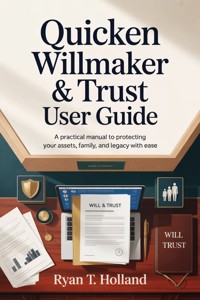
Planning for the future doesn’t have to be overwhelming, expensive, or confusing. Quicken WillMaker & Trust User Guide: A Practical Manual to Protecting Your Assets, Family, and Legacy with Ease is your step-by-step companion to creating a clear, legally sound estate plan—without unnecessary complexity.
Whether you’re drafting your first will, establishing a living trust, assigning guardians for minor children, or preparing powers of attorney and healthcare directives, this comprehensive guide walks you through the entire process with confidence and clarity. Designed for beginners and everyday families, this book translates legal terminology into plain English and explains not just what to do—but why it matters.
Inside, you’ll discover how to:
- Understand the essential differences between wills and trusts
- Protect your loved ones from probate delays and legal confusion
- Choose executors, trustees, and guardians wisely
- Safeguard digital and financial assets
- Properly sign, store, and update your estate planning documents
- Avoid common mistakes that can invalidate your plan
More than just a technical manual, this guide helps you think strategically about your legacy. It provides practical insights, real-world explanations, and troubleshooting tips to ensure your documents are accurate, complete, and aligned with your goals.
Estate planning is not just for the wealthy—it’s for anyone who wants to protect their family, preserve their assets, and maintain control over important decisions. With this book as your trusted companion, you’ll gain the knowledge and confidence needed to build a comprehensive, future-ready estate plan.
Your legacy deserves protection. Start planning today—with clarity, purpose, and peace of mind.
Das E-Book können Sie in Legimi-Apps oder einer beliebigen App lesen, die das folgende Format unterstützen:
Veröffentlichungsjahr: 2026
Ähnliche















Ryan T. Holland
Quicken WillMaker & Trust User Guide
A Practical Manual to Protecting Your Assets, Family, and Legacy with Ease
First published by Ryan T. Holland 2026
Copyright © 2026 by Ryan T. Holland
All rights reserved. No part of this publication may be reproduced, stored, or transmitted in any form or by any means, electronic, mechanical, photocopying, recording, scanning, or otherwise without written permission from the publisher. It is illegal to copy this book, post it to a website, or distribute it by any other means without permission.
Ryan T. Holland asserts the moral right to be identified as the author of this work.
First edition
This book was professionally typeset on Reedsy Find out more at reedsy.com
Contents
Disclaimer
Introduction
Why Estate Planning Matters
Understanding the Importance of Protecting Your Assets and Family
The Role of Digital Tools in Modern Estate Planning
Overview of Quicken WillMaker & Trust
Who Can Benefit from This Guide
How to Use This Manual Effectively
Chapter 1
Getting Started with Quicken WillMaker & Trust
System Requirements and Installation
Navigating the Interface
Understanding Key Features
Setting Up Your Profile and Preferences
Tips for a Smooth Start
Chapter 2
Understanding Wills
The Purpose of a Will
Different Types of Wills
Key Components and Legal Requirements
Common Mistakes to Avoid
How Quicken WillMaker Simplifies Will Creation
Chapter 3
Creating Trusts
What is a Trust and Why You Might Need One
Differences Between Revocable and Irrevocable Trusts
Selecting Trustees and Beneficiaries
Funding Your Trust Properly
Using Quicken WillMaker to Draft Trust Documents
Chapter 4
Appointing Executors, Guardians, and Trustees
Roles and Responsibilities Explained
Choosing the Right People
Avoiding Conflicts and Legal Pitfalls
Documenting Your Decisions in Quicken WillMaker
Ensuring Smooth Transitions
Chapter 5
Planning for Healthcare and End-of-Life Decisions
Creating Living Wills and Advance Directives
Assigning Healthcare Proxies
Special Considerations for Long-Term Care
Integrating Healthcare Plans into Your Estate Documents
How Quicken WillMaker Supports Healthcare Planning
Chapter 6
Managing Finances and Assets
Inventorying Your Assets and Debts
Strategies for Protecting and Distributing Wealth
Digital Assets and Online Accounts
Updating Your Records Regularly
Using Quicken WillMaker to Track Financial Data
Chapter 7
Understanding Taxes and Legal Implications
Estate Taxes, Gift Taxes, and Inheritance Taxes
Minimizing Tax Liabilities Legally
Navigating Probate and Legal Requirements
Common Mistakes That Can Trigger Legal Issues
How Quicken WillMaker Can Help Ensure Compliance
Chapter 8
Updating and Reviewing Your Documents
How Often Should You Update Your Estate Plan
Life Events That Require Updates
Using Quicken WillMaker for Easy Revisions
Maintaining Accuracy and Legality
Avoiding Oversights That Cause Complications
Chapter 9
Storing and Securing Your Documents
Physical vs. Digital Storage Options
Protecting Your Documents from Theft, Loss, or Damage
Sharing Access with Trusted Individuals
Using Quicken WillMaker to Safely Store and Export Documents
Tips for Ensuring Long-Term Accessibility
Chapter 10
Common Questions and Troubleshooting
Frequently Asked Questions About Wills and Trusts
Quicken WillMaker Common Issues and Solutions
Tips for Troubleshooting Technical Problems
Understanding Legal Terms and Concepts
Resources for Further Support
Conclusion
Securing Your Legacy
Reviewing Key Takeaways
Building a Comprehensive and Future-Proof Estate Plan
Encouragement to Take Action Today
Maintaining Peace of Mind for You and Your Family
Final Thoughts on Using Quicken WillMaker & Trust Effectively
Disclaimer
This book, Quicken WillMaker & Trust User Guide: A Practical Manual to Protecting Your Assets, Family, and Legacy with Ease, is intended for informational and educational purposes only. It is designed to provide general guidance on estate planning concepts and on the use of Quicken WillMaker & Trust software. It is not intended to serve as legal, financial, tax, or professional advice.
The author is not an attorney, accountant, or licensed financial advisor, and nothing in this book should be interpreted as creating an attorney-client, financial advisor-client, or fiduciary relationship. Laws governing wills, trusts, probate, taxes, and estate planning vary by state and may change over time. Readers are strongly encouraged to consult with a qualified attorney, tax professional, or financial advisor to obtain advice tailored to their specific circumstances.
While every effort has been made to ensure the accuracy and reliability of the information presented, the author and publisher make no representations or warranties regarding the completeness, accuracy, or applicability of the content. The use of any information contained in this book is solely at the reader’s discretion and risk.
References to Quicken WillMaker & Trust and related products are provided for educational purposes only. This book is not affiliated with, endorsed by, or sponsored by the software manufacturer or its parent company. All product names, trademarks, and registered trademarks are the property of their respective owners.
By using this book and implementing any strategies discussed herein, you acknowledge that you are responsible for your own decisions and outcomes. If you require legal, financial, or tax advice, you should seek the services of a qualified professional licensed in your jurisdiction.
Introduction
Why Estate Planning Matters
Estate planning is often misunderstood as something only for the wealthy, the elderly, or those with complex assets. In reality, it is a crucial step for anyone who wants to take control of their future and protect the people and things they care about most. At its core, estate planning is about preparation—it’s about making decisions today that ensure your assets, health decisions, and personal wishes are honored tomorrow. Life is unpredictable, and having a plan in place can prevent chaos, stress, and unnecessary conflict for your loved ones during already difficult times.
One of the most compelling reasons estate planning matters is that it safeguards your family. Without a clear plan, your loved ones may face significant challenges when you are no longer able to manage your affairs. Children may be left without guardians, assets could be tied up in legal battles, and family members may disagree about how to divide property. Estate planning allows you to outline your wishes in advance, providing clarity and direction that reduces uncertainty and emotional strain. This foresight is an act of care—it protects the very people you want to support even after you are gone.
Financial protection is another critical reason to engage in estate planning. Proper planning ensures that your assets are distributed according to your wishes and not according to state default rules, which may not align with your priorities. It also helps reduce unnecessary taxes, avoid probate delays, and prevent legal disputes that could diminish the value of your estate. For example, establishing trusts, naming beneficiaries on accounts, and designating powers of attorney can all ensure your wealth is preserved and passed down efficiently. In short, estate planning maximizes the benefits of your hard work for the people you love.
Estate planning is not just about the future—it also has immediate benefits. Creating a comprehensive plan forces you to evaluate your assets, your liabilities, and your goals. It helps you organize your financial and legal documents, ensures that important decisions about healthcare and finances are made, and gives you a roadmap for managing your estate during your lifetime. By thinking ahead, you gain peace of mind, knowing that no matter what happens, your wishes are clearly documented and your loved ones are protected.
Another reason estate planning matters is that it gives you control. Without a will, trust, or other legal documents, state laws will determine how your assets are distributed, who makes decisions on your behalf, and even who cares for your children. These decisions may not reflect your personal values or intentions. Estate planning allows you to define exactly how you want your legacy to be handled. It gives you the ability to choose executors, trustees, and healthcare proxies you trust, ensuring that your family and assets are managed in accordance with your wishes.
Finally, estate planning matters because it preserves your legacy. Beyond finances, it allows you to leave behind instructions, personal messages, and charitable gifts that reflect your values. It ensures that your story, your intentions, and your hard work are honored in the way you envision. It’s a way to provide stability, clarity, and continuity for future generations, while also protecting your family from unnecessary stress, legal complications, or financial loss. In essence, estate planning is both a practical and emotional act of responsibility—a gift to yourself and those you care about most.




