


Small Carnivores E-Book
81,99 €
Mehr erfahren.
- Herausgeber: John Wiley & Sons
- Kategorie: Wissenschaft und neue Technologien
- Sprache: Englisch
Small Carnivores: Evolution, Ecology, Behaviour, and Conservation
This book focuses on the 232 species of the mammalian Order Carnivora with an average body mass < 21.5 kg. Small carnivores inhabit virtually all of the Earth's ecosystems, adopting terrestrial, semi-fossorial, (semi-)arboreal or (semi-)aquatic lifestyles. They occupy multiple trophic levels and therefore play important roles in the regulation of ecosystems, such as natural pest control, seed dispersal and nutrient cycling. In areas where humans have extirpated large carnivores, small carnivores may become the dominant predators, which may increase their abundance ("mesopredator release") to the point that they can sometimes destabilize communities, drive local extirpations and reduce overall biodiversity. On the other hand, one third of the world's small carnivores are threatened or near threatened with extinction. This results from regionally burgeoning human populations' industrial and agricultural activities, causing habitat reduction, destruction, fragmentation and pollution. Overexploitation, persecution and the impacts of introduced predators, competitors, and pathogens have also negatively affected many small carnivore species. Although small carnivores have been intensively studied over the past decades, bibliometric studies showed that they have not received the same attention given to large carnivores. Furthermore, there is huge disparity in how research efforts on small carnivores have been distributed, with some species intensively studied and others superficially or not at all. This book aims at filling a gap in the scientific literature by elucidating the important roles of, and documenting the latest knowledge on, the world's small carnivores.
"This is a book that has been needed for decades. It is the first compendium of recent research on a group of mammals which has received almost no attention before the early 1970s. This book covers a wide range of subdisciplines and techniques and should be considered a solid baseline for further research on this little-known group of highly interesting mammals. As our knowledge regarding how ecosystems function increases, then the valuable role of small carnivores and the necessity for their conservation should be regarded as of paramount importance. The topics covered in this book should therefore be of great interest not only to academics and wildlife researchers, but also to the interested layman."
Professor Anne Rasa, Ethologist
Sie lesen das E-Book in den Legimi-Apps auf:
Seitenzahl: 1674
Veröffentlichungsjahr: 2022
Ähnliche




















Small Carnivores
Evolution, Ecology, Behaviour, and Conservation
Edited by
Emmanuel Do Linh San
University of Fort Hare
Alice, South Africa
Jun J. Sato
Fukuyama University
Fukuyama, Japan
Jerrold L. Belant
Michigan State University
East Lansing, MI, USA
Michael J. Somers
University of Pretoria
Pretoria, South Africa
This edition first published 2022© 2022 John Wiley & Sons Ltd
All rights reserved. No part of this publication may be reproduced, stored in a retrieval system, or transmitted, in any form or by any means, electronic, mechanical, photocopying, recording or otherwise, except as permitted by law. Advice on how to obtain permission to reuse material from this title is available at http://www.wiley.com/go/permissions.
The right of Emmanuel Do Linh San, Jun J. Sato, Jerrold L. Belant, and Michael J. Somers to be identified as the authors of the editorial material in this work has been asserted in accordance with law.
Registered OfficesJohn Wiley & Sons, Inc., 111 River Street, Hoboken, NJ 07030, USAJohn Wiley & Sons Ltd, The Atrium, Southern Gate, Chichester, West Sussex, PO19 8SQ, UK
Editorial Office9600 Garsington Road, Oxford, OX4 2DQ, UK
For details of our global editorial offices, customer services, and more information about Wiley products visit us at www.wiley.com.
Wiley also publishes its books in a variety of electronic formats and by print‐on‐demand. Some content that appears in standard print versions of this book may not be available in other formats.
Limit of Liability/Disclaimer of WarrantyWhile the publisher and authors have used their best efforts in preparing this work, they make no representations or warranties with respect to the accuracy or completeness of the contents of this work and specifically disclaim all warranties, including without limitation any implied warranties of merchantability or fitness for a particular purpose. No warranty may be created or extended by sales representatives, written sales materials or promotional statements for this work. The fact that an organization, website, or product is referred to in this work as a citation and/or potential source of further information does not mean that the publisher and authors endorse the information or services the organization, website, or product may provide or recommendations it may make. This work is sold with the understanding that the publisher is not engaged in rendering professional services. The advice and strategies contained herein may not be suitable for your situation. You should consult with a specialist where appropriate. Further, readers should be aware that websites listed in this work may have changed or disappeared between when this work was written and when it is read. Neither the publisher nor authors shall be liable for any loss of profit or any other commercial damages, including but not limited to special, incidental, consequential, or other damages.
Library of Congress Cataloging‐in‐Publication Data
Names: Do Linh San, Emmanuel, editor.Title: Small carnivores : evolution, ecology, behaviour, and conservation / edited by Emmanuel Do Linh San, University of Fort Hare, Alice, South Africa, Jun J. Sato, Fukayama University, Fukayama, Japan, Jerrold L. Belant, State University of New York, Syracuse, USA, Michael J. Somers, University of Pretoria, Pretoria, South Africa.Description: First edition. | Hoboken, NJ : Wiley‐Blackwell, 2022. | Includes bibliographical references and index.Identifiers: LCCN 2021041751 (print) | LCCN 2021041752 (ebook) | ISBN 9781118943281 (cloth) | ISBN 9781118943250 (adobe pdf) | ISBN 9781118943267 (epub)Subjects: LCSH: Carnivora.Classification: LCC QL737.C2 S534 2022 (print) | LCC QL737.C2 (ebook) | DDC 599.7–dc23LC record available at https://lccn.loc.gov/2021041751LC ebook record available at https://lccn.loc.gov/2021041752
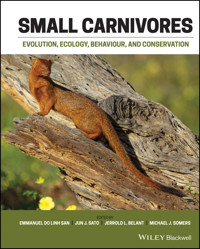
Cover Design: WileyCover Image: Courtesy of Emmanuel Do Linh San
This book is dedicated to the memory of Professor Anne Rasa (1940–2020), ethologist and pioneer in the study of social small carnivores.
Source: Photo © South African Tourism.
List of Contributors
Etienne François Akomo‐OkoueInstitut de Recherche en Ecologie Tropicale, CENAREST, Libreville, Gabon
Chieko AndoGraduate School of Science, Kyoto University, Kyoto, Japan
Vonjy AndrianjakariveloWildlife Conservation Society Madagascar Program, WCS Makira Antseranamborondolo, Maroantsetra, Madagascar
Alessandro BalestrieriDepartment of Earth and Environmental Sciences, University of Pavia, Pavia, ItalyDepartment of Environmental Sciences and Policy, University of Milan, Milan, Italy
Colleen M. BeggNiassa Carnivore Project, The Ratel Trust, Rondebosch, South Africa
Keith S. BeggNiassa Carnivore Project, The Ratel Trust, Rondebosch, South Africa
Jerrold L. BelantDepartment of Fisheries and Wildlife, Michigan State University, East Lansing, MI, USA
Jennifer A. BohrmanDepartment of Biology and Natural Resources, Frostburg State University, Frostburg, MD, USA
Emily A. BrickerDepartment of Biology and Natural Resources, Frostburg State University, Frostburg, MD, USA
Christina D. BueschingDepartment of Biology, The University of British Columbia, Okanagan Campus, Kelowna, Canada
Laëtitia BuissonCNRS, UMR 5245 EcoLab (Laboratoire Ecologie Fonctionnelle et Environnement), Toulouse, FranceINP, UPS, EcoLab, Université de Toulouse, Toulouse, France
Andrew W. ByrneCentre for Veterinary Epidemiology and Risk Analysis, School of Veterinary Medicine, University College Dublin, Dublin, IrelandVeterinary Sciences Division, Bacteriology Branch, Agri‐Food and Biosciences Institute, Belfast, UKDepartment of Agriculture, Food and the Marine, Dublin, Ireland
Diego F. CastilloDepartamento de Biología, Bioquímica y Farmacia, Universidad Nacional del Sur, Bahía Blanca, ArgentinaGECM, Instituto de Ciencias Biológicas y Biomédicas del Sur (INBIOSUR), Universidad Nacional del Sur (UNS) – CONICET, Bahía Blanca, Argentina
Juan‐Carlos CeñaIngeniero Técnico Forestal, Logroño, Spain
Michael V. CoveDepartment of Applied Ecology and NC Cooperative Fish and Wildlife Research Unit, North Carolina State University, Raleigh, NC, USA
Jennifer J. CreesInstitute of Zoology, Zoological Society of London, London, UK
Thierry Diop BineniInstitut de Recherche en Ecologie Tropicale, CENAREST, Libreville, Gabon
Emmanuel Do Linh SanDepartment of Zoology and Entomology, University of Fort Hare, Alice, South Africa
Robert C. DowlerDepartment of Biology, Angelo State University, San Angelo, TX, USA
Johan T. du ToitDepartment of Wildland Resources, Utah State University, Logan, UT, USADepartment of Zoology and Entomology, Mammal Research Institute, University of Pretoria, Pretoria, South Africa
Zach J. FarrisDepartment of Health & Exercise Science, Appalachian State University, Boone, NC, USA
Adam W. FergusonDepartment of Biological Sciences, Texas Tech University, Lubbock, TX, USAGantz Family Collection Center, Field Museum of Natural History, Chicago, IL, USA
M. Carmen FerrerasDepartamento de Sanidad Animal (Anatomía Patológica), Universidad de León, León, Spain
Pascal FournierGREGE, Villandraut, France
Christine Fournier‐ChambrillonGREGE, Villandraut, France
Mariela G. GantchoffGlobal Wildlife Conservation Center, State University of New York College of Environmental Science and Forestry, Syracuse, NY, USA
Brian D. GerberDepartment of Natural Resources Science, University of Rhode Island, Kingston, RI, USA
Gloria Giralda‐CarreraServicio de Conservación de la Biodiversidad, Gobierno de Navarra, Pamplona, Spain
Lon I. Grassman JrFeline Research Center, Caesar Kleberg Wildlife Research Institute, Texas A&M University–Kingsville, Kingsville, TX, USA
Aaron M. HainesDepartment of Biology, Applied Conservation Lab, Millersville University, Millersville, PA, USA
Zoe L. HanleyNorthwest Regional Office, Defenders of Wildlife, White Salmon, WA, USA
Jan HerrArrondissement Sud, Administration de la Nature et des Forêts, Leudelange, Luxembourg
Tim L. HillerWildlife Ecology Institute, Helena, MT, USA
Eiji InoueGraduate School of Science, Kyoto University, Kyoto, Japan
Lisa IsaacsCentre for Wildlife Management, University of Pretoria, Pretoria, South Africa
Yuji IwataGraduate School of Science, Kyoto University, Kyoto, Japan
Andrew P. JenningsSmall Carnivores – Research and Conservation, Portland, ME, USA
Neil R. JordanCentre for Ecosystem Science, School of Biological, Earth and Environmental Sciences, University of New South Wales, Sydney, AustraliaBotswana Predator Conservation Trust, Maun, BotswanaTaronga Conservation Society Australia, Taronga Western Plains Zoo, Wildlife Reproduction Centre, Dubbo, Australia
Sarah KarpantyDepartment of Fish & Wildlife Conservation, Virginia Tech, Blacksburg, VA, USA
Marcella J. KellyDepartment of Fish & Wildlife Conservation, Virginia Tech, Blacksburg, VA, USA
Thijs KuikenViroscience Lab, Erasmus MC, Rotterdam, The Netherlands
Nathan S. LibalCarnivore Ecology Laboratory, Mississippi State University, Mississippi State, MS, USA
Mauro LucheriniDepartamento de Biología, Bioquímica y Farmacia, Universidad Nacional del Sur, Bahía Blanca, ArgentinaGECM, Instituto de Ciencias Biológicas y Biomédicas del Sur (INBIOSUR), Universidad Nacional del Sur (UNS) – CONICET, Bahía Blanca, Argentina
S. Wayne MartinDepartment of Population Medicine, Ontario Veterinary College, University of Guelph, Guelph, Canada
Pierre Philippe Mbehang NguemaInstitut de Recherche en EcologieTropicale, CENAREST, Libreville, Gabon
Carlo MeloroResearch Centre in Evolutionary Anthropology and Palaeoecology, School of Biological and Environmental Sciences, Liverpool John Moores University, Liverpool, UK
Michael G.L. MillsSchool of Biology and Environmental Sciences, Faculty of Agriculture and Natural Sciences, University of Mpumalanga, Nelspruit, South Africa
Yoshihiro NakashimaCollege of Bioresource Science, Nihon University, Fujisawa City, Japan
Ludovic Ngok BanakInstitut de Recherche en Ecologie Tropicale, CENAREST, Libreville, Gabon
Alfred NgomandaInstitut de Recherche en Ecologie Tropicale, CENAREST, Libreville, Gabon
Chimene Nze‐NkogueInstitut de Recherche en Ecologie Tropicale, CENAREST, Libreville, Gabon
Allan F. O’ConnellUSGS Patuxent Wildlife Research Center, Laurel, MD, USA
James O’KeeffeCentre for Veterinary Epidemiology and Risk Analysis, School of Veterinary Medicine, University College Dublin, Dublin, IrelandDepartment of Agriculture, Food and the Marine, Dublin, Ireland
Francisco PalomaresDepartamento de Biología de la Conservación, Estación Biológica de Doñana, CSIC, Sevilla, Spain
Marie‐Lilith PatouBiotope, Recherche & Développement, Mèze, France
Kelly J. PearceMarine‐Estuarine‐Environmental Sciences Graduate Program, University of Maryland, College Park, MD, USA
Felix RatelolahyWildlife Conservation Society Madagascar Program, WCS Makira Antseranamborondolo, Maroantsetra, Madagascar
Luigi RemontiDepartment of Earth and Environmental Sciences, University of Pavia, Pavia, ItalyInstitut Agricole Régional, Aosta, Italy
Timothy J. RoperDepartment of Biology and Environmental Science, University of Sussex, Brighton, UK
Aritz Ruiz‐GonzálezDepartment of Zoology and Animal Cell Biology, University of the Basque Country (UPV‐EHU), Vitoria‐Gasteiz, SpainSystematics, Biogeography and Population Dynamics Research Group, University of the Basque Country (UPV/EHU), Vitoria‐Gasteiz, SpainConservation Genetics Laboratory, National Institute for Environmental Protection and Research (ISPRA), Ozzano dell’Emilia, Italy
Jun J. SatoDepartment of Biotechnology, Faculty of Life Science and Technology, Fukuyama University, Fukuyama, Japan
Thomas L. SerfassDepartment of Biology and Natural Resources, Frostburg State University, Frostburg, MD, USA
Michael J. SomersEugène Marais Chair of Wildlife Management, Department of Zoology and Entomology, Mammal Research Institute, University of Pretoria, Pretoria, South AfricaCentre for Invasion Biology, University of Pretoria, Pretoria, South Africa
Robert S. SommerDepartment of Landscape Sciences and Geomatics, Neubrandenburg University of Applied Sciences, Neubrandenburg, Germany
Sadie S. StevensDepartment of Biology and Natural Resources, Frostburg State University, Frostburg, MD, USA
Richard E. StraussDepartment of Biological Sciences, Texas Tech University, Lubbock, TX, USA
Lourens H. SwanepoelCentre for Wildlife Management, University of Pretoria, Pretoria, South AfricaDepartment of Zoology, University of Venda, Thohoyandou, South Africa
Yuji TakenoshitaDepartment of Children, Faculty of Child Studies, Chubu‐Gakuin University, Sika, Japan
Michael E. TewesFeline Research Center, Caesar Kleberg Wildlife Research Institute, Texas A&M University–Kingsville, Kingsville, TX, USA
Fermin Urra‐MayaÁrea de Biodiversidad, Gestión Ambiental de Navarra, Pamplona, Spain
Marco van de BildtViroscience Lab, Erasmus MC, Rotterdam, The Netherlands
Stephen M. VantasselWildlife Control Consultant, LLC, Lewistown, PA, USA
Géraldine VeronInstitut de Systématique, Evolution, Biodiversité (ISYEB), Muséum National d’Histoire Naturelle, CNRS, Sorbonne Université, EPHE, Université des Antilles, Paris, France
Mieczysław WolsanMuseum and Institute of Zoology, Polish Academy of Sciences, Warszawa, Poland
Juichi YamagiwaGraduate School of Science, Kyoto University, Kyoto, Japan
Foreword by Professor Anne Rasa
Small Carnivore Research in Retrospect
This is a book that has been needed for decades. It is the first compendium of recent research on a group of mammals that received almost no attention prior to the early 1970s and has not received enough since – the small carnivores. Although the larger members of the Carnivora were studied earlier than this date, notably the grey wolf, Canis lupus, in Europe and the ‘Big Cats’ in Africa, especially the lion, Panthera leo, and have been the objects of numerous studies since, the smaller members of the carnivore group were mostly ignored. Nearly all the scientists involved in the earlier carnivore studies were Europeans, with the notable exception of George Schaller from the USA with his benchmark study of the African lion in the late 1960s.
This tendency for Europeans to be at the forefront of small carnivore field research probably had historical reasons. The early 1970s were the time of the Nature/Nurture Controversy and American zoologists were primarily Animal Behaviourists. They concentrated on learning paradigms using rodents in the laboratory rather than studying natural populations of a variety of animals, as the Europeans were doing. The few ecological studies on small carnivores at that time were run by the US Fish and Wildlife Service and dealt with their control for economic reasons. The European field scientists, however, notably the Dutch, focused mainly on the behaviour and ecology of fish and invertebrate species rather than mammals. Probably, owing to the paucity of European small carnivore species and their relative rarity, due to their perception as ‘vermin’ and centuries of attempted eradication, very little was being done to expand our basic knowledge of these mammals. An exception to this general trend was Nikolaas Tinbergen’s Oxford group in Britain who were the first to study small carnivore populations in the wild. Hans Kruuk’s study of the European badger, Meles meles, and David Macdonald’s on the red fox, Vulpes vulpes, set a trend in the early 1970s that was to continue for the next decades and expand to other species and other continents.
Apart from the rarity of small carnivores as objects for research throughout most of Europe, another factor detrimental to the study of this fascinating group was that the majority of its members were found in Africa and Southeast Asia, with a much lower number in the Americas. Funds to study these were practically non‐existent and almost nothing was known about any of them. Many species were represented only by skins and/or skeletons in museums and just a handful were kept as exotic curiosities in zoos. A quick glance through the first edition of Walker et al.’s Mammals of the World, published in 1964, shows that less than half of the species listed had actually been photographed (mostly in zoos), many were represented just as museum mounts and some were artist’s impressions of what the animal looked like from its preserved skin and skull. The appended descriptions of habits and habitat were little more than descriptions of general geographical regions and biotopes in which the specimens had been collected. Even the taxonomy was confusing. Although that of the canids, felids, and most mustelids was fairly straightforward, the taxonomy of the viverrids, which at that time included the present‐day Viverridae, Nandiniidae, Prionodontidae, Eupleridae, and Herpestidae, was erratic and questionable, being based primarily on skeletal elements, dentition and pelage. Some genera were extremely broadly based (e.g. Herpestes) while others (e.g. Helogale) were split into numerous species and subspecies based on geographical range and pelage colour. The latter distinctions were, after subsequent genetic analysis, found to be spurious.
The fact that so little was known about small carnivores at this time was also due to their habits. Most species are solitary, secretive, and nocturnal, all these factors making it difficult to study them and collect data on their habits or even on their presence. The majority of species also inhabit difficult terrain: woodlands, tropical forest, waterways, mangrove swamps and tall grasslands, hardly ideal conditions for observation and data collection. The little data available on reproductive cycles and territorial behaviour of small non‐European species originated mostly from incidents of human–small carnivore conflict. Reproductive cycles of the suricate, Suricata suricatta, and yellow mongoose, Cynictis penicillata, were obtained from post‐mortem analysis of animals following mass poisoning in a rabies outbreak area in South Africa. Data on territory size and reproduction of the small Indian mongoose, Herpestes auropunctatus (now Urva auropunctata), were collected with regard to its negative impact on island ecosystems after its introduction as a biological control agent for snakes and rats. It, therefore, comes as no surprise that the first non‐European species to be studied in depth were group‐living, diurnal mongooses, such as the dwarf mongoose, Helogale parvula, and, later, the banded mongoose, Mungos mungo, and suricate which, because they inhabited comparatively open areas, were amenable to direct observation.
As can be seen from many of the contributing chapters of this book, over the past 40 years, this situation has changed remarkably with regard to research on the evolution, taxonomy, general ecology, and behaviour of many previously unknown species. Probably, the most valuable tool developed for small carnivore studies was the miniature radio‐telemetry transmitter. For the first time, it was possible to follow individuals without inhibiting their natural behaviour. This was especially useful for nocturnal species or those inhabiting biotopes where direct observation was almost impossible. Prior to this, the only way of collecting data was by the capture–recapture method with marked animals or the time‐consuming process of their habituation to human presence or relying on their tracks and signs. The radio‐collar meant that individual animals could be located, their home ranges plotted, activity periods recorded and denning sites mapped with accuracy and relatively little trouble. This yielded a wealth of new information on their habits and made inter‐species and also inter‐habitat comparisons within a species possible. The use of motion‐detecting cameras also allowed records to be made of the presence, habitat use, and activity patterns of cryptic species without disturbing their normal behaviour. As a result, the database on small carnivore ecology and behaviour expanded almost exponentially over the next decades. Probably, the most remarkable thing about these general findings, however, was that, apart from the social species, almost all the others followed the same schema in their spatiotemporal patterning, independent of geographical distribution, diel activity pattern, or ecological habitat. The general rule seemed to be that males have larger territories than females and these overlap with those of one or more of the latter. This would be expected when the prey spectrum of most small carnivores, which consists primarily of small prey items such as invertebrates, reptiles, rodents, and birds, is taken into account. Whether this is an example of convergent evolution or a case of retention of evolutionary traits has yet to be analyzed.
Many of the chapters in this book deal with the relationship between humans and small carnivores, which has always been a strained one based primarily on economics. From the start of agriculture and the keeping of small domestic animals, the human attitude towards small carnivores has always been negative, with continuous attempts at their eradication from settled areas. Agricultural practices destroyed – and still destroy – habitats and directly or indirectly result in the exclusion of many species from their historical range, even to the point of practical extinction, e.g. the black‐footed ferret, Mustela nigripes. Competition with fisheries wiped out whole populations of otters, including sea otters, Enhydra lutris, and mink species. The depredations of mustelids, small canids, and felids on domestic livestock, together with their role as disease carriers for rabies, in particular, resulted and still result in their persecution, even in modern times. The only positive attitude towards small carnivores could be found in the fur trade and this attitude could be considered even worse. Their exploitation through ignorance and greed resulted in the population decimation of mainly mustelids, and even the extinction of certain species, especially in North America. Those chapters dealing with human–small carnivore interactions are a valuable contribution to the history of this ongoing conflict. Most importantly, now that our knowledge of their essential role in ecosystem balance has been recognized, the importance of their conservation has come to the fore. Today, positive steps are being taken to repair and prevent the damage done to small carnivore populations in previous centuries, despite the fact that some species are still considered as ‘vermin’.
With the major advances in macro‐molecular techniques within the last decades, many of the evolutionary and taxonomic puzzles presented by the small carnivores as a group 30 years ago have been elucidated. The introductory chapter gives a brief overview of the phylogenetic relationships among the families currently recognized within the order Carnivora and discusses some taxonomic issues pertaining to this group. It further sets the context by evaluating the research efforts on small carnivores globally through bibliometric analyses. Lastly, the brief review on the distribution, species richness, ecological roles, conservation status, and threats to small carnivores worldwide is of special interest and basic to our understanding of the group as a whole.
In general, this book covers such a wide range of subdisciplines and techniques that it should be considered a solid baseline for further necessary research on this little‐known group of highly interesting mammals. As our knowledge regarding how ecosystems function increases, the valuable role of small carnivores and the necessity for their conservation should be regarded as of paramount importance. The topics covered in this book should therefore appeal not only to academics and wildlife researchers, but to the interested layman as well.
Reviewing Process and Acknowledgements
The idea for this book emanated in 2012 when the editors organized a symposium titled ‘Small Carnivores in Space and Time’ which was held in August 2013, in Belfast, in the framework of the 11th International Mammalogical Congress. We would like to thank all the colleagues who presented their work at, and/or attended the small carnivore symposium, as well as the funding bodies who paid for travel and other related expenses. We are particularly grateful to Ian Montgomery, chair of the congress, for his precious logistic and financial assistance to host our symposium, as well as to all the congress staff whose precious help greatly contributed to the success of our symposium.
The present book, however, does not constitute the proceedings of the small carnivore symposium. It is mostly made of invited contributions, with only about one‐third of the chapters corresponding to talks given in Northern Ireland. This approach ensured the production of a more ‘balanced’ book that covers the main disciplines targeted initially, namely evolution, ecology, behaviour, and conservation.
Each manuscript considered for inclusion in this book has been taken in charge by one or two of the book editors, reviewed by between two and four experts in the related field of study, and, ultimately, accepted or rejected following the same stringent procedure and criteria as for a scientific peer‐reviewed journal article. All revised and accepted chapters have then been (re‐)reviewed and formatted by EDLS to ensure inter‐chapter consistency and highlight or address some previously undetected issues. When needed, chapters were returned to authors for further revision. MJS then (re‐)read all chapters for some final language editing and to double‐check references, while JJS and JLB took charge of several other fine‐tuning tasks. Due to numerous delays with the book production, several chapters have been accordingly updated along the way to ensure that the information provided at the time of publication is as pertinent as possible.
We sincerely thank the reviewers of the initial book proposal and the whole production team at Wiley for all their help and support, particularly Mahalakshmi Pitchai, Rajalakshmy Devanathan, Mandy Collison and Andrew Harrison. Will Duckworth gave expert advice regarding nomenclatural use and taxonomical aspects, while Keith Aubry kindly shared some precious editing tips. Géraldine Veron, Adam Ferguson, Andrew Kitchener and Alexei Abramov expertly gave input on Appendix B. Alexei Abramov also generously shared his encyclopedic knowledge on Russian small carnivores (among others) on numerous occasions. We are also grateful to the 51 reviewers who generously offered their time and shared their knowledge and scientific expertise of some of the world’s small carnivores while reviewing one or two chapters of this book:
Peter Apps, Botswana Predator Conservation Trust, Botswana; Masakazu Asahara, Aichi Gakuin University, Japan; Keith B. Aubry, USDA Forest Service, Pacific Northwest Research Station, USA; Bob Bluett, Illinois Department of Natural Resources, USA; Luigi Boitani, Sapienza University of Rome, Italy; Tim Caro, University of California, Davis, USA; Christopher Dickman, The University of Sydney, Australia; Robert C. Dowler, Angelo State University, USA; Nicole Duplaix, Oregon State University, USA; David Eads, US Geological Survey, Fort Collins Science Center, USA; Adam W. Ferguson, Field Museum of Natural History, Chicago, USA; Michael H. Ferkin, The University of Memphis, USA; the late Ian Gaigher, Lajuma Research Centre, South Africa; Daniel Gallant, Parks Canada, Gatineau, Canada; Philippe Gaubert, Université Toulouse III ‐ Paul Sabatier, France; Al S. Glen, Manaaki Whenua ‐ Landcare Research, New Zealand; Juan Pedro González‐Varo, Universidad de Cádiz, Spain; Lon I. Grassman, Jr, Texas A&M University–Kingsville, USA; the late Colin P. Groves, Australian National University, Australia; Philipp Henschel, PANTHERA, USA; Tim Hiller, Wildlife Ecology Institute, USA; Andrew P. Jennings, SMALL CARNIVORES – Research and Conservation, USA; Paul G. Jensen, NYS Department of Environmental Conservation, USA; Marcella J. Kelly, Virginia Polytechnic Institute and State University, USA; Andreas Kranz, alka‐kranz eU, Austria; Aliza le Roux, University of Free State, Qwaqwa Campus, South Africa; Estela M. Luengos Vidal, Universidad Nacional del Sur, Argentina; Adrian Marciszak, University of Wrocław, Poland; Trevor McIntyre, University of South Africa, South Africa; Alessio Mortelliti, University of Maine, USA; Yoshihiro Nakashima, Nihon University, Japan; Francesco Palomares, Estación Biológica de Doñana (EBD‐CSIC), Spain; Cino Pertoldi, Aalborg University, Denmark; Gilbert Proulx, Alpha Wildlife Research & Management Ltd, Canada; L. Miguel Rosalino, Universidade de Lisboa, Portugal; Sugoto Roy, IUCN, Switzerland; Martin Sabol, Comenius University, Slovakia; Theodore Stankowich, California State University, Long Beach, USA; David C. Stoner, Utah State University, USA; Lourens H. Swanepoel, University of Venda, South Africa; Mathias W. Tobler, San Diego Zoo Wildlife Alliance, USA; Iain Trewby, Fauna & Flora International, UK; Géraldine Veron, Muséum National d’Histoire Naturelle, France; Lars Werdelin, Swedish Museum of Natural History, Sweden; Bryant White, Association of Fish & Wildlife Agencies, USA; Paula A. White, University of California, Los Angeles, USA; Gary Witmer, United States Department of Agriculture, National Wildlife Research Center, USA; Lesley Wright, IUCN/SSC Otter Specialist Group, UK; Takahiro Yonezawa, Tokyo University of Agriculture, Japan; Jabi Zabala Albizua, University of the Basque Country, Spain; Iñigo Zuberogoitia, Estudios Medioambientales Icarus SL, Spain.
It is needless to say that we are indebted to all the contributing authors for their hard work and endless patience. We sincerely hope that they will find the final product worth the excruciatingly long wait.
Last but not least, we are grateful to the late Professor Anne Rasa for writing the foreword to this book and providing some insider’s view on what research on small carnivores looked like during the second half of the twentieth century. While we are devastated that she passed away on 15 November 2020 and could not see the printed version of this book, we are joyful to be able to follow in her footsteps and hope that this book will continue her legacy.
Part IIntroduction
1The World’s Small Carnivores: Definitions, Richness, Distribution, Conservation Status, Ecological Roles, and Research Efforts
Emmanuel Do Linh San1,*, Jun J. Sato2, Jerrold L. Belant3, and Michael J. Somers4,5
1 Department of Zoology and Entomology, University of Fort Hare, Alice, South Africa
2 Department of Biotechnology, Faculty of Life Science and Technology, Fukuyama University, Fukuyama, Japan
3 Department of Fisheries and Wildlife, Michigan State University, East Lansing, MI, USA
4 Eugène Marais Chair of Wildlife Management, Department of Zoology and Entomology, Mammal Research Institute, University of Pretoria, Pretoria, South Africa
5 Centre for Invasion Biology, University of Pretoria, Pretoria, South Africa
SUMMARY
Small carnivores – here defined as members of the mammalian order Carnivora with a body mass < 21.5 kg – occur worldwide, including in Oceania, following introductions. They are represented by 210 to 282 species, which correspond to about 90% of terrestrial carnivores globally. Some species are endemic to 1 or 2 countries (sometimes only islands), while others, like the red fox, Vulpes vulpes, are present in nearly 90 countries over 5 continents. Small carnivores inhabit virtually all of the Earth’s ecosystems, adopting terrestrial, semi‐fossorial, (semi‐)arboreal or (semi‐)aquatic lifestyles. They occupy multiple trophic levels, being primary consumers when feeding on fruits, seeds, and other plant matter, secondary consumers when preying on frugivorous, granivorous, and herbivorous animals, or tertiary consumers when killing and devouring meat‐eating animals. Therefore, they play important roles in the regulation of ecosystems, e.g. natural pest control, seed dispersal and nutrient cycling. In areas where humans have extirpated large carnivores, small carnivores may become the dominant predators, which may increase their abundance (‘mesopredator release’) to the point that they can sometimes destabilize communities, drive local extirpations, and reduce overall biodiversity. On the other hand, one‐third of the world’s small carnivores are Threatened or Near Threatened with extinction (sensu IUCN). This results from regionally burgeoning human populations’ industrial and agricultural activities, causing habitat reduction, destruction, fragmentation, and pollution. Overexploitation, persecution, and the impacts of introduced predators, competitors, and pathogens have also negatively affected many small carnivore species. Although small carnivores have been intensively studied over the past decades, bibliometric studies showed that they have not received the same attention given to large carnivores. Furthermore, there is a huge disparity in how research efforts on small carnivores have been distributed, with some species intensively studied, and others superficially or not at all. Regionally, North American and European small carnivores have been the focus of numerous studies, and more research is being progressively conducted in Asia. However, there is a need to increase the research effort in Africa and Central and South America. Encouragingly, the recognition of the importance of the mesopredator release effect and the exponential deployment of camera‐traps have started to boost the research effort and scientific knowledge on small carnivores around the world. This book aims at filling a gap in the scientific literature by elucidating the important roles of, and documenting the latest knowledge on, the world’s small carnivores. It is divided into four main sections: (i) Evolution, Systematics, and Distribution; (ii) Ecology, Behaviour, and Diseases; (iii) Interspecific Interactions and Community Ecology; and (iv) Interactions with People and Conservation. We hope that the book will appeal to a wide audience and, considering that the field of small carnivore science remains wide open, stimulate much‐needed research globally.
Keywords
Bibliometric studies — Carnivora — geographic range — phylogeny — taxonomy — threats — systematics
What is a Small Carnivore?
This edited book focuses on small carnivores. This naturally calls for a definition of ‘small carnivores’, particularly because these members of the class Mammalia do not form a distinct – or monophyletic – taxonomic unit. As a start, the term ‘carnivore’ (from the Latin carne, meat, and vorare




