


6,49 €
Mehr erfahren.
- Herausgeber: Live For Excellence Productions (LFEP)
- Kategorie: Fachliteratur
- Sprache: Englisch
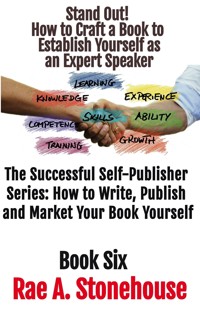
In the oversaturated modern landscape, establishing yourself as an expert and thought leader has never been more challenging - or more important for career success. Enter: books.
In Stand Out! How to Craft a Book to Establish Yourself as an Expert Speaker author Rae A. Stonehouse unveils how you can leverage the credibility and visibility of authorship to differentiate yourself, attract ideal clients, and book high-paying speaking gigs at prestigious conferences, corporations, and associations.
Backed by decades of experience, Stonehouse's groundbreaking book provides a comprehensive roadmap to plan, write, publish, and strategically market your book. You'll discover insider tips to identify your niche, craft compelling content, choose between traditional and self-publishing routes, and create financial leverage using your book.
This is Author Stonehouse’s Sixth book in the Successful Self-Publisher Series: How to Write, Publish and Market Your Book Yourself.
Stand Out! How to Craft a Book to Establish Yourself as an Expert Speaker reveals:
The step-by-step process to write an authoritative book positioning you as a leading voice in your industry.
Cutting-edge marketing strategies to build buzz, launch successfully, and drive book sales.
How to land lucrative speaking opportunities, media interviews, and new client partnerships
Monetization models and backend funnels to maximize your book's value.
Guidance to balance books with speaking to accelerate your income and impact.
Whether you're a seasoned speaker or starting out, Stand Out! equips you with a powerful blueprint to use a book as a springboard for your career. If you're ready to write your story, spread your message, and become the speaker audiences crave, this book is for you!
Das E-Book können Sie in Legimi-Apps oder einer beliebigen App lesen, die das folgende Format unterstützen:
Veröffentlichungsjahr: 2023
Ähnliche














STAND OUT!
HOW TO CRAFT A BOOK TO ESTABLISH YOURSELF AS AN EXPERT SPEAKER
SUCCESSFUL SELF-PUBLISHER SERIES: HOW TO WRITE, PUBLISH AND MARKET YOUR BOOK YOURSELF.
BOOK SIX
RAE A. STONEHOUSE
LIVE FOR EXCELLENCE PRODUCTIONS
CONTENTS
Introduction: The Power of the Published Word
Section One - Book Power: Unlocking the Potential of Publishing to Propel Business Growth and Personal Branding
Unlocking the Potential of Publishing to Propel Business Growth and Personal Branding
Network Expansion: How Publishing a Book Can Broaden Your Horizon and Amplify Your Reach
Credibility Boost: Elevate Your Expert Status with the Commanding Influence of a Well-Written Book
Authority Unleashed: Crafting Content that Cements Your Status as a Trusted Leader in Your Industry
Proof in the Pages: Showcasing Author Dedication Through Meticulous Research and Solid Evidence
Building Bridges: Mastering the Art of Connecting with Your Target Audience
Wrapping it Up: Takeways and Next Steps
Section Two - Understanding the Publishing Process: Traditional vs. Self-Publishing
Introduction to the Publishing Process:
Self-Publishing: Taking Control of Your Writing Journey
Advantages of Self-Publishing:
Navigating the Self-Publishing Maze: Turning Challenges into Triumphs
Empowered Choices: The Inside Track to Making Informed Decisions
Self-Publishing Surge: Riding the Wave of Digital Age Publishing Revolution
Wrapping it Up: Takeways and Next Steps
Section Three - Identifying Your Expertise: Finding Your Niche in the Market
Why Defining Your Expertise Is Crucial:
Rise Above the Noise: Strategies for Standing Out in a Crowded Market
Harnessing Clarity: The Transformative Power of Focus in Achieving Success
Earning Trust: The Foundation for Building Unshakable Credibility
Synergy Unlocked: Exploring Exciting Opportunities for Collaboration
Magnetizing Prosperity: Strategies to Attract High-Paying Clients
The Quest for Contentment: Unlocking the Secrets to Fulfillment and Satisfaction
Carving Your Niche: The Art of Aligning Skills and Passions to Identify Your Unique Market Space.
Igniting Your Inner Flame: A Journey Through Passions and Interests to Find Your True Calling
Unleashing Potential: The Power of Pinpointing Your Unique Strengths and Talents
Skillset Alchemy: Mastering the Art of Assessing Your Transferable Skills
Discovering Your Niche in The Market:
Market Mastery: Unlocking the Competitive Edge with In-Depth Market Research
Identifying Competitors:
Defining Target Audiences:
Analyzing Current Trends:
Conducting Market Surveys:
Digital Discovery: Leveraging Online Resources for Unlimited Possibilities
Customer Voices Lead the Way: The Imperative of Prioritizing Feedback
Marketplace Mavericks: The Strategic Advantage of Identifying and Filling Market Gaps
Analyzing Customer Feedback:
Conducting Surveys:
Utilizing Competitor Analysis:
Assessing Resource Feasibility:
Leveraging Personal Experience and Knowledge:
Capitalizing on Your Journey: Valuing Personal Experiences and Knowledge as Assets
Unlocking the Power of Your Story: Identifying Key Insights from Personal Backgrounds
Educational Edge: Transforming Academic Pursuits into Recognized Expertise
Experience as Your Elevator: Utilizing Work History to Amplify Your Expertise
Passion to Perspective: Gleaning Insights from Hobbies and Personal Interests
Crafting Authority: The Art of Blending Personal Experience with Knowledge to Build Credibility
Overcoming Challenges and Biases:
Narrowing Down Your Niche:
Evaluating Competition:
Identifying Personal Preferences:
Considering Growth Potential
Conducting Market Research:
Analyzing Existing Skills: Unlocking Your Potential in Your Chosen Niche
Making The Final Decision:
Refining Your Niche:
Staying Updated on Industry Trends:
Seeking Professional Development Opportunities:
Adapting To Changing Market Needs:
Market Edge: Crafting a Unique Value Proposition by Identifying Gaps and Seizing Opportunities
Utilizing Customer Feedback:
Leveraging Technology and Innovation:
Wrapping it Up: Takeways and Next Steps
Section Four - Writing Compelling and Engaging Content for Your Target Audience
Identifying Specific Needs:
Understanding Your Target Audience:
Creating Relatable Content:
Utilizing Demographics and Psychographics:
Conducting Surveys and Interviews:
Analyzing Data and Feedback:
Continual Adaptation and Evolution:
Understanding the Essence of a Strong Headline:
Utilizing Attention-Grabbing Techniques:
Headline Alchemy: Shaping a Connection that Deeply Resonates with Your Audience's Core Needs and Desires
Emotional Magnetism: The Craft of Charging Your Headlines with Emotional Triggers to Captivate Readers
Testing and Refining Your Headlines:
Avoiding Common Mistakes: Maintaining Authenticity and Trustworthiness in Headline Writing
Leveraging Headline Formulas and Templates:
Use Storytelling Techniques:
Relatable Characters: Establishing Deeper Connections and Investments in Your Story
Using Vivid Descriptions:
Narrative Structure: Exploring Engaging Techniques to Captivate Readers
Pacing:
Utilizing Subplots:
Visual Impact: The Game-Changing Power of Integrating Imagery with Your Content
Types Of Visuals to Consider:
Picture Perfect: Choosing Visuals That Strike a Chord with Your Audience
Embedding Visuals Seamlessly:
Enhancing Understanding with Visuals:
Using Visuals Strategically:
Ensuring Accessibility of Visuals:
Conversational Charm: Crafting a Tone that Fosters Genuine Connections with Your Audience
Heartfelt Narratives: The Art of Crafting Emotionally Engaging Anecdotes
Using Simple Language:
Addressing Common Concerns:
Active Reader Engagement:
Balancing Professionalism and Relatability:
Injecting Personality into Your Writing: Sharing Your Unique Voice
Consistency in Tone:
Adding Interactive Elements: Enhancing Audience Engagement
Exploring Quiz Formats:
Harnessing the Power of Polls:
Surveys for Audience Insights:
Creating Interactive Worksheets:
Incorporating Interactive Images and Videos:
Practical Tips for Successful Implementation:
The Importance of Soliciting Feedback:
Feedback Finesse: Mastering the Art of Soliciting Audience Insights & Cultivating a Welcoming Space for Input
Analyzing Feedback:
Addressing Positive Feedback:
Addressing Negative Feedback:
Continuous Improvement: Harnessing the Power of Feedback for Exceptional Content
Engagement Amplified: Leveraging Feedback to Boost Interaction, Earn Loyalty, and Spark Viral Promotion
Wrapping it Up: Takeways and Next Steps
Section Five - Crafting an Attention-Grabbing Book Title & Cover Design
Captivating Titles: The Key to Attracting Readers and Shining in a Sea of Books
Title Power: Setting the Stage and Capturing Your Story's Soul with Just a Few Words
Mind Magnet: Unlocking the Psychology of Intriguing Titles to Spark Curiosity and Desire in Readers
Branding Brilliance: The Ripple Effect of a Memorable Book Title on Your Marketing Mastery
Examining Case Studies of Successful Books and Analyzing the Effectiveness of Their Titles in Garnering Attention and Sales:
Strategies and Tips for Crafting an Attention-grabbing Book Title:
The Potential Pitfalls and Challenges in Creating a Compelling Book Title:
Crafting Irresistible Book Titles: Strategies to Hook Readers at First Glance!
Unlock the Secret to Capturing Readers: Master the Art of a Catchy Book Title!
Painting with Words: How Vivid Imagery and Metaphors Can Craft a Title That Captures Your Book's Heart!
Title Wizardry: Techniques to Forge Memorable Titles That Spotlight Your Book’s Genre and Themes!
Playful Mastery: Crafting Witty and Memorable Titles with Wordplay and Puns!
Bold Choices: Weighing the Impact of Provocative Titles in Capturing Attention and Sparking Debate!
Hit the Mark: Crafting Book Titles That Resonate with Your Target Audience's Language, Themes, and Dreams!
Wordplay Wonders: Unleashing Puns, Alliteration, and Clever Twists to Intrigue and Reflect Your Story's Core!
Essence of the Tale: Crafting Titles That Whisper the Heart of Your Story to the Reader!
Secrets Unveiled: Decoding the Magic Behind Successful Book Titles Across Genres!
Appealing to Reader Desires:
Market Smarts: Tailoring a Book Title That Hits Home with Your Target Readers Through Savvy Research!
Discover What Readers Crave: Unveiling Book Title Insights with Targeted Market Research!
Title Crafting Mastery: Piecing Together Genre, Theme, and Tone for Audience-Aligned Book Titles
Behind the Bestsellers: Case Studies on How Strategic Market Research and Audience Targeting Shaped Hit Book Titles!
Market Intel: Leveraging Research to Outmaneuver Competitors and Position Your Book for Success!
Unlocking the Reader's Mind: Exploring How a Book Title Can Forge an Emotional Bond and Ignite Curiosity
Mastering the Market: Essential Tips and Techniques for Authors to Craft Titles That Resonate with Their Intended Audience
Designing to Impress: How a Stunning Book Cover Can Transform Reader Perception and Pique Interest
The Psychology Behind Effective Book Covers:
Cover Design & Genre Identification: The Significance of a Well-Designed Cover
Creating Intrigue and Curiosity - Personal Connection & Emotional Appeal:
Cover Wins: Diving into Success Stories Where Exceptional Cover Art Made Bestsellers and Magnified Readership
Color Psychology in Action: Unraveling How Cover Design Elements Captivate and Influence Readers' Choices
The Typography Effect: How Font Choices Shape Reader Impressions and Book Appeal
Visual Storytelling: The Art of Using Imagery and Symbolism to Elevate Cover Design
The Great Design Debate: Minimalism or Complexity for Maximum Impact
Crafting Visual Harmony: The Critical Role of Layout and Composition in Design
Navigating Cultural Landscapes: Crafting Covers That Connect and Resonate Globally
Maximizing First Impressions: Proven Strategies for Testing and Perfecting Cover Designs
Maximizing First Impressions: Proven Strategies for Testing and Perfecting Cover Designs
Embrace Your Creative Spark: The Ultimate Guide to DIY Cover Design!
Wrapping it Up: Takeways and Next Steps
Section Six - Outlining Your Book: Structuring Your Content for Maximum Impact
Mastering the Blueprint: Unlocking the Power of a Well-Crafted Outline
The Purpose of an Outline:
Charting Your Story's Journey: The Art of Crafting an Outline That Guides Your Book to Success
Weaving a Seamless Tale: The Secrets to Building a Cohesive Narrative
Weaving a Seamless Story: Crafting a Logical, Consistent, and Engaging Narrative Arc:
Following the Thread: How a Logical Flow of Ideas Sustains Reader Interest and Involvement:
Following the Path: How a Logical, Connected Narrative Helps Readers Grasp and Retain Ideas:
Plotting the Course: How Outlining Provides a Roadmap for Logical, Structured Content:
Mapping It Out: How Outlining Helps Writers Structure Their Ideas in a Logical Flow
Staying on Track: How Outlining Keeps Information Flowing in a Structured, Coherent Sequence:
Creating a Logical Flow in Writing:
Seamless Storytelling: Mastering Transitions to Weave Paragraphs and Chapters into a Unified Narrative Flow
Captivating Minds: Strategies for Ensuring Your Readers Stay Hooked and Comprehend Every Page
Clarifying the Message: How Outlining Helps Writers Present Information in a Logical, Coherent Manner
Elevate Your Writing: The Art of Engaging Readers with Lively Language, Captivating Stories, and Powerful Examples
Using the Outline as a Writing Guide:
Shaping Your Story's Evolution: Dynamic Outlining for Integrating Fresh Ideas and Broadening Perspectives
Charting Your Success: The Power of Outlines to Forge Consistency and Track Your Writing Milestones
Managing Content Organization:
Polishing for Clarity: Strategies to Boost Readability and Understanding
Sculpting Perfection: The Craft of Revising and Refining Your Manuscript
Identifying Key Themes and Ideas
Zeroing In on Your Vision: A Guide to Crafting a Focused Narrative Through Themes and Ideas
Unearthing the Essence: The Power of Thematic Research in Enriching Your Writing
Spotlight on Substance: The Art of Selecting and Focusing on Themes That Resonate
Orchestrating Ideas: How to Structure Your Content for Maximum Thematic Impact
Crafting a Tapestry of Tales: The Art of Weaving a Coherent Narrative
Amplifying Your Message: Master the Art of Impactful Storytelling with Vivid Examples and Persuasive Language
Blueprint for Clarity: Designing a Crystal-Clear Structure for Your Writing
Navigating with Ease: The Strategy of Using Chapters to Guide Your Readers' Journey
Discover the Power of Division: Unlocking the Benefits of Sectioning Your Work for Enhanced Engagement
Implementing Subheadings:
Methods for Creating Structure:
Maintaining Coherence:
Sculpting Your Story: The Dynamics of Refining Book Structure in the Editing Phase
Mastering the Current: Crafting a Narrative Flow that Captivates and Enthralls Readers
Transition Techniques:
Seamless Storycraft: Structuring Sections for Effortless Flow in Your Book
Connecting Ideas:
Enhancing Readability:
Balancing Pace:
Sensory Magic: Techniques to Envelop Readers in an Immersive Storytelling Experience
Organizing Supporting Information:
Types of Supporting Information:
Creating a Logical Flow:
Crafting Clarity: The Art of Employing Headings and Subheadings for Impactful Guidance
Guidelines for Using Headings and Subheadings Effectively:
Incorporating Visual Aids:
Balancing Quantity and Quality:
Innovative Narratives: The Adventure of Experimenting with Unique Structural Designs
Perfecting Proportion: The Art of Balancing Content Length for Maximum Impact
Hitting the Sweet Spot: Mastering the Art of Determining the Perfect Word Count
Achieving Elegance and Brevity: The Craft of Streamlining Content While Upholding Excellence
Decisive Writing: Mastering the Art of Tough Choices for a Compelling Book
Leveraging Extra Tools: The Power of Supplementary Resources in Enriching Your Writing
Reader's Verdict: The Critical Role of Testing and Feedback in Perfecting Your Book
Polishing Your Manuscript: Mastering the Iterative Art of Revision and Refinement with Insider Feedback for Unmatched Impact
Beta Brilliance: Elevating Your Book with Strategic Insights from Beta Reader Feedback
Editor's Touch: Harnessing Expert Feedback to Sculpt Your Book into Its Finest Form
Blueprint Analysis: A Guide to Critically Assessing and Enhancing Your Book's Structural Framework
Streamlining Your Ideas:
Amplifying Your Manuscript: Dynamic Strategies for Fortifying Your Book's Outline and Impact
The Revision Revolution: Unleashing the Transformative Power of Editing and Polishing Your Narrative
Wrapping it Up: Takeways and Next Steps
Section Seven - How to effectively market and promote your book:
Overview of marketing and promotion strategies:
Harnessing the power of online platforms:
Building an author platform:
Crafting a Bestseller Blueprint: The Ultimate Marketing Plan for Authors
Brand Boosters: Inspiring Success Tales of How Publishing a Book Can Skyrocket Your Brand and Business
Business Growth Through Publishing - A Powerful Catalyst for Success
Leveraging book publishing for thought leadership:
Wrapping it Up: Takeways and Next Steps
Section Eight - Developing a Strong Unique Selling Proposition (USP) for Your Book
Carving Your Niche: Mastering the Unique Selling Proposition to Make Your Book a Standout Success
The Benefits of Having a Well-defined USP:
Reader's Pulse: Leveraging Market Research to Uncover What Sets Your Book Apart and Wins Over Your Audience
Branding Brilliance: Strategies to Broadcast Your Book's Unique Edge with a Captivating Title, Cover, and Author Presence
Selling Your Story: The Art of Crafting Irresistible Book Descriptions that Spotlight Your Unique Selling Point
Evolving Excellence: Fine-Tuning Your Book's USP to Stay Ahead of Market Trends and Shine in the Literary World
Storytelling Mastery: Unveil the Power of Narrative to Forge an Unforgettable Emotional Connection with Your USP
Identifying Your Target Audience’s Emotions:
Narrative Resonance: Crafting Authentic Stories That Mirror Your Audience's Deepest Values and Dreams
Evoking Emotions with Language and Visuals:
Measuring the Impact of Emotional Appeal:
Optimizing Your Edge: Test and Perfect Your USP with Insider Feedback to Guarantee Its Market Hit
Marketing Magic: Turning Your Book's Unique Selling Proposition into a Selling Sensation
Author Bio Mastery: Sculpting a Personal Narrative that Embodies Your USP and Cultivates Trust with Your Readers
Promotional Panache: Designing Eye-Catching Banners and Posters that Showcase Your USP and Turn Heads
Tailoring Marketing Strategies to Target the Right Audience for Your Book by Aligning Your USP With Their Interests and Needs:
Content that Connects: Crafting Engaging Messages that Reinforce Your USP and Echo with Your Audience
Wrapping it Up: Takeways and Next Steps
Section Nine - Use the Knowledge Gained from Speaking Engagements:
Use the Knowledge Gained from Speaking Engagements:
Amplify Your Voice: Harness the Power of Your Unique Perspective to Captivate as a Speaker
Unleash the Power of Epic Storytelling: Transform Your Communication with Captivating Techniques
Efective Use of Visuals and Multimedia:
Building on Speaking Engagements to Promote Your Book:
Understand Your Audience:
Navigating Audience Insights: Master Strategies for Addressing and Integrating Speaking Engagement Feedback into Your Writing
Wrapping it Up: Takeways and Next Steps
Section Ten - The Importance of Building a Personal Brand and Author Platform
The Importance of Building a Personal Brand and Author Platform:
Building Your Signature Brand: A Deep Dive into Understanding and Cultivating Your Personal Brand Identity
Defining a Personal Brand:
Exploring the Elements of a Personal Brand:
Differentiating Between Personal and Author Branding:
Importance of a Personal Brand in Authorship:
Strategies to Develop and Nurture a Personal Brand:
Leveraging Social Media Platforms: Establishing Strong Connections with Readers
Wrapping it Up: Key Takeaways and Next Steps
Conclusion
About the Author
Also, By Rae A. Stonehouse
Copyright/Disclaimer:
All rights to this literary work, Copyright © 2023, are reserved to Rae A. Stonehouse. It is expressly prohibited to reproduce any part of this book in any format, including electronic or mechanical, without prior written consent from the author, except for brief quotations used in a book review.
Please be advised that both the publisher and the author are providing this book and its contents “as is,” with no express or implied representations or warranties of any kind, including but not limited to fitness for a particular purpose. Any such representations and warranties are hereby disclaimed. Furthermore, neither the publisher nor the author assumes any responsibility for any errors, inaccuracies, omissions, or inconsistencies contained in this work.
Any information provided in this book should be independently verified and validated before acting upon it.
While this publication is intended to be a valuable source of information for readers, it is not intended to replace the advice and guidance of expert professionals. Should you require a high level of assistance, it is recommended that you seek out a competent professional.
Finally, it should be noted that the publisher and author of this book do not guarantee any level of success or results from following the advice and strategies provided. Any results will vary according to each individual's unique situation.
ISBNs:
E-book: 978-1-998813-50-6
Paperback: 978-1-998813-51-3
Audio Book: 978-1-998813-52-0
INTRODUCTION: THE POWER OF THE PUBLISHED WORD
From thought leaders to keynote speakers, having a published book under your belt provides immense credibility and serves as a powerful tool for proving yourself to be an expert in your field. In today’s crowded marketplace, simply having strong knowledge and dynamic speaking skills is no longer enough to stand out. You need that extra edge to distinguish yourself and show your authority. This is where publishing a book can elevate your personal brand and unlock new opportunities as a professional speaker.
The Power of Self-Publishing:
In today’s publishing landscape, self-publishing has become a viable and strategic option for publishing your book. Self-publishing enables you to retain creative control and get your book to market far quicker than traditional publishing. You also retain all rights and royalties on book sales. For expert speakers, self-publishing can help accelerate your time-to-market so you can start using your book for your brand and business faster.
However, creating a high-quality, professional book requires learning critical skills like manuscript editing, interior book design, cover design, and book marketing. Comprehensive self-publishing guides can provide invaluable direction on navigating the key steps for publishing your book independently. They offer expert advice on writing compelling content, collaborating with freelance professionals, uploading to print and e-Book platforms, and promoting your book launch. Investing in self-publishing education early on can help pave the path to publishing success.
Whether aiming to build credibility for public speaking or grow your business as a thought leader, self-publishing your own book provides immense strategic advantages. You retain full control over your content and brand image. By mastering self-publishing with guidance from industry experts, you can publish your book faster and begin using it to meet your professional goals.
Stand Out! How to Craft a Book to Establish Yourself as an Expert Speaker is the Sixth book in the Successful Self-Publisher Series: How to Write, Publish and Market Your Book Yourself.
Publishing a book provides unmatched advantages when aiming to prove yourself to be an expert speaker and thought leader. Your book serves as a platform to show your qualifications, credibility, and ability to provide tremendous value. It enables you to share your message with a wider audience and opens up new business opportunities. In this book, we will explore actionable tips to maximize your book for accelerating your success as a professional speaker. Now is the time to distinguish yourself and stand out from the crowd!
In this introductory chapter, we will explore the multifaceted benefits of authoring a book and how it can amplify your success as an expert speaker. Whether you aspire to land speaking gigs at prestigious conferences, build your business through corporate training, or establish your thought leadership, having a published book will provide immense advantages.
Establishing Your Expertise:
The simple act of publishing a book immediately sets you apart as an authority in your niche. The book serves as a real showcase of your knowledge and ability to provide value to your readers. Unlike a speech or seminar, a book lets you delve deep into a topic, proving your grasp of the topic. As an expert speaker, you leverage your book to show you can provide unique insights and actionable strategies around your chosen focus area. Your book becomes a powerful tool to establish your qualifications as an expert before you even step on stage.
Enhancing Your Credibility:
Beyond just touting your expertise, a published book enhances your credibility in your field. It shows you have “done the work” by researching, compiling, organizing, and presenting valuable information in a structured way. The book serves as social proof you are committed to your craft and have devoted time and energy toward mastering your niche. This credibility makes meeting planners, event organizers, and corporate clients confident in your abilities as a speaker who can provide real thought leadership and perspective.
Spreading Your Message:
One of the greatest benefits of a published book is that it exponentially spreads your ideas and message. While a speech may reach a room of a few hundred people, a book can reach thousands of readers worldwide. This expands your sphere of influence and helps more people gain exposure to your knowledge and perspective. As a speaker, this enables you to share key concepts from your book, attract readers to your events, and build anticipation for what you will bring to the stage.
Launching Your Speaking Career:
For those looking to launch a speaking career, having a published book is a definitive way to spur bookings and fill your calendar with high-value speeches. Event organizers actively seek authors of relevant books to speak at their conferences. The book gives you an edge over other aspirational speakers by proving your ability to provide educational content. As a first-time speaker, you can use your book to start commanding premium speaking fees usually reserved for industry veterans.
Building Your Business:
Beyond speaking gigs, a published book also lets you grow your business through training programs, consulting, and various educational products. Your book establishes you as a thought leader that companies wish to work with and lets you leverage the book’s contents in developing high-value training materials. You can use your book as a lead magnet for attracting new business and as proof of your expertise when pitching new clients. The book serves as the foundation for building an influential personal brand in your industry.
Whether you are an entrepreneur, business owner, executive, or simply someone with valuable insights to share, this book will empower you to self-publish your unique story and amplify your message. Our proven techniques and strategic advice will help you engage readers, enrich lives, and advance your professional goals.
This book is all about showing you the way to success. Each chapter builds on the last, offering fresh insights and new skills. It's designed to be a journey, so buckle up and read it from start to finish the first time. Later, come back to it and find the parts that speak to you the most.
As in my previous books, some ideas might come back in different chapters, but each time with a new twist. That's how we grow – by looking at things from various angles.
Factual case studies have been included to illustrate points. In addition, fictional stories have been added to breathe life into theoretical ideas, offering an imaginative exploration of potential real-world applications and implications.
The time is now to take control of your story and make an impact. Read on to begin your transformative self-publishing journey.
Welcome, and happy writing!
Rae A. Stonehouse
Author, November 2023
SECTION ONE - BOOK POWER: UNLOCKING THE POTENTIAL OF PUBLISHING TO PROPEL BUSINESS GROWTH AND PERSONAL BRANDING
UNLOCKING THE POTENTIAL OF PUBLISHING TO PROPEL BUSINESS GROWTH AND PERSONAL BRANDING
When it comes to business growth and personal branding, books can be a powerful tool that goes beyond traditional marketing efforts. The act of publishing a book can have a profound impact on establishing expertise and credibility in any field.
First, books offer a comprehensive medium to showcase one’s knowledge, skills, and experience. Writing a book requires thorough research and in-depth understanding of a particular subject. By carefully organizing and presenting this knowledge in a book, individuals can display their expertise in a structured and coherent manner. This lets readers gain valuable insights and learn from the author’s experiences, ultimately positioning the author as an authority in their respective field.
Second, books can establish credibility. Publishing a book implies a level of commitment and dedication to a specific topic. It shows the author has invested significant time and effort into crafting a high-quality piece of content. This commitment to their field of expertise not only increases their own credibility but also enhances the perceived value of their personal brand.
Books provide an opportunity for individuals to share their unique perspectives and ideas with a wider audience. By offering valuable insights and practical advice, authors can build a reputation as thought leaders in their industry. Readers often seek books written by experts to gain new perspectives, learn from successful individuals, and find guidance to overcome challenges. Thus, authors can leverage their book’s content to attract new clients, establish partnerships, and create opportunities for business growth.
Additionally, books can serve as a long-lasting asset in personal branding efforts. Unlike fleeting online content, books endure the test of time and can continue to generate benefits for the author long after their publication. A book in one’s portfolio not only adds credibility but also acts as a real representation of their knowledge. It serves as a calling card that distinguishes them from competitors and enables them to stand out in the crowded marketplace.
Books have a remarkable power to establish expertise and credibility, making them a valuable tool for business growth and personal branding. By publishing a book, individuals can showcase their knowledge, skills, and experience, positioning themselves as authorities in their respective fields. The inherent value of books, combined with their ability to endure and influence, offers unique advantages for professionals striving for growth and recognition in their industries.
A well-written and strategically marketed book can attract new clients, customers, and business partnerships. It can serve as a tangible representation of the author’s brand and act as a powerful promotional tool for their business.
A book is not just a collection of words, but a carefully crafted masterpiece with the potential to open doors and create opportunities for the author. When written well and strategically marketed, a book can attract new clients, customers, and business partnerships, thus propelling the author’s brand to new heights.
One of the key benefits that a well-written book brings is its ability to act as a tangible representation of the author’s brand. Today, where intangible content often dominates, a book stands out as a physical representation of an author’s expertise, knowledge, and unique perspective. This tangible form increases the credibility and authority of the author, creating a lasting impression on potential clients, customers, and business partners.
A book can serve as a powerful promotional tool for the author’s business. It provides the opportunity to showcase their expertise and share valuable insights with a wide audience. As readers engage with the content, they begin to establish a connection with the author and develop trust in their knowledge and capabilities. This trust forms the foundation for potential business relationships, as clients and customers are more likely to seek the services or products offered by someone whom they consider an authority in their field.
A well-marketed book can attract new clients, customers, and business partnerships by reaching a larger audience. Through effective marketing strategies such as book launches, media interviews, social media campaigns, and targeted advertising, an author can generate buzz and create awareness around their book. This increased visibility can lead to new opportunities for collaboration, speaking engagements, and consulting gigs, ultimately expanding the author’s client base and business network.
In addition to attracting new business prospects, a book can also strengthen existing relationships. Sharing a copy of the book with current clients or business partners not only shows appreciation but also reinforces the author’s knowledge and commitment to their field. It fosters a deeper connection and can even lead to referrals and repeat business.
A well-written and strategically marketed book has the power to attract new clients, customers, and business partnerships. It serves as a real representation of the author’s brand, increasing credibility and authority. Additionally, it acts as a powerful promotional tool, showcasing knowledge and generating awareness. By leveraging the potential of a book, authors can elevate their business and prove themselves to be industry leaders, unlocking new opportunities for growth and success.
NETWORK EXPANSION: HOW PUBLISHING A BOOK CAN BROADEN YOUR HORIZON AND AMPLIFY YOUR REACH
Publishing a book not only lets individuals share their knowledge and experiences with a wider audience, but it also offers many opportunities to expand their network and reach. Here are three ways publishing a book can help:
Book Signings: Book signings give authors the chance to interact directly with their readers. By meeting readers in person, authors can establish a personal connection and gain valuable insights and feedback. Book signings often attract industry professionals and potential collaborators, offering authors an avenue to build new relationships and expand their network.
Speaking Engagements: Publishing a book often leads to speaking invitations at conferences, seminars, and workshops. This gives authors a platform to share their expertise and ideas with a larger audience. Speaking engagements not only solidify the author’s credibility and authority in their field but also serve as a great networking opportunity. By connecting with fellow speakers, organizers, and attendees, authors can forge new partnerships and collaborations.
Media Interviews: When authors publish a book, media outlets may show interest in interviewing them. This can lead to guest appearances on podcasts, radio shows, and television programs, letting authors reach an even wider audience. Media interviews not only help promote the book but also present authors with the chance to connect with industry leaders and influencers. Sharing their knowledge and insights during these interviews can build credibility and open doors to new opportunities.
Expanding an individual’s network and reach is important for personal and professional growth. Publishing a book offers authors a platform to connect with industry leaders, influencers, and potential collaborators. Through book signings, speaking engagements, and media interviews, authors can establish new relationships, gain valuable feedback, and uncover new ventures and opportunities. With an expanded network, authors can continue to grow their influence and impact beyond the pages of their book.
Writing a book can bring clarity and sharpen one’s understanding of their niche market or area of expertise. It provides an opportunity for introspection and self-reflection, leading to personal growth and a deeper understanding of one’s own brand.
When starting the journey of writing a book, one immerses oneself in a world of discovery and knowledge. The process not only involves organizing thoughts and ideas into a coherent narrative but also requires a deep dive into one’s niche market or area of expertise. This exploration brings about a newfound clarity and sharpens one’s understanding of their subject matter.
As an author, the purpose is not only to educate but also to engage and resonate with the readers. So, writing a book requires a thorough understanding of the target audience - their interests, needs, and aspirations. This understanding allows for tailoring the content to meet their expectations and deliver value. Through extensive research and analysis, an author gains insights into the unique challenges and opportunities that exist within their niche market.
The process of writing a book offers an incredible opportunity for introspection and self-reflection. To provide meaningful and authentic insights, an author must dig deep into their own knowledge, experiences, and beliefs. This self-reflection enables them to critically assess their own knowledge and continuously refine their understanding of their field. In doing so, they not only deepen their knowledge but also strengthen their ability to articulate complex thoughts and ideas in a relatable and accessible manner.
In addition to expanding, one’s understanding of their niche market, writing a book invites personal growth. It is a transformative journey that challenges an author’s assumptions, pushes their boundaries, and enables them to evolve both personally and professionally. The process encourages introspection and self-questioning, as ideas are dissected, arguments are debated, and perspectives are refined. This constant self-evaluation fosters a deeper connection with one’s own brand, letting an author identify their unique voice and value proposition within their industry.
Ultimately, writing a book is not just about producing a final product. It is about engaging in a process of discovery and growth, gaining a deeper understanding of one’s niche market, and honing one’s knowledge. It requires commitment, introspection, and perseverance. By starting this journey, an author not only contributes to their field but also enriches their own personal and professional development.
In an increasingly competitive digital landscape, where content is abundant but often lacks depth and credibility, a book carries weight and stands as a strong differentiator. With the decline of traditional publishing barriers, self-publishing offers an accessible route for authors to share their ideas and knowledge.
Self-publishing gives authors the opportunity to directly connect with their audience without having to rely on traditional publishing routes. This allows for more control over the content, design, and marketing of their book. Self-publishing offers a faster and more efficient process compared to the long timelines often associated with traditional publishing.
Additionally, self-publishing lets authors retain a higher percentage of the profits generated from book sales. This financial incentive can be appealing for authors with a niche audience or a strong online presence.
Self-published books are not bound by the restrictions and limitations imposed by traditional publishing houses. Authors have the freedom to explore unconventional topics, experiment with different writing styles, and push boundaries without the fear of rejection or censorship.
However, self-publishing also comes with its own set of challenges. Without the resources and knowledge of a traditional publishing house, authors are responsible for every part of the publishing process, from editing and formatting to cover design and distribution. This requires a significant investment of time, effort, and financial resources.
To successfully self-publish, authors must also invest in marketing and promotion to ensure their book reaches its intended audience. While social media and online platforms provide valuable tools for promotion, the sheer volume of content online means authors must work hard to stand out and gain visibility.
Ultimately, self-publishing offers a possible and accessible route for authors to share their ideas and knowledge in today’s competitive digital landscape. With the right mix of creativity, determination, and marketing prowess, self-published authors have the opportunity to reach a wide audience and prove themselves to be credible voices in their respective fields.
While the primary intention of publishing a book may be business growth and personal branding, it may also lead to various indirect benefits such as increased speaking engagements, media exposure, and enhanced professional reputation. These factors further contribute to overall business growth and personal success.
Publishing a book is a strategic move that goes beyond simply sharing knowledge or telling a story. While the primary intention may be to achieve business growth and enhance personal branding, there are also many indirect benefits that can arise. These include increased speaking engagements, media exposure, and an improved professional reputation.
One of the immediate benefits of publishing a book is the potential for increased speaking engagements. Many authors find that their published work lends credibility to their knowledge and opens doors to opportunities for public speaking. As a published author, one is often seen as an authority in their field, resulting in invitations to speak at conferences, industry events, and seminars. These speaking engagements not only allow for further dissemination of knowledge and ideas but also provide exposure to a wider audience and potential customers.
Another indirect benefit of publishing a book is the opportunity for media exposure. Book launches, author interviews, and feature articles in newspapers, magazines, or online publications can help generate buzz and raise awareness about the book and the author. The media exposure not only increases the book’s visibility but also provides an avenue for the author to showcase their knowledge and engage with a larger audience. This exposure can lead to more opportunities, such as being interviewed on radio or television programs, further contributing to personal branding, and establishing oneself as an industry thought leader.
Publishing a book can significantly enhance one’s professional reputation. As an author, an individual is regarded as an expert in their field, which can help build credibility and trust among clients, colleagues, and peers. A well-received book can serve as a testament to one’s knowledge, experience, and expertise, setting them apart from competitors and positioning them as a leader in their industry. This enhanced professional reputation can also lead to new business opportunities, partnerships, and collaborations, contributing to overall business growth and success.
While the primary intention of publishing a book may be business growth and personal branding, the indirect benefits that follow can be equally impactful. Increased speaking engagements, media exposure, and an enhanced professional reputation all contribute to the author’s overall success. By seizing these opportunities, authors can further prove themselves to be industry thought leaders, expand their network, and ultimately achieve their business and personal goals.
Despite the industry, publishing a book shows an individual’s commitment to their craft, professionalism, and ambition. It signals an investment in personal and professional growth, showing potential clients, partners, and employers that the author is dedicated to continuous improvement and expanding their influence in their field.
Publishing a book is a significant accomplishment that transcends industry boundaries. Whether it is a technical manual, a self-help guide, a novel, or a collection of poetry, the act of publishing a book signifies several admirable qualities in an individual.
It shows a strong commitment to their craft. Writing a book requires dedication, discipline, and countless hours of hard work. It reflects an author’s willingness to invest their time and energy into honing their skills and achieving mastery in their chosen field. Completing a book is evidence of the author’s devotion to their craft, and it speaks volumes about their passion and knowledge.
Publishing a book showcases professionalism. Writing a book, from conceptualizing ideas to editing and proofreading the final manuscript, requires attention to detail and a meticulous approach. The author must adhere to deadlines, communicate effectively with editors and publishers, and navigate the intricacies of the publishing industry. These skills reflect a professional mindset and highlight the author’s ability to work in a structured and organized manner.
Publishing a book signifies ambition. It takes courage to put one’s thoughts and ideas out into the world, subjecting them to scrutiny and critique. By publishing a book, authors show a drive to make a difference in their field and leave a lasting impact on their audience. They declare their ambition to be recognized as thought leaders and to contribute to the advancement of knowledge or entertainment within their industry.
Publishing a book also signals an investment in personal and professional growth. Writing and publishing a book involves extensive research, self-reflection, and critical thinking. Authors must often delve deep into their subject matter, explore different perspectives, and challenge their own beliefs. This commitment to growth and learning reflects a desire to continually improve and evolve as an individual and professional.
Last, publishing a book showcases an author’s desire to expand their influence. It conveys a clear message to potential clients, partners, and employers that the author is dedicated to making a meaningful impact in their field. Having a published book adds credibility and authority to an author’s name, making them more desirable as a speaker, consultant, or collaborator. It opens doors to new opportunities and solidifies their status as an expert in their industry.
Regardless of the industry, publishing a book conveys an individual’s commitment to their craft, professionalism, and ambition. It is an investment in personal and professional growth, suggesting to potential clients, partners, and employers that the author is dedicated to continuous improvement and expanding their influence in their field.
* * *
CREDIBILITY BOOST: ELEVATE YOUR EXPERT STATUS WITH THE COMMANDING INFLUENCE OF A WELL-WRITTEN BOOK
The power of a well-written book is often underestimated in today’s fast-paced world of information exchange. In an era dominated by tweets, blogs, and social media updates, the impact of a meticulously crafted and thought-out book can be groundbreaking, particularly when enhancing an author’s credibility and expertise within their industry.
A well-written book acts as a real testament to an author’s knowledge, passion, and commitment. It showcases their ability to dive deep into a subject, research it, and present their findings in a comprehensive and engaging manner. By investing time and effort into crafting a book, an author shows their willingness to go beyond the surface-level understanding typically found in shorter forms of content.
The extensive research and meticulous thought that goes into a well-written book let authors explore a topic in great depth. This deep understanding not only enriches their own knowledge but also positions them as thought leaders within their industry. Readers are more likely to respect and trust an author who can provide a wealth of detailed knowledge, backed by extensive research and analysis.
A book offers a platform for authors to present their ideas and insights with greater clarity and coherence. Unlike social media posts or short articles, a book encourages authors to present information in a logical and structured manner, enhancing readability and understanding. By organizing their thoughts and arguments systematically, authors can effectively convey their knowledge, leaving a lasting impact on readers.
In addition to enhancing an author’s credibility, a well-written book also extends their reach and influence. A book acts as a calling card, opening doors to speaking engagements, consulting opportunities, and media appearances. When an author has a published book under their belt, they are more likely to be seen as an expert in their field and gain the attention of industry professionals, journalists, and potential clients.
A book can yield long-term benefits for an author’s career. It provides a timeless resource that readers can revisit again and again, ensuring the author’s ideas and insights remain relevant. A well-written book also serves as a reference point for others in the industry, as it becomes a reputable source of knowledge.
The power of a well-written book is undeniable. Its ability to enhance an author’s credibility and knowledge within their industry cannot be overstated. By investing time and effort into meticulously crafting a book, authors can position themselves as thought leaders, gain respect and trust from readers, extend their reach, and open doors to new opportunities. A book not only shows an author’s deep understanding of a subject but also showcases their commitment to sharing their knowledge with the world.
* * *
AUTHORITY UNLEASHED: CRAFTING CONTENT THAT CEMENTS YOUR STATUS AS A TRUSTED LEADER IN YOUR INDUSTRY
Today, establishing authority and credibility is important for individuals and businesses looking to thrive in their respective industries. One powerful way to achieve this is by delivering valuable and insightful content that showcases in-depth knowledge and expertise in a particular field. By doing so, authors can position themselves as trusted industry leaders and gain the confidence and respect of their readers.
This chapter will examine the importance of delivering such content and how it helps to establish authority.
One of the primary reasons delivering valuable and insightful content is essential for building authority is that it shows a deep understanding of the topic. By consistently providing high-quality content that educates, informs, and offers unique perspectives, authors can showcase their extensive knowledge. This content goes beyond surface-level information and digs into more complex and nuanced parts of the field, suggesting the author’s mastery of the subject.
By presenting readers with valuable and insightful content, authors create an opportunity for engagement and interaction. When readers find information that is genuinely helpful and enriching, they are more likely to engage with the content by leaving comments, sharing it with others, or contacting the author for further discussions. This not only builds a sense of community around the author but also establishes them as a go-to resource for reliable information and insights. Readers start to view the author as a trusted industry leader, valuing their knowledge and seeking their guidance and advice.
Delivering valuable and insightful content helps authors to differentiate themselves from competitors. When anyone can publish content online, standing out from the crowd is important. By consistently delivering content that goes beyond basic knowledge and gives readers actionable insights, authors position themselves as thought leaders, setting themselves apart from others who may simply regurgitate generic information. This differentiation is especially important in fields saturated with content, as it lets authors establish a unique voice and perspective within the industry.
Last, delivering valuable and insightful content helps authors to build a strong and loyal following. When readers consistently find value in the content from an author, they are more likely to become loyal followers and supporters. These followers not only engage with the content but also become ambassadors, recommending the author and their work to others. This organic word-of-mouth marketing is powerful and can significantly enhance the author’s authority and credibility.
To conclude, delivering valuable and insightful content is essential for establishing authority and positioning oneself as a trusted industry leader. By showcasing in-depth knowledge and expertise on a particular subject, authors can show their understanding and mastery of the field. This not only helps to differentiate them from competitors but also fosters engagement, loyalty, and a strong following. In today’s information-driven world, where trust and credibility are elements becoming increasingly important, delivering content that adds value is key to becoming a respected authority in any industry.
* * *
PROOF IN THE PAGES: SHOWCASING AUTHOR DEDICATION THROUGH METICULOUS RESEARCH AND SOLID EVIDENCE
Incorporating strong research, data, and credible sources holds immense significance regarding the content of a book. It showcases the author’s commitment to conducting thorough analysis and providing accurate information, which enhances the book’s credibility. By engaging in research, authors make sure their work is grounded in evidence-based facts rather than mere assumptions or personal biases.
One primary role of research in book writing is to support arguments and claims made by the author. By drawing on well-established studies, data-driven analysis, and reliable sources, authors can reinforce their ideas with concrete evidence. This not only strengthens their arguments but also gives readers a greater level of trust in the information. By referring to credible sources, authors show their commitment to presenting a comprehensive and fair account of the topic.
Research enables authors to dig deeper into a topic, exploring different perspectives and uncovering new insights. By analyzing the existing literature and data, authors can identify gaps in knowledge and contribute to the advancement of a particular field. This commitment to thorough analysis and exploration of various sources can be seen as a mark of a careful author dedicated to giving the reader a comprehensive understanding of the topic.
Incorporating strong research also makes sure the book remains relevant and up to date. By keeping abreast of the latest studies and developments within the field, authors can give readers the most current information available. This helps maintain the accuracy of the content and prevents the dissemination of outdated or misleading information.
Research-backed content adds authenticity to the book. Credible sources and data lend credibility to the author’s arguments, letting readers trust in the author’s expertise and knowledge on the subject. In an era of misinformation and fake news, including solid research and evidence in a book helps readers differentiate between reliable information and baseless claims.
However, note that research should be conducted responsibly and ethically. Authors must make sure the sources they use are reputable, peer-reviewed, and fair. Additionally, proper citation and acknowledgment of sources contribute to the integrity of the work, preventing plagiarism and giving due credit to the original authors.
The role of strong research, data, and credible sources within a book cannot be understated. By incorporating these elements, authors show their commitment to thorough analysis, accurate information, and the advancement of knowledge within their field. This research not only strengthens the book’s arguments but also enhances its credibility, relevance, and authenticity, letting readers trust in the author’s knowledge and giving them a comprehensive understanding of the topic.
* * *
BUILDING BRIDGES: MASTERING THE ART OF CONNECTING WITH YOUR TARGET AUDIENCE
To successfully connect with the target audience, authors must tailor their book’s language, tone, and examples to resonate with the intended readership. This approach lets readers relate to the author’s insights, establishing a sense of connection and building trust.
When writing a book, it is essential to identify the specific audience you are targeting. This can range from a particular age group, profession, interest, or even a combination of these factors. By understanding your intended readership, you can effectively communicate with them through your writing.
One of the key aspects of connecting with the target audience is using language they are familiar with. By adjusting the vocabulary and style of writing to match the readers’ level of understanding, you can make sure your message is easily understood and relatable. Avoiding jargon or technical terms that may be unfamiliar to the audience is also important, as it can alienate readers and hinder their engagement with the book.
The tone of the book plays a significant role in establishing a connection with the audience. The tone should be conversational, friendly, and approachable, rather than overly formal or detached. Readers are more likely to feel connected to the author if they perceive them as relatable and trustworthy. A warm and inviting tone invites readers to engage with the content, encouraging them to invest their time and attention in the book.
Additionally, incorporating relevant examples into the book is important for engaging the target audience. Examples provide real-life situations that readers can relate to and understand on a personal level. Whether it is through personal anecdotes, case studies, or storytelling, offering relatable situations lets readers connect emotionally to the message being conveyed. This connection fosters a sense of trust between the author and the reader, as they perceive the author as someone who understands their experiences and struggles.
By tailoring the language, tone, and examples in a book to resonate with the intended audience, authors can effectively connect with their readers and establish a sense of connection and trust. This connection not only enhances the reading experience but also sets the foundation for a long-term relationship between the author and their audience. It lets readers relate to the author’s insights, see themselves reflected in the book’s content, and ultimately, find value in the author’s words.
Influence and Recognition:
A well-written book has the power to significantly increase recognition and influence within an industry. It serves as a platform to showcase knowledge, insights, and unique perspectives on a particular subject. When crafted with compelling content, it can capture the attention of industry leaders, media professionals, and potential partners, creating many opportunities.
First, a well-written book shows a deep understanding and knowledge of a specific industry or topic. Individuals who consume this content will recognize the author as an authoritative figure in the field. They may call the book a valuable resource, further enhancing the author’s reputation and recognition within the industry. Influential figures may seek the author for speaking engagements at conferences, seminars, and panel discussions.
Speaking engagements are a prime opportunity to share ideas, connect with like-minded professionals, and network with potential collaborators. By presenting insights and perspectives found within the book, authors can showcase their knowledge to a wider audience and prove themselves to be thought leaders. This attracts more recognition and cements their influence within the industry.
Additionally, media appearances become more likely for authors with well-written books. Journalists and broadcasters are always on the lookout for knowledgeable individuals to provide expert opinions and insights on specific subjects. A book, which shows knowledge, becomes an important resource for media professionals seeking authoritative voices. Through interviews, panel discussions, or guest appearances, authors can gain exposure to larger audiences, expanding their influence and recognition within the industry.
Partnerships and collaborations are also a natural result of a well-written book. Different industry players, entrepreneurs, and organizations are more inclined to collaborate with authors who have proven their knowledge through their writing. These partnerships could lead to joint ventures, consulting opportunities, or the development of innovative projects, further strengthening the author’s influence and recognition within the industry.
A well-written book contributes greatly to increased recognition and influence within an industry. By showing knowledge, expertise, and unique perspectives, authors attract opportunities such as speaking engagements, media appearances, and partnerships. These opportunities help expand their influence, establish them as thought leaders, and open doors for further career growth.
Expanding Professional Networks:
Writing a book is not just a personal achievement; it can also serve as a catalyst for expanding professional networks and collaborations. Writing a book lets individuals delve deep into their chosen subject matter, proving themselves to be experts and thought leaders in their respective industries. As they navigate through the writing journey, authors often discover many opportunities for knowledge exchange and networking that can open doors to collaborating with other industry experts.
First, writing a book provides a platform for authors to share their insights and opinions, proving themselves to be experts in their field. This recognition can attract the attention of other professionals who share a similar passion or interest in the topic. As readers engage with the book, they may contact the author for further discussion or collaboration. This first interaction can open doors to networking with industry experts or thought leaders who may have different perspectives or more knowledge to contribute.
The process of researching and writing a book involves extensive exploration of existing literature and studies within the chosen field. During this phase, authors may encounter the works of other experts and thought leaders in their industry. By referencing and acknowledging these individuals in their book, authors can create an opportunity for collaboration and knowledge exchange. Thought leaders or experts who find themselves mentioned in a book may be intrigued by the author’s unique perspective and explore potential avenues for partnership or collaboration.
Writing a book often entails conducting interviews, gathering case studies, or seeking testimonials from various professionals with expertise in the topic. This process of engagement with industry experts can provide an excellent opportunity to expand professional networks. Authors can establish connections with these individuals, leading to future collaborations or mutually beneficial relationships.
Beyond the writing process itself, authors often engage in events such as book launches, speaking engagements, or panel discussions to promote their book. These events serve as powerful networking platforms, attracting industry experts, thought leaders, and professionals interested in the topic of the book. By attending and participating in such events, authors can establish meaningful connections with relevant individuals, leading to potential collaborations or invitations to engage in knowledge exchange activities.
Writing a book not only lets individuals establish themselves as thought leaders and experts in their field but also creates opportunities to expand professional networks. Through writing, authors can attract the attention of industry experts and thought leaders, leading to potential collaborations and knowledge exchange. By referencing existing works and engaging with professionals during the research phase, authors can establish connections that may pave the way for future partnerships. Additionally, events centered on book promotion serve as valuable networking opportunities, helping with meaningful interactions with like-minded individuals. The act of writing a book can open doors to collaborating and networking with other industry experts, creating exciting prospects for knowledge exchange and professional growth.
Long-term Impact and Legacy:
A well-written book has the power to leave a lasting legacy, not only by captivating readers and influencing their thoughts, but also by establishing the author as an authority in their field. This legacy goes beyond the immediate impact of the book itself and extends into the author’s future work, serving as a foundation for their ongoing projects and lending credibility to their ideas and knowledge.
A well-written book showcases the author’s knowledge, deep understanding, and knowledge in their field. It presents their ideas and research in a clear, coherent, and engaging manner, which not only educates readers but also shows the author’s authority on the subject. Through meticulous research, strong arguments, and articulate writing, the book enhances the author’s credibility and reputation, positioning them as a trusted source of information.
Establishing authority through a book extends far beyond its first release. A well-written book often becomes a reference in its field, cited by scholars, researchers, and students long after its publication. This ongoing acknowledgment of the book’s importance reinforces the author’s status as an authority and solidifies their place within the academic or professional community. By contributing to the body of knowledge in their field, the author makes sure their legacy continues to shape and influence future research.
A well-written book serves as the foundation for future projects. It provides a platform from which the author can build on their ideas, dig deeper into related topics, and explore new avenues of research. The recognition received from their initial work paves the way for collaborations, speaking engagements, and invitations to contribute to journals, conferences, and other publications. In this way, the book not only solidifies the author’s authority but also opens doors for further opportunities, letting them expand their impact and reach.
A book’s legacy is not limited to the author alone. It can inspire and influence other researchers, writers, and intellectuals working in the same field. A well-written book can spark new ideas, challenge existing paradigms, and provoke discussions that shape the direction of future research. By leaving a lasting legacy, the book becomes part of the collective memory and knowledge within the field, with its influence felt long after the author’s time.
A well-written book can have a profound and lasting impact on the author’s career and field of knowledge. By establishing the author as an authority, serving as a foundation for future projects, and lending credibility to their ongoing work, the book ensures a lasting legacy. It contributes to the author’s reputation, influences future research, and inspires others to build on its ideas, ultimately leaving a mark that extends far beyond the book itself.
* * *
WRAPPING IT UP: TAKEWAYS AND NEXT STEPS
Key Takeaways:
1. Books offer a comprehensive medium for individuals to showcase expertise and establish credibility in their field. The act of publishing a book implies commitment and dedication, enhancing the perceived value of one’s personal brand.
2. Books provide opportunities to share unique perspectives and practical advice with a wider audience. This can help build a reputation as a thought leader and attract new clients or business partnerships.
3. Well-written and strategically marketed books serve as powerful promotional tools. They can generate buzz, boost visibility, and open doors to speaking engagements, media interviews, and new collaborations.
4. Writing a book enables introspection, self-reflection, and personal growth. It lets authors gain deeper understanding of their niche and sharpen clarity on their own brand.
5. Publishing a book signifies admirable qualities like commitment to one’s craft, professionalism, ambition and desire for continuous improvement. It signals dedication and helps expand one’s influence.
Action Steps:
1. Identify your niche and target audience. Do market research to determine the needs and interests of your ideal readers. This will help shape your book’s topic, tone, and examples.
2. Conduct extensive research on your book topic. Dig deep and gather data, statistics, expert opinions, case studies etc., to give comprehensive and accurate information to readers.
3. Craft your manuscript with a focus on valuable insights and actionable advice. Go beyond surface information to provide unique perspectives.
4. Hire editors and proofreaders. Invest in professional services to refine your manuscript and ensure high quality.
5. Design an eye-catching cover and format the interior professionally. First impressions matter, so don’t neglect the visual appeal.
6. Develop a marketing and promotion strategy. Identify effective platforms and techniques to generate awareness about your book.
7. Leverage the book to expand your network. Go to book events, do media interviews, collaborate with other authors etc. to grow your audience and influence.
In Our Next Section…
Navigating the World of Publishing




