


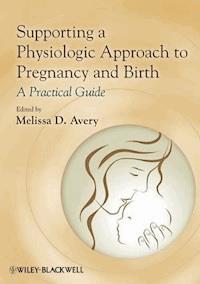
Supporting a Physiologic Approach to Pregnancy and Birth E-Book
50,99 €
Mehr erfahren.
- Herausgeber: John Wiley & Sons
- Kategorie: Fachliteratur
- Sprache: Englisch
Supporting a Physiologic Approach to Pregnancy and Birth: A Practical Guide provides an overview of current evidence and a range of practical suggestions to promote physiologic birth within the United States healthcare system. Presenting the latest evidence available on practical approaches and minimal interventions, this book looks into clinic exam rooms and hospital labor units to investigate the possibilities for improving the pregnancy and labor experience. Contributors discuss recent research and other published information and present a range of ideas, tools, and solutions for maternity care clinicians, including midwives, nurses, physicians, and other members of the perinatal team. An invaluable resource, Supporting a Physiologic Approach to Pregnancy and Birth is a must-have practical guide for those involved in all aspects of pregnancy and birth.
Sie lesen das E-Book in den Legimi-Apps auf:
Seitenzahl: 726
Veröffentlichungsjahr: 2013
Ähnliche




















Contents
Contributors
Foreword
Acknowledgments
Section 1 Understanding a physiologic approach
Chapter 1 The case for a physiologic approach to birth: An overview
Spending and doing too much
Looking for something different
A look inside
Chapter 2 The physiology of pregnancy, labor, and birth
Introduction
Physiologic adaptive changes in pregnancy
Physiology of labor
Psychobiological responses to labor
Summary
Chapter 3 A supportive approach to prenatal care
Introduction
Typical approach to prenatal care
Preconception and interconceptional care: Begin a supportive approach early
Supportive physiologic prenatal care: What is it?
Components of supportive prenatal care
Comprehensive care/psychosocial care
Optimizing the prenatal care setting
Group prenatal care as an alternative to individual care
Common discomforts of pregnancy
Preparation during pregnancy for a physiologic approach to labor and birth
Inclusivity of partners, families, and support persons
Strategies to help women achieve their preferred birth experience
Conclusion
Chapter 4 Supporting a physiologic approach to labor and birth
Introduction: What is “normal” childbirth?
What is a physiologic approach to childbirth?
Promoting the natural physiologic rhythm of labor
Progressing in first stage labor
Entering and progressing through second stage labor
Care of the woman giving birth
Specific practices that can disrupt normal physiological labor and birth
Summary
Section 2 Interventions and approaches
Chapter 5 Promoting comfort: A conceptual approach
Introduction
Historical context of comfort
Kolcaba’s theory of comfort
Pain and comfort during childbirth
What women bring to birth
The midwifery model of care
Chapter 6 Continuous labor support
Introduction
Continuous labor support: An evidence-based practice that supports normal physiologic birth
Review: The labor process and the fear-tension-pain cycle
How well is she coping? Pain versus suffering
Elements of labor support
What is presence?
Summary
Chapter 7 Techniques to promote relaxation in labor
Introduction
Why relaxation?
Childbirth education
Promoting relaxation
Music
Progressive relaxation
Breathing techniques
Imagery
Heat and cold
Physical positioning
Hydrotherapy
Miscellaneous relaxation aides
Emotional relaxation
Mindfulness in relaxation
Summary
Chapter 8 Touch therapies in pregnancy and childbirth
Introduction
The role of touch in contemporary health care
The role of touch in midwifery, nursing, and medicine
Touch as metaphor for caring: Jean Watson’s science of caring
Use of touch therapies in promoting relaxation and reducing stress and pain
Overview of touch therapies
Reconceptualizing touch
Ethical considerations
Use of touch to provide support during labor/birth
Application of touch therapies to pregnancy and postpartum
Models of care
Summary and recommendations
Chapter 9 Water immersion for labor and birth
Introduction
History
Research
Theoretical risks to mother during water immersion and/or water birth
Risks to baby
Incorporating water birth into practice
Conclusion
Chapter 10 Aromatherapy in pregnancy and childbirth
Introduction
Brief history and definitions
Context of aromatherapy
Essential oils: Production and constituents
Methods of application
Toxicity, sensitization, and irritation
Aromatherapy in maternity care
Evidence for essential oils in pregnancy and postpartum
Incorporating aromatherapy in practice
Credentialing issues
Conclusion
Chapter 11 Acupressure and acupuncture in pregnancy and childbirth
Introduction
Definition of acupuncture and acupressure
Brief history
Mechanism of action: Eastern theories
Mechanism of action: Western perspective/theories
Safety
Incorporating acupuncture and acupressure into pregnancy
Specific care when treating pregnant women
Selected uses during pregnancy
Cost
Training, licensure, and certification: Acupuncture
Training, licensure, and certification: Acupressure
Section 3 Organizational approaches to supporting physiologic pregnancy and birth
Chapter 12 Rethinking care on the hospital labor unit
Introduction
Approaches to care
The change process
Picturing a transformed labor unit
Conclusion
Chapter 13 Out-of-hospital birth
Introduction
Background
Factors motivating clients to seek out-of-hospital birth—authority, centrality, and privacy
Enhancing empowerment of the birthing woman and family
Key considerations for safe out-of-hospital birth
System barriers to out-of-hospital birth
Conclusion
Chapter 14 Educating health professionals for collaborative practice in support of normal birth
Introduction
Background
National calls for interprofessional education
Health professions educational competencies
Barriers to interprofessional education
Call for interprofessional education in maternity care
Interprofessional education within collaborative practice models
Interprofessional education models
Interprofessional education for maternity care professionals
Summary
Chapter 15 Women’s health and maternity care policies: Current status and recommendations for change
Introduction
Policies for women’s health and maternity care providers
Hospital policies
Federal and state policies affecting women’s health and maternity care
Policies supporting breastfeeding
Summary
Resources for physiologic pregnancy and childbirth
Index
The optimal role of the attendant—whether physician or midwife—is to be vigilant without being meddlesome.
R. A. Rosenblatt, MD
This edition first published 2013 © 2013 by John Wiley & Sons, Inc
Wiley-Blackwell is an imprint of John Wiley & Sons, formed by the merger of Wiley’s global Scientific, Technical and Medical business with Blackwell Publishing.
Editorial Offices2121 State Avenue, Ames, Iowa 50014-8300, USAThe Atrium, Southern Gate, Chichester, West Sussex, PO19 8SQ, UK9600 Garsington Road, Oxford, OX4 2DQ, UK
For details of our global editorial offices, for customer services and for information about how to apply for permission to reuse the copyright material in this book please see our website at www.wiley.com/wiley-blackwell.
Authorization to photocopy items for internal or personal use, or the internal or personal use of specific clients, is granted by Blackwell Publishing, provided that the base fee is paid directly to the Copyright Clearance Center, 222 Rosewood Drive, Danvers, MA 01923. For those organizations that have been granted a photocopy license by CCC, a separate system of payments has been arranged. The fee codes for users of the Transactional Reporting Service are ISBN-13: 978-0-4709-6286-2/2013.
Designations used by companies to distinguish their products are often claimed as trademarks. All brand names and product names used in this book are trade names, service marks, trademarks or registered trademarks of their respective owners. The publisher is not associated with any product or vendor mentioned in this book. This publication is designed to provide accurate and authoritative information in regard to the subject matter covered. It is sold on the understanding that the publisher is not engaged in rendering professional services. If professional advice or other expert assistance is required, the services of a competent professional should be sought.
Limit of Liability/Disclaimer of Warranty: While the publisher and author have used their best efforts in preparing this book, they make no representations or warranties with respect to the accuracy or completeness of the contents of this book and specifically disclaim any implied warranties of merchantability or fitness for a particular purpose. It is sold on the understanding that the publisher is not engaged in rendering professional services and neither the publisher nor the author shall be liable for damages arising herefrom. If professional advice or other expert assistance is required, the services of a competent professional should be sought.
Library of Congress Cataloging-in-Publication Data is available upon request.
A catalogue record for this book is available from the British Library.
Wiley also publishes its books in a variety of electronic formats. Some content that appears in print may not be available in electronic books.
Cover design by Matt Kuhns
DedicationTo the women—for allowing us the privilege of being present with them during their special time.And to my husband—Randy Schnoes—who is always there for me.
Contributors
Cindy M. Anderson, PhD, RN, WHNP-BC, FAANAssociate ProfessorDepartment of NursingCollege of Nursing and Professional DisciplinesUniversity of North DakotaGrand Forks, North DakotaMelissa D. Avery, PhD, CNM, FACNM, FAANProfessorChair, Child and Family Health Co-operative UnitDirector, Nurse-Midwifery ProgramSchool of NursingUniversity of MinnesotaMinneapolis, MinnesotaAlice Bailes, CNM, MSN, FACNMCo-FounderBirth Care and Women’s HealthAlexandria, VirginiaRebeca Barroso, DNP, CNMFaculty, Frontier Nursing UniversityStaff Nurse-MidwifeHealthEast Nurse-MidwivesSt. Paul, MinnesotaHeidi Jean Bernard, RN, ADNStaff NurseDepartment of Labor and DeliveryUniversity of Iowa Hospitals and ClinicsIowa City, IowaHeather M. Bradford, MSN, CNM, ARNP, FACNMCertified Nurse-MidwifeEvergreen Health Midwifery CareKirkland, WashingtonAffiliate FacultyDepartment of Family and Child NursingUniversity of WashingtonSeattle, WashingtonMichelle R. Collins, PhD, CNMAssociate Professor of NursingDirector, Nurse-Midwifery ProgramVanderbilt University School of NursingNashville, TennesseeDawn M. Dahlgren-Roemmich, MS, CNMCertified Nurse-MidwifeJordan, MinnesotaLinda L. Halcón, PhD, MPH, RNAssociate ProfessorSchool of NursingUniversity of MinnesotaMinneapolis, MinnesotaEmily Higdon, RN, MSNPhD Student and Jonas ScholarStaff NurseDepartment of Labor and DeliveryUniversity of Iowa Hospitals and ClinicsIowa City, IowaMarsha E. Jackson, CNM, MSN, FACNMDirector and Co-FounderBirth Care and Women’s HealthAlexandria, VirginiaJohn C. Jennings, MDProfessor of Obstetrics and GynecologyTexas Tech University Health SciencesOdessa, TexasKathryn Leggitt, MS, CNMCertified Nurse-MidwifeHennepin County Medical CenterMinneapolis, MinnesotaLisa Kane Low, PhD, CNM, FACNMAssistant Professor and Director Nurse-Midwifery Education ProgramSchool of Nursing and Women’s Studies DepartmentUniversity of MichiganAnn Arbor, MichiganKatie Moriarty, PhD, CNM, CAFCI, RNClinical Assistant Professor Associate Director Nurse-Midwifery Education ProgramSchool of NursingUniversity of MichiganAnn Arbor, MichiganCertified Acupuncture Foundation of Canada InstituteCarrie E. Neerland, MS, CNMCertified Nurse-MidwifeWomen’s Health SpecialistsUniversity of Minnesota PhysiciansAdjunct FacultyUniversity of Minnesota School of NursingUniversity of Minnesota Medical SchoolMinneapolis, MinnesotaMichelle L. O’Brien, MD, MPH, IBCLCAdjunct FacultyAssistant ProfessorDepartment of Family Medicine and Community HealthUniversity of Minnesota Medical SchoolMinneapolis, MinnesotaDeborah Ringdahl, DNP, RN, CNMReiki MasterClinical Assistant ProfessorSchool of NursingUniversity of MinnesotaMinneapolis, MinnesotaKristin Rood, RNMaternal and Infant Staff NurseChildren and Women’s Services DivisionUniversity of Iowa Hospitals and ClinicsIowa City, IowaKennedy SharpLicensed AcupuncturistMasters in Oriental MedicineNCCAOM Certifiedsharpacupuncture.comMinneapolis, MinnesotaKerri D. Schuiling, PhD, CNM, FACNM, FAANDeanSchool of NursingOakland UniversityRochester, MichiganRachel Woodard, RN, BSN, RNC-OBObstetrical Nurse Specialist Staff Nurse Labor and DeliveryDepartments of Pediatrics and NursingUniversity of Iowa Hospitals and ClinicsIowa City, Iowa
Foreword
Birth is an event that carries our universe into the future. Each pregnancy and birth holds the promise of fresh life, renewed faith in our survival, and awe at the magnificence of human reproduction and the power of woman. Every birth is unique and every birth changes the person fortunate enough to witness the emergence of a new life.
Melissa Avery has brought together midwives, nurses, physicians, and other health practitioners in a collective, in-depth discussion of how to support a woman’s physiologic capacity to carry and birth her child. This long overdue book is founded on the premise that pregnancy and birth are normal physiologic processes. It takes a direction often missing in traditional texts—that birth is more than simple mechanical, physical processes that can be inherently controlled. Rather, it acknowledges that although there is much we fully understand, there is still much to be learned. Thus, she and her colleagues have expertly woven current scientific evidence and theory with practical clinical expertise for helping women and their families during this life-producing and life-changing event.
The first section grounds the reader in a woman’s physiology during pregnancy and birth. Avery starts the section off with a “real-life” scenario that clinicians who attend birth are often faced with each day. This is followed by an exquisite description of the physiologic intricacies of pregnancy and parturition that leaves us breathless in its detail and design and sets the stage for understanding how it all works. Prenatal care is emphasized as the place to work with the woman to establish her confidence in her body and its capabilities. The section closes with a stunning overview of how to keep the woman and her needs central during childbirth. The authors review the evidence on routine maternity care practices that can disrupt normal labor and birth and describe approaches to care that provide step-by-step support of a woman’s physiology. Taken together, these four chapters provide the essential elements of the book and lay the underpinning for the following sections, which explore specific techniques and policy.
The second section provides an overview of specific strategies in caring for childbearing women. Different theories and evidence for care strategies are presented, always returning to why and how they support normal physiologic birth. The section begins with an introduction to the theories of “comfort,” helping the reader understand how to meet each woman at the intersection of her life and her perception of pain and discomfort. The complexity of labor pain is disentangled through creative descriptions of pain modulation through the release of naturally occurring neuropeptides. The theoretical basis of comfort is extended by presence—the act by which the labor attendant creates a space in which the woman feels safe and thus her body’s physiology is supported to do the work of labor. Techniques of relaxation, healing touch, therapeutic use of water, aromatherapy, and acupressure/acupuncture round out the section. Each of the topics is carefully reviewed for current evidence and practical application. The end result of this portion of the book reveals the art and healing science of supporting physiologic birth.
The final section provides a welcome and practical discussion of the realities of change in childbearing care. Since childbirth moved into the hospital it has been regimented to institutional routines not always rooted in evidence. Although these routines were established in good faith and believed to be best for the mother and infant, that was not always the case. Over time routines became so conventional that changing them seemed insurmountable. The section begins by helping us rethink how care is provided in the hospital, where most women in the United States give birth. The challenges of creating a safe environment for the laboring woman within an institutional setting are creatively presented through case studies, principles from major advocacy organizations, and systematically decreasing the use of routine interventions. Complementary to the chapter on hospital birth is a thoughtful presentation on out-of-hospital birth. Both chapters discuss the essential desire of women to be respected for their needs during labor and birth and the right to make decisions about where and how they birth. The authors challenge the idea that medicine is the final word in health care and place the woman at the center of care and as the director. They propose that this change of roles might actually enhance the woman’ s physiologic ability to birth. These are hefty sea changes in how we think about the roles of providers and the women for whom they care. Avery, Jennings, and O’ Brien emphasize the need for careful nurturing of the professions’ young through interdisciplinary education in order to bring these changes about. By exploring issues together during the formative years of their professional identities, nurses, midwives, and physicians can learn together how to best work “with woman” during this profound moment of her life. The book closes by describing the need for policy to undergird the changes needed to best support women—through legislation, regulation, and institutional transformation.
If every clinician and institution that provides care to childbearing women instituted the recommendations in Supporting a Physiologic Approach to Pregnancy and Birth, we could truly see change in how women birth in the United States—and I believe improved outcomes. Perhaps the most important message in this book is the blending of our understanding of human birth physiology with human caring. In Proust Was a Neuroscientist (Houghton Mifflin, 2007), Jonah Lehrer explored the relationship of artists with concepts in neuroscience, noting, “scientists describe our brain in terms of its physical details . . . what science forgets is that this isn’t how we experience the world” (p. x)—artists help us to understand how the world is perceived and lived. Avery and her colleagues help us understand both the science and the art of supporting women’ s physiology, how that can actually make birth safer, and how artful presence and caring approaches enhance the woman’ s experience and create a powerful mother and healthy child and family in the process. This book is a passage to the future in childbearing care.
Holly Powell Kennedy, PhD, CNM, FACNM, FAANHelen Varney Professor of MidwiferyYale UniversityJanuary 1, 2013
Acknowledgments
This book would not have been possible without the dedication and hard work of each and every chapter author. Thank you so much for your contributions in providing the background information and practical advice to help maternity care clinicians in their efforts to promote a physiologic approach to pregnancy and childbirth. We have included the physiologic underpinnings, the normal aspects of pregnancy and labor care, multiple integrative therapies, and a focus on the care system including interprofessional education and policy. A special thank you to Deborah Ringdahl, DNP, RN, CNM. In addition to writing a wonderful chapter on touch therapies in pregnancy, her review of multiple chapters and advice on other aspects of the book were immensely helpful. Thank you to Lisa Summers, DrPH, CNM, FACNM, and Joanna King, JD, for their valuable contributions to the policy chapter.
Chapters on acupuncture and acupressure and touch therapies include photographs providing illustrations of the techniques described in the text. We thank Melissa Jackson, Aimee Flood, Beth Kuzma, and Lily Crutchfield for serving as models and helping bring the techniques to life. My research assistant, Colleen Quesnell, reviewed many sections and helped with so many other necessary details that are not evident in the final polished product. A special thanks to Kathe Grooms for expert advice along the way.
For more than three decades as a nurse and midwife, I have had the privilege of working with so many nurses, physicians, midwives, and others that have influenced my day-to-day work as well as broader career trajectory. The faculty and staff at the University of Minnesota, School of Nursing, and the students I have had the pleasure of teaching over the years deserve special thanks for their ongoing support.
Finally, my deepest gratitude to my daughter, Helen Avery Schnoes. Her helpful suggestions as a talented writer and her encouragement were invaluable all along the journey.
Section 1
Understanding a physiologic approach
Chapter 1
The case for a physiologic approach to birth: An overview
Melissa D. Avery
Childbirth is normal until proven otherwise.
Peggy Vincent
Picture yourself at a neighborhood clinic on a typical weekday. You are conducting a health care visit with a woman as her prenatal care provider; she is 32 weeks pregnant. You ask how she has been feeling—she is fine. Her fundal height is 33 cm, the baby feels vertex, fetal heart tones are 134 beats per minute, a 2-pound weight gain since her last visit. No, she has not experienced any bleeding or headaches, no contractions. Yes, she started prenatal classes this week and the instructor reviewed the signs of early labor. Transition to the hospital. You’re the nurse admitting a woman in labor to the birthing room with the bed centrally located, the fetal monitor in an attractive wood cabinet next to the bed. You ask when her contractions began, the current frequency and duration, and if her baby has been moving. Her membranes are intact, vital signs are normal, fetal heart rate 148. While you turn down the bedcovers, she changes into a hospital gown and asks if water birth is possible; she read about it on a pregnancy website and thought it might be a nice option.
On the face of it, the daily experiences of many maternity care clinicians and the women we care for seem pretty normal, routine, and positive to a degree. We talk about pregnancy as a normal life process, yet women enter our care system where problems are anticipated rather than emphasizing the normalcy of pregnancy. The number and frequency of technological interventions continue to increase while the outcomes of care have worsened, with some recent abatement. Substantial national resources are spent on what is supposed to be a normal process. From the clinic to the hospital, how do we as nurses, midwives, and physicians provide a safe and high-quality experience for the women we care for during pregnancy and birth? How are we helping women plan for and achieve their goals and desires for their birth experiences?
Cesarean section has become the most common operating room procedure in America [1]. The U.S. cesarean section rate is nearly 33%, appearing to at least stabilize in 2010 and 2011 after rising by 60% from 1996 to 2009 [2,3]. The Healthy People 2020 goal is a moderate 10% reduction in cesarean births to low-risk women (term, singleton, vertex) from a baseline of 26.5% in 2007 to 23.9% by 2020, as well as a 10% increase in vaginal births among women with a previous cesarean [4]. At the same time, infant mortality, a measure used worldwide to reflect care to mothers and families, is 6.05 deaths in the first year of life per 1,000 live births [5]. This is higher than all but three member countries of the Organisation for Economic Co-operation and Development (OECD), an organization of primarily developed countries including Europe, the United States, Canada, and others [6]. Infant mortality in the United States has declined from 6.71 per 1,000 live births in 2006 after remaining stable from 2000 to 2005 [7]. An 8% decline in premature births occurred from 12.80% in 2006 to 11.72% in 2011 [3], along with increased efforts at preventing early elective births such as the March of Dimes and the California Maternal Quality Care Collaborative [8,9]. Maternal mortality was 12.7 per 100,000 live births in 2007 [10], a number that may be increasing [11], with the U.S. rate behind forty-nine other developed nations in 2010 [12]. (See summary data in Table 1.1.)
Table 1.1 U.S. maternity care data.
Not readily apparent in these statistics are significant racial disparities. For example, infant mortality among African American women was 11.42 per 1,000 live births, 2.2 times greater than the 5.11 for White women [5]. Maternal mortality was approximately 3 times higher for African American women compared to White women [10,11]. These disparities are inexcusable in a country with such vast resources; we must reverse these trends by assuring access to continuous high-quality health care [13]. Returning to a more normal or physiologic approach to maternity care including access to comprehensive continuous care to all women in the United States is one step in that direction.
Spending and doing too much
Nearly 99% of U.S. births occur in hospitals [2], thus “liveborn infant” and “pregnancy and childbirth” are among the most common reasons for hospitalization [1], accounting for nearly a quarter of hospital discharges in 2008, and over $98 billion in hospital charges (amount hospitals bill for a stay). Medicaid payment covers the cost of care for over 40% of pregnancies and births [14]. Of “pregnancy and childbirth” and “liveborn infant” hospitalizations in 2008, $41 billion was paid by Medicaid and $50 billion was paid by private insurers [15]. The United States spent 17.6% of gross domestic product (GDP) on health care in 2010, more than any of the other OECD countries [6]. This phenomenon of doing more in perinatal care without a corresponding improvement in care outcomes was first referred to as the “perinatal paradox” more than 20 years ago [16]. Tremendous resources are allocated to maternal and infant care in the United States and yet our outcomes do not compare well with other developed countries. Although preterm birth has declined in recent years and the cesarean rate may have stabilized, there is much more work to be done.
The passage of the Affordable Care Act (ACA) in 2010 marked the first success in half a century of legislative attempts to change health care in the United States. When fully implemented, millions more Americans will have health care coverage. An important focus of the ACA is on improving health care and reducing costs by enhancing coordination of care for individuals with chronic conditions, reducing medical errors, reducing hospital-acquired infections, and reducing waste in the system. Improving health care, improving care outcomes including client satisfaction, and providing care at lower cost, often referred to as the triple aim, are not only possible but necessary. In addition to improved access to health care, ACA improvements in care options for women include family planning and breast and cervical cancer screening without co-pays, coverage for maternity and newborn care, home-visiting services during pregnancy and early childhood, restricting insurance companies from charging women higher premiums than men, and enhanced support for breastfeeding mothers [17].
Concerns about the increased use of technology and medical intervention overuse in maternity care have been expressed by clinicians, scientists, educators, and others around the world. Multiple health professions and health-related organizations worldwide have issued statements calling for a more normal or physiologic approach to pregnancy and birth. Concerned with the rising rates of interventions in maternity care in the United Kingdom, the Maternity Care Working Party published a normal birth consensus statement in 2007, supported by the Royal College of Obstetricians and Gynecologists and the Royal College of Midwives, defining “normal delivery” as spontaneous labor, labor progression, and birth, without the use of interventions such as labor induction, epidural, cesarean section, and forceps. The statement proposes action steps to increase the proportion of normal births in the four UK countries [18]. Other statements, in some cases endorsed by multiple health professions organizations, have called for support of birth as a normal process, reduced intervention, use of best available evidence, and woman-centered care [19–22]. More recently, in the United States, the American Academy of Family Physicians; American Academy of Pediatrics; American College of Nurse-Midwives; American College of Obstetricians and Gynecologists; American College of Osteopathic Obstetricians and Gynecologists; Association of Women’s Health, Obstetric and Neonatal Nurses; and Society for Maternal-Fetal Medicine endorsed a statement on quality patient care in labor and delivery identifying pregnancy and birth as normal processes requiring little if any intervention in most cases [23]. The authors called for effective communication, shared decision making, teamwork, and quality measurement in the provision of maternity care. Three U.S. midwifery organizations partnered in the development of a statement supporting physiologic birth—defining normal physiologic birth, identifying factors that disrupt and factors influencing normal birth, and proposing a set of actions to promote normal birth [24]. Reflecting the growing concern about the U.S. cesarean section rate, authors of a report summarizing a recent workshop held by the American Congress of Obstetricians and Gynecologists, the Society for Maternal-Fetal Medicine, and the Eunice Kennedy Shriver National Institute of Child Health and Human Development, plus a similar commentary, recommended specific practices and actions for clinicians and health systems to prevent the first cesarean section [25,26]. At least on paper, it seems as if we all agree.
Internationally, a series of normal labor and birth conferences have been held beginning in England in 2002 and most recently in China in 2012 [27]. The conferences highlight current research and best practices in promoting normal birth. In the United States, authors of a key report on evidence-based maternity care have identified induction of labor and cesarean section as overused procedures. Additionally, midwives, family physicians, and prenatal vitamins were described as underused interventions [28]. Following that report, Childbirth Connection, a nonprofit organization focused on improving maternity care, held a multistakeholder meeting focused on just how the quality and value of maternity care could be improved in the United States. The resulting “Blueprint for Action: Steps toward a High-Quality, High-Value Maternity Care System” provides clinicians, payers, educators, and care systems with excellent proposals to improve our care to women [29]. Strong Start for Mothers and Newborns, a federally funded program under the Centers for Medicare and Medicaid Services (CMS) Center for Medicare and Medicaid Innovation, has provided funding to reduce early elective births and to test new models of enhanced prenatal care to meet the triple aim. The models include enhanced prenatal care in group prenatal settings, in birth centers, and in maternity care homes [30].
In order to improve quality, health systems need to measure and report on the care provided [29,31,32]. Maternity care measures are available for use to improve quality such as the Joint Commission, the National Quality Forum, and the American Medical Association (AMA). The AMA Physician Consortium for Performance Improvement measure set was developed by an interprofessional work group and includes measures related to overuse of certain care practices as well as a measure for spontaneous labor and birth [33]. These quality measure sets are available to health systems, clinicians, and payers to improve care and achieve better care outcomes. In addition to the national measure sets, a tool to examine the optimal processes and outcomes of normal pregnancies among groups of women has been developed and tested. The Optimality Index-US measures what is “optimal” or best possible care processes and outcomes—within a philosophy of aiming for the best outcome using the least number of interventions [34–36]. Higher Optimality scores in one setting over another may reflect an environment that supports a low intervention and physiologic approach to prenatal and labor care. Available as a research tool, clinicians can also use the index to examine institutional care processes and in peer review and other quality improvement processes [35].
Looking for something different
Women have signaled that they are beginning to look for something different, evidenced by the recent increase in out-of-hospital births [37]. After declining since 1990, home births increased by 29% from 2004 to 2009 [38]. In 2010, the increase in both home and free-standing birth center births was large enough to cross the “99% mark,” documenting more than 1% of births occurring outside the hospital [2]. While the absolute number may not seem impressive (47,000 of nearly 4 million), the change is a message that a segment of the U.S. childbearing population is looking for something else. Birth is important to women, often a transformative event that they remember clearly throughout their lives. Many women believe labor and birth should not be interfered with and women understand their right to full information and to accept or refuse specific care processes [39]. Women are asking for specific services in hospitals such as water immersion, aromatherapy, and acupressure as part of the support tools available for labor and birth. Although epidurals remain popular, women are increasingly planning for an unmedicated birth and express a desire to be in control of their birth process [40]. The author of the 2011 consumer book Natural Birth in the Hospital: The Best of Both Worlds [41] reaches out to the nearly 99% of women giving birth in hospitals, letting them know that they, too, can have a more normal experience in a hospital and how to get what they want.
Women’s partnerships with their care providers are of utmost importance. Return for a moment to your clinic—sit down for a few more minutes with your client. What is it that she and her birth support persons really hope for during her labor and birth? What does the best evidence suggest are the preferred care measures resulting in the least harm? Take a little more time to engage in meaningful discussions with her so she puts aside her fears about labor, forgets the anxiety she’s seen in births depicted in the media, and partners with you in understanding options and planning for her labor and birth. When you welcome her to the hospital birthing room, tell her that your goal is to accommodate her and her partner’s preferences. Although it sounds easy, and most likely what we are trying to provide, current data support an alternate story.
This book can help you—the clinician “at the bedside”—take a look into the clinic exam rooms and hospital labor units to see what else is possible. The various chapter authors are clinicians and educators just like you. Together we have worked to summarize recent research and other published information and provide some ideas, tools, and solutions to put into the hands of maternity care clinicians including midwives, nurses, physicians, and others. The authors herein argue for supporting and enhancing women’s confidence in their ability to give birth. At the same time we aim to increase the confidence of care providers to trust in the normal process and support women expecting a healthy outcome rather than looking for reasons to disrupt the process. It goes without saying that specific conditions warrant medical intervention and higher levels of care such as pre-existing diabetes, hypertension, and multifetal gestation, and yet even women with those conditions can still be supported as mothers, enhancing normal or physiologic processes as much as possible.
A word about language. We have chosen to talk about an approach to physiologic pregnancy and birth with a profound respect for the intricate changes that occur during both pregnancy and labor that result in what is commonly referred to as “the miracle of birth.” We use the word “birth” in most cases, to honor the work that women do in giving birth. “Delivery” is retained in some circumstances, primarily to refer to women delivering their newborns. “Normal” is meant to signify the usual process of being pregnant and giving birth without being disturbed by technology or other interventions that are not necessary in supporting the usual processes [42], with no intent to judge any woman’s pregnancy or birth experience [43]. Every woman is unique; her process is also unique. Physiologic or normal is not just one variety or type, but each woman’s individual experience to be supported, “managing” only when the experience is truly outside the range of normal and thus requiring additional intervention. Even then, aspects of a normal or physiologic approach can be retained, always remembering the unique woman giving birth. Finally, this book is based on a belief that it takes all types of maternity care providers working in partnership to improve maternity care. Thus we refer to providers and clinicians, and the authors represent midwives, nurses, physicians, and others.
A look inside
Section 1 begins with a review of the normal physiologic changes of pregnancy as well as the physiologic uterine phases through pregnancy, labor initiation, continuation, and birth. Although the exact mechanism of the initiation of labor is not completely understood, the known components of pregnancy and labor physiology are fascinating, with increasing understanding through research on the intricacies of the labor process. With the goal of a physiologic approach as the norm, how do we adapt routine prenatal care to enhance women’s confidence and understanding of pregnancy as normal and not an illness to be treated? In a woman-centered approach, women are supported to understand the range of tools for comfort in early labor, how to recognize active labor and the best time to transition to the birthing unit (if not the home), and mechanisms to support the process. We work to bring women’s knowledge and understanding of the process as close to ours as possible and respect the knowledge and expertise each woman brings to her pregnancy. Originally proposed as a description of exemplary midwifery care, “the art of doing ’nothing’ well” [44] is recommended here as an approach for all clinicians providing maternity care unless there is a compelling reason to do something more.
Section 2 begins with a theoretical perspective on promoting comfort for women in labor followed by chapters describing integrative therapies for pregnancy, labor, and birth. Maternity care clinicians may not have sufficient knowledge and understanding about integrative or complementary and alternative medicine (CAM) practices [45]. Midwives appear to have a more positive view of the effectiveness of alternative therapies and are less likely to believe that results of CAM are due to placebo effect than obstetricians [46]. Researchers investigating nurse-midwives’ experiences with CAM therapies demonstrated that a majority of certified nurse-midwife respondents reported CAM use. Herbal preparations, pharmacologic/biologic, mind-body interventions, and manual healing/bioelectromagnetic therapies were used most often. Diet and lifestyle therapies were also common [47]. Women have increased their use of CAM therapies during pregnancy, thus maternity care providers need to become knowledgeable about these practices and facilitate communication, cooperation, and respect among alternative and conventional providers [48].
Within the context of promoting comfort, chapters on relaxation, touch therapies, water immersion and water birth, acupuncture and acupressure, and aromatherapy are offered as adjuncts to “doing nothing” in support of women during pregnancy, labor, and birth. While not an exhaustive representation of possible integrative therapies, reviews of evidence and practical suggestions are offered as tools for maternity care clinicians to assist women in achieving their preferred birth experience. Authors aim to help clinicians understand these therapies better, including specific instructions on how to use certain techniques, as well as information on referring to providers of the therapy and how specific practices, such as acupuncture, are regulated.
Finally, section 3 focuses on the broader care and education systems. Individual clinicians can provide excellent one-on-one care and effect local change. In order to change maternity care in the United States, we must also work within our broader systems to shift to a more physiologic approach. Because nearly 99% of births occur in hospitals, the best opportunity to effect meaningful system change is to adjust the approach to care on labor units. Nurses are key in making that happen, and a group of labor nurses have proposed a possible solution after examining available evidence and related information. The other 1% of births occur outside the hospital; evidence supports the safety of this approach for carefully selected women when out-of-hospital practice is imbedded in a broader system of consultation and referral to more intensive care when needed. Respecting out-of-hospital birth as a safe environment for low-risk women who desire that care is critical. When transfer to the hospital setting is required, the process of transfer and receiving the woman and her family can be more seamless and positive with enhanced understanding and respect among clinicians from both settings.
For the change we desire to be permanent and system-wide, we must promote interprofessional collaborative practices that are built on a foundation of mutual trust and respect, with care decisions made by informed women and their families [23,24,49,50]. Maternity care providers must be educated together so that they will provide the seamless quality care women deserve, with clinical education occurring in environments where students learn with interprofessional care teams. Policy changes to support clinicians practicing together to the full extent of their education and training, in an environment where all women have access to quality health care, is the final critical component to improving maternity care. Legislators and policy-makers need to hear from their constituent clinicians in making those necessary changes.
National attention is focused on maternity care in a way that has not been seen in recent history, providing an opportunity to be transformative [29]. This group of authors, representing committed clinicians, educators, and researchers from multiple professions, invites you to come along on a journey to serve women today to build tomorrow’s healthier families. Women and their families deserve the very best that we can collectively provide in an environment that respects pregnancy and birth as normal processes, that respects the women and their families/support networks to lead their care, and where we respect and trust each other as partners in providing excellent care. The change required is larger than any one clinician or profession can accomplish. Indeed, we are encouraged that health professionals are responding to calls for interprofessional practice and education. While we add our voices to the larger discussions in Congress, federal health-related agencies, educational settings, and corporate boardrooms, a more quiet yet powerful change can occur in our care settings through the conversations and plans we make with each other and with our clients every day—clinic by clinic, woman by woman, birth by birth.
References
1. Agency for Healthcare Research and Quality. (2012). Facts and figures 2009—table of contents. Healthcare Cost and Utilization Project (HCUP). www.hcup-us.ahrq.gov/reports/factsandfigures/2009/TOC_2009.jsp. Accessed November 18, 2012.
2. Martin JA, Hamilton BE, Ventura SJ, Osterman MJK, Wilson EC, & Mathews TJ. (2012). Births: Final data for 2010. National Vital Statistics Reports, 61(1). http://www.cdc.gov/nchs/data/nvsr/nvsr61/nvsr61_01.pdf. Accessed November 23, 2012.
3. Hamilton BE, Martin JA, & Ventura SJ. (2012). Births: Preliminary data for 2011. National Vital Statistics Reports, 61(5). Released October 3, 2012. http://www.cdc.gov/nchs/data/nvsr/nvsr61/nvsr61_05.pdf. Accessed November 17, 2012.
4. U.S. Department of Health and Human Services. (2012). Office of Disease Prevention and Health Promotion. Healthy people 2020. Washington, DC. http://www.healthypeople.gov/2020/topicsobjectives2020/objectiveslist.aspx?topicId=26#93911. Accessed November 23, 2012.
5. Hoyert DL & Xu J. (2012). Deaths: Preliminary data for 2011. National Vital StatisticsReports, 61(6). http://www.cdc.gov/nchs/data/nvsr/nvsr61/nvsr61_06.pdf. Accessed November 17, 2012.
6. Organisation for Economic Co-operation and Development. (2012). OECD health data 2012—frequently requested data. http://www.oecd.org/els/healthpoliciesanddata/oecdhealthdata2012-frequentlyrequesteddata.htm. Accessed November 18, 2012.
7. MacDorman MF & Mathews TJ. (2008). Recent trends in infant mortality in the United States. NCHS Data Brief, no. 9. Hyattsville, MD: National Center for Health Statistics.
8. March of Dimes. (2012). Healthy babies are worth the wait. http://www.marchofdimes.com/professionals/medicalresources_hbww.html. Accessed November 28, 2012.
9. California Maternal Quality Care Collaborative. (2012). < 39 weeks toolkit. http://www.cmqcc.org/_39_week_toolkit. Accessed November 28, 2012.
10. Xu J, Kochanek KD, Murphy SL, & Tejada-Vera B. (2010). Deaths: Final data for 2007. National Vital Statistics Reports, 58(19). http://www.cdc.gov/nchs/data/nvsr/nvsr58/nvsr58_19.pdf. Accessed November 24, 2012.
11. Singh GK. (2010). Maternal mortality in the United States, 1935–2007: Substantial racial/ethnic, socioeconomic, and geographic disparities persist. Rockville, MD: U.S. Department of Health and Human Services. http://www.hrsa.gov/ourstories/mchb75th/mchb75maternalmortality.pdf. Accessed November 24, 2012.
12. Amnesty International USA. (2011). Deadly delivery: The maternal health care crisis in the USA. One year update spring 2011. http://www.amnestyusa.org/sites/default/files/deadlydeliveryoneyear.pdf. Accessed November 24, 2012.
13. Lu MC. (2008). We can do better: Improving women’s healthcare in America. Current Opinion in Obstetrics and Gynecology, 20, 563–565.
14. Agency for Healthcare Research and Quality. (2010). Facts and figures 2008—table of contents. Healthcare Cost and Utilization Project (HCUP). www.hcup-us.ahrq.gov/reports/factsandfigures/2008/TOC_2008.jsp. Accessed November 18, 2012.
15. Wier LM & Andrews RM. (2011). The national hospital bill: The most expensive conditions by payer, 2008. Statistical Brief #107. Agency for Healthcare Research and Quality.
16. Rosenblatt RA. (1989). The perinatal paradox: Doing more and accomplishing less. Health Affairs, 8(3), 158–168. DOI: 10.1377/hlthaff.8.3.158.
17. National Partnership for Women and Families. (2012). http://www.nationalpartnership.org/site/PageServer?pagename=issues_health_reform_anniversary. Accessed November 23, 2012.
18. Maternity Care Working Party. (2007). Making normal birth a reality. Consensus statement from the Maternity Care Working Party. Available from: http://www.nct.org.uk/professional/research/pregnancy-birth-and-postnatal-care/birth/normal-birth. Accessed November 24, 2012.
19. Canadian Association of Midwives. (2010). Midwifery care and normal birth. http://www.aom.on.ca/files/Communications/Position_Statements/CAMNoramalBirth_ENG201001.pdf. Accessed November 24, 2012.
20. International Confederation of Midwives. (2008). Keeping birth normal. http://internationalmidwives.org/assets/uploads/documents/Position%20statements%20-%20English/PS2008_007%20ENG%20Keeping%20Birth%20Normal.pdf. Accessed November 24, 2012.
21. New Zealand College of Midwives. (2006). NZCOM consensus statement normal birth. http://www.midwife.org.nz/index.cfm/3,108,559/normal-birth-ratified-agm-2006-refs-2009.pdf. Accessed November 24, 2012.
22. Society of Obstetricians and Gynaecologists of Canada. (2008). Joint policy statement on normal childbirth. Journal of Obstetrics and Gynaecology Canada, 30(12), 1163–1165. http://www.sogc.org/guidelines/documents/gui221PS0812.pdf. Accessed November 24, 2012.
23. American Academy of Family Physicians; American Academy of Pediatrics; American College of Nurse-Midwives; American College of Obstetricians and Gynecologists; American College of Osteopathic Obstetricians & Gynecologists; Association of Women’s Health, Obstetric and Neonatal Nurses; & the Society for Maternal-Fetal Medicine. (2012). Quality patient care in labor and delivery: A call to action. Journal of Midwifery & Women’s Health, 57, 112–113.
24. American College of Nurse-Midwives, Midwives Alliance of North America, & National Association of Certified Professional Midwives. (2012). Supporting healthy and normal physiologic childbirth: A consensus statement by ACNM, MANA, and NACPM. http://www.midwife.org/ACNM/files/ACNMLibraryData/UPLOADFILENAME/000000000272/Physiological%20Birth%20Consensus%20Statement-%20FINAL%20May%2018%202012%20FINAL.pdf. Accessed November 15, 2012.
25. Spong CY, Berghella V, Wenstrom KD, Mercer BM, & Saade GR. (2012). Preventing the first cesarean delivery. Summary of a Joint Eunice Kennedy Shriver National Institute of Child Health and Human Development, Society for Maternal-Fetal Medicine, and American College of Obstetricians and Gynecologists Workshop. Obstetrics & Gynecology, 120(5), 1181–1193. DOI: http://10.1097/AOG.0b013e3182704880.
26. Main EK, Morton CH, Melsop K, Hopkins D, Giuliani G, & Gould J. (2012). Creating a public agenda for maternity safety and quality in cesarean delivery. Obstetrics & Gynecology, 120, 1194–1198. DOI: http://10.1097/AOG.0b013e31826fc13d.
27. Hanzhou Normal University. (2012). http://www.iresearch4birth.eu/iResearch4Birth/resources/cms/documents/China_English_flyer.pdf. Accessed November 23, 2012.
28. Sakala C & Corry M. (2008). Evidence-based maternity care: What it is and what it can achieve. Co-published by Childbirth Connection, the Reforming States Group, and the Milbank Memorial Fund. Available at: http://www.childbirthconnection.org/pdfs/evidence-based-maternity-care.pdf.
29. Transforming Maternity Care Symposium Steering Committee. (2010). Blueprint for action: Steps toward a high-quality, high-value maternity care system. Women’s Health Issues, 20, S18–49.
30. Centers for Medicare and Medicaid. (2012). http://www.innovations.cms.gov/initiatives/strong-start/index.html. Accessed November 28, 2012.
31. Joint Commission. (2010). Perinatal care measures. http://manual.jointcommission.org/releases/TJC2011A/PerinatalCare.html. Accessed November 6, 2012.
32. National Quality Forum. (2012). Endorsement summary: Perinatal and reproductive health measures. http://www.qualityforum.org/News_And_Resources/Endorsement_Summaries/Endorsement_Summaries.aspx/no-index/maternity-care-measures.pdf. Accessed November 6, 2012.
33. American Medical Association and the National Committee for Quality Assurance. (2012). Maternity care performance measurement set. http://www.ama-assn.org/resources/doc/cqi/no-index/maternity-care-measures.pdf. Accessed November 24, 2012.
34. Murphy PA & Fullerton JT. (2001). Measuring outcomes of midwifery care: Development of an instrument to assess optimality. Journal of Midwifery and Women’s Health, 46, 274–284.
35. Murphy PA & Fullerton JT. (2006). Development of the Optimality Index as a new approach to evaluating outcomes of maternity care. JOGNN, 35, 770–778.
36. Kennedy HP. (2006). A concept analysis of “optimality” in perinatal health. JOGNN, 35, 763–769.
37. MacDorman M, Menacker F, & Declercq E. (2010). Trends and characteristics of home and other out-of-hospital births in the United States, 1990–2006. National Vital Statistics Reports, 58(11).
38. MacDorman MF, Mathews TJ, & Declercq E. (2012). Home births in the United States, 1990–2009. NCHS Data Brief, no. 84.
39. Declercq ER, Sakala C, Corry MP, & Applebaum S. (2006). Listening to Mothers II: Report of the Second National U.S. Survey of Women’s Childbearing Experiences. Retrieved from: http://www.childbirthconnection.org/article.asp?ck=10396. Accessed November 24, 2012.
40. Stewart NR. (2012). What women want in the delivery room. Boston Globe, June 18, 2012. http://www.bostonglobe.com/lifestyle/health-wellness/2012/06/17/hospitals-are-offering-­spa-like-services-maternity-ward/itm5E5y5fM8bq1b7LDLaeL/story.html;. Accessed November 24, 2012.
41. Gabriel. Cynthia. (2011). Natural Hospital Birth: The Best of Both Worlds. Boston, MA: The Harvard Common Press.
42. Kennedy HP. (2010). The problem of normal birth. Journal of Midwifery & Women’s Health, 55, 199–201.
43. Zeldes K & Norsigian J. (2008). Encouraging women to consider a less medicalized approach to childbirth without turning them off: Challenges to producing Our Bodies Ourselves: Pregnancy and Birth. Birth, 35, 245–249.
44. Kennedy HP. (2000). A model of exemplary midwifery practice: Results of a Delphi study. Journal of Midwifery & Women’s Health, 45, 4–19. DOI: 10.1016/S1526-9523(99)00018-5.
45. Tiran D. (2006). Complementary therapies and risk: Midwives’ and obstetricians’ appreciation of risk. Complementary Therapies in Clinical Practice, 12, 126–131.
46. Gaffney L & Smith CA. (2004). Use of complementary therapies in pregnancy: The perceptions of obstetricians and midwives in South Australia. Australian and New Zealand Journal of Obstetrics and Gynaecology, 44, 24–29.
47. Hastings-Tolsma M & Terada M. (2009). Complementary medicine use by nurse midwives in the U.S. Complementary Therapies in Clinical Practice, 15, 212–219.
48. Adams J, Lui CW, Sibbritt D, Broom A, Wardle J, & Homer C. (2010). Attitudes and referral practices of maternity care professionals with regard to complementary and alternative medicine: An integrative review. Journal of Advanced Nursing, 67(3), 472–483.
49. Waldman RN & Kennedy HP. (2011). Collaborative practice between obstetricians and midwives. Obstetrics & Gynecology, 118, 503–504.
50. Avery MD, Montgomery O, & Brandl-Salutz E. (2012). Essential components of successful collaborative maternity care models: The ACOG-ACNM Project. Obstetrics and Gynecology Clinics of North America, 39, 423–434. DOI: 10.1016/j.ogc.2012.05.010.
Chapter 2
The physiology of pregnancy, labor, and birth
Cindy M. Anderson
Lesen Sie weiter in der vollständigen Ausgabe!
Lesen Sie weiter in der vollständigen Ausgabe!
Lesen Sie weiter in der vollständigen Ausgabe!
Lesen Sie weiter in der vollständigen Ausgabe!
Lesen Sie weiter in der vollständigen Ausgabe!
Lesen Sie weiter in der vollständigen Ausgabe!
Lesen Sie weiter in der vollständigen Ausgabe!
Lesen Sie weiter in der vollständigen Ausgabe!
Lesen Sie weiter in der vollständigen Ausgabe!
Lesen Sie weiter in der vollständigen Ausgabe!
Lesen Sie weiter in der vollständigen Ausgabe!
Lesen Sie weiter in der vollständigen Ausgabe!
Lesen Sie weiter in der vollständigen Ausgabe!
Lesen Sie weiter in der vollständigen Ausgabe!
Lesen Sie weiter in der vollständigen Ausgabe!
Lesen Sie weiter in der vollständigen Ausgabe!
Lesen Sie weiter in der vollständigen Ausgabe!




