


Erhalten Sie Zugang zu diesem und mehr als 300000 Büchern ab EUR 5,99 monatlich.
- Herausgeber: Tilted Axis Press
- Kategorie: Gesellschafts- und Liebesromane
- Sprache: Englisch
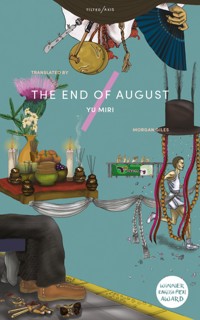
In 1930s Japanese-occupied Korea, Lee Woo-Cheol was a running prodigy and a contender for the upcoming Tokyo Olympics. But he would have had to run under the Japanese flag. Nearly a century later, his granddaughter is living in Japan and training to run a marathon herself. With the help of powerful Korean shamans, she summons the spirit of Lee Woo-Cheol only to be immersed in the memories of her grandfather, his brother, Lee Woo-Gun, and their neighbour, a young teen who was tricked into becoming a comfort woman for Japanese soldiers. A meditative dance of generations, The End of August is a semi-autobiographical investigation into nationhood and family - what you are born into and what is imposed. Yu Miri's distinct prose, rhythmically translated by Morgan Giles, explores the minutiae of generational trauma, shedding light on the postwar migration of Koreans to Japan.
Sie lesen das E-Book in den Legimi-Apps auf:
Seitenzahl: 1248
Veröffentlichungsjahr: 2023
Das E-Book (TTS) können Sie hören im Abo „Legimi Premium” in Legimi-Apps auf:
Ähnliche



















The End of August
Table of Contents
Lost Faces and the Sound of Countless Footsteps
42.195 km 4:54:22
April 7, 1925
Arirang
The Miryang River
The First Seven Days
The Third Seven Days
Baegiljanchi
Doljabi
November 24, 1929
The Enemy in the Wind
Jeonanrye
Mongdal Ghosts
The River Prince
Ipchun Daegil
June 8, 1933
Long Live Sohn Kee-chung! Long Live Korea!
Flickering
Rain, Rain, Fall, Fall
To Paradise
March 3, 1944
In Paradise
August 15, 1945
Hollowed Season
Homecoming
The Witness
Rain, Rain, Fall, Fall
Shuffle
Yeonghon Gyeolhonsig
The End of August
Landmarks
Cover
Title Page Graphic
Acknowledgements
Family Tree
Copyright
About Tilted Axis Press
Acknowledgments from Yu Miri:
Thank you toMorgan Giles, Laura Perciasepe, Kristen Vida Alfaro, Glory Plata, Nora Alice Demick, Inara Iskandarand everyone at Tilted Axis Press and Riverhead. Particular thanks go to Lucia Bernard for her beautiful design.
Acknowledgments from Morgan Giles:
Anton Hur, Hideo Furukawa, Jack Jung, Rachel Park, Soje, David Boyd, Arthur Reiji Morris, Deborah Smith, and Sean Price
Park Hee-hyang박희향|朴喜香Lee Woo-cheol’s motherSpouse: Lee Yong-haChild: Lee Woo-seonChild: Lee so-wonChild: Lee Woo-cheolChild: Lee Woo-gunChild: Lee Su-yong
Lee Yong-ha이용하|李容夏Lee Woo-cheol’s fatherSpouse: Park Hee-hyangChild: Lee Woo-seonChild: Lee so-wonChild: Lee Woo-cheolChild: Lee Woo-gunChild: Lee Su-yongMistress: Mi-ryeongChild: So-jin
Mi-ryeong미령|美玲Lee Yong-ha’s mistressParamour: Lee Yong-haChild: So-jin
Lee Woo-seon이우선|李雨素Lee Woo-cheol’s brotherParent: Park Hee-hyangParent: Lee Yong-ha
Lee so-won이소원|李素苑Lee Woo-cheol’s sisterParent: Park Hee-hyangParent: Lee Yong-ha
Lee Woo-gun이우근|李雨根aka Kunimoto Ukon, Lee Chun-sikLee Woo-cheol’s brotherParent: Park Hee-hyangParent: Lee Yong-ha
Lee Su-yong이수용|李水龍Lee Woo-cheol’s brotherParent: Park Hee-hyangParent: Lee Yong-ha
So-jin소진|素真Lee Yong-ha and Mi-ryeong’s daughterParent: Lee Yong-haParent: Mi-ryeong
Kim Mi-yeong김미영|金美影Lee Woo-cheol’s mistressParamour: Lee Woo-cheolChild: Lee Shin-cheol
Lee Shin-cheol이신철|李信哲Lee Woo-cheol and Kim Mi-yeong’s sonParent: Lee Woo-cheolparent: Kim Mi-yeong
Lee Woo-cheol이우철|李雨哲aka Kunimoto UtetsuParent: Park Hee-hyangParent: Lee Yong-haMistress: Kim Mi-yeongChild: Lee Shin-cheolSpouse: Nemoto FusakoChild: Lee Shin-ilSpouse: Chee In-hyeChild: Lee Mi-okChild: Lee Shin-taeChild: Lee Shin-jaChild: Lee Ja-okSpouse: An Jeong-heeChild: Lee Shin-hoChild: Lee Shin-myeongChild: Lee Shin-heeChild: Lee Shin-hwa
Nemoto Fusako根本ふさ子Lee Woo-cheol’s Japanese “wife”Spouse: Lee Woo-cheolChild: Lee Shin-il
Lee Shin-il이신일|李信一aka Shin’ichi Lee Woo-cheol and Nemoto Fusako’s sonParent: Nemoto FusakoParent: Lee Woo-cheol
Chee In-hye지인혜|池仁恵Lee Woo-cheol’s first wifeSpouse: Lee Woo-cheolChild: Lee Mi-okChild: Lee Shin-taeChild: Lee Shin-jaChild: Lee Ja-ok
Lee Mi-ok이미옥|李美玉Lee Woo-cheol and Chee In-hye’s daughterParent: Lee Woo-cheolParent: Chee In-hye
Lee Shin-tae이신태|李信太Lee Woo-cheol and Chee In-hye’s sonParent: Lee Woo-cheolParent: Chee In-hye
Lee Shin-ja이신자|李信子Lee Woo-cheol and Chee In-hye’s daughterParent: Lee Woo-cheolParent: Chee In-hye
Lee Ja-ok이자옥|李慈玉Lee Woo-cheol and Chee In-hye’s daughterParent: Lee Woo-cheolParent: Chee In-hye
An Jeong-hee안정희|安静姫Lee Woo-cheol’s second wifeSpouse: Lee Woo-cheolChild: Lee Shin-hoChild: Lee Shin-myeongChild: Lee Shin-heeChild: Lee Shin-hwa
Lee Shin-ho이신호|李信好Lee Woo-cheol and An Jeong-hee’s sonParent: Lee Woo-cheolParent: An Jeong-hee
Lee Shin-myeong이신명|李信明Lee Woo-cheol and An Jeong-hee’s sonParent: Lee Woo-cheolParent: An Jeong-hee
Lee Shin-hwa이신화|李信花Lee Woo-cheol and An Jeong-hee’s daughterParent: Lee Woo-cheolParent: An Jeong-hee
Lee Shin-hee이신희|李信姫Lee Woo-cheol and An Jeong-hee’s daughter, Yu Miri’s motherParent: Lee Woo-cheolParent: An Jeong-heeSpouse: Yu Child: Yu Miri
Yu 유|柳Lee Shin-hee’s husband, Yu Miri’s fatherSpouse: Lee Shin-heeChild: Yu Miri
Yu Miri유미리|柳美里Lee Woo-cheol and An Jeong-hee’s granddaughter, authorParent: Lee Shin-heeParent: Yu
One
Lost Faces and the Sound of Countless Footsteps
|잃어버린얼굴과무수한발소리|失われた顔と無数の足音|
Running the riverside but there’s no sound of waterno sound of windthe water and wind are both pretending they’re not thereall I can hear is the sound of my breathingin-hale ex-halein-hale ex-halemy breath is a whip in my heart a red horse running around inside meeach drop of sweat becomes a shout and is shaken offI’m shouting no I’m notI’m singingmy bones are Koreanmy blood is Koreanthis blood these boneswill live in Koreawill die in Koreaand be part of Koreathe song spurs my legs onfasterfasterthere is no pain under my left kneecapnor from the blister on the fourth toe of my left footnow!there is only nowpull ahead right nowif my mother and father are looking for metell them I’ve joined the Kwangbokkunari, arirangsuri, surirangarariyoKwangbokkun, sing arirang!pull ahead?from who?aren’t I running along the bank of the Miryang River?isn’t this my hometown?what path am I running instead?is this a competition?am I in the lead?I can’t hear the sound of others’ breathingin-hale ex-halein-hale ex-halethat’s me breathingin-hale ex-halein-hale ex-haleno sign of my shadow, my constant companion in-hale ex-halenor can I see the rising sun on my chestit’s completely dark no moon no stars no cast shadowsif I turn back maybe I can see somethingbut I can’t turn backsomeone might be coming up behind me holding their breathrunleave somewhere behindget closer to somewhere elsethat’s the only thing that’s clear sorunhana, dulhana, dulhana, dulhana, dulclench your assholelift your thighslet your hips leadhana, dulhana, dulraise your headswing your elbowsclose your eyeslike a bird flying straighta fierce wind is blowinga fierce wind is blowinga fierce wind is blowing in thirty million heartsboats gently bobbing on the seahave come to take the Kwangbokkun on boardat Arirang Passthe drums beat onin Hanyangdoseongthe Taegukgi wavesthe song blows through my bodyan old songbut one I don’t tire of singingjust like you never get tired of a namesongs and names alone die out if not said aloudnamesmy namein-hale ex-halein-hale ex-halethere is only one thing I can tell youin-hale ex-halein-hale ex-haleI’m getting short of breathI take a deep breathlet it outanother deep breathlet it outthat’s betterin-hale ex-halein-hale ex-halelead with your hips, fire out your voiceLee Woo-cheol!in-hale ex-halein-hale ex-halemy father’s name is Lee Yong-hamy mother’s name is Park Hee-hyangmy brother Su-yong died when he was onemy second brother, Woo-seon, died right after birthmy sister So-won died at elevenmy third brother, Woo-gun, was killed at twenty-threethe only one still living is my sister from a different mother, So-jinin-hale ex-halein-hale ex-haleoh, Woo-gunyou looked just like mesame heightsame way of running tooI’m the one who taught you how to runin-hale ex-halein-hale ex-haleyou joined the Korean Democratic Patriotic Youth Leaguethe fundamental social cause of illegal activities violating the norms of communal living isthe exploitation of the masseswe knowthat as we destroy the major causes of their poverty and destitutioninevitably we shall also eradicate illegal activityin-hale ex-halein-hale ex-haleyou were afraid of being tortured and having your legs brokenyou fled from safe house to safe housebut in breaks between meetings and pamphleteeringyou still couldn’t stop running1948, an August afternoonyou were running on campussome right-wing student had informed on you and nearly a dozen police cameyou ran awayin-hale ex-halewhen you tried to jump the wallin-hale ex-halethey shot you in the legin-hale ex-halelimping, bleedingin-hale ex-haleyou ranin-hale ex-halefive hundred meters up a mountainin-hale ex-haleyou passed out near a reservoirwe do not knowat what speedor in which order they will be eradicatedhoweverwe do know that we will destroy themand with their destructionwe will also destroy the stateI had been smuggled out and was hiding in JapanI learned later that you’d been shot and dragged inin-hale ex-halewhenwherewere you killedwe couldn’t even bury youin-hale ex-haleLee Woo-guntell methe names of the men who killed youwhat day you diedwhere they dumped your bodyin-hale ex-halein-hale ex-haleI was twelve when I held you in these armslooking at your baby faceI will protect himI won’t let him feel any sadness, I vowed, and yetaigoneomuhada!sesange maldo andwae!I couldn’t even see your face in deathin-hale ex-halean August afternoonan evening shower cut through the cries of the cicadas like a knifein-hale ex-haleI ran by the riverside after the rain with my brotherdid you hear me, Woo-gunstay away from the waterin-hale ex-haledon’t slow downI can hear the sound of you breathing loud as if your whole body is a throatin-hale ex-halein-hale ex-halethe river runsI can’t see or hear you near mein-hale ex-halebut I sense youI can smell the rainin-hale ex-haleit’s rain that muddies the pathit’s han muddying my heartin-hale ex-halethe river runswhere does it run fromin-hale ex-halemy abeoji was a wandering fortune telleralways driftingin-hale ex-haleafter he exchanged vows and cups with my eomonihe quit reading facesin-hale ex-halehe sold rubber boots at the foot of Namcheong BridgeI was mistakenI was mistakenI was mistakenI came as a bride in a carriageI was mistakenin-hale ex-haleI’m the only one my eomoni gave birth to who remainsdo you know the legend of Arang, who was killed protecting her purityin-hale ex-haleis it due to her curse thatmy brothersand my sisterin-hale ex-haledied virginsin-hale ex-halethey are dead andmy brothers wander lost now, bachelor ghoststhe bird crying in the pine treessounds so saddoes it sufferthe curse of Arang?the moon that falls on Yeongnamulis clear butthe Namcheong River justflows silentlyin-hale ex-halein-hale ex-haleoh I’m short of breathhana, dulhana, duloh you dead, not buried in the soil of your hometowns but crematedyour ashes washed away, you dead with so much hanhana, dulhana, dulyou mongdal ghostsgive your grievances to my legs nowin-hale ex-halebody and soul may tire butin-hale ex-halehan never tiresin-hale ex-halein-hale ex-haleSu-yongWoo-seonSo-wonWoo-guna person’s name is heavyand heavier than the names of the livingin-hale ex-haleare the names of the deadnothing is heavier than a nameAs part of the process of integrating Korea within the empire and in accordance with the wishes of imperial subjects to be such in deed as in word, the pathway to gaining a family name has been opened to you.in-hale ex-haleKunimoto Utetsu?Say it again!say what—Kunimoto Utetsu?In particular, as we implement the draft system, the imperial army will carry out its service as one unit, regardless of origin. Although there was once an idea of having Kims and Lees mixed into the imperial army, for the above reasons the merits and demerits of this have soon become apparent.I fled the draft and hid away on a boat to Japanin-hale ex-haleI was found by the military police in ShimonosekiI ranin-hale ex-halewas that a birdthe MP gasped in astonishmentin-hale ex-halecall my namecall my name like you’re driving in a stakein-hale ex-halein-hale ex-haleI ranno matter how I ranto shake off the name Kunimoto Utetsu and arrive at the name Lee Woo-cheolin-hale ex-halein-hale ex-halewhere am I running?Japan?Korea?in-hale ex-haleit’s pitch-black, I can’t see anythingalthough any country must have a skyI can’t see one hereis it the middle of the night? why am I running and not sleeping?am I running while I wait for the dawn?why?in-hale ex-haleI feel like step by step I’m expanding the nightin-hale ex-halewhat if I’m not getting closer to anywherebut instead getting farther from somewhere?in-hale ex-halein-hale ex-halemy feet make no soundlike I’m running barefootin-hale ex-halegrass?soil?gravel?sand?I can’t feel anything on the bottom of my feetwhere am I running?in-hale ex-haleI can’t feel my legs eitheris it because I’m not in pain?in-hale ex-halethe spit wells up in my mouthin-hale ex-haleI gulp it downin-hale ex-haleit tastes like swamp waterin-hale ex-haleI want to drink cold water and calm downmy breath is speeding upWoo-cheol!Calm down!breathe deeplyinoutand againinouttighten up your shoulderslift themnow relaxloosen upyesin-hale ex-halein-hale ex-halethe windthe wind is blowingdon’t slow downlean forward a littleclench your stomach muscleshana, dulhana, dulattack the windhana, dulhana, dullet your iron voice ring outcarry the smell of bloodoh, you wind that spreads fire!“Mahabanyabaramildasimgyeonggwanjajaebosalhaengsimbanyabaramilda . . .”the sound of sutras and a jing wind their way into my eardrumshana, dulhana, dul“Grandfather, when you diednone of your family was theresuch a sorrowful way to diebeing beaten to death is not the only sorrowful way to diea death witnessed by no one is also sorrowful.”it’s a woman’s voicetalking about me“MahabanyabaramildaLee Woo-cheol, born December 19 in the year of the Black Ratin Gyeongsamnam-do, Miryang, Ne-il-dong, number 75aje aje bara aje.”who is calling my name?!“She has come from a foreign land thousands of ri awaygrasping tens of thousands of ri of ropeto askwhat did my grandfather’s face look likewhat kind of person was my grandfatheryour halbi will be heresoonso while we invoke the teachings of the Buddhawe do not need any other ancestors.”that’s my granddaughter there!the oldest daughter of my daughter who lives in JapanI must go to herggeumjadongaeunjadongauri baegokdongi!(a child like golda child like silvera child like white jade)
Three mudangs and one baksu begin the ssitgimgut to call forth the spirit of Lee Woo-cheol.
The baksu sounds the buk drum and jing gong while reciting the Heart Sutra.
The young mudang standing in the doorway lights a piece of white paper and releases it into the darkness to drive away unwanted spirits.
The altar’s candles have been lit, and red, white, black, green, and yellow slips of paper with the names of the gods of the five directions, the obangsinjanggi, written on them hang from a geumjul.
Yu Miri looks at the colors of the apples, pears, persimmons, watermelons, oranges, bananas, chestnuts, jujubes, and tomatoes arranged on the altar.
Baksu: Mahabanyabaramildasimgyeong gwanjajaebosal haengsimbanyabaramilda. A long time ago, a long, long time ago, when Lee Woo-cheol’s family lived in Miryang, Lee Woo-cheol worked hard to make this country’s dreams come true, to protect this land, this sea. Then, his body lost to death; he became a spirit bearing so much han. Today, why do we call for this ancestor’s spirit, what do we wish to pray for? Wollijeondomongsang gugyongnyeolban samsejeburuibanyabaramilda.
The sound of the jing intensifies. The arm of the young mudang shaking the shinte quivers like a rice plant, and she begins to sob.
Mudang 1: It’s your halbi! Your halbi is here!
Mudang 2:(in the voice of a young child) Halbi! Welcome in!
Mudang 3:(in a man’s voice) Aigo!Somehow you have come hereall this distanceindeed you have comeaigo!I’ve missed you
Mudang 2:(in a child’s voice) Halbi is very pleased.
Mudang 3: My lovely granddaughter who I namedwhy have you come to call for your halbi?Have stories about your halbi reached your ears?
Yu Miri: I want to talk to you, Halbi . . .
Mudang 3: Oh, the wind is picking up! It’s trying to blow our voices awayaigo!this damned wind!
Yu Miri: I can hear you perfectly. Please speak.
Mudang 3: We’ll speak when the wind stops.
It was late, midnight, and although it was mid-March every exhaled breath was white. The door was open to invite the spirit in. Outside the door a white cloth had been spread out with a pig’s head, fruit, root vegetables, grilled fish, white rice, bibimbap, dotorimuk, sirutteok, sweets, and makgeolli arranged on top of it. A ten-thousand-won note lay enclosed between jeogoripaji and chima collars folded longways and three straw sandals lay at the top of the blanket to represent a bridge.
Mudang 3: I am a spirit who can only hear voicesbut this wind blows past my ears interferingMy lovely granddaughterrunrun and chase off the wind
Mudang 2:(tugging on Yu Miri’s hand like a spoiled child) C’mon, run!
Yu Miri lets go of the breath she had been holding, gets to her feet, and starts running in place.
Mudang 3: Hana, dulhana, dullisten while you runhana, dulhana, duldid you know that I sometimes rest on your shouldersaigoyou have tried to die so many times in-hale ex-haleunable to live any longeron the land of another countryin-hale ex-haleyour eomoni and abeoji do not knowdid you knowthe times you slipped away to your room without anyone noticing, locked the door, and put the belt around your neckthe times you climbed over the railings of a tall buildingthe times you stared into deep waterthat I was the one who stopped youin-hale ex-halein-hale ex-haleI’ll come along with youhana, dulhana, dulwe’ll run togetherI’ll introduce you to the pasthana, dul, hana, dulso let’s runok gateun nae sonjuyamy precious grandchildrun runask the windin-hale ex-halemake sure to ask the wind where the river begins
Mudang 2: Your halbi was good at singing too. Sing, Halbi.
Mudang 3: Spring comes to Arirang Passsparrows come to Arirang Passit is hard to watch you goit is dear to see you comeari, arirangArirang Pass is the pass by which you comebut no matter how I cryyou alone do not cross
Mudang 2: Run! Faster!
Yu Miri:(waving her arms broadly, lifting her thighs higher) In-hale ex-hale, in-hale ex-hale.
Mudang 3: You’re not married yet?
Yu Miri: I have a child but I have no husband.
Mudang 3: Then how do you have a baby?
Droplets of sweat fall from Yu Miri’s head where she runs in place in front of the altar. She wipes her face with the sleeve of her cardigan.
Yu Miri: In-hale ex-hale, in-hale ex-hale, my child’s father left, in-hale ex-hale, when I was six months pregnant.
Mudang 2: Aigu, your halbi is crying.
Mudang 3: Aigo, bulssanghan geot, you poor thingyou and your eomoni always were drawn to disappointing men
Mudang 2: This child’s mother’s head hurts, her stomach hurts. Hey, Halbi, cure her.
Mudang 3: Shin-hee suffered so muchshe worked to the boneso that you could eataigo, Shin-heebulssanghan nae ttara, my poor daughter!
Mudang 2:(acting like a very young child) I’ll tell Eomoni she should be careful this year. She’s been not so well for three years now, this year she shouldn’t go for walks too far.
Mudang 3: What can I do for your eomoni, aigo!
Mudang 2: Once Halbi is released from his earthly troubles and reaches nirvana she will recover. Fill a glass for your halbi.
Yu Miri pours makgeolli in the cup on the altar and then bows three times in the Korean style, getting on her knees and bowing until her forehead touches the ground.
Mudang 3: in-hale ex-haleyour future husband is in front of youplease promise yourself to him next year or the year after
Yu Miri:(nodding) Is he Japanese?
Mudang 3: Yes, he’s an ilbon saram.
Mudang 2:(in a child’s voice) This girl is very strong-willed—she won’t become someone’s bride so easily.
Mudang 3: Don’t worryyou’ve already met himin-hale ex-halewhat is your son’s name?
Yu Miri: Tomoharu.
Yu Miri traces the characters for Tomoharu in the mudang’s hand with one of her fingers.
Mudang 3: Oh, Yo-yana nice nameyou used one of the characters from Miryang
Yu Miri: His father, in-hale ex-hale, chose that character.
Mudang 3: Happy and liked by othersin-hale ex-halehe brings cheer to people
Yu Miri: The man I’m seeing says he doesn’t want to meet my son, but will he one day?
Yu Miri tries to read her grandfather’s expression on the tanned face of the middle-aged mudang.
Mudang 3: They cannot meetin-hale ex-haleit is better that they don’tyour son will become very attached tothe man you marryin-hale ex-halehe will come to think of him as his abeojiin-hale ex-haleIs your halmoniin-hale ex-haleAn Jeong-hee still living in Japan?
Yu Miri: She passed away in February last year.
Mudang 3: Aigo! Really?
Yu Miri: Really. In a hospital in Tokyo . . .
Mudang 3: Was she sent off with flowers and fire like an ilbon saram?
Yu Miri: Yes, she was cremated. Your son Shin-ho took her remains and buried them in Miryang. Next to you, Halbi.
Mudang 3: I do not rest in my gravein-hale ex-haleI runin-hale ex-halein-hale ex-halein-hale ex-halein-hale ex-hale
Yu Miri: Where do you run?
Mudang 3: On a dark road with no sign of other peoplein-hale ex-haleI run thousands of ri through the nightmillions of ri through the nightin-hale ex-halein-hale ex-halethe wind drives away the dawnin-hale ex-halemorning is shut away within a prayerin-hale ex-haleis this something anyone could standrunning through an endless nightin-hale ex-haleI am full of regret
Yu Miri: What do you regret?
Mudang 3: What? Everything(anger rising with the corners of her eyes)What do you want me to say!
Yu Miri: There’s just so much I want to know. Why you stopped running, why you left your country and your family behind to go to Japan alone, why you ran a pachinko parlor, why you started running again at the age of fifty-eight, why you left everything behind again and returned to Korea alone, why you had to die alone . . .
Mudang 3: in-hale ex-halethe wound opens in the darknessin-hale ex-halethe pain resists its exit yet simultaneously is voicedin-hale ex-halewrite down the voices that echo in the darknessbefore they’re swallowed by the windin-hale ex-halewrite it all down
Yu Miri: Why do I have to write?
Mudang 3: in-hale ex-halewhy write?in-hale ex-halethat’s not for you to decideyou must write
Yu Miri: I do . . .
A night wind blows in through the door; the mudangs sound the buk and jing with all their strength.
Baksu: Mahabanyabaramildasimgyeong gwanjajaebosal haengsimbanyabaramilda.
Mudang 3: in-hale ex-halein-hale ex-haleYu Miribring your name back to this landand then begin on yourselfin-hale ex-haleyou have not yet begunin-hale ex-haleit is unforgivable that you should end before you beginin-hale ex-haleI give you my talentall of it to you(His voice disappears as if washed away; he is without a doubt staring at Yu Miri’s face. Then, suddenly, in a rough voice): Take off your face!Listen to the drops of blood falling!
Yu Miri: . . .
Mudang 3:(as if his voice is cutting through)Put your mouth to the wound!Sip the blood and pus!
Baksu: Wollijeondomongsang gugyeongnyeolban samsejeburuibanyabaramilda.
Mudang 3:(the aggression fading from her face and voice)in-hale ex-halein-hale ex-haletake carenot to be swallowed by the woundin-hale ex-haleI cannot turn you back any longerin-hale ex-halebecause I am always running beside youin-hale ex-halein-hale ex-hale
Mudang 2:(quietly turning her head toward the door) Halbi, your son is here.
Lee Woo-cheol’s third son, Lee Shin-cheol, comes in through the door.
Mudang 3: Oh, he’s here! Shin-cheol-ya!
Yu Miri:(offering her left hand to Shin-cheol) Hello, nice to meet you.
Lee Shin-cheol:(shaking hands with Yu Miri) I’m sorry I’m late. I’m a Christian, so I wasn’t sure whether to come or not . . .
Mudang 3: I did something truly awful to youin-hale ex-halein-hale ex-hale
Mudang 1:(eyes narrowing) I can see it. This guy and his eomoni wearing all black sitting in the corner of a room. They’re doing that because they cannot eat.
Mudang 3: I’m sorryI’m so sorryin-hale ex-haleI made you a child without a fatheraigo!
The mudang embraces Lee Shin-cheol, choking with tears.
The mudang sobs so hard it is as if the walls might fall down. There is nowhere in this world that her cries will not reach; her voice itself does not swell or raise itself—it has been pushed to the back of her throat.
Mudang 3: I’m really sorryin-hale ex-halein-hale ex-haleas a father I gave you nothing but your namein-hale ex-haleyour motherin-hale ex-haleKim Mi-yeongis she alive?
Lee Shin-cheol:(setting his gaze between the mudang and Yu Miri) She is. She’s eighty-eight. She’s hard of hearing—even if you shout, she can’t hear you—and she’s not very with it, so she can’t even write. But every day without fail, when she opens her eyes in the morning, and before she goes to bed at night, she prays to the Lord. Her prayers are the only thing she says with no mistake.
Mudang 3: But in the old daysyour eomoniin-hale ex-halesprinkled water on the earthenware pots on the jangdokdae and put her hands together in prayerin-hale ex-halein-hale ex-hale
Lee Shin-cheol: She became a Christian after you separated.
Mudang 3: Whether you’re a Christianor a Buddhistyou still have ancestorsin-hale ex-haledid you know of your abeoji’s death!
Lee Shin-cheol: I was in Libya when I heard you died. I worked for the US Air Force for fifteen years. I was a radar specialist, the only Korean assigned to the communications division, but they let me go because of President Carter’s disarmament policy. I went to Switzerland, Sweden, Saudi Arabia, all over the world. I was in Libya for four years from 1976.
Mudang 3: After your eomoni left mein-hale ex-halehow did the two of you live?
Lee Shin-cheol: She became a housemaid on the US base to feed me. When I turned sixteen, I started working as a gardener and went to night school instead.
Mudang 3: Aigohow I made you sufferI’m so sorryin-hale ex-halein-hale ex-hale.
Lee Shin-cheol: If I may speak bluntly, I always hated you. I don’t think that hatred is fully gone even now. My eomoni always told me, Shin-cheol, be like a child of God, pray that your heart will become as calm as the heart of your heavenly father. But however much I pray, the han piled up in my heart won’t go away.
Mudang 3: What do you know about me?!
Lee Shin-cheol drops his head, and the mudang grabs his shoulder.
Lee Shin-cheol: I don’t know anything about you.
Mudang 2: Halbi, it’s time to go back home now, please. Off on your way to nirvana.
Mudang 3: I can’t go like thishow could I leave my son and granddaughter
Baksu: Guan seum bosal, namu amita bul . . .
The sound of the buk and jing shake the March night.
Mudang 3: in-hale ex-halein-hale ex-haleShin-cheolthank you for coming from now on hold your head high in spite of the memories that make you lower ityou did nothing wrong(gradually the sound of breathing becomes louder than his voice)take good care of your eomoniin-hale ex-halesoon I willin-hale ex-halecome for herin-hale ex-hale
Lee Shin-cheol: Abeoji . . .
Mudang 3: in-hale ex-halein-hale ex-hale
Now a small kkwaenggwari gong joins the buk and jing, and the wind blows harder as if the sound of the instruments has spurred it on.
Yu Miri stands up.
The moment the wind blows in through the door, Yu Miri feels her grandfather’s breath pass just behind her ear and tug on her back.
Mudang 2:(merrily, eyes shining like a child’s) Three of them! That’s right, three halmonis. (laughing uproariously) ’Cause Halbi was quite the man. There’s the first halmoni (pointing at Yu Miri), your halmoni, and the ilbon saram halmoni!
The mudang shakes the kkwaenggwari violently in front of her face.
Mudang 2: We don’t want any fighting, so don’t all come in at once! One at a time, ladies!
Mudang 3:(a voice, searching for an exit, wrenches the mudang’s lips apart) Aigo! aigo!Thank you for calling methank you! I’m your halmoni (turning to face Lee Shin-cheol and Yu Miri)But I don’t share a drop of blood with you two.
Yu Miri: Are you Halbi’s first wife, Chee In-hye?
Mudang 3: Where are my daughters?
The mudang looks around the room anxiously while making a motion with her right hand as if fiddling with a ring on her left ring finger, although she wears no gold ring.
Yu Miri: Mi-ok and Shin-ja aren’t coming.
Mudang 3: Well thenwho should I talk to?
Yu Miri: Talk to me.
Mudang 3: Whose child are you?
Yu Miri: I’m the daughter of Shin-hee, born to Lee Woo-cheol and An Jeong-hee.
Mudang 3: An Jeong-hee!You look nothing like that woman!The woman who ended my marriageand took him for her own!And you’re An Jeong-hee’s son too?
Lee Shin-cheol: My eomoni is Kim Mi-yeong.
Mudang 3: Kim Mi-yeong! I remember hershe was a dancer at the OK Cafégetting her breasts out and wriggling her hipsshe’s the bitch who tempted my nampyeon!
Lee Shin-cheol: My mother is a little feeble-minded but she’s a good person. Eomoni didn’t tempt anyone; he tempted her.
Mudang 3: Where he ran women would followone after another after another after anothernot just An Jeong-hee and Kim Mi-yeonghe had more women than I could count on both handsI’d beg him to break it off with onehe’d promise to do itbut then he’d go see them in secretwhen I gave him a piece of my mind, he wouldn’t come homehe had two sons with An Jeong-hee without me knowingand a son with Kim Mi-yeongwhich must be you, right?He removed me from his family registrybut I and our two daughters waitedI waited and waited and waited, long enough to think that hating him was the same thingfor years and years and yearsbut he never even passed by my front doorI left homeleaving behind my thirteen- and seven-year-old daughtershe left meI left his daughtersif Shin-tae had lived he never would’ve left meaigomy darling son!Shin-tae was a boisterous, bright kidhe was always coming home covered in bruises from scrapping with other kids in the neighborhoodthat man loved Shin-tae more than he loved life itselfafter Shin-tae’s seventh birthdayhis hair started to fall outthe medicines didn’t workso we called a mudangshe held an uhwangut ceremony for usfrom five in the evening until four the next morning we stayed awakethe mudang shouted as she exorcised the demons from his body with a swordjapgwiya mulleogara, get out!once Shin-tae started slipping away we did a fake burial to try to trick the godswe rolled Shin-tae up in a rush mat and carried him into the gardenon top of the mat we put a dried cod and a swordaigomy darling sonShin-tae was covered in dirtthen on three eggs we drew an amulet and wrote his namewe hit him with them returning him to lifeShin-tae bore it allhe never criedthe mudang’s orders sent me from pillar to postpour some alcoholno not that kindgo get another kindgo get some water from the wellno not that wellgo to another wellten pigs’ feetbuy a chickenstrangle the chicken with your own handscook some ricedo it againall I wanted was to be by my son’s sidebut there was no space for me to sitwhat month was itI can’t recallit wasn’t hot or coldthe cherry blossoms were fallingand the balsam was in bloomso it must’ve been late springMi-ok and Shin-ja colored their nails red with the balsam flowersthe uhwangut was a mistakedamn bogus mudang!we paid her five hundred yen!Shin-tae was hospitalized at the Jesaeng Hospital in BusanI stayed with him in the hospital for three monthsthey feared it was infectiousso my husband and our daughters could not come to visitthe pain spread to every corner of his bodyit got so bad that holding him would hurt himall I could do was pat his hand and talk to himOh, Shin-taeget better soon and come home with OmmaI want to go home, OmmaI want to see AppaI want to ride on Appa’s shoulders while he runsthe morning of the day he diedShin-tae’s dry, bloodless lips movedI want to go home, Ommahis voice was almost nonexistent but I heard ithe said he wanted to go homeI put my face close to his and whisperedlet’s go homeOmma will carry youthat was the last thing I said to Shin-taehe couldn’t be buried because his father and I were no longer marriedhe was cremated and put in the Miryang Riverwe cried and watched the river water flow until the sun setJuly 1941it was a sunny dayan ilbon saram official came and disinfected our housewe left the door open for days butthe smell of the disinfectant never went awayfrom that day on my nampyeon did not come home
The branches of the gingko tree blow in the wind as if they feel her pain.
Baksu: Guanseum bosal, namu amita bul . . .
Mudang 3: Shin-tae was such a gentle childhe was so sweet that death wanted him for its owndeath followed his footsteps and took himaigo!do you understand how a mother who lost her only son feels?!(a groan escapes from between clenched teeth)that man robbed Shin-tae of his namesix of his children born to three other women have Shin in their namesShin-cheolShin-myeongShin-hoShin-heeShin-hwaShin-ilthat man betrayed Shin-tae!Does he think his son will let that stand?Shin-tae is a mongdal ghost and he hates youyou will never be happyhowever much you struggle!
Mudang 2: Oh, she’s gone! Halmoni has gone!
Yu Miri: (standing and calling toward the door) Wait! Please wait!
Baksu: Namu maha banya baramilta . . .
Yu Miri: Come back, please!
Mudang 2:(clasping her hands behind her back and kicking at the floor as if sulking) Aaah, she’s gone, and she’s not coming back. But there’s another halmoni hidden in the doorway. A Japanese halmoni. Did Halbi have an ilbon saram wife?
Yu Miri: Yes. Nemoto Fusako was her name.
Mudang 3:(running out the door) You horrible woman! My granddaughter called for me, not you! Sseok ilboneuro doraga, go back to Japan!
Mudang 2: Oh, your halmoni was blown in!
Mudang 3:(her joy clear from her face and movements) Aigo! Uri sonjuya, my grandchild!Miri, Miri!Aigo, it’s Miri!
The mudang embraces Yu Miri.
Yu Miri feels the mudang’s heart beating.
Their shadows merge, each adding depth to the other.
Mudang 3:(pressing her lips to Yu Miri’s cheek, running her hands through her hair) Aigo, jokuna, I’m so happy! It’s my granddaughter! Uri sonjuya! Aigo, my darlinglook how lovely you aremy granddaughter, you are a sight for sore eyesaigo!
Yu Miri’s face is slick with the mudang’s tears and snot.
Yu Miri puts her strength into controlling her throat and continuing to smile; then, realizing that if she keeps trying to smile she will probably start crying, she brings the mudang closer to her.
Mudang 3: A long time agolong, long agoI lived just down from YeongnamnuI had a son and a daughter but your halmoni suffered muchthe wife before your halmoni abandoned her two daughters and remarriedhis lover ran off and left behind a baby(resting her chin on Yu Miri’s shoulder and glaring at Lee Shin-cheol)that baby was youI married off those two daughters abandoned by their motherit was ten years before your mother came to collect you, her own sonyour halmoni really sufferedwhy was I able to overcome?there was affection in your halbi’s eyesstrength in his armshis chest was broad and warm, that’s whythe war ended and the ilbon saram leftI thought finally we could live, just me, your halbi, and the children I actually carriedbut aigo!your halbi disappearedI learned he went to Japanyour halmoni took her four children and got on a night train to BusanI opened a restaurant at Busan Portthere I heard stories from people who had come back from Japanbut nobody knew Lee Woo-cheolthere was nothing to do except go to Japan myselfyour halmoni got together all the money she had or didn’t have and got on a boatwhen I got to MojiI grabbed the first Korean I saw and askeddo you know a man by the name Lee Woo-cheol?he’s five foot nineforty years oldslim-faced with small eyes but not almond-shaped ones like a foxwhen he laughs his eyelids close and he looks gentlehe’s very nicehe likes to talk and he’s good at making people laughhe was a long-distance runnerhe doesn’t run now but he hasn’t lost his muscleshe can always runmaybe he is runningthere isn’t a person alive whose head wouldn’t turn at the sight of him runninghis back muscles moving perfectlyhis arms swinginglike a crane taking flightonce he starts running no one can catch himI heard a rumor he was in Sannomiya, so I went thereI heard a rumor he’d been seen in Ikaino, so I went to IkainoI walked until the balls of my feet were blistered and bleedingwhen I finally found your halbi he was with a Japanese womanhe had a one-year-old son named Shin’ichiaigoige museun iriya, I couldn’t believe my eyes!I left behind the place where I was born and raised to walk across a foreign land in search of himand he’s been taken by an ilbon saram!your halmoni slapped her across the cheekthen I looked at her reddened faceher round, swarthy faceher eyes were like a sad baby deer’s buther lips had a stubbornness to them as she held back from saying what she wanted toI was much prettier than her!I had given him many more children than her!that womanshe’d been hidden over there till now but your halmoni ran her offshameless bitch!stay away from my granddaughter!don’t ever let me see you again!my children and I came to live in that woman’s houseaigo!the first moment that woman and I laid eyes on each otherhan snuck into my heartspinning its threads like a spiderweaving its web in my heart and my mindaigo, how painful! my heart aches!my head hurts!
The mudang grabs at her breasts with both hands, then with those fists that tore at her hair, she begins to pound her thighs.
Baksu: Namumahabanyabaramilda . . .
Mudang 3: How it hurts!the han did not leave even when I diedbut I’m happy my granddaughter came to see me today, so happy so happyhave many of my relatives come?
Yu Miri: It’s just me. (restating) Shin-cheol is here.
Mudang 3: Aigo, Shin-cheolI’m sure you think the worst of mehave you forgotten that I raised you from the age of seven?
Shin-cheol:(silent)
Baksu:(beating the drum) Namugwanseeumbosal namuseokgamonibul . . .
Mudang 3: I didn’t come to hear a bunch of sutrasI came to hear my granddaughter’s voiceis my great-grandson well?
Yu Miri: My mother’s taking care of Tomoharu.
Mudang 3: Aigo, Tomoharu, my darling, I only got to hold you four timesHe was my first great-grandchild
Yu Miri: When he gets a little older I’ll bring him to Miryang.
Mudang 3: You brought him to the crematorium, thank youhis little hand clasped the chrysanthemum before putting it in my coffin(clasping her palm over her left ear)right above this ear
Yu Miri: I—I guess he did.
Mudang 3:MiriMiriuri sonjuya!you don’t know how happy I am you summoned me tonight!(while singing “Miryang Arirang,” she begins dancing in front of the altar)Look hereLook hereLook at meLike seeing a flower blooming midwinterlook at meari, arirangsuri, surirangarariga nanneI came over Arirang PassFinally to meet my loveI couldn’t even hear his voiceI was just so embarrassedI was mistakenI was mistakenI was mistakento come here as a brideI was mistaken
The baksu and aksa play a fast rhythm on the buk, jing, changgo, and kkwaenggwari, as the three mudangs dance around, their shouts of “Oho hoi!” “Orussu!” “Chotta!” and “Jalhanda!” bringing life to the room.
Mudang 1: Hoi! Hoi! Iri oneora, come here! Your halmoni says she has no money!
At the mudang’s insistence, Yu Miri takes several ten-thousand-won notes out of her pocketbook and stuffs them into the mouth of the pig’s head on the offering table—then into the nose and ears too.
Mudang 2:(with an innocent expression and a faltering way of speaking) Halmoni, have all you want today. Now it’s my turn to sing, and you two have to dance too.
Yu Miri gets to her feet and, imitating the mudangs, she raises her hands to shoulder height and begins to do a Korean dance, shuffling her feet.
Mudang 3: Shin-cheol! You don’t want to dance with me because I’m not your blood?If you dance to please my spirit things will improve for you, you knowand for your eomoni tooso dance!
Baksu and Mudang 2:(in unison)What does it do to get angrywhat does it do to fretlife is a dream you have in springwhat is there to do but play?ninanonilliriyanilliriyaninano eolssa jotaeolssiguna joathe bees and butterfliesflutter here and therestopping by flowersand flying away
Yu Miri is dressed by the mudangs in a three-cornered white gokkal and a dark red hongjeonik, the clothing of the seongju, the guardian of the home. She waves an obanggi over her head in time with the dance.
Mudang 1: Jalhanda! This girl is better than me!
Mudang 2: If you and your mother had been born in this country, you’d have been mudangs too. It’s those who struggle with their minds and hearts who become mudangs. (tugging at Shin-cheol’s arm, pulling him to his feet) Don’t just sit there, dance!
Lee Shin-cheol, shuffling reluctantly in place, follows the movements of his niece and begins to get into the rhythm.
Mudang 1:(clapping and grinning) His last wife’s granddaughter and his lover’s son are dancing!
Mudang 3:(cackling)Aigo, what a world!
Mudang 2: Halmoni is laughing.
Mudang 3:Gomapda, gomawo, thank you, thank you.
Mudang 2: She just danced out the door.
One mudang sways with the beat of her heart.
Another mudang offers out a bamboo pole with red, blue, white, black, and yellow obangsinjanggi attached.
The red has a tiger, the white has three children, the blue has the god of the mountain shrine, the black has two dragons, and on the yellow, there is an old man writing. It is a sinjanggeori, by which one’s fortune can be told by which color is pulled.
Yu Miri pulls the red one, which symbolizes attainment, and Lee Shin-cheol pulls the black one, which symbolizes evil.
Mudang 3:(standing up roughly and hitting Lee Shin-cheol’s back with the pole)Who are you! Why did you pick the black one?! No matter how much you value your God, you have no relatives! You have not even seen your father or mother! You have no son or daughter! You’re an octopus at the bottom of the sea!
Lee Shin-cheol: I’m very sorry. I will take this to heart from now on.
Mudang 3:(as if barking)What will you take to heart?!
Lee Shin-cheol: I will respect my ancestors.
Mudang 3:What have you been doing all this time?!
Lee Shin-cheol: I haven’t been doing anything. . . .
Mudang 3:(with eyes as black as oil)You haven’t been doing anything? Have you been to your ancestors’ graves?
Lee Shin-cheol: I haven’t. . . . But from now on I’ll—
Mudang 3:You’ll pay for it!
Lee Shin-cheol: Please forgive me.
Mudang 2:(singing while laughing) You’ll lose your money, you’ll lose your love, you’ll lose your shoes. . . . Hahahahaha, hanpuneomneun geondari, hahahahaha . . .
The kkwaenggwari intensifies, fanning the flames of anger, as the mudang thrusts Lee Shin-cheol backward and looms over him.
The sound of the mudang’s palm slapping is like an explosion; Lee Shin-cheol goes down without resistance.
Mudang 3:(straightening up, she begins to stomp on him)I’ll kill you! I’ll trample you!
Mudang 2: Aigo, how horrible to be trampled! Hahahahaha!
Mudang 3:Do you understand?! You can believe in God, you can believe in the Buddha, but that has absolutely nothing to do with respecting your ancestors!
Lee Shin-cheol: I understand.
Mudang 3:Jota! Get up.
Mudang 2: Pour some alcohol for your ancestors. And don’t forget to offer some words to the alcohol.
Lee Shin-cheol pours some into the offering cup and, facing the altar, puts his hands together.
The mudang pushes Yu Miri from behind toward the offering table, urging her to carry out an oracle ritual by piercing the pig’s head with a three-pronged spear. If the spirits are satisfied by the gut, the pig’s head will stand up to hear and transmit the wishes of those who carried it out.
Yu Miri stands the three-pronged spear up in the mound of salt that is part of the ceremonial supplies and spears the pig’s head on it, but no matter how many times she does it, every time she takes her hands away, the head falls.
Mudang 2:(perking up her ears) Rain . . .
Mudang 3:(blinking, holding her breath)It’s raining . . . it has been for a while.
Yu Miri turns her eyes to the door, but she sees no sign of rain. Even the wind has stopped.
Mudang 2: Dragged through the rain . . . blood flowing from his leg . . .
Mudang 3: Mountains . . . Going into the mountains . . . there’s a hole . . . a big hole . . . the rain gathers, turning it to mud . . .
Baksu: Gwanseeumbosal, namuamitabul . . .
Yu Miri:(after taking in a breath and pausing) Halbi’s brother Lee Woo-gun went missing when he was twenty-three. He was shot in the leg while he was running around his school’s grounds. . . . My grandfather was a long-distance runner, and his brother was a middle-distance runner. His brother also apparently held a time record that made appearing at the Olympics a real possibility. . . . The police pursued him because he was a leftist.
Mudang 3:He was pushed down . . . into the hole . . . I can see two men in the hole.
Mudang 2:(begins singing in a thin, reedy voice)You soarwith the wings of your cold willover endless solitudeyour lonely heartyearns and yearns againand dies and is rebornto die once morea poor soul . . .
Mudang 3:Shh! His mouth is moving . . . Like a fish only his mouth is moving . . . There’s dirt in his mouth . . . He wasn’t buried after he died . . . He was buried while he still had breath in him . . . The rain is falling hard . . . Oh, the rain . . . If we don’t dig him out, he can’t speak or even cry.
Yu Miri: If we could find his remains somehow, we could bury him next to Halbi . . .
Mudang 3:Your fate is not to find his bones. It is to lift up his spirit. His spirit, which holds down your family like an anchor. That is not all. Your halbi, your halbi’s brother, your halbi’s first wife, his firstborn son, your halmoni, his Japanese wife, they all bore a heavy han that weighs them down. Can you promise that you will lift them up? If you fulfill your promise it will end, but if you don’t, your promise continues. And it won’t end even when you die.
Mudang 2: If you’re not sure it is better not to make a promise.
Yu Miri finds herself caught up within the word promise.
Yu Miri:(straining to force out her words) And if things stay as they are, I will be weighed down with them?
Mudang 3:You and your son will be too. So which is it, to sink or to lift them up? This fate was yours from the moment you were given that name.
Yu Miri: My name?
Mudang 3:A long, long time ago, even before your halbi’s halbi was born, Miryang was called Miri.
Mudang 2: The Miri Plains.
Mudang 3:You bear the name of this land.
Mudang 2: You cannot run from your name.
Mudang 3:Will you promise?
Yu Miri:(hesitating) Yes.
Mudang 3:So you do promise?
Yu Miri: I promise.
Mudang 3:Pray that you will fulfill your promise.
Yu Miri gets down on her knees, hands at her forehead, and prays like a Korean, then she sits seiza with her hands clasped like a Japanese. She feels the wind blowing between her palms.
Suddenly, the mudang puts a bright red chima over her head and shakes her whole body.
Mudang 2: Who are you?
Sobbing comes from within the chima.
Mudang 2: What is your name?
The mudang shakes her headdress, the red chima quivering wildly.
Mudang 2: Where were you born?
Mudang 3: Miryang.
Mudang 2: Are you related to the Lee family?
The sound of hair and silk rustling comes from under the skirt.
Mudang 2: What is someone we haven’t summoned doing here? Tell me your name.
Mudang 3:NamikoHarukoAikoMiyokoFumikoYoshikowhatever name men liked, that’s what I was called
Mudang 2: Are you ilbon saram?
Mudang 3:I cannot say the name my father gave meI was often called Namikobut I don’t want to be called Namikodon’t call me by any nameI am five years younger than Lee Woo-gunmy house was near his tooI have three brothersI was the only girlmy father died less than one hundred days after I was born, so I don’t know his facemy mother worked in another family’s fieldsshe provided for usthe year I turned twelve my mother remarriedmy stepfather who had two daughterswe hadn’t even lived together for a year when his daughters got marriedI couldn’t call my stepfather “abeoji”it was the end of AugustI was with some neighborhood friends singing a song we learned at school as we stomped in our rain boots on the banks of the riverrain, rainfall, fallMamaiscoming with an umbrellapitch, pitch, chap, chaprun, run, runthe Lee brothers were running up on the embankmentin Miryangeverybody knew Lee Woo-cheoleverybody in town said that if the Tokyo Olympics three years earlier hadn’t been canceled that he would’ve made itin-hale ex-halein-hale ex-halethe smell of sweat and the sound of breathing went past usin-hale ex-halein-hale ex-halethe tall evening sun of the August sky cast both their shoulders in a red glowin-hale ex-halein-hale ex-halethe sound of breathing got farther awayin-hale ex-halein-hale ex-halewhen I get married I want to marry someone like Woo-gunhe wouldn’t have you anywayWoo-gun goes to Choyang Commercial School in Busan, you knowhe’ll marry someone from a good familyhmmbut maybe he’ll fall in love at first sightwith who?well, with me, obviouslyI will awaken love within himoh, ohthat girl is dripping wetshe’s cryingunder the willow treepitch, pitch, chap, chaprun, run, runwhen the sun started to sethana ppajyeotdadul ppajyeotdamy friends had all gone homea man I didn’t know approachedI had been left all alone, and he spoke to me in not very good Korean“Won’t you workin a Japanese military clothingfactory?you get lots of moneycan eat nice foodget to wear nice clothesif you work three yearsyou can go homebefore thatif you get marriedyou can go home anytime”if I talked to my mother and brothers about itthey would’ve said it was unacceptable for an unmarried girl to go off on her own and stopped mebut my stepfather would probably have been relieved to not have me aroundI had just turned thirteen but he wouldn’t shut up about how I needed to get married soonif I worked in Japan that would be three more years he couldn’t marry me off, which would put an end to itI promised the Japanese manI would meet him at Samnamjin station at eight, and went homethe next morningwithout telling my family, without even a change of clothesI boarded the train with himthe train was called the Continent, headed for Mukdenit was the first time I’d been on a train and I was so, so happy as we left the countryside behindI was exhausted from all the excitement, you knowI’d been so looking forward to seeing the Han River butI fell asleep right before we got to YongsanI had a dreamI was lying down, my hands folded over my stomach like a dead personthe sun was coming down on my closed eyelidsI could smell the grass after a rain and heard the sound of the riverin-hale ex-halein-hale ex-haleI heard the sound of breathingin-hale ex-halewhen I opened my eyesin-hale ex-halethe sun had dried up all the rainin-hale ex-haleand four legs swayed closer to mein-hale ex-halesomeone tapped on my shoulder and I awokeit was raining outside the windowthere was now a girl about my age sitting in the seat behind meshe must’ve gotten on at GyeongseongI thought we’d be working in a military clothing factory togetherthe next station was DalianDalian19:45arriving at 7:45 p.m.the conductor said as he went aroundat Dalian we would stay one night before being put on a boatbut the port I arrived at was not Shimonoseki but Shanghaifrom Shanghai I went down the Yangtze Riveruntil I arrived at WuhanI was told to change into a simple dressthey gave me a set of red clothesI cannot talk about what happened after thisthere is only one person I told my life story tothat is Lee Woo-cheol
Yu Miri: Where did you meet him?
Mudang 3:On a fishing boat going from Dalian to Busan.
Yu Miri: My grandfather never told me he went to Dalian . . .
Mudang 3:One day in August 1945I stepped outside carrying some washingwhen I saw a straw-paper flyer posted on a nearby wallTHE JAPANESE ARMY SURRENDERSthe soldier on guard duty was not thereso I ranthe sun was blazingsparks falling on my head and my shouldersit burned even into the shadowssmoke rising everywherethe statuesque sunflowers shone their black eyes at me like Japanese soldiersat the internment camp in Dalian I waited for a boat homeI received a distribution of wheat flour from the AmericansI passed the threadbare evenings with my threadbare bodyit was a big fishing boatjust as the boat left the harbor my heart stoppedI was fifteen years oldmy country had been liberated butI had lost the face to be able to meet my mother and brothers and friends againmy body trailed behind me like a loose-skinned dogwhere and how should I live now?why did I have to go on living anyway?it was late at nightI went up on the deck, it was rainingfine, fine rainthe kind where you can’t even tell if it’s getting you wet or notsomebody else was on the deckI could not believe my eyesI called outLee Woo-cheol, is that you?then I told him my storyI wanted more than anything for someone to listen to mehe got soaked in the rain with mehe cried with mehe even told me we should travel back to Miryang togetherthen he asked me my namebut that was the only thing I could not tell him honestlyeven after he returned to his cabin to sleepI stayed up on the deckwith my face turned up toward the rainrain, rainfall, fallMama is coming with an umbrellapitch, pitch, chap, chaprun, run, runI sang it over and over againwhile I was singing I thought I’d go back to my cabin when the rain stoppedbut the rain wet my facea sob welled up and my song was cut offI said my own name aloudabeoji!the one thing no one can violate is the name given to me by my abeojieomoni!they cannot lay a finger on the name my eomoni called meit is the name of a thirteen-year-old virginI embraced my namethe rain fell harderI jumped into the sea
The mudang, having finished speaking, turns around and around still wearing the red chima over her head until she faints.
The two other mudangs hurry to pull the chima off her head and lift her body up, but the mudang lies limp.
Mudang 1: The night before you came to Miryang, Unni had a dream. A dream of rain falling on tall trees. It was a message from the gods that if we did this ceremony, misfortune would occur, mongdal ghosts would come, the gut would not be fulfilled. But Unni said that no matter what might happen, she had to do this gut . . .
The baksu helps her drink some water, and the mudang comes around and opens her eyes.
Mudang 3:When the girl jumped into the ocean she called out her own name. That name now rings in my ears.
Mudang 2:(lazily singing “Miryang Arirang”)Looklooklook at melike a flower that blooms in midwinterlook at meari, arirangsuri, surirangarariga nanneComing over Arirang Pass
The mudang leans in close to Yu Miri and whispers the name in her ear.
Mudang 3:Respond to her name with your face; respond to her face with your name.
Yu Miri:
Mudang 3:Do you understand?
Yu Miri: Yes.
Mudang 3:Accept her into your family as a bride.
Yu Miri: What?
Mudang 3:Make her Lee Woo-gun’s bride. Have a funeral for her and for Lee Woo-gun. You must hold a gut for a posthumous wedding. Once their spirits are married and return to Miryang, they will become protective spirits for the two of you.
Mudang 2:(singing while waving the jing)Having finally met himI could not hear a word he saidI was so shyAri, arirangSuri, surirangarariga nannecoming over Arirang Pass
Mudang 3:(all the energy draining from her voice and eyes)Please pray.
Baksu:(reciting as he hits the buk)Namuhaneurisiyeo gucheoksillyeogini taejeongchingiyeo . . .
Mudang 3:It has been a long ceremony, so please sit at ease.
Yu Miri and Lee Shin-cheol sit next to each other.
The sutra lasts for more than an hour, but the two keep their eyes closed and hands clasped.
Lee Shin-cheol prays fervently, without wiping away the tears streaming down his face.
Mudang 2:(whistles the melody of “Miryang Arirang” like a drunkard walking down a dark road, then starts to sing another song)I’m goingI’m going homeTaking my child’s handto go plant potatoes and milletin my hometown on the other side of the mountain(remembering another song)I asked and askedand I arrivedwhere you werea cold night wind blewI could not see you there
Mudang 3:(casually)Aigo, uri sonjuya, wonderful, jalhanda.
Mudang 2:(her voice straining)I’ll ask that moonwhere you are
Mudang 3:Jalhanda, jalhae!
Mudang 2:I cried and criedno matter how I searchedwhere did you go
Lee Shin-cheol sits with his arms wrapped around his knees, sobbing.
Mudang 2:




