


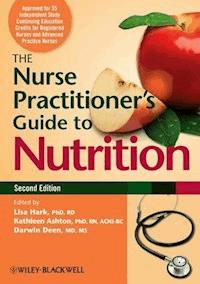
The Nurse Practitioner's Guide to Nutrition E-Book
61,99 €
Mehr erfahren.
- Herausgeber: John Wiley & Sons
- Kategorie: Fachliteratur
- Sprache: Englisch
The Nurse Practitioner's Guide to Nutrition is a comprehensive clinical resource for nurse practitioners working in a variety of clinical care settings. Emphasizing practical nutrition information, this accessible guide provides guidance on incorporating nutrition history questions and counselling techniques into routine care across all clinical settings. The book begins by discussing fundamental concepts in nutrition assessment, giving readers a solid framework from which to approach subsequent chapters. Section Two focuses on nutrition from a lifespan perspective, organizing information by the issues most pertinent to patients at different stages of life. Section Three presents nutrition counselling across clinical care settings ranging from cardiology, endocrinology, oncology, and gastroenterology to caring for the obese patient. Each chapter includes essential information distilled in quick-access tabular format and clinical scenarios that apply key concepts discussed to real-world examples. Ideal for both in-training and qualified advanced practice nurses, The Nurse Practitioner's Guide to Nutrition is an essential tool for assessing, managing, and treating nutrition-related conditions, as well as promoting nutritional health for all patients. This activity has been approved for 35 nursing continuing education contact hours through the Temple University College of Health Professions and Social Work Department of Nursing Provider Unit, an approved provider of continuing nursing education by the Pennsylvania State Nurses Association, itself an accredited approver by the American Nurses Credentialing Center's Commission on Accreditation. For e-book users: CNE materials are available for download after purchase. This title is also available as a mobile App from MedHand Mobile Libraries. Buy it now from Google Play or the MedHand Store.
Sie lesen das E-Book in den Legimi-Apps auf:
Seitenzahl: 744
Veröffentlichungsjahr: 2012
Ähnliche




















Contents
About the Editors
Contributors
Section 1 Introduction to Nutrition Concepts
1 The Role of Nurse Prazitioners
Nutrition for Life
Assessment and Diagnosis
Effecting Change
2 Nutrition Assessment for Nurse Practitioners
Integrating Nutrition into the Assessment
Patient History
Physical Examination
Laboratory Data to Diagnose Nutritional and Medical Problems
Assessing Protein Status
Estimating Resting Energy Expenditure (REE)
Energy and Protein Needs of Hospitalized or Critically Ill Patients
Determination of the Problem List
3 Nutrition Counseling for Effective Behavior Change
Introduction
Understanding Patients’ Stage of Change
Motivational Interviewing
The Importance of Self-Efficacy
Practice What You Preach
Summary: Role of Nurse Practitioners
Section 2 Nutrition During the Lifespan
4 Nutrition from Pre-conception Through Lactation
Introduction
Obesity Rates in Pregnancy
Components of the Prenatal Evaluation
Assessing Nutrition Prior to Pregnancy
Nutritional Recommendations During Pregnancy
Maternal Nutrient Needs: Current Recommendations (RDA Shown in Appendices S and T)
Nutrition and Substance Abuse During Pregnancy
Maternal Weight-Gain Recommendations
Low Pre-Conception BMI (Underweight)
Overweight and Obesity
Conditions Affecting Nutritional Status of Pregnant Women
Diabetes During Pregnancy
Strategies for Managing Nausea, Vomiting, Heartburn, and Constipation
Lactation
5 Nutrition from Infancy Through Adolescence
Introduction
Growth
Overweight and Obesity
Laboratory Assessment
Energy and Protein Requirements
Deviations from Normal Growth
The Importance of Breakfast
Infant Nutrition
Nutrition for the Term Infant
Toddler and Preschool Nutrition
Managing the “Picky Eater”
Nutrition for School-age Children
Nutrition During Adolescence
Summary: Role of Nurse Practitioners
6 Nutrition for Older Adults
Introduction
Alterations in Nutritional Needs
Social and Economic Considerations
Cultural Issues
Health Literacy
Fluid and Hydration
Macronutrients
Identifying Individuals at Risk for Malnutrition
Nutritional Frailty
Etiology of Malnutrition
Interventions for Malnutrition and Nutritional Frailty
Summary: Role of Nurse Practitioners
Section 3 Nutrition in the Clinical Setting
7 Obesity and Bariatric Surgery Care
Introduction
Health Consequences of Obesity
Prevalence of Overweight and Obesity
Etiology of Obesity
Diagnosis and Assessment of Overweight and Obesity
Treatment of Overweight and Obesity
8 Cardiology Care
Introduction
Evidence-Base for Diet and Heart Disease
Dietary Lipids
Trans Fatty Acids
Dietary Cholesterol
Hyperlipidemia
Metabolic Syndrome
Nutrition Therapy for Hyperlipidemia and Metabolic Syndrome
Other Nutritional Components
Weight Control to Reduce the Risk of CHD
Hypertension
Heart Failure
Summary: Role of Nurse Practitioners
9 Endocrinology Care of the Diabetic Patient
Introduction
Prevalence of Diabetes
Diagnosis of Diabetes Mellitus and Pre-diabetes
Pathophysiology of Diabetes
Clinical Management of Diabetes
Community Efforts
10 Digestive Disorders and Gastrointestinal Care
Introduction
Digestion and Absorption
Gastric Disorders
Inflammatory Bowel Disease
Irritable Bowel Syndrome
Diverticulosis
Diverticulitis
Liver Disease
Gallbladder Disease: Cholelithiasis
Summary: Role of Nurse Practitioners
11 Renal Care
Introduction
Urinary Tract Infections
Nephrolithiasis (Kidney Stones)
Acute Kidney Injury
Chronic Kidney Disease (CKD)
Nephrotic Syndrome
Renal Replacement Therapy
Renal Transplantation
Herbal and Dietary Supplement Use in CKD
Summary: Role of Nurse Practitioners
12 Cancer Prevention and Oncology Care
Introduction
Obesity and Cancer
Nutrition and Cancer Prevention
Vitamins and Cancer Prevention
Minerals
Alcohol and Wine
Physical Activity Recommendations
Oncology Care
Summary: Role of Nurse Practitioners
13 Enteral and Parenteral Nutrition Support
Introduction
Enteral Nutrition Support
Parenteral Nutrition Support
Home Nutrition Support
Summary: Role of Nurse Practitioners
Appendices
Appendix A
Appendix B
Appendix C
Appendix D
Appendix E
Appendix F
Appendix G
Appendix H
Appendix I
Appendix J
Appendix K
Appendix L
Appendix M
Appendix N
Appendix O
Appendix P
Appendix Q
Appendix R
Appendix S
Appendix T
Review Questions
Review Answers
Index
ENROLLMENT FORM/ANSWER SHEET
Continuing Education Activity Evaluation Form
The Enrolment Form/Answer Sheet and Continuing Education Activity Evaluation Forms are available for downloading on this website:
www.wiley.com/go/hark_forms
To access the forms you will be asked for a password, which is the title of Chapter 11: “Renal Care”.
The completed forms should be sent, along with $40 and also proof of purchase to:Temple UniversityFrances Ward, PhD, RN, CRNPCollege of Health Professions and Social WorkDepartment of Nursing3307 North Broad StreetPhiladelphia, PA 19140
Make check payable to the Temple University Department of Nursing Approvedfor: 35 CE Credit Units Beginning September 1, 2012
This edition first published 2012 © 2012 by John Wiley & Sons, Inc.
Wiley-Blackwell is an imprint of John Wiley & Sons, formed by the merger of Wiley’s global Scientific, Technical and Medical business with Blackwell Publishing.
Editorial Offices2121 State Avenue, Ames, Iowa 50014-8300, USAThe Atrium, Southern Gate, Chichester, West Sussex, PO19 8SQ, UK9600 Garsington Road, Oxford, OX4 2DQ, UK
For details of our global editorial offices, for customer services and for information about how to apply for permission to reuse the copyright material in this book please see our website at www.wiley.com/wiley-blackwell.
Authorization to photocopy items for internal or personal use, or the internal or personal use of specific clients, is granted by Blackwell Publishing, provided that the base fee is paid directly to the Copyright Clearance Center, 222 Rosewood Drive, Danvers, MA 01923. For those organizations that have been granted a photocopy license by CCC, a separate system of payments has been arranged. The fee codes for users of the Transactional Reporting Service are ISBN-13: 978-0-4709-6046-2/2012
Designations used by companies to distinguish their products are often claimed as trademarks. All brand names and product names used in this book are trade names, service marks, trademarks or registered trademarks of their respective owners. The publisher is not associated with any product or vendor mentioned in this book. This publication is designed to provide accurate and authoritative information in regard to the subject matter covered. It is sold on the understanding that the publisher is not engaged in rendering professional services. If professional advice or other expert assistance is required, the services of a competent professional should be sought.
Library of Congress Cataloging-in-Publication Data
The nurse practitioner’s guide to nutrition / editors-in-chief, Lisa Hark, Kathleen Ashton, Darwin Deen. – 2nd ed. p. ; cm. Guide to nutritionIncludes bibliographical references and index.
ISBN 978-0-470-96046-2 (pbk. : alk. paper)I. Hark, Lisa. II. Ashton, Kathleen. III. Deen, Darwin. IV. Title: Guide to nutrition. [DNLM: 1. Nursing Care. 2. Nursing Assessment. 3. Nutrition Assessment. 4. Nutrition Therapy–nursing. 5. Nutritional Physiological Phenomena. WY 100] 610.73–dc23
2012005068
A catalogue record for this book is available from the British Library.
Cover design by Modern Alchemy LLC
About the Editors
Lisa Hark, PhD, RD, is Director of the Department of Research at the Wills Eye Institute and an Associate Professor at Jefferson Medical College in Philadelphia. She was previously Director of Nutrition Education and Prevention Program at the University of Pennsylvania School of Medicine from 1995 to 2009. Dr. Hark has broad experience in teaching nutrition to nurse practitioners and medical students and is a nationally known nutrition educator. She co-edited four editions of the most popular nutrition textbook for medical students, Medical Nutrition and Disease(Wiley-Blackwell), published in 1995, 1999, 2005, and 2009. She also co-edited several other Wiley-Blackwell books including: The Complete Guide to Nutrition in PrimaryCare in 2006 and Achieving Cultural Competency: A Case-Based Approach toTraining Health Professionals in 2009. Dr. Hark is also co-editor of Cardiovascular Nutrition: Disease Management and Prevention, published by the American Academy of Nutrition and Dietetics in 2004. In addition, Dr. Hark is the author ofNutritionFor Life and The Whole Grain Diet Miracle, published by Dorling Kindersley in 2005 and 2007. Aimed at consumers, these books have been translated into 15 languages and are available in paperback.
Kathleen Ashton, PhD, RN, ACNS-BC holds a Baccalaureate in Nursing from Coe College, a Masters in Nursing from the University of Maryland, and a Doctorate in Health Education from Temple University. She has taught nursing at the undergraduate and graduate levels for over 30 years and currently holds the rank of Professor of Nursing at Thomas Jefferson University, Jefferson School of Nursing in Philadelphia. Dr. Ashton’s area of practice is adult health with a specialty in cardiovascular nursing. Over the past 20 years, she has conducted numerous funded research studies on women and heart disease. Dr. Ashton has won local, state, and national awards for her research, teaching, advanced nursing practice, and public service, including the 2003 New Jersey Governor’s Merit Award for Advanced Nursing Practice. She recently served as a co-editor for the 4th edition of the book, Nursing Malpractice, and regularly reviews for the Journal of Clinical Nursing and the Journal of Legal Nurse Consulting.
Darwin Deen, MD, MS, is a Medical Professor at the Sophie Davis School of Biomedical Education at the City College of New York. A board certified family physician, Dr. Deen also holds a Masters in Human Nutrition and has been teaching nutrition to health professionals for more than 30 years. He is the author of numerous papers in peer-reviewed journals and has served as a journal contributing editor and manuscript reviewer for family medicine and nutrition journals as well as a popular nutrition text. Dr. Deen is co-editor of The Complete Guide to Nutrition in Primary Care published by Wiley-Blackwell in 2006 and co-author of Nutrition For Life and The Whole Grain Diet Miracle, published by Dorling Kindersley in 2005 and 2007. He has also served as associate editor of four editions of Medical Nutrition and Disease(Wiley-Blackwell) and the first edition of Achieving Cultural Competency: A Case-Based Approach to Training Health Professionals(Wiley-Blackwell).
Contributors
Editors
Lisa Hark, PhD, RDDirector, Department of ResearchWills Eye InstituteAssociate Professor, Jefferson Medical CollegePhiladelphia, PAKathleen Ashton, PhD, RN, ACNS-BCProfessorSchool of NursingThomas Jefferson UniversityPhiladelphia, PADarwin Deen, MD, MSMedical ProfessorSophie Davis School of Biomedical EducationCity College of New YorkNew York, NY
Associate Editors
Michael Clark, CRNP, DRNP, CNLAssistant Professor, Department of NursingCollege of Health Professions and Social WorkTemple UniversityAssistant Director of Nursing ResearchTemple University HospitalPhiladelphia, PACarlene McAleer, RN, MS, MSN, CRNPAssistant Professor, Department of NursingCollege of Health Professions and Social WorkTemple UniversityPhiladelphia, PADiana Orenstein, RD, MsEdClinical DietitianHartford HospitalHartford, CTFrances Ward, PhD, RN, CRNPExecutive DirectorPennsylvania Action CoalitionHarrisburg, PADavid Weiss, BAResearch ManagerDepartment of ResearchWills Eye InstitutePhiladelphia, PA
Managing Editors
Deiana M. Johnson, BSResearch Assistant and Community Health EducatorDepartment of ResearchWills Eye InstitutePhiladelphia, PABianca Collymore, MSProject ManagerDepartment of ResearchWills Eye Institute
Contributors
Virginia Biddle, PhD, RN, PMHNP-BC, CPNP (Counseling)Pediatric Nurse PractitionerFamily Psychiatrist/Mental Health Nurse PractitionerDepartment of Psychiatry and Human Behavior, Division of Child and Adolescent PsychiatryThomas Jefferson UniversityJefferson University PhysiciansPhiladelphia, PACecilia Borden, EdD, MSN, RN (Elderly)Assistant Professor, School of NursingThomas Jefferson UniversityJefferson College of Health ProfessionsPhiladelphia, PARickie Brawer, PhD, MPH, CHES (Endocrine)Associate Director, Center for Urban HealthAssistant ProfessorDepartment of Family and Community MedicineThomas Jefferson University HospitalPhiladelphia, PAFrances Burke, MS, RD (Cardiology)Clinical DietitianPerelman Center for Advanced MedicineHospital for the University of PennsylvaniaPhiladelphia, PAChristine Conner, MPA-HAS, BSN, RN (Elderly)Director of NursingManor Care Health ServicesSkilled Nursing and Rehabilitation FacilityWalnut Creek, CAM. Elayne DeSimone, PhD, NP-C, FAANP (Assessment)Professor, Department of NursingCollege of Health Professions and Social WorkTemple UniversityPhiladelphia, PAPatricia Digiacomo, MSN, RNC (Pregnancy)Assistant ProfessorCollege of Health Professions and Social WorkTemple UniversityPhiladelphia, PADara Dirhan, MPH, RD, LDN (Counseling)Dietetic InternCorporate Wellness DietitianPrivate Practice ConsultingPhiladelphia, PAJennifer M. Dolan, MS, RD, CNSC (Nutrition Support)Advanced Clinical Dietitian SpecialistClinical Nutrition Support ServiceHospital of the University of PennsylvaniaPhiladelphia, PADory Ferraro, MS, APRN-CS (Obesity)Clinical Director of Bariatric ServicesStamford HospitalStamford, CTSusan Breakell Gresko, MSN, CRNP, PNP-BC (Pediatrics)Assistant Professor in NursingDepartment of NursingCollege of Health Professions and Social WorkTemple UniversityPhiladelphia, PAMaureen Huhmann, DCN, RD, CSO (Oncology)Manager, Clinical SciencesNestle Healthcare NutritionFlorham Park, NJTamara B. Kaplan, MD(Oncology)Neurology ResidentJoint Partners Neurology Resident ProgramMassachusetts General HospitalBrigham and Women’s HospitalBoston, MAKathleen Larkins, MSN, CNS, RNC-OB (Pregnancy)InstructorRoxborough Memorial HospitalSchool of NursingPhiladelphia, PACheryl Marco, RD, LDN, CDE (Endocrine)Clinical Dietitian and Diabetes EducatorDepartment of Medicine, Division of Endocrinology, Diabetes and Metabolic DiseasesThomas Jefferson UniversityPhiladelphia, PAAmy McKeever, PhD, CRNP (Pregnancy)Women’s Health Nurse PractitionerAssistant Professor in NursingVillanova University,College of NursingVillanova, PABeth-Ann Norton, MS, RN, ANP-BC (Gastrointestinal)Nurse ManagerInflammatory Bowel Disease CenterMt. Sinai Medical CenterDivision of Gastroenterology/IBDNew York, NYNancy Sceery, LD, RD, CNSC (Nutrition Support)Nutrition Support TeamMassachusetts General HospitalBoston, MALauren Solomon, MSN, ANP-BC, GNP-BC (Renal)Nephrology Nurse PractitionerHospital of the University of PennsylvaniaDepartment of Renal, Electrolytes, and HypertensionIn conjunction with DaVita DialysisPhiladelphia, PANancy Stoner, RN, MSN, CNSC (Nutrition Support)Clinical Nurse SpecialistClinical Nutrition Support ServiceHospital of the University of PennsylvaniaPhiladelphia, PAJean Stover, RD, LDN (Renal)Nephrology DietitianHospital of the University of PennsylvaniaDepartment of Renal, Electrolytes, and HypertensionIn conjunction with DaVita DialysisPhiladelphia, PABridget S. Sullivan, MSN, MS, CRNP, RD (Pediatrics)Pediatric Nurse Practitioner, Registered DietitianMt Airy Pediatrics, LLCPhiladelphia, PAJulie Vanderpool, RD, MPH, RN, MSN, ACNP (Gastrointestinal)GI Nurse Practitioner, Registered DietitianNashville Gastroenterology AssociatesNashville, TNNeva White, DNP, MSN, CRNP, CDE (Endocrine)Diabetes Nurse PractitionerSenior Health EducatorCenter for Urban HealthThomas Jefferson University HospitalPhiladelphia, PATheresa P. Yeo, PhD, MPH, MSN, AOCNPAssociate Director, Jefferson Pancreas Tumor RegistryDepartment of SurgeryThomas Jefferson University HospitalAdjunct Associate ProfessorJefferson School of NursingPhiladelphia, PA
Reviewers
Kellie Smith, EdD, RNAssistant ProfessorSchool of NursingThomas Jefferson UniversityPhiladelphia, PASharon Rainer, MSN, CRNPInstructor, School of NursingThomas Jefferson UniversityPhiladelphia, PAPat Iyer, MSN, RN, LNCCLegal Nurse ConsultantMed League Support ServicesFlemington, NJ
Section 1
Introduction to Nutrition Concepts
1 The Role of Nurse Prazitioners
Kathleen C. Ashton, PhD, RN, ACNS-BC
Nurses have outranked all professions in Gallup’s annual Honesty and Ethics Survey1 every year since 1999 (Gallup Poll). This vote of confidence from 81% of Americans participating in the survey comes with the responsibility to provide the best care to those who turn to us for information and advice to prevent disease and maintain health. Given this trust for nurses, we play a pivotal role in educating individuals about nutrition. Research findings demonstrate that consistent, intensive, lifestyle-based interventions can effectively reduce the risk of chronic disease.2–4
Practitioners cite barriers to providing nutrition and lifestyle counseling such as lack of time, lack of nutrition knowledge and confidence, poor patient adherence, low levels of patient health literacy, and lack of teaching materials.5 A major key is consistency, addressing the lifestyle changes at every patient encounter where appropriate. The nutrition objectives for Healthy People 2020 state that 75% of primary care clinician office visits should include nutrition counseling for individuals with diabetes, hyperlipidemia, and hypertension.6 In addition, it may be difficult to translate nutrition science into practical dietary advice. We created The Nurse Practitioner’s Guide to Nutrition to address many of these barriers and to assist Nurse Practitioners in providing useful nutrition education and interventions to those who most stand to benefit.
As healthcare practices and regulations change, nursing practices must evolve to keep abreast of those changes. The Patient Protection and Affordable Care Act of 2010 will provide healthcare coverage to an increased number of individuals. This presents an opportunity to address health disparities and provide resources to many for whom this has not previously been a possibility. Partnerships with nurses and other professionals can help to effect change at the individual and community levels. In whatever setting Nurse Practitioners are working (outpatient, home-based, hospital, nursing home, or community), whatever the reason for the encounter (acute problem vs chronic disease management vs health maintenance), and whatever the patient’s life-cycle stage, we have the opportunity to improve health outcomes. For example, when patients seek care in the office setting, we have an opportunity to identify nutrition-related risks associated with their usual dietary intake. In the hospital, we must ensure that a patient’s diet orders promote restoration of health while minimizing the potential for further deterioration. In nursing homes, where the risk of malnutrition is common, screening and monitoring caloric intake are paramount. Home visits are a unique opportunity to assess how diet and lifestyle information is actually practiced. The community affords opportunities to model healthy nutritional choices and impact population health.5
When patients present for an acute problem we should assess the potential impact of that problem on their ability to maintain healthy eating and activity patterns and identify potential nutrition-related problems. Patients seeking health maintenance need routine dietary screening and appropriate patient education. Those with identified nutrition-related problems require a plan to address those problems, part of which should include a follow-up visit to initiate and monitor behavior changes. Assessing patients’ readiness to change is a critical component in this process (Chapter 3). Patients being seen for chronic disease follow up may require significant change to their routine dietary intake and often will benefit from a referral to a registered dietitian for more in-depth dietary counseling.5
The Nurse Practitioner’s involvement does not cease with referral to a dietitian, as is the case with referral to any specialist. We must follow-up on the nutrition consult, support the plan, provide on-going guidance, evaluate the patient’s ability to adhere to the diet, and revise the plan as needed. The overarching goal is establishing an eating pattern that provides an array of options that incorporate ethnic, cultural, traditional, and personal preferences while considering food cost and availability. Interventions are indicated across the lifespan. With an infant or toddler, we can teach parents a healthy eating pattern to help maximize their child’s growth and development while minimizing the impact of their genetic predisposition for disease (Chapter 4). We can help adults to identify their potential disease risk and educate them about eating properly to minimize that risk or to maximize wellness. As adults age, metabolism slows and small, nutritionally-dense meals are beneficial to minimize the calories consumed and prevent obesity (Chapter 7). In older adulthood we need to screen for nutrition-related problems which affect ongoing health and address the need for a meal plan designed to mitigate the impact of chronic disease (Chapter 6).5
Nutrition for Life
What is the best eating pattern for life? How does one sift through all of the recommendations and fads? And of what benefit is the best nutrition advice if it is not followed? The US Dietary Guidelines for Americans, 2010 was updated amid concern for the growing epidemic of overweight and obese Americans (Table 1-1).7 Approximately one-third of American adults are obese and 72% of men and 64% of women are overweight or obese.8
Table 1-1 Dietary Guidelines for Americans 20107 Key Recommendations
Source: Dietary Guidelines for Americans 2011.
Balancing Calories to Manage Weight
Prevent and/or reduce overweight and obesity through improved eating and physical activity behaviors.
Control total calorie intake to manage body weight. For people who are overweight or obese, this will mean consuming fewer calories from foods and beverages.
Increase physical activity and reduce time spent in sedentary behaviors.
Maintain appropriate calorie balance during each stage of life – childhood, adolescence, adulthood, pregnancy and breastfeeding, and older age.
Foods and Food Components to Reduce
Reduce daily sodium intake to less than 2300 mg and further reduce intake to 1500 mg among persons who are 51 and older and those of any age who are African American or have hypertension, diabetes, or chronic kidney disease. The 1500 mg recommendation applies to about half of the US population, including children, and the majority of adults.
Consume less than 10% of calories from saturated fatty acids by replacing them with monounsaturated and polyunsaturated fatty acids.
Consume less than 300 mg per day of dietary cholesterol.
Keep
trans
fatty acid consumption as low as possible by limiting foods that contain synthetic sources of
trans
fats, such as partially hydrogenated oils, and by limiting other solid fats.
Reduce the intake of calories from solid fats and added sugars.
Limit the consumption of foods that contain refined grains, especially refined grain foods that contain solid fats, added sugars, and sodium.
Consume alcohol, if at all, in moderation – up to one drink per day for women and two drinks per day for men – and only by adults of legal drinking age.
Foods and Nutrients to Increase
Individuals should meet the following recommendations as part of a healthy eating pattern while staying within their calorie needs:
Increase vegetable and fruit intake.
Eat a variety of vegetables, especially dark green, red and orange vegetables and beans and peas.
Consume at least half of all grains as whole grains. Increase whole-grain intake by replacing refined grains with whole grains.
Increase intake of fat-free or low-fat milk and milk products, such as milk, yogurt, cheese, or fortified soy beverages.
Choose a variety of protein foods, which include seafood, lean meat and poultry, eggs, beans and peas, soy products, and unsalted nuts and seeds.
Increase the amount and variety of seafood consumed by choosing seafood in place of some meat and poultry.
Replace protein foods that are higher in solid fats with choices that are lower in solid fats and calories and/or are sources of oils.
Use oils to replace solid fats where possible.
Choose foods that provide more potassium, dietary fiber, calcium, and vitamin D, which are nutrients of concern in American diets. These foods include vegetables, fruits, whole grains, and milk and milk products.
Recommendations for Specific Population Groups
Women capable of becoming pregnant
:
Choose foods that supply heme iron, which is more readily absorbed by the body, additional iron sources, and enhancers of iron absorption such as vitamin C-rich foods.
Consume 400 micrograms (µg) per day of synthetic folic acid (from fortified foods and/or supplements) in addition to food forms of folate from a varied diet.
Women who are pregnant or breastfeeding
:
Consume 8–12 ounces of seafood per week from a variety of seafood types.
Due to their high methyl mercury content, limit white (albacore) tuna to 6 ounces per week and do not eat the following four types of fish: tilefish, shark, swordfish, and king mackerel.
Take an iron supplement, as recommended by your health care provider.
Individuals Ages 50 Years and Older
:
Consume foods fortified with vitamin B
12
, such as fortified cereals, or dietary supplements.
Building Healthy Eating Patterns
Select an eating pattern that meets nutrient needs over time at an appropriate calorie level.
Account for all foods and beverages consumed and assess how they fit within a total healthy eating pattern.
Follow food safety recommendations when preparing and eating foods to reduce the risk of food-borne illnesses.
Despite the fact that patients accept the old adage “You are what you eat”, they do not seem able to apply this to their day-to-day dietary intake.5 While many of our patients recognize how important it is to “eat right and exercise”, a study from the Pew Research Center found that Americans see weight problems everywhere but in the mirror. According to this report, 90% of American adults say most of their fellow Americans are overweight, but only 70% say this about “the people they know”, and 40% say they themselves are overweight.9
Approximately 75% of adults are not eating enough fruits and vegetables.10 Our culture supports convenience, our policies favor junk food, our restaurants have huge portion sizes to increase the perception of value, and our TV viewing habits demonstrate avoidance of exercise. Convenience foods, ever more popular, are typically not healthy choices. When attempting to counsel a patient about nutrition, the Nurse Practitioner faces the barriers of time, money, taste preference, culture, family, and habit. Health is unfortunately far down on the list of factors that are considered when food choices are made.5
The typical American diet is too high in calories, sugar, saturated fat, and salt, and limited in fruits, vegetables, and low-fat dairy foods. Fewer than 25% of Americans get five servings of fruits and vegetables daily. Even among children, calcium intake is inadequate in almost half of 3–5 year olds, and 70% of 12–19 year olds.11 Whether it is the phosphates in soda that may leach out calcium or the displacement of dairy intake, many teens are losing calcium instead of storing it up during this critical time for building strong bones. Osteoporosis later in life is one complication that may result from over-consumption of soda over many years.12
To correct these imbalances, we need to encourage patients to reduce portion sizes to reduce calories; choose healthy snacks (fruits and vegetables, not candy bars or chips); and reduce the consumption of products made with sugar (cakes, cookies, and pastries) or high fructose corn syrup (soda and sweetened fruit or sports drinks).5 Sugar and other sweeteners hide in baked goods and beverages. Using more herbs and spices can enhance flavor in foods while providing less salt and more health-promoting antioxidants. Low-fat milk and other low-fat dairy foods, lactose-free and soy products supplemented with calcium, and calcium-fortified products (like orange juice) are good alternatives, yet many of these products may also contain sugar.5 Prescribing a calcium supplement will help address a chronic inadequate calcium intake that is prevalent in our population and may reduce the risk of osteoporosis in the elderly (See Chapters 6, and Appendices G and H).
Assessment and Diagnosis
Successful nutrition interventions begin with careful assessment of the individual including a family history of risk factors, such as obesity, cardiovascular disease or diabetes (Chapter 2). The patient’s meal and exercise patterns can be ascertained through directed questioning and perhaps keeping a food diary to prevent the pitfalls of recall and perception. Body mass index (BMI) should be calculated for everyone, including children and teenagers, followed by a discussion of how the patient’s weight compares with norms (Chapter 7). Use prevention visits as an opportunity to educate patients regarding the deleterious effects of a sedentary lifestyle and unnecessarily large portion sizes.
Food insecurity is a mounting problem in the current economic climate. Research shows that almost 15% of American households do not consume adequate food to meet dietary needs due to lack of sufficient funds or other food resources.12 A thorough dietary assessment includes information on income and resources for obtaining food in addition to food intake and eating patterns.
Help patients who need to change eating patterns by identifying community resources including websites such as www.choosemyplate.gov and offer advice, encouragement, and referral when indicated.6,14 Start the discussion of healthy eating with everyone, but especially focus on those with hypertension, diabetes mellitus, and hyperlipidemia who stand to benefit the most from improved nutrition. It is important to help those who are not eating what they should or not exercising regularly to begin doing so before they develop the health problems that result from poor lifestyle habits. Small changes are the best way to begin and then monitor progress towards a goal.
Effecting Change
Motivating clients starts with Nurse Practitioners. Patients are likely to take note of, and perhaps even be motivated by, a busy professional who practices what he or she preaches. Following the lifestyle and eating pattern we recommend bolsters our credibility with our patients. Certainly this is a win–win situation for us and our patients, and can be accomplished in various ways. Become knowledgeable about exercise options available in your community, advertise fundraising walks and races where you see patients, join them when you can, and be seen where good nutrition is being promoted. Participate in physical activity yourself, encourage your children’s involvement in team sports, get involved in your local school or community, and be a voice for more physical activity and healthier food choices. Encourage your colleagues to eat healthy and to exercise regularly. If clinicians don’t promote work-site health, who will? The internet, used judiciously, has good nutrition information and can be an excellent resource. When your patients see you living the lifestyle, they will be more inclined to seek out and follow your advice when they need help. Become a resource in your community: volunteer to speak about promoting good nutrition at school and business events, town hall meetings, or church functions. Help your neighbors to identify ways to eat healthier and increase physical activity. The more experience you have with these lifestyle challenges, the more of a resource you will be for those who look to you for assistance.5 Unfortunately, the literature does not provide us with models that have been shown to be universally effective, so it is up to each of us to develop our own approach to addressing eating patterns and activity counseling for our patients. Examples of models that have been developed are described in Chapter 3.
Food is much more than nutrition for every individual. It represents nurturing, love, sociability, and even entertainment (as evidenced by the popularity of the Food Network). For many Americans, a chubby baby is a healthy baby and attempts to direct parents toward a more appropriate feeding style will not be appreciated. The news media is not helping. Each new dietary study is trumpeted with the fanfare of a newly discovered scientific fact. So when contradictory results are found (which happens often in science), patients (and their clinicians as well) are left confused about what to believe and what to include in a “healthy diet”.5
Cultural factors and diet-related attitudes and behaviors strongly influence health.15,16 The cultural milieu that affects a person’s diet includes: the rules surrounding the person’s upbringing, whether or not the person immigrates to a new society, the degree of acculturation to the new society, and the degree to which traditional foods in the culture of origin are available in the new society.15,17 The meanings and uses ascribed to foods in any particular culture may be unique to that culture, even though the foods themselves are commonly available and may have different or no special meaning in other cultures.18–20 Culture influences many food-related behaviors including food choice, food purchasing, preparation, where and with whom food is eaten, health beliefs related to food, and adherence to dietary recommendations.16,21–23
Culturally competent health care builds upon the understanding of these cultural influences and facilitates the development of stronger patient–provider relationships with higher levels of trust. This has been shown to be associated with increased use of recommended preventive services in ethnic minority patients.20 Therefore, understanding the sociocultural context of health for individual patients is very important for effective health care, as culture may influence health knowledge, attitudes, and behaviors, including diet.
At the community level, providers trying to address the behaviors that lead to obesity face a similar unsupportive environment that we had trying to help patients quit smoking in the 1950s. Policy changes currently being considered that may help move our patients from where they are to where they need to be include: requiring fast food restaurants to include nutritional information on their packages, taxing sweetened beverages, and developing devices that monitor television viewing and video game use by our children.5 Change begins with one small step and gains momentum. The Nurse Practitioner’s Guide to Nutrition is a key resource to effectively begin the journey to provide optimal nutrition therapy for patients in order to reduce chronic disease and change diet and lifestyle.
References
1. Gallup Poll. Available at http://www.gallup.com/poll/145043/Nurses-Top-Honesty-Ethics-List-11-Year.aspx
2. Centers for Disease Control and Prevention. National Diabetes Fact Sheet, 2007. Available at http://www.cdc.gov
3. National Cancer Institute. Surveillance Epidemiology and End Results (SEER) Stat Fact Sheets: All Sites. Available at http://seer.cancer.gov/statfacts/html/all.html
4. Appel LJ, Brands MW, Daniels SR, et al. Dietary approaches to prevent and treat hypertension: a scientific statement from the American Heart Association. Hypertension 2006;47:296–308.
5. Deen D, Margo K. Nutrition and the Primary Care Clinician. In: Deen D., Hark L (Eds), The Complete Guide to Nutrition in Primary Care. Wiley-Blackwell, Malden MA, 2007.
6. Healthy People2020. Department of Health and Human Services, Washington, DC. www.healthypeople.gov
7. Dietary Guidelines for Americans, 2010. Available at http://www.health.gov/dietaryguidelines/dga2010/DietaryGuidelines2010.pdf
8. Flegal KM, Carroll, MD, Ogden, CL, et al.Prevalence and trends in obesity among US adults, 1999–2008. JAMA 2010;303:235–241.
9. Taylor P, Punk C, Craighill P, for Pew Research Center, 2006. Americans See Weight Problems Everywhere But In the Mirror. http://pewresearch.org/assets/social/pdf/Obesity.pdf. Report Published April 11, 2006.
10. National Health and Nutrition Examination Survey (NHANES) III. www.cdc.gov/nchs/nhanes.htm. Accessed 2012.
11. Greer FR, Krebs NF; American Academy of Pediatrics Committee on Nutrition. Optimizing bone health and calcium intakes of infants, children, and adolescents. Pediatrics 2006;117:578–585.
12. Tucker KL. Osteoporosis prevention and nutrition. Current Osteoporosis Reports 2009;7:111–117.
13. Nord M, Coleman-Jensen A, Andrews M, et al.Household food security in the US. 2009, Washington, D.C. US Department of Agriculture, Economic Research Service, 2010, Nov. Economic Research Report Number ERR-108. Available at http://www.ers.usda.gov/publications/err108
14. USDA’s MyPlate. http://www.choosemyplate.gov
15. Gans K, Eaton C. Cultural considerations. In: Deen D, Hark L. (Eds), The Complete Guide to Nutrition in Primary Care. Wiley-Blackwell, Malden, MA, 2007.
16. James DC. Factors influencing food choices, dietary intake, and nutrition-related attitudes among African Americans: application of a culturally sensitive model. Ethn Health 2004;9:349–367.
17. Curry KR, Jaffe A (Eds). Nutrition Counseling and Communication Skills. WB Saunders Company, Philadelphia, PA, 1998.
18. Airhihenbuwa CO, Kumanyika S, Agurs TD, et al. Cultural aspects of African American eating patterns. Ethn Health 1996;1:245–260.
19. Karmali WA. Cultural issues and nutrition. In: Carson J, Burke F, Hark L. (Eds), Cardiovascular Nutrition: Disease Management and Prevention. American Dietetic Association, Chicago, IL, 2004.
20. Hark L, Delisser H. Achieving Cultural Competency: A Case-Based Approach. Wiley-Blackwell, Malden, MA, 2009.
21. Kittler PG, Sucher KP. Food and Culture in American: A Nutrition Handbook. 2nd edition. West/Wadsworth Publishing, Belmont, CA, 2001.
22. Burrowes JD. Incorporating ethnic and cultural food preferences in the renal diet. Adv Ren Replace Ther 2004;11:97–104.
23. Graves, DE, Suitor, CW. Celebrating Diversity: Approaching Families Through Their Food. National Center for Education in Maternal and Child Health, Arlington, VA, 1998.
2 Nutrition Assessment for Nurse Practitioners
M. Elayne DeSimone, PhD, NP-C, FAANPLisa Hark, PhD, RD
Integrating Nutrition into the Assessment
The value of incorporating nutrition into the Nurse Practitioner assessment cannot be overstated. Dietary intake affects all body systems and as such, manifests in both subtle and obvious signs and symptoms that may be appreciated through a careful history and physical examination, along with appropriate diagnostic tests. Regardlessof the type of encounter or setting, the effective Nurse Practitioner will includerelevant aspects of nutrition assessment prior to making treatment decisions. This chapter outlines how a comprehensive nutrition assessment should be an integral part of all initial evaluations, with questions tailored to the specific patient’s medical problems. In the initial assessment the nutrition history is expanded, and explored fully in the context of both health and disease. Nutrition assessment requires that the Nurse Practitioner go beyond the disease model to examine influencing factors, such as social and environmental determinants, food security, motivation, adherence, literacy, numeracy, food knowledge, and skills. Given the time constraints in a busy practice or hospital setting, these data may need to be collected over time in multiple encounters. The use of an electronic health record helps to simplify data collection if valid and reliable assessment tools are used. Patients can complete data entry on their own for later review with the Nurse Practitioner. It is important to note that nutrition-related treatment goals that take into consideration the patients’ environment will be more likely to succeed. For some patients with complex nutrition-related problems, a timely referral to a registered dietitian is beneficial, as it fosters a team approach to assessment and follow-up care. Treatment for many dietary-related disorders often requires repeated nutrition assessment to monitor a patient’s progress. Eligibility for outcomes-based health care reimbursement requires that initial and ongoing nutri
Lesen Sie weiter in der vollständigen Ausgabe!
Lesen Sie weiter in der vollständigen Ausgabe!
Lesen Sie weiter in der vollständigen Ausgabe!
Lesen Sie weiter in der vollständigen Ausgabe!
Lesen Sie weiter in der vollständigen Ausgabe!
Lesen Sie weiter in der vollständigen Ausgabe!
Lesen Sie weiter in der vollständigen Ausgabe!
Lesen Sie weiter in der vollständigen Ausgabe!
Lesen Sie weiter in der vollständigen Ausgabe!
Lesen Sie weiter in der vollständigen Ausgabe!
Lesen Sie weiter in der vollständigen Ausgabe!
Lesen Sie weiter in der vollständigen Ausgabe!
Lesen Sie weiter in der vollständigen Ausgabe!
Lesen Sie weiter in der vollständigen Ausgabe!
Lesen Sie weiter in der vollständigen Ausgabe!
Lesen Sie weiter in der vollständigen Ausgabe!
Lesen Sie weiter in der vollständigen Ausgabe!
Lesen Sie weiter in der vollständigen Ausgabe!
Lesen Sie weiter in der vollständigen Ausgabe!




