


6,49 €
Mehr erfahren.
- Herausgeber: Mary Thompson
- Kategorie: Fachliteratur
- Sprache: Englisch
In
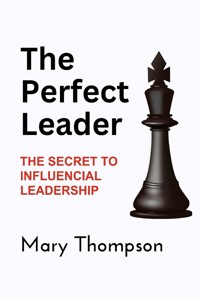
"THE PERFECT LEADER: The Secret to Influential Leadership," discover the fundamental principles that transform good leaders into great ones. Written in clear, straightforward language, this book talks about the essence of effective leadership, offering practical strategies and actionable insights for aspiring and seasoned leaders alike.
Drawing from real-life examples and timeless wisdom, this guide demystifies the qualities that define exceptional leadership. Whether you're leading a team, managing a project, or aiming for personal growth,
"THE PERFECT LEADER" equips you with the tools to inspire, motivate, and empower others towards success.
Whether you're a CEO, a manager, or someone striving for excellence in any aspect of life, this book is your roadmap to becoming the leader others are inspired to follow.
Get Your Copy Now!
Das E-Book können Sie in Legimi-Apps oder einer beliebigen App lesen, die das folgende Format unterstützen:
Veröffentlichungsjahr: 2024
Ähnliche



















THE PERFECT LEADER
The Secret to Influential Leadership
––––––––
Mary Thompson
Copyright @ 2024 By Mary Thompson
All rights reserved. No part of this book may be duplicated electronically or mechanically, in any way, without the publisher's expressed and written consent.
This book is a nonfiction piece. There are fictional names, characters, locations, and happenings used. There should be no assumption or intention of association with real people, places, structures, or goods.
Disclaimer
The material in this book is solely meant to be used for educational purposes. Although every attempt has been made to present accurate and current information, the publisher and author disclaim all expressed and implied warranties and representations regarding the availability, accuracy, suitability, completeness, and reliability of the content contained herein for any purpose. The reader should contact a competent professional or the appropriate authorities for detailed advice or answers to any issues.
The publisher and author disclaim all responsibility for any loss or damage resulting from lost profits or data from using this book.
Table of Content
Introduction
Chapter 1: Understanding Leadership
The Evolution of Leadership Theories
Trait Theory: What Makes a Leader?
Behavioral Theories: How Leaders Behave
Chapter 2: The Traits of the Perfect Leader
Charisma
Confidence
Emotional Intelligence
Decision-Making Skills
Adaptability
Chapter 3: Leading by Example
The Power of Role Modeling
Setting the Right Tone
The Ethics of Leadership
Chapter 4: The Challenges of Leadership
Managing Conflict
Dealing with Failure
Leading Remote Teams
Cultural Sensitivity and Diversity
Maintaining Work-Life Balance
Chapter 5: Case Studies and Success Stories
Elon Musk: A Visionary and Transformational Leader
Bill Gates: A Visionary Leader
Steve Jobs: A Charismatic Leader
Warren Buffett: A Strategic Leader
Angela Merkel: A Collaborative Leader
Conclusion
Introduction
Throughout history, there has been much discussion, analysis, and argument surrounding the concept of leadership. Despite being the focus of several books, seminars, and studies, it still appears to miss many people. What qualities distinguish a great leader? Is it something else, their experience, their intelligence, or their charisma?
A few critical components work together to create effective leadership. A successful leader must, first and foremost, be able to uplift and motivate people around them. They must be able to articulate their vision in a way that connects with others and have a goal that is both captivating and attainable.
To be a good leader, though, requires more than just vision and communication. Along with having good interpersonal skills, a great leader must be able to create and sustain relationships with others. They must be able to listen to people and show empathy for their wants and problems, as well as instill trust and loyalty in their team.
Lastly, a strong leader needs to be able to act decisively when needed and make difficult judgments. They need to be able to think strategically and act decisively in the face of uncertainty, as well as maintain their composure under duress.
We shall examine these and other attributes necessary to develop into a powerful leader in this book. Along with anecdotes and illustrations from my personal experiences, we'll discuss thoughts and counsel from some of history's most illustrious leaders.
You will have gained a better grasp of what it takes to be a great leader by the end of this book, along with the skills and information required to become one yourself.
Chapter 1: Understanding Leadership
Over the years, much research, analysis, and breakdown have gone into the complex and diverse concept of leadership. It's a vital skill in the modern world, needed not only in formal organizational settings but also in many other spheres of life, such as motivating people to take action or leading a team towards a shared objective. However, understanding leadership necessitates thoroughly examining its fundamental ideas, practices, and elements.
Motivating and inspiring people is one of the core competencies of a leader. A strong leader can inspire individuals with vision and charm, inspiring a sense of purpose and dedication. One of the most important tools for doing this is effective communication.
Emotional intelligence is necessary for leadership. A leader needs to understand how emotions affect behavior and decision-making, both for themselves and for the people on their team. Understanding and sharing other people's feelings, or empathy, is also essential. An empathetic leader may forge closer bonds with subordinates, settle disputes, and foster a supportive workplace environment.
An additional crucial element of leadership is flexibility. Leaders need to be able to guide their teams through times of transition and negotiate ambiguity in the fast-paced, constantly evolving world of today. This calls for the capacity for strategic thought, problem-solving, and swift decision-making. A leader receptive to fresh viewpoints and ideas can encourage creativity and innovation among their team members.




