


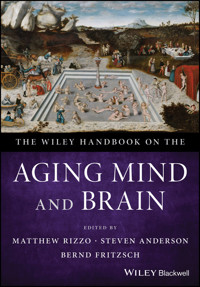
The Wiley Handbook on the Aging Mind and Brain E-Book
136,99 €
Mehr erfahren.
- Herausgeber: John Wiley & Sons
- Kategorie: Geisteswissenschaft
- Sprache: Englisch
A thought-provoking treatise on understanding and treating the aging mind and brain
This handbook recognizes the critical issues surrounding mind and brain health by tackling overarching and pragmatic needs so as to better understand these multifaceted issues. This includes summarizing and synthesizing critical evidence, approaches, and strategies from multidisciplinary research—all of which have advanced our understanding of the neural substrates of attention, perception, memory, language, decision-making, motor behavior, social cognition, emotion, and other mental functions.
Written by a plethora of health experts from around the world, The Wiley Handbook on the Aging Mind and Brain offers in-depth contributions in 7 sections: Introduction; Methods of Assessment; Brain Functions and Behavior across the Lifespan; Cognition, Behavior and Disease; Optimizing Brain Function in Health and Disease; Forensics, Competence, Legal, Ethics and Policy Issues; and Conclusion and New Directions.
- Geared toward improving the recognition, diagnosis, and treatment of many brain-based disorders that occur in older adults and that cause disability and death
- Seeks to advance the care of patients who have perceptual, cognitive, language, memory, emotional, and many other behavioral symptoms associated with these disorders
- Addresses principles and practice relevant to challenges posed by the US National Academy of Sciences and National Institute of Aging (NIA)
- Presents materials at a scientific level that is appropriate for a wide variety of providers
The Wiley Handbook on the Aging Mind and Brain is an important text for neurologists, psychiatrists, psychologists, physiatrists, geriatricians, nurses, pharmacists, social workers, and other primary caregivers who care for patients in routine and specialty practices as well as students, interns, residents, and fellows.
Sie lesen das E-Book in den Legimi-Apps auf:
Seitenzahl: 2158
Veröffentlichungsjahr: 2018
Ähnliche




















Table of Contents
Cover
Title Page
List of Contributors
Acknowledgments
List of Abbreviations
Glossary
Part I: Introduction
1 The Aging Mind and Brain:
Overview
Introduction
Goals of this Handbook
Overview of Contents
Audiences
References
Part II: Theoretical, Animal Models, Social, and Humanistic Perspectives
2 Social Networks, Social Relationships, and Their Effects on the Aging Mind and Brain
“Healthy Aging” as Physical, Mental, and Social Well‐Being
Toward Defining Key Terms and Concepts: Social Networks and Social Relationships
Relationships between Social Networks and Health
Relationships Between Social Networks and the Aging Mind and Brain
Characteristics of Social Networks and Social Relationships among Older Adults
Addressing the Links Between Social Relationships and Cognitive Aging
Social Networks of Families Caring for the Aging Mind and Brain
Concluding Thoughts: Healthy Aging of our Mind and Brain – Where are we Headed?
Acknowledgments
Key Readings
References
3 Aging and the Brain
Introduction
Why do we Age: Evolutionary Theories of Aging
Cellular Mechanisms that Drive Aging
Brain Aging: Is Brain Aging Special and How does it Affect Organismal Aging?
Key Readings
References
4 Animal Models of Pathological Aging
Introduction
Model Organisms
Summary
Key Readings
References
5 Humanistic Perspectives:
Arts and the Aging Mind
What Is the Humanistic Perspective?
Literature and Writing
Visual Art
Film
Critical Approaches: The “Neuro” Paradigm
Conclusion
Key Readings
References
Part III: Methods of Assessment
6 Medical Assessment of the Aging Mind and Brain
Introduction
History
The Examination
Making the Diagnosis
Discussion of the Diagnosis with the Patient
Conclusion
Key Readings
References
7 Neuropsychological Assessment of Aging Individuals
Background
Models of Assessment
Domains of Assessment
Training and Credentialing in Neuropsychological Assessment
Neuropsychological Syndromes and the Elderly
Summary
Key Readings
References
8 Normal Aging:
Brain Morphologic, Chemical and Physiologic Changes Detected with
in vivo
MRI
Introduction
Structural MRI
Diffusion‐Weighted MRI
Magnetic Resonance Spectroscopy (MRS)
Functional MRI
Perfusion‐Weighted MRI
Outlook and Future
Key Readings
References
9 Positron Emission Tomography (PET) Imaging:
Principles and Potential Role in Understanding Brain Function
Principles of Positron Emission Tomography (PET) Imaging
Clinical/Research Uses of PET
Epilepsy Imaging
Alzheimer’s Disease (AD) and Dementia Imaging
Conclusions
Key Readings
References
10 Electrophysiological Measures of Age‐Related Cognitive Impairment In Humans
Introduction
Review of Oscillatory Neural Activity
Review of Stimulus‐Evoked Neural Activity
Discussion
Key Readings
References
11 The Brain in the Wild:
Tracking Human Behavior in Naturalistic Settings
Introduction
Insights from the Clinic and Laboratory
What People do all Day
Classification and Tracking Human Movement and Energy Expenditure
Experience Sampling Method (ESM)
Tool‐Driven Revolution
Inferences on Causality from Real‐World Observations
Perspectives for Following a Person in Context
Locating the Subject
Energy Expenditure
Tracking Physiology
Social Sensors
Telehealth
Video Images in Public and Private Spaces
Commercial Products
Incorporating Digital Data from the Internet and Social Network Tools
Crowd‐Source Reports of Behaviors
Task‐Enabling Technologies
Drinking from a Firehose
Social, Ethical, Legal and Practical Implications
Conclusions and New Directions
Key Readings
References
12 Quality of Life Assessment
A Brief, Selective Introduction to QOL’s Intellectual Roots
Methods and Measurements: Standards and Special Considerations
Selected Generic QOL and HRQOL Measures
Selected Generic Preference or Utility Measures
Selected QOL Measures Specifically for Older Adults
Summary, Conclusion and Outlook
Key Readings
References
Part IV: Brain Functions and Behavior Across the Lifespan
13 Executive Functions and Behavior Across the Lifespan
What are Executive Functions?
Lifespan Changes in Executive Functions
Identifying the Key Aspects of EF in Older Persons
Aging‐Related Diseases and Executive Functions
Assessment and Management of Executive Function Deficits in Aging
Conclusions
Key Readings
References
14 Memory and Language in Aging:
How Their Shared Cognitive Processes, Neural Correlates, and Supporting Mechanisms Change with Age
Introduction
Memory and Aging
Language and Aging
Models of Cognitive Aging Applied to Memory and Language
Interactions Between Memory and Language
Conclusion
Acknowledgments
Key Readings
References
15 Vision and Aging
Introduction
Structural Changes in the Eye with Aging
Epidemiology of Vision Impairment and Aging‐related Eye Conditions
Five Common Vision Problems in Older Adults
Visual Impairment from Cerebral Disorders
Effect of Vision Changes on Activities of Daily Life
Key Readings
References
16 Aging‐Related Balance Impairment and Hearing Loss
Introduction
Balance/Gait System
The Vestibular System
The Auditory System
Key Readings
References
17 Attention and Processing Speed
Introduction
Measuring Attention in the Laboratory
Enhancement and Inhibition
Models of aging and attention
Conclusions
Key Readings
References
18 Motor Functions and Mobility
Introduction
Upper Limb Motor Function in Healthy Aging
Age‐Related Changes in Brain Structure and Motor Function
Age‐Related Changes in Brain Neurochemistry and Motor Function
Age‐Related Changes in Brain Function during Motor Tasks
Avoiding Age‐Related Declines in Movement Control
Fine Hand Motor Function
Lower Limb Motor Function in Healthy Aging
Key Readings
References
19 Incontinence and Sexual Dysfunction
Introduction
CNS Substrates of Genitourinary Dysfunction
Urinary Incontinence
Erectile Dysfunction
Fecal Incontinence (FI)
Conclusion
Key Readings
References
20 Emotional Function During Aging
Introduction
The Phenomenon: Emotion During Older Age
Contemporary Models of Aging and Emotion
An Integrated Perspective of Age and Emotion
Conclusion
Acknowledgment
Key Readings
References
Part V: Brain Disease and Dysfunction
21 Alzheimer’s Disease and Mild Cognitive Impairment
Overview
Alzheimer’s Disease
Mild Cognitive Impairment
Treatments
New Diagnostic Criteria
Acknowledgments
Key Readings
References
22 Cerebrovascular Disease and White Matter Disorders
Cerebrovascular Disease
White Matter Disorders
Key Readings
References
23 Movement Disorders
Introduction
Hypokinetic Movement Disorders
Hyperkinetic Disorders
Key Readings
References
24 Psychiatric Disorders
Introduction
Depressive Disorders
Bipolar Affective Disorder
Psychotic Disorders
Key Readings
References
25 Encephalopathy
Definitions
Clinical Manifestations
Endocrine‐Metabolic Encephalopathies
Infectious Encephalopathies
Autoimmune Encephalopathies
Vascular Encephalopathies
Toxic Encephalopathies
Drug‐Induced Encephalopathies
Encephalopathy and Dementia
Key Readings
References
26 Traumatic Brain Injury and Neurodegenerative Disease
Introduction
Traumatic Brain Injury: Definitions
Acute TBI Biomarkers
Epidemiology of TBI
Causes of Moderate or Severe TBI
Mild TBI: Is It Really “Mild”?
TBI Treatment
TBI and the Aging Brain
TBI and Delayed Neurodegeneration
10 Chronic Traumatic Encephalopathy: A Case Study
11 Future Directions
Key Readings
References
27 Sleep and Sleep Disorders in Older Adults
Introduction
Changes in Sleep Architecture
Causes of Sleep Disturbances
Psychiatric Illnesses
Neurodegenerative Disorders
Specific Sleep Disorders
Key Reading
References
28 PAIN
Introduction
Epidemiology of Pain in Persons with Cognitive Impairment or Dementia
Behavioral and Psychosocial Impacts of Persistent Pain in Those with Dementia
Pain Perception and Processing in Dementia
Detection and Assessment of Pain in Dementia
Managing Pain in Dementia
Summary
Key Readings
References
Part VI: Optimizing Brain Function in Health and Disease
29 The Benefits of Physical Activity on Brain Structure and Function in Healthy Aging and Age‐Related Neurological Disease
Introduction
Key Terms for Measuring PA as it Relates to Brain Health
Healthy Aging
Mild Cognitive Impairment and AD
Parkinson’s Disease
Summary and Future Directions
Key Readings
References
30 Aging, Mind and Brain:
A Human Factors Engineering Perspective
Introduction
An Overview of Human Factors Engineering
An Overview of User‐Centered Design
Cognitive Considerations in the Design of Products and Equipment and Tasks
Designing Training and Instructional Programs for Older Adults
Performance Assessment and Evaluation
Conclusions
Key Readings
References
31 Community and Long‐Term Care Supports for Older Adults with Cognitive Decline
Introduction
Family Caregiving
Community‐Based Long‐term Care Services
Residential Care
Resources for Dementia Care
Financing Long‐Term Care
The Future of Community and Long‐term Care for Older Adults Experiencing Cognitive Decline
Key Readings
References
Part VII: Legal and Ethical Issues
32 Neuroethics of Aging
Introduction
Autonomy and Self‐Determination
Ethical Challenges over the Course of Progressive Dementia
Ethical Issues in Neuroscience Research on Aging
Cognitive Enhancement for the Aging Brain
Conclusions
Key Readings
References
33 The Public Health Challenge Presented by the Growing Population of Persons with Alzheimer’s Disease and Other Forms of Dementia:
A Survey of American Public Policy Activity
Introduction
Policy Challenges Presented by Persons with Dementia
The Public Policy Context
A Survey of Federal and State Policy Activity Targeting Persons with Dementia
The Road Ahead
Concluding Remarks
Key Readings
References
34 Competency and Capacity in the Aging Adult
Case Study
Competency vs. Capacity
Complexities Regarding Diminished Capacity
Assessment of Capacity
Undue Influence
Sexual Relations
Recommendations
Integration Informs Prognosis
The Case of Peter Revisited
Key Readings
References
35 Boomers After the Bust:
Ageism and Employment Discrimination Trends After the Great Recession
Introduction
Labor Force Participation After the Great Recession
The Gender of Labor Market Consequences
The Political Economy of Age Discrimination
Existing Federal Protections Against Age Discrimination
Limitations in Enforcing Federal Protections Against Age Discrimination
Conclusion
Acknowledgments
Key Readings
References
Part VIII: Conclusion
36 Science, Society, and a Vision for Mind and Brain Health Across the Lifespan
Summary and New Directions
Molecular Insights and Their Implications
Translational Science
Sociotechnical Perspectives and Cultures of Collaboration
Team Science for the Aging Mind and Brain
Investing in the Future
References
Index
End User License Agreement
List of Tables
Chapter 04
Table 4.1 Advantages and disadvantages of the discussed models.
Table 4.2 Animal models of major genetic mutations in Parkinson’s disease and Alzheimer’s disease.
Chapter 06
Table 6.1 Examples of helpful open ended questions.
Table 6.2 Differentiating common from abnormal cognitive complaints.
Table 6.3 Medications that commonly affect mental status and cognition.
Table 6.4 Cranial nerves and their functions.
Table 6.5 Examples of disorders that affect cognition and thought.
Chapter 07
Table 7.1 List of available measures in the Iowa‐Benton approach.
Table 7.2 Common “core” battery in the Benton Neuropsychology Laboratory.
Chapter 09
Table 9.1 Positron‐emitting radionuclides (Madsen & Ponto, 1992).
Table 9.2 Definitions of imaging terms.
Table 9.3 PET radiopharmaceuticals with documented utility as neurological imaging agents.
Table 9.4 Amyloid Imaging: [
11
C]PIB, Florbetapir F18 (Amyvid
®
), Flutemetamol F18 (Vizamyl™), Florbetaben F18 (Neuraceq™).
Table 9.5 Indications for FDA‐approved amyloid imaging agents.
Chapter 12
Table 12.1 The measurement properties considered by the FDA (2009) in the review of patient‐reported outcome instruments used in clinical trials.
Chapter 13
Table 13.1 Executive functioning dimensions.
Chapter 15
Table 15.1 Major disorders of visual perception secondary to cortical diseases.
Chapter 19
Table 19.1 Medications affecting sexual function.
Table 19.2 Drugs causing fecal incontinence and their mechanism of action.
Table 19.3 Clinical grading system for fecal incontinence.
Chapter 20
Table 20.1 Summary of how age‐related strengths and weakness contribute to changes in the generation and regulation of emotion.
Chapter 21
Table 21.1 Diagnostic criteria for dementia of the Alzheimer’s type.
Table 21.2 Dementia evaluation.
Table 21.3 Laboratory evaluation of patients with dementia.
Table 21.4 Indications for a cerebrospinal fluid analysis in the evaluation of dementia if no contraindications.
Table 21.5 Clinical criteria for mild cognitive impairment.
Table 21.6 Pharmacological treatment of Alzheimer’s disease.
Table 21.7 Noncognitive symptoms in Alzheimer’s disease.
Table 21.8 Frequency of behavioral changes in Alzheimer’s disease.
Table 21.9 Common “off‐label” pharmacologic interventions for noncognitive behavior management.
Table 21.10 MCI criteria incorporating biomarkers.
Table 21.11 AD dementia criteria with evidence of Alzheimer’s disease pathophysiological process.
Table 21.12 Staging categories for preclinical AD research.
Chapter 22
Table 22.1 Etiological classification of stroke.
Table 22.2 Assessment of stroke risk in patients with nonvalvular atrial fibrillation.
Table 22.3 Causes of spontaneous brain hemorrhage (hemorrhagic stroke).
Table 22.4 Indications and contraindications for intravenous rt‐PA.
Table 22.5 Secondary stroke prevention.
Table 22.6 National Institutes of Health Stroke Scale.
Table 22.7 Websites resources for stroke education and support group.
Table 22.8 Causes of white matter disorders of the brain.
Table 22.9 American Heart Association/American Stroke Association (AHA/ASA) criteria for diagnosis of vascular cognitive impairment.
Chapter 23
Table 23.1 Classification of movement disorders.
Table 23.2 Aging brain vs. pathological changes in motor system.
Table 23.3 Clinical features of PD.
Chapter 25
Table 25.1 Cognitive domains impaired in encephalopathy and bedside screening tests.
Table 25.2 Differential diagnosis of autoimmune/steroid‐responsive encephalopathies.
Table 25.3 Differential diagnosis between delirium and dementia.
Table 25.4 Patterns of T2/FLAIR and DWI/ADC signal change in magnetic resonance imaging and examples.
Chapter 26
Table 26.1 Glasgow Coma Scale.
Table 26.2 DoD/VA guidelines for TBI severity grades.
Table 26.3 Medical coding: ICD‐10‐CM.
Chapter 27
Table 27.1 Medical illness and medications associated with disrupted sleep, and selected examples.
Chapter 28
Table 28.1 Observational pain assessment tools for use in dementia and translation research.
Table 28.2 Recommendation themes identified across various guideline documents focusing on older adults with dementia.
Table 28.3 Nonpharmacologic approaches to pain management in dementia.
Chapter 29
Table 29.1 Glossary of key terms.
Chapter 33
Table 33.1 Leading causes of death in 2010.
Table 33.2 Total government research spending on top 10 conditions in 2013.
Table 33.3 Key congressional acts targeting Alzheimer’s disease.
Table 33.4 Types of state policy targeting persons with dementia.
List of Illustrations
Chapter 02
Figure 2.1 Overview of the literature on social networks, social relationships, and their effects on the aging mind and brain.
Chapter 03
Figure 3.1 Aging is a consequence of regulatory mechanisms that actively control how cells, tissues, and organisms respond to each other and their environment. Neurons control the health and functioning of distal tissue. Distal tissue in turn modulates neuronal aging.
Chapter 04
Figure 4.1 Factors that influence neurological aging. (Modified after López‐Otín et al.).
Chapter 05
Figure 5.1 and Figure 5.2 Stills from the short animated film
Retrogenese
(2013) (http://vimeo.com/67957845).
Figure 5.3 Promotional still from The Working Group Theatre’s stage production of
The Broken Chord
(2013).
Figure 5.4 Rembrandt van Rijn, S
elf‐Portrait
(c. 1629; age 22). (Wikimedia Commons).
Figure 5.5 Rembrandt van Rijn,
Self‐Portrait as Zeuxis Laughing
(c. 1663; age 56). (Wikimedia Commons).
Figure 5.6 Elizabeth Layton,
Stroke
(1978).
Figure 5.7 Evan Penny,
Old Self, Variation #1
(with artist) (2011). Sculpture composed of silicone, pigment, hair, fabric, aluminum.
Figure 5.8 Detail from Evan Penny,
Old Self, Variation #2
(2011). Sculpture composed of silicone, pigment, hair, fabric, aluminum.
Figure 5.9 Jean Raichle,
Blue Eyes
[Watercolour] (c. 2012).
Figure 5.10 Jean Raichle,
Falling
[Watercolour] (c. 2012).
Figure 5.11 Promotional still from Academy Award‐nominated British stop‐motion short film
Head Over Heels
(2012), written and directed by Timothy Reckart.
Figure 5.12 Still from Hayley Morris’s
Undone
[short film] (2012).
Figure 5.13 Promotional poster from the documentary
You’re Looking at Me Like I Live Here And I Don’t
(2010).
Figure 5.14 Still from the short animated film
Retrogenese
(2013) (http://vimeo.com/67957845).
Chapter 06
Figure 6.1 The tools of the neurologic examination. These often include a pin, tuning fork, reflex hammer, ophthalmoscope and otoscope, tongue depressor, and vision card.
Figure 6.2 The brainstem and cranial nerves. A. Underside view of the brain and brainstem. Note the pairs of cranial nerves exiting the brainstem. (Based on Lynch) B. Side view of the brain and brainstem with identification of the brainstem components. (Based on OpenStax College).
Figure 6.3 Standard mental status screening tools. (A) KSTME and (B) MoCA.
Figure 6.4 Medical evaluation of cognitive changes.
Chapter 08
Figure 8.1 Coronal T1‐weighted MRI at the level of the hippocampal head in a normal elderly subject (left), MCI patient (center) and AD patient (right). A continuum of cortical and hippocampal atrophy combined with loss of white matter volume is evident.
Figure 8.2 Axial FLAIR (left), average DWI (center), and DTI color map (right) coded for direction of diffusion (red: right–left; green: anterior–posterior; blue: craniocaudal). Healthy 92‐year‐old female showing paraventricular bands and patchy deep WM T2 hyperintensities typical of leukoaraiosis.
Figure 8.3 Proton spectrum in normal control (above) and AD patient (below) displaying reduced NAA and increased mI in AD.
Figure 8.4 DMN activation areas in normal subjects.
Chapter 09
Figure 9.1 Schematic representation of how positron emission tomography (PET) works.
Figure 9.2 Example of MICAD monograph: Page 1 of the monograph for the 3‐N‐[
11
C]Methylspiperone, a serotonin and dopamine receptor ligand.
Figure 9.3 Cerebrovascular reserve: [
15
O]Water cerebral blood flow (CBF) images of a 65 year old male before (upper) and after (lower) administration of acetazolamide. Global CBF = 48.9 mL/min/100mL before and = 66.8 mL/min/100mL after acetazolamide for a cerebrovascular reserve = 36.6%. Images are equivalently scaled to maximum = 90 mL/min/100mL. Note the relative hypometabolism on both studies due to cortical thinning in the posterior aspects of the brain.
Figure 9.4 Pharmacokinetic model of [
18
F]fluorodeoxyglucose (FDG) metabolism. FDG metabolism runs in parallel with glucose metabolism using the same glucose transporter proteins (GLUTs) and hexokinase phosphorylation. Because the PET scanner cannot distinguish the chemical form of the radioactive label but only the location of the labeled compound, the PET scan incorporates both unchanged FDG and FDG‐6‐P in concentration measures. K
1
* and k
2
* represent the transport from the plasma into the cell and the cell back into the plasma, respectively. k
3
* and k
4
* represent phosphorylation and dephosphorylation, respectively.
Figure 9.5 Ictal FDG scan of 10 month old male with medically intractable focal epilepsy. The patient was being treated with levetiracetam, oxcarbazepine, and topiramate with increasing seizure frequency. The cross‐hairs on the orthogonal images and the arrow on the 3D volume‐rendered image indicate the hypermetabolic seizure focus in the right temporal lobe.
Figure 9.6 Glucose metabolism in early Alzheimer’s disease: FDG brain images of 55‐year‐old male with early AD. The patient was positive for amyloid on [
11
C]PIB imaging (not shown). (A) Orthogonal views with added transaxial image through the temporal lobes (lower right). Arrows indicate areas of relative hypometabolism (blue = parietal lobes, white = temporal lobes). (B) The output from the analysis of the images in A using NeuroStat (University of Washington) creating cortical projection maps. The top line shows the metabolism (blue = low metabolism, red = high metabolism), with the bottom four lines showing the Z‐score projection maps based on global normalization (GBL) or normalization to the thalamus (THL), cerebellum (CBL), or pons (PNS). For the Z‐score maps, red is more abnormal. (C) Output from analysis of the images in A using the Alzheimer Discrimination Tool of PMOD (PMOD Biomedical Image Quantification, PMOD Technologies, Zurich, Switzerland). This tool provides identification of areas of relative hypometabolism (red on 2D and 3D images) along with a composite score and the relative probability of AD. In addition to the 2D presentation (left), a 3D volume‐rendered image can be generated to further enhance the metabolic assessment. The right‐hand images are views from the left‐hand, right‐hand, and top presentations.
Figure 9.7 Glucose metabolism in late Alzheimer’s disease: FDG brain images of 55‐year‐old female with late AD. Amyloid status is unknown. (A) Orthogonal views with added transaxial image through the sensorimotor cortex (lower right). Arrows indicate areas of preserved metabolism (yellow = striatum and thalami, white = occipital lobe, red = sensorimotor cortex). (B) Output from the analysis of the images in A using NeuroStat creating cortical projection maps. The top line shows the metabolism (blue = low metabolism, red = high metabolism), with the bottom four lines showing the Z‐score projection maps based on global normalization (GBL) or normalization to the thalamus (THL), cerebellum (CBL), or pons (PNS). For the Z‐score maps, red is more abnormal. (C) Output from analysis of the images in A using the Alzheimer Discrimination Tool of PMOD. This tool provides identification of areas of relative hypometabolism (red on 2D and 3D images) along with a composite score and the relative probability of AD. In addition to the 2D presentation (left), a 3D volume‐rendered image can be generated to further enhance the metabolic assessment. The right‐hand images are views from the left‐hand, right‐hand, and top presentations.
Figure 9.8 Amyloid imaging: [
11
C]PIB images coregistered to the individual’s T1‐weighted anatomical MRI scaled from 1.5 to 3.8 SUVR units (SUV normalized to the cerebellar gray matter). Left panel: 73‐year‐old male with diagnosed AD. Right panel: 59‐year‐old female healthy control subject.
Figure 9.9 Appropriate use criteria developed by the Amyloid Imaging Task Force of the Society of Nuclear Medicine and Molecular Imaging and the Alzheimer’s Association.
Figure 9.10 Checklist for the implementation of the Appropriate Use Criteria developed by the Amyloid Imaging Task Force of the Society of Nuclear Medicine and Molecular Imaging and the Alzheimer’s Association.
Chapter 10
Figure 10.1 Functional properties of oscillatory neural activity. (A) Spectral power density of the raw EEG signal in awake state arranged in frequency bands. (From van Albada & Robinson) (B) Topographic map of the EEG spectral power density (From Braga) (C) Change in power density of the EEG alpha frequency band during eye opening (dotted line) and closure (solid line) (From Linkenkaer‐Hansen et al.) (D) Changes in spectral power density of the raw EEG signal during NREM (left panel) and REM sleep (right panel). An increase of low frequency and decrease of high frequency activity as well as invariance in the anterior and posterior broadband spectral power during NREM sleep. A decrease in low frequency and increase of high frequency as well as heterogeneity in anterior and posterior broadband spectral power during REM sleep.
Figure 10.2 Analysis of stimulus‐evoked neural activity. (A) Segments of EEG activity time‐locked to different stimulus events. (B) Averaged stimulus‐evoked response profiles of the positive‐ and negative‐going event‐related potential (ERP) components. (From Luck et al.) (C) Topographic representations of the ERP components on the skull. (From Treder & Blankertz) (D) Stimulus‐evoked response profiles of the different topographic brain regions during X, Y and Z conditions (black, gray and dotted lines, respectively).
Chapter 11
Figure 11.1 The American Time Use Survey (https://www.bls.gov/tus/, Accessed Jan. 10, 2018) asked thousands of American residents to recall every minute of a day. The graphic shows how people over age 65 spent their time in 2008. For example, at 2 p.m., about 1 in 15 people over age 65 was asleep. Older people also spent more time than other groups (listed in table on upper right of figure, but not depicted in the graphic) eating, particularly breakfast.
Figure 11.2 Older driver response to a real‐world pedestrian incursion captured by “black box” event recorder sensors. Upper left: Digital video from a forward‐facing camera captures a child (larger red circle) running into the driver’s path from between parked cars (T0 in the event timeline). The older driver responds to the sudden hazard with surprise (face view). Upper right: This panel locates the driver and event by GPS (smaller red circle) on a “bird’s eye” map of the roadway. The driver path (dotted black line) starts from the upper left. Lower panel: This graphs profile speed (mph, blue line) and acceleration (Gs, orange line) during the moments of the captured video and GPS. The driver decelerates (−0.6G maximum) from about 20 to 4 mph over two seconds (Time axis) to avoid hitting the child, then gradually reaccelerates once the hazard is past (small peaks starting at about T = 6 seconds).
Chapter 12
Figure 12.1 Wilson and Cleary’s conceptual model linking clinical variables to health‐related quality of life.
Figure 12.2 The FDA cycle for developing patient‐reported outcome instruments.
Chapter 13
Figure 13.1 Schematic representation of executive functions.
Chapter 14
Figure 14.1 A taxonomy of memory to illustrate the organization of human memory systems as described in this chapter. The expanded role of the hippocampus in online processing or “memory‐in‐the‐moment” is indicated by its inclusion (in italics) as a neural correlate of certain short‐term or working memory processes. Many alternative modern taxonomies exist, each emphasizing a unique theoretical perspective and describing a unique hierarchy. (Loosely based on Figure 1 in Squire and Zola).
Figure 14.2 Neural correlates of memory and language processes. The neural correlates of memory and language systems are depicted as
solid‐color
brain regions in the context of a template brain’s left hemisphere (presented as a nearly transparent glass brain) from four perspectives (A: lateral, B: posterior, C: right medial, D: anterior). Brain regions supporting declarative memory are concentrated in the medial temporal lobe and include the
hippocampus (red), parahippocampal cortex (blue)
, and
perirhinal cortex (green)
. The hippocampus is necessary for relational memory binding together objects, places, and other information, while the perirhinal and parahippocampal cortex are necessary for memory of items and places, respectively. Brain regions supporting language are superior to the memory structures, and they include Broca’s area (
pink
, Brodmann area 44) and Wernicke’s area (
orange
, posterior portion of Brodmann area 22). Wernicke’s area is necessary for interpretation and organization of language meaning, while Broca’s area is necessary for language production.
Figure 14.3 A taxonomy of language processes. Parallel and potentially intersecting processing streams are available for incoming auditory and visual information, while common semantic representations are used irrespective of the original source modality of the information. Production again diverges depending on the desired output—either speech or orthography.
Chapter 15
Figure 15.1 Accommodation is the ability of the eye to change the shape of the lens to focus on distant objects (A) and near objects (C).
Figure 15.2 Top: Toxic accumulations in age‐related macular degeneration (AMD); Bottom: Immunovascular axis of wet AMD.
Figure 15.3 Visual acuity results from the Salisbury Eye Evaluation Project (Rubin et al., 1997). Best‐correct visual acuity was measured in a cross‐sectional sample of adults aged 65 to 85 years. Median visual acuity is plotted as a function of age, with vertical lines extending to upper and lower quartiles.
Figure 15.4 Mean contrast sensitivity at each tested spatial frequency by decade of age during adulthood (Owsley, Sekuler, & Siemsen, 1983).
Figure 15.5 Dark adaptation as a function of decade in adulthood (Jackson, Owsley, & McGwin, 1999). Arrows label the different components of rod‐mediated dark adaptation (Lamb & Pugh, 2004). Note that the functions shift to the right with increasing decade, indicating a slowing in the rate of dark adaptation during aging.
Figure 15.6 Visual processing speed in dual‐task conditions for adults in their 70s, 80s, and 90s (Owsley, McGwin, & Searcey, 2013).
Chapter 16
Figure 16.1 Movement toward or away from the kinocilium (double arrow) will open or close channels on top of the shorter stereocilia to alter the resting potential proportional to the deflection. Resting potential changes will lead to transmitter release via calcium ions entering near the base of hair cells to excite the afferents.
Figure 16.2 The upper part of this figure shows the left mouse inner ear viewed laterally. The three semicircular canals are
blue
and the two gravistatic receptor organs (utricle and saccule
in white
[U] and
lilac
[S]). The three semicircular canals end in enlargements that house the sensory organs the anterior crista (AC), posterior crista (PC), and horizontal crista (HC). The cochlear duct (C
in yellow
) extends from the saccule to form in mouse about 1½ turns (about 2½ turns in humans). The cochlea duct contains the organ of Corti, the hearing organ. The lower part of this figure shows a ventral view at the ear to illustrate the cochlear spiral and to provide a second perspective on the orthogonal organization of the three canals at approximately 90° relative to each other.
Figure 16.3 Scheme of major afferent and efferent connections of the VN. (A and B) The VN receive afferent inputs of sensory signals related to body motion in space (A) and project to a variety of target areas involved in stabilization of gaze and posture as well as in vegetative regulation and cognitive functions (B). The MVN is the major relay station for vestibular signals related to gaze and posture stabilization. (C) A large area of the MVN receives afferent labyrinthine inputs from all semicircular canal and otolith organs. (D) The MVN is the largest source and target area for reciprocal commissural pathways. (E) The MVN is the major vestibular relay nucleus for signals from and to the floccular region of the cerebellum.
Figure 16.4 (A) Vestibular afferents reach vestibular nuclei where the information contributes to self‐motion detection, gaze stability via the vestibule‐ocular reflex (VOR), and posture and balance (vestibular spinal reflexes, VSR). (B) Physiology of three types of afferents contacting two types of vestibular hair cells. Note that irregular afferent activity innervates with a calyx or both a calyx and a bouton (red trace). Pure bouton endings show a regular activity coding for low‐intensity stimuli. Abbreviations: acid‐sensing iconic channels (ASIC).
Figure 16.5 The vestibular system integrates information from vestibular sensors of the ear, neck, and other proprioceptors, cerebellar input, oculomotor input, and cortical input into appropriately integrated posture and balance, gaze stability, and self‐motion impression output.
Figure 16.6 Summary of excitatory and inhibitory semicircular canal projections from the vestibular nuclei (VN) to individual subgroups of extraocular motoneurons and spinal targets. Projections that relay signals from particular semicircular canals are indicated by solid (anterior vertical canal), dashed (posterior vertical canal) and dotted (horizontal canal) lines. Projections in
green
(+) are excitatory, projections in
red
(
−
) are inhibitory, projections in
orange are
mixed or unknown in their effects. Note that inhibitory projections to vertical and oblique extraocular motoneurons are GABAergic and those to the lateral rectus motoneurons and abducens internuclear neurons are glycinergic. Whether there is an MVN contribution (*) of the excitatory pathway to contralateral inferior oblique (IO) and superior rectus (SR) motoneurons is still unknown. A large number of fibers in the contralateral MVST have collaterals (**) that also project to midbrain oculomotor centers.
Chapter 17
Figure 17.1 (A) A spatial cueing task with examples of neutral, valid, and invalid trials, respectively. Each trial begins with a central fixation point, followed by a spatially nonpredictive cue. Participants press a key when the target item (black box) appears. Time between cue onset and target onset – the stimulus‐onset asynchrony (SOA) – is often varied in spatial cueing paradigms. (B) Sample response times (RTs) from a spatial cueing task. RTs are fastest for valid trials and slowest for invalid trials.
Figure 17.2 (A) Sample stimulus displays for conjunction and feature search conditions. In the conjunction search, participants report the direction the tail of the red T is pointing (right vs. left). Set size is manipulated by varying the number of distractors
(red Ls and green Ts and Ls)
the target item appears among. Under feature search conditions, the target item is defined on a single feature dimension,
color in this
example. (B) Sample data from a hypothetical visual search experiment. Set size is plotted on the
x
‐axis and response time on the
y
‐axis for conjunction and feature search conditions.
Figure 17.3 Stimulus conditions from a sample Stroop paradigm. Participants are asked to name the ink color the word is printed in on each trial. In neutral trials, a nonword appears. In congruent trials, ink color matches the word, compared to incongruent trials, where the printed word and ink color do not match.
Figure 17.4 The
additional singleton
paradigm. Examples of singleton absent and singleton present trials conditions. Participants report the orientation of the line (vertical or horizontal) that appears in the green circle. On singleton present trials, an irrelevant red distractor appears in the search array.
Figure 17.5 (A) Sample data from two hypothetical tasks (“Task 1” & “Task 2”) comparing reaction time performance between aging and younger adults. RTs are fit by a single regression function, suggesting age‐related slowing best accounts for the observed results. (B) Sample data where RTs for aging and younger adults are best fit by two functions, demonstrating additional task‐specific slowing.
Chapter 18
Figure 18.1 Regression plots for fine motor performance time in the dominant hand versus age in adult (age <60 years) and aged (age >60 years) individuals. The best least‐squares regression fit for the highest level (“double‐S”) of task difficulty was a two‐segment model with zero slope in the initial segment (A;
r
2
= 0.63). A simple linear relation between performance time and age is seen for the lowest level (platform) of task difficulty (B;
r
2
= 0.50). Note difference in time scale between A and B.
Figure 18.2 Supply and demand framework applied to age‐related changes in the neural control of movement. Older adults increasingly rely on cognitive brain processes for motor control (
cognitive demand
) due to structural and functional declines in the motor cortical regions (MC), cerebellum, and basal ganglia pathways, coupled with reduced neurotransmitter availability. At the same time attentional capacity and other relevant cognitive resources (
cognitive supply
) are reduced due to differential degradation of the prefrontal cortex (PFC) and anterior corpus callosum (CC). Note: we use the term “cognitive” here in a general sense to represent attention, working memory, visuospatial processing, and other functions contributing to motor control.
Figure 18.3 Average changes in hand function test scores in aged persons over a three‐year interval.
Figure 18.4 Pressing against a three‐axis force transducer with the index finger (A) reveals that old adults deviate their pressing force in the proximal and ulnar directions (B), compared to young adults whose pressing force is oriented nearly perpendicular to the surface of the force transducer.
Figure 18.5 Apparatus and measures for two tasks. Left: grasping and vertical lifting; Right: grasping and sliding object onto a bar.
Figure 18.6 Old adults misalign their thumb and fingertips during grasp phase G1 and in G2. Misalignment of the finger and thumb positions on the object and directions of applied forces by old subjects causes a cascade of aberrant torques which require compensatory actions and increased grip forces by older subjects during G2, all of which are imperceptible to the subject.
Figure 18.7 Effect of age and sex on mean rate of developing isometric ankle plantarflexor torque. YM, OM, YF, and OF denote the mean for 12 each of healthy young and old males, and young and old females, respectively. Reproduced from Thelen et al. (1996). Note, the differences in time required to develop the value of torque shown by the block arrow are due to difference in muscle contractility not the small differences in the simple reaction times (SRT).
Figure 18.8 Plot showing the effect of age and available response time (ART, ms) on the mean rate of success (where 1.00 denotes 100 % success) in avoiding stepping on a stripe of light that randomly appears on the gait path where the foot would normally land. Subjects had to either shorten or lengthen their stride in order to avoid the obstacle (Chen et al., 1991). Twenty four healthy young and 24 healthy older adults were tested. The filled triangles show the age difference in a simple reaction time task of lifting the foot on the appearance of a light cue which is not predictive of performance in the actual task. Note how small the increase is in the ART required by the elderly to perform as well as the young adults in the overlearned motor task.
Figure 18.9 A cross‐over step can occur after landing the medial forefoot on a single raised perturbation (indicated by the star) like a pebble lying a hard surface. L and R denote left and right, respectively. The large arrow at left shows the intended direction of locomotion, as do the dashed foot outlines. The smaller arrow shows the trajectory of a foot marker connecting the actual steps (black‐filled foot shapes, or the L perturbed foot). If the toe of the trailing swing foot (L) contacts the heel of a stance foot (R), then a trip over one’s own feet can occur. (Reproduced with permission from Thies et al., 2007).
Figure 18.10 Illustration of the perturbing shoe showing how one of the two 18.4 mm‐high flaps randomly deployed once from the sole under the medial or lateral midfoot of either shoe causes an unexpected inversional or eversional perturbation to gait, akin to unexpectedly stepping on a pebble when walking on a flat surface.
Figure 18.11 Effect of age on mean (SD) timed unipedal balance scores. Notice the especially strong role of vision up to the age of 60 years.
Figure 18.12 Calculated effect on direction and magnitude of the shear force developed under the foot of applying a positive or negative 50 Nm moment about each of the major joints that are indicated in text. The sign preceding the magnitude of the shear force indicates its direction and how it inclines the ground reaction force vector indicated by the upward arrow through the foot.
Figure 18.13 Ankle angle (relative to the vertical) vs. angular velocity data from a single subject, modeled as an inverted pendulum, moving (see clockwise arrow in the plot) from bipedal stance (
red trace,
at right) to unipedal stance (
yellow
trace, at left)), balancing (within the diamond‐shaped feasible region), then losing balance (exiting the diamond‐shaped feasible region) and returning from unipedal (
yellow trace)
to bipedal stance
(red trace,
again at right). The size of the diamond‐shaped feasible region is governed by ankle strength, which is known to decrease with age, making it harder for an older subject not only to enter the feasible region but remain “in balance” within it. From Son (1997).
Figure 18.14 Sample mean EMG responses to forward perturbations of the support surface during (A) standing, (B) slow walking, and (C) comfortable walking speed (SS). The ramp‐and‐hold displacement perturbations were prescribed in 12 evenly spaced directions in the horizontal plane (see diagram at left). The muscles shown are erector spinae (ERSP), gluteus medius (GMED), tensor fascia lata (TFL), rectus femoris (RFEM), vastus medialis (VMED), biceps femoris long head (BFLH), medial gastrocnemius (MGAS), soleus (SOL), peroneus (PERO) and tibialis anterior (TA) responses. One complete gait cycle is shown for each walking speed, and the horizontal bar indicates stance (gray) and swing (white) phase.
Chapter 19
Figure 19.1 Specialized management of neurogenic urinary incontinence.
Figure 19.2 Transverse and longitudinal view of penile venous return.
Figure 19.3 The mechanism of penile erection. In the flaccid state (A), the arteries, arterioles, and sinusoids are contracted. The intersinusoidal and subtunical venular plexuses are wide open, with free flow to the emissary veins. In the erect state (B), the muscles of the sinusoidal wall and the arterioles relax, allowing maximal flow to the compliant sinusoidal spaces. Most of the venules are compressed between the expanding sinusoids. Even the larger intermediary venules are sandwiched and flattened by distended sinusoids and the noncompliant tunica albuginea. This process effectively reduces the venous capacity to a minimum.
Figure 19.4 The interaction among cholinergic, adrenergic, nonadrenergic, and noncholinergic (NANC) influences and their contribution to penile smooth muscle contraction and relaxation (open arrows = facilitation of smooth muscle relaxation; patterned arrows = smooth muscle contraction; broken arrow [VIP] = controversial effect; VIP = vasoactive intestinal polypeptide; NO = nitric oxide).
Chapter 20
Figure 20.1 Number of publications containing “aging” and “emotion” in
PubMed
from 1990 to 2015.
Figure 20.2 The integrated perspective of aging and emotion (IPAE). The advantageous effect of aging is indicated by black lines and fonts. Disadvantageous effect of aging is indicated by gray lines and fonts. Older adults experience overall fewer environmental emotional stressors. The emotion‐eliciting situations may change across lifespan. Age‐related advantages/disadvantages may depend on emotional response systems (e.g., facial expression vs. physiological activity) and the intensity of emotion. Age‐related advantages/disadvantages may depend on the challenge level of the situation.
Chapter 21
Figure 21.1 Theoretical progression of abnormalities in amyloid (Aβ), neurodegeneration, cognitive function, and activities of daily living (ADL) from normal and preclinical stages through mild cognitive impairment to mild, moderate, and severe Alzheimer’s disease (AD) in those persons who are destined to develop AD.
Figure 21.2 Proteolytic cleavage of the amyloid precursor protein (APP) via the amyloidogenic pathway (right) initiated by β‐secretase (pink) and the nonamyloidogenic pathway (left) initiated by α‐secretase (yellow). Both pathways involve subsequent processing by γ‐secretase (green). See text for more details.
Figure 21.3 Flow diagram for diagnosing MCI. The primary feature is a cognitive impairment which is believed to be between the cognitive changes of normal aging and very early dementia. Subtyping of the MCI is then made along the dimension of memory into amnestic and nonamnestic. Finally, each of these subtypes is further classified into single cognitive domain or multiple cognitive domains. See text for explanation.
Figure 21.4 The four clinical subtypes of MCI—amnestic and nonamnestic, single and multiple domain— are then combined with the presumed etiology of the clinical syndrome. For example, amnestic MCI of single or multiple domain subtypes can be combined with the presumed degenerative etiology to result in the likely outcome of Alzheimer’s disease when the condition progresses to dementia. The other suggested clinical outcomes are theoretical and other outcomes may be possible.
Chapter 22
Figure 22.1 Magnetic resonance imaging (MRI) of the brain: Wedge‐shaped hyperintensity (bright) in the diffusion‐weighted imaging (DWI) with corresponding hypointensity (dark) in the apparent diffusion coefficient (ADC) in the right MCA territory, suggesting acute infarction.
Figure 22.2 Head CT: Ischemic stroke in the right PCA territory with hemorrhagic infarction. There are areas of iso/hyperdensity (blood) in the right occipital lobe, suggesting hemorrhage into the infarcted tissue.
Figure 22.3 Cerebral angiogram of left common carotid artery shows severe stenosis of the left internal carotid artery at the origin.
Figure 22.4 Magnetic resonance venogram of the brain: (A) normal, (B) thrombosis of the superior sagittal, bilateral transverse, and left sigmoid sinus in red arrows.
Figure 22.5 Contrast‐enhanced magnetic resonance angiogram of the neck shows (a) occlusion of the right internal carotid artery at the origin (single arrow), and (b) stenosis of the left internal carotid artery at the origin (double arrow).
Figure 22.6 MRI of the brain shows acute lacunar infarction in the right thalamus on DWI.
Figure 22.7 (A) Contrast‐enhanced magnetic resonance angiogram of the neck shows flame‐shaped tapering of the right internal carotid artery after its origin suggestive of carotid dissection. (B) Brain MRI: T1 fat saturation sequence shows hyperintense signal in the wall of the left internal carotid artery, suggesting dissection.
Figure 22.8 Head CT: (A) right thalamic intra parenchymal hemorrhage, (B) left basal ganglia intra parenchymal hemorrhage with extension in to the lateral ventricles.
Figure 22.9 (A) Head CT shows diffuse subarachnoid and intraventricular blood, (B) reformatted images of cerebral angiogram shows an aneurysm at the origin of left posterior communicating artery form the left internal carotid artery, and (C) cerebral angiogram after coiling of the aneurysm at the origin of left posterior communicating artery.
Figure 22.10 Cerebral angiogram of the left internal carotid artery shows arteriovenous malformation (AVM) at the bifurcation of the left middle cerebral artery.
Figure 22.11 Brain MRI: Gradient recalled echo (GRE) sequence shows cavernous hemangioma in (A) right temporal lobe and (B) pons.
Figure 22.12 Brain MRI: Susceptibility‐weighted imaging shows several small round or oval hypointense/signal voids in the cortex and gray–white matter junction, suggesting multiple microbleeds of cerebral amyloid angiopathy.
Figure 22.13 Cerebral angiogram of the left internal carotid shows (A) complete occlusion of the proximal left MCA and (B) complete recanalization of the left MCA following mechanical thrombectomy.
Figure 22.14 Head CT: Dense MCA sign indicating thrombus in the right middle cerebral artery.
Figure 22.15 Multimodal MRI of brain in the evaluation of acute ischemic stroke: Diffusion‐weighted imaging (DWI) shows subtle hyperintense signal in the right insular cortex and subcortical white matter. On apparent diffusion coefficient (ADC) there is a corresponding hypointense lesion, suggesting cytotoxic edema seen in acute infarction. The time to peak (TTP) perfusion map shows a delay for the contrast to arrive in the right MCA territory. There is a diffusion/perfusion mismatch. Fluid‐attenuated inversion recovery imaging (FLAIR) shows no early FLAIR changes. Gradient recalled echo (GRE) shows dilated deep medullary veins seen as several hypointense transverse lines in the right MCA territory. On time of flight–magnetic resonance angiogram (TOF‐MRA) there is a cut‐off in one of the branches of the right MCA and fewer blood vessels are seen on the right compared to the left
Figure 22.16 Normal magnetic resonance angiogram of the head.
Figure 22.17 Carotid doppler shows free floating thrombus in the left common carotid artery.
Figure 22.18 Head CT shows malignant right MCA territory infarction with hemorrhagic transformation and status post–right hemicraniectomy.
Figure 22.19 Brain MRI: white matter hyperintensity in the periventricular area on fluid attenuation inversion recovery (FLAIR) sequence.
Chapter 23
Figure 23.1 Decision algorithm in the differential diagnosis of parkinsonism.
Figure 23.2 Course of motor fluctuations and dyskinesia over time and effect of STN DBS on the course.
Figure 23.3 Essential tremor before (A) and after (B) thalamic DBS surgery.
Chapter 25
Figure 25.1 Wernicke´s encephalopathy. Brain MRI of a 56‐year‐old male who was found down unresponsive at home. Neurological exam was significant for an encephalopathy with severe ophthalmoplegia. DWI revealed a hyperintense signal in both medial thalami (A) and the splenium of the corpus callosum (B). The FLAIR sequence also showed a hyperintense signal in the periaqueductal grey matter but this did not restrict diffusion. Although he was promptly treated with intravenous thiamine, a three‐month follow‐up neuropsychological testing revealed profound impairments in memory (for both new and personal historical information), attention, verbal fluency, insight (anosognosia), and executive functions (behavioral control, self‐monitoring, mood regulation, planning, and problem‐solving), consistent with a diagnosis of Korsakoff’s dementia.
Figure 25.2 Herpes simplex encephalitis. Brain MRI of a 56‐year‐old female who presented with two days of fevers up to 102.4 °F, headaches, nausea, vomiting, and confusion. She developed a severe bradycardia (heart rate in the 30s) and depressed level of consciousness with a Glasgow Coma Scale of 9, requiring intubation. CSF had an opening pressure of 50 cm H
2
O, 59 WBCs/μL (78% lymphocytes), glucose 95 mg/dL, and protein 46 mg/dL. CSF HSV‐1 PCR was positive. Continuous EEG revealed diffuse slowing and focal periodic slow wakes in the right temporal lobe and right posterior temporal sharp transients, but no electrographic seizures. Note the restricted diffusion in DWI (A–D) and ADC map (A′–D′) in right temporal lobe, right insular cortex, and both frontal lobes.
Figure 25.3 Anti‐VGKC‐complex antibody encephalitis. Brain MRI of a 47‐year‐old female who presented with a two‐month history of headache, memory loss and repetitive uncountable brief (≤5 seconds) spasms involving her right face, arm and hand, and sometimes also her right leg and foot. Plasma sodium at admission was 128 mEq/L, plasma osmolality 270 mosm/L, urine sodium 216 mEq/L, and urine osmolality 690 mosm/L, consistent with hypoosmolar hyponatremia due to SIADH. Note the bilateral FLAIR hyperintense signal in both medial temporal lobes, left more than right. Video‐EEG revealed the typical faciobrachial dystonic seizures that characterize this autoimmune encephalitis, although no EEG correlate was observed in the clinical events captured. CSF cell count and differential, glucose and protein levels were normal. CSF HSV1/2 PCR and VZV PCR and IgM were negative. Anti‐NMDAR, anti‐Hu, anti‐Ri, and anti‐Yo antibodies were negative in both serum and CSF. Serum anti‐VGKC antibody titer by radioimmunoanalysis was 764 pmol/L (positive ≥88 pmol/L) confirming the diagnosis. Whole‐body CT with contrast was negative for malignancy. Patient improved with IV methylprednisolone and IVIG and required two antiepileptic drugs. Testing for anti‐Lgi1 and anti‐Caspr2 antibodies was not available at the time, but presentation is consistent with an anti‐Lgi1 antibody encephalitis.
Figure 25.4 Postcardiac arrest encephalopathy. (A–A′, B–B′): Brain MRI of a 24‐year‐old male who suffered an electrocution leading to cardiac arrest while working on a power line. He received basic CPR from a bystander for at least 10 minutes followed by advanced CPR from the paramedics for at least another 20 minutes before return of spontaneous circulation (ROSC). No clinical or electrographic seizure activity was observed. The patient survived and was discharged to a rehab facility. Note the symmetric restricted diffusion in both striatum (caudate and putamen) nuclei in DWI (A, B) and ADC map (A′, B′). Cortex, hippocampi, and cerebellum were spared. (C‐C′, D‐D′): Brain MRI of a 33‐year‐old female who suffered an acute respiratory failure followed by cardiac arrest and received CPR for undetermined time before ROSC. Neurological exam revealed a myoclonic
status epilepticus
that was confirmed with continuous EEG recording. The patient did not survive. Note the patchy but symmetric restricted diffusion in the cortex (C and D, DWI; C′ and D′, ADC map). Hippocampi, basal ganglia and cerebellum were spared.
Figure 25.5 Posterior reversible encephalopathy syndrome (PRES). Brain MRI of a 64‐year‐old male who developed a new intense headache and had a generalized tonic‐clonic seizure at home. He required intubation due to a Glasgow Coma Scale of 3. His initial blood pressure was 192/105 mm Hg and he was started on a nicardipine intravenous infusion. Note the hyperintense FLAIR signal symmetric in both cerebellar hemispheres and patchy in posterior regions of both cerebral hemispheres (A and B, axial images). No restricted diffusion was observed in DWI/ADC map, confirming the vasogenic origin of the edema. Note also the compression of the fourth ventricle and the incipient hydrocephalus provoked by the severe cerebellar swelling (C and D, sagittal images). The patient required an emergent posterior fossa craniectomy and he eventually recovered. Serial brain MRIs confirmed the resolution of the FLAIR/T2 hyperintensities.
Figure 25.6 Inflammatory cerebral amyloid angiopathy. Brain MRI of a 71‐year‐old male with history of a left frontoparietal lobar hemorrhage three years earlier that required surgical evacuation and led to a pathology‐proven diagnosis of cerebral amyloid angiopathy (CAA). This time he presented with sudden onset language difficulties consisting of paraphasic errors and right upper extremity weakness. He also suffered a generalized tonic‐clonic seizure. EEG revealed sharp and spike interictal epileptiform discharges in left central region. CSF was strictly normal, with an opening pressure of 14 cm H
2
O. Note the increased FLAIR signal with mass effect (as indicated by effacement of sulci) consistent with vasogenic edema (A–D), and the multiple cortical and juxtacortical microbleeds on susceptibility‐weighted images (SWI, A′–D′) typical of CAA.
Figure 25.7 Carbon monoxide poisoning. Brain MRI of a 68‐year‐old male who was found down unresponsive at home in the midst of a fire. He was intubated due to respiratory failure and a Glasgow Coma Scale of 3. His carboxyhemoglobin was 68.6% and carbonaceous sputum was found in an emergent bronchoscopy. Note the restricted diffusion in both hippocampi and globus pallidus in DWI (A, B) and ADC map (A′, B′).
Chapter 26
Figure 26.1 Microscopic features of stage IV chronic traumatic encephalopathy (CTE).
Top row
: Whole mount coronal sections of the brain from cognitively intact 65‐year‐old subject; CP‐13 immunostained 50 μ tissue sections.
Second row
: Whole mount 50 μ sections of brain from 66‐year‐old with stage IV CTE. There is widespread p‐tau immunoreactive neurofibrillary pathology.
Third row
: Microscopic sections from 66‐year‐old with stage IV CTE show irregular focal patches of dense p‐tau pathology, centered around small blood vessels and most severe at the depths of the sulci; CP‐13 immunostaining, 10 µm sections.
Fourth row
: P‐TDP‐43 immunoreactive neuronal and glial inclusions and neurites are densely deposited in the lower layers of the frontal and temporal cortices of the 66‐year‐old with stage IV CTE; pTDP‐43 immunostaining, 10 µm sections. There is also a slight tendency for the abnormal pTDP‐43 deposits to be concentrated around small blood vessels.
Figure 26.2 FDDNP‐PET scan results for NFL players and a control. Coronal and transaxial FDDNP‐PET scans of the retired NF players include: NFL1: 59‐year‐old linebacker with MCI, who experienced momentary loss of consciousness after each of two concussions. NFL2: 64‐year‐old quarterback with age‐consistent memory impairment, who experienced momentary loss of consciousness and 24‐hour amnesia following one concussion. NFL3: 73‐year‐old guard with dementia and depression, who suffered brief loss of consciousness after 20 concussions, and a 12‐hour coma following one concussion. NFL4: 50‐year‐old defensive lineman with MCI and depression, who suffered two concussions and loss consciousness for 10 minutes following one of them. NFL5: 45‐year‐old center with MCI, who suffered 10 concussions and complained of light sensitivity, irritability, and decreased concentration after the last two. The players’ scans show consistently high signals in the amygdala and subcortical regions and a range of cortical binding from extensive to limited, whereas the control subject shows limited binding in these regions. Red and yellow are as indicate high FDDNP binding signals.
Chapter 30
Figure 30.1 Model of a work system.
Chapter 31
Figure 31.1 Estimates of long‐term care participation in 2011–2012 (National Center for Health Statistics).
Chapter 33
Figure 33.1 People with dementia overtime worldwide.
Figure 33.2 US government spending on Alzheimer’s research
Figure 33.3 Government spending on dementia services overtime.
Chapter 34
Figure 34.1 Nine‐point framework for assessment.
Figure 34.2 Legal standards for specific capacities.These are typical standards, but specific standards vary state by state and the evaluator must determine the standards for the specific capacity in the relevant state.
Chapter 35
Figure 35.1 Labor force participation after the Great Recession. Change in labor force by age (and sex), projected 2014–2024.
Figure 35.2 Labor force participation after the Great Recession. Percent change in labor force by age (and sex), projected 2014–2024.
Figure 35.3 Number of age discrimination claims 1990–2008.
Figure 35.4 Percent change in real GDP: 1990–2008.
Guide
Cover
Table of Contents
Begin Reading
Pages
iii
iv
viii
ix
x
xi
xii
xiii
xiv
xv
xvi
xvii
xviii
xix
xx
xxi
xxii
xxiii
xxvi
xxvii
xxviii
xxix
xxx
xxxi
xxxii
xxxiii
xxxiv
xxxvi
xxxvii
xxiv
xxv
xxxv
1
3
4
5
6
7
8
9
10
11
12
13
14
15
17
19
20
21
22
23
24
25
26
27
28
29
30
31
32
33
34
35
36
37
38
39
40
41
42
43
44
45
46
47
48
49
50
51
52
53
54
55
56
57
58
59
60
61
62
63
64
65
66
67
68
69
70
71
72
73
74
75
76
77
78
79
80
81
82
83
84
85
86
87
88
89
90
91
92
93
94
95
96
97
98
99
101
103
104
105
106
107
108
109
110
111
112
113
114
115
116
117
118
119
120
121
122
123
124
125
126
127
128
129
130
131
132
133
134
135
136
137
138
139
140
141
142
143
144
145
146
147
148
149
150
151
152
153
154
155
156
157
158
159
160
161
162
163
164
165
166
167
168
169
170
171
172
173
174
175
176
177
178
179
180
181
182
183
184
185
186
187
188
189
190
191
192
193
194
195
196
197
198
199
200
201
202
203
204
205
206
207
208
209
210
211
212
213
214
215
216
217
218
219
220
221
222
223
224
225
226
227
228
229
230
231
232
233
234
235
236
237
238
239
240
241
242
243
244
245
246
247
248
249
250
251
253
255
256
257
258
259
260
261
262
263
264
265
266
267
268
269
270
271
272
273
274
275
276
277
278
279
280
281
282
283
284
285
286
287
288
289
290
291
292
293
294
295
296
297
298
299
300
301
302
303
304
305
306
307
308
309
310
311
312
313
314
315
316
317
318
319
320
321
322
323
324
325
326
327
328
329
330
331
332
333
334
335
336
337
338
339
340
341
342
343
344
345
346
347
348
349
350
351
352
353
354
355
356
357
358
359
360
361
362
363
364
365
366
367
368
369
370
371
372
373
374
375
376
377
378
379
380
381
382
383
384
385
386
387
388
389
390
391
392
393
394
395
396
397
398
399
400
401
402
403
404
405
406
407
408
409
410
411
412
413
414
415
416
417
418
419
420
421
422
423
424
425
426
427
428
429
430
431
432
433
434
435
436
437
438
439
440
441
442
443
445
447
448
449
450
451
452
453
454
455
456
457
458
459
460
461
462
463
464
465
466
467
468
469
470
471
472
473
474
475
476
477
478
479
480
481
482
483
484
485
486
487
488
489
490
491
492
493
494
495
496
497
498
499
500
501
502
503
504
505
506
507
508
509
510
511
512
513
514
515
516
517
518
519
520
521
522
523
524
525
526
527
528
529
530
531
532
533
534
535
536
537
538
539
540
541
542
543
544
545
546
547
548
549
550
551
552
553
554
555
556
557
558
559
560
561
562
563
564
565
566
567
568
569
570
571
572
573
574
575
576
577
578
579
580
581
582
583
584
585
586
587
588
589
590
591
592
593
594
595
596
597
598
599
600
601
602
603
604
605
606
607
608
609
610
611
612
613
614
615
616
617
618
619
620
621
622
623
624
625
626
627
628
629
630
631
632
633
634
635
636
637
638
639
640
641
642
643
644
645
646
647
649
651
652
653
654
655
656
657
658
659
660
661
662
663
664
665
666
667
668
669
670
671
672
673
674
675
676
677
678
679
680
681
682
683
684
685
686
687
689
690
691
692
693
694
695
696
697
698
699
700
701
702
703
704
705
706
707
708
709
710
711
712
713
714
715
716
717
718
719
720
721
722
723
724
725
726
727
728
729
730
731
732
733
734
735
736
737
738
739
740
741
742
743
744
745
746
747
748
749
750
751
752
753
754
755
756
757
758
759
761
763
764
765
766
767
768
769
770
771
772
773
774
775
776
777
778
779
780
781
782
783
784
785
786
787
788
789
790
791
792




