


Erhalten Sie Zugang zu diesem und mehr als 300000 Büchern ab EUR 5,99 monatlich.
- Herausgeber: epubli
- Kategorie: Fachliteratur
- Sprache: Englisch
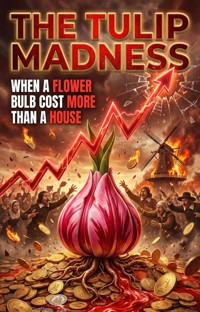
In the Dutch Golden Age of the 1630s, the Netherlands was the wealthiest nation on earth. Then, something strange happened. Rational merchants, nobles, and chimney sweeps alike began to trade frenzy for a specific type of infected tulip bulb. Prices skyrocketed until a single bulb of "Semper Augustus" was worth the price of a grand canal mansion in Amsterdam. "The Tulip Madness" explores the psychology of the first recorded speculative bubble in history. It details the mechanisms of the trade, which took place in tavern backrooms, and the "futures" contracts that allowed people to buy flowers that hadn't even bloomed yet. It analyzes the inevitable crash in February 1637, which wiped out fortunes overnight and left a nation holding worthless roots. This book is not just history; it is a mirror for our modern times. From the Dotcom bubble to Crypto and NFTs, the human greed and fear of missing out (FOMO) remain unchanged. By understanding the tulip, we can better spot the next mania before it bursts.
Sie lesen das E-Book in den Legimi-Apps auf:
Seitenzahl: 157
Veröffentlichungsjahr: 2026
Das E-Book (TTS) können Sie hören im Abo „Legimi Premium” in Legimi-Apps auf:
Ähnliche


















Table of Contents
Chapter 1: The Birth of a Mania
The Golden Era of the Netherlands
The Allure of Tulips
Speculative Investment
The Impact of Social Influence
Chapter 2: The Flower of Wealth
The Arrival of Tulips in Europe
The Evolution of Tulips in Dutch Society
The Tulip as an Investment
The Impact of Tulip Trading on Dutch Economy
Chapter 3: Mechanisms of Trade
The Origins of Tulip Trading
The Role of Futures Contracts
The Trading Locations
Impact of Social Dynamics
Chapter 4: The Psychology of Speculation
The Emotional Drivers of Speculation
The Role of Collectivism in Market Behavior
The Mechanics of Futures Contracts
The Aftermath: Reactions to the Crash
Chapter 5: A Culture of Speculation
The Landscape of Wealth in the 17th Century
Social Classes and Their Aspirations
The Psychology of FOMO
Futures Contracts and Speculative Trading
The Role of Information and Misinformation
Consequences of Speculation: Lessons Learned
Chapter 6: The Role of the Merchants
The Rise of the Merchant Class
Influential Merchants in the Tulip Trade
The Ethics of Speculation
The Legacy of Merchant Practices
Chapter 7: The Peak of Tulip Mania
The Rise of Prices
The Traders' Mindset
Notable Transactions
The Role of Merchants and Brokers
Chapter 8: The Crash of 1637
The Build-Up to Crisis
Signals of Concern
The Panic Begins
The Chaos of Market Collapse
Aftermath and Reflection
Chapter 9: Aftermath and Reflection
Immediate Economic Impact
Social Consequences
Changes in Investment Behavior
Historical Reflection
Chapter 10: Economic Theories and Models
Understanding Economic Bubbles
Crowds and Market Psychology
Economic Theories Behind Bubbles
Lessons from Tulip Mania
Chapter 11: Lessons from History
The Psychology of Speculation
Identifying the Signs of a Bubble
The Role of Futures Contracts
Lessons on Diversification
Chapter 12: The Tulip Mania and Modern Speculation
The Human Element of Speculation
Comparing Eras: Tulips to Technology
The Role of Futures and Contracts
Historical Lessons for Today’s Investors
Closing Reflections: Lessons Beyond the Tulip
Chapter 1: The Birth of a Mania
In the early 17th century, the Netherlands stood at the pinnacle of wealth and trade, a beacon of prosperity in Europe. This chapter explores the socio-economic backdrop of the Dutch Golden Age, highlighting how a combination of maritime dominance, colonial expansion, and innovative financial instruments set the stage for the unprecedented frenzy that would follow. We will lay the groundwork for understanding why the Dutch were willing to invest in something as seemingly trivial as tulip bulbs—a decision that would lead to one of the most extraordinary economic bubbles in history.
The Golden Era of the Netherlands
The Dutch Golden Age marked a period of incredible wealth and prosperity for the Netherlands in the early 17th century. This section looks at the factors that contributed to this economic boom and how they set the stage for the tulip mania that would follow.
1. A Hub of Trade
In the early 17th century, Amsterdam established itself as an indispensable hub of trade, drawing merchants, goods, and ideas from various corners of Europe and beyond. This was largely due to its strategic geographical position that allowed easy access to both the North Sea and the Rhine River, facilitating maritime commerce. The city’s advanced shipping industries, which included innovative ship design and robust navigation techniques, ensured that it could handle significant trade volumes.
The establishment of the Amsterdam Stock Exchange in 1602 further amplified its status as a trade center. Here, commodities, including exotic goods from the East Indies, were actively bought and sold. As trade flourished, the city attracted a diverse array of traders and entrepreneurs, creating a vibrant marketplace. This economic environment nurtured a culture of speculation, where even goods as ordinary as tulip bulbs could be seen as viable investments, laying the groundwork for the impending tulip mania.
2. Merchants and Maritime Power
The prowess of the Dutch East India Company (VOC), established in 1602, solidified the Netherlands' dominance in maritime trade during this era. The VOC's ability to monopolize trade routes and exploit overseas territories greatly enhanced the nation's wealth. As the company expanded its reach, it not only brought back lucrative commodities such as spices and silks but also increased the number of affluent merchants in the Netherlands.
These merchants often reinvested their profits back into the economy, creating an upward spiral of wealth generation. This accumulation of wealth among the trading class marked a shift in social dynamics, empowering a previously economically marginalized segment of society to engage in speculative activities, including the trading of tulip bulbs. This newfound financial clout contributed directly to the tulip mania, where even ordinary citizens felt encouraged to invest in what would become a sensational, risky market.
3. Wealth Distribution
Unlike many European countries at the time, the wealth in the Netherlands was notably more evenly distributed among different social classes. This relative equality enabled a broader segment of the population—ranging from nobles to common laborers—to engage in commerce and investment. The rise of a prosperous middle class played a crucial role in establishing a consumer culture that was hungry for luxury goods and novel investments.
This egalitarian wealth distribution fostered a community ripe for speculative investing, as even those without noble lineage had the means to participate in the burgeoning markets. The fascination with tulips, which represented both beauty and status, became a collective obsession, allowing people from all strata to invest in this seemingly trivial commodity. As more individuals became involved, the market began to escalate dramatically, driven by the desire not just for financial gain but also for social prestige.
4. A Flourishing Economy
The flourishing Dutch economy was significantly bolstered by innovative financial instruments that emerged during this period. Instruments such as shares in joint-stock companies and government bonds created new opportunities for investment, expanding beyond traditional trade goods. This innovative financial landscape encouraged individuals to seek out novel ventures, further igniting speculation.
With the ability to invest in forward contracts for tulip bulbs—transactions that allowed one to buy bulbs before they even bloomed—speculative trading reached unprecedented levels. This financial environment, characterized by enthusiasm for new opportunities and a forward-looking mindset, was crucial in cultivating the tulip mania. As traders and investors bet heavily on the increasing value of tulips, the economy, once thriving through traditional commerce, shifted towards a speculative frenzy, setting the stage for the dramatic bubble that followed.
The Allure of Tulips
Tulips were not just beautiful flowers; they became a symbol of status and wealth during the Dutch Golden Age. This section explores how tulips evolved from a curiosity to an object of desire.
1. Exotic Appeal
Tulips, originally introduced to Europe from the Ottoman Empire, quickly captivated the Dutch public. Their unique shapes and vibrant colors made them a novel curiosity, unmatched by any other flower of the time. The rarity of tulips in Europe added to their allure. This scarcity fueled a growing desire among the populace, leading many to view them as treasures rather than mere plants.
The exotic origins of tulips seemed to cast a spell over the Dutch, who associated them with the sophistication and culture of far-off lands. As these flowers became symbols of luxury and refinement, their appeal expanded beyond just horticulture enthusiasts. Soon, they became entangled with the ideas of opulence and status, triggering a collective obsession that bordered on the irrational.
2. Status Symbol
As tulips gained popularity, they transcended their role as simple garden plants to become powerful markers of social status. Owning a collection of rare tulip bulbs became an important social cue among the wealthy and elite. The more exotic and unique the bulb, the more prestige it bestowed upon its owner.
This interplay between status and tulip ownership fostered a competitive environment where individuals engaged in increasingly extravagant purchases. The high prices commanded by rare specimens further entrenched tulips as the hallmark of wealth. This created a societal narrative where one's rank was reflected in the garden, establishing tulips as the ultimate luxury item of the time.
3. The Role of Collectors
Collectors played a pivotal role in the burgeoning tulip market, driving up prices through their insatiable appetite for rare varieties. These enthusiasts were willing to pay exorbitant amounts for bulbs featuring extraordinary colors and unique patterns, often without regard for the investment risks involved.
The enthusiasm of collectors not only inflated tulip prices but also intensified speculation within the market. As more individuals sought to obtain the latest rare find, the valuation of tulips became increasingly detached from any inherent worth. This speculative frenzy created an unsustainable bubble, as the values continued to rise based solely on demand rather than tangible benefits.
4. Subculture of Enthusiasm
A vibrant subculture dedicated to tulips emerged throughout the Netherlands, fostering a collective enthusiasm that further stimulated demand. Social gatherings and events centered around the admiration of tulips became commonplace. Conversations about the latest varieties and prices filled the air in homes, marketplaces, and taverns alike.
This active community of tulip aficionados provided an essential foundation for speculation. The fervor surrounding tulip bulbs inspired individuals to invest heavily, turning flowers into coveted commodities. As excitement reached unprecedented levels, trading activities escalated, ultimately contributing to a reckless marketplace where prices surged beyond reason, setting the stage for an economic reckoning.
Speculative Investment
The idea of investing in tulips as if they were commodities was revolutionary for its time. In this section, we discuss how speculative investments in tulips pioneered new trading methods.
1. Futures Contracts
Futures contracts revolutionized the way traders engaged in the tulip market. These financial instruments allowed investors to enter into agreements to purchase tulip bulbs that had not yet been harvested. In essence, they were speculating on future prices, betting that the value of tulips would continue to rise long before the blooms appeared.
This practice created a speculative frenzy where traders were not just investing in tangible products but were instead engaging in a form of financial gambling. As these contracts proliferated, it fueled the perception that tulip bulbs were not ordinary flower bulbs but assets with ever-increasing worth. The allure of potential profits overshadowed practical concerns, leading many to enter this vibrant but volatile market without fully understanding the risks involved.
2. Tavern Trading
The social landscape of the 17th century played a crucial role in the tulip mania. Much trading occurred in taverns, the informal hubs of commerce and gossip where merchants and traders congregated. Within the smoky, crowded rooms, ambitious discussions about tulip prices filled the air, often leading to collective speculation that heightened interest in tulip bulbs.
This informal trading atmosphere fostered a sense of camaraderie, but it also bred an environment ripe for irrational exuberance. As news of soaring bulb prices spread through these taverns, merchants eagerly exchanged information and insights, blurring the lines between educated investment and mere speculation. The tavern culture thus became instrumental in accelerating the bubble, making the pursuit of tulip investments feel not only exciting but also socially validating.
3. Price Escalation
The tulip bubble witnessed astonishing price escalations driven by an influx of speculators eager to cash in on perceived opportunities. As more investors flooded the market, their collective enthusiasm led to inflationary pressures that saw prices soar far beyond the intrinsic value of the bulbs. For instance, a single "Semper Augustus" bulb was reported to fetch the price of an opulent canal house, a staggering example of price detachment from reality.
This hyperinflation of tulip prices exemplified classic speculative behavior—where market sentiment powered valuations rather than fundamentals. Traders increasingly relied on optimism and the opinions of their peers, fostering an unrealistic perspective on potential profits. Such phenomena are not unique to tulips; modern investors can observe similar dynamics in today’s financial markets, where sentiment often outweighs sound valuation principles.
4. Psychological Factors
The psychology of the investors played a pivotal role in the tulip mania narrative. Fear of missing out (FOMO) propelled many individuals into the tulip market as they sought the prestigious allure of wealth. As tales of rapid riches circulated, it ignited a frenzy where rational evaluations took a backseat to impulsive decisions driven by herd mentality.
This collective excitement created an echo chamber, where enthusiasts rallied each other to invest more, perpetuating the cycle of escalating prices. As rational assessments dulled, the emotional experience of participating in the tulip craze became a decisive motivator. Recognizing these psychological drivers is essential for contemporary entrepreneurs, as they mirror behaviors seen in recent speculative manias in technology and cryptocurrencies.
The Impact of Social Influence
Social dynamics played a crucial role in the tulip mania. This section investigates the influence of peer pressure and societal trends on investment behavior during this period.
1. Collective Enthusiasm
The tulip mania of the 17th century was not merely an economic event; it was a social phenomenon fueled by collective enthusiasm. As individuals observed neighbors and acquaintances reaping substantial profits from tulip trading, a contagious excitement spread across various layers of society. This enthusiasm was palpable in taverns and marketplaces, where discussions about tulip prices created an environment of optimism and speculation.
The rapid rise in tulip bulb prices sparked a sense of urgency, leading to a frenzy reminiscent of a gold rush. As one person shared their success story over a drink, others were inspired to jump on the bandwagon, often without fully understanding the market dynamics at play. This ripple effect of excitement, driven by word-of-mouth and social gatherings, turned tulip trading into a communal activity, fostering an environment where rational investment practices were overshadowed by collective fervor.
2. The Role of Speculator Stories
Throughout the tulip mania, captivating tales of fortune made by shrewd speculators played a pivotal role in driving public interest. News traveled swiftly, with stories of individuals who transformed modest investments into life-changing wealth becoming legendary. These narratives not only intrigued ordinary citizens but also incited a strong desire to partake in the tulip market, prompting many to invest without fully understanding the risks involved.
This phenomenon illustrates how storytelling can influence financial behavior, as potential investors looked to mimic the successes of others. The allure of quick profits and the fear of missing out (FOMO) created a potent cocktail that spurred countless individuals into action, often leading them to make impulsive financial decisions based on the tales recounted by their peers. Such dynamics highlight how social narratives can significantly sway investment trends, regardless of an asset's intrinsic value.
3. Scarcity Mentality
The tulip market thrived on the perception of scarcity, which significantly drove speculative behavior among buyers. Investors believed that tulip bulbs were a rare commodity, leading to a heightened urgency to acquire them before they became unobtainable. This scarcity mentality created an irrational sense of exclusivity, convincing individuals that owning certain bulbs conferred status and wealth.
This behavior is reminiscent of modern investment bubbles, where perceived scarcity leads to inflated valuations. As more people rushed to buy, the resulting demand only fed the hype, driving prices even higher. The belief that prices could never fall once established further entrenched this mentality, leading many to invest heavily in bulbs at unsustainable prices without considering the long-term implications of their purchases. Ultimately, this drove the market towards its inevitable collapse.
4. Influence of Social Classes
The tulip mania transcended social class boundaries, capturing the interest of both the wealthy elite and common laborers alike. Traditionally reserved for the affluent, speculative investments in rare goods began to appeal to various economic strata, marking a significant shift in investment culture. As laborers entered the tulip trading scene, their participation underscored the democratization of investment opportunities.
This influx of diverse investors not only intensified competition but also amalgamated various perspectives on value and risk. The involvement of the working class in tulip speculation illustrated how accessible financial opportunities can shape cultural dynamics around wealth and investment. However, the lack of financial literacy among these new investors often led to uninformed decisions, creating a volatile environment where fortunes were gained and lost in a matter of days. This pattern of wide participation is a vital lesson in understanding the broader implications of market behavior.
Chapter 2: The Flower of Wealth
Tulips arrived in Europe from the Ottoman Empire, quickly becoming a symbol of status and sophistication. This chapter describes how tulips transformed from exotic novelties into coveted commodities. By examining the cultural significance of tulips among the Dutch elite, we uncover how this flower became synonymous with wealth and prestige, paving the way for speculative trading.
The Arrival of Tulips in Europe
Tulips were introduced to Europe from the Ottoman Empire in the late 16th century, quickly captivating the attention of the Dutch elite. This section explores the historical journey of tulips from exotic imports to symbols of wealth.
Imported Wonders
Tulips made their entrance into the Netherlands around 1593, swiftly captivating the Dutch elite. Initially, these flowers were viewed as exotic wonders, imported from the Ottoman Empire, and were celebrated for their unique beauty and vibrant colors. Their striking appearance set them apart from other garden varieties, thus igniting fascination among botanists and aristocrats alike.
As these flowers caught on, they began to symbolize exclusivity, which was crucial during a time when demonstrating wealth was paramount in Dutch society. Each bulb became a precious commodity, traded for high prices due to its rarity and the meticulous care required to cultivate them. The allure of tulips was not merely in their appearance but also in the story they told about the owner’s sophistication and status. This initial admiration laid the groundwork for the fervent trading culture that followed, ultimately transforming tulips into a sought-after asset.
Cultural Significance
Tulips transcended their role as mere flowers to become enduring symbols of status and beauty in Dutch culture. For the wealthy, owning tulips signified not only affluence but also a refined taste. Gardens adorned with these vibrant blooms were often viewed as extensions of one’s social standing, reflecting an individual's wealth and cultural sophistication.
Events and gatherings often featured tulips prominently, with the flowers being showcased ostentatiously. The act of gifting bulbs became a fashionable gesture among the elite, further entrenching tulips within social dynamics. As a result, tulips evolved beyond horticultural admiration to embody the essence of wealth, leading to a burgeoning market fueled by status-driven demand. This pervasive desire elevated tulips to objects of speculation and investment, creating a dynamic where beauty and prestige intertwined with financial aspirations.
Botanical Curiosity
The arrival of tulips sparked a wave of botanical curiosity that captivated both scientists and aristocrats in the Netherlands. Enthusiasts delved into the science of gardening, igniting interests in hybridization and cultivation techniques to produce even more striking varieties. This period witnessed a fertile exchange of ideas and practices, as the desire to create unique blooms became an obsession.




