


3,99 €
Mehr erfahren.
- Herausgeber: Xspurts
- Kategorie: Lebensstil
- Sprache: Englisch
Das E-Book können Sie in Legimi-Apps oder einer beliebigen App lesen, die das folgende Format unterstützen:
Veröffentlichungsjahr: 2025
Ähnliche


















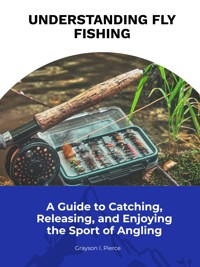
Understanding Fly Fishing
A Guide to Catching, Releasing, and Enjoying the Sport of Angling
Grayson I. Pierce
Created by Xspurts.com
All rights reserved.
Copyright © 2005 onwards .
By reading this book, you agree to the below Terms and Conditions.
Xspurts.com retains all rights to these products.
No part of this book may be reproduced in any form, by photostat, microfilm, xerography, or any other means, or incorporated into any information retrieval system, electronic or mechanical, without the written permission of Xspurts.com; exceptions are made for brief excerpts used in published reviews.
This publication is designed to provide accurate and authoritative information with regard to the subject matter covered but is for entertainment purposes only. It is sold with the understanding that the publisher is not engaged in rendering legal, accounting, health, relationship or any other professional / personal advice. If legal advice or other expert assistance is required, the services of a competent professional should be sought.
While the publisher and author have used their best efforts in preparing this book, they make no representations or warranties with respect to the accuracy or completeness of the contents of this book and specifically disclaim any implied warranties of merchantability or fitness for a particular purpose. No warranty may be created or extended by sales representatives or written sales materials. The advice and strategies contained herein may not be suitable for your situation. You should consult with a professional when appropriate. Neither the publisher nor the author shall be liable for any loss of profit or any other commercial damages, including but not limited to special, incidental, consequential, personal, or other damages.
A New Zealand Designed Product
Get A Free Book At: https://free.xspurts.com
Other Versions Available
Why limit yourself to just one format?
This book is now available in physical, digital, and audiobook options.
Choose the way you love to read and dive into the story today. You won’t regret it!
Digital ISBN: 9781776848263Physical ISBN: 9781776847174Audio ISBN:
To obtain a different format of this book at a discounted price, please get in touch with us at:
http://isbn.xspurts.com/
Contents
Introduction to Fly Fishing: The Basics and Beyond
In this section, I’ll walk you through some essential knowledge and techniques that will help you master the art of fly fishing. This guide is designed to be approachable and easy to follow, so you can fully enjoy the experience of fly fishing. Along the way, I’ll share practical advice and insights drawn from my own journey, so you can better understand how each element fits into the overall sport of fly fishing. Whether you're looking to improve your skills, discover new techniques, or simply enhance your appreciation for the sport, this section will give you the tools to move forward with confidence. Let's dive in and make sure you're fully prepared for your next adventure on the water.
Fly fishing is one of the most captivating and rewarding outdoor activities. Unlike conventional fishing, where you simply drop a hook and wait for a bite, fly fishing uses artificial flies—lightweight lures designed to imitate insects or small fish—to entice fish to strike. The beauty of fly fishing lies not just in the catch, but in the challenge and the deep connection with nature that comes with it. Whether you’re casting your line into a tranquil stream or braving the tides in saltwater, fly fishing offers a unique thrill that can't be matched.
The History and Origins of Fly Fishing
Fly fishing is steeped in history, dating back centuries to ancient civilizations. The practice can be traced as far back as 200 AD, where it was documented in Roman times. However, it wasn’t until the 17th century in England that fly fishing evolved into the form we recognize today. The sport has grown over time, crossing borders and oceans, evolving with advancements in tackle and techniques. Understanding this rich history will help you appreciate the depth of tradition that surrounds the sport and give you a greater sense of respect for the craft.
Why Fly Fishing? The Appeal of the Sport
So, why fly fishing? What makes it different from other forms of fishing? For many, the appeal lies in its complexity and elegance. Fly fishing isn’t just about the act of catching fish—it’s about the process, the precision, and the skill involved. There’s a meditative quality to the rhythm of the cast, the gentle flow of the water, and the quiet patience required. For others, it’s the challenge of mastering different casting techniques, choosing the right flies, and outwitting the fish.
Moreover, fly fishing immerses you in nature like no other activity. It requires you to observe the environment closely—understanding the water’s movement, the fish’s behavior, and the surrounding ecosystem. This makes fly fishing an incredibly rewarding pursuit for those who enjoy a more intimate connection with their surroundings.
The Basics of Fly Fishing Gear
To get started, you’ll need some basic gear: a rod, reel, fly line, leader, tippet, and flies. While there are many specialized pieces of equipment available, focusing on the essentials will set you up for success. The fly rod is longer and more flexible than typical fishing rods, allowing for precision casting. A reel holds your line, while fly lines are specifically designed to handle the weight and delicacy of flies. Leaders and tippets are the thin lines that connect the fly to the heavier fly line, helping maintain stealth in the water.
The key to choosing your gear is understanding your fishing environment. A rod that works well in a mountain stream might not be suitable for casting in saltwater. As you advance in your fly fishing journey, you can explore different types of rods, reels, and flies to fit your needs.
Basic Casting Techniques
Casting is arguably the most crucial skill in fly fishing. Unlike traditional fishing, where you might cast with weighty lures or bait, fly casting involves throwing a lightweight fly with precision. The most basic cast is the overhead cast, which consists of flicking the rod upwards and then sending the line forward in a controlled motion. Practice is key, as you’ll need to master timing, line control, and the proper angles. Once you’re comfortable with basic casting, you can start experimenting with other techniques, such as the roll cast, side cast, and even the double haul for longer distances.
Each of these techniques is used depending on the environment or the situation. For example, when fishing in tight spaces, the roll cast is invaluable, as it lets you cast without needing much backcasting room. Understanding when and how to use these techniques is a big part of what makes fly fishing so dynamic.
The Importance of Observation
Fly fishing is more than just a physical skill—it’s about developing an acute awareness of your surroundings. As you become more experienced, you’ll learn how to read the water. Fish are constantly moving, feeding, and hiding in different places based on the time of day, the weather, and the water’s flow. Observation is key to knowing where and when to cast your fly.
A good angler doesn’t just cast blindly. Instead, they study the water, paying attention to things like ripples on the surface, the behavior of insects, or fish rising for food. Once you get good at reading the water, you’ll notice patterns—where fish like to hide during different weather conditions, or which areas are more active at different times of day. This knowledge will help you make better decisions on where and when to fish.
Fly Fishing as a Sport
Fly fishing is also an exciting sport, where success relies on both skill and strategy. The act of casting itself can be likened to a form of archery—requiring precision, timing, and a certain finesse. When a fish strikes, there’s a rush of adrenaline, and the real challenge begins. Unlike conventional fishing, where the fish might fight for a few moments before being reeled in, fly fishing often involves a more prolonged struggle. The fish you’re targeting, particularly in freshwater streams, can be elusive and quick, requiring a level of persistence and skill to land.
One of the great joys of fly fishing is the variety of techniques you can use. From dry fly fishing, where the fly sits on the surface, to nymph fishing, where you cast flies that sink below the water, the versatility of methods keeps things interesting. And let’s not forget about streamer fishing, which is an entirely different style focused on larger fish. Every new technique you learn adds layers of depth to the experience.
Conclusion
Fly fishing is more than just a hobby—it’s a lifelong pursuit that encourages continual learning, self-improvement, and a deeper connection with the natural world. By understanding the history, mastering the gear, practicing your casting, and developing an eye for observation, you’re setting the stage for countless rewarding moments on the water. As you progress, the challenges and rewards of fly fishing will continue to evolve, offering a unique blend of relaxation, excitement, and accomplishment. Fly fishing isn’t just about the catch—it’s about the journey, and there’s always something new to discover.
History and Origins of Fly Fishing
In this section, I’ll walk you through some essential knowledge and techniques that will help you understand the rich history and origins of fly fishing. This guide is designed to be approachable and easy to follow, so you can fully appreciate the roots of the sport. Along the way, I’ll share practical insights and stories that highlight how fly fishing has evolved over time, and how its history connects to the practices you’ll use on the water today. Whether you're looking to deepen your appreciation for the sport, or understand how it came to be what it is now, this section will give you the context you need to move forward with confidence. Let’s dive in and explore the fascinating origins of fly fishing.
Ancient Beginnings: Early Traces of Fly Fishing
Fly fishing’s roots stretch far back in history, tracing its origins to ancient civilizations. The earliest known written accounts of fly fishing date back to the Roman Empire, where Roman author and naturalist Aelian described fishing with artificial flies in his work "On the Nature of Animals" around 200 AD. In these early records, Aelian mentions a technique in which anglers used specially crafted hooks adorned with feathers to attract fish, particularly in the fast-flowing waters of Macedonia. This provides the first documented evidence of fly fishing, although it’s likely that similar methods were being practiced even earlier, as humans sought efficient ways to catch fish using simple tools.
While the Roman methods were rudimentary by today’s standards, they set the foundation for future developments in fly fishing techniques. The concept of using imitative lures to trick fish has been present since ancient times and has evolved as societies advanced in their understanding of fishing and materials.
The Middle Ages: Fly Fishing Takes Shape
As centuries passed, fly fishing continued to evolve, particularly in Europe. By the Middle Ages, the use of artificial flies became more refined, particularly in the British Isles. In the 14th century, medieval monks in northern England were known to craft elaborate hooks and flies designed to imitate the insects that fish fed on, further solidifying the connection between fishing and the natural world.
The first detailed instructions for fly fishing came from the famous Englishman, Dame Juliana Berners, in the 15th century. She authored "The Treatyse of Fysshynge with an Angle," a pioneering text that included instructions on how to catch fish using artificial flies. This work is often credited as one of the first comprehensive guides to fly fishing, providing readers with guidance on the necessary equipment, casting techniques, and flies to use. In her book, Berners introduced key concepts like matching the hatch—the practice of choosing flies that resemble the local insects on which the fish are feeding—an idea that remains crucial to fly fishing today.
The Golden Age of Fly Fishing: 17th and 18th Centuries
The 17th and 18th centuries marked what many consider the "Golden Age" of fly fishing, especially in England. During this time, fly fishing became a popular pastime for the upper class, and many of the techniques and equipment we use today were developed. The advent of the first commercially available fishing rods and reels helped further popularize the sport.
One of the key figures in the development of fly fishing during this period was Izaak Walton, an English writer and fisherman best known for his book The Compleat Angler, first published in 1653. Walton’s work not only celebrated the joy of fishing but also promoted fly fishing as an art form. His writings emphasized the connection between man, nature, and the meditative aspects of the sport, which helped elevate fly fishing from a basic necessity to a respected and enjoyable pastime. Walton’s influence on the sport cannot be overstated; his work helped lay the groundwork for future anglers to approach fly fishing as both a skill and a form of recreation.
As the 18th century progressed, fly fishing techniques became more specialized, and anglers began to experiment with different fly designs and materials. This was a time of innovation, where intricate hand-tied flies became the norm, and rod designs were refined to enhance casting distance and precision.
Fly Fishing Across the Pond: The American Evolution
By the 19th century, fly fishing had made its way across the Atlantic to the United States. Early American fly fishermen adapted European methods to the North American environment, fishing in the abundant rivers and streams of the Appalachian and Rocky Mountains. The introduction of new fish species in the U.S., including the native trout species, led to further innovations in fly fishing gear and techniques.
The most notable contribution to fly fishing in the U.S. during this period was the development of the American-style dry fly fishing technique. While European anglers had long used wet flies that sink beneath the surface, American anglers focused on imitating insects that remained on the surface, such as mayflies. This marked the beginning of a key distinction in the types of fly fishing practiced in both the U.S. and Europe. The famous "Catskill School" of fly fishing in New York became particularly influential, with anglers like Theodore Gordon helping to pioneer modern dry fly fishing techniques in the early 20th century.
The Rise of Fly Fishing as a Global Sport
The 20th century saw fly fishing spread globally, with anglers from around the world adopting the sport and contributing their unique techniques. As the sport grew, so too did the advances in technology and materials. The development of lighter, stronger rods made it easier for fly fishermen to cast longer distances and fish in a wider variety of environments. Reels evolved to become more efficient and durable, allowing anglers to fight larger fish with greater control. Fly lines became more specialized, offering greater flexibility and precision when casting.
In the latter half of the century, fly fishing saw an explosion in popularity thanks to the rise of organized competitions, the growth of fishing tourism, and the media coverage of expert anglers. Films, books, and documentaries helped share the joys of fly fishing with a broader audience, sparking interest in the sport across all demographics.
Fly Fishing Today
Today, fly fishing continues to be a dynamic and evolving sport. Modern technology, including synthetic materials for flies and rods, has made the sport more accessible and enjoyable than ever before. While many anglers still honor the traditional methods passed down through the centuries, others continue to experiment with new techniques and innovations.
Fly fishing has transformed from a simple method of survival into a cherished pastime, rich in history and tradition. As we cast our lines into rivers and streams, it’s important to remember the long and storied past of the sport that has shaped the way we fish today. Each cast is not just an attempt to catch fish but also a nod to the generations of anglers who have come before us.
From its ancient origins to its modern-day revival, the history of fly fishing is as rich and varied as the waters it traverses. Understanding its roots allows us to better appreciate the art of fly fishing and the connection it creates between us and the natural world.
Why Fly Fishing? The Appeal of the Sport
In this section, I’ll walk you through some essential knowledge and techniques that will help you understand why fly fishing is such a beloved sport around the world. This guide is designed to be approachable and easy to follow, so you can fully enjoy the experience of fly fishing. Along the way, I’ll share practical advice and insights drawn from my own journey, so you can better understand how each element fits into the overall sport of fly fishing. Whether you're looking to improve your skills, discover new techniques, or simply enhance your appreciation for the sport, this section will give you the tools to move forward with confidence. Let’s dive in and explore what makes fly fishing so unique and why it holds such widespread appeal.
The Challenge and Skill of the Sport
One of the main reasons fly fishing is so captivating is the skill and precision required to succeed. Unlike other forms of fishing, where you might cast and wait for the fish to bite, fly fishing involves active participation from start to finish. The challenge of casting a fly delicately onto the water, mimicking the movements of insects, and anticipating the fish’s reaction all combine to make it an engaging and rewarding experience.
Learning to master the casting technique is one of the most exciting aspects of fly fishing. From the basic overhead cast to more advanced methods like the double haul or Spey cast, each cast provides a new opportunity to perfect your technique. The satisfaction of watching your fly land softly on the water, followed by the thrill of a fish striking, is unmatched. Fly fishing requires an understanding of the rhythm of the cast, the behavior of the fish, and the natural elements surrounding you, creating a challenge that continues to evolve as you gain experience.
A Connection with Nature
Another reason fly fishing has such widespread appeal is the deep connection it fosters with nature. Whether you’re standing in a pristine mountain stream or casting in a quiet bay along the coast, fly fishing places you right in the heart of nature. The sport encourages an appreciation for the environment, the creatures within it, and the delicate balance that sustains them. Fly fishing allows you to immerse yourself in the beauty of the outdoors, offering a sense of tranquility and peace that few other activities can match.
The experience of fly fishing is not just about catching fish; it’s about being present in the moment and embracing the natural world around you. The sound of rushing water, the feel of the rod in your hand, the sight of an eagle soaring overhead, or the ripple of a fish breaking the surface—all of these sensory elements come together to create an experience that transcends the act of fishing itself. The time spent on the water allows for introspection, connection, and mindfulness, which is why so many anglers return to it time and time again.
The Serenity and Meditative Nature of Fly Fishing
For many, fly fishing offers a form of escape from the hustle and bustle of daily life. It provides an opportunity to slow down, clear the mind, and focus on something other than the stresses of work or personal life. The meditative qualities of fly fishing are what draw many people to the sport. The repetitive motion of casting, the focus required to observe the water, and the time spent in solitude all contribute to a sense of calm and relaxation.
This peaceful nature is also one of the reasons fly fishing is often described as a "lifetime sport." It’s something that can be enjoyed at any age, and over time, the rhythm and flow of the sport become increasingly ingrained in the angler's life. The patience required to be successful at fly fishing teaches valuable lessons in persistence, discipline, and the importance of timing—skills that transcend the water and can be applied in many aspects of life.
The Joy of Problem Solving
Fly fishing is also deeply satisfying because it requires constant problem-solving. Every fishing trip presents new challenges: the fish may not be biting, the weather may change, or you may need to adapt to unfamiliar waters. These challenges keep things interesting and provide the opportunity for growth. Overcoming obstacles—whether it’s figuring out which fly pattern to use, adjusting your casting technique, or learning how to read the water—adds layers of excitement and fulfillment to the experience.
As you become more experienced, fly fishing becomes less about simply catching fish and more about fine-tuning your skills and understanding the intricate dance between yourself, the fish, and the environment. It’s a dynamic experience that encourages constant learning, which is part of what makes fly fishing so appealing for those who love a challenge.
The Sense of Achievement and Reward
The reward in fly fishing is not always immediate. In fact, it often takes time and patience to see results. However, that’s exactly what makes the moments of success so rewarding. Whether you land your first fish on a dry fly or have an entire day where everything falls into place—each success feels earned and meaningful. The sense of achievement that comes with catching fish through your own skill and technique is unparalleled.
Catching a fish on a fly that you tied yourself, or on a casting technique that you’ve perfected, brings a deeper level of satisfaction than simply reeling in a fish on a conventional hook. There’s a certain artistry involved in fly fishing, and this creative aspect of the sport adds another dimension to its appeal. You’re not just an angler; you’re an artist, working with nature to create a beautiful experience.
A Lifetime Sport for All Ages
Fly fishing is a sport that can be enjoyed by people of all ages, and it can be tailored to suit any skill level. For young beginners, it offers an excellent opportunity to learn patience, coordination, and respect for nature. For older anglers, it provides a chance to stay active while enjoying the great outdoors. The simplicity of fly fishing means that it doesn’t require extensive gear or complicated techniques to get started, but as you grow in the sport, there are always new challenges and experiences to explore.
Whether you’re fishing for relaxation, sport, or the challenge, fly fishing offers something for everyone. Its blend of artistry, problem-solving, connection with nature, and the joy of success makes it one of the most rewarding activities you can experience. As you continue to cast your line, you’ll discover that the appeal of fly fishing goes far beyond just catching fish—it’s about embracing the journey, and that journey has the power to enrich your life in unexpected ways.
Different Types of Fly Fishing: Freshwater vs. Saltwater
In this section, I’ll walk you through some essential knowledge and techniques that will help you master the differences between freshwater and saltwater fly fishing. This guide is designed to be approachable and easy to follow, so you can fully enjoy the experience of fly fishing in different environments. Along the way, I’ll share practical advice and insights drawn from my own journey, so you can better understand how each environment affects your fishing approach. Whether you're looking to improve your skills, discover new techniques, or simply enhance your appreciation for the sport, this section will give you the tools to move forward with confidence. Let’s dive in and make sure you're fully prepared for your next adventure on the water.
Freshwater Fly Fishing: A World of Tranquility and Precision
Freshwater fly fishing offers a peaceful and intricate fishing experience that is deeply rooted in the art of patience, precision, and observation. When fishing in freshwater, such as streams, rivers, and lakes, you’ll encounter a wide range of species, including trout, bass, and panfish. Each type of waterbody offers unique challenges, and your ability to read the water and adjust your techniques accordingly can make all the difference in your success.
The first thing to understand about freshwater fishing is the importance of subtlety and finesse. Because the waters are often clearer than saltwater, fish can be more easily spooked, which means your casting and presentation need to be as delicate as possible. Dry fly fishing, where you mimic insects floating on the water’s surface, is especially popular in freshwater fishing. Nymphing, or fishing with flies that sink below the surface, is another common and highly effective technique, as many freshwater fish feed beneath the waterline.
Casting in freshwater requires an understanding of the structure of the water—whether you’re casting in a still lake, a fast-flowing stream, or a deep river. Rivers and streams often have varying currents and eddies where fish like to hide. By studying the flow of the water, you’ll be able to anticipate where the fish will likely be feeding, increasing your chances of landing a catch. Trout, for instance, are often found near rocks, logs, and deeper pools where they can rest while still having easy access to their food source.
In freshwater fishing, attention to detail is key. Using the right flies for the season and local hatches is crucial. Matching the hatch—using flies that resemble the insects currently abundant in the water—is one of the foundational principles of successful fly fishing. Knowing the exact moment to use a particular fly pattern can mean the difference between a full day of casting and reeling and an empty hook.
Saltwater Fly Fishing: The Thrill of the Ocean’s Giants
Saltwater fly fishing, on the other hand, is an entirely different experience. The stakes are often higher, and the conditions are more challenging. Whether you're fishing along the coast, in estuaries, or in the open ocean, saltwater fly fishing requires different techniques, gear, and an entirely different mindset compared to freshwater fishing.
The primary difference between freshwater and saltwater fly fishing is the size and strength of the fish. Saltwater species, such as bonefish, tarpon, and permit, are typically larger, more aggressive, and require much heavier gear. The power of a saltwater fish can be immense, and the fight is often far more intense than in freshwater. This means that you’ll need a stronger rod, reel, and heavier fly line to handle the weight and speed of the fish. The need for durable equipment and a solid drag system becomes critical when you’re fishing for big saltwater species.
Casting in saltwater presents its own set of challenges. The winds are often stronger, and the fish are frequently found in wide open areas, rather than tucked away in sheltered pockets of freshwater. Because saltwater fish are typically more spread out and often at greater distances from shore, you need to master casting longer distances. Techniques like the double haul, which helps you generate more speed and power for a longer cast, are essential.
The saltwater environment also requires a different approach to reading the water. Instead of looking for structure like rocks and logs, in saltwater, you’ll focus on submerged sandbars, tidal flats, and drop-offs where fish are most likely to congregate. For example, bonefish are known to frequent the shallow flats at low tide, while tarpon are often found in deeper waters. Understanding the tides and currents is essential in saltwater fly fishing; they greatly affect where the fish will be and when they will be most active. Timing your fishing with the tide can be crucial to a successful day.
Fly patterns in saltwater are typically larger and more robust to attract the attention of bigger fish. Streamers, such as those mimicking baitfish or shrimp, are commonly used in saltwater fly fishing to entice predatory fish. The presentation of these flies also differs. While freshwater anglers may need to be delicate in their presentations, saltwater fly fishing often requires a more aggressive and dynamic approach. A faster retrieve can be essential to imitate fleeing prey, which is something that predators like tarpon and permit often key in on.
Gear Differences Between Freshwater and Saltwater Fly Fishing
When switching between freshwater and saltwater fly fishing, gear differences play a significant role in your success. Freshwater rods tend to be lighter and more flexible, providing the necessary precision for casting delicate flies. Saltwater rods, by contrast, are heavier and designed to handle more power, especially when battling larger fish. Saltwater reels must have a stronger drag system, as well as corrosion-resistant materials to withstand the harsh, salty conditions.
Additionally, the lines used in saltwater fly fishing are typically thicker, stronger, and heavier than those used in freshwater. Saltwater fly lines are made to withstand the rougher environment and the large fish that inhabit the ocean. These lines also feature coatings that prevent damage from the sun and saltwater, which can degrade standard fly lines over time.
When it comes to flies, saltwater patterns are usually larger, heavier, and designed to sink faster, enabling them to be cast into deeper waters or against strong tides. In freshwater, flies are often smaller, designed to mimic insects like mayflies, caddis, or midges.
The Right Mindset for Freshwater vs. Saltwater Fly Fishing
Ultimately, the difference between freshwater and saltwater fly fishing boils down to the environment and the species you're targeting. Freshwater fishing is often about precision, subtlety, and patience, while saltwater fishing is about power, distance, and adaptability. Freshwater offers a quieter, more contemplative experience where you’re closely in tune with the water’s flow and the surrounding landscape. Saltwater fly fishing, on the other hand, is often more adventurous and dynamic, where you’re dealing with vast open waters, unpredictable conditions, and large, powerful fish.
Both types of fly fishing offer unique challenges and rewards. Whether you prefer the serenity and strategy of freshwater fishing or the excitement and thrill of saltwater angling, mastering the differences between the two can deepen your appreciation for the sport and broaden your fishing experiences. Understanding the techniques, gear, and mindset required for each will ensure that you're well-prepared for whatever waters you decide to fish in.
Getting Started with Fly Fishing: Essential Knowledge for Beginners
In this section, I’ll walk you through some essential knowledge and techniques that will help you get started with fly fishing. This guide is designed to be approachable and easy to follow, so you can fully enjoy the experience of fly fishing from the moment you pick up your rod. Along the way, I’ll share practical advice and insights drawn from my own journey, so you can better understand how each element fits into the overall sport of fly fishing. Whether you're looking to improve your skills, discover new techniques, or simply enhance your appreciation for the sport, this section will give you the tools to move forward with confidence. Let’s dive in and make sure you're fully prepared for your next adventure on the water.
Essential Gear for Beginners
The first step in getting started with fly fishing is gathering the right gear. Unlike traditional fishing, where basic rods and bait are sufficient, fly fishing involves specialized equipment that makes the experience more rewarding and effective. But don’t let the variety of gear intimidate you—getting started with the basics is easy.
The core of your fly fishing setup is the rod, reel, and line. As a beginner, a medium-weight rod (around 9 feet long) is an excellent choice. This versatile setup allows you to fish in a variety of environments, whether you're casting in a calm lake or a small stream. For reels, you'll want a reel that matches your rod’s weight. The reel serves as the control system for your line, allowing you to pull in fish without losing your catch. A basic fly reel should have a smooth drag system to ensure the fish doesn’t break your line.
Next, there’s the fly line. Fly lines come in various types and weights, but for beginners, a weight-forward floating line is usually the best choice. This type of line helps you cast with more ease and allows you to use a variety of flies in different fishing conditions. Your leader and tippet (the fine, clear line attached to the fly) are also crucial components. The leader helps your fly to float naturally on the water’s surface, while the tippet provides the flexibility and stealth required to avoid spooking fish.
Finally, don’t forget the flies. The best fly patterns for beginners are simple nymphs, dry flies, or even basic streamers. As you gain more experience, you’ll want to expand your fly collection, matching them to the local insects the fish are feeding on.
Fly Fishing Casting Techniques for Beginners
Casting is arguably the most important skill to master in fly fishing. The process of casting in fly fishing is different from regular fishing, as it involves a delicate, controlled delivery of the fly. As a beginner, you’ll want to start with the most basic cast—the overhead cast. This technique involves raising the rod above your head and then flicking it forward to send the fly line toward your target.
To perform the overhead cast, hold the rod with both hands—your dominant hand on the grip and the non-dominant hand about a foot further down the rod. Begin by pulling the rod back in a smooth motion, and once you reach about a 1 o’clock position, stop. This is the point where you’ll flick the rod forward with a fluid motion. The key is to be smooth and controlled, letting the weight of the fly line carry your fly to the water.
As you get more comfortable, try to practice in an open area where you can get a feel for the timing and rhythm. You can move on to advanced casting techniques, such as the roll cast, which is useful when you’re fishing in tight spaces, or the double haul, which will give you more distance and speed.
Understanding the Importance of Fly Selection
One of the most unique aspects of fly fishing is the need to choose the right fly for the environment you're fishing in. Fish are naturally attracted to specific types of prey, and matching your fly to these food sources can greatly increase your chances of a successful catch.
As a beginner, you’ll want to start with basic fly patterns, such as dry flies, nymphs, and streamers. Dry flies are meant to mimic insects that float on the surface of the water, while nymphs represent the underwater larvae that fish feed on. Streamers are larger flies meant to imitate small fish or baitfish. Each fly is designed to match a particular type of insect or prey found in the fishing environment.
To learn which flies to use, you need to understand what is called "matching the hatch." This means paying attention to the local insect life and using flies that closely resemble what the fish are eating at the time. Your best tool for this is observation—study the water around you, look for insects or small fish, and then pick a fly that matches the size and color of what’s present.
Where to Fish: Finding the Right Spot
When it comes to fly fishing, location is just as important as technique. Whether you’re fishing in freshwater or saltwater, reading the water is a skill that takes time to develop. However, even as a beginner, you can quickly learn to identify the best spots to fish by looking for certain indicators in the water.
In freshwater, look for areas with structure, such as submerged rocks, fallen trees, and deep pools. These are places where fish tend to gather, as they provide shelter and a consistent food supply. Fish often hold in the current near these structures, waiting for insects to drift by. You should cast your fly near these areas and let it drift naturally with the current. Pay attention to the way the water moves—slow-moving water, like pools and eddies, will often hold fish, while fast-moving areas like riffles are ideal for fishing with nymphs.
In saltwater, fish are often found near tidal flats, reefs, and drop-offs, where food sources are abundant. The key in saltwater fishing is understanding the tides and how they affect the movement of fish. Fish, such as bonefish and permit, often feed in shallow flats during low tide and move to deeper waters as the tide comes in. Timing your fishing trip with the tide is crucial for success.
Getting the Right Mindset for Your First Fishing Trip
Fly fishing can be as much about the journey as it is about the destination. As a beginner, it’s important to approach your first trips with patience and a willingness to learn. Don’t get discouraged if you don’t catch fish right away. Fly fishing requires practice and observation, and it’s common for new anglers to struggle at first. The key is to focus on the process—perfecting your casting, learning how to read the water, and understanding the relationship between fish and their food sources.
Remember, fly fishing is a sport of patience, persistence, and connection to nature. Enjoy the time you spend on the water, take in the sights and sounds of your surroundings, and let the process of learning become just as rewarding as catching your first fish.
With the right gear, techniques, and mindset, you’re well on your way to becoming a successful fly fisherman. The journey may take time, but with each cast, you'll gain new skills and experiences that will make the sport all the more enjoyable.
Essential Gear for Beginners: The Basics of Fly Fishing Equipment
In this section, I’ll walk you through some essential knowledge and techniques that will help you master the basics of fly fishing gear. This guide is designed to be approachable and easy to follow, so you can fully enjoy the experience of fly fishing right from the start. Along the way, I’ll share practical advice and insights drawn from my own journey, so you can better understand how each piece of equipment fits into the overall sport of fly fishing. Whether you're looking to improve your skills, discover new techniques, or simply enhance your appreciation for the sport, this section will give you the tools to move forward with confidence. Let’s dive in and make sure you're fully prepared for your next adventure on the water.
Fly Rod: Your Most Important Tool
The fly rod is your primary tool, and selecting the right one is crucial for getting started in fly fishing. For beginners, a 9-foot, medium-weight rod (usually rated 5 or 6 weight) is a great all-around option. This length offers versatility for fishing in both freshwater streams and still lakes, while the medium weight is perfect for handling a variety of fish species without being too heavy or unwieldy.
When you choose a rod, look for one made of lightweight materials such as graphite or fiberglass, which are durable and provide the flexibility needed for smooth casting. Your rod should feel balanced with your reel and line, allowing for fluid motion and control. As you advance in fly fishing, you may experiment with different rod lengths or weights to suit specific fishing environments or techniques, but for now, starting with a versatile, all-purpose rod will set you up for success.
Fly Reel: Control and Durability
The fly reel serves as the heart of your fly fishing setup, allowing you to manage the fly line while also playing fish once hooked. It’s important to select a reel that matches your rod’s weight and the type of fishing you plan to do. For beginners, a simple, mid-range reel with a smooth drag system is ideal. The drag system helps you control the line when a fish pulls, ensuring that you don’t lose your catch due to too much tension or too little resistance.
Reels come in different styles, but a single-action reel is often the best choice for those just starting out. This style is easy to use and doesn’t require complicated adjustments. It’s also important to choose a reel made from durable materials that will stand up to both freshwater and saltwater conditions. Many reels today are made from anodized aluminum or carbon fiber, which are both lightweight and resistant to corrosion.
As you get more experienced, you can explore higher-end reels with features like adjustable drags, sealed bearings, and larger capacities for handling bigger fish, but for now, focus on selecting a reliable, simple reel that suits your rod.
Fly Line: The Link Between You and Your Catch
Fly line is an essential part of your gear, as it is what connects the rod to the fly. The right fly line will help you cast accurately, control your fly's drift, and ultimately land fish. For beginners, a weight-forward floating line is usually the best choice. This type of line is easy to cast, floats well on the surface, and is versatile enough to handle most fishing situations.
Weight-forward floating lines are also great for dry fly fishing, where you want your fly to rest on the water's surface, or nymph fishing, where you want your fly to sink just beneath the surface. The line comes in different weights (measured in numbers), and the weight should match your rod. A 5-weight line, for example, is perfect for a 5-weight rod, while a 6-weight line works with a 6-weight rod. Your fly line’s weight helps balance your cast and gives you more control over the presentation of your fly.
There are other types of fly lines for specific techniques, such as sink-tip lines or full-sinking lines, but for beginners, the weight-forward floating line will serve most needs and provide a solid foundation for learning casting and fly presentation.
Leader and Tippet: Connecting Your Fly to the Line
The leader and tippet are the lines that connect your fly to your fly line. The leader is a thicker line, and the tippet is the thinner, clear section that attaches to the fly itself. The leader is designed to provide strength and durability, while the tippet is meant to be delicate and virtually invisible to fish. As a beginner, it’s important to choose the right leader and tippet for your fishing conditions.
For freshwater fishing, a 9- to 12-foot leader is standard, with the tippet usually ranging from 3X to 5X, depending on the size of the fish you're targeting. A thicker tippet is suitable for larger fish, while a thinner tippet is better for smaller fish. The leader should be long enough to allow your fly to drift naturally, but not so long that it becomes difficult to handle. You can easily replace the tippet when it gets worn out, while the leader can last longer with minimal wear.
The leader and tippet work together to ensure that your fly floats properly on the water and doesn’t spook fish. The right balance of length and strength ensures that you can fish in different conditions and with different types of flies.
Flies: Choosing the Right Pattern
Flies are the heart of fly fishing, and understanding which patterns to use is one of the most important aspects of the sport. There are three main types of flies: dry flies, nymphs, and streamers. Dry flies float on the surface, nymphs represent underwater larvae, and streamers imitate small fish or baitfish. As a beginner, it's wise to start with a basic selection of each type.
A small box with a variety of flies is all you need to get started. Popular patterns for beginners include the Adams dry fly, which imitates mayflies, and the Hare’s Ear nymph, which is effective for trout. Streamers like the Woolly Bugger can also be a great all-purpose choice. Your fly selection will depend on the type of water you’re fishing and what the fish are feeding on, but a simple selection of versatile flies is a great starting point. As you gain more experience, you’ll learn how to "match the hatch" by observing the insects and food sources in the area and choosing flies that closely resemble them.
Clothing and Accessories: Comfort and Practicality
While not technically part of your fishing setup, clothing and accessories play a key role in your fly fishing experience. Comfortable clothing is essential for long hours spent on the water, and choosing the right gear will ensure you stay dry, protected, and ready for anything. Start with a good pair of waders. Waders keep you dry when wading into streams, rivers, or lakes, and are essential for fly fishing in many environments. Make sure your waders fit well, as poor-fitting gear can make fishing uncomfortable.
A fishing vest or pack will help you stay organized, keeping your flies, tools, and other gear within easy reach. A hat and polarized sunglasses are important to protect your eyes from the sun and help reduce glare on the water, making it easier to spot fish.
Conclusion
Starting out in fly fishing doesn’t require an overwhelming amount of gear, but selecting the right equipment will ensure you have a successful and enjoyable experience. By investing in quality gear that’s well-suited to your needs as a beginner, you’ll set yourself up for success. From the rod and reel to the flies and accessories, each piece of equipment plays an important role in your fishing journey. As you become more experienced, you’ll fine-tune your gear choices, but with the right essentials in hand, you’ll be ready to take on any fishing challenge that comes your way.
Fly Rods, Reels, and Lines: Choosing the Right Equipment
In this section, I’ll walk you through some essential knowledge and techniques that will help you choose the right fly rod, reel, and line for your fishing adventures. This guide is designed to be approachable and easy to follow, so you can fully enjoy the experience of fly fishing. Along the way, I’ll share practical advice and insights drawn from my own journey, so you can better understand how each element fits into the overall sport of fly fishing. Whether you're looking to improve your skills, discover new techniques, or simply enhance your appreciation for the sport, this section will give you the tools to move forward with confidence. Let’s dive in and make sure you're fully prepared for your next adventure on the water.
Fly Rods: The Backbone of Your Setup
The fly rod is arguably the most important piece of equipment in your fly fishing setup. It’s your primary tool for casting and controlling the fly line, and selecting the right rod for your style and environment is essential for a successful fishing experience. When choosing a fly rod, there are a few key factors to consider: length, weight, action, and material.
Length: The length of the rod plays a significant role in how far you can cast, as well as the kind of waters you can fish. For beginners, a 9-foot rod is ideal because it strikes a balance between casting distance and ease of use. It’s versatile enough for most freshwater environments, including lakes, rivers, and streams. If you’re fishing in tighter spaces, a shorter rod (around 7 or 8 feet) may be more appropriate, as it allows for more accurate casts in confined areas. Conversely, longer rods, such as those reaching 10 feet or more, are useful for situations where you need greater casting distance or control.
Weight: Rod weight refers to how much the rod can handle in terms of fly line weight. The weight of the rod should match the fly line you’ll be using. For example, if you plan to use a 5-weight line, you’ll want a 5-weight rod. Rod weights typically range from 2-weight (light) to 12-weight (heavy), with 5- to 6-weight rods being ideal for beginners. These rods are perfect for most fish species and offer versatility in various conditions.
Action: The action of a fly rod refers to how flexible the rod is and where it bends during casting. Fast action rods bend mostly at the tip, providing more power and faster recovery, making them great for longer casts and larger fish. Medium-action rods are more forgiving, bending through the middle and offering a good mix of distance and accuracy. Slow-action rods bend throughout the length of the rod and are best for delicate presentations and close-range casting. For beginners, a medium-action rod is often the best choice because it’s more forgiving and versatile.
Material: Most modern fly rods are made from graphite, fiberglass, or a combination of both. Graphite rods are lightweight, sensitive, and strong, making them the go-to option for most fly fishers. Fiberglass rods, on the other hand, are slower and more forgiving, which can be advantageous for beginners or anglers looking for a more relaxed fishing experience. As you gain experience, you may experiment with different materials to suit your casting style and target species.
Fly Reels: Selecting the Right Reel for Your Needs
The fly reel may not play as prominent a role in the casting process as the rod, but it’s still essential to the overall experience. The reel serves to hold the fly line, manage line retrieval, and help control the fight when you hook a fish. When selecting a reel, it’s important to consider the size, weight, drag system, and material.
Size: Fly reels come in various sizes to match different rod weights. For a 5-weight rod, you’ll need a 5-weight reel. Reel size is designed to match the line capacity and balance of the rod. If the reel is too small, it may struggle to hold enough line for longer casts or larger fish, while a reel that is too large may be unwieldy and heavy. Beginners should choose a reel that matches their rod and line weight to maintain proper balance and function.
Drag System: The drag system on a reel is responsible for controlling the tension on the line when a fish pulls. A quality drag system will allow you to apply consistent resistance while preventing the line from breaking. There are two main types of drag systems: click-and-pawl and disc drag. Click-and-pawl systems are simpler and usually found in lower-end reels, providing an audible click when the fish pulls. Disc drag systems are more sophisticated and provide smoother, more consistent resistance, which is particularly important when fighting larger fish. For beginners, a disc drag system is a good choice as it offers more control and ease of use.




