


33,99 €
Mehr erfahren.
- Herausgeber: John Wiley & Sons
- Kategorie: Fachliteratur
- Serie: SAS Institute Inc
- Sprache: Englisch
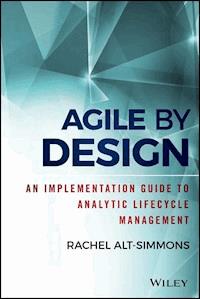
Achieve greater success by increasing the agility of analytics lifecycle management Agile by Design offers the insight you need to improve analytic lifecycle management while integrating the right analytics projects into different frameworks within your business. You will explore, in-depth, what analytics projects are and why they are set apart from traditional development initiatives. Beyond merely defining analytics projects, Agile by Design equips you with the information you need to apply agile methodologies in a way that tailors your approach to individual initiatives--and the needs of your projects and team. Lifecycle management is a complex subject area, and with the increasingly important integration of analytics into multiple facets of business models, understanding how to use agile tools while managing a product lifecycle is essential to maintaining a competitive edge in today's professional world. * Gain an understanding of the principles, processes, and practices associated with effective analytic lifecycle management * Discover techniques that will enable you to successfully initiate, plan, and execute analytic development projects with an eye for the opportunity to engage agile methodologies * Understand agile development frameworks * Identify which agile methodologies are best for different frameworks--and how to apply them throughout the analytic development lifecycle With analytics becoming increasingly important in today's business world, you need to understand and apply agile methodologies in order to meet rising standards of efficiency and effectiveness. Agile by Design is the perfect reference for project managers, CFOs, IT managers, and marketing managers who want to cultivate a relevant, forward-thinking lifecycle management style.
Sie lesen das E-Book in den Legimi-Apps auf:
Seitenzahl: 349
Veröffentlichungsjahr: 2015
Ähnliche



















Table of Contents
Title Page
Copyright
Introduction
Who Should Read this Book
What's Inside
The Companion Website
About the Author
Chapter 1: Adjusting to a Customer-Centric Landscape
It's a Whole New World
From Customer-Aware to Customer-Centric
Being Customer-Centric, Operationally Efficient, and Analytically Aware
Our Example in Motion
Enabling Innovation
Chapter 2: The Analytic Lifecycle
What Are Analytics, Anyway?
Analytics in Your Organization
Case Study Example
Beyond IT: The Business Analytic Value Chain
Analytic Delivery Lifecycle
Getting Started
Summary
Chapter 3: Getting Your Analytic Project off the Ground
A Day in the Life
Visioning
Facilitating Your Visioning Session
Think Like a Customer
Summary
Chapter 4: Project Justification and Prioritization
Organizational Value of Analytics
Analytic Demand Management Strategy
Results
Project Prioritization Criteria
Knowledge Acquisition Spikes
Summary
Chapter 5: Analytics—the Agile Way
Getting Started
Understanding Waterfall
The Heart of Agile
The Agile Manifesto/Declaration of Interdependence
Selecting the Right Methodology
Summary
Chapter 6: Analytic Planning Hierarchies
Analytic Project Example
Inputs into Planning Cycles
Release Planning
Analytic Release Plan
Summary
Chapter 7: Our Analytic Scrum Framework
Getting Started
The Scrum Framework
Sprint Planning
Sprint Execution
Daily Standup
How Do We Know When We're Done?
Sprint Review
Sprint Retrospective
Summary
Chapter 8: Analytic Scrum Roles and Responsibilities
Product Owner Description
Scrummaster Description
Analytic Development Team Description
Additional Roles
Summary
Chapter 9: Gathering Analytic User Stories
Overview
User Stories
Tools and Techniques
Invest in Good Stories
Epics
Summary
Chapter 10: Facilitating Your Story Workshop
Stakeholder Analysis
Managing Stakeholder Influence
Agile versus Traditional Stakeholder Management
The Story Workshop
Must-Answer Questions
Post-Workshop
Summary
Chapter 11: Collecting Knowledge Through Spikes
With Data, Well Begun Is Half Done
The Data Spike
Data Gathering
Visualization and Iterations
Defining Your Target Variable
Summary
Chapter 12: Shaping the Analytic Product Backlog
Creating Your Analytic Product Backlog
Going Deep
Product Backlog Grooming
Defining “Ready”
Managing Flow
Summary
Chapter 13: The Analytic Sprint: Planning and Execution
Committing the Team
The Players
Sprint Planning
Velocity
Task Definition
The Team's Definition of Done
Organizing Work
Sprint Zero
Sprint Execution
Summary
Chapter 14: The Analytic Sprint: Review and Retrospective
Sprint Review
Sprint Retrospective
Sprint Planning (Again)
Layering in Complexity
Summary
Chapter 15: Building in Quality and Simplicity
Quality Planning
Simple Design
Coding Standards
Refactoring
Collective Code Ownership
Technical Debt
Testing
Summary
Chapter 16: Collaboration and Communication
The Team Space
Things to Put in the Information Radiator
Analytic Velocity
Improving Velocity
The Kanban or Task Board
Considering an Agile Project Management Tool
Summary
Chapter 17: Business Implementation Planning
Are We Done Yet?
Analytic Release Planning
Model Review
Persona-Based Design
Summary
Chapter 18: Building Agility into Test-and-Learn Strategies
What Is Test-and-Learn?
Layering in Complexity
Incorporating Test-and-Learn into Your Model Deployment Strategy
Creating a Culture of Experimentation
Failing Fast and Frequently
Who Owns Testing?
Getting Started
Summary
Chapter 19: Operationalizing Your Model Deployment Strategy
Finding the Right Model
What Is an Operational Model Process?
Getting Your Data in Order
Determine Model Scoring Frequency
Model Performance Monitoring
Analytics—The Success to Plan For
Summary
Chapter 20: Analytic Ever After
Beginning Your Journey
Supporting the Analytic Team
The Importance of Agile Analytic Leadership
Finding a Pilot Project
Scaling Up
The End of the Beginning
Sources
Index
End User License Agreement
Pages
xiii
xiv
xv
xvi
xvii
xix
1
2
3
4
5
6
7
8
9
10
11
13
14
15
16
17
18
19
20
21
22
23
24
25
26
27
28
29
30
31
32
33
34
35
36
37
38
39
40
41
42
43
44
45
46
47
49
50
51
52
53
54
55
56
57
58
59
60
61
63
64
65
66
67
68
69
70
71
72
73
75
76
77
78
79
80
81
82
83
84
85
86
87
88
89
90
91
92
93
94
95
96
97
98
99
101
102
103
104
105
106
107
108
109
110
111
112
113
114
115
116
117
118
119
120
121
122
123
124
125
126
127
128
129
130
131
132
133
134
135
136
137
138
139
141
142
143
144
145
146
147
148
149
151
152
153
154
155
156
157
158
159
160
161
162
163
165
166
167
168
169
170
171
172
173
174
175
177
178
179
180
181
182
183
184
185
186
187
188
189
191
192
193
194
195
196
197
198
199
200
201
203
204
205
206
207
208
209
210
211
212
213
214
215
216
217
218
219
220
221
222
223
224
225
227
228
229
230
231
232
233
234
235
236
237
238
239
240
241
242
243
244
245
246
247
248
249
250
251
253
255
256
257
258
259
260
261
262
Guide
Cover
Table of Contents
Introduction
Begin Reading
List of Illustrations
Chapter 1: Adjusting to a Customer-Centric Landscape
Figure 1.1 The Customer-Centric Analytic Hub Linked to Business Strategy
Figure 1.2 Enterprise Decision Capabilities
Chapter 2: The Analytic Lifecycle
Figure 2.1 Analytic ROI Model
Figure 2.2 Analytic Lifecycle Challenges Identified in a Healthcare Organization
Figure 2.3 Analytic Value Chain
Figure 2.4 Analytic Delivery Lifecycle
Chapter 3: Getting Your Analytic Project off the Ground
Figure 3.1 The Customer-Centric Analytic Hub Visioning Considerations
Figure 3.2 Customer Journey Map
Chapter 4: Project Justification and Prioritization
Figure 4.1 Business as Partners
Figure 4.2 BI&A Demand Management Model
Figure 4.3 BI&A Implement New Processes
Figure 4.4 Project Justification Considerations
Chapter 5: Analytics—the Agile Way
Figure 5.1 Analytic Project Management Decision Considerations
Figure 5.2 Waterfall Development Process
Figure 5.3 Waterfall Analytic Development Process
Figure 5.4 The Team's Agile Framework
Chapter 6: Analytic Planning Hierarchies
Figure 6.1 Analytic Planning Considerations
Figure 6.2 Planning Horizon
Chapter 7: Our Analytic Scrum Framework
Figure 7.1 Analytic Scrum Framework Considerations
Figure 7.2 Sprints Aligned to Releases
Figure 7.3 Sprint Planning within a Sprint Cycle
Chapter 8: Analytic Scrum Roles and Responsibilities
Figure 8.1 Analytic Scrum Role and Responsibility Considerations
Figure 8.2 The Product Owner
Figure 8.3 The ScrumMaster
Figure 8.4 Development Team Attributes
Chapter 9: Gathering Analytic User Stories
Figure 9.1 Analytic User Story Considerations
Figure 9.2 The Card, the Conversation, and the Confirmation
Figure 9.3 Analytic User Story in Action
Chapter 10: Facilitating Your Story Workshop
Figure 10.1 Story Workshop Considerations
Figure 10.2 Stakeholder Analysis Considerations
Chapter 11: Collecting Knowledge Through Spikes
Figure 11.1 Data Knowledge Gathering Considerations
Figure 11.2 Common Data Subject Areas for Customer Analytics
Figure 11.3 Data Subject Areas “Whiteboard”
Figure 11.4 Data Dictionary Example
Chapter 12: Shaping the Analytic Product Backlog
Figure 12.1 Analytic Product Backlog Considerations
Figure 12.2 The Analytic Story Map
Figure 12.3 Analytic Story Backbone: Customer Analytic Program
Figure 12.4 The Product Backlog Evolves Over Time
Chapter 13: The Analytic Sprint: Planning and Execution
Figure 13.1 The Product Backlog Evolves over Time
Chapter 14: The Analytic Sprint: Review and Retrospective
Figure 14.1 Analytic Sprint Review and Retrospective Considerations
Chapter 15: Building in Quality and Simplicity
Figure 15.1 Quality Considerations
Figure 15.2 Analytic Cause-and-Effect Diagram
Figure 15.3 Technical Debt Quadrant
Chapter 16: Collaboration and Communication
Figure 16.1 Collaboration and Communication Considerations
Figure 16.2 The Team Space
Figure 16.3 Analytic Sprint Burndown Chart
Figure 16.4 Analytic Kanban Board
Chapter 17: Business Implementation Planning
Figure 17.1 Business Implementation Planning Considerations
Figure 17.2 Analytic Release Presentation
Figure 17.3 ADP Customer Segments
Figure 17.4 ABP Customer Persona for Segment One
Figure 17.5 Banking Case Study Customer Lifestages and Needs
Chapter 18: Building Agility into Test-and-Learn Strategies
Figure 18.1 Agility Test and Learn Considerations
Chapter 19: Operationalizing Your Model Deployment Strategy
Figure 19.1 Operationalized Model Deployment Considerations
Figure 19.2 Example ROC Curve
Figure 19.3 Insurance Claims Process—Operational Model
Figure 19.4 Designing a Conceptual Business Workflow
List of Tables
Chapter 3: Getting Your Analytic Project off the Ground
Table 3.1 Vision Statement Template
Table 3.2 Vision Statement
Chapter 5: Analytics—the Agile Way
Table 5.1 Agile Analytic Values
Chapter 6: Analytic Planning Hierarchies
Table 6.1 Analytic Release Plan
Chapter 9: Gathering Analytic User Stories
Table 9.1 Invest Attributes for Analytics
Chapter 10: Facilitating Your Story Workshop
Table 10.1 Capturing Initial Hypotheses
Table 10.2 Hypothesis-Data Matrix
Chapter 12: Shaping the Analytic Product Backlog
Table 12.1 Analytic Product Backlog Items
Chapter 13: The Analytic Sprint: Planning and Execution
Table 13.1 The Players
Table 13.2 Analytic Sprint Tasks
Chapter 14: The Analytic Sprint: Review and Retrospective
Table 14.1 Analytic Team Retrospective Example
Table 14.2 Analytic Data Stories
Chapter 19: Operationalizing Your Model Deployment Strategy
Table 19.1 Example Lift Chart
Chapter 20: Analytic Ever After
Table 20.1 Questions to Ask When Deciding Whether to Be Analytically Agile
Wiley & SAS Business Series
The Wiley & SAS Business Series presents books that help senior-level managers with their critical management decisions.
Titles in the Wiley & SAS Business Series include:
Lesen Sie weiter in der vollständigen Ausgabe!
Lesen Sie weiter in der vollständigen Ausgabe!
Lesen Sie weiter in der vollständigen Ausgabe!
Lesen Sie weiter in der vollständigen Ausgabe!
Lesen Sie weiter in der vollständigen Ausgabe!
Lesen Sie weiter in der vollständigen Ausgabe!
Lesen Sie weiter in der vollständigen Ausgabe!
Lesen Sie weiter in der vollständigen Ausgabe!
Lesen Sie weiter in der vollständigen Ausgabe!
Lesen Sie weiter in der vollständigen Ausgabe!
Lesen Sie weiter in der vollständigen Ausgabe!
Lesen Sie weiter in der vollständigen Ausgabe!
Lesen Sie weiter in der vollständigen Ausgabe!
Lesen Sie weiter in der vollständigen Ausgabe!
Lesen Sie weiter in der vollständigen Ausgabe!
Lesen Sie weiter in der vollständigen Ausgabe!
Lesen Sie weiter in der vollständigen Ausgabe!
Lesen Sie weiter in der vollständigen Ausgabe!
Lesen Sie weiter in der vollständigen Ausgabe!
Lesen Sie weiter in der vollständigen Ausgabe!
Lesen Sie weiter in der vollständigen Ausgabe!
Lesen Sie weiter in der vollständigen Ausgabe!
Lesen Sie weiter in der vollständigen Ausgabe!
Lesen Sie weiter in der vollständigen Ausgabe!
Lesen Sie weiter in der vollständigen Ausgabe!
Lesen Sie weiter in der vollständigen Ausgabe!
Lesen Sie weiter in der vollständigen Ausgabe!




