


65,99 €
Mehr erfahren.
- Herausgeber: John Wiley & Sons
- Kategorie: Fachliteratur
- Sprache: Englisch
The traditional agents for controlling the levels of glucose in the blood remain important therapies but they have their downside from the point of view of tolerability and side effects. Moreover, they appear not to be able to counter the natural history deterioration of the disease in terms of the onset of diabetic-related complications.
Recent years have seen an influx of new treatment therapies and technologies aimed at achieving better glycaemic control for diabetic patients such as liraglutide (Novo Nordisk) and saxagliptin (BMS/Astra-Zeneca) and insulin pumps, away from the more traditional therapies used (classic insulin therapy, oral hypoglycaemics).
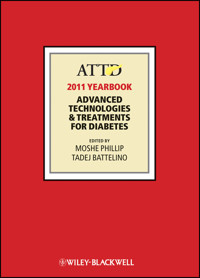
This book outlines these new technologies/treatments by collating the best journal articles published in the last year, and providing expert analysis on each one.
Advanced Technologies and Treatment for Diabetes 3E brings together and critically analyses the last year’s most important articles published in the world’s leading medical journals on this topic. Chapters are focused on the most current hot topic areas such as: new methods of insulin delivery; internet and IT use in treatment of diabetes; bariatric surgery & diabetes; and immunotherapy for type 1 diabetes.
Each chapter includes abstracts of the published articles, scientific conclusions made, as well as annotations and a comments and analysis section from the relevant chapter editor, each of which being a well-known expert in the field.
All researchers in the fields of diabetes, endocrinology and metabolism will find this book extremely useful, as will diabetes technology developers, and specialist endocrinologists involved with the care of diabetic patients.
Sie lesen das E-Book in den Legimi-Apps auf:
Seitenzahl: 509
Veröffentlichungsjahr: 2012
Ähnliche



















Contents
Cover
Title Page
Copyright
List of Contributors
Editors
Associate Editors
Preface
CHAPTER 1: Self-Monitoring of Blood Glucose
INTRODUCTION
Non-coding glucometers among paediatric patients with diabetes: looking for the target population and an accuracy evaluation of no-coding personal glucometer
Effect of ambient temperature on analytical performance of self-monitoring blood glucose systems
Association between self-monitoring of blood glucose and diet among minority patients with diabetes
Accuracy and precision evaluation of seven self-monitoring blood glucose systems
Self-monitoring of blood glucose: the use of the first or the second drop of blood
Structured self-monitoring of blood glucose significantly reduces A1C levels in poorly controlled, non-insulin-treated type 2 diabetes: results from the Structured Testing Program study
Estimates of total analytical error in consumer and hospital glucose meters contributed by haematocrit, maltose and ascorbate
Evaluating the cost-effectiveness of self-monitoring of blood glucose in type 2 diabetes patients on oral antidiabetic agents
Using a cell-phone-based glucose monitoring system for adolescent diabetes management
Accuracy of handheld blood glucose meters at high altitude
Designing mobile support for glycaemic control in patients with diabetes
Immortal time bias and survival in patients who self-monitor blood glucose in the Retrolective Study: Self-monitoring of Blood Glucose and Outcome in Patients with Type 2 Diabetes (ROSSO)
Self-monitoring of blood glucose in tablet-treated type 2 diabetic patients (ZODIAC-I7)
The accuracy of home glucose meters in hypoglycaemia
CHAPTER 2: Continuous Glucose Monitoring in 2011
INTRODUCTION
Glycaemic control in type 1 diabetes during real-time continuous glucose monitoring compared with self-monitoring of blood glucose: meta-analysis of randomised controlled trials using individual patient data
Effect of continuous glucose monitoring on hypoglycaemia in type 1 diabetes
Sensor-augmented pump therapy lowers HbA1c in suboptimally controlled type 1 diabetes; a randomised controlled trial
Sensor-augmented pump therapy from the diagnosis of childhood type 1 diabetes: results of the Paediatric Onset Study (ONSET) after 12 months of treatment
Continuous glucose monitoring in youth with type 1 diabetes: 12-month follow-up of the Juvenile Diabetes Research Foundation Continuous Glucose Monitoring randomised trial
Use of continuous glucose monitoring in subjects with type 1 diabetes on multiple daily injections versus continuous subcutaneous insulin infusion therapy: a prospective 6-month study
Accuracy and reliability of a subcutaneous continuous glucose-monitoring system in critically ill patients
The effect of real-time continuous glucose monitoring on glycaemic control in patients with type 2 diabetes mellitus
Continuous glucose monitoring for evaluation of glycaemic excursions after gastric bypass
Evaluating the clinical accuracy of GlucoMen®Day: a novel microdialysis-based continuous glucose monitor
CONCLUSION
CHAPTER 3: Insulin Pumps
INTRODUCTION
SYSTEMATIC REVIEWS
Cochrane review: continuous subcutaneous insulin infusion (CSII) versus multiple insulin injections for type 1 diabetes mellitus
IMPROVING MEALTIME GLYCAEMIC CONTROL DURING CSII
Pre-meal injection of rapid-acting insulin reduces postprandial glycaemic excursions in type 1 diabetes
Effects of meals with different glycaemic index on postprandial blood glucose responses in patients with type 1 diabetes treated by continuous subcutaneous insulin infusion
CSII IN HOSPITAL
Continuous subcutaneous insulin infusion (CSII) in inpatient setting: unmet needs and the proposal of a CSII unit
Outpatient to inpatient transition of insulin pump therapy: successes and continuing challenges
CSII AT THE ONSET OF CHILDHOOD DIABETES
Sensor-augmented pump therapy from the diagnosis of childhood type 1 diabetes: results from the Paediatric Onset Study (ONSET) after 12 months' treatment
Metabolic control in children with diabetes mellitus who are younger than 6 years at diagnosis: continuous subcutaneous insulin infusion as a first-line treatment?
PUMP INSULIN
Insulin glulisine compared to insulin aspart and to insulin lispro administered by continuous subcutaneous insulin infusion in patients with type 1 diabetes: a randomised controlled trial
CSII IN TYPE 2 DIABETES
Efficacy of continuous subcutaneous insulin infusion in type 2 diabetes mellitus: a survey on a cohort of 102 patients with prolonged follow-up
Associations between improved glucose control and patient-reported outcomes after initiation of insulin pump therapy in patients with type 2 diabetes mellitus
CHAPTER 4: Closing the Loop
INTRODUCTION
REVIEW AND EDITORIAL PAPERS
Closed-loop insulin delivery: from bench to clinical practice
Semi-closed-loop insulin delivery systems: early experience with low-glucose insulin suspend pumps
CLINICAL STUDIES – UNI-HORMONE (INSULIN ONLY)
Multinational study of subcutaneous model predictive closed-loop control in type 1 diabetes mellitus: summary of the results
Overnight closed-loop insulin delivery (artificial pancreas) in adults with type 1 diabetes: crossover randomised controlled studies
Closed-loop insulin delivery during pregnancy complicated by type 1 diabetes
The effect of insulin feedback on closed-loop glucose control
Preliminary study on glucose control with an artificial pancreas in postoperative sepsis patients
CLINICAL STUDIES – DUAL-HORMONE (INSULIN–GLUCAGON SYSTEMS)
Novel use of glucagon in a closed-loop system for prevention of hypoglycaemia in type 1 diabetes
Efficacy determinants of subcutaneous microdose glucagon during closed-loop control
ADVANCES IN CLOSED-LOOP ALGORITHMS/CONTROL STRATEGIES
Zone model predictive control: a strategy to minimise hyperglycaemic and hypoglycaemic events
Hypoglycaemia prevention via pump attenuation and red-yellow-green ‘traffic’ lights using continuous glucose monitoring and insulin pump data
Anticipating the next meal using meal behavioral profiles
Model predictive control with learning-type setpoint: application to artificial pancreatic β-cell
Development of a multi-parametric model predictive control algorithm for insulin delivery in type 1 diabetes mellitus using clinical parameters
SUMMARY
CHAPTER 5: New Insulins and Insulin Therapy
INTRODUCTION
NOVEL LONG-ACTING INSULIN ANALOGUES
Insulin degludec in type 1 diabetes. A randomised controlled trial of a new-generation ultra-long-acting insulin compared with insulin glargine
Insulin degludec, an ultra-long-acting basal insulin, once a day or three times a week versus insulin glargine once a day in patients with type 2 diabetes: a 16-week, randomised, open-label, phase 2 trial
A new-generation ultra-long-acting basal insulin with a bolus boost compared with insulin glargine in insulin-naive people with type 2 diabetes
RAPID-ACTING INSULIN FORMULATIONS
Comparable efficacy and safety of insulin glulisine and insulin lispro when given as part of a basal-bolus insulin regimen in a 26-week trial in paediatric patients with type 1 diabetes
Reduction of postprandial glycaemic excursions in patients with type 1 diabetes: a novel human insulin formulation versus a rapid-acting insulin analogue and regular human insulin
Accelerated insulin pharmacokinetics and improved postprandial glycaemic control in patients with type 1 diabetes after coadministration of prandial insulins with hyaluronidase
INSULIN THERAPY AND CANCER
Insulin therapy in diabetes and cancer risk: current understanding and implications for future study: Proceedings of a meeting of a European Insulin Safety Consensus Panel, convened and sponsored by Novo Nordisk, held Tuesday 5 October 2010 at the Radisson Edwardian Heathrow Hotel, Hayes, Middlesex, UK
CHAPTER 6: New Ways of Insulin Delivery
INTRODUCTION
INHALED INSULIN
ORAL INSULIN
A dose range finding study of novel oral insulin (IN-105) under fed conditions in type 2 diabetes mellitus subjects
INSULIN PENS
Randomised trial on the influence of the length of two insulin pen needles on glycaemic control and patient preference in obese patients with diabetes
Performance of a new reusable insulin pen
Correct use of a new reusable insulin injection pen by patients with diabetes: a design validation study
Do different body colours and labels of insulin pens enhance a patient's ability to correctly identify pens for injecting long-acting versus short-acting insulins?
MISCELLANEOUS
A quantitative assessment of patient barriers to insulin
Survey of insulin site rotation in youth with type 1 diabetes mellitus
CHAPTER 7: Using Health Information Technology to Prevent and Treat Diabetes
INTRODUCTION
Web-based depression treatment for type 1 and type 2 diabetic patients: a randomised, controlled trial
An online community improves adherence in an internet-mediated walking programme. Part 1: Results of a randomised controlled trial
Web-based interventions for the management of type 2 diabetes mellitus: a systematic review of recent evidence
Social cognitive determinants of nutrition and physical activity among web-health users enrolling in an online intervention: the influence of social support, self-efficacy, outcome expectations and self-regulation
Virtual reality and interactive digital game technology: new tools to address obesity and diabetes
Integrative gaming: a framework for sustainable game-based diabetes management
Review of Veterans Health Administration telemedicine interventions
Improved glycaemic control without hypoglycaemia in elderly diabetic patients using the ubiquitous healthcare service, a new medical information system
Effect of mobile phone intervention for diabetes on glycaemic control: a meta-analysis
The Diabeo software enabling individualised insulin dose adjustments combined with telemedicine support improves HbA1c in poorly controlled type 1 diabetic patients: a 6-month, randomised, open-label, parallel-group, multicentre trial (TeleDiab 1 Study)
Glycaemic control and health disparities in older ethnically diverse under-served adults with diabetes: five-year results from the Informatics for Diabetes Education and Telemedicine (IDEATel) study
Impact of electronic health record clinical decision support on diabetes care: a randomised trial
TeleHealth improves diabetes self-management in an under-served community: diabetes TeleCare
The Karlsburg Diabetes Management System: translation from research to e-health application
Effect of web-based lifestyle modification on weight control: a meta-analysis
SUMMARY AND COMMENTS
CHAPTER 8: Technology and Pregnancy
INTRODUCTION
Prediction of macrosomia at birth in type 1 and 2 diabetic pregnancies with biomarkers of early placentation
Gestational diabetes mellitus screening based on the gene chip technique
Closed-loop insulin delivery during pregnancy complicated by type 1 diabetes
Maternal overweight and pregnancy outcome in women with type 1 diabetes mellitus and different degrees of nephropathy
Association between 5 min Apgar scores and planned mode of delivery in diabetic pregnancies
Lactation and maternal risk of type 2 diabetes: a population-based study
First trimester pregnancy-associated plasma protein-A (PAPP-A) in pregnancies complicated by subsequent gestational diabetes
Relation of salivary antioxidant status and cytokine levels to clinical parameters of oral health in pregnant women with diabetes
Hypoglycaemia in type 1 diabetic pregnancy: role of preconception insulin aspart treatment in a randomised study
Early onset and high prevalence of gestational diabetes in PCOS and insulin resistant women before and after assisted reproduction
CONCLUSION
CHAPTER 9: Type 1 Diabetes Mellitus: Immune Intervention
INTRODUCTION
Long-term outcome of individuals treated with oral insulin: Diabetes Prevention Trial Type 1 (DPT-1) oral insulin trial
Evidence that nasal insulin induces immune tolerance to insulin in adults with autoimmune diabetes
Antigen-based therapy with glutamic acid decarboxylase (GAD) vaccine in patients with recent-onset type 1 diabetes: a randomised double-blind trial
Teplizumab for treatment of type 1 diabetes (Protégé Study): 1-year results from a randomised, placebo-controlled trial
Co-stimulation modulation with abatacept in patients with recent-onset type 1 diabetes: a randomised, double-blind, placebo-controlled trial
No protective effect of calcitriol on beta-cell function in recent-onset type 1 diabetes: the IMDIAB XIII trial
Dietary intervention in infancy and later signs of beta-cell autoimmunity
Residual beta cell function in newly diagnosed type 1 diabetes after treatment with atorvastatin: the randomised DIATOR trial
Phase I (safety) study of autologous tolerogenic dendritic cells in type 1 diabetic patients
Beta cell function during rapamycin monotherapy in long-term type 1 diabetes
OVERALL COMMENTARY
CHAPTER 10: Advances in Exercise, Physical Activity and Diabetes Mellitus
INTRODUCTION
Acute hypoxia and exercise improve insulin sensitivity (SI2*) in individuals with type 2 diabetes
Effect of an intensive exercise intervention strategy on modifiable cardiovascular risk factors in subjects with type 2 diabetes mellitus: a randomised controlled trial. The Italian Diabetes and Exercise Study (IDES)
Exercise treadmill test in detecting asymptomatic coronary artery disease in type 2 diabetes mellitus
Preventing exercise-induced hypoglycaemia in type 1 diabetes using real-time continuous glucose monitoring and a new carbohydrate intake algorithm: an observational field study
Metformin and exercise in type 2 diabetes: examining treatment modality interactions
Endurance athletes and type 1 diabetes
Resistance exercise and glycaemic control in women with gestational diabetes mellitus
Comparison of different heat modalities for treating delayed-onset muscle soreness in people with diabetes
The impact of resistance exercise training on the mental health of older Puerto Rican adults with type 2 diabetes
An innovative telemedical support system to measure physical activity in children and adolescents with type 1 diabetes mellitus
Short-term aerobic exercise reduces nitroglycerin-induced orthostatic intolerance in older adults with type 2 diabetes
Effects of an exercise program on balance and trunk proprioception in older adults with diabetic neuropathies
Exercise training improves physical fitness and vascular function in children with type 1 diabetes
CHAPTER 11: Diabetes Technology and Treatment in the Paediatric Age Group
INTRODUCTION
CONTINUOUS SUBCUTANEOUS INSULIN INFUSION THERAPY
The impact of baseline haemoglobin A1c levels prior to initiation of pump therapy on long-term metabolic control
Preventing post-exercise nocturnal hypoglycaemia in children with type 1 diabetes
CONTINUOUS GLUCOSE MONITORING
Patients’ evaluation of nocturnal hypoglycaemia with GlucoDay continuous glucose monitoring in paediatric patients
Use of integrated real-time continuous glucose monitoring/insulin pump system in children and adolescents with type 1 diabetes: a 3-year follow-up study
Factors predictive of severe hypoglycaemia in type 1 diabetes
Effect of continuous glucose monitoring on hypoglycaemia in type 1 diabetes
Sensor-augmented pump therapy from the diagnosis of childhood type 1 diabetes: results of the Paediatric Onset Study (ONSET) after 12 months of treatment
Improving epinephrine responses in hypoglycaemia unawareness with real-time continuous glucose monitoring in adolescents with type 1 diabetes
Continuous glucose monitoring in newborn babies at risk of hypoglycaemia
NEW THERAPIES IN TYPE 1 DIABETES
Mixing insulin aspart with detemir does not affect glucose excursion in children with type 1 diabetes mellitus
IMMUNE INTERVENTION FOR TYPE 1 DIABETES
Age of islet autoantibody appearance and mean levels of insulin, but not GAD or IA-2 autoantibodies, predict age of diagnosis of type 1 diabetes: Diabetes Autoimmunity Study in the Young
Dietary intervention in infancy and later signs of beta-cell autoimmunity
CHAPTER 12: Diabetes Technology and the Human Factor
INTRODUCTION
Poor adherence to integral daily tasks limits the efficacy of CSII in youth
Reasons for missed mealtime insulin boluses from the perspective of adolescents using insulin pumps: ‘lost focus’
Satisfaction with continuous glucose monitoring in adults and youths with type 1 diabetes
Quality-of-life measures in children and adults with type 1 diabetes: Juvenile Diabetes Research Foundation Continuous Glucose Monitoring Randomised Trial
Sensor augmented pump therapy lowers HbA1c in suboptimal controlled type 1 diabetes; a randomised controlled trial
Use of continuous glucose monitoring in young children with type 1 diabetes: implications for behavioural research
Survey of insulin site rotation in youth with type 1 diabetes mellitus
Fear of hypoglycaemia in type 1 diabetes managed by continuous subcutaneous insulin infusion: is it associated with poor glycaemic control?
Sustained efficacy of continuous subcutaneous insulin infusion in type 1 diabetes subjects with recurrent non-severe and severe hypoglycaemia and hypoglycaemia unawareness: a pilot study
Role of parenting style in achieving metabolicsx control in adolescents with type 1 diabetes
Adherence challenges in the management of type 1 diabetes in adolescents: prevention and intervention
CHAPTER 13: New Medications for the Treatment of Diabetes
INTRODUCTION
The future of basal insulin supplementation
Insulin degludec, an ultra-long-acting basal insulin, once a day or three times a week versus insulin glargine once a day in patients with type 2 diabetes: a 16-week, randomised, open-label, phase 2 trial
Insulin degludec in type 1 diabetes: a randomised controlled trial of a new-generation ultra-long-acting insulin compared with insulin glargine
A new-generation ultra-long-acting basal insulin with a bolus boost compared with insulin glargine in insulin-naive people with type 2 diabetes: a randomised, controlled trial
Effect of sulfobutyl ether-β-cyclodextrin on bioavailability of insulin glargine and blood glucose level after subcutaneous injection to rats
Prandial inhaled insulin plus basal insulin glargine versus twice daily biaspart insulin for type 2 diabetes: a multicentre randomised trial
Accelerated insulin pharmacokinetics and improved postprandial glycaemic control in patients with type 1 diabetes after co-administration of prandial insulins with hyaluronidase
Efficacy and safety of exenatide once weekly versus sitagliptin or pioglitazone as an adjunct to metformin for treatment of type 2 diabetes (DURATION-2): a randomised trial
DURATION-2: efficacy and safety of switching from maximum daily sitagliptin or pioglitazone to once-weekly exenatide
Effect of dapagliflozin in patients with type 2 diabetes who have inadequate glycaemic control with metformin: a randomised, double-blind, placebo-controlled trial
A novel approach to control hyperglycaemia in type 2 diabetes: sodium glucose cotransport (SGLT) inhibitors. Systematic review and meta-analysis of randomised trials
Piragliatin, a novel glucokinase activator, lowers plasma glucose both in the post-absorptive state and after a glucose challenge in patients with type 2 diabetes mellitus: a mechanistic study
Liraglutide as additional treatment for type 1 diabetes
Effect of sitagliptin on glucose control in adult patients with type 1 diabetes: a pilot, double-blind, randomised, crossover trial
Low-dose combination therapy with rosiglitazone and metformin to prevent type 2 diabetes mellitus (CANOE trial): a double-blind randomised controlled study
Pioglitazone for diabetes prevention in impaired glucose tolerance
Long-term effect of rosiglitazone and/or ramipril on the incidence of diabetes
OVERALL COMMENTARY
Index
This edition first published 2012, © 2012 by John Wiley & Sons Ltd.
Wiley-Blackwell is an imprint of John Wiley & Sons, formed by the merger of Wiley's global Scientific, Technical and Medical business with Blackwell Publishing.
Registered office: John Wiley & Sons, Ltd, The Atrium, Southern Gate, Chichester, West Sussex, PO19 8SQ, UK
Editorial offices: 9600 Garsington Road, Oxford, OX4 2DQ, UK The Atrium, Southern Gate, Chichester, West Sussex, PO19 8SQ, UK 111 River Street, Hoboken, NJ 07030-5774, USA
For details of our global editorial offices, for customer services and for information about how to apply for permission to reuse the copyright material in this book please see our website at www.wiley.com/wiley-blackwell
The right of the author to be identified as the author of this work has been asserted in accordance with the UK Copyright, Designs and Patents Act 1988.
All rights reserved. No part of this publication may be reproduced, stored in a retrieval system, or transmitted, in any form or by any means, electronic, mechanical, photocopying, recording or otherwise, except as permitted by the UK Copyright, Designs and Patents Act 1988, without the prior permission of the publisher.
Designations used by companies to distinguish their products are often claimed as trademarks. All brand names and product names used in this book are trade names, service marks, trademarks or registered trademarks of their respective owners. The publisher is not associated with any product or vendor mentioned in this book. This publication is designed to provide accurate and authoritative information in regard to the subject matter covered. It is sold on the understanding that the publisher is not engaged in rendering professional services. If professional advice or other expert assistance is required, the services of a competent professional should be sought.
The contents of this work are intended to further general scientific research, understanding, and discussion only and are not intended and should not be relied upon as recommending or promoting a specific method, diagnosis, or treatment by physicians for any particular patient. The publisher and the author make no representations or warranties with respect to the accuracy or completeness of the contents of this work and specifically disclaim all warranties, including without limitation any implied warranties of fitness for a particular purpose. In view of ongoing research, equipment modifications, changes in governmental regulations, and the constant flow of information relating to the use of medicines, equipment, and devices, the reader is urged to review and evaluate the information provided in the package insert or instructions for each medicine, equipment, or device for, among other things, any changes in the instructions or indication of usage and for added warnings and precautions. Readers should consult with a specialist where appropriate. The fact that an organization or Website is referred to in this work as a citation and/or a potential source of further information does not mean that the author or the publisher endorses the information the organization or Website may provide or recommendations it may make. Further, readers should be aware that Internet Websites listed in this work may have changed or disappeared between when this work was written and when it is read. No warranty may be created or extended by any promotional statements for this work. Neither the publisher nor the author shall be liable for any damages arising herefrom.
Library of Congress Cataloging-in-Publication Data is available for this title
A catalogue record for this book is available from the British Library.
Wiley also publishes its books in a variety of electronic formats. Some content that appears in print may not be available in electronic books.
List of Contributors
Editors
Moshe Phillip
Jesse Z. and Sara Lea Shafer Institute for Endocrinology and Diabetes National Center for Childhood Diabetes Schneider Children's Medical Center of Israel Petah Tikva Israel and Sackler Faculty of Medicine Tel-Aviv University, Tel-Aviv Israel
Tadej Battelino
Department of Endocrinology, Diabetes & Metabolism University Medical Center University Children's Hospital Ljubljana Slovenia
Associate Editors
Eran Atlas
Diabetes Technologies Center Schneider Children's Medical Center of Israel Jesse Z. and Sara Lea Shafer Institute for Endocrinology and Diabetes National Center for Childhood Diabetes Petah Tikva Israel
Cameron Barr
University of California at Santa Barbara Santa Barbara, CA USA and Sansum Diabetes Research Institute Santa Barbara, CA USA
Jennifer K. Beckerman
Sansum Diabetes Research Institute Santa Barbara, CA USA
Bruce W. Bode
Atlanta Diabetes Associates Atlanta, GA USA
Jan Bolinder
Department of Medicine Karolinska University Hospital Huddinge Karolinska Institutet Stockholm Sweden
Bruce Buckingham
Stanford University Medical Center Division of Endocrinology and Diabetes Stanford, CA USA
H. Peter Chase
Barbara Davis Center for Childhood Diabetes University of Colorado Denver, CO USA
Thomas Danne
Diabetes-Zentrum für Kinder and Jugendliche Kinderkrankenhaus auf der Bult Hannover Germany
Eyal Dassau
University of California at Santa Barbara Santa Barbara, CA USA and Sansum Diabetes Research Institute Santa Barbara, CA USA
Satish K. Garg
Barbara Davis Center for Childhood Diabetes University of Colorado Health Sciences Center Aurora, CO USA
Lutz Heinemann
Science & Co Düsseldorf, Germany
Irl B. Hirsch
University of Washington Medical Center Seattle, WA USA
Moshe Hod
Perinatal Division Helen Schneider Hospital for Women Rabin Medical Center Petah Tikva Israel
Lois Jovanovic
Sansum Diabetes Research Institute Santa Barbara, CA USA
Neal Kaufman
UCLA Schools of Medicine and Public Health Los Angeles, CA USA
Kelsey Krigstein
Sansum Diabetes Research Institute Santa Barbara, CA USA
Alon Liberman
Jesse Z. and Sara Lea Shafer Institute for Endocrinology and Diabetes National Center for Childhood Diabetes Schneider Children's Medical Center of Israel Petah Tikva Israel
Christian Lowe
University of California at Santa Barbara Santa Barbara, CA USA and Sansum Diabetes Research Institute Santa Barbara, CA USA
John C. Pickup
King's College London School of Medicine Guy's Hospital, London UK
Michael C. Riddell
School of Kinesiology and Health Science York University Toronto, ON Canada
Shlomit Shalitin
Jesse Z. and Sara Lea Shafer Institute for Endocrinology and Diabetes National Center for Childhood Diabetes Schneider Children's Medical Center of Israel Petah Tikva Israel
Nicole A. Sitkin
Sansum Diabetes Research Institute Santa Barbara, CA USA
Jay S. Skyler
Division of Endocrinology Diabetes, and Metabolism, and Diabetes Research Institute University of Miami Miller School of Medicine Miami, FL USA
Mark Sueyoshi
Sansum Diabetes Research Institute Santa Barbara, CA USA
Andrei Szigiato
School of Kinesiology and Health Science York University Toronto, ON Canada
Howard Zisser
Sansum Diabetes Research Institute Santa Barbara, CA USA and University of California at Santa Barbara Santa Barbara, CA USA
Preface
This is the third ATTD Yearbook and by now we already know that the book makes its way to the hands of many clinicians, diabetes educators and researchers in academic institutes and to the members of the diabetes industry as well as many others interested in changing the life of people with diabetes all over the world. The availability of the book on the ATTD webpage and in PubMed facilitates access to anybody in the world interested in new technologies and therapies in diabetes. Also this year, the book consists of short summaries of selected papers published in peer-reviewed journals, between July 2010 and June 2011, with comments from the associate editors and editors bringing their expert insight to the reader.
The improvement in quality of life and life expectancy of people with diabetes increasingly depends on the success of innovative people in academia and industry to develop new technologies. This accomplishment is in turn crucially related to the interaction between different disciplines of research collaborating in the endeavour to solve the challenges diabetes presents to patients, caregivers, researchers and the industry. Professional interactive relationships between academia and industry will facilitate progress in the field and will lead not only to great innovations but also to their availability for routine clinical care.
We hope that the ATTD meeting and the present ATTD Yearbook will help to raise the attention and facilitate the communication of all interested parties in the field of diabetes for the ultimate benefit of our patients.
Moshe PhillipTadej Battelino
CHAPTER 1
Self-Monitoring of Blood Glucose
Satish K. Garg1 and Irl B. Hirsch2
1University of Colorado Health Sciences Center, Aurora, CO, USA
2University of Washington Medical Center, Seattle, WA, USA
INTRODUCTION
Diabetes prevalence is increasing globally especially in the Asian subcontinent. It is expected that by the year 2030 there may be close to 400 million people with diabetes. All of the research in the past 25 years has clearly documented the effectiveness of improving glucose control in reducing long-term complications of diabetes, both microvascular and macrovascular. The improvement in glucose control usually requires continuous intensive diabetes management, particularly in insulin-requiring patients, which include home self-monitoring of blood glucose (SMBG). Despite the convincing evidence, the role of SMBG in diabetes management is still being debated even though its availability in the past 35 years has revolutionised diabetes care, especially at home.
Lesen Sie weiter in der vollständigen Ausgabe!
Lesen Sie weiter in der vollständigen Ausgabe!
Lesen Sie weiter in der vollständigen Ausgabe!
Lesen Sie weiter in der vollständigen Ausgabe!
Lesen Sie weiter in der vollständigen Ausgabe!
Lesen Sie weiter in der vollständigen Ausgabe!
Lesen Sie weiter in der vollständigen Ausgabe!
Lesen Sie weiter in der vollständigen Ausgabe!
Lesen Sie weiter in der vollständigen Ausgabe!
Lesen Sie weiter in der vollständigen Ausgabe!
Lesen Sie weiter in der vollständigen Ausgabe!
Lesen Sie weiter in der vollständigen Ausgabe!
Lesen Sie weiter in der vollständigen Ausgabe!




