


0,99 €
Mehr erfahren.
- Herausgeber: Top Notch; PublishDrive edition
- Kategorie: Fachliteratur
- Sprache: Englisch
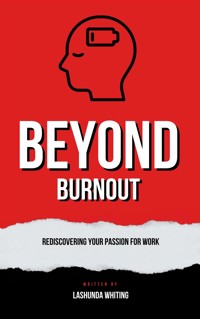
"In Beyond Burnout," delve into a transformative guide that rekindles the flame of enthusiasm for work. As the modern workplace becomes increasingly demanding, burnout emerges as a prevalent issue, leaving many feeling drained and disheartened. However, this book offers a fresh perspective, guiding readers on a journey to rediscover their professional passion.
Through engaging anecdotes, actionable strategies, and reflective exercises, readers are empowered to confront burnout and embark on a path toward renewed fulfillment. Whether you're feeling trapped in a cycle of stress, overwhelmed by workload, or simply seeking deeper satisfaction in your career, "Beyond Burnout" provides the roadmap to reignite your professional spark.
Drawing from psychology, mindfulness, and personal development, this book offers a holistic approach to combating burnout and fostering purpose in work. From redefining success to establishing healthy boundaries and finding meaning in daily tasks, "Beyond Burnout" equips readers with the mindset and skills needed to thrive in today's fast-paced world.
A timely and inspiring read, "Beyond Burnout" serves as a beacon of hope for those seeking to reclaim their passion, purpose, and joy in their professional lives. Whether you're a seasoned veteran or just starting your career journey, this book is an invaluable resource for navigating the challenges of the modern workplace and embracing a more fulfilling, balanced life.
Das E-Book können Sie in Legimi-Apps oder einer beliebigen App lesen, die das folgende Format unterstützen:
Veröffentlichungsjahr: 2024
Ähnliche



















BEYOND BURNOUT
REDISCOVERING YOUR PASSION FOR WORK
LASHUNDA WHITING
Copyright © 2024 by Lashunda Whiting
All rights reserved.
No part of this book may be reproduced in any form or by any electronic or mechanical means, including information storage and retrieval systems, without written permission from the author, except for the use of brief quotations in a book review.
CONTENTS
1. Identifying Burnout
2. Strategies For Stress Management
3. Rekindling Passion In Your Career
4. Work-Life Balance Principles
5. Moving Forward With Purpose
IDENTIFYING BURNOUT
Excessive Burnout is a state of emotional, bodily, and mental weariness that can result from continuous stress. It happens when you feel overwhelmed, emotionally spent, and unable to meet demands. Burnout diminishes productivity and depletes energy, leaving you feeling increasingly hopeless, cynical, and resentful until you feel like you have nothing to give. The adverse Burnout affects all facets of life, including relationships, career, and home life. It can also alter your body over time, leaving you more susceptible to ailments like the flu and colds. Because of its many consequences, dealing with burnout is essential.
You might be experiencing burnout if you:
Feel tired and drained most of the time.feel overburdened and unable to fulfil all of the responsibilities.Lack the energy to be consistently productive.Find it hard to concentrate and are more forgetful than usual.Experience a sense of failure and self-doubt.Feel detached from your job or the people you work with.Feel that your job is increasingly stressful and frustrating.Feel disillusioned about your job.Use food, drugs, or alcohol to feel better or not to feel.Have your sleep habits changed? Are you experiencing unexplained headaches, backaches, or other complaints?If you're experiencing some of these symptoms, it's essential to take action. Ignoring them will only lead to further physical and emotional damage. The "Three R" method is necessary for dealing with burnout: recognize, reverse, and resilience. Recognize: Keep an eye out for burnout's warning signals. Reverse: Repair the damage by getting help and controlling stress. Resilience: Increase your ability to withstand stress. Caring for your physical and emotional health.
The most important thing is to start. Burnout doesn't go away on its own; instead, it will worsen unless you address the underlying issues causing it. A significant breakdown can be avoided if you know it and take proactive steps to manage your stress. If you choose to ignore them, you'll become increasingly less functional – personally and professionally.
It's important to remember that burnout is a gradual process. The signs and symptoms are subtle at first but worsen as time passes. If you pay attention and actively seek treatment, you should view the early symptoms as warning signs that something is off and needs to be addressed. Manage your stress, and you can prevent a major breakdown. If you ignore them, however, you'll eventually burn out.
Burnout is not just the result of stressful work or having too many responsibilities; personality traits and lifestyle choices also play a part. Ultimately, how you spend your free time and view the world can contribute to overwhelming stress levels, just as much as work or home demands. Demands.
The following work-related factors can cause burnout:· a sense of little or no control over your work.
Lack of recognition or reward for good work.· Uncertain or excessively demanding job standards.· Boresome or unchallenging work.· Working in a chaotic or high-stress environment. Local causes of burnout:· Working excessive hours without sufficient time for rest and socializing.· Being expected to be too much to too many people.· Taking on excessive responsibilities without adequate assistance from others.· Sleep deprivation.· Absence of close, supportive relationships. Personalities that can lead to burnout include · Perfectionistic tendencies, and believing that nothing is ever good enough.· A pessimistic view of oneself and the world.· The need to be in control and unwillingness to delegate to others.· High-achieving, Type A personality. Personality.
Unquestionably, burnout indicates that something significant in your life is not functioning. Take the time to think about your hopes, goals, and dreams. Are you neglecting something vital to you? This might allow you to rediscover what makes you happy and change course accordingly.
Remember, burnout can be prevented. Make self-care a priority. Start the day with a relaxing ritual. Adopt healthy eating, exercising, and sleeping habits. Set boundaries. Don't overextend yourself. Take a daily break from technology. Nourish your creative side. Learn how to manage stress.
While feeling helpless when you're under the cloud of burnout is expected, you can do plenty to reclaim your equilibrium and rediscover optimism and hope. Start by getting back to basics. Good health and regular sleep are critical to your well-being. If you are not caring for yourself, it's time to start. You'll find that when you start feeling better physically, you'll also begin to feel better emotionally.
CAUSES OF BURNOUT
Burnout is an insidious creature that creeps into our lives, often unnoticed at first. It's like a slow leak in a tyre – you don't realize how much air you've lost until you're struggling to keep the car on the road. Burnout doesn't happen overnight; it builds up over time due to repeated stress and unmanaged pressure. Numerous factors in our work and personal lives contribute to this state.
One of the primary elements causing occupational burnout is the nature of the job itself. Some jobs are inherently more stressful than others. For instance, careers in medicine, law enforcement, and teaching are known for high-stress levels due to constant high stakes and the need for quick decision-making. However, any job can lead to burnout if the workload becomes too overwhelming. This often happens when tight deadlines, high expectations, or a volume of work feels unmanageable. It's like trying to fill a cup with a fire hose – eventually, it will overflow.
The dynamics within the workplace also play a crucial role. A toxic work environment with little camaraderie or support can be highly stressful. If you're in a place where you're constantly walking on eggshells, where the culture is one of fear and criticism, it's like being in a pressure cooker with no safety valve. Lack of recognition or reward can also be demoralizing. Everyone needs to feel valued and appreciated; without this, motivation dwindles, and burnout can occur.
Personal expectations and ambition can also be a double-edged sword. While having goals and striving for excellence is positive, setting unrealistic standards for oneself can lead to chronic stress and burnout. It's like aiming to climb Everest on your first hike; the gap between expectation and reality can be too broad. This is particularly true for perfectionists, who tend to be their own harshest critics. The relentless pursuit of perfection can be an exhausting, never-ending journey.
The lack of control over one's work is another significant factor. It can be profoundly demoralising if you feel you have little say over your tasks or how you complete them. Imagine trying to steer a ship with no control over the rudder; no matter how hard you work, you're at the mercy of the current. This lack of autonomy and the incapacity to influence choices about your workload, responsibilities, or schedule that impact your employment – can contribute significantly to burnout.
Additionally, the lack of a professional and personal supportive community is a key contributor. Humans are inherently social creatures; we need connections, understanding, and support. When faced with high-stress situations, having a supportive network to turn to can make a world of difference. Without this support, it's like meeting a storm alone at sea.
Work-life balance, or rather the lack of it, is another factor leading to burnout. The lines between work and personal life are increasingly blurred in today's fast-paced world. With the advent of technology, we're always 'on,' always reachable. This can lead to a situation where you're never truly 'off work,' impacting your ability to recharge and relax. It's like running a marathon at sprint speed; you will run out of steam sooner or later.
One's lifestyle and personality traits can also influence burnout. People who neglect their needs and don't make time for activities they enjoy are more susceptible to burnout. Similarly, those who don't have robust coping strategies for stress or who tend to be pessimistic are at higher risk. It's like going into a battle without armour or a plan; you're more vulnerable to the adverse effects of stress.




