


235,99 €
Mehr erfahren.
- Herausgeber: John Wiley & Sons
- Kategorie: Fachliteratur
- Serie: Food Science and Technology
- Sprache: Englisch
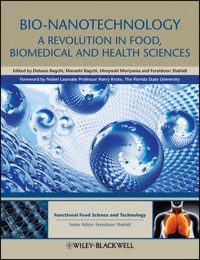
Bio-nanotechnology is the key functional technology of the 21st century. It is a fusion of biology and nanotechnology based on the principles and chemical pathways of living organisms, and refers to the functional applications of biomolecules in nanotechnology. It encompasses the study, creation, and illumination of the connections between structural molecular biology, nutrition and nanotechnology, since the development of techniques of nanotechnology might be guided by studying the structure and function of the natural nano-molecules found in living cells. Biology offers a window into the most sophisticated collection of functional nanostructures that exists.
This book is a comprehensive review of the state of the art in bio-nanotechnology with an emphasis on the diverse applications in food and nutrition sciences, biomedicine, agriculture and other fields. It describes in detail the currently available methods and contains numerous references to the primary literature, making this the perfect “field guide” for scientists who want to explore the fascinating world of bio-nanotechnology. Safety issues regarding these new technologies are examined in detail.
The book is divided into nine sections – an introductory section, plus:
- Nanotechnology in nutrition and medicine
- Nanotechnology, health and food technology applications
- Nanotechnology and other versatile applications
- Nanomaterial manufacturing
- Applications of microscopy and magnetic resonance in nanotechnology
- Applications in enhancing bioavailability and controlling pathogens
- Safety, toxicology and regulatory aspects
- Future directions of bio-nanotechnology
The book will be of interest to a diverse range of readers in industry, research and academia, including biologists, biochemists, food scientists, nutritionists and health professionals.
Sie lesen das E-Book in den Legimi-Apps auf:
Seitenzahl: 1933
Veröffentlichungsjahr: 2012
Ähnliche



















Table of Contents
Cover
Functional Food Science and Technology Series
Title page
Copyright page
Dedication
Foreword
Preface
Contributors
Part 1: Introduction
1 Biomedical Applications of Nanomaterials: An Overview
1.1 Introduction
1.2 Metallic NPs
1.3 Carbon-based nanomaterials
1.4 Quantum dots
1.5 Toxicity
2 The Challenge of Nanotechnology-Derived Food: Addressing the Concerns of the Public
2.1 Introduction
2.2 Framework
2.3 Event description
2.4 Findings
2.5 Deference to scientific knowledge
2.6 Conclusions
Acknowledgments
Appendix 2.1: Examples of coded data
Appendix 2.2: Excerpts from recommendations
3 Nanotechnology and Public Health: Contributions, Promises, and Premises
3.1 Introduction
3.2 Public health and bio-nanotechnology
3.3 The divergence of nano-bio from nanotechnology and associated problems
3.4 Nanotechnology and its contribution to public health
3.5 Conclusions
Part 2: Nanotechnology in Nutrition and Medicine
4 Functional Nanomaterials for Biomedical Research: Focus on Bio-Functionalization, Biosynthesis, and Biomedical Applications
4.1 Introduction
4.2 Design of bio-functionalized nanomaterials
4.3 Biosynthesis of nanoparticles
4.4 Biomedical application of functionalized nanoparticles
4.5 Summary and outlook
5 An Overview of Nanoparticle-Assisted Polymerase Chain Reaction Technology
5.1 PCR technology
5.2 Nanoparticle-assisted PCR (nanoPCR) technology
5.3 The possible mechanism of nanoPCR
5.4 Evolution of nanoPCR concepts
5.5 Conclusions
6 A Revolution in Nanomedicines
6.1 Introduction
6.2 A brief history of drug delivery technology
6.3 Characteristics of polymeric micelles
6.4 Types of drug incorporation into the polymeric micelle core
6.5 Applications of polymeric micelles
6.6 Regulatory considerations
6.7 The future of polymeric micelles
7 Nanotechnology for Regenerative Medicine
7.1 Introduction
7.2 Tissue regeneration with cell sheet engineering
7.3 Bone regeneration using a nanofiber scaffold
7.4 Gene delivery using nanometer-sized vesicles for bone regeneration
7.5 Conclusions
Part 3: Nanotechnology, Human Health and Applications
8 Novel Technologies for the Production of Functional Foods
8.1 Introduction
8.2 Nanotechnology
8.3 High-pressure processing (HPP)
8.4 Pulsed electric fields (PEF)
8.5 Use of nanotechnology, HPP, and PEF in the production of functional foods
8.6 Conclusions
9 Nanomedicine: The Revolution of the Big Future with Tiny Medicine
9.1 Introduction
9.2 Nanotechnology: an overview
9.3 Nanomedicine
9.4 Ethics, NT and nanomedicine
9.5 Conclusions
Acknowledgment
10 Application of γ-Cyclodextrin in Nanomedicinal Foods and Cosmetics
10.1 Introduction
10.2 What is cyclodextrin?
10.3 Reasons for using CDs in medicinal foods
10.4 Nanotechnology innovation using γ-CD for producing nanomedicinal foods and personal care products
10.5 Study on anti-aging and health improvements by oral administration of CoQ10–γ-CD complex as a powerful nutraceutical
10.6 Conclusions
11 Polymer-Based Nanocomposites for Food Packaging Applications
11.1 Introduction
11.2 iPP/CaCO3 nanocomposites
11.3 Starch/clay nanocomposites
11.4 PET/calcium carbonate nanocomposites
12 Ultrasound-Mediated Delivery Systems: Using Nano/Microbubbles or Bubble Liposomes
12.1 Introduction
12.2 Microbubbles as ultrasound contrast agents
12.3 Properties of microbubbles combined with ultrasound
12.4 Bubble liposomes
12.5 Gene delivery using sonoporation as a non-viral vector system
12.6 Tissue- or organ-selective gene delivery by the combination of ultrasound and nano/microbubbles or bubble liposomes
12.7 Antigen delivery to dendritic cells by bubble liposome and ultrasound
13 Nanoprobes and Quantum Dots: Employing Nanotechnology to Watch Biology
13.1 Introduction
13.2 Nanomaterials, nanoprobes, and quantum dots
13.3 Nanoparticle design and application
13.4 Imaging biological processes
13.5 Disadvantages of nanoprobes and quantum dots
13.6 Future perspectives
14 Enhanced Optical Biosensors Based on Nanoplasmonics
14.1 Introduction to surface plasmon resonance
14.2 Theory
14.3 Localized SPR biosensors
14.4 Overlap integral
14.5 Target-localized LSPR biosensors
14.6 Conclusions
15 Nano-Biosensors for Mimicking Gustatory and Olfactory Senses
15.1 Introduction
15.2 Materials and methods
15.3 Taste sensor
15.4 Miniaturized taste sensor
15.5 Odor discrimination and regeneration using an electronic nose
15.6 Electronic dog nose
15.7 Overview
16 Nanoparticles Inducing Simultaneous Bioreaction in Living Organisms: Critical Sizes for Transition of Biointeractive Behavior
16.1 The first era to engage fully with nanoparticles
16.2 Chemical ionic dissolution effect and physical size effect: effects of surface and volume
16.3 Bioreactive and biointeractive nature of micro/nanoparticles
16.4 Stealth of nanoparticles: invasion into the inner body and permeability of internal barriers
16.5 Discussion
17 Analysis of Immunological Reactions to Nanoscale Foods: Possible Occurrence of Allergic Reaction to Nanoscale Food Particles
17.1 Introduction
17.2 Nanofood requirements
17.3 Novel food risk assessment
17.4 Food allergy
17.5 Conclusions
18 An Overview of Green Nanotechnology
18.1 Introduction
18.2 Nanoparticles
18.3 Quantum dots (QDs)
18.4 Carbon nanotubes (CNTs)
18.5 Current and future developments
18.6 Conclusions
Acknowledgment
19 Characterization of Biopolymer and Chitosan-Based Nanocomposites with Antimicrobial Activity
19.1 Introduction
19.2 Preparation and characterization
19.3 Chitosan-based nanocomposites
19.4 Conclusions
Acknowledgments
20 Nanotechnology and its Use in Agriculture
20.1 Introduction
20.2 Nanoformulations for agrochemicals
20.3 Genetic manipulation
20.4 Nanosensors
20.5 Conclusions
Acknowledgements
21 Applications of Polymeric Nanoparticles with Steroids: A Review
21.1 Introduction
21.2 Preparation of polymer blend nanoparticles
21.3 Characteristics of nanoparticles
21.4 Applications of nanosteroids
21.5 Summary
22 Nanocomposites for Food Packaging: An Overview
22.1 Introduction
22.2 Organoclays
22.3 Formation of polymer–clay nanocomposites
22.4 Barrier enhancement of nanocomposite materials
22.5 Summary
23 Nanotechnology in Cosmetic Products
23.1 Introduction
23.2 Nanotechnology in cosmetic products
23.3 Mineral-based cosmetics
23.4 Titanium dioxide and zinc oxide: the influence of particle size
23.5 Fullerenes
23.6 Safety concerns
23.7 “Nano” labeling of cosmetic products
23.8 Particle size of inorganic sunscreens: test methods for characterization, and effects of nanoparticles
23.9 Conclusions
24 Potential Medical Applications of Fullerenes: An Overview
24.1 Introduction
24.2 Functionalized fullerenes
24.3 Biological applications
24.4 Conclusion
Part 4: Nanotechnology and Other Versatile Diverse Applications
25 Biomedical Applications of Carbon-Based Nanomaterials
25.1 Introduction
25.2 Biomedical applications
25.3 Toxicity
26 Carbon Nanotubes and Their Application to Nanotechnology
26.1 Introduction
26.2 Overview: single-walled carbon nanotubes
26.3 Electronic/electrical devices
26.4 Gas sensor devices
26.5 In-situ nondestructive chemical and mechanical sensors
26.6 Actuators
26.7 Reinforced composite materials
26.8 Summary
27 Characterization of Cyclodextrin Nanoparticles as Emulsifiers
27.1 Introduction
27.2 Preparation of emulsions using CDs
27.3 Characterization of emulsions made using CDs
27.4 Comparison of emulsions made using α-, β-, and γ-cyclodextrin
27.5 Application of a Pickering emulsion
27.6 Conclusion
Acknowledgments
28 Application of Poly(γ-Glutamic Acid)-Based Nanoparticles as Antigen Delivery Carriers in Cancer Immunotherapy
28.1 Introduction
28.2 Nanoparticulate vaccine carrier system
28.3 Studies of the use of γ-PGA NPs
28.4 Conclusion
29 Basic Characterization of Nanobubbles and Their Potential Applications
29.1 Introduction
29.2 Current state of research on microbubbles and nanobubbles
29.3 Advantages and disadvantages of microbubbles and nanobubbles
29.4 Evidence of NBs supported by size distribution and zeta potential measurements
29.5 Example of application: direct observation of nanobubbles and impurities captured on bubble surfaces
29.6 Summary
Part 5: Nanomaterial Manufacturing
30 Formulation and Characterization of Nanodispersions Composed of Dietary Materials for the Delivery of Bioactive Substances
30.1 Introduction
30.2 Formation and characterization of nanoparticles using chitosan
30.3 Formulation of size-controlled vesicles with high entrapment efficiency using W/O/W emulsions as templates
30.4 Lipid vesicles as carriers of flavonoids to enhance stability and transepithelial permeability
30.5 Conclusion
Acknowledgments
31 Production of Nanoscale Foods Using High-Pressure Emulsification Technology
31.1 Introduction
31.2 Manufacture of nanoparticles
31.3 Nanoemulsions
31.4 Fat emulsions
31.5 Use of high-pressure homogenizers in food manufacture
31.6 Liposomes (nanocapsules)
31.7 Other examples of the use of high-pressure homogenizers
31.8 Effects expected in food manufacture when a high-pressure homogenizer is used
31.9 The future of nanotechnology
31.10 Conclusion
32 Production of Monodisperse Fine Dispersions by Microchannel/Nanochannel Emulsification
32.1 Introduction
32.2 Microchannel emulsification
32.3 Nanochannel emulsification
32.4 Conclusion
Part 6: Applications of Microscopy and Nuclear Magnetic Resonance in Nanotechnology
33 Applications of Atomic Force Microscopy in Food Nanotechnology
33.1 Introduction
33.2 Imaging technology
33.3 Imaging and analysis of food samples
34 Applications of NMR to Biomolecular Systems of Interactions: An Overview
34.1 Introduction
34.2 Basic NMR parameters
34.3 Protein structure determination by NMR
34.4 Analysis of biomolecular interactions using NMR
34.5 Future prospects
Part 7: Applications in Enhancing Bioavailability and Controlling Pathogens
35 Bioavailability and Delivery of Nutraceuticals and Functional Foods Using Nanotechnology
35.1 Functional foods
35.2 Bioavailability
35.3 Approaches to improving bioavailability
35.4 Various types of nanotechnology-based formulations
35.5 Outlook
35.6 Conclusion
36 Encapsulation of Bioactive Compounds in Micron/Submicron-Sized Dispersions Using Microchannel Emulsification or High-Pressure Homogenization
36.1 Introduction
36.2 Formulation and characterization of microdispersions containing lipophilic bioactive compounds by microchannel emulsification
36.3 Formulation of submicron-sized oil-in-water dispersions containing bioactive compounds
36.4 Conclusions
37 Nanometric-Size Delivery Systems for Bioactive Compounds for the Nutraceutical and Food Industries
37.1 Introduction
37.2 Digestion, uptake, and bioavailability of nanometric foods
37.3 Nanometric-size delivery systems
37.4 Large-scale production of nanometric-size delivery systems
37.5 Case studies
37.6 Conclusion and outlook
38 Nanoemulsion Technology for Delivery of Nutraceuticals and Functional-Food Ingredients
38.1 Introduction
38.2 Colloids and emulsions
38.3 General features of nanoemulsions
38.4 Food-grade amphiphilic molecules used for nanoemulsion design
38.5 Empirical rules governing the emulsion type
38.6 Droplet structure and effective volume fraction
38.7 Properties of nanoemulsions
38.8 Nanoemulsions as delivery systems for nutraceuticals and functional-food ingredients
38.9 Technological aspects, production, and applications in functional foods
38.10 Future trends
39 Nanotechnology and Nonpolar Active Compounds in Functional Foods: An Application Note
39.1 Introduction
39.2 Nanoencapsulation delivery systems
39.3 Nanoencapsulation methods in beverage applications
39.4 Conclusion
Part 8: Safety, Toxicology and Regulatory Aspects
40 How Standards Inform the Regulation of Bio-nanotechnology
40.1 Standardization and regulation as distinct concepts
40.2 Standards development
40.3 Standards and bio-nanotechnology
40.4 Product clearance rules for bio-nanotechnology
40.5 The intersection of standards and regulation
40.6 Conclusion
41 FDA and Nanotech: Baby Steps Lead to Regulatory Uncertainty
41.1 Introduction
41.2 Defining nanotechnology in the context of medicine – Does size matter?
41.3 FDA confronts nanotech
41.4 Nanoproducts as combination products?
41.5 Recommendations, conclusions, and future prospects
41.6 Statement of disclosure/ conflicts of interest
42 Toxicity and Environmental Risks of Nanomaterials: An Update
42.1 Introduction
42.2 In vitro screening
42.3 In vivo zebrafish embryo screening
42.4 In vivo mouse model screening
42.5 Summary and outlook
Acknowledgments
43 Nanoparticle–Lung Interactions and Their Potential Consequences for Human Health
43.1 Introduction
43.2 Understanding how nanoparticles affect the lung
43.3 Current knowledge of nanoparticle health effects in the lung
43.4 Summary
Acknowledgements
Conflict of interest statement
Part 9: Future Directions in Bio-Nanotechnology
44 Bio-Nanotechnology: A Journey Back to the Future
Index
Functional Food Science and Technology Series
Functional foods resemble traditional foods but are designed to confer physiological benefits beyond their nutritional function. Sources, ingredients, product development, processing and international regulatory issues are among the topics addressed in Wiley-Blackwell’s new Functional Food Science and Technology book series. Coverage extends to the improvement of traditional foods by cultivation, biotechnological and other means, including novel physical fortification techniques and delivery systems such as nanotechnology. Extraction, isolation, identification and application of bioactives from food and food processing by-products are among other subjects considered for inclusion in the series.
Series Editor: Fereidoon Shahidi, Department of Biochemistry, Memorial University of Newfoundland, St John’s, Newfoundland, Canada.
Titles in the series
This edition first published 2013. © 2013 John Wiley & Sons, Ltd.
Wiley-Blackwell is an imprint of John Wiley & Sons, formed by the merger of Wiley’s global Scientific, Technical and Medical business with Blackwell Publishing.
Registered office: John Wiley & Sons, Ltd, The Atrium, Southern Gate, Chichester, West Sussex, PO19 8SQ, UK
Editorial offices: 9600 Garsington Road, Oxford, OX4 2DQ, UK
The Atrium, Southern Gate, Chichester, West Sussex, PO19 8SQ, UK
2121 State Avenue, Ames, Iowa 50014-8300, USA
For details of our global editorial offices, for customer services and for information about how to apply for permission to reuse the copyright material in this book please see our website at www.wiley.com/wiley-blackwell.
The right of the author to be identified as the author of this work has been asserted in accordance with the UK Copyright, Designs and Patents Act 1988.
All rights reserved. No part of this publication may be reproduced, stored in a retrieval system, or transmitted, in any form or by any means, electronic, mechanical, photocopying, recording or otherwise, except as permitted by the UK Copyright, Designs and Patents Act 1988, without the prior permission of the publisher.
Designations used by companies to distinguish their products are often claimed as trademarks. All brand names and product names used in this book are trade names, service marks, trademarks or registered trademarks of their respective owners. The publisher is not associated with any product or vendor mentioned in this book. This publication is designed to provide accurate and authoritative information in regard to the subject matter covered. It is sold on the understanding that the publisher is not engaged in rendering professional services. If professional advice or other expert assistance is required, the services of a competent professional should be sought.
Limit of Liability/Disclaimer of Warranty: While the publisher and author have used their best efforts in preparing this book, they make no representations or warranties with the respect to the accuracy or completeness of the contents of this book and specifically disclaim any implied warranties of merchantability or fitness for a particular purpose. It is sold on the understanding that the publisher is not engaged in rendering professional services and neither the publisher nor the author shall be liable for damages arising herefrom. If professional advice or other expert assistance is required, the services of a competent professional should be sought.
Library of Congress Cataloging-in-Publication Data
Bio-nanotechnology : a revolution in food, biomedical, and health sciences / edited by Debasis Bagchi ... [et al.].
p. ; cm. – (Functional food science and technology series)
Includes bibliographical references and index.
ISBN 978-0-470-67037-8 (hardback :alk. paper) – ISBN 978-1-118-45194-6 (epdf/ebook) – ISBN 978-1-118-45192-2 (emobi) – ISBN 978-1-118-45193-9 (epub) – ISBN 978-1-118-45191-5 (obook)
I. Bagchi, Debasis, 1954- II. Series: Functional food science and technology series.
[DNLM: 1. Nanotechnology. 2. Biomedical Technology. 3. Biomimetic Materials. 4. Food Technology. QT 36.5]
610.28'4–dc23
2012024776
A catalogue record for this book is available from the British Library.
Wiley also publishes its books in a variety of electronic formats. Some content that appears in print may not be available in electronic books.
Cover image credits: Main image: © Stockphoto.com/setixela; Bottom left: © Anterovium – Fotolia.com; Bottom right: © iStockphoto.com/janulla
Cover design by His and Hers Design: www.hisandhersdesign.co.uk
Dedication
Dedicated to my well respected and beloved guruji, Dr. Basudeb Achari, PhD.
Debasis Bagchi
Dedicated to my beloved daughter Dipanjali Bagchi, and my mother Bakul Bardhan, for always giving me inspiration.
Manashi Bagchi
Dedicated to my beloved daughter Atsue, and son, Takanobu.
Hiroyoshi Moriyama
To the memory of my beloved parents.
Fereidoon Shahidi
Foreword
Predictions indicate that well over a million scientists and technologists will work in nanoscience and nanotechnology-related areas over the next decade. Indeed, nanoscale advances in science and technology promise applications in almost every area, with revolutionary socio-economic impacts. We can, for instance, expect major developments in research areas as diverse as nanocomposite materials for solar power generation to nanoscale devices with precise function for future medical strategies.
The drug industry has hardly started and is still locked in a Neanderthal mindset, focused mainly on relatively simple molecules to combat diseases. The new field of nanoscience and nanotechnology indicates that we should in future be able to develop medical weapons that are of commensurate sophistication with that of ‘the enemy’. We should be able to develop complex and clever molecular machines which will be able to combat on more even terms viruses and bacteria, which employ subtle strategies for infection. Penicillin is a miracle drug which led to the antibiotics revolution, but in comparison with these enemies it is really a very, very simple system
The all-carbon hollow cage molecules, the fullerenes, and their elongated cousins, the carbon nanotubes (CNTs) are stable allotropes, which in addition to graphene, graphite and diamond show fascinating promise as basic materials for novel nanoscale applications. The morphology of materials is a fascinating field, and structure-related properties are of key interest in nanoscale engineering, promising nanoscale devices exhibiting advanced performance in sustainable, environmentally friendly applications. As we improve our chemical synthetic capabilities and are able to construct molecular devices with complex function, we can expect these unusual carbon-based systems also to be applied in medical situations. Drug delivery is but one area where fullerene cages promise to be non-toxic carriers of radioactive elements in chemotherapy application.
Particularly exciting is the promise of paradigm-shifting advances in medical strategies. This volume contains one of the first collections of articles addressing this fascinating and challenging area. If all these exciting advances are to be realized, then the next cohort of young biologists and medical practitioners must have a sound education in nanoscale science and technology and this education needs to be integrated into the undergraduate and graduate curricula in student biological and medical courses. This text is a welcome and highly effective response to this challenge, that must be met if we are to develop the effective bio-medical technologies we shall certainly need to survive into the next century.
Harold KrotoFlorida State UniversityTallahassee, FL, USA
Preface
Bio-nanotechnology is the key functional technology of the 21st century, which is emerging around the world. The possibility of exploiting the structures and processes of biomolecules for novel applications in materials, biosensors, bioelectronics and medical applications has created the rapidly growing field of nanobiotechnology. At the nano level, atoms demonstrate extreme diversity and uniqueness. The term ‘bio-nanotechnology’ is a fusion of bioscience and nanotechnology based on the principles and chemical pathways of living organisms, and refers to the functional applications of biomolecules in nanotechnology. It encompasses the study, creation and illumination of the connections between structural molecular biology, nutrition, food science and nanotechnology, since the development of techniques of nanotechnology might be guided by studying the structure and function of the natural nano-sized molecules found in living cells.
The bio-nanotechnology of ‘biomimetic membranes’ describes the current state of research and development in biomimetic membranes for their versatile applications in bio-nanotechnology. The application areas in bio-nanotechnology range from novel nanosensors, to novel methods for sorting and delivering bioactive molecules, to novel drug delivery systems. The success of these applications relies on a good understanding of the interaction and incorporation of macromolecules in membranes and the fundamental properties of the membrane itself.
The biological and physical sciences share a common interest in small structures (ranging from 1 nm to 1 mm). The development of nanoscience around new materials and tools (largely from the physical sciences) and new phenomena (largely from the biological sciences) is already happening. The physical sciences offer tools for the synthesis and fabrication of devices for measuring the characteristics of cells and subcellular components, and of materials useful in cell and molecular biology; biology offers a window into the most sophisticated collection of functional nanostructures that exist.
The present situation regarding the biomaterials that are currently used differs greatly from the situation a decade ago. Although implantable medical devices are still immensely important, medical technologies now encompass a range of drug and nanodelivery systems, tissue engineering and cell therapies, organ printing and cell patterning; and also nanotechnology-based imaging and diagnostic systems and microelectronic devices. These technologies still encompass metals, ceramics and synthetic polymers, but also biopolymers, self-assembled systems, nanoparticles, carbon nanotubes and quantum dots. These changes imply that our original concepts of biomaterials and our expectations of their performance may have to change. It may be concluded that many substances which were not regarded as biomaterials may now be considered as traditional structural biomaterials. Hence, substances have been engineered and developed to perform functions within health-care, where they are directly controlled by interactions with cells and tissue components. These include engineered tissues, cells, organs and even viruses.
This book is intended for health professionals, nutritionists, food scientists, biologists, physicians and a diverse scientific community. Sir Harold Kroto, eminent Nobel Laureate, Professor at Florida State University, and the inventor of fullerene, wrote the Foreword for this book. Professor Kroto’s support and encouragement gave us the highest level of enthusiasm to complete this book.
The book is divided into nine main sections with forty-four chapters as follows:
Introduction
Nanotechnology in Nutrition and Medicine
Nanotechnology, Human Health and Applications
Nanotechnology and Other Versatile Diverse Applications
Nanomaterial Manufacturing
Applications of Microscopy and Magnetic Resonance in Nanotechnology
Applications in Enhancing Bioavailability and Controlling Pathogens
Safety, Toxicology and Regulatory Aspects
Future Directions in Bio-Nanotechnology
Each chapter gives a detailed description of currently available methods, and contains numerous references to the primary literature, making this the perfect ‘field guide’ for chemists, biologists, biochemists and materials and food scientists who want to explore the fascinating world of bio-nanotechnology.
The book starts with a Foreword, highlighting the importance of bio-nanotechnology in the field of biomedical sciences and applications in human health. There are three chapters in the Introduction section. The first chapter provides a review on the biomedical applications of nanomaterials, while the second chapter highlights the challenges of nanotechnology-derived foods with a special emphasis on addressing the concerns of the public. The third chapter deals with nanotechnology and public health.
The second section emphasizes the applications of nanotechnology in nutrition and medicine. There are four chapters in this section: the first covers functional nanomaterials for biomedical research with an integral focus on bio-functionalization and biomedical applications, and the second provides an overview of nanoparticle-assisted polymerase chain reaction technology. The third chapter demonstrates the medical applications of micellar nanoparticles, and the fourth illustrates the uses of nanotechnology for regenerative medicine.
The third section is entitled Nanotechnology, Human Health and Applications, and comprises seventeen chapters. The first chapter givers an overview of novel technologies for the production of functional foods, the second illustrates nanomedicine, which is described as ‘the revolution of the big future with tiny medicine’, and the third describes the application of γ-cyclodextrin in nanomedicinal foods and cosmetics. The fourth chapter illustrates the application of polymer-based nanocomposites for food packaging, the fifth discusses ultrasound-mediated delivery systems combined with nano/microbubbles of bubble liposomes, the sixth describes nanoprobes and quantum dots, which are described as ‘a novel device to watch biology’, and the seventh highlights enhanced optical biosensors based on nanoplasmonics. The eighth chapter discusses nanobiosensors for mimicking gustatory and olfactory senses, and the ninth chapter describes nanoparticles that induce biointeractive reactions into living organisms, and the tenth chapter discusses novel technology to analyse immunological reactions in nanoscale food. The eleventh chapter gives an overview on green nanotechnology, the twelfth provides a detailed technique for the characterization of biopolymers and chitosan-based nanocomposites with antimicrobial activity, and the thirteenth discusses the application of nanotechnology in the agriculture and food sectors. The fourteenth chapter highlights the applications of polymeric nanoparticles with steroids, the fifteenth gives an overview on nanocomposites for food packaging, and the sixteenth illustrates the application of nanotechnology in cosmetics. Finally, the seventeenth chapter provides a vivid overview of the potential medical applications of fullerenes – and we are very proud to have the approval of Sir Harold Kroto, the prime discoverer of fullerene.
The fourth section highlights other versatile and diverse applications of nanotechnology. Two dedicated chapters discuss the biomedical applications of carbon-based nanomaterials and carbon nanotubes. The third chapter discusses the application of the nanoparticle cyclodextrin as an emulsifier, and the fourth chapter highlights the application of poly(γ-glutamic acid)-based nanoparticles as an antigen delivery carrier in cancer immunotherapy. The fifth chapter demonstrates the potential applications of nanobubbles.
The fifth section elaborates on the different nanomaterial manufacturing applications. There are three chapters in this section. The first describes the formulation and characterization of nanodispersions composed of dietary materials for the delivery of bioactive substances. The second illustrates the production of nanoscale food using high-pressure emulsification technology, and the third demonstrates the production of monodisperse fine dispersions by micro/nanochannel emulsification.
The sixth section provides a discussion on the applications of microscopy and nuclear magnetic resonance in nanotechnology. The first chapter discusses the use of atomic force microscopy (AFM) in food nanotechnology, and the second discusses the applications of nuclear magnetic resonance in biomolecular interaction systems.
The seventh section deals with applications in enhancing bioavailability and controlling pathogens. The first chapter demonstrates the bioavailability and delivery of nutraceuticals and functional foods using nanotechnology; the second demonstrates the encapsulation of bioactive compounds into micron/submicron-sized dispersions using microchannel emulsification or high-pressure homogenization, and the third describes nanometric-size delivery systems of bioactive compounds for the nutraceutical and food industries. The fourth chapter deals with nanoemulsion technology for the delivery of nutraceuticals and functional foods, and the fifth chapter is an application note on nanotechnology and nonpolar active compounds in functional foods.
The eighth section examines the safety, toxicology and regulatory aspects of bio-nanotechnology. The first chapter describes the standardization of nanotechnologies in the USA; the second ties up US FDA with nanotechnology and discusses various salient features on regulatory uncertainty. The third chapter provides a vivid description of the toxicology and environmental risks of nanomaterials. The fourth chapter covers nanoparticle–lung interactions and their potential consequences to human health.
In the final section, the Editors have provided an account of the future directions and expected advancements of bio-nanotechnology in the near future and named the chapter ‘Bio-nanotechnology: a journey back to the future’.
Overall, we have covered a broad spectrum of areas in the field of bio-nanotechnology and human health. First of all, our special thanks go to Nobel Laureate Sir Harold Kroto. Our sincere gratitude and appreciation go to all the eminent scientists, researchers, doctors and authors who worked very hard to contribute to this book. Finally, all four editors sincerely extend their heartfelt gratitude and thanks to Catriona Cooper of Wiley-Blackwell for her unstinting help and cooperation.
Debasis BagchiUniversity of Houston College of Pharmacy, Houston, TX, USAManashi BagchiNutriToday LLC, Boston, MA, USAHiroyoshi MoriyamaShowa Pharmaceutical University, Tokyo, JapanFereidoon ShahidiMemorial University of Newfoundland, St. John’s, NL, Canada
Contributors
Maurizio Avella, Institute of Chemistry and Technology of Polymers, National Research Council (ICTP-CNR), Pozzuoli, Italy
Roberto Avolio, Institute of Chemistry and Technology of Polymers, National Research Council (ICTP-CNR), Pozzuoli, Italy
Debasis Bagchi, University of Houston College of Pharmacy, Houston, TX, USA
Manashi Bagchi, NutriToday LLC, Boston, MA, USA
Raj Bawa, Bawa Biotech LLC, Ashburn, VA, USA; Rensselaer Polytechnic Institute, Troy, NY, USA; American Society for Nanomedicine, Ashburn, VA, USA
Iulian Bobe, NanoCarrier Co. Ltd., Chiba, Japan
Philip J. Bromley, VIRUN, City of Industry, CA, USA
Shampa Chatterjee, University of Pennsylvania Medical Center, Philadelphia, PA, USA
Martin J.D. Clift, Adolphe Merkle Institute, University of Fribourg, Fribourg, Switzerland
Debabrata Dash, Banaras Hindu University, Varanasi, India
Emilia Di Pace, Institute of Chemistry and Technology of Polymers, National Research Council (ICTP-CNR), Pozzuoli, Italy
Francesco Donsì, University of Salerno, Fisciano, Italy
Yoko Endo-Takahashi, Tokyo University of Pharmacy and Life Sciences, Tokyo, Japan
Howard A. Epstein, EMD Chemicals, Philadelphia, PA, USA
Maria Emanuela Errico, Institute of Chemistry and Technology of Polymers, National Research Council (ICTP-CNR), Pozzuoli, Italy
Zhen Fan, Jackson State University, Jackson, MS, USA
Giovanna Ferrari, University of Salerno, Fisciano, Italy
Katerina B. Fujiu, National Agriculture and Food Research Organization, Tsukuba, Japan
Gennaro Gentile, Institute of Chemistry and Technology of Polymers, National Research Council (ICTP-CNR), Pozzuoli, Italy
Ayako Goto, formerly University of Shizuoka, Japan
Kelvii Wei Guo, City University of Hong Kong, Kowloon, Hong Kong
Shinya Hanashima, RIKEN, Saitama, Japan
Mitsunori Harada, NanoCarrier Co. Ltd., Chiba, Japan
Maki Hashimoto, Osaka City University Medical School, Osaka, Japan
M. Carmen Hermosín, Instituto de Recursos Naturales y Agrobiologia de Sevilla, Consejo Superior de Investigaciones Científicas (IRNAS-CSIC), Seville, Spain
Megumu Higaki, Tokyo Kyosai Hospital, Tokyo, Japan
Yun-Hwa Peggy Hsieh, Florida State University, Tallahassee, Florida, USA
Qingrong Huang, Rutgers University, New Brunswick, NJ, USA
Sosaku Ichikawa, University of Tsukuba, Tsukuba, Japan
Masayasu Inoue, Osaka City University Medical School, Osaka, Japan
Ayako Jo, CycloChem Co. Ltd., Kobe, Japan
Alexander Kielbassa, Merck KGaA, Darmstadt, Germany
Donghyun Kim, Yonsei University, Seoul, Korea
Kyujung Kim, Yonsei University, Seoul, Korea
Isao Kobayashi, National Agriculture and Food Research Organization, Tsukuba, Japan
Paresh P. Kulkarni, Banaras Hindu University, Varanasi, India
Yoshikazu Kumashiro, Tokyo Women’s Medical University, Tokyo, Japan
Takashi Kuroiwa, Tokyo City University, Tokyo, Japan
Tie Lan, Nanocor, Inc., Hoffman Estates, IL, USA
Fernando Leal-Calderon, Université de Bordeaux, Pessac, France
Martha E. Marrapese, Keller and Heckman LLP, Washington, DC, USA
Kazuo Maruyama, Teikyo University, Tokyo, Japan
Masami Matsuda, Tokyo Kasei-gakuin University, Tokyo, Japan
Kazuhiko Matsuo, Osaka University, Osaka, Japan
Danny D. Meetoo, University of Salford, Salford, UK
Hiroyoshi Moriyama, Showa Pharmaceutical University, Tokyo, Japan
Hiroshi Muramatsu, Tokyo University of Technology, Tokyo, Japan
Shinsaku Nakagawa, Osaka University, Osaka, Japan
Ichiro Nakatomi, NanoCarrier Co. Ltd., Chiba, Japan
Yoichi Negishi, Tokyo University of Pharmacy and Life Sciences, Tokyo, Japan
Marcos A. Neves, University of Tsukuba, Tsukuba, Japan
Yusuke Oda, Teikyo University, Tokyo, Japan
Jack Appiah Ofori, Florida State University, Tallahassee, Florida, USA
Toshio Ogino, Yokohama National University, Yokohama, Japan
Youngjin Oh, Yonsei University, Seoul, Korea
Naoki Okada, Osaka University, Osaka, Japan
Teruo Okano, Tokyo Women’s Medical University, Tokyo, Japan
Christine M. Oliver, CSIRO Animal, Food and Health Sciences, Werribee, VIC, Australia
Takeshi Onodera, Kyushu University, Fukuoka, Japan
Seiichi Oshita, The University of Tokyo, Tokyo, Japan
Rajen B. Patel, New Jersey Institute of Technology, Newark, NJ, USA
Alejandro Pérez-de-Luque, IFAPA, Centro Alameda del Obispo, Córdoba, Spain
Craig A. Poland, Institute of Occupational Medicine, SAFENANO, Edinburgh, UK
Paresh C. Ray, Jackson State University, Jackson, MS, USA
Sara Reynaud, Rutgers, The State University of New Jersey, Piscataway, NJ, USA
Jong-Whan Rhim, Mokpo National University, Korea
Henelyta S. Ribeiro, Unilever R&D Vlaardingen, Vlaardingen, The Netherlands
Sathya Sadhasivam, Gachon University, GyeonggiDo, Republic of Korea
Yoshihiro Saito, Nihon University, Chiba, Japan
Luz Sanguansri, CSIRO Animal, Food and Health Sciences, Werribee, VIC, Australia
Eisuke F. Sato, Suzuka University of Medical Science, Suzuka, Japan and Osaka City University Medical School, Osaka, Japan
Dulal Senapati, Jackson State University, Jackson, MS, USA
Mariarenata Sessa, University of Salerno, Fisciano, Italy
Fereidoon Shahidi, Memorial University of Newfoundland, St. John’s, NL, Canada
Cenchao Shen, RMIT University, Bundoora, VIC, Australia
Anant Kumar Singh, Jackson State University, Jackson, MS, USA
Sunil K. Singh, Banaras Hindu University, Varanasi, India
Ramesh Subbiah, Korea Institute of Science and Technology, Seoul, Republic of Korea
Shigeru Sugiyama, National Food Research Institute, Ibaraki, Japan
Ryo Suzuki, Teikyo University, Tokyo, Japan
Yusuke Tahara, Kyushu University, Fukuoka, Japan
Kazuyuki Takagi, Mizuho Industries Co. Ltd., Osaka, Japan
Yoshiaki Tanaka, Department of Health, Koto-ku City, Tokyo, Japan
Keiji Terao, CycloChem Co. Ltd., Kobe, Japan
Naveen Kumar Thakral, Laborate Pharmaceutical Ltd, Panipat, India
Seema Thakral, University of Minnesota, Minneapolis, MN, USA
Kiyoshi Toko, Kyushu University, Fukuoka, Japan
Kazumi Tsukamoto, National Food Research Institute, Ibaraki, Japan
Wojtek Tutak, Rutgers, The State University of New Jersey, Piscataway, NJ, USA
Tsutomu Uchida, Hokkaido University, Sapporo, Japan
Yukiko Uekaji, CycloChem Co. Ltd., Kobe, Japan
Akihito Urano, CycloChem Co. Ltd., Kobe, Japan
Murugan Veerapandian, Gachon University, GyeonggiDo, Republic of Korea
Maria Grazia Volpe, Institute of Food Science, National Research Council (ISA-CNR), Avellino, Italy
Jun’ichi Wakayama, National Food Research Institute, Ibaraki, Japan
Jun Watanabe, National Food Research Institute, Tsukuba, Japan
Fumio Watari, Hokkaido University, Sapporo, Japan
Tomiko Yamaguchi, International Christian University, Tokyo, Japan
Yoshiki Yamaguchi, RIKEN, Saitama, Japan
Masayuki Yamato, Tokyo Women’s Medical University, Tokyo, Japan
Hailong Yu, Rutgers University, New Brunswick, NJ, USA
Hongtao Yu, Jackson State University, Jackson, MS, USA
Kyusik Yun, Gachon University, GyeonggiDo, Republic of Korea
Zhizhou Zhang, Harbin Institute of Technology, Weihai, China
Part 1Introduction
1
Biomedical Applications of Nanomaterials: An Overview
Sunil K. Singh, Paresh P. Kulkarni, Debabrata Dash
Banaras Hindu University, Varanasi, India
1.1 Introduction
Nanotechnology (the Greek word nano means “dwarf”) is the creation and utilization of materials, devices, and systems through the control of matter at the nanometer-length scale, i.e., at the level of atoms, molecules, and supramolecular structures. It is the popular term for the construction and utilization of functional structures with at least one characteristic dimension measured at nanometer scale – a nanometer (nm) is one-billionth of a meter (10−9 m). This is roughly four times the diameter of an individual atom. The width of DNA is approximately 2.5 nm and protein molecules measure 1–20 nm. It is essential to understand nanomaterials and their properties in order to develop innovations in biological systems and medicine. However, it is only in the last 5 years that a new branch of science, known as “nanomedicine,” has emerged as a distinct field, and it has since grown exponentially. The late Nobel physicist Richard P. Feynman had the visionary idea that tiny nanorobots could be designed, manufactured, and introduced into the human body to perform cellular repairs at the molecular level. In his prescient 1959 talk, “There’s plenty of room at the bottom,” he proposed using machine tools to make smaller machine tools, which could be used in turn to make still smaller machine tools, and so on all the way down to the atomic level [1]. Feynman was clearly aware of the potential medical applications of the new technology he was proposing. As perceived by Feynman, it is extremely likely that nanomedicine, a multidisciplinary field that embraces biology, chemistry, physics, engineering, and materials science, will play a major role in the betterment of the human condition.
Lesen Sie weiter in der vollständigen Ausgabe!
Lesen Sie weiter in der vollständigen Ausgabe!
Lesen Sie weiter in der vollständigen Ausgabe!
Lesen Sie weiter in der vollständigen Ausgabe!
Lesen Sie weiter in der vollständigen Ausgabe!
Lesen Sie weiter in der vollständigen Ausgabe!
Lesen Sie weiter in der vollständigen Ausgabe!
Lesen Sie weiter in der vollständigen Ausgabe!
Lesen Sie weiter in der vollständigen Ausgabe!
Lesen Sie weiter in der vollständigen Ausgabe!
Lesen Sie weiter in der vollständigen Ausgabe!
Lesen Sie weiter in der vollständigen Ausgabe!
Lesen Sie weiter in der vollständigen Ausgabe!
Lesen Sie weiter in der vollständigen Ausgabe!
Lesen Sie weiter in der vollständigen Ausgabe!
Lesen Sie weiter in der vollständigen Ausgabe!
Lesen Sie weiter in der vollständigen Ausgabe!
Lesen Sie weiter in der vollständigen Ausgabe!
Lesen Sie weiter in der vollständigen Ausgabe!
Lesen Sie weiter in der vollständigen Ausgabe!
Lesen Sie weiter in der vollständigen Ausgabe!
Lesen Sie weiter in der vollständigen Ausgabe!
Lesen Sie weiter in der vollständigen Ausgabe!
Lesen Sie weiter in der vollständigen Ausgabe!
Lesen Sie weiter in der vollständigen Ausgabe!
Lesen Sie weiter in der vollständigen Ausgabe!
Lesen Sie weiter in der vollständigen Ausgabe!
Lesen Sie weiter in der vollständigen Ausgabe!
Lesen Sie weiter in der vollständigen Ausgabe!
Lesen Sie weiter in der vollständigen Ausgabe!
Lesen Sie weiter in der vollständigen Ausgabe!
Lesen Sie weiter in der vollständigen Ausgabe!
Lesen Sie weiter in der vollständigen Ausgabe!
Lesen Sie weiter in der vollständigen Ausgabe!
Lesen Sie weiter in der vollständigen Ausgabe!
Lesen Sie weiter in der vollständigen Ausgabe!
Lesen Sie weiter in der vollständigen Ausgabe!
Lesen Sie weiter in der vollständigen Ausgabe!
Lesen Sie weiter in der vollständigen Ausgabe!
Lesen Sie weiter in der vollständigen Ausgabe!
Lesen Sie weiter in der vollständigen Ausgabe!
Lesen Sie weiter in der vollständigen Ausgabe!
Lesen Sie weiter in der vollständigen Ausgabe!
Lesen Sie weiter in der vollständigen Ausgabe!
Lesen Sie weiter in der vollständigen Ausgabe!
Lesen Sie weiter in der vollständigen Ausgabe!
Lesen Sie weiter in der vollständigen Ausgabe!
Lesen Sie weiter in der vollständigen Ausgabe!
Lesen Sie weiter in der vollständigen Ausgabe!
Lesen Sie weiter in der vollständigen Ausgabe!
Lesen Sie weiter in der vollständigen Ausgabe!
Lesen Sie weiter in der vollständigen Ausgabe!




