


138,99 €
Mehr erfahren.
- Herausgeber: John Wiley & Sons
- Kategorie: Fachliteratur
- Sprache: Englisch
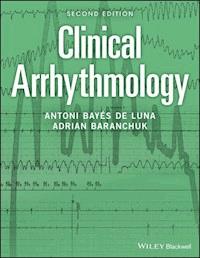
The second edition of Clinical Arrhythmology provides a fresh, clear, and authoritative overview that will guide readers from a solid understanding of the mechanisms behind cardiac arrhythmias -- which is fundamental to their identification -- to diagnosis via electrocardiograms and other tools, to specific management options for each of the arrhythmias that cardiologists and other clinicians will encounter in clinical practice.
- Organized in a clear, intuitive manner; introducing the reader to an understanding of the anatomical and electrophysiological bases of arrhythmias, then to a comprehensive review of how to diagnose the full range of rhythmic abnormalities, and then to a discussion of specific clinical syndromes in which arrhythmias play a part
- Highly illustrated chapters ensure key concepts are simpler to understand
- Detailed appendices provide quick reference values for diagnostic and therapeutic techniques, and pharmacotherapeutic agents, and Recommendations
Sie lesen das E-Book in den Legimi-Apps auf:
Seitenzahl: 1219
Veröffentlichungsjahr: 2017
Ähnliche

















Table of Contents
Cover
Title Page
Copyright
Foreword by Dr. Valentin Fuster
Foreword by Dr. Pere Brugada i Terradellas
Preface
Preface to the Second Edition by Dr Adrian Branchuk
Recommended General Bibliography
Part I: Anatomical and Electrophysiological Considerations, Clinical Aspects, and Mechanisms of Cardiac Arrhythmias
Chapter 1: Clinical Aspects of Arrhythmias
Definition of Arrhythmia
Classification
The Importance of Clinical History and Physical Examination in Diagnosis and Assessment of Arrhythmias
(Bellet, 1969; Knoebel et al., 1993; Recommended General Bibliography p. xvii)
The Importance of Surface ECG and Other Techniques
References
Chapter 2: Anatomic and Electrophysiologic Basis
Anatomic Basis
Electrophysiologic Characteristics
(Hofman and Cranefield, 1960; Paes de Carvalho and Hofman, 1966; Markus et al., 1998; Issa et al., 2012; Recommended General Bibliography p. xvii)
References
Chapter 3: Electrophysiologic Mechanisms
Mechanisms Responsible for Active Cardiac Arrhythmias
Mechanisms Leading to Passive Arrhythmias
References
Part II: Diagnosis, Prognosis and Treatment of Arrhythmias
Chapter 4: Active Supraventricular Arrhythmias
Premature Supraventricular Complexes
Sinus Tachycardia
Atrial Tachycardia
Junctional Reentrant (Reciprocating) Tachycardia
AV Junctional Tachycardia Due to Ectopic Focus
Chaotic Atrial Tachycardia
Atrial Fibrillation
Atrial Flutter
(Figures 4.57-4.71)
Supraventricular Tachyarrhythmias and Atrial Wave Morphology: Monomorphic and Polymorphic Morphology
Differential Diagnosis of Supraventricular Tachyarrhythmias with Regular RR Intervals and Narrow QRS
Electrocardiographic Diagnosis of the Paroxysmal Supraventricular Tachycardias: a Sequential Approach
References
Chapter 5: Active Ventricular Arrhythmias
Premature Ventricular Complexes
Ventricular Tachycardias
Ventricular Flutter
Ventricular Fibrillation
References
Chapter 6: Passive Arrhythmias
Escape Complex and Escape Rhythm
Sinus Bradycardia due to Sinus Automaticity Depression (Figures 6.7 and 6.8)
Sinoatrial Block
Atrial Blocks
Atrioventricular Block
Ventricular Blocks
Cardiac Arrest
The Pacemaker Electrocardiography
(Garson, 1990; Kasumoto and Goldschlager, 1996; Hesselson, 2003; Baranchuk, 2013) (Figures 6.30-6.38)
Clinical, Prognostic, and Therapeutic Implications of Passive Arrhythmias
References
Chapter 7: Analytical Study of an Arrhythmia
Determining the Presence of a Dominant Rhythm
Atrial Wave Analysis
QRS Complex Analysis
Atrioventricular Relationship Analysis
Premature Complex Analysis
Pause Analysis
Delayed Complex Analysis
Analysis of the P Wave and QRS-T Complexes of Variable Morphology
(Figures 7.4 and 7.5, Table 7.1)
Repetitive Arrhythmias Analysis: Bigeminal Rhythm
Differential Diagnosis Between Several Arrhythmias in Special Situations
References
Part III: The ECG and Risk of Arrhythmias and Sudden Death in Different Heart Diseases and Situations
Chapter 8: Ventricular Pre-Excitation
Concept and Types of Pre-Excitation
WPW-type Pre-Excitation (Type 1)
Atypical Pre-Excitation
Short PR Interval Pre-Excitation
(Lown et al.
, 1957
) (Figures
8.14
and
8.15
)
References
Chapter 9: Inherited Heart Diseases
Introduction
Cardiomyopathies
Specific Conduction System Involvement: Lenegre Syndrome
Ionic Channel Disorders in the Absence of Apparent Structural Heart Disease: Channelopathies
References
Chapter 10: Other ECG Patterns of Risk
Severe Sinus Bradycardia
Third-Degree (Advanced) Interatrial Block
(Figures 10.4-10.7)
High-Risk Ventricular Block
Advanced Atrioventricular Block
The Presence of Ventricular Arrhythmias in Chronic Heart Disease Patients
Acquired Long QT
(Figure 10.17)
Electrical Alternans
(see Table 7.1 and Figure 7.5)
Other Electrocardiographic Patterns of Risk for Sudden Death
Early Repolarization (ER) Pattern (J Wave) and Sudden Death
(Figure 10.18)
Risk of Serious Arrhythmias and Sudden Death in Patients with Normal or Nearly Normal ECG
References
Chapter 11: Arrhythmias in Different Heart Diseases and Situations
Ischemic Heart Disease
Heart Failure
Valvular Heart Disease
Congenital Heart Disease
Hypertensive Heart Disease
Myocarditis
Cor Pulmonale
Pericardial Disease
Sudden Death in Other Heart Diseases
Sudden Infant Death Syndrome
Athletes
(Figure 11.9)
Alcohol Intake
Special Situations
Sudden Death in Apparently Healthy People
(see Chapter 9, Idiopathic Ventricular Fibrillation)
References
Appendix
Introduction
Calculation of Sensitivity, Specificity, and Predictive Value (Table A-1)
Diagnostic Techniques
Therapeutic Techniques
Antiarrhythmic Agents
Classification of the Recommendations for Diagnostic and Therapeutic Procedures and Level of Evidence (AHA/ESC/ACC Guidelines)
References
Index
End User License Agreement
Pages
ix
xi
xiii
xiv
xv
xvii
1
4
5
6
7
8
9
10
11
12
13
14
15
16
17
18
19
20
21
22
24
25
26
28
29
30
31
32
33
34
35
36
37
38
39
40
42
43
44
45
46
51
52
56
57
58
59
60
61
62
63
65
66
67
68
70
71
72
74
75
76
78
79
80
81
83
86
87
88
89
90
91
92
95
96
97
98
99
100
101
102
103
104
105
106
107
108
109
111
112
113
114
115
116
117
118
119
120
121
122
123
125
126
127
128
129
130
131
132
133
134
135
136
137
138
139
140
141
142
144
145
146
147
148
149
150
151
152
153
154
155
156
157
158
159
160
161
162
163
166
167
168
169
171
173
174
175
176
177
178
179
183
184
185
186
187
188
189
190
191
192
193
194
195
196
197
198
199
200
201
202
203
204
205
206
207
208
210
211
212
213
214
215
216
217
218
219
220
221
222
223
224
225
226
227
228
229
230
231
232
233
234
235
236
237
238
239
240
241
242
243
246
248
249
250
251
252
253
254
255
257
260
261
262
263
264
266
267
268
269
270
271
274
275
276
277
278
279
280
281
282
283
284
285
286
287
289
291
292
293
294
295
296
297
300
301
302
303
304
305
306
307
308
309
310
311
315
317
318
319
320
321
322
324
325
326
327
328
332
333
336
337
338
339
340
341
342
343
344
345
346
347
348
349
350
351
352
353
354
355
356
357
358
360
361
362
363
364
367
369
370
371
372
373
374
375
376
377
378
379
380
382
383
384
385
387
388
389
390
391
392
393
395
396
397
398
399
400
401
402
403
404
Guide
Cover
Table of Contents
Prefacw
Part I: Anatomical and Electrophysiological Considerations, Clinical Aspects, and Mechanisms of Cardiac Arrhythmias
Begin Reading




