


56,99 €
Mehr erfahren.
- Herausgeber: John Wiley & Sons
- Kategorie: Fachliteratur
- Sprache: Englisch
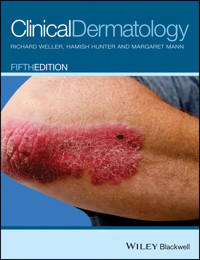
The best-selling text has been completely revised and revitalised in this fifth edition, with the authors once again encouraging general practitioners, medical students, general physicians and early stage dermatology specialist trainees and interns to relish the unique challenge of diagnosing and treating skin conditions.
Clinical Dermatology, 5th edition contains over 400 high quality pictures and diagrams combined with colourful phrases to illustrate and entertain as it teaches. The book has established a reputation as a ‘way of learning’ and as an accessible guide to the subject for the aspiring specialist. Readers are guided through the maze that too often lies between the presenting skin complaint and its final diagnosis and treatment. The authors have skilfully crafted an easily read text with enough detail to clarify the subject, but not enough to obscure it.
This fifth edition contains new chapters on non-invasive physical treatment and dermoscopy, and new material on cosmetic dermatology, surgical dermatology, the skin and the psyche, and dermatoses of non-Caucasian skin. The text throughout the book has been updated in line with developments in the science and practice of dermatology.
“... brilliantly succeeds in enticing you to look further. The writing is clear, and the joint British-American authorship avoids any parochial views.” From a review of a previous edition in BMJ
“...a very well-presented book...an excellent aid for teaching. I recommend this book highly to individuals and departments.” From a review of a previous edition in J Derm Treatment
“… provides a good overview of the structure and function of the skin as well as a good foundation for learning dermatology…well organized and includes a chapter dedicated to skin signs of systemic disease which is not covered in the other dermatology primers.” From a review of a previous edition in JAMA
Sie lesen das E-Book in den Legimi-Apps auf:
Seitenzahl: 1019
Veröffentlichungsjahr: 2014
Ähnliche



















For my mother Alison and for Julie, Hiwot and Girma; Foz, Jack and Isabella; Daniel and Samuel.
Clinical Dermatology
Richard B.Weller MD, FRCP (Edin)
Senior Lecturer Department of Dermatology University of Edinburgh Edinburgh, UK
Hamish J.A. Hunter BSc (Hons), MBChB, MRCP (UK) (Derm)
Clinical Research Fellow in Dermatology University of Manchester Manchester, UK
Margaret W. Mann MD, FAAD
Assistant Professor of Dermatology Director of Aesthetic Dermatology Associate Director of Dermatologic Surgery University Hospitals / CaseWestern School of Medicine Cleveland, OH, USA
FIFTH EDITION
This edition first published 2015 © 2015 by John Wiley & Sons Ltd.
Registered office: John Wiley & Sons, Ltd, The Atrium, Southern Gate, Chichester, West Sussex, PO19 8SQ, UK
Editorial offices: 9600 Garsington Road, Oxford, OX4 2DQ, UK The Atrium, Southern Gate, Chichester, West Sussex, PO19 8SQ, UK 111 River Street, Hoboken, NJ 07030-5774, USA
For details of our global editorial offices, for customer services and for information about how to apply for permission to reuse the copyright material in this book please see our website at www.wiley.com/wiley-blackwell
The right of the authors to be identified as the authors of this work has been asserted in accordance with the UK Copyright, Designs and Patents Act 1988.
All rights reserved. No part of this publication may be reproduced, stored in a retrieval system, or transmitted, in any form or by any means, electronic, mechanical, photocopying, recording or otherwise, except as permitted by the UK Copyright, Designs and Patents Act 1988, without the prior permission of the publisher.
Designations used by companies to distinguish their products are often claimed as trademarks. All brand names and product names used in this book are trade names, service marks, trademarks or registered trademarks of their respective owners. The publisher is not associated with any product or vendor mentioned in this book. It is sold on the understanding that the publisher is not engaged in rendering professional services. If professional advice or other expert assistance is required, the services of a competent professional should be sought.
The contents of this work are intended to further general scientific research, understanding, and discussion only and are not intended and should not be relied upon as recommending or promoting a specific method, diagnosis, or treatment by health science practitioners for any particular patient. The publisher and the author make no representations or warranties with respect to the accuracy or completeness of the contents of this work and specifically disclaim all warranties, including without limitation any implied warranties of fitness for a particular purpose. In view of ongoing research, equipment modifications, changes in governmental regulations, and the constant flow of information relating to the use of medicines, equipment, and devices, the reader is urged to review and evaluate the information provided in the package insert or instructions for each medicine, equipment, or device for, among other things, any changes in the instructions or indication of usage and for added warnings and precautions. Readers should consult with a specialist where appropriate. The fact that an organization or Website is referred to in this work as a citation and/or a potential source of further information does not mean that the author or the publisher endorses the information the organization or Website may provide or recommendations it may make. Further, readers should be aware that Internet Websites listed in this work may have changed or disappeared between when this work was written and when it is read. No warranty may be created or extended by any promotional statements for this work. Neither the publisher nor the author shall be liable for any damages arising herefrom.
Library of Congress Cataloging-in-Publication Data
Weller, Richard P. J. B., author. Clinical dermatology / Richard B. Weller, Hamish J.A. Hunter, Margaret W. Mann. – Fifth edition. p. ; cm. Preceded by Clinical dermatology / Richard P.J.B. Weller … [et al.]. 4th ed. 2008. Includes bibliographical references and index. ISBN 978-0-470-65952-6 (pbk.) I. Hunter, Hamish J.A., author. II. Mann, Margaret W., author. III. Title. [DNLM: 1. Skin Diseases–diagnosis. 2. Skin Diseases–therapy. WR 140] RL71 616.5–dc23
2014032478
A catalogue record for this book is available from the British Library.
Wiley also publishes its books in a variety of electronic formats. Some content that appears in print may not be available in electronic books.
Contents
Preface to the Fifth Edition
Acknowledgements
Introduction
Dermatology on the internet
Further reading
1 Skin Disease in Perspective
The many roles of the skin
The prevalence and cost of skin disorders
The impact of skin disorders
Further reading
2 The Function and Structure of the Skin
Epidermis
Dermo-epidermal junction
Dermis
The skin immune system
Types of immune reactions in the skin
Further reading
3 Diagnosis of Skin Disorders
History
Examination
Terminology of lesions (Figure 3.2)
Special tools and techniques
Assessment
Side-room and office tests
Laboratory tests
Conclusions
Further reading
4 Disorders of Keratinization
The ichthyoses
Common ichthyoses
Autosomal recessive congenital ichthyoses
Keratinopathic ichthyoses
Other ichthyosiform disorders
Other disorders of keratinization
Further reading
5 Psoriasis
Cause and pathogenesis
Precipitating factors
Histology (Figure 5.2)
Complications
Differential diagnosis
Investigations
Treatment
Further reading
6 Other Papulosquamous Disorders
Pityriasis rosea
Lichen planus
Pityriasis rubra pilaris
Parapsoriasis and premycotic eruption
Pityriasis lichenoides
Other papulosquamous diseases
Erythroderma/exfoliative dermatitis
Further reading
7 Eczema and Dermatitis
Terminology
Pathogenesis
Histology
Clinical appearance
Complications
Differential diagnosis
Investigations
Common patterns of eczema
Further reading
8 Reactive Erythemas and Vasculitis
Urticaria (hives, ‘nettle-rash’)
Physical urticarias
Hereditary angioedema
Erythema multiforme
Erythema nodosum
Acute febrile neutophilic dermatosis (Sweet's syndrome)
Vasculitis
Further reading
9 Bullous Diseases
Bullous disorders of immunological origin
Hailey–Hailey disease
Other causes of subcorneal and intraepidermal blistering
Subepidermal immunobullous disorders
Other causes of subepidermal blisters
Bullous erythema multiforme
Epidermolysis bullosa (also known as the mechanobullous disorders)
Further reading
10 Connective Tissue Disorders
Lupus erythematosus
Systemic sclerosis
Other connective tissue diseases
Further reading
11 Disorders of Blood Vessels and Lymphatics
Disorders involving small blood vessels
Arterial disease
Venous disease
Disorders of the lymphatics
Further reading
12 Sebaceous and Sweat Gland Disorders
Sebaceous glands
Sweat glands
Further reading
13 Regional Dermatology
The hair
The nails
The mouth and genitals
Further reading
14 Racial Skin Differences
Skin types
Racial differences in structure and function
Racially dependent variations in skin conditions
Naevus and melanoma
Keratodermas
Infections
Hair and scalp
Keloids
Cultural practices
Further reading
15 The Skin at Different Ages
Fetal skin
Infancy (the first year of life)
Childhood
Adolescence
Young adults
Pregnancy
Middle age
Old age
Further reading
16 Infections
Bacterial infections
Streptococcal infections
Meningococcal infection
Spirochaetal infections
Other infections
Mycobacterial infections
Other mycobacterial infections
Viral infections
Fungal infections
Further reading
17 Infestations
Arthropods
Parasitic worms
Further reading
18 Skin Reactions to Light
Beneficial effects of sunlight
Sunburn
Phototoxicity
Photoallergy
Chronic actinic dermatitis (actinic reticuloid)
Polymorphic light eruption
Actinic prurigo
Solar urticaria
Actinic keratoses
Actinic cheilitis
Lupus erythematosus
Carcinomas
Exacerbated diseases
Porphyria cutanea tarda
Cutaneous ageing
Further reading
19 Disorders of Pigmentation
Normal skin colour
Abnormal skin colours
Further reading
20 Skin Tumours
Prevention
Tumours of the epidermis and its appendages
Tumours of the dermis
Further reading
21 The Skin in Systemic Disease
The skin and internal malignancy
The skin and diabetes mellitus
The skin in sarcoidosis
The skin in liver disease
The skin in renal disease
Graft versus host disease
Malabsorption and malnutrition
The porphyrias
Metabolic disorders
Generalized pruritus
Pyoderma gangrenosum
Further reading
22 Cosmetic Dermatology
Ageing of the skin
Cosmeceuticals
Dermal fillers
Skin resurfacing
Further reading
23 The Skin and the Psyche
Reactions to skin disease
Dermatological delusional disease
Psychological side effects of dermatological therapy
Dermatoses precipitated or perpetuated by psychosocial stress
Further reading
24 Other Genetic Disorders
Non-Mendelian genetics
Red hair
The neurofibromatoses
Tuberous sclerosis
Xeroderma pigmentosum
Incontinentia pigmenti
Ehlers–Danlos syndrome
Pseudoxanthoma elasticum
Further reading
25 Drug Eruptions
Mechanisms
Presentation
Course
Differential diagnosis
Treatment
Further reading
26 Medical Treatment
Therapeutic options
Topical treatment
Systemic therapy
Further reading
27 Physical Forms of Treatment
Surgery
Skin biopsy
Excision
Cryotherapy
Curettage
Electrosurgery
Microscopically controlled excision (Mohs' micrographic surgery)
Flaps and grafts
Radiotherapy
Phototherapy
Photodynamic therapy
Laser therapy
Further reading
28 Dermoscopy
Dermoscopic evaluation
Further reading
Formulary 1 Topical Treatments
Formulary 2 Systemic Medication
Index
End User License Agreement
List of Tables
Chapter 1
Table 1.1
Table 1.2
Table 1.3
Table 1.4
Chapter 2
Table 2.1
Table 2.2
Table 2.3
Table 2.4
Table 2.5
Chapter 3
Table 3.1
Table 3.2
Table 3.3
Chapter 5
Table 5.1
Table 5.2
Chapter 6
Table 6.1
Table 6.2
Table 6.3
Table 6.4
Chapter 7
Table 7.1
Table 7.2
Table 7.3
Table 7.4
Table 7.5
Table 7.6
Table 7.7
Table 7.8
Chapter 8
Table 8.1
Table 8.2
Table 8.3
Table 8.4
Table 8.5
Table 8.6
Table 8.7
Chapter 9
Table 9.1
Table 9.2
Chapter 10
Table 10.1
Table 10.2
Table 10.3
Table 10.4
Table 10.5
Table 10.6
Table 10.7
Table 10.8
Chapter 11
Table 11.1
Table 11.2
Table 11.3
Table 11.4
Table 11.5
Table 11.6
Table 11.7
Table 11.8
Chapter 12
Table 12.1
Table 12.2
Chapter 13
Table 13.1
Table 13.2
Table 13.3
Table 13.4
Table 13.5
Table 13.6
Table 13.7
Chapter 14
Table 14.1
Chapter 15
Table 15.1
Table 15.2
Chapter 16
Table 16.1
Table 16.2
Chapter 17
Table 17.1
Chapter 18
Table 18.1
Table 18.2
Table 18.3
Table 18.4
Table 18.5
Chapter 19
Table 19.1
Table 19.2
Table 19.3
Chapter 20
Table 20.1
Table 20.2
Table 20.3
Table 20.4
Table 20.5
Table 20.6
Chapter 21
Table 21.1
Table 21.2
Chapter 22
Table 22.1
Table 22.2
Table 22.3
Table 22.4
Chapter 23
Table 23.1
Table 23.2
Chapter 24
Table 24.1
Chapter 25
Table 25.1
Table 25.2
Chapter 26
Table 26.1
Table 26.2
Table 26.3
Table 26.4
Chapter 27
Table 27.1
Table 27.2
Table 27.3
Chapter 28
Table 28.1
Table 28.2
Table 28.3
Table 28.4
List of Illustrations
Introduction
Describe the primary lesion. What is your diagnosis? Turn over the page to find the answer.
A raspberry! ‘See and then reason and compare and control, but see first.’ (W. Osler)
Chapter 1
Figure 1.1
Internal and external factors causing skin diseases.
Figure 1.2
The age-dependent prevalence of some skin conditions.
Figure 1.3
Skin problems in the United Kingdom and how they are dealt with in 1 year. Patients in the United States usually refer themselves to dermatologists. (Adapted from Schofield
et al
. (2009) Skin conditions in the UK: a healthcare needs assessment. Metro Commercial Printing Ltd, Watford.)
Figure 1.4
The ‘iceberg’ of psoriasis in the United Kingdom during a single year.
Figure 1.5
The five D's of dermatological disease.
Figure 1.6
(a) This patient has a port-wine stain. (b) Her life is transformed by her clever use of modern camouflage cosmetics, which take her less than a minute to apply.
Chapter 2
Figure 2.1
Three-dimensional diagram of the skin, including a hair follicle.
Figure 2.2
Changes during keratinization.
Figure 2.3
The cell cycle.
Figure 2.4
Layers of the epidermis. (a) Light microscopy and (b) electron micrograph.
Figure 2.5
Melanocyte, Langerhans cell and Merkel cell.
Figure 2.6
Melanocyte (electron micrograph), with melanosomes (inset).
Figure 2.7
Adenosine triphosphase-positive Langerhans cells in an epidermal sheet. The network provides a reticulo-epithelial trap for contact allergens.
Figure 2.8
Langerhans cell (electron micrograph), with characteristic granule (inset).
Figure 2.9
Structure and molecular composition of the dermo-epidermal junction.
Figure 2.10
Blood vessels of the skin (carmine stain).
Figure 2.11
The keratinocyte and wound healing. The injured keratinocyte turns on wound healing responses. When a keratinocyte is injured (1), it releases interleukin-1 (IL-1) (2). IL-1 activates endothelial cells causing them to express selectins that slow down lymphocytes passing over them. Once lymphocytes stop on the endothelial cells lining the vessels, IL-1 acts as a chemotactic factor to draw lymphocytes into the epidermis (4). At the same time, IL-1 activates keratinocytes by binding to their IL-1 receptors. Activated keratinocytes produce other cytokines (3). Among these is tumour necrosis factor α (TNF-α) which additionally activates keratinocytes and keeps them in an activated state (5). Activation of keratinocytes causes them to proliferate, migrate and secrete additional cytokines. GM-CSF, granulocyte–macrophage colony-stimulating factor; TGF, transforming growth factor.
Figure 2.12
T-lymphocyte activation by (a) antigen and (b) superantigen. When antigen has been processed it is presented on the surface of the Langerhans cell in association with major histocompatibility complex (MHC) Class II. The complex formation that takes place between the antigen, MHC Class II and T-cell receptor (TCR) provides signal 1, which is enhanced by the coupling of CD4 with the MHC molecule. A second signal for T-cell activation is provided by the interaction between the co-stimulatory molecules CD28 (T cell) and B7 (Langerhans cell). CD2/LFA-3 and LFA-1/ICAM-1 adhesion augment the response to signals 1 and 2. Superantigen interacts with the TCR Vβ and MHC Class II without processing, binding outside the normal antigen binding site. Activated T cells secrete many cytokines, including IL-1, IL-8 and γ-interferon, which promote inflammation (Figure 2.13).
Figure 2.13
Characteristics of Th1, Th2 and Th17 responses.
Figure 2.14
Urticaria: an immediate (type I) hypersensitivity reaction.
Figure 2.15
Bullous pemphigoid: a humoral cytotoxic (type II) reaction against a basement membrane zone antigen.
Figure 2.16
Immune complex-mediated vasculitis (type III reaction).
Figure 2.17
Induction phase of allergic contact dermatitis (type IV) reaction.
Figure 2.18
Elicitation phase of allergic contact dermatitis (type IV) reaction.
Chapter 3
Figure 3.1
The typical distribution of some common skin conditions.
Figure 3.2
Terminology of skin lesions.
Figure 3.3
Surface contours of papules.
Figure 3.4
Configuration of lesions.
Figure 3.5
Dermatoscopic appearance of a malignant melanoma.
Figure 3.6
Preparing a skin scraping for microscopy by adding potassium hydroxide (KOH) from a pipette.
Figure 3.7
Fungal hyphae in a KOH preparation. The polygonal shadows in the background are horny layer cells.
Figure 3.8
Patch testing equipment. Syringes contain commercially prepared antigens, to be applied in aluminium cups.
Figure 3.9
A strong positive reaction to a rubber additive.
Figure 3.10
Prick testing: many positive results in an atopic individual.
Figure 3.11
Incision biopsy. This should include adjacent normal skin.
Figure 3.12
Steps in taking a punch biopsy.
Figure 3.13
Direct immunofluorescence detects antibodies in a patient's skin. Here immunoglobulin G (IgG) antibodies are detected by staining with a fluorescent dye attached to antihuman IgG.
Figure 3.14
Indirect immunofluorescence detects antibodies in a patient's serum. There are two steps. (1) Antibodies in this serum are made to bind to antigens in a section of normal skin. (2) Antibody raised against human immunoglobulin, conjugated with a fluorescent dye can then be used to stain these bound antibodies (as in the direct immunofluorescence test).
Chapter 4
Figure 4.1
Ichthyosis: large rather dark scales suggest recessive X-linked ichthyosis.
Figure 4.2
The typical yellow–brown greasy papules of Darier's disease.
Figure 4.3
Extensive Darier's disease, in this case made worse by sun exposure.
Figure 4.4
The nail in Darier's disease. One or more longitudinal pale or pink stripes run over the lunule to the free margin where they end in a triangular nick.
Figure 4.5
Tylosis.
Figure 4.6
Keratoderma climactericum – thickly keratotic skin, especially around the heels. Painful fissures are a problem.
Chapter 5
Figure 5.1
The Köbner phenomenon seen after a recent thoracotomy operation.
Figure 5.2
Histology of psoriasis (right) compared with normal skin (left).
Figure 5.3
Psoriasis: extensive plaque psoriasis.
Figure 5.4
Psoriasis favours the extensor aspects of the knees and elbows.
Figure 5.5
Guttate psoriasis.
Figure 5.6
Untreated severe and extensive scalp psoriasis.
Figure 5.7
Thimble-like pitting of nails with onycholysis.
Figure 5.8
Onycholysis.
Figure 5.9
Sharply defined glistening erythematous patches of flexural psoriasis.
Figure 5.10
Pustular psoriasis of the sole.
Figure 5.11
A closer view of pustules on the sole.
Figure 5.12
An irritant napkin rash now turning into napkin psoriasis.
Figure 5.13
Erythrodermic psoriasis.
Figure 5.14
Fixed flexion deformity of distal interphalangeal joints following arthropathy.
Figure 5.15
Rheumatoid-like changes associated with severe psoriasis of hands.
Figure 5.16
Unstable psoriasis following long-term use of a potent topical steroid.
Figure 5.17
Ultraviolet radiation therapy.
Figure 5.18
Therapeutic targets of biological treatments.
Chapter 6
Figure 6.1
The herald plaque of pityriasis rosea is usually on the trunk and is larger than the other lesions. Its annular configuration is shown well here.
Figure 6.2
An extensive pityriasis rosea showing a ‘fir tree’ distribution on the back.
Figure 6.3
Shiny flat-topped papules of lichen planus. Note the Wickham's striae.
Figure 6.4
Lichen planus: classic white lacy network lying on the buccal mucosa.
Figure 6.5
Lichen planus: striking Köbner effect on the forearm.
Figure 6.6
The thickened purplish lesions characteristic of hypertrophic lichen planus on the shins.
Figure 6.7
Histology of lichen planus.
Figure 6.8
Pityriasis rubra pilaris. Note the red plugged follicles, seen even in the ‘spared’ areas.
Figure 6.9
A bizarre eruption: its persistence and variable colour suggested a prelymphomatous eruption. Biopsy confirmed this.
Chapter 7
Figure 7.1
The sequence of histological events in eczema.
Figure 7.2
Acute vesicular contact eczema of the hand.
Figure 7.3
Vesicular and crusted contact eczema of the face (cosmetic allergy).
Figure 7.4
Lichenification of the wrists – note also the increased skin markings on the palms (atopic palms).
Figure 7.5
Stretch marks following the use of too potent topical steroids to the groin.
Figure 7.6
Licking the lips as a nervous habit has caused this characteristic pattern of dry fissured irritant eczema.
Figure 7.7
Typical chronic hand eczema – irritants have played a part here.
Figure 7.8
Contact eczema caused by allergy to nickel in a jean stud.
Figure 7.9
Dry fissured eczema of the fingertips caused by handling garlic.
Figure 7.10
Assembly workers in an electronic factory – potential victims of industrial dermatitis. (Dr P.K. Buxton. Reproduced with permission of Dr P.K. Buxton.)
Figure 7.11
The pattern of atopic eczema varies with age. It may clear at any stage.
Figure 7.12
Atopic eczema in a child: worse around the eyes due to rubbing. (Dr Olivia Schofield. Reproduced with permission of Dr Olivia Schofield.)
Figure 7.13
Chronic excoriated atopic eczema behind the knees.
Figure 7.14
Trivial scratching has led to striking white dermographism.
Figure 7.15
Facial eczema in a young boy worsening recently. Crusting on the cheeks and upper lip points to possible bacterial superinfection. (Dr Olivia Schofield. Reproduced with permission of Dr Olivia Schofield.)
Figure 7.16
Infected facial eczema – herpes simplex was isolated.
Figure 7.17
Protective tubular gauze dressings being applied over a topical steroid ointment.
Figure 7.18
Areas most often affected by seborrhoeic eczema.
Figure 7.19
Dry scaly seborrhoeic eczema of the ear.
Figure 7.20
Active seborrhoeic eczema of the face.
Figure 7.21
Typical presternal patch of seborrhoeic eczema.
Figure 7.22
Infantile seborrhoeic eczema.
Figure 7.23
Vesicular and weeping patch of discoid eczema.
Figure 7.24
Pompholyx vesicles along the side of a finger.
Figure 7.25
Chronic gravitational eczema, perhaps with a superimposed contact dermatitis from a local medication.
Figure 7.26
Asteatotic eczema with network of fine fissures in the stratum corneum.
Figure 7.27
It is often hard to tell palmar lichen simplex from hyperkeratotic fissured eczema, as shown here.
Figure 7.28
The shiny skin and fissures of juvenile plantar dermatosis.
Figure 7.29
Irritant napkin erythema with a hint of sparing of the skin folds.
Chapter 8
Figure 8.1
Ways in which a mast cell can be degranulated and the ensuing reaction.
Figure 8.2
Typical small transient wheals of cholinergic urticaria – in this case triggered by exercise.
Figure 8.3
Dermographism: a frenzy of scratching by an already dermographic individual led to this dramatic appearance.
Figure 8.4
A classic wheal.
Figure 8.5
Severe and acute urticaria caused by penicillin allergy.
Figure 8.6
Angioedema of the upper lip.
Figure 8.7
A massive urticarial reaction to a wasp sting.
Figure 8.8
Erythema multiforme: bullous and target lesions occurring in a favourite site.
Figure 8.9
Erythema multiforme major. The eyelids were also severely involved.
Figure 8.10
Erythema nodosum: large painful dusky plaques on the shins. Always investigate this important reaction pattern (see text).
Figure 8.11
Pathogenesis of vasculitis.
Figure 8.12
The three P's of cutaneous small vessel vasculitis.
Figure 8.13
The palpable purpuric lesions of cutaneous small vessel vasculitis.
Figure 8.14
Urticarial vasculitis: a combination of urticaria and bruising.
Figure 8.15
Clinical features of polyarteritis nodosa.
Chapter 9
Figure 9.1
The differential diagnosis of bullous diseases based on the histological location of the blister.
Figure 9.2
Pemphigus vulgaris: widespread erosions that have followed blisters.
Figure 9.3
Painful sloughy mouth ulcers in pemphigus vulgaris.
Figure 9.4
Pemphigus vegetans in the axilla, some intact blisters can be seen.
Figure 9.5
Immunofluorescence (red) in bullous diseases.
Figure 9.6
Numerous large tense blisters in an elderly person suggest pemphigoid.
Figure 9.7
Indirect immunofluorescence using serum from a patient with pemphigoid, showing basement zone immunofluorescence.
Figure 9.8
Long-standing mucous membrane pemphigoid. Adhesions are now forming between the upper and lower eyelids.
Figure 9.9
The typical small tense grouped itchy blisters of dermatitis herpetiformis.
Figure 9.10
The itchy blisters of dermatitis herpetiformis favour the points of the elbows and knees, where they are quickly destroyed by scratching.
Figure 9.11
The burn-like appearance of toxic epidermal necrolysis.
Figure 9.12
Levels of blister formation in epidermolysis bullosa at the dermo-epidermal junction.
Figure 9.13
Junctional epidermolysis bullosa: minor trauma has caused large blisters and erosions which will heal slowly or not at all.
Figure 9.14
Recessive dystrophic epidermolysis bullosa: note large blood-filled blister. Scarring has led to fixed deformity of the fingers and loss of nails.
Chapter 10
Figure 10.1
In systemic lupus erythematosus (SLE) (left) the eruption is often just an erythema, sometimes transient, but occupying most of the ‘butterfly’ area with sparing of the nasolabial fold. In discoid LE (right) the fixed scaling and scarring plaques may occur in the butterfly area (dotted line), but can occur outside it too.
Figure 10.2
Erythema in the butterfly area, suggestive of SLE.
Figure 10.3
Red scaly fixed plaques of discoid lupus erythematosus (LE). This degree of scaling is not uncommon in the active stage. Follicular plugging is seen on the nose.
Figure 10.4
Discoid LE of the scalp leading to permanent hair loss. Note the marked follicular plugging.
Figure 10.5
The histology of discoid LE.
Figure 10.6
Acute dermatomyositis: oedematous purple face with erythema on presternal area. Severe progressive muscle weakness, but no underlying tumour was found.
Figure 10.7
Erythema and telangiectasia of the nail folds are important clues to systemic connective tissue disorders. This patient has dermatomyositis. Note Gottron's papules over the knuckles.
Figure 10.8
Systemic sclerosis: radial furrowing around the mouth.
Figure 10.9
Mat-like telangiectasia seen in a patient with systemic sclerosis.
Figure 10.10
Signs of systemic sclerosis.
Figure 10.11
Loss of fingertip pulp, and extrusion of chalky material.
Figure 10.12
Morphoea. Pale indurated plaques on the arm, showing a purplish rim.
Figure 10.13
Morphoea (en coup de sabre type) on the forehead. In a young child this can lead to facial hemiatrophy.
Figure 10.14
Lichen sclerosus. Follicular hyperkeratosis differentiates this from morphoea.
Chapter 11
Figure 11.1
The typical purplish swellings of chilblains.
Figure 11.2
Erythema ab igne: this patient persisted in sitting too close to an open fire and burned herself.
Figure 11.3
The metabolism of ethanol.
Figure 11.4
Digital gangrene. In this case caused by frostbite.
Figure 11.5
A deep pressure sore on the buttock.
Figure 11.6
The direction of blood flow in normal leg veins.
Figure 11.7
Factors causing venous leg ulceration.
Figure 11.8
Irregular areas of whitish scarring and dilated capillary loops – the changes of atrophic blanche.
Figure 11.9
Large venous ulcer overlying the medial malleolus.
Figure 11.10
Chronic ulcer failing to respond to treatment. Biopsy, taken from rolled edge, excluded malignant change.
Figure 11.11
Large, shallow and recalcitrant ulcer complicating rheumatoid arthritis.
Figure 11.12
This ulcer on the foot was not caused by venous insufficiency but cryoglobulins were detected.
Figure 11.13
Clean healing ulcer. Weekly dressing would be suitable.
Figure 11.14
Infected ulcer with sloughing. Tendon visible at bottom of figure. Hospital admission and frequent dressings needed to save leg.
Figure 11.15
Typical purpura, which is not abolished by pressure.
Figure 11.16
This gingery colour is typical of haemosiderin rather than melanin. It is caused by capillary fragility.
Chapter 12
Figure 12.1
Factors causing acne.
Figure 12.2
The seborrhoea, comedones and scattered inflammatory papules of teenage acne.
Figure 12.3
Prominent and inflamed cysts are the main features here.
Figure 12.4
Conglobate acne with inflammatory nodules, pustulocystic lesions and depressed scars.
Figure 12.5
Late-onset acne in a woman. Often localized to the chin.
Figure 12.6
Papulopustular lesions in an odd distribution. The patient played the violin (‘fiddler's neck’).
Figure 12.7
A group of open comedones (blackheads) following the use of a greasy cosmetic.
Figure 12.8
Steroid-induced acne in a seriously ill patient.
Figure 12.9
A successful systemic treatment of acne – the picture tells its own story.
Figure 12.10
Acne scarring: worth treating a test area with a resurfacing laser.
Figure 12.11
Typical rosacea with papules and pustules on a background of erythema. Note the patient also has a patch of scaly seborrhoeic eczema on his brow.
Figure 12.12
Marked rhinophyma.
Figure 12.13
A peri-oral dermatitis following withdrawal of the potent topical steroid that had been wrongly used to treat seborrhoeic eczema.
Figure 12.14
The result of the prolonged use of potent topical steroids for rosacea. Note the extreme telangiectasia.
Figure 12.15
Severe palmar hyperhidrosis demanding treatment.
Chapter 13
Figure 13.1
Anatomy of the hair follicle.
Figure 13.2
The hair cycle.
Figure 13.3
An average scalp.
Figure 13.4
The characteristic uninflamed patches of alopecia areata.
Figure 13.5
Exclamation-mark hairs: pathognomonic of alopecia areata.
Figure 13.6
An exclamation-mark hair.
Figure 13.7
Regrowth within a patch of alopecia areata after a triamcinolone injection.
Figure 13.8
A trial of diphencyprone to one side of the scalp caused some regrowth.
Figure 13.9
Variations on male-pattern baldness.
Figure 13.10
Androgenetic alopecia beginning in the frontal area.
Figure 13.11
Traction alopecia. The rollers she thought would help to disguise her thin hair actually made it worse.
Figure 13.12
Diffuse hair loss causing much anxiety.
Figure 13.13
The cone-shaped incisors of hypohidrotic ectodermal dysplasia.
Figure 13.14
Moderate hirsutism caused by polycystic ovaries.
Figure 13.15
Hypertrichosis in a young man of Mediterranean extraction.
Figure 13.16
An approach to hirsutism. CT, computed tomography; FSH, follicle stimulating hormone; LH, luteinizing hormone.
Figure 13.17
A typical Becker's naevus with marked localized hypertrichosis within a patch of hyperpigmentation.
Figure 13.18
The nail and nail bed.
Figure 13.19
Gross splinter haemorrhages caused by trauma.
Figure 13.20
A subungual haematoma of the big toe. Although there was no history of trauma we were happy to watch this grow out over 6 months as the appearance was sudden, the colour was right and the nail folds showed no pigment.
Figure 13.21
Onychogryphosis.
Figure 13.22
Nail plate abnormalities.
Figure 13.23
In this case severe clubbing was accompanied by hypertrophic pulmonary osteoarthropathy.
Figure 13.24
Clubbing.
Figure 13.25
Other nail changes.
Figure 13.26
The curved slow-growing greenish-yellow nails of the yellow nail syndrome.
Figure 13.27
Large tortuous capillary loops of the proximal nail fold signal the presence of a connective tissue disorder.
Figure 13.28
Paronychia with secondary nail ridging.
Figure 13.29
Myxoid cyst creating a groove in the nail.
Figure 13.30
Black hairy tongue.
Figure 13.31
Geographic tongue.
Figure 13.32
Aphthous ulcer of the labial mucosa.
Figure 13.33
Fordyce spots are ectopic sebaceous glands.
Figure 13.34
Venous lake.
Figure 13.35
Squamous cell carcinoma in a heavy smoker.
Figure 13.36
White lace-like appearance of vulval lichen planus.
Figure 13.37
Lichen sclerosus of the foreskin, carrying the risk of causing phimosis.
Chapter 14
Figure 14.1
Post-inflammatory hyperpigmentation. Inflammation often stimulates pigment cells to produce excessive melanin, so that previously inflamed areas are marked long afterwards with dark patches.
Figure 14.2
Vitiligo. Note the complete loss of pigment and the mirror-like symmetry.
Figure 14.3
Dermatosis papulosa nigra. These small facial seborrhoeic keratoses commonly occur on the faces of Africans. Removing them may leave unsatisfactory white scars.
Figure 14.4
Vitiligo. If just on the hands, it may have been set off by depigmenting chemicals.
Figure 14.5
Vitiligo. The pigmented macules in the porcelain-white patches are areas where pigment cells have migrated to the skin surface from hair follicles. Phototherapy regimens work by encouraging this.
Figure 14.6
Subungual melanoma. The tumour is in the proximal nail fold and has caused a longitudinal band of pigment and a groove in the nail plate. Note the pigmentation of the proximal nail fold (positive Hutchinson's sign).
Figure 14.7
Tinea capitis. This is the seborrhoeic form where inflammation is slight and hair loss and scaling prevail. Culture scale and short hairs for fungus.
Figure 14.8
Pseudofolliculitis barbae (shaving bumps). These are caused by ingrown hairs.
Figure 14.9
Traction alopecia. The tight braids have caused hair loss.
Figure 14.10
Keloids. These arose after ears were pierced for jewelry.
Figure 14.11
Post-surgical keloid. Small keloids even developed where the skin was pierced by sutures used to close the excision site.
Chapter 15
Figure 15.1
Mongolian spot.
Figure 15.2
Lichen sclerosus.
Figure 15.3
Adolescent striae.
Figure 15.4
Polymorphic eruption of pregnancy with stretch marks. Widespread urticated papules.
Figure 15.5
Cosmetic changes of skin ageing.
Chapter 16
Figure 16.1
Pitted keratolysis of the heel.
Figure 16.2
Impetigo on an uncommon site showing erosions, crusting and rupture blisters.
Figure 16.3
Chronic furunculosis.
Figure 16.4
Staphylococcal scalded skin syndrome.
Figure 16.5
Erysipelas – note sharp spreading edge, here demarcated with a ballpoint pen.
Figure 16.6
The stages of syphilis.
Figure 16.7
A tick bite was followed by erythema migrans.
Figure 16.8
A plaque with the brownish tinge characteristic of lupus vulgaris. Diascopy was positive.
Figure 16.9
The spectrum of leprosy: tuberculoid to lepromatous.
Figure 16.10
Tuberculoid leprosy: subtle depigmentation with a palpable erythematous rim at the upper edge.
Figure 16.11
The ‘leonine’ facies of lepromatous leprosy.
Figure 16.12
Tuberculoid and lepromatous leprosy.
Figure 16.13
Type 1 reversal reaction. The posterior auricular nerve is grossly swollen.
Figure 16.14
Dead tropical fish picked out of the tank by the patient shown in Figure 16.15.
Figure 16.15
The sporotrichoid spread of an atypical mycobacterial infection.
Figure 16.16
Leishmaniasis acquired in the Middle East.
Figure 16.17
Viral warts – variations on the theme.
Figure 16.18
Typical common warts on the fingers.
Figure 16.19
Multiple hand warts in a fishmonger.
Figure 16.20
Solitary plantar wart on the heel. (Dr E.C. Benton. Reproduced with permission of Dr E.C. Benton.)
Figure 16.21
Group of warts under the forefoot pared to show mosaic pattern.
Figure 16.22
Plane warts resolving with inflammation.
Figure 16.23
Multiple penile warts in an immunosuppressed patient.
Figure 16.24
Spontaneous resolution of a group of plantar warts. The blackness is caused by capillary thrombosis.
Figure 16.25
A wart treated with cryotherapy: area includes a small frozen halo of normal surrounding skin.
Figure 16.26
Multiple scars following the injudicious surgical treatment of warts.
Figure 16.27
Zoster–varicella relationships.
Figure 16.28
Herpes zoster of the left ophthalmic division of the trigeminal nerve. No nasociliary involvement (see text); this is reassuring.
Figure 16.29
The grouped vesicles of herpes simplex, here provoked by sunlight. Those in the lower group are beginning to crust.
Figure 16.30
An umbilicus surrounded by umbilicated papules of molluscum contagiosum.
Figure 16.31
The pseudopustular nodule of orf.
Figure 16.32
Disseminated Kaposi's sarcoma in AIDS.
Figure 16.33
Kaposi's sarcoma in AIDS.
Figure 16.34
Kaposi's sarcoma of hard palate, anterior fauces and uvula in AIDS.
Figure 16.35
Seborrhoeic dermatitis (otitis externa) and seborrhoeic folliculitis in HIV disease.
Figure 16.36
Hairy leucoplakia on the side of the tongue.
Figure 16.37
The typical vesicles of hand, foot and mouth disease.
Figure 16.38
Tinea pedis. Scaly area spreading to the sole from the toe webs.
Figure 16.39
Powdery scaling, most obvious in the skin creases, caused by a
Trychophyton rubrum
infection.
Figure 16.40
Chronic tinea of the big toe nail. Starting distally, the thickness and discoloration are spreading proximally.
Figure 16.41
A very gross example of tinea of the groin. The
T. rubrum
infection has spread on to the abdomen and thighs, aided by the use of topical steroids.
Figure 16.42
Animal ringworm of the beard area showing boggy inamed swellings (kerion).
Figure 16.43
Animal ringworm of a child's scalp: not truly a kerion as flat and non-pustular.
Figure 16.44
Tinea incognito. Topical steroid applications have thinned the skin and altered much of the morphology. A recognizable active spreading edge is still visible.
Figure 16.45
Factors predisposing to the different types of candidiasis.
Figure 16.46
Sites susceptible to
Candida
infection.
Figure 16.47
Candidal angular stomatitis associated with severe candidiasis of the tongue.
Figure 16.48
Pink circinate areas with only a little scaling. Consider Reiter's syndrome or candidiasis.
Figure 16.49
Pityriasis versicolor: fawn areas stand out against the untanned background.
Figure 16.50
This patient's holiday was spoilt by versicolor ruining her expensive tan.
Chapter 17
Figure 17.1
This woman had acquired a head louse infection from her grandchild.
Figure 17.2
Pediculosis pubis. Numerous eggs (nits) can be seen on the plucked pubic hairs.
Figure 17.3
Florid insect bites on the leg. Note the tendency of the lesions to lie in lines and groups.
Figure 17.4
The adult female acarus (scabies mite).
Figure 17.5
Typical burrows seen on the side of the thumb.
Figure 17.6
The characteristic plantar lesions of scabies in infancy.
Figure 17.7
Common sites of burrows in scabies.
Figure 17.8
Unmistakable rubbery nodules on the penis, diagnostic of scabies.
Figure 17.9
Scabies with bacterial superinfection.
Figure 17.10
The treatment of scabies.
Figure 17.11
Larva migrans – a red serpiginous line on the instep.
Chapter 18
Figure 18.1
Skin disorders and the wavelengths that cause them.
Figure 18.2
The balance between the benefits and drawbacks of sun exposure.
Figure 18.3
Peeling after acute sunburn. This doctor's son should have known better.
Figure 18.4
Extreme photosensitivity of a patient taking griseofulvin. Note sparing of the area covered by the watch strap and ring.
Figure 18.5
Cow parsley contains psoralens and is a common cause of photodermatitis.
Figure 18.6
Severe bullous eruption in areas in contact with giant hogweed (contains psoralens) and then exposed to sunlight (phytophotodermatitis).
Figure 18.7
Features distinguishing airborne allergy from photosensitivity.
Figure 18.8
Polymorphic light eruption: eczematous plaques on the face of a sad freckly boy. Persists throughout the summer but fades in the winter.
Figure 18.9
Thin skin on the back of the hand. The whitish areas are stellate pseudoscars, the skin having never been broken. The pseudoscars follow the dispersion of senile (Batemen's) purpura.
Figure 18.10
Solar elastosis is a sign of photoageing.
Chapter 19
Figure 19.1
The control of melanogenesis. Melanocortin 1 receptor (MC1R) activity is both constitutive and rate limiting when promoting melanogenesis, via cyclic adenosine monophosphate (cAMP) production and tyrosinase stimulation. The MC1R is activated by ligands such as α-melanocyte-stimulating hormone (α-MSH) and other pituitary peptides. In the absence of such ligands or the MC1R itself (knockout animals), and with loss-of-function mutations of the MC1R, phaeomelanin is produced. The precise mechanism by which ultraviolet radiation stimulates melanogenesis remains uncertain.
Figure 19.2
The mechanisms involved in some types of hypopigmentation.
Figure 19.3
Oculocutaneous albinism. An albino baby born to a normally pigmented African family (autosomal recessive inheritance).
Figure 19.4
Striking patchy vitiligo on the knees.
Figure 19.5
Vitiligo: patchy repigmentation is caused by the migration of melanocytes from the depths of the hair follicles.
Figure 19.6
Pityriasis alba.
Figure 19.7
The mechanisms of some types of hyperpigmentation.
Figure 19.8
Histology of a freckle and a lentigo.
Figure 19.9
Melanotic macule of the lip: slow to evolve and benign, as suggested by its even colour and sharp margin.
Figure 19.10
Senile lentigines on the back of an elderly hand (
liver spots
). Note accompanying atrophy.
Figure 19.11
A simple lentigo showing a sharp edge and an even distribution of pigment.
Figure 19.12
Profuse lentigines on and around the lips in the Peutz–Jeghers syndrome.
Figure 19.13
Chloasma worsened by sun exposure.
Figure 19.14
A drop of psoralen-containing perfume on the chest photosensitized this pendant-shaped area. It became pigmented after exposure to the sun.
Chapter 20
Figure 20.1
This family lived in the tropics. No prizes for guessing which of them avoided the sun.
Figure 20.2
An eye-catching and effective way of teaching the public how to look at their moles. A pamphlet produced by the Cancer Research Campaign in the United Kingdom.
Figure 20.3
These Scottish schoolchildren attending an Australian school were surprised to find that wide-brimmed sun protective hats were a compulsory part of the school uniform. These are fashionable after several clever campaigns, and the ‘no hat, no play’ rule has become an accepted way of life.
Figure 20.4
Typical multiple seborrhoeic warts on the shoulder. Each individual lesion might look worryingly like a malignant melanoma but, in the numbers seen here, the lesions must be benign.
Figure 20.5
Numerous unsightly seborrhoeic warts of the face.
Figure 20.6
Dermatosis papulosa nigra.
Figure 20.7
Histology of a seborrhoeic keratosis.
Figure 20.8
Numerous axillary skin tags.
Figure 20.9
Linear warty epidermal naevus.
Figure 20.10
Types of acquired melanocytic naevi.
Figure 20.11
Congenital melanocytic naevus.
Figure 20.12
A large hairy congenital melanocytic naevus. (Dr Auf Qaba, St John's Hospital, Livingstone. Reproduced with permission of Dr Auf Qaba.)
Figure 20.13
Junctional melanocytic naevus.
Figure 20.14
Compound melanocytic naevus. No recent change.
Figure 20.15
Intradermal melanocytic naevus with numerous shaved hairs.
Figure 20.16
Spitz naevus.
Figure 20.17
The blue ink matches the blue naevus.
Figure 20.18
Atypical moles in a 12-year-old girl. Note the malignant melanoma lying between the scapulae.
Figure 20.19
Halo naevus.
Figure 20.20
Malignant melanoma developing within a congenital melanocytic naevus.
Figure 20.21
Sebaceous naevus of the scalp.
Figure 20.22
Milia.
Figure 20.23
Chondrodermatitis nodularis helicis. The inflammation of the underlying cartilage is painful enough to wake up patients repeatedly at night.
Figure 20.24
Typical rough-surfaced actinic keratoses on the scalp.
Figure 20.25
Cutaneous horn with a bulbous fleshy base.
Figure 20.26
Early basal cell carcinoma with rolled opalescent edge and central crusting.
Figure 20.27
Basal cell carcinoma with marked telangiectasia and ulceration.
Figure 20.28
Cicatricial basal cell carcinoma.
Figure 20.29
Persistent scaly plaque – the whipcord edge gives away the diagnosis of a superficial basal cell carcinoma.
Figure 20.30
A pigmented tumour on the temple. The opalescent rim points to the diagnosis of a basal cell carcinoma.
Figure 20.31
A grossly neglected basal cell carcinoma already invading underlying bone.
Figure 20.32
Histology of nodular basal cell carcinoma.
Figure 20.33
Squamous cell carcinoma. Not a venous ulcer – too high up the leg, too raised and no signs of venous insufficiency.
Figure 20.34
The histology of a squamous cell carcinoma.
Figure 20.35
Intraepidermal carcinoma: a slowly expanding warty plaque. Note the reniform projections and notches so suggestive of an
in situ
malignancy.
Figure 20.36
Keratoacanthoma with its epidermal shoulders and central plug of keratin.
Figure 20.37
Histology of keratoacanthoma.
Figure 20.38
Radial intraepidermal growth phase of melanoma (1 and 2) precedes vertical and invasive dermal growth phase (3).
Figure 20.39
This elderly patient, her friends and family doctor, had ignored for too long the slowly spreading macule of a lentigo maligna: now she has a frankly invasive melanoma within it (the darker area).
Figure 20.40
Superficial spreading melanoma of the jawline. Small, and still curable at this stage.
Figure 20.41
This shows the hallmarks of a malignant melanoma with its asymmetry, irregular borders and variations in colour. The pink amelanotic nodule signifies deep dermal invasion.
Figure 20.42
A nodular malignant melanoma: just beginning to ulcerate.
Figure 20.43
An amelanotic malignant melanoma on the heel of an elderly person. Always obtain histology even if you think it is just a pyogenic granuloma or an atypical wart.
Figure 20.44
Histology of the different types of melanoma.
Figure 20.45
Schematic representation of Breslow's and Clark's methods of microstaging malignant melanoma.
Figure 20.46
Talon noir.
Figure 20.47
Such a wide excision and unsightly graft is no longer acceptable for a thin good-prognosis melanoma. Note the many atypical moles.
Figure 20.48
Be alert to the possibility of Paget's disease if a red plaque affects only one nipple, and alters its normal architecture.
Figure 20.49
Lifelong capillary malformation of the cheek showing no tendency to resolve. Note port-wine appearance of the upper pole, contrasting with the nodular elements elsewhere.
Figure 20.50
Port-wine stain of the right cheek. No neurological problems in this patient.
Figure 20.51
Classic strawberry naevus, occurred and enlarged rapidly shortly after birth. (Dr M.J. Tidman, The Royal Infirmary of Edinburgh, Edinburgh, UK. Reproduced with permission of Dr M.J. Tidman.)
Figure 20.52
The same strawberry naevus as shown in Figure 20.51, showing the whitening of the surface which is a sign of spontaneous remission. (Dr M.J. Tidman, The Royal Infirmary of Edinburgh, Edinburgh, UK. Reproduced with permission of Dr M.J. Tidman.)
Figure 20.53
Campbell de Morgan spots (cherry angiomas) of the chest.
Figure 20.54
Pyogenic granuloma of the palm: soggy after elastoplast dressing and bleeding easily.
Figure 20.55
A 0.5-cm diameter dermatofibroma. Typically, these lesions feel larger than they look. Its depressed surface became more obvious when the surrounding skin was pinched.
Figure 20.56
Multiple lipomas.
Figure 20.57
Juvenile type of mastocytosis.
Figure 20.58
Poikiloderma vasculare atrophicans may be a precursor of the tumour stage of cutaneous T-cell lymphoma.
Figure 20.59
An ulcerated tumour of mycosis fungoides against a background of plaques.
Figure 20.60
Immunopathology showed that these nodules were caused by a B-cell lymphoma. (Dr E.C. Benton. Reproduced with permission of Dr E.C. Benton.)
Figure 20.61
Several scalp metastases arising from a breast carcinoma.
Chapter 21
Figure 21.1
Acanthosis nigricans – in this case caused by obesity.
Figure 21.2
Acute febrile neutrophilic dermatosis (Sweet's syndrome).
Figure 21.3
Necrobiosis lipoidica: shiny yellowish patch with marked telangiectasia.
Figure 21.4
Granuloma annulare.
Figure 21.5
Diabetic cheiropathy – the prayer sign. Poor finger apposition in the diabetic hand (on the left) compared with the normal one (on the right).
Figure 21.6
Sarcoidosis: plum-coloured plaques on the cheek.
Figure 21.7
Solitary spider naevus showing the central feeding vessel. No underlying liver disease in this case.
Figure 21.8
Porphyria cutanea tarda.
Figure 21.9
Blisters, milia and erosions on the side of a finger.
Figure 21.10
Porphyria cutanea tarda. Coral-red fluorescence of urine under Wood's light denoting excessive uroporphyrins (chloroform extraction).
Figure 21.11
Xanthelasma: flat yellow lesions on the eyelids, often with normal blood lipids.
Figure 21.12
Tuberous xanthoma on the points of the elbows – a mixture of nodules and papules.
Figure 21.13
Plane xanthoma with yellow palmar creases.
Figure 21.14
An example of the butterfly sign. This lady could not reach her upper back but could scratch her skin everywhere else. In other patients, the spared area is shaped more like a butterfly.
Figure 21.15
Pyoderma gangrenosum: a plum-coloured lesion with a typical cribriform appearance.
Figure 21.16
Another manifestation of Crohn's disease: grossly oedematous vulva with interconnecting sinuses. Biopsy at the site arrowed showed a granulomatous histology.
Figure 21.17
This long-standing ulcer was pyoderma gangrenosum secondary to the patient's rheumatoid arthritis. (Dr G.W. Beveridge. Reproduced with permission of Dr G.W. Beveridge.)
Chapter 22
Figure 22.1
Before (a) and after (b) photographs of the effect of botulinum toxin injections on glabella and horizontal forehead frown lines. “X” marks typical injection sites to reduce glabella and forehead rhytids.
Figure 22.2
Before (a) and after (b) photographs showing reduction in nasolabial folds following injection of a hyaluronic acid filler.
Figure 22.3
Before (a), seven days (b), and six months (c) after a 25% TCA peel. Once the post-treatment crusting has settled, there is a reduction in peri-oral wrinkles and signs of epidermal photoaging.
Chapter 23
Figure 23.1
Mind–skin interactions.
Figure 23.2
Delusional infestation – the sequence of events.
Figure 23.3
Obvious dermatitis artefacta: back your own judgement against the patient's here.
Figure 23.4
A lighted cigarette was responsible for this appearance.
Figure 23.5
Dermatitis artefacta: denials of self-trauma did not convince us that this was caused by any other skin disease.
Figure 23.6
Unusually extensive neurotic excoriations.
Figure 23.7
The excoriated nodules of prurigo nodularis.
Chapter 24
Figure 24.1
Neurofibromatosis: one large but benign neurofibroma has ulcerated over the sacrum. Several café au lait patches are visible.
Figure 24.2
Freckling of the axilla and a café au lait patch – both markers of neurofibromatosis.
Figure 24.3
Lisch nodules: best seen with a slit-lamp.
Figure 24.4
Tuberous sclerosis. Adenoma sebaceum, understandably, was referred to the acne clinic.
Figure 24.5
The peri-ungual fibromas of tuberous sclerosis are found in adult patients.
Figure 24.6
Computed tomography scan of a patient with tuberous sclerosis. Modern imaging techniques can sometimes show cortical tubers (white) even when the skin changes are minimal.
Figure 24.7
Xeroderma pigmentosum: obvious freckling on neck. Scars on nose mark the spots where tumours have been removed.
Figure 24.8
The ‘plucked chicken’ appearance of pseudoxanthoma in the antecubital fossa.
Chapter 25
Figure 25.1
Gross striae caused by systemic steroids.
Figure 25.2
Symmetrical erythematous maculopapular rash as a result of ampicillin.
Figure 25.3
Gingival hyperplasia caused by long-term phenytoin treatment.
Figure 25.4
Toxic erythema with urticarial features.
Figure 25.5
The cause, clinical features and treatment of anaphylaxis.
Figure 25.6
Fixed drug eruption – an unusually severe bullous reaction.
Figure 25.7
Acute generalized exanthematous pustulosis precipitated by amoxicillin.
Figure 25.8
Note sparing of skin creases and area shielded by spectacle frames in this patient with photorelated hyperpigmentation from a phenothiazine drug.
Chapter 26
Figure 26.1
Stretch marks behind the knee caused by the topical corticosteroid treatment of atopic eczema.
Figure 26.2
Often attributed to Cushing's disease or to local corticosteroid therapy, but stretch marks across the back are common in normal fast-growing teenagers.
Figure 26.3
The derivation of vehicles.
Figure 26.4
The minimum amount of a cream required in 1 week by an adult applying it twice daily.
Figure 26.5
A fingertip measures about 0.5 g ointment.
Chapter 27
Figure 27.1
An example of a biopsy tray setup with clean gloves.
Figure 27.2
Typical excision tray. Hibiclens is positioned at the top left corner (for prepping the skin), followed by sterile gauze and sterile towel (for draping the surgical area). Surgical instruments include forceps, blade and blade holder, suture scissors and undermining scissors, skin hook, needle driver, haemostat and electrocautery.
Figure 27.3
Skin wrinkle figures are helpful in deciding the direction of wounds following skin surgery. Those performing dermatological surgery should have ready access to them.
Figure 27.4
Suspicious pigmented lesions should be removed with a 2-mm margin marked out in advance.
Figure 27.5
Steps for surgical excision of a melanoma in situ. (a) An fusiform shape is marked with 5-mm margins. (b) Incision is carried perpendicular to the skin down to the subcutaneous fat. (c) The tissue specimen is carefully removed with the help of a fine-toothed forceps. (d) Undermining is carried out with a skin hook to minimize trauma to the epidermis. (e) The dermis is closed with absorbable sutures. (f) The epidermis is reapproximated with subcuticular sutures. (g) Steristrips are placed. (h) Pressure dressing is left in place for 24–48 hours.
Figure 27.6
Liquid nitrogen can be applied through a spray, or with a cotton wool bud direct from a vacuum flask (centre).
Figure 27.7
Two freeze–thaw cycles with liquid nitrogen cleared this actinic keratosis. (Dr R. Dawber, The Churchill Hospital, Oxford, UK. Reproduced with permission of Dr R. Dawber.)
Figure 27.8
Curettage beats excision if a seborrhoeic wart has to be removed. Stretching the skin helps to hold the lesion steady.
Figure 27.9
Types of electrosurgery.
Figure 27.10
An example of Mohs' micrographic surgery for an ill-defined basal cell carcinoma on the forehead near the eyebrow. (a) Initial lesion measured 10 × 8 mm. (b) After four stages of Mohs', the lesion measured 25 × 16 mm. (c) Mohs map showing presence of tumor in red in stage 1–3 with final clearance on stage 4. (d) Reconstruction of the defect with an advancement flap and a skin graft centrally. (e) Final outcome at 6 months.
Figure 27.11
(a) A 90-year-old, unfit for surgery, did well with radiotherapy for this massive basal carcinoma. (b) The reaction was healing well after a few weeks.
Figure 27.12
Radiodermatitis with scarring, telangiectasia and hyperkeratosis.
Figure 27.13
A basal cell carcinoma: (a) showing, by fluorescence (b), selective uptake of 5-aminolaevulinic acid (ALA). (The Photobiology Unit, Ninewells Hospital, Dundee, UK.)
Figure 27.14
Photodynamic therapy of the face with blue light after 2 hours of incubation with ALA. Appropriate safety goggles should be worn by the patient and staff during treatment.
Figure 27.15
(a) Hyperkeratotic Bowen's disease on a finger; (b) treated successfully with photodynamic therapy. This would have been an awkward site for surgery. (The Photobiology Unit, Ninewells Hospital, Dundee, UK.)
Figure 27.16
An example of a port-wine stain treated with a pulsed-dye laser with resultant purpura: (a) prior to treatment; (b) immediately posttreatment; (c) 1 month posttreatment with improvement in the treated area.
Figure 27.17
Many vascular lesions can be treated with the pulsed-dye laser, including angiokeratoma circumscriptum: (a) pretreatment; (b) after four treatments with significant improvement in the area; (c) after six treatments with near resolution.
Figure 27.18
Leucoplakia caused by chronic actinic damage – most suitable for laser resurfacing treatment.
Figure 27.19
Rhinophyma treated with Erb:YAG ablative resurfacing laser: (a) preoperative; (b) partial re-epithelization at 1 week; (c) complete healing at 3 weeks.
Chapter 28
Figure 28.1
Hand-held dermascopes.
Figure 28.2
Physician examining a pigmented lesion using a contact immersion system (a) and cross-polarized light which does not require direct contact (b).
Figure 28.3
Two-step dermoscopic evaluation. BCC, basal cell carcinoma.
Figure 28.4
Typical dermascopic appearance of non-melanocytic lesions. Figures courtesy of Dr. Kelly Nelson, Department of Dermatology, Vanderbilt University, Nashville, Tennessee, USA.
Figure 28.5
(a) Melanoma with asymmetry of colour and structure as well as irregular pigment network. There are pseudopods irregularly distributed at one edge of the lesion (black arrows), blue–black structureless area (white arrow) as well as areas of thin and thickened reticular lines. Blue–white veil can be seen at the centre of the lesion (circle). (b) Another example of a melanoma with asymmetry of multiple colours and structure. There are areas of irregular thickened hyperpigmented lines in a reticular pattern at the periphery. Centrally there is a structureless area of regression with scar-like depigmentation. (c) While this lesion is clinically subtle for a melanoma, it has concerning features on dermoscopic examination including multiple colours, asymmetry of structure and multiple peripheral brown and black dots. This lesion was biopsied and histopathology confirmed the diagnosis of melanoma. Figures courtesy of Dr. Kelly Nelson, Department of Dermatology, Vanderbilt University, Nashville, Tennessee, USA.
Guide
Cover
Table of Contents
Preface
Pages
vii
viii
ix
x
xi
1
2
3
4
5
6
7
8
9
10
11
12
13
14
15
16
17
18
19
20
21
22
23
24
25
26
27
28
29
30
31
35
36
37
38
39
40
41
42
43
44
45
46
47
48
49
50
51
52
53
54
55
56
57
58
59
60
61
62
63
64
65
66
67
68
69
70
71
72
73
74
75
76
77
78
79
80
81
82
83
84
87
88
89
90
91
92
93
94
95
96
97
98
99
100
101
102
103
104
105
106
107
108
109
110
111
112
113
114
115
116
117
118
119
120
121
122
123
124
125
126
127
128
129
130
131
132
133
134
135
136
137
138
139
140
141
142
143
144
145
146
147
148
149
150
151
152
153
154
155
156
157
158
159
160
161
162
163
164
165
166
167
168
169
170
171
172
173
174
175
176
177
178
179
180
181
182
183
184
186
187
188
189
190
191
192
193
194
195
196
197
198
199
200
201
202
203
204
205
206
207
208
209
210
211
212
213
214
215
216
217
218
219
220
221
222
223
224
225
226
227
228
229
230
231
232
233
234
235
236
237
238
239
240
241
242
243
244
245
246
247
248
249
250
251
252
253
254
255
256
257
258
259
260
261
262
263
264
265
266
267
268
269
270
271
272
273
274
275
276
277
278
279
280
281
282
283
284
285
286
287
288
289
290
291
292
293
294
295
296
297
298
300
301
302
303
304
305
306
307
308
309
310
311
312
313
314
315
316
317
318
319
320
321
322
323
324
325
326
327
328
329
330
331
332
333
334
335
336
337
338
339
340
341
342
343
344
345
346
347
348
349
350
351
352
353
354
355
356
357
358
359
360
361
362
363
364
365
366
367
368
369
370
371
373
374
375
377
378
379
380
381
382
383
384
385
386
387
391
394
395
396
397
398
399
400
401
402
403
404
405
406
407
408
409
410
411
412
413
414
415
416
417
418
419
420
421
422
423
424
425
426
427
428
429
430
431
432
433
434
435
436
437
438




