


1,99 €
Mehr erfahren.
- Herausgeber: Freegulls Publishing House LLC
- Kategorie: Fachliteratur
- Sprache: Englisch
Construction management involves overseeing the planning, design, and construction of a project, ensuring it's completed on time, within budget, and to the desired quality standards. It involves coordinating various stakeholders, managing resources, and mitigating risks throughout the construction process.
Construction management encompasses a wide range of responsibilities and tasks aimed at efficiently executing construction projects.
Das E-Book können Sie in Legimi-Apps oder einer beliebigen App lesen, die das folgende Format unterstützen:
Veröffentlichungsjahr: 2024
Ähnliche
















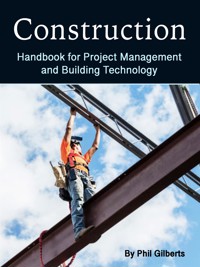
Construction
Handbook for Project Management and Building Technology
By Phil Gilberts
Table of Contents:
1. Introduction to Construction Management
2. Project Planning and Scheduling
3. Budgeting and Cost Control
4. Risk Management in Construction Projects
5. Construction Contracts and Legal Considerations
6. Building Codes and Regulations
7. Site Management and Safety
8. Procurement and Supply Chain Management
9. Construction Methods and Techniques
10. Building Materials and Technology
11. Sustainable Construction Practices
12. Quality Management and Control
13. Communication and Stakeholder Management
14. Project Closeout and Handover
15. Emerging Trends in Construction Industry
1. Introduction to Construction Management
Construction management involves overseeing the planning, design, and construction of a project, ensuring it's completed on time, within budget, and to the desired quality standards. It involves coordinating various stakeholders, managing resources, and mitigating risks throughout the construction process.
Construction management encompasses a wide range of responsibilities and tasks aimed at efficiently executing construction projects. This includes:
1. Project Planning: Developing comprehensive project plans outlining the scope, schedule, budget, and resources required for successful completion.
2. Design Management: Collaborating with architects, engineers, and other professionals to ensure that designs meet client requirements, local regulations, and industry standards.
3. Cost Estimation and Budgeting: Assessing project costs, preparing estimates, and creating budgets to allocate resources effectively and control expenses throughout the construction process.
4. Procurement: Procuring materials, equipment, and services needed for construction while adhering to project specifications and budget constraints.
5. Scheduling: Creating and managing construction schedules to optimize efficiency, sequence tasks, and meet project deadlines.
6. Resource Management: Allocating labor, equipment, and materials efficiently to maximize productivity and minimize waste.
7. Quality Control: Implementing quality assurance processes to ensure that construction work meets specified standards and client expectations.
8. Risk Management: Identifying potential risks and developing strategies to mitigate them, such as implementing safety protocols, insurance coverage, and contingency plans.
9. Contract Administration: Administering contracts, managing subcontractors, and resolving disputes to maintain positive relationships and ensure contractual obligations are fulfilled.
10. Communication and Stakeholder Management: Facilitating effective communication among project team members, clients, regulatory agencies, and other stakeholders to promote collaboration and address concerns.
11. Health and Safety: Implementing safety measures and protocols to protect workers, visitors, and the public from hazards and ensure compliance with health and safety regulations.
Overall, construction management plays a critical role in orchestrating all aspects of a construction project to deliver a successful outcome that meets client objectives while adhering to time, cost, and quality constraints.




