


4,28 €
Mehr erfahren.
- Herausgeber: WS
- Kategorie: Geisteswissenschaft
- Sprache: Englisch
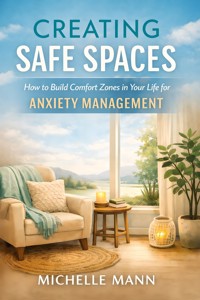
Do you ever wish you could escape the noise, pressure, and constant stress of everyday life? What if you could create places—both physical and emotional—where calm, safety, and control naturally exist?
In Creating Safe Spaces, Michelle Mann shows you how to intentionally design comfort zones that support your mental health and help you manage anxiety with confidence and clarity.
This practical, compassionate guide will help you:
✨ Identify what triggers your anxiety and how to reduce its impact
✨ Create calming environments at home, work, and in your mind
✨ Build daily routines that promote peace and emotional safety
✨ Develop grounding techniques you can use anytime, anywhere
✨ Strengthen your sense of control during overwhelming moments
Whether you struggle with social anxiety, panic attacks, or constant worry, this book gives you real tools you can start using immediately. Michelle’s supportive approach makes it easy to understand your emotions and transform your surroundings into sources of comfort and strength.
You don’t have to feel trapped by anxiety.
You can create spaces that nurture your peace.
Start building your safe space today and take back control of your life.
Das E-Book können Sie in Legimi-Apps oder einer beliebigen App lesen, die das folgende Format unterstützen:
Seitenzahl: 150
Veröffentlichungsjahr: 2026
Ähnliche




















Creating Safe Spaces
How to Build Comfort Zones in Your Life for Anxiety Management
Michelle Mann
Copyright © 2024 by Michelle Mann
All rights reserved.
No portion of this book may be reproduced in any form without written permission from the publisher or author, except as permitted by U.S. copyright law.
Contents
Introduction
"Thebestwayout is always through."
- Robert Frost
In our whirlwind of a world, where chaos often reigns and moments of tranquility seem few and far between, discovering places where we can truly breathe easy can feel like stumbling upon buried treasure. But nestled within the notion of safe spaces lies something truly transformative—a chance not only to reshape the places we inhabit but also to reshape how we navigate life itself. So, welcome aboard our journey into the heart of "The Power of Safe Spaces." Here, we'll dive deep into the remarkable influence these sanctuaries of solace and empathy wield over our happiness and development.
The Power of Safe Spaces
In our increasingly interconnected yet often isolating world, the concept of safe spaces holds profound significance. Beyond mere physical confines, safe spaces serve as emotional sanctuaries where individuals can shed the masks they wear and reveal their true selves. Within these havens of acceptance and understanding, the rigid barriers that often separate us from one another dissolve, paving the way for authentic connection and mutual support.
At the heart of safe spaces lies a deep sense of validation and respect. Here, individuals are not judged for their flaws or shortcomings but celebrated for their inherent worth and unique perspectives. Whether it's a cozy corner of a bustling café, a virtual gathering space in the digital realm, or the comforting presence of a trusted friend, safe spaces offer solace and refuge from the pressures of daily life.
In these nurturing environments, vulnerability is not seen as a weakness but as a courageous act of self-expression. Walls come down, masks are discarded, and individuals are free to share their joys, sorrows, hopes, and fears without fear of ridicule or rejection. It is within these moments of raw authenticity that true connections are forged, transcending superficiality, and fostering deep bonds of empathy and understanding.
Moreover, safe spaces serve as incubators for personal growth and empowerment. In an atmosphere of acceptance and support, individuals are encouraged to explore their passions, pursue their dreams, and confront their fears with newfound courage and resilience. Whether it's overcoming past traumas, challenging societal norms, or daring to pursue unconventional paths, safe spaces provide the fertile ground upon which individuals can cultivate their fullest potential.
Ultimately, the power of safe spaces lies in their ability to nourish the human spirit and foster a sense of belonging and connection in an often-fragmented world. They remind us that, despite our differences, we are all deserving of love, respect, and understanding. As we journey through life's ups and downs, let us cherish and cultivate these sacred spaces wherever we find them, knowing that within their embrace, we are truly home.
Finding My Safe Space
When I was a child and teen, I always felt like I was walking on a tightrope, trying to balance the expectations of others with my own desires and dreams. As a shy and introverted teenager, navigating the complexities of high school social dynamics felt like an insurmountable challenge. I longed for a place where I could escape the judgmental eyes of my peers and simply be myself—a refuge from the relentless pressure to fit in and conform.
It wasn't until I stumbled upon the school's drama club that I found my safe haven. Tucked away in a forgotten corner of the campus, the drama club room was a sanctuary of creativity and acceptance—a world where differences were celebrated, and quirks were cherished.
Stepping into that dimly lit room for the first time felt like coming home. Surrounded by kindred spirits who shared my love for storytelling and self-expression, I felt a sense of belonging that I had never experienced before. Here, amidst the chaos of rehearsals and the laughter of fellow cast members, I discovered the transformative power of safe spaces.
In the confines of the drama club room, I shed my insecurities and embraced my true self. Whether I was belting out show tunes at the top of my lungs or reciting lines from Shakespeare with gusto, I felt liberated from the weight of societal expectations. The judgmental whispers of my classmates faded into the background, replaced by the supportive cheers of my newfound friends.
As the years passed, the drama club became more than just a extracurricular activity; it became my lifeline—a beacon of light in the darkest of times. Through the ups and downs of adolescence, the drama club provided a refuge where I could escape the chaos of the outside world and find solace in the company of kindred spirits.
Looking back, I realize that the drama club taught me a valuable lesson: that safe spaces are not defined by their physical surroundings, but by the sense of acceptance and belonging they cultivate. In the drama club room, I found the courage to embrace my authentic self and pursue my passions without fear of judgment or rejection.
Today, as I navigate the complexities of adult life, I carry the lessons I learned from the drama club with me wherever I go. Though I may no longer perform on stage, I continue to seek out safe spaces—places where I can connect with others on a deeper level, free from the constraints of societal norms and expectations.
For me, the drama club will always be more than just a memory; it will be a testament to the transformative power of safe spaces—a reminder that, no matter how turbulent life may be, there will always be places where we can find solace, acceptance, and belonging.
How to Use this Book
Navigating "The Power of Safe Spaces" is designed to be as intuitive and empowering as the safe spaces it explores.
Here's how to make the most out of this journey:
Engage with Intention
As you embark on this exploration, approach each chapter with an open mind and a willingness to reflect on your own experiences. Consider keeping a journal to jot down insights, reflections, and action steps that resonate with you.
Explore at Your Own Pace
This book is your personal guide, so feel free to navigate it in a way that suits your needs and preferences. Whether you choose to read it cover to cover or jump to specific chapters that pique your interest, trust your intuition and follow your own unique path.
Reflect and Apply
Throughout the book, you'll encounter thought-provoking questions, exercises, and practical strategies designed to help you deepen your understanding of safe spaces and apply these insights to your own life. Take the time to pause, reflect, and engage with these prompts to unlock your inner wisdom and foster personal growth.
Embrace Vulnerability
The journey toward creating and embracing safe spaces can be both exhilarating and challenging. Be gentle with yourself as you explore your vulnerabilities, confront your fears, and cultivate authentic connections with others. Remember that vulnerability is not a sign of weakness but a catalyst for growth and transformation.
Connect with Others
While this book is a valuable resource in itself, the true power of safe spaces lies in the connections we forge with others. Consider joining a book club, discussion group, or online community where you can share your insights, experiences, and support with like-minded individuals on a similar journey.
Practice Self-Compassion
As you navigate the ups and downs of creating safe spaces in your life, remember to practice self-compassion and kindness toward yourself. Celebrate your successes, acknowledge your challenges, and embrace the messy and imperfect journey of personal growth with grace and humility.
Take Action
The ultimate goal of this book is to empower you to create and nurture safe spaces in your own life. As you gain insights and inspiration from its pages, take proactive steps to incorporate these principles into your daily life. Whether it's setting boundaries, reaching out to supportive individuals, or cultivating self-care practices, every small action brings you one step closer to creating a life filled with safety, connection, and authenticity.
By approaching this book with curiosity, courage, and an open heart, you have the power to transform not only your immediate surroundings but also your entire approach to life. So, dive in, embrace the journey, and let the power of safe spaces guide you toward a life of fulfillment, connection, and joy.
Words of Encouragement
To my fellow travelers on the journey of discovering the power of safe spaces,
As you embark on this exploration of creating spaces of comfort, understanding, and authenticity in your life, I want to offer you words of encouragement and support.
First and foremost, I want you to know that you are not alone. The path towards cultivating safe spaces can sometimes feel daunting or uncertain but remember that countless others are walking alongside you, each with their own unique experiences and challenges. Together, we can uplift and support one another on this journey.
I encourage you to approach this book with an open heart and an open mind. Allow yourself to be vulnerable, to explore your innermost thoughts and feelings, and to embrace the process of self-discovery and growth. Know that it's okay to take things one step at a time, to pause and reflect when needed, and to honor your own pace and journey.
As you delve into the chapters ahead, I invite you to lean into your own resilience and courage. Trust in your ability to navigate challenges, to overcome obstacles, and to emerge stronger and more resilient on the other side. Remember that the moments of discomfort or uncertainty you may encounter are often the very moments where growth and transformation occur.
Above all, I want to remind you to be gentle with yourself. Creating safe spaces in your life is a journey, not a destination, and it's okay to stumble along the way. Offer yourself the same kindness and compassion that you extend to others, and remember that each step forward, no matter how small, is a victory worth celebrating.
You are capable, you are worthy, and you are deserving of the safety, connection, and authenticity that safe spaces offer. Trust in your own inherent strength and resilience and know that you have the power to create a life filled with love, acceptance, and joy.
I believe in you, and I'm cheering you on every step of the way.
The Nature of Anxiety
"Anxietydoesnotempty tomorrow of its sorrows, but only empties today of its strength."
Charles Spurgeon
Welcome to the first chapter of our journey into the intricate labyrinth of anxiety. As we embark on this journey, our goal is to unravel the multifaceted layers of anxiety, from its fundamental definitions to its profound impact on both our minds and bodies, as well as its pervasive presence in the modern landscape. It is within these depths that we seek not only to comprehend the nature of anxiety but also to unearth pathways toward healing and fortitude.
In this chapter, we will embark on a comprehensive exploration of anxiety, illuminating its essence and implications from various angles. Through careful examination, we will dissect the intricate web of thoughts, emotions, and physiological responses that constitute anxiety, shedding light on its complexity and significance in our lives.
By exploring the foundations of anxiety, we equip ourselves with the tools necessary to navigate its labyrinthine passages. With understanding comes empowerment—the ability to recognize the signs and symptoms of anxiety, to discern its impact on our physiology, and to confront its challenges with resilience and grace.
Moreover, by contextualizing anxiety within the framework of modern society, we gain insight into its prevalence and implications in our daily lives. From the relentless pressures of work and academic expectations to the omnipresence of technology and social media, we uncover the myriad factors that contribute to the proliferation of anxiety in our contemporary world.
Ultimately, our exploration of anxiety serves as a beacon of hope—a guiding light illuminating the path toward healing and resilience. By unraveling the mysteries of anxiety, we pave the way for transformation, empowerment, and growth. Together, let us embark on this journey with open hearts and curious minds, embracing the challenges and opportunities that lie ahead.
Understanding Anxiety
Anxiety is a natural human emotion characterized by feelings of worry, nervousness, or unease about future events or outcomes. It's a common response to stressful or uncertain situations and can vary widely in intensity and duration. While occasional anxiety is normal and even helpful as it can motivate us to prepare for challenges, excessive or persistent anxiety can interfere with daily life and may indicate the presence of an anxiety disorder.
What is the Difference Between Normal Stress & Anxiety?
Understanding the difference between normal stress and anxiety is crucial for recognizing when our responses to challenging situations are within a typical range and when they may indicate a more significant issue. Here's a breakdown of the key distinctions:
Normal Stress
Response to Specific Situations
Stress is a natural response to specific situations or events that are perceived as challenging, demanding, or threatening. It's a normal part of life and can be triggered by various factors such as work deadlines, academic exams, or interpersonal conflicts.
Temporary
Stress is typically temporary and tends to subside once the stressor is removed or the situation is resolved. For example, the stress associated with preparing for a job interview may dissipate once the interview is over.
Motivational
In moderate amounts, stress can be motivational and help individuals focus their attention and energy on addressing the task at hand. It can enhance performance and productivity by sharpening focus and increasing alertness.
Physical Symptoms
Physical symptoms of stress may include increased heart rate, sweating, muscle tension, and shallow breathing. These responses are part of the body's natural stress response system and are typically transient.
Anxiety (Generalized Worry)
Anxiety involves persistent, excessive worry or apprehension about future events, situations, or outcomes, often without a specific trigger. It's a pervasive sense of unease that can impact various aspects of life.
Chronic
Unlike stress, which is typically short-lived, anxiety may persist over an extended period, even in the absence of immediate stressors. It can become a chronic condition that affects daily functioning and quality of life.
Disproportionate Response
Individuals with anxiety may experience a disproportionate level of distress or impairment in response to situations that others may perceive as relatively minor or manageable. The intensity of anxiety may not match the severity of the stressor.
Interference with Functioning
Anxiety can interfere with various aspects of life, including work, relationships, and social activities. It may lead to avoidance behaviors, difficulty concentrating, irritability, and disruptions in sleep patterns.
Physical and Psychological Symptoms
In addition to physical symptoms similar to those of stress, such as increased heart rate and muscle tension, anxiety may also manifest with psychological symptoms such as racing thoughts, restlessness, difficulty relaxing, and intrusive worries.
While stress and anxiety share similarities in terms of their physiological responses, duration, and impact on well-being, the key distinction lies in the nature of the response and its persistence over time. While stress is a normal and often adaptive response to specific stressors, anxiety involves persistent, excessive worry and apprehension that can significantly impair functioning and quality of life. Recognizing the difference between normal stress and anxiety can help individuals seek appropriate support and interventions when needed.
Physiological Impact of Anxiety
Anxiety triggers a cascade of physiological responses within the body, collectively known as the stress response or "fight or flight" response. When we perceive a threat, whether real or imagined, our bodies activate this response to prepare us to confront or flee from danger. Some of the key physiological effects of anxiety include:
Increased Heart Rate
Anxiety stimulates the sympathetic nervous system, leading to an accelerated heart rate. This helps pump oxygen-rich blood to essential organs and muscles, preparing the body for action.
Shallow or Rapid Breathing
Anxiety can cause changes in breathing patterns, such as shallow or rapid breathing (hyperventilation). This can lead to symptoms such as dizziness, light-headedness, and shortness of breath.
Muscle Tension
Anxiety often leads to increased muscle tension throughout the body. This reflexive response helps prepare the body for potential physical exertion or defensive maneuvers but can contribute to discomfort, fatigue, and pain if sustained.
Sweating
Anxiety can induce sweating as the body attempts to regulate its temperature in anticipation of exertion. Sweating can occur even in the absence of physical activity due to the activation of the stress response.
Digestive Disturbances
Anxiety can affect the digestive system, leading to symptoms such as stomachaches, nausea, diarrhea, or constipation. This is due to changes in blood flow and the release of stress hormones that can disrupt normal digestive processes.
Immune System Suppression
Prolonged or chronic anxiety may suppress the immune system, making individuals more susceptible to infections and illnesses. This occurs as a result of the prolonged release of stress hormones, which can have immunosuppressive effects.
Overall, the physiological impact of anxiety reflects the body's adaptive response to perceived threats. While these responses are intended to enhance survival in the face of danger, chronic or excessive anxiety can have detrimental effects on physical health and well-being. Understanding the physiological manifestations of anxiety can help individuals recognize and manage their symptoms effectively.




