


167,99 €
Mehr erfahren.
- Herausgeber: John Wiley & Sons
- Kategorie: Fachliteratur
- Serie: Fish and Aquatic Resources
- Sprache: Englisch
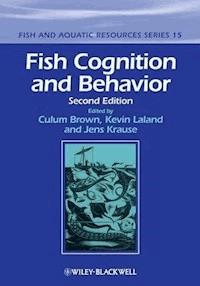
In the second edition of this fascinating book an international team of experts have been brought together to explore all major areas of fish learning, including: * Foraging skills * Predator recognition * Social organisation and learning * Welfare and pain Three new chapters covering fish personality, lateralisation, and fish cognition and fish welfare, have been added to this fully revised and expanded second edition. Fish Cognition and Behavior, Second Edition contains essential information for all fish biologists and animal behaviorists and contains much new information of commercial importance for fisheries managers and aquaculture personnel. Libraries in all universities and research establishments where biological sciences, fisheries and aquaculture are studied and taught will find it an important addition to their shelves.
Sie lesen das E-Book in den Legimi-Apps auf:
Seitenzahl: 1140
Veröffentlichungsjahr: 2011
Ähnliche



















Contents
Cover
Series
Title Page
Copyright
Preface and Acknowledgements
Series Foreword
List of Contributors
Chapter 1: Fish Cognition and Behaviour
1.1 Introduction
1.2 Contents of this book
Chapter 2: Learning of Foraging Skills by Fish
2.1 Introduction
2.2 Some factors affecting the learning process
2.3 Patch use and probability matching
2.4 Performance
2.5 Tracking environmental variation
2.6 Competition
2.7 Learning and fish feeding: some applications
2.8 Conclusions
Acknowledgements
Chapter 3: Learned Defences and Counterdefences in Predator–Prey Interactions
3.1 Introduction
3.2 The predator–prey sequence
3.3 Summary and discussion
Acknowledgements
Chapter 4: Learning about Danger: Chemical Alarm Cues and Threat-Sensitive Assessment of Predation Risk by Fishes
4.1 Introduction
4.2 Chemosensory cues as sources of information
4.3 Variable predation risk and flexible learning
4.4 Generalisation of risk
4.5 Predator recognition continuum hypothesis
4.6 Retention: the forgotten component of learning
4.7 Conservation, management and learning
4.8 Conclusions
Acknowledgements
Chapter 5: Learning and Mate Choice
5.1 Introduction
5.2 Sexual imprinting
5.3 Learning after reaching maturity
5.4 Eavesdropping
5.5 Mate-choice copying
5.6 Social mate preferences overriding genetic preferences
5.7 Cultural evolution through mate-choice copying
5.8 Does mate-choice copying support the evolution of a novel male trait?
5.9 Is mate-choice copying an adaptive mate-choice strategy?
5.10 Outlook
5.11 Conclusions
Chapter 6: Aggressive Behaviour in Fish: Integrating Information about Contest Costs
6.1 Introduction
6.2 Information about resource value
6.3 Information about contest costs
6.4 Physiological mechanisms
6.5 Conclusions and future directions
Acknowledgements
Chapter 7: Personality Traits and Behaviour
7.1 Introduction
7.2 Observation and description of personality
7.3 Proximate causation
7.4 Ontogeny and experience
7.5 Is personality adaptive?
7.6 Evolution
7.7 Wider implications
7.8 Conclusions
Acknowledgements
Chapter 8: The Role of Learning in Fish Orientation
8.1 Introduction
8.2 Why keep track of location?
8.3 The use of learning and memory in orientation
8.4 Learning about landmarks
8.5 Compass orientation
8.6 Water movements
8.7 Inertial guidance and internal ‘clocks’
8.8 Social cues
8.9 How flexible is orientation behaviour?
8.10 Salmon homing – a case study
8.11 Conclusion
Acknowledgements
Chapter 9: Social Recognition of Conspecifics
9.1 Introduction
9.2 Recognition of familiars
9.3 Familiarity or kin recognition?
9.4 Conclusion
Chapter 10: Social Organisation and Information Transfer in Schooling Fish
10.1 Introduction
10.2 Collective motion
10.3 Emergent collective motion in the absence of external stimuli
10.4 Response to internal state and external stimuli: Information processing within schools
10.5 Informational status, leadership and collective decision-making in fish schools
10.6 The structure of fish schools and populations
10.7 Social networks and individual identities
10.8 Community structure in social networks
10.9 Conclusions and future directions
Acknowledgements
Chapter 11: Social Learning in Fishes
11.1 Introduction
11.2 Antipredator behaviour
11.3 Migration and orientation
11.4 Foraging
11.5 Mate choice
11.6 Aggression
11.7 Trade-offs in reliance on social and asocial sources of information
11.8 Concluding remarks
Acknowledgements
Chapter 12: Cooperation and Cognition in Fishes
12.1 Introduction
12.2 Why study cooperation in fishes?
12.3 Cooperation and its categories
12.4 Conclusion
Acknowledgements
Chapter 13: Machiavellian Intelligence in Fishes
13.1 Introduction
13.2 Evidence for functional aspects of Machiavellian intelligence
13.3 Evidence for cognitive mechanisms in fishes
13.4 Discussion
Acknowledgements
Chapter 14: Lateralization of Cognitive Functions in Fish
14.1 Introduction
14.2 Lateralized functions in fish
14.3 Individual differences in lateralization
14.4 Ecological consequences of lateralization of cognitive functions
14.5 Summary and future research
Acknowledgments
Chapter 15: Brain and Cognition in Teleost Fish
15.1 Introduction
15.2 Classical conditioning
15.3 Emotional learning
15.4 Spatial cognition
15.5 Concluding remarks
Acknowledgements
Chapter 16: Fish Behaviour, Learning, Aquaculture and Fisheries
16.1 Fish learning skills in the human world
16.2 Fisheries
16.3 Aquaculture
16.4 Stock enhancement and sea-ranching
16.5 Escapees from aquaculture
16.6 Capture-based aquaculture
16.7 Conclusions and perspectives
Acknowledgements
Chapter 17: Cognition and Welfare
17.1 Introduction
17.2 What is welfare?
17.3 What fishes want
17.4 What fishes do not want
17.5 Pain and fear in fish
17.6 Personality in fish
17.7 Wider implications for the use of fish
17.8 Conclusion
Acknowledgements
Species List
Index
Fish and Aquatic Resources Series
Series Editor: Tony J. Pitcher
Professor of Fisheries Policy & Ecosystem Restoration in Fisheries, Fisheries Centre, Aquatic Ecosystems Research Laboratory, University of British Columbia, Canada
The Wiley-Blackwell Fish and Aquatic Resources Series is an initiative aimed at providing key books in this fast-moving field, published to a high international standard.
The Series includes books that review major themes and issues in the science of fishes and the interdisciplinary study of their exploitation in human fisheries. Volumes in the Series combine a broad geographical scope with in-depth focus on concepts, research frontiers, and analytical frameworks. These books will be of interest to research workers in the biology, zoology, ichthyology, ecology, and physiology of fish and the economics, anthropology, sociology, and all aspects of fisheries. They will also appeal to non-specialists such as those with a commercial or industrial stake in fisheries.
It is the aim of the editorial team that books in the Wiley-Blackwell Fish and Aquatic Resources Series should adhere to the highest academic standards through being fully peer reviewed and edited by specialists in the field. The Series books are produced by Wiley-Blackwell in a prestigious and distinctive format. The Series Editor, Professor Tony J. Pitcher, is an experienced international author, and founding editor of the leading journal in the field, Fish and Fisheries.
The Series Editor, and Publisher at Wiley-Blackwell, Nigel Balmforth, will be pleased to discuss suggestions, advise on scope, and provide evaluations of proposals for books intended for the Series. Please see contact details listed below.
Titles currently included in the Series
1.Effects of Fishing on Marine Ecosystems and Communities (S. Hall) 1999
2.Salmonid Fishes (Edited by Y. Altukhov et al.) 2000
3.Percid Fishes (J. Craig) 2000
4.Fisheries Oceanography (Edited by P. Harrison and T. Parsons) 2000
5.Sustainable Fishery Systems (A. Charles) 2000
6.Krill (Edited by I. Everson) 2000
7.Tropical Estuarine Fishes (S. Blaber) 2000
8.Recreational Fisheries (Edited by T. J. Pitcher & C. E. Hollingworth) 2002
9.Flatfishes (Edited by R. Gibson) 2005
10.Fisheries Acoustics (J. Simmonds & D. N. MacLennan) 2005
11.Fish Cognition and Behavior (Edited by C. Brown, K. Laland & J. Krause) 2006
12.Seamounts (Edited by T. J. Pitcher, T. Morato, P. J. B. Hart, M. R. Clark, N. Haggan & R. S. Santos) 2007
13.Sharks of the Open Ocean (Edited by M. D. Camhi, E. K. Pikitch and E. A. Babcock) 2008
14.World Fisheries (Edited by R. E. Ommer, R. I. Perry, K. Cochrane & P Cury) 2011
15.Fish Cognition and Behavior, Second Edition (Edited by C. Brown, K. N. Laland & J. Krause) 2011
For further information concerning existing books in the series, please visit: www.wiley.com
To discuss an idea for a new book, please contact:Nigel Balmforth, Life Sciences, Wiley-Blackwell, 9600 Garsington Road, Oxford OX4 2DQ, UKTel: +44 (0) 1865 476501Email:[email protected]
First edition published 2006 This edition first published 2011 © 2011, 2006 by Blackwell Publishing Ltd.
Blackwell Publishing was acquired by John Wiley & Sons in February 2007. Blackwell's publishing program has been merged with Wiley's global Scientific, Technical and Medical business to form Wiley-Blackwell.
Registered office John Wiley & Sons, Ltd, The Atrium, Southern Gate, Chichester, West Sussex, PO19 8SQ, UK
Editorial offices 9600 Garsington Road, Oxford, OX4 2DQ, UK The Atrium, Southern Gate, Chichester, West Sussex, PO19 8SQ, UK 2121 State Avenue, Ames, Iowa 50014-8300, USA
For details of our global editorial offices, for customer services and for information about how to apply for permission to reuse the copyright material in this book please see our website at www.wiley.com/wiley-blackwell.
The right of the author to be identified as the author of this work has been asserted in accordance with the UK Copyright, Designs and Patents Act 1988.
All rights reserved. No part of this publication may be reproduced, stored in a retrieval system, or transmitted, in any form or by any means, electronic, mechanical, photocopying, recording or otherwise, except as permitted by the UK Copyright, Designs and Patents Act 1988, without the prior permission of the publisher.
Designations used by companies to distinguish their products are often claimed as trademarks. All brand names and product names used in this book are trade names, service marks, trademarks or registered trademarks of their respective owners. The publisher is not associated with any product or vendor mentioned in this book. This publication is designed to provide accurate and authoritative information in regard to the subject matter covered. It is sold on the understanding that the publisher is not engaged in rendering professional services. If professional advice or other expert assistance is required, the services of a competent professional should be sought.
Library of Congress Cataloging-in-Publication Data
Fish cognition and behavior / edited by Culum Brown. – 2nd ed. p. cm. – (Fish and aquatic resources series) Includes bibliographical references and index. ISBN 978-1-4443-3221-6 (hardcover : alk. paper) 1. Fishes–Behavior. 2. Fishes–Psychology. 3. Cognition in animals. I. Brown, Culum. QL639.3.F575 2011 597–dc22 2011002188
A catalogue record for this book is available from the British Library.
This book is published in the following electronic formats: ePDF 9781444342505; Wiley Online Library 9781444342536; ePub 9781444342512; Mobi 9781444342529
Preface and Acknowledgements
This is now the second edition of this book, which is a follow-up from our successful volume of Fish and Fisheries dedicated to learning in fishes. All of the contributors to that volume and our previous edition have updated their work in this second edition, and we have added several more contributions covering a broad range of fish behaviour. It is encouraging to see a range of contributions from both established and emerging experts in fish behaviour. The editors would like to thank all of the contributors for their hard work and enthusiasm whilst producing this volume. Such an undertaking would be far too big a task for one person alone, given the increasing volume of behavioural research conducted on fishes. There is also a long list of reviewers whose comments have made valuable contributions to each of the chapters. We would like to thank Nigel Balmforth and his colleagues at Wiley-Blackwell for their valuable support and Tony J. Pitcher for writing the Series Foreword.
Series Foreword
Many years ago, teaching a series of practical animal behaviour classes to undergraduates, I asked my students to try to train goldfish to feed on food pellets delivered from colored tubes. It all worked well enough, the goldfish learned to feed from tubes painted with, to our eyes, subtly different colors, and after running the usual controls for light intensity, the students discovered that the fish had very effective color vision. After the classes, the goldfish were returned to a stock aquarium and were left alone for a year, although some of them may have taken part in other experiments. The following year, it was evident right at the start of the student practical that each goldfish remembered the exact color and location of its feeding tube from 1 year before, a remarkable cognitive feat from an animal that is supposed to have only a 3-second memory, as satirized in the recent Pixar Finding Nemo film.
Fishermen, anglers, and most of the general public encounter live fish only when they are flopping helplessly, and apparently dumbly, on the boat deck or seashore. In such circumstances, it is hard to believe that fish are intelligent sentient beings: Even in the least speciesist1 science fiction, in Douglas Adams’ (1979) otherwise splendid Hitchhiker’s Guide to the Galaxy for example, fish are merely food for whales (except for one smart automaton, the universal translator known as Babelfish). On the other hand, watching fish hunting for food, engaging with mates, or raising young, aquarists and divers gain a very different view of the behavioural complexities, elegant adaptations and cognitive abilities that lie behind the actions of fish. Fish are endowed with a complex evolved neural and cognitive capacity that reflects the challenges faced by their ancestors, rather than any phylogenetic proximity to humans. This is the scientific reality, and it is a subject of this volume in the Fish and Aquatic Resources series.
This is the second edition of the book Fish Cognition and Behavior, which grew out of a 2003 special issue of the Wiley-Blackwell journal Fish and Fisheries (Brown et al. 2003), itself was built upon a pioneering review paper published in the early 1990s (Kieffer & Colgan 1992). In the second edition of this book, we have a set of 17 expanded and updated chapters written by internationally renowned authors that review this important area. The book has been put together and edited by three of the world leaders in this field: Culum Brown from Macquarie University, Australia; Kevin Laland from St Andrews, Scotland; and Jens Krause from Humboldt University, Berlin.
The editors point out that cognition includes perception, attention, memory formation, and executive functions related to information processing such as learning and problem solving. Fish, it turns out, are not primitive in these respects. Bony fish have had, after all, over 60 million years for their genes to evolve the capacity to build and run fish brains that can deal flexibility with the diverse but volatile underwater environment—a time span ten times longer than our human line. Indeed, the editors of this book show that, far from being primitive automatons as had once been thought, fish “have evolved complex cultural traditions, pursue Machiavellian strategies of manipulation, deception and reconciliation, can monitor the social prestige of others, and can cooperate during foraging, navigation, reproduction and predator avoidance.”
This volume presents fascinating, timely, and comprehensive “state of the art” reviews of the cognitive abilities of fish, and readers will find the elements of a fresh synthesis in this field. Therefore, it should find a home on the bookshelves and in the libraries of a broad set of practitioners and students concerned with fish evolution, behaviour, and ecology, including those, like myself, who might still wish to call themselves ichthyologists.
Professor Tony J. PitcherSeries Editor: Wiley-Blackwell Fish and Aquatic Resources SeriesFisheries Centre, University of British Columbia, Vancouver, Canada
References
Adams, D. (1979) The Hitchhiker’s Guide to the Galaxy. Heinemann, London, UK.
Brown, C., Laland, K. & Krause, J. (2003) Special issue on learning in fishes: why they are smarter than you think. Fish and Fisheries, 4(3), 197–288.
Kieffer, J.D. & Colgan, P.W. (1992) The role of learning in fish behaviour. Reviews in Fish Biology and Fisheries, 2, 125–143.
1“Speciesism” involves assigning different values or rights to beings on the basis of their species. The term was coined by Richard D. Ryder in 1970 and is used to denote prejudice similar in kind to sexism and racism.
List of Contributors
Michael S. Alfieri Biology Department Viterbo University 900 Viterbo Drive La Crosse, WI 54601, USA Email: [email protected]
Angelo Bisazza Comparative Psychology Research Group University of Padova Padova, Italy Email: [email protected]
Cristina Broglio Laboratorio de Psicobiologia Universidad de Sevilla c/ Camilo Jose Cela s/n, 41018 Sevilla, Spain Email: [email protected]
Victoria A. Braithwaite School of Forest Resources and Department of Biology Pennsylvania State University University Park PA 16802, USA Email: [email protected]
Culum Brown Department of Biological Sciences Macquarie University Sydney 2109, Australia Email: [email protected]
Grant E. Brown Department of Biology Concordia University 7141 Sherbrooke St., W. Montreal Quebec, H4B 1R6, Canada Email: [email protected]
Redouan Bshary Université de Neuchâtel, Rue Emile-Argand 11 CH-2007 Neuchâtel, Switzerland Email: [email protected]
Sergey Budaev Severtsov Institute of Ecology and Evolution Russian Academy of Sciences Leninsky prospect 33 Moscow 119071, Russia Email: [email protected]
Douglas P. Chivers Department of Biology University of Saskatchewan Saskatoon, Saskatchewan SK S7N 5E2, Canada Email: [email protected]
Iain D. Couzin Department of Ecology and Evolution Princeton University Princeton, NJ 08544-2016, USA Email: [email protected]
Darren P. Croft School of Psychology Exeter University Perry Road Exeter, EX4 4QG, UK Email: [email protected]
Lee A. Dugatkin Department of Biology University of Louisville Louisville, KY 40208, USA Email: [email protected]
Emilio Durán Laboratorio de Psicobiologia Universidad de Sevilla c/ Camilo Jose Cela s/n, 41018 Sevilla, Spain Email: [email protected]
Ryan L. Earley {Department of Biological Sciences University of Alabama Box 870344 Tuscaloosa, Alabama 35487, USA Email: [email protected]
Anders Fernö Department of Biology University of Bergen PO Box 7800 N-5020 Bergen, Norway Email: [email protected]
Maud C.O. Ferrari Department of Biomedical Sciences WCVM, University of Saskatchewan Saskatoon, SK, Canada Email: [email protected]
Antonia Gómez Laboratorio de Psicobiologia Universidad de Sevilla c/ Camilo Jose Cela s/n, 41018 Sevilla, Spain Email: [email protected]
Siân W. Griffiths Cardiff School of Biosciences PO Box 915, Cardiff Wales, CF10 3TL, UK Email: [email protected]
Yuying Hsu {Department of Life Science National Taiwan Normal University No. 88, Section 4, Ting-Chou Road Taipei 116, Taiwan Email: [email protected]
Roger Hughes School of Biological Sciences Environment Centre University of Wales, Bangor Gwynedd, LL57 2UW, UK Email: [email protected]
Geir Huse {Institute of Marine Research PO Box 1870-Nordnes N-5817 Bergen, Norway Email: [email protected]
Christos C. Ioannou Department of Ecology and Evolution Princeton University Princeton, NJ 08544-2016, USA Email: [email protected]
Per Johan Jakobsen Department of Biology University of Bergen PO Box 7800 N-5020 Bergen, Norway Email: [email protected]
Richard James Department of Physics University of Bath Bath, BA2 7AY, UK Email: [email protected]
Jens Krause Department of Biology and Ecology of Fishes Leibniz-Institute of Freshwater Ecology and Inland Fisheries Berlin, Germany Email: [email protected]
Jennifer L. Kelley Centre for Evolutionary Biology School of Animal Biology The University of Western Australia Nedlands, WA 6009, Australia Email: [email protected]
Tore S. Kristiansen Institute of Marine Research PO Box 1870-Nordnes N-5817 Bergen, Norway Email: [email protected]
Kevin Laland Centre for Social Learning and Cognitive Evolution School of Biology University of St Andrews St Andrews, Fife, KY16 9TS, Scotland Email: [email protected]
Anne E. Magurran Gatty Marine Laboratory University of St Andrews St Andrews, Fife, KY16 8LB, Scotland Email: [email protected]
Jonatan Nilsson Institute of Marine Research PO Box 1870-Nordnes N-5817 Bergen, Norway Email: [email protected]
Sabine Nöbel Department of Biology University of Siegen Adolf-Reichwein-Str. 2 D-57068 Siegen, Germany Email: [email protected]
Lucy Odling-Smee Nature Publishing Group 4 Crinan Street, London N1 9XW, UK Email: [email protected]
Tony Pitcher Fisheries Centre The University of British Columbia Vancouver, BC, V6T 1Z4, Canada Email: [email protected]
Fernando Rodríguez Laboratorio de Psicobiologia Universidad de Sevilla c/ Camilo Jose Cela s/n, 41018 Sevilla, Spain Email: [email protected]
Cosme Salas Laboratorio de Psicobiologia Universidad de Sevilla c/ Camilo Jose Cela s/n, 41018 Sevilla, Spain Email: [email protected]
Lynne U. Sneddon Integrative Biology University of Liverpool Crown Street Liverpool, L69 7ZB, UK Email: [email protected]
Kevin Warburton School of Environmental Sciences Faculty of Science Charles Sturt University Thurgoona, New South Wales, Australia Email: [email protected].
Ashley Ward School of Biological Sciences University of Sydney New South Wales, Australia Email: [email protected]
Klaudia Witte Department of Biology University of Siegen Adolf-Reichwein-Str. 2 D-57068 Siegen, Germany Email: [email protected]
Larry L. Wolf Department of Biology Syracuse University 107 College Place, Life Sciences Complex Syracuse, New York, 13244, USA Email: [email protected]
Chapter 1
Fish Cognition and Behaviour
Culum Brown, Kevin Laland and Jens Krause
1.1 Introduction
The field of animal cognition is the modern approach to understanding the mental capabilities of animals. The theories are largely an extension of early comparative psychology with a strong influence of behavioural ecology and ethology. Cognition has been variously defined in the literature. Some researchers confine cognition to higher order mental functions including awareness, reasoning and consciousness. However, a more general definition of cognition also includes perception, attention, memory formation and executive functions related to information processing such as learning and problem solving. The study of animal cognition has been largely confined to birds and mammals, particularly non-human primates. This bias in the literature is in part due to the approach taken in the 1950s when cognitive psychologists began to compare known human mental processes with other closely related species. This bias was reinforced by an underlying misconception that learning played little or no role in the development of behaviour in reptiles and fishes.
Throughout scientific history fishes have largely been viewed as automatons. Their behaviour was thought to be almost exclusively controlled by unlearned predispositions. Ethologists characterised their behaviour as a series of fixed action patterns released on exposure to appropriate environmental cues (sign stimuli). Whilst there is no doubt that fishes are the most ancient form of vertebrates, they are only ‘primitive’ in the sense that they have been on earth for in excess of 500 million years and that all other vertebrates evolved from some common fish-like ancestor (around 360 million years ago). However, it is important to note that fishes have not been stuck in an evolutionary quagmire during this time. Their form and function have not remained stagnant over the ages. On the contrary, within this time frame they have diversified immensely to the point where there are more species of fish than all other vertebrates combined (currently over 32,000 described species) occupying nearly every imaginable aquatic niche.
The erroneous view that both behavioural and neural sophistications are associated in a linear progression from fishes through reptiles and birds to mammals is largely due to a heady mix of outdated and unscientific thinking. Aristotle's concept of Scala naturae (the scale of nature) and a Christian fundamentalist view that man is the pinnacle of the natural world have dominated conceptions of animal intelligence for millennia. However, Darwin's theory of evolution is fundamentally inconsistent with a gradual progression of behavioural flexibility and cognitive complexity from ‘primitive’ to ‘advanced’ life forms, leading inevitably to humans at the peak (i.e. the wrong-headed notion of an evolutionary ladder). There is nothing progressive about Darwinian evolution, and any semblance of progression merely reflects our anthropocentric bias to track evolutionary lineages that culminate in our species, and to evaluate other species by their similarity to ourselves. The cognitive capabilities of a species will reflect the history of selection amongst its ancestors, rather than phylogenetic proximity to humanity.
Amongst the vertebrates, fishes have suffered the most from the common misconception of the evolutionary ladder. However, over the last few decades this fallacy has begun to be redressed. Researchers now realised that, like the rest of the vertebrate kingdom, fishes exhibit a rich array of sophisticated behaviour and that learning plays a pivotal role in behavioural development of fishes. Gone, or at least redundant, are the days where fishes were looked down upon as pea-brained machines whose only behavioural flexibility was severely curtailed by their infamous 3-second memory (à la Dory in Disney's Finding Nemo). As this book will reveal, many fishes in fact have impressive long-term memories comparable to most other vertebrates (Brown 2001; Warburton 2003). Their neural architecture has both analogous and homologous components with mammals, and is capable of much the same processing power (Broglio et al. 2003). Their cognitive capacity in many domains is comparable with that of non-human primates (Bshary et al. 2002; Laland & Hopitt 2003; Odling-Smee & Braithwaite 2003). Fishes have evolved complex cultural traditions and pursue Machiavallian strategies of manipulation, deception and reconciliation (Bshary et al. 2002; Brown & Laland 2003). They not only recognise one another, but can monitor the social prestige of and dominance relations amongst others (McGregor 1993; Griffiths 2003; Grosenick et al. 2007) and cooperate in a variety of ways during foraging, navigation, reproduction and predator avoidance (Huntingford et al. 1994; Johnstone & Bshary 2004; Fitzpatrick et al. 2006). It is clear that the recent developments in our understanding of fish behaviour require a substantial reappraisal of their behavioural flexibility that warrants further investigation.
Since the 1960s there has been a rapid increase in the number of papers published on learning in fishes and those published since 1991 has risen dramatically (Fig 1.1). In the early 1990s James Kieffer and Patrick Coglan published the first comprehensive review of the role of learning in the development of fish behaviour (Kieffer & Colgan 1992). In their review, they were able to draw on some 70 published papers on learning in fishes, a vast improvement over previous works (Thorpe 1963; Gleitman & Rozin 1971). In 2003, we published a collection of reviews on the topic in a special issue of the journal Fish and Fisheries. The special issue contained eight reviews on various aspects of learning in fishes referring to over 500 papers. In the first edition of this book, which contained 14 chapters, many of these reviews were revised and extended. The second edition has been significantly expanded again, with revision of most chapters and the inclusion of three more chapters on laterality, personality and welfare consequences of cognition. This new edition now examines the role of cognition in every major aspect of fish biology, from foraging and predator avoidance to fighting and social relationships.
Fig. 1.1 The number of publications on fish learning and cognition since 1991 has increased substantially. Data based on key word search (fish, fishes, learn, learning and cognition) in Web of Science.
1.2 Contents of this book
Apart from this opening introduction, Chapter 2, by Kevin Warburton and Roger Hughes, investigates the role of learning in foraging behaviour, drawing on both psychological and behavioural ecology literature. They suggest that learning and memory play significant roles in the foraging activities in fish and that memory, like many traits, seems to be highly adapted to the specific requirements of each species. Interestingly, they suggest that in some circumstances forgetting might be just as important as remembering. The chapter highlights that the similarities between vertebrate learning systems are far more striking than the differences and fishes rely on a wide array of learning mechanisms in their daily lives. The literature shows that learning is vital in many aspects of fish foraging behaviour, from the formation of foraging search images, to prey capture and handling. Warburton and Hughes also outline various experiments that explore foraging theory and point out that fishes are frequently ideal candidates for such research.
It is often assumed that anti-predator behaviour should have a significant unlearned component to it because fishes need to be able to escape predators from the moment they hatch. The penalty for failure in this instance is death, so there is an expectation that natural selection will exert significant evolutionary pressure in this respect. Jennifer Kelley and Anne Magurran point out in Chapter 3 that while this is the case to some degree, learning still plays a key role in the fine-tuning of predator recognition and response systems. In environments that are unpredictable from moment to moment and, perhaps more importantly, from generation to generation, it is essential that prey species have some general template for predator recognition, but that this template be flexible enough to enable fine-tuning to match the prevailing predatory threats. Kelly and Magurran discuss the various ways in which fishes learn about predators and the need for prey species to be able to accurately assess potential risks and act accordingly. They cover the evolutionary arms race between predators and prey highlighting the role learning plays in this race from both perspectives.
There are many ways in which prey can learn about predators without high-risk exposure, including the observation of conspecifics as they interact with, or detect, predators. One such method is the reliance on predator odours and prey alarm cues that may be detected from some distance and this is the focus of Chapter 4. Here, Grant Brown, Maud C.O. Ferrari and Douglas P. Chivers explore how fishes use chemical cues both to assess risk and to learn about predators. There are obviously great fitness advantages to be had by the accurate assessment of risk, primarily because it frees the individual time budget from unnecessary anti-predator behaviour (Lima & Dill 1990). Fishes not only learn from conspecifics but may also respond to the alarm signals generated by heterospecifics that are part of the same prey guild, thus enabling the recognition of predators and dangerous habitats alike. It is interesting to note that fishes often undergo massive growth from larval to adult stages and in doing so pass through a series of predatory guilds each with its own specific threats. In this scenario, Brown, Ferrari and Chivers point out that learning may play a larger role in the development of anti-predator behaviour than previously suspected.
In Chapter 5, Klaudia Witte and Sabine Nöbel explore the role of learning in mate-choice decisions. In their review, Witte and Nöbel examine the evidence for the influence of imprinting during the critical period of early life-history stages on later mate-choice decisions. They reveal that imprinting is most likely to occur in those species that show some kind of extended parental care, such as the cichlids. However, it is also evident that other social influences can also affect mate-choice decisions later in life. For example, naive male guppies can learn to discriminate between conspecifics and heterospecifics and alter their mating strategy to concentrate on courting conspecifics. Part of this alteration in behaviour may be mediated by their mating success and feedback from the females they are attempting to court. Species recognition may be reinforced by learning in those areas where multiple closely related species coexist. Whilst mate choice often relies on some predetermined innate recognition and preference system, Witte and Nöbel reveal that these unlearned preferences can be overcome by learning and especially by copying the mate-choice decisions of others. As discussed in many of the chapters, fishes are capable of relying on a mixture of eavesdropping and social information to help them make important decisions, and mate choice is no exception. Reliance on public information may enable females to gauge the quality and aggression levels of a potential mate without having to suffer any negative consequences associated with the early stages of courtship.
Yuying Hsu, Ryan L. Earley and Larry L. Wolf examine the modulation of aggression through prior experience in Chapter 6. Many factors combine to influence the outcome of aggressive encounters, including size, motivation, prior residency and, as Hsu and his colleagues highlight, prior experience with fights can also play a large role. The outcome of fights can have considerable consequences including access to food, mates or territories, so it is important to understand how experience can influence the outcomes of fights. Recent literature suggests that fishes that have recently lost a fight are more likely to lose a second encounter compared to winners, all else being equal. Therefore, an individual's history must be considered when predicting the outcome of a fight at the present time. All of us know that confidence can influence our behaviour considerably and this is likely to be mediated both through physiological as well as psychological mechanisms. Relying on both modelling and empirical data, Hsu et al. explore how previous experience combines or interacts to shape an individual's present fighting capability.
Whilst Darwin and his immediate successors described animals as having personalities, this was characterised as anthropomorphic and fell out of favour, as a result of which, until fairly recently, discussions on animal personality have been something of a taboo. Perhaps there was a superficial acceptance that domestic animals such as dogs could have personality traits, but fishes? In Chapter 7, Sergey V. Budaev and Culum Brown explore the recent explosion in animal personality literature in which fishes have played a leading role. Owing in part to this fear of anthropomorphism, the literature relating to fish personality has been heavily fragmented with the adoption of alternative synonyms such as ‘coping style’, ‘behavioural syndrome’ and ‘boldness–shyness continuum’. This chapter represents the first attempt to bring these streams of research together. The authors examine both proximate and ultimate explanations of fish personality. Budaev and Brown conclude that personality traits play a neglected role in evolution since individual variation is the bread and butter of natural selection. Personality traits not only are heritable but also have fitness consequences. The authors claim that examination of personality traits in fishes requires a holistic view of behaviour in which multiple traits may be correlated with one another across a range of contexts, and warn against too narrow a view that misses important relationships that constrain behavioural evolution.
In Chapter 8, Victoria Braithwaite and Lucy Odling-Smee explore the role of cognition in spatial orientation, navigation and migration. The authors point out that, like most animals, the resources fish utilise are often widely separated in space. Many of these biologically important locations are relatively temporally and spatially stable and as such can be reliably found by learning and memory retrieval. As Warburton and Hughes pointed out in Chapter 2, here it is also the case that natural selection has favoured learning strategies to closely match the needs of the species under consideration. Like in all animals, cue reliance is constrained by the species’ perception, and fishes display a huge array of perceptual capabilities, many of which are only just beginning to be understood, such as electroreception and UV vision. It is evident that fishes rely on a wide array of navigation cues and mechanisms, ranging from egocentric turns to the formation of cognitive maps, to move accurately around their environments. Natural selection would favour the ability to select the most efficient movement pathways possible so as to reduce any potential waste of time and energy. Thus, accurate navigation is a key component to an individual's fitness landscape. In the final part of their chapter, Braithwaite and Odling-Smee concentrate on large-scale migration in salmon as a case study, highlighting both the recall of long-term memory and initial imprinting processes.
Sian Griffiths and Ashley Ward review the evidence for individual recognition in Chapter 9. When closely examining social interactions, it is apparent that not all individuals are treated equally by a given fish. For example, as discussed by Hsu et al. in Chapter 9, closely related fishes often receive less aggression than non-relatives. Individual recognition has several implications on multiple levels, including predicting species dispersal patterns, which has conservation and fisheries management outcomes. But how do fishes recognise one another? Griffiths and Ward review the ever-increasing body of publications that fishes not only recognise kin, but they can also distinguish between familiar and unfamiliar individuals. This process seems to build up over 10–14 days although it may vary from species to species. Being able to recognise, and preferentially associate with kin or familiar individuals, potentially has substantial direct and indirect fitness benefits. For example, there is evidence that shoals comprised of familiar individuals show more efficient schooling behaviour than those comprised of strangers. Such benefits may accrue due to an increase in an individual fish's ability to predict the response of familiar individuals across a variety of contexts. Individual recognition is germane to other aspects of fish behaviour, including cooperation (Chapter 12), exploitation of social cues and signals (Machiavellian Intelligence in Fishes; Chapter 13) and social learning (Chapter 11).
In Chapter 10, Christos Ioannou, Iain Couzin, Richard James, Darren Croft and Jens Krause develop mathematical approaches and review current literature that links the behaviour of individuals to the higher order properties at the group and population levels. It is evident that the behaviour of individuals within a social group is largely influenced by their fellow group members. Through the rapid transfer of information between group members, shoals of fish often seem to behave as a single collective. However, a few individuals within a group can assert undue influence on the behaviour of the majority, particularly if these ‘leaders’ are more motivated to perform some behaviour than the remainder of the shoal (i.e. they are more directed than the average). Such processes may have significant impact on the three-dimensional structure and movement of shoals. Moreover, because information is shared between group members, a shoal as a whole may be able to solve problems more efficiently than singletons (e.g. navigation), for example, by filtering environmental noise or collective detection and processing of external cues. In addition, examination of association networks by Ioannou et al. can be utilised to predict the path through which information is likely to be transferred within the group.
The transfer of information between individuals is reliant on social learning processes. Social learning refers to those situations where individuals acquire new information or behaviour by observation of, or interaction with, others. Social learning can occur across a wide variety of contexts and appears to be a ubiquitous form of learning within fishes. Social learning often enables individuals to acquire information more rapidly and efficiently than would be the case if they themselves had to explore their environment fully and learn via trial and error. Traditionally, social learning was thought to be restricted to mammals and birds, but in Chapter 11, Culum Brown and Kevin Laland explore the substantive body of evidence showing the widespread existence of social learning in fishes. Social learning that occurs across generations (vertical or oblique transmission) can lead to the establishment of localised, stable behavioural traditions that form the very roots of animal culture. Such cultural evolution can operate in tandem with biological evolution and these processes interact in many interesting ways. Brown and Laland argue that social learning is likely to play a key role in the development of fish behaviour and point out that exploitation of such processes could be utilised in training regimes for fisheries and in conservation management programmes such as restocking.
Cooperation between individuals has long been considered something of an enigma within evolutionary biology. If Darwinian fitness is all about out-competing others then one might think all individuals ought to behave selfishly. This notion is central to many existing theories such as the selfish herd hypothesis which is particularly pertinent to group-living animals such as fishes. However, it became clear that the evolution of cooperation could be explained through a number of alternative hypothesis, namely kin selection, reciprocity, by-product mutualism and group selection, in which individuals gain long-term fitness benefits in spite of short-term costs. In Chapter 12, Michael Alfieri and Lee A. Dugatkin suggest that cooperation not only occurs in fishes but may also be widespread in a number of contexts.
Redouan Bshary, in Chapter 13, continues the social theme by examining the evidence for social or Machiavellian intelligence in fishes, largely stemming from his early observations of the behaviour of cleaning wrasse. Here, he extends his earlier review (Bshary et al. 2002) on the topic and presents an overview on the social strategic cognitive abilities of fishes. The primary thesis of the Machiavellian intelligence hypothesis (Whiten & Byrne 1997) is that one of the principal driving forces for the evolution of cognition was the challenge to cope with and exploit the complexity of an individual's social environment. For years the hypothesis was used almost exclusively to ‘prop-up’ the apparent existence of the higher cognitive capacity of primates including humanity. However, it soon became apparent that the theory, if true, should apply equally to other vertebrate groups. Bshary provides evidence for individual recognition, individualised group living, cooperation, manipulation, reconciliation and deception in various fishes.
The second new addition to this edition examines the role of laterality on fish behaviour. Like all vertebrates, fishes show very strong left–right biases in a range of behaviour patterns which are generated by the preferential processing of information in either hemisphere of the brain. In fishes, lateralization of cognitive function is overtly displayed by such things as eye preferences whilst viewing particular scenes, objects or turn biases during startle responses. For example, many species prefer to view predators with one eye and familiar conspecifics with the other. In Chapter 14, Angelo Bisazza and Culum Brown summarise the extensive literature on fish laterality. The authors first discuss proximate causes of laterality, ranging from brain formation to genetic heritability, and then address the ultimate consequences by examining the costs and benefits of laterality in the context of evolutionary ecology. The fact that many species of fishes are lateralized at the population level (much like 90% of humans are right-handed) begs an intriguing question regarding the evolution of laterality in group-living species. In schooling species, for example, we often find that fish that are strongly left-eye-biased in social contexts will take up positions on the right side of the school so they can monitor the behaviour of conspecifics with their preferred eye and vice versa for right-biased fishes. It seems likely that laterality is under frequency-dependent selection in some species whilst in other species key environmental variables, such as the level of predation, likely shape the trait.
For decades the cognitive ability of fishes was highly underrated, largely due to a lack of direct experimentation. However, an additional factor here was a reliance on direct comparisons of the fish brain with that of mammals, in which the majority of studies on cognition had occurred (particularly primates and rodents), and for which a great deal was known about the function and connectivity of brain structures. Such comparison suggested that the brains of fishes and mammals differ in many ways, with fish brains typically smaller and less structured than those of mammals. Because of this it was often indirectly inferred that fishes must lack certain cognitive abilities observed in mammals because their brain structure was not the same as mammals. Not until very recently have scientists begun to study the brains of fishes and their function in any detail. It should be pointed out that virtually nothing is known about the vast majority of fish species, let alone anything about their brain structure and function. The results of these pioneering studies, as Fernando Rodriguez and his laboratory members (Christina Broglio, Emilio Duran, Antonio Gomez and Cosme Salas) highlight in Chapter 15, are startling. They reveal many similarities between the mammalian and fish brains in terms of their functions. In the light of recent developmental, neuroanatomical and functional data, it appears that many functions are highly conserved right across vertebrates, despite the fact that morphology can often differ substantially. Rodriguez et al. point out that these morphological differences stem from an entirely different developmental pathway. For example, the fish telencephalon goes through a process of eversion (bending out) during embryonic development whereas the brain of the rest of the vertebrates develops by evagination (bending in). Through the results of their extensive research and through the review of related literature, Rodriguez et al. challenge the prevailing notion that fishes lack most of the brain centres and neural circuits that support cognition capabilities in the other vertebrate groups.
Chapter 16 examines just one of the many practical applications that can stem from a greater understanding of fish cognition and behaviour. Here, Anders Fernö and colleagues explore the role of fish learning in aquaculture and fisheries. For thousands of years humans have relied on a steady harvest of fish from the rivers and oceans as an important source of protein. Today fishes remain the only wild food source humans harvest and through a greater understanding of their behaviour we have begun to farm them and exploit natural populations at an ever-growing rate. However, as Fernö et al. point out, human fishing methods have evolved at a far greater rate than the fishes’ response to this selection pressure and there is now a huge gap between fishes’ natural responses to predators and our modern fishing techniques. However, fish can respond to the threat of fishing through learning. There is now some evidence that fishes learn to respond to fishing gear, largely by avoidance of vessels, and such responses may interfere with our estimates of stock sizes. Fishing may also affect fish learning. For instance, removal of larger, more knowledgeable individuals from stocks may disrupt social transmission chains, thus breaking long-standing cultural traditions in some of the economically most important fish species (e.g. the location of feeding, migration routes or breeding grounds). Following the crash of the Northern cod stocks, for example, an abrupt change was realised in the stocks distribution. Fernö et al. also investigate the ways in which behavioural flexibility can be utilised in aquaculture scenarios. They highlight the fact that due consideration must be given to the large influence of early experience in the development of fish behaviour when managing hatchery stocks, particularly in those instances where the stocks are used for conservation reintroductions or to buffer existing natural stocks from the pressures of commercial and recreational fisheries.
The final chapter, Fish Cognition: Implications for Fish Welfare, in this collection of reviews examines the implications of fish cognition for fish welfare. With our ever-growing appreciation of fish cognition we undoubtedly have a moral duty to address the potential welfare considerations of fish in a variety of contexts. The most obvious consequences will be felt in the fisheries and aquaculture industries, but think also of the very large aquarium trade. Fishes are third only to cats and dogs as the most popular pets in the world. In 2005, two Italian cities banned the use of small fish bowls for keeping fish on welfare ground. Moreover, fishes are widely used as experimental animals in scientific experiments. In Chapter 17, Lynne Sneddon summarises the key facts about cognition in fishes that until recently have largely clouded the issue of whether or not fish deserved to be treated in the same way as other vertebrates. Two of the most important issues are ‘do fish feel pain?’ and ‘how do we measure the needs of fish and assess their welfare?’ Finally, she draws conclusions regarding the implications of our knowledge about fish cognition for industry and society as a whole.
Two themes emerge in this book. The first is that the learning abilities and complexity of behaviour of fishes are, in many respects, comparable to land vertebrates. The second is that fish provide a flexible and pragmatic biological model system for studying many aspects of animal learning and cognition. These observations lead us to the view that interest in the topic of fish learning, cognition and behaviour is likely to continue to grow for the foreseeable future.
References
Broglio, C., Rodriguez, F. & Salas, C. (2003) Spatial cognition and its neural basis in teleost fishes. Fish and Fisheries, 4, 247–255.
Brown, C. (2001) Familiarity with the test environment improves escape responses in the crimson spotted rainbowfish, Melanotaenia duboulayi.Animal Cognition, 4, 109–113.
Brown, C. & Laland, K. (2003) Social learning in fishes: a review. Fish and Fisheries, 4, 280–288.
Bshary, R., Wickler, W. & Fricke, H. (2002) Fish cognition: a primate's eye view. Animal Cognition, 5, 1–13.
Fitzpatrick, J.L., Desjardins, J.K., Stiver, K.A., Montgomerie, R. & Balshine, S. (2006) Male reproductive suppression in the cooperatively breeding fish Neolamprologus pulcher. Behavioral Ecology, 17, 25–33.
Gleitman, H. & Rozin, P. (1971) Learning and memory. In: W.S Hoar & D.J. Randall (eds) Fish Physiology, 6, pp. 191–278. Academic Press, New York.
Griffiths, S.W. (2003) Learned recognition of conspecifics by fishes. Fish and Fisheries, 4, 256–268.
Grosenick, L., Clement, T.S. & Fernald, R.D. (2007) Fish can infer social rank by observation alone. Nature, 445, 429–432.
Huntingford, F.A., Lazarus, J., Barrie, B.D. & Webb, S. (1994) A dynamic analysis of cooperative predator inspection in sticklebacks. Animal Behaviour, 47, 413–423.
Johnstone, R.A. & Bshary, R. (2004) Evolution of spite through indirect reciprocity. Proceedings of the Royal Society of London Series B – Biological Sciences, 271, 1917–1922.
Kieffer, J.D. & Colgan, P.W. (1992) The role of learning in fish behaviour. Reviews in Fish Biology and Fisheries, 2, 125–143.
Laland, K.N. & Hoppitt, W. (2003) Do animals have culture? Evolutionary Anthropology, 12, 150–159.
Lima, S.L. & Dill, L.M. (1990) Behavioral decisions made under the risk of predation: a review and prospectus. Canadian Journal of Zoology, 68, 619–640.
McGregor, P.K. (1993) Signaling in territorial systems – a context for individual identification, ranging and eavesdropping. Philosophical Transactions of the Royal Society of London Series B – Biological Sciences, 340, 237–244.
Odling-Smee, L. & Braithwaite, V.A. (2003) The role of learning in fish orientation. Fish and Fisheries, 4, 235–246.
Thorpe, W.H. (1963) Learning and Instinct in Animals. Methuen, London.
Warburton, K. (2003) Learning of foraging skills by fish. Fish and Fisheries, 4, 203–215.
Wilson, E.O. (1975) Sociobiology: The New Synthesis. Harvard University Press, Cambridge, MA.
Whiten, A. & Byrne, R.W. (1997) Machiavellian Intelligence II: Extensions and Evaluations. Cambridge University Press, Cambridge.
Chapter 2
Learning of Foraging Skills by Fish
Kevin Warburton and Roger Hughes
2.1 Introduction
Investigations of the role of learning and memory in the foraging behaviour of fishes are at an exciting stage. Although less thoroughly studied than traditional laboratory favourites such as rats, pigeons or bees, fish species are no longer to be consigned to the ‘poorly understood’ category. It is now possible to place the capacities of fish in the context of learning and memory as a whole, as evidenced by previous reviews such as those by Hart (1986, 1993), Hughes . (1992) and Kieffer & Colgan (1992). The present chapter attempts to integrate perspectives and findings from the fields of behavioural ecology and comparative psychology. This approach has been adopted for the following reasons:
Lesen Sie weiter in der vollständigen Ausgabe!
Lesen Sie weiter in der vollständigen Ausgabe!
Lesen Sie weiter in der vollständigen Ausgabe!
Lesen Sie weiter in der vollständigen Ausgabe!
Lesen Sie weiter in der vollständigen Ausgabe!
Lesen Sie weiter in der vollständigen Ausgabe!
Lesen Sie weiter in der vollständigen Ausgabe!
Lesen Sie weiter in der vollständigen Ausgabe!
Lesen Sie weiter in der vollständigen Ausgabe!
Lesen Sie weiter in der vollständigen Ausgabe!
Lesen Sie weiter in der vollständigen Ausgabe!
Lesen Sie weiter in der vollständigen Ausgabe!
Lesen Sie weiter in der vollständigen Ausgabe!
Lesen Sie weiter in der vollständigen Ausgabe!
Lesen Sie weiter in der vollständigen Ausgabe!
Lesen Sie weiter in der vollständigen Ausgabe!
Lesen Sie weiter in der vollständigen Ausgabe!




