


35,99 €
Mehr erfahren.
- Herausgeber: John Wiley & Sons
- Kategorie: Fachliteratur
- Sprache: Englisch
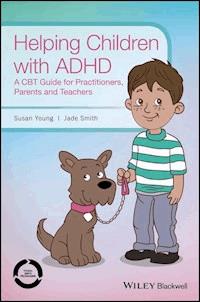
Combining the latest research evidence with the authors’ practical expertise, Helping Children with ADHD offers a complete intervention programme for flexibly delivering behavioural and cognitive interventions to children aged 6-12 with ADHD and associated conditions.
- Redefines and develops best practice in the application of cognitive and behavioural techniques to help children aged 6-12 with ADHD and associated comorbid conditions, including learning difficulties
- Offers a range of engaging resources within a pragmatic and practically-focused approach; modular structure allows the interventions to be selected and tailored according to the particular age, ability and needs of the individual child
- An appendix of entertaining stories about Buzz, a boy with ADHD, provides structural narrative while also teaching core skills in areas such as keeping calm, planning, managing impulsivity and dealing with anxiety
- Straightforward, accessible language allows the techniques to be used by those without expert clinical training; dedicated sections provide advice for using the approach in school, home and group contexts
- A companion website provides downloadable materials including illustrated patient worksheets to accompany the narrative stories
Sie lesen das E-Book in den Legimi-Apps auf:
Seitenzahl: 581
Veröffentlichungsjahr: 2017
Ähnliche


















Table of Contents
Cover
Title Page
About the Authors
Foreword
Acknowledgements
Preface
References
About the Companion Website
1 Introduction
ADHD Across the Lifespan
ADHD and Comorbidity
ADHD and the Family
ADHD and School
Promoting Resilience
Cognitive Behavioural Therapy
The Young–Smith Programme
References
2 The Young–Smith Programme
Programme Content
Format of Modules
Resources
Style of Delivery
Psychoeducation
Agenda
CBT Worksheets
Mid‐Session Break
Feedback and Rewards
Home Missions
Preparing for Termination of Treatment
Joint Working with Parents/Carers and Teachers
Working With Parents/Carers
Working With Teachers
A Direct Resource for Parents/Carers and Teachers
3 Introduction to Buzz and His Family
Agenda
Introducing the Folder
What Can We Do As Parents/Carers and Teachers?
4 Attention
Presentation
Assessment
CBT Interventions for Attention
Working with Parents/Carers
What Can We Do As Parents/Carers?
Working with Teachers and Schools
What Can We Do As Teachers?
References
5 Hyperactivity
Presentation
Assessment
CBT Interventions for Hyperactivity
Working with Parents/Carers
What Can We Do As Parents/Carers?
Working with Teachers and Schools
What Can We Do As Teachers?
References
6 Impulsivity
Presentation
Assessment
CBT Interventions for Impulsivity
Working with Parents/Carers
What Can We Do As Parents/Carers?
Working with Teachers and Schools
What Can We Do As Teachers?
References
7 Anxiety
Presentation
Assessment
CBT Interventions For Anxiety
Working with Parents/Carers
What Can We Do As Parents/Carers?
Working with Teachers and Schools
What Can We Do As Teachers?
References
8 Frustration and Anger
Presentation
Assessment
CBT Interventions for Frustration and Anger
Working with Parents/Carers
What Can We Do As Parents/Carers?
Working with Teachers and Schools
What Can We Do As Teachers?
References
9 Social Skills and Relationships
Presentation
Assessment
CBT Interventions for Social Skills
Working with Parents/Carers
What Can We Do As Parents/Carers?
Working with Teachers and Schools
What Can We Do As Teachers?
References
10 Setting Goals and Planning Ahead
Presentation
Assessment
CBT Interventions for Setting Goals and Planning Ahead
Working with Parents/Carers
What Can We Do As Parents/Carers?
Working with Teachers and Schools
What Can We Do As Teachers?
References
11 Problem‐solving
Presentation
Assessment
CBT Interventions For Problem‐Solving
Working with Parents/Carers
What Can We Do As Parents/Carers?
Working with Teachers and Schools
What Can We Do As Teachers?
References
12 Mood and Self‐Esteem
Presentation
Assessment
CBT Interventions for Mood and Self‐Esteem
Working with Parents/Carers
What Can We Do As Parents/Carers?
Working with Teachers and Schools
What Can We Do As Teachers?
References
Index
End User License Agreement
List of Tables
Chapter 02
Table 2.1 The Young–Smith Programme Modules.
Table 2.2 Format of the Young–Smith Modules.
Table 2.3 Young–Smith Programme Worksheets.
Table 2.4 Strategy Evaluation Record.
Chapter 03
Table 3.1 Exercise grid of enemy and friendly thoughts.
Chapter 04
Table 4.1 Types of attention.
Table 4.2 Example of a completed Behaviour Diary for attention.
Table 4.3 Home strategies for attention.
Table 4.4 School strategies for attention.
Chapter 05
Table 5.1 Example of a completed hyperactivity record.
Table 5.2 Example of a completed Behaviour Impact Scale.
Table 5.3 Example of a completed Behaviour Diary for hyperactivity.
Table 5.4 Home strategies for hyperactivity.
Table 5.5 School strategies for hyperactivity.
Chapter 06
Table 6.1 Example of a completed Behaviour Diary for impulsivity.
Table 6.2 Home strategies for impulsivity.
Table 6.3 School strategies for impulsivity.
Chapter 07
Table 7.1 Home strategies for anxiety.
Table 7.2 School strategies for anxiety.
Chapter 08
Table 8.1 Example of a completed Behaviour Diary for anger and frustration.
Table 8.2 Home strategies for frustration and anger.
Table 8.3 School strategies for frustration and anger.
Chapter 09
Table 9.1 Social skills questionnaire.
Table 9.2 Example of a completed Behaviour Diary for social skills.
Table 9.3 Home strategies for social skills.
Table 9.4 School strategies for social skills.
Chapter 10
Table 10.1 Home strategies for setting goals and planning ahead.
Table 10.2 School strategies for setting goals and planning ahead.
Chapter 11
Table 11.1 The problem‐solving process.
Table 11.2 Assessment of problem‐solving skills.
Table 11.3 Home strategies for problem‐solving.
Table 11.4 School strategies for problem‐solving.
Chapter 12
Table 12.1 Home strategies for mood and self‐esteem.
Table 12.2 School strategies for mood and self‐esteem.
List of Illustrations
Chapter 01
Figure 1.1 The CBT Cycle.
Figure 1.2 School example of a negative self‐fulfilling prophecy.
Chapter 02
Figure 2.1 Example of a completed Home Missions Record Form relating to Worksheet 1.
Figure 2.2 Example of a completed Home Missions Record Form relating to Worksheet 2.
Figure 2.3 Example of a Star Chart.
Chapter 03
Figure 3.1 Example agenda for introductory session(s).
Chapter 04
Figure 4.1 DSM‐5 diagnostic criteria for ADHD attention symptoms.
Figure 4.2 Example agenda for attention session(s).
Chapter 05
Figure 5.1 DSM‐5 diagnostic criteria for ADHD hyperactivity symptoms.
Figure 5.2 Example agenda for hyperactivity session(s).
Chapter 06
Figure 6.1 DSM‐5 diagnostic criteria for ADHD impulsivity symptoms.
Figure 6.2 Example agenda for impulsivity session(s).
Chapter 07
Figure 7.1 Cognitive Behavioural Therapy formulation of anxiety in children with ADHD.
Figure 7.2 Example agenda for anxiety session(s).
Chapter 08
Figure 8.1 Example agenda for frustration and anger session(s).
Figure 8.2 Reciprocal and negative cycle of interaction.
Chapter 09
Figure 9.1 The negative social interaction cycle.
Figure 9.2 Example agenda for social skills session(s).
Chapter 10
Figure 10.1 Example agenda for goals and planning session(s).
Chapter 11
Figure 11.1 Traffic light system of problem severity.
Figure 11.2 Example agenda for problem‐solving session(s).
Chapter 12
Figure 12.1 `Example agenda for mood and self‐esteem session(s).
Guide
Cover
Table of Contents
Begin Reading
Pages
ii
iii
iv
vii
viii
ix
x
xi
xii
xiii
xiv
xv
xvi
xvii
xix
1
2
3
4
5
6
7
8
9
10
11
12
13
14
15
16
17
18
19
20
21
22
23
24
25
26
27
28
29
30
31
32
33
34
35
36
37
38
39
40
41
42
43
44
45
46
47
48
49
50
51
52
53
54
55
56
57
58
59
60
61
62
63
64
65
66
67
68
69
70
71
72
73
75
76
77
78
79
80
81
82
83
84
85
86
87
88
89
90
91
92
93
94
95
96
97
98
99
100
101
102
103
104
105
106
107
108
109
110
111
112
113
114
115
116
117
118
119
120
121
122
123
124
125
126
127
128
129
130
131
132
133
134
135
136
137
138
139
140
141
142
143
144
145
146
147
148
149
150
151
152
153
154
155
156
157
158
159
160
161
162
163
164
165
166
167
168
169
170
171
172
173
174
175
176
177
179
180
181
182
183
184
185
186
187
188
189
190
191
192
193
194
195
196
197
198
199
200
201
202
203
205
206
207
208
209
210
211
212
213
214
215
216
217
218
219
220
221
222
223
225
226
227
228
229
230
231
232
233
234
235
236
237
238
239
240
241
242
243
244
245
246
247
248
249
250
251
252
253
254
255
256
257
258
259
260
261
262
263
264
265
266
267
269
270
271
272
273
274
275
276
277
278
279
280
281
282
283
284
Praise for Helping Children with ADHD: A CBT Guide for Practitioners, Parents and Teachers
“This book is recommended to all professionals wanting to increase their skills in working with children affected by ADHD. It presents a detailed and practical scheme based on cognitive‐behavioural therapy, with well‐worked‐out sessions and advice. Teachers and clinicians will find good ideas for promoting resilience and overcoming disability.”
– Professor Eric Taylor,Retired Head of the Child & Adolescent Psychiatry Department, Institute of Psychiatry, King’s College London, UK
“Finally a comprehensive resource applying research proven principles to address the myriad of co‐occurring problems children with ADHD frequently experience. Drs. Young and Smith are to be commended for providing clinicians with this thorough guide filled with practical ideas and strategies for the novice and experienced clinician.”
– Sam Goldstein, Ph.D.,Editor in Chief, Journal of Attention Disorders, University of Utah School of Medicine
“This is a valuable resource for parents, carers and school staff, and fills an important gap in the support available for children diagnosed with ADHD. Most important of all, it addresses the criticism often levelled at current services, in that it places the child at the heart of the treatment process, and helps them to understand how best to minimise the difficulties that they may face at home and in school, and how best to make the most of their potential. The programme will help increase skills, planning, organisation, and personal resilience, and so lead to more positive outcomes for this vulnerable population.”
– Bill Colley,Educational Consultant, The UK ADHD Partnership, London, UK
“Drs. Young and Smith’s CBT Guide to working therapeutically with children is a must have for any CBT therapist or children’s counsellor who is involved in supporting young people with ADHD. Providing clear and effective strategies that offer the child a framework to learn how to understand and live successfully with ADHD, this guide is long overdue.”
– Dr. Tony Lloyd, CEO,ADHD Foundation
Helping Children with ADHD
A CBT Guide for Practitioners, Parents and Teachers
Susan Young and Jade Smith
This edition first published 2017© 2017 John Wiley & Sons Ltd
All rights reserved. No part of this publication may be reproduced, stored in a retrieval system, or transmitted, in any form or by any means, electronic, mechanical, photocopying, recording or otherwise, except as permitted by law. Advice on how to obtain permission to reuse material from this title is available at http://www.wiley.com/go/permissions.
The right of Susan Young and Jade Smith to be identified as the authors of this work has been asserted in accordance with law.
Registered Office(s)John Wiley & Sons, Inc., 111 River Street, Hoboken, NJ 07030, USAJohn Wiley & Sons Ltd, The Atrium, Southern Gate, Chichester, West Sussex, PO19 8SQ, UK
Editorial OfficeThe Atrium, Southern Gate, Chichester, West Sussex, PO19 8SQ, UK
For details of our global editorial offices, customer services, and more information about Wiley products visit us at www.wiley.com.
Wiley also publishes its books in a variety of electronic formats and by print‐on‐demand. Some content that appears in standard print versions of this book may not be available in other formats.
Limit of Liability/Disclaimer of WarrantyWhile the publisher and authors have used their best efforts in preparing this work, they make no representations or warranties with respect to the accuracy or completeness of the contents of this work and specifically disclaim all warranties, including without limitation any implied warranties of merchantability or fitness for a particular purpose. No warranty may be created or extended by sales representatives, written sales materials or promotional statements for this work. The fact that an organization, website, or product is referred to in this work as a citation and/or potential source of further information does not mean that the publisher and authors endorse the information or services the organization, website, or product may provide or recommendations it may make. This work is sold with the understanding that the publisher is not engaged in rendering professional services. The advice and strategies contained herein may not be suitable for your situation. You should consult with a specialist where appropriate. Further, readers should be aware that websites listed in this work may have changed or disappeared between when this work was written and when it is read. Neither the publisher nor authors shall be liable for any loss of profit or any other commercial damages, including but not limited to special, incidental, consequential, or other damages.
Library of Congress Cataloging‐in‐Publication Data
Names: Young, Susan, 1957– author. | Smith, Jade, 1984– author.Title: Helping children with ADHD : a CBT guide for practitioners, parents and teachers / Susan Young and Jade Smith.Description: Hoboken, NJ : John Wiley & Sons, 2017. | Includes index.Identifiers: LCCN 2016059297 (print) | LCCN 2017005372 (ebook) | ISBN 9781118903209 (cloth) | ISBN 9781118903186 (pbk.) | ISBN 9781118903162 (pdf) | ISBN 9781118903179 (epub)Subjects: LCSH: Attention‐deficit hyperactivity disorder–Treatment–Handbooks, manuals, etc. | Cognitive therapy for children–Handbooks, manuals, etc.Classification: LCC RJ506.H9 Y667 2017 (print) | LCC RJ506.H9 (ebook) | DDC 618.92/8589–dc23LC record available at https://lccn.loc.gov/2016059297
Cover Design: WileyCover Image: Courtesy of authors
About the Authors
Susan Young is a Clinical Senior Lecturer in Forensic Clinical Psychology in the Centre for Mental Health, Imperial College London and Visiting Professor at Rekjavik University. She has an honorary contract as a Consultant Psychologist at Broadmoor Hospital and is Director of Forensic Research and Development for West London Mental Health Trust. Professor Young has extensive clinical experience in the assessment and treatment of youths and adults with ADHD and in the assessment and treatment of offenders with mental illness and/or mental disorder. Previously, she was employed as a Clinical Neuropsychologist at the Maudsley Hospital, where she set up and developed the neuropsychology service at the first adult ADHD service in the United Kingdom.
Professor Young participated in the British Association of Psychopharmacology Consensus Meeting (2007; 2013) to develop guidelines for the management of ADHD in children, adolescents and adults. She was a member of the National Institute for Health and Clinical Excellence (NICE) ADHD Clinical Guideline Development Group (2008; 2013), her main contributions being discussions on psychological treatment of children and adults with ADHD, transition and the provision of expert guidance on the clinical procedures and services required for the diagnosis and treatment of ADHD in adults. Professor Young is President of the UK ADHD Partnership (www.UKADHD.com) and Vice President of the UK Adult ADHD Network (www.UKAAN.org), a member of the European Network in Adult ADHD (www.eunetworkadultadhd.com) and a Trustee of the board of the ADHD Foundation (www.adhdfoundation.org.uk).
Professor Young has published over 100 articles in scientific journals and is the author of three psychological intervention programmes and three books. Her work has been translated into Icelandic, Swedish, Danish, Hebrew, Spanish, Catalan, Polish, Chinese, Japanese, French, Italian, Portugese, Dutch and Turkish.
Jade Smith is a Clinical Psychologist in paediatric and child mental health services, with significant experience in assessment and therapeutic intervention for young people with neurodevelopmental conditions and co‐morbid mental health needs. Previously, she has worked in community and secure settings across the United Kingdom, including with National & Specialist Child Mental Health Services in South London & Maudsley NHS Foundation Trust and has successfully developed ADHD pathways in child services.
Dr Smith regularly adapts evidence‐based therapies to increase accessibility for young people with neurodevelopmental differences and their families. She uses a range of models including cognitive‐behavioural, systemic and interpersonal therapies. Alongside this, she has a number of publications, is a member of the training committee for the UK ADHD Partnership (www.UKADHD.com) and has contributed to the development of clinical assessment tools and national educational resources for child health.
Foreword
ADHD is a complicated set of problems, and people with ADHD are more complicated still. Over the years we have developed better understanding and a few ways of helping, but the development has been somewhat lopsided. This book fills a big gap, by creating a detailed plan for a new psychological intervention.
A great deal of good science has been published on the neuroscience and cognitive analyses for ADHD, and on the genetic basis. These have helped to shape professional and public understanding: ADHD does not point to inadequate parenting but to a constitutional alteration of development. The lessons drawn, however, have sometimes been over‐simple. Genetic influences are clear and strong, but ADHD is not a genetic disorder in any simple sense. To begin with, the inheritance is complex. Only a very few single genetic changes are capable of causing the features of ADHD to appear and then only in rare cases. Rather, the genetic changes involved are each of weak effect. Many genes have to work together; and interact with each other to alter the response to features of the environment. Furthermore, environmental influences can be strong – as in the case of the very severe neglect previously encountered by infants in the orphanages of Romania, which seem to have a direct influence on the development of impulsiveness and inattention.
Changes in the structure and function of the brain are well established, but – like the genetic alterations – they are of many kinds and no one change can be seen as “the cause of ADHD”. Rather, several different problems of function exist in different combinations in different people. Some have big difficulties in “executive function” (the self‐control of thought processes). Some find it very hard to suppress a wrong response to a situation. Some have such a poor memory that they cannot completely orient themselves in time and space. Some have a different motivation – they try to avoid waiting at all costs. Some find that their mind wanders so much that they cannot keep focus on an activity. Some cannot temper their emotions and calm themselves down. Some have all these problems, and more. Indeed, coexistent problems are often responsible for the impairments in everyday life. Some become antisocial; some cannot profit well from their education in schools; some never learn good ways of getting on with other people of their own age.
The practical conclusion from all this work is that effective interventions need to take account of several kinds of problem, and treat the individual rather than the diagnosis.
The best‐researched treatment uses medications, such as (but not confined to) stimulant drugs that work on the brain in similar ways to amphetamines. They can indeed make a big difference, especially for the children who are most disabled by the conditions. A mass of randomized controlled trials has led to medication being adopted into the treatment plans recommended by guidelines internationally. Nevertheless, there are real limitations to the benefit that can come from medication. It can have adverse effects, especially on eating. There is very little evidence that it is valuable for periods longer than a couple of years, at least for most children. Guidelines from NICE and the European Guidelines Group indicate that most children with ADHD can be helped reasonably well without using medication.
By contrast with the neurobiological approaches, the emotional and social aspects have received less formal study. The psychological approaches to treatment have for the most part been focused on teaching parents (and, to a lesser extent, teachers) the skills of controlling bad behaviour. This has been a success, but not matched by the creation of evaluated education for the children themselves. Even children who have been treated well can suffer impairment into adult life.
Public understanding is often lopsided too. Many educators, at least in Europe, have felt a distaste for the perceived reductionism and ‘medicalization’. The result has sometimes been to divert their attention away from helping children to cope with high levels of inattention and impulsive activity. Families have often been bemused and worried by the clash of different approaches, and avid for knowledge about how they can help their children’s development.
What needs to change? We need the development of interventions that can help children to overcome their individual problems as much as possible, and cope with those that cannot yet be fully helped. The interventions need to be acceptable to the wider public. They should be attractive and interesting for children so that they want to engage with them and persist with what they have learned. They should be useful to children at different levels of development. They should address the broad range of functional impairments and not just the core symptoms of impulsiveness and inattention. In short, the balance in treatment should shift towards the development of competence rather than, or as well as, the suppression of symptoms.
This book is now redressing the balance. It is of equal relevance to educating children and treating their problems. It presents a detailed and practical scheme based on cognitive‐behavioural therapy, with well‐worked‐out sessions and advice. It treats the young child as an agent, with respect and appreciation of the full range of strengths and weaknesses that influence psychological development. It addresses the wide range of difficulties that affected children encounter. It provides a distinctive, and testable, model of how to help the individual child to cope successfully with their ADHD.
For all these reasons it is very welcome, and I wish it had been available earlier in the development of the subject. Use it!
Professor Eric Taylor
Acknowledgements
Every so often a happenstance event comes along or an unexpected opportunity opens up. This is what happened to me when I met Jade Smith and this led to me taking a new direction by writing this intervention to help children with ADHD. I have always believed that we should be providing early intervention programmes that work directly with the child as well as with those involved in their care and education and this programme, drawing on the adventures of a young boy called Buzz, does just that. It took a surprisingly long time to write and required us to maximise every ounce of creativity we possess – in fact I was feeling at one point that I was spending my whole weekend with Buzz and his family! Unfortunately some children will have problems as they grow up – these may be chronic problems that cause them to struggle in everyday life; others may be transient problems due to an unsettling period at home or in the family. They need help, support, strategies and skills and we have tried to do this, not only in a fun way, but in a way that empowers the child. Let me explain. The child becomes the ‘expert’ by considering what they know that would help Buzz cope with a situation and then they think of how they can apply that advice to themselves. So first and foremost I thank Jade Smith for opening this window. Thank you Bill Colley for reading through the whole draft and providing feedback from an educational perspective. I am also grateful to other colleagues I’ve written with, especially Jessica Bramham, Bob Ross and Gisli Gudjonsson. You are all important branches on my professional tree. Life is one long lesson and we never stop learning and in the past year I have learned the importance of a work‐home balance. For too long it has been tipped on the work end. I have never been frightened of change and the future will redress the balance. I am fortunate to have a wonderful daughter, Charley, and great friends (both old and new). Thank you for being there for me, for your love, wit, laughter and debate. Special thanks to Sue Curtis, Beverley and John Iosco, Emma Woodhouse, Jill and Mike Brodie and Gisli Gudjonsson. Your enrich my life.
Susan Young
My sincerest and special thanks to all the families who have contributed to this book via their eternal openness, determination and care. I have been privileged to meet and work with some fantastic, enthusiastic and creative young people. Of course, thanks to Suzy for her never ending energy, courage to travel in new directions and generosity with her knowledge. Thanks to Emma Woodhouse, Jack Hollingdale, Bill Colley and Gisli Gudjonsson for being great advocates in the world of ADHD and sharing their enthusiasm and expertise. Also thanks to Debra Keay, Iris Rathwell and Nadia Barrett for their compassion in healthcare, value of psychology and shared experiences and opportunities. Additional thanks to Hannah Mullens for her wonderful IT skills and attention to detail. Lastly special thanks to family and friends who are ever supportive, interested, patient and available.
Jade Smith
Preface
For many years I have focused on the adolescent and adult end of the ADHD spectrum and found that entrenched and learned maladaptive behaviours often hamper therapeutic engagement and progress. I’ve always believed that the earlier we can intervene, the better the outcome and now there is empirical data to support that view. When I participated as a member of the guideline development group to develop the UK National Institute for Health & Clinical Excellence Guidelines on the diagnosis and management of ADHD in children young people and adults (NICE, 2008), I kept thinking to myself that what is needed is a programme that joins all the dots – one that can reach the child directly as well as one that involves parents/carers and teachers. In my view it is critical to provide a holistic and integrative approach to combat this pervasive and impairing condition if we are to nurture confident and successful young people who will have pride in their achievements and life satisfaction over the longer term. Hence, following the success of my previous two cognitive behavioural therapy (CBT) books for treating adolescents and adults with ADHD (Young & Bramham, 2007; 2012) and in light of the international acclaim they have received (including translations into Spanish, Norwegian and Polish), with the encouragement and support of my co‐author Dr Jade Smith I turned my attention to develop the current progamme that caters for the needs of younger children.
The Young–Smith Programme offers a template for healthcare and allied professionals to provide CBT techniques for use with children aged 5–12 years with ADHD. It addresses the symptoms, associated comorbid conditions and problems commonly experienced by young children with ADHD and aims to meet the heterogeneous needs of this population through its modular approach. As with its predecessors for young people and adults, the programme provides practical strategies and techniques to address ADHD symptoms, problem behaviours and emotional difficulties that can be readily accessed and applied by the reader. These may be delivered consecutively or be tailored to meet the specific needs of the child through delivery in self‐contained subsections in a ‘pick and mix’ style. Each topic follows a standardized format describing the presentation of the child in daily life, assessment methods, CBT techniques and implementation advice for parent/carers and teachers. We also provide guidance for working with parents/carers and teachers on how to successfully introduce and extend therapeutic techniques into the home and classroom. Importantly, we devote sections within each chapter on how they might deliver the Young–Smith Programme themselves, supported by the worksheet materials that can be downloaded from the Companion Website www.wiley.com/go/young/helpingadhd.
In addition we reference supplementary psychoeducational materials that can be downloaded from the Psychology Services Website (www.psychology‐services.uk.com/resources). These include a newly developed semi‐structured interview to assess ADHD in children, the ADHD Child Evaluation [ACE] which is available for download in several languages.
Engagement is ensured through the introduction of the activities and adventures of Buzz, a young boy who lives with his mum, his older brother and Wilma his dog. The worksheets introduce children to the core concepts and skills they will learn about in each module. These are discussed through the eyes of Buzz and the child thinks up ideas that might help Buzz with his problem, thus providing a narrative for children to generate and apply techniques that they may subsequently trial themselves when the focus of the session shifts to their own difficulties and problems. Due to the modular design of the programme, the core tasks of learning to acquire new skills and setting reward systems are included in every chapter.
Finally I am grateful to the help and support of colleagues in the development of this treatment programme. A huge thank you goes to Dr Jade Smith, my co‐author and clinical psychologist, for initially suggesting and then ‘encouraging’ me to embark on the project and for bringing her knowledge and skills in working therapeutically with children with ADHD to the programme. Your dedication to help, support and improve the lives of young people with ADHD is inspiring. Without your enthusiasm and hard work, this programme would not have been written. Another huge thank you goes to Bill Colley, who is an awesome teacher trainer and educational consultant who spent much of his career in the independent sector before becoming the headmaster of a residential special school. Thank you for reading the draft chapters, providing such helpful and thought provoking comments, and ensuring that we achieved something that would be of help to those working in the educational sector. Many thanks to Professor Eric Taylor for his consistent support for the project and early advice and comments on the design. I am very grateful to Hannah Mullens for her eye for detail, proofing and checking and keeping us all to time and in order! Finally I’m grateful to Charley, for being the beautiful daughter that you are. Don't ever forget that you reach your dreams one step at a time.
Susan Young
References
National Institute for Health and Care Excellence. (2008).
Attention deficit hyperactivity disorder: Diagnosis and management of ADHD in children, young people and adults
. NICE clinical guidance 72. London: NICE.
Young, S. & Bramham, J. (2012).
Cognitive Behavioural Therapy for ADHD Adolescents and Adults: A Psychological Guide to Practice
,
Second Edition
. Chichester: John Wiley & Sons.
Young, S. & Bramham, J. (2007).
ADHD in Adults: A Psychological Guide to Practice
. Chichester: John Wiley & Sons.
About the Companion Website
This book is accompanied by a companion website:
www.wiley.com/go/young/helpingadhd
The website includes the worksheets for Therapist and Child.
1Introduction
Attention deficit hyperactivity disorder (ADHD) is a neurodevelopmental disorder characterized by symptoms of inattention, impulsivity and hyperactivity that are inconsistent with a child’s developmental level and cause impairment to their functioning.
The prevalence of ADHD is around 5 % in children and 2.5 % in adults (American Psychiatric Association, 2013). In childhood, boys are diagnosed with ADHD up to four times more than girls, whereas in adulthood, females are just as likely to be diagnosed as males (Ford, Goodman & Meltzer, 2003; Kessler et al., 2006). This may be because young boys present with greater hyperactivity than girls, with girls presenting as more inattentive, and thus boys may be more likely to be noticed and referred for assessment.
ADHD is highly heritable and it is believed to be caused by a complex mixture of genetic and environmental factors including: genes associated with the dopamine and serotonin systems in the brain (Stergiakouli & Thapar, 2010); a variety of prenatal and perinatal factors such as smoking, substance use, pre‐term birth, low birth weight, birth trauma and maternal depression (Thapar, Cooper, Jefferies & Stergiakouli, 2012); and the degree of nurture and stimulation that a child receives in early life (Rutter, 2005).
Due to the cognitive and behavioural impact of ADHD, there is an association between ADHD and a variety of problems, including academic underachievement, conduct problems and interpersonal relationship difficulties (Shaw et al., 2012). Boys are at greater risk of developing behavioural and conduct difficulties than girls, and such problems may increase the rate of referral and assessment for boys. The behaviour of young people presenting with comorbid disruptive behavioural problems is especially challenging for both parents/carers and teachers, and the demands of managing these problems can often lead to stress.
ADHD Across the Lifespan
As children grow and develop, their brains and behaviour are constantly adjusting and evolving; they will refine their cognitive abilities, learn to cope with challenges and learn to overcome obstacles. However, there are key transitions in an individual’s life when ADHD may become more prominent. Children with ADHD are often first recognized when demands at primary school begin to move away from play and academic expectations increase. The child may present as being unable to stay seated on the carpet, listen to a story and/or complete a short task on their own without getting up and/or becoming distracted. Their behaviour is noticeably different to that of their peers.
The transition to secondary school may also be a trigger for referral due to changes in the curriculum, with a greater need to plan and organize, longer days, fewer breaks and higher expectations for sustained periods of concentration. At this time, children are expected to navigate new peer groups, manage their own time and belongings, and organize themselves at home and school whilst receiving reduced adult support and direction. In parallel, they are also coping with the changes that puberty brings and managing new feelings and body changes.
For some individuals, symptoms and impairments will persist into adulthood. Most typically this includes inattention and restlessness, whilst overt hyperactive and impulsive symptoms may reduce.
ADHD and Comorbidity
It is widely observed that coexisting conditions are the rule rather than the exception, with up to two‐thirds of children with ADHD having one or more coexisting conditions. Common comorbidities include oppositional defiance and conduct disorder, anxiety and mood disorders, as well as emotional regulation difficulties (Biederman, Newcorn & Sprich, 1991; Goldman, Genel, Bezman & Slanetz, 1998; Pliszka, 1998; Elia, Ambrosini & Berrettini, 2008). Other comorbid conditions include autism spectrum disorders, tic disorders, social problems, sleep difficulties, generalized intellectual impairment and/or specific learning difficulties such as dyslexia.
Gifted children may also develop ADHD. In these cases, impairment is relative to intellectual ability, as the child doesn’t reach its potential. Gifted children often develop compensatory strategies that mask their problems; however, this may become challenging with increasing academic demands and feelings of stress.
ADHD and the Family
Greater parenting stress has been associated with the families of children with ADHD, especially in the presence of oppositional behaviour and/or maternal depression (Theule, Weiner, Tannock & Jenkins, 2013). Whilst there may be many positive and fun times, it is not always easy bringing up a child with ADHD, and parents/carers need support too, especially at times when they feel weary, fatigued and emotionally drained. This highlights the need to stand back from the condition and the child, and take into account what is going on within the family. Hence, the therapist must not only focus on the needs of the child, but also on the needs of other family members and consider whether these are being met. It is important to note family dynamics and gain an understanding of how reciprocal relationships operate within the family, as the behaviour of one will influence the behaviour of another. Whilst negative cycles within the family have been reported, there is a potential positive here: change in the behaviour of one may influence change in the behaviour of another.
When taking a family perspective, it is important that siblings are not forgotten. This may reinforce what is happening in everyday life, with the needs of the child with ADHD demanding so much attention that the relatively fewer needs of the non‐ADHD sibling are often deferred. Whilst siblings may be caring and supportive (Kendall, 1999), they may feel minimized or overlooked and resent or envy the attention received by their brother or sister (Mikami & Pfiffner, 2008). It is important that parents/carers maintain positive family relationships by ensuring that the needs of all siblings are met, and that rewards and sanctions are fair.
ADHD and School
Classrooms are rich and stimulating environments. For a child with ADHD they are also places with a mass of distractions; for example, teachers speaking, children chatting, outside noise from sport or lawnmowers, other classes/people coming and going, the scribble of pencils, rustling papers, bells ringing and chairs scraping. For a child with ADHD it can be an overwhelming sensation, leading them to lose focus, go off‐task and miss important information. In addition, teachers have many competing demands in the classroom, hence it is important that they have a good understanding about the difficulties experienced by children with ADHD and the potential methods that can be applied to minimize problems and maximize effort. Additional demand is put on teachers when ADHD is combined with oppositional behaviours, conduct problems and/or social communication impairments (Greene et al., 2002). This emphasizes the need for early and targeted interventions to help promote skills for children with ADHD and the people around them.
Some children will access additional support in schools to enhance learning, self‐monitoring and staying on task. For children with high levels of self‐doubt or low self‐efficacy, such learning support can make a wealth of difference by encouraging them to take achievable steps, and by receiving recognition and reward for effort.
Promoting Resilience
All children have their own unique skills, talents, qualities and priorities. The difference between a child with ADHD and a child without ADHD is that the former needs more guidance and nurture during their journey to learn how to overcome life’s hurdles and reach their potential. It is important that they focus on the positive and learn to embrace what makes them unique. Children with ADHD often have fast and creative minds, which helps them to be innovative and to develop new and exciting ideas. They may be sociable, funny, extroverted and intuitive. They may channel their energy into sports and seek out novel and interesting ways of doing things. However, they also need to learn how to cope with challenges and difficult times. They must develop skills to cope with setbacks, promote interpersonal skills, set goals and work toward their aspirations.
Resilience is a quality that draws upon a person’s inner strength as well as their skill set. It is a lifelong characteristic that requires a person to have developed confidence, skills and competencies across life domains. Early intervention is important for promoting strength and resilience and reducing risk factors, such as low self‐esteem, which may impact on the child’s future development and wellbeing. With resilience, a person can adapt and bounce back from stressful or adverse incidents. As research adds to our knowledge about ADHD as a lifespan condition, the contribution of early interventions in building psychological resilience will become better understood. The aim is not to solely promote skill development, but to also strengthen coping and support mechanisms, which may protect children from emotional distress, behavioural problems and academic underachievement. Early intervention may prevent the development of maladaptive patterns that lead a child to become entrenched or stuck.
We are strongly influenced by those who are around us. Children are like sponges; they soak up what they see and hear. As a child grows up it will receive various (and sometimes conflicting) ‘messages’ from parents/carers, teachers, peers, the media and others in society. These messages may shift between generations and cultural norms, but the messages that are communicated need to be hopeful and positive if a child is to internalize a view of him‐/herself that is functional and adaptive. A child who perceives themselves as a problem or burden is more likely to develop low self‐esteem and lack the resilience to cope with the challenges and difficulties in life that they will inevitably face as they mature and become a young adult.
As described by Sonuga‐Barke and Halperin (2010), ADHD does not have to be understood as a fixed pattern of core deficits, but rather a fluctuating interplay between individual child factors, developmental neurobiology, phenotypes and interpersonal dynamics. This means ADHD has to be seen as a condition that changes as the child develops. Hence, ADHD has a dynamic presentation across the child’s trajectory, and early intervention allows this to be shaped through the creation of positive social support, positive self‐beliefs, sensitive and warm parenting environments and engaging in physical activity.
Cognitive Behavioural Therapy
The Young–Smith Programme is a cognitive behavioural therapy (CBT) intervention that focuses on the relationship between cognitions (what we think), affect (how we feel), body response (how this affects our body) and behaviour (what we do) – see Figure 1.1. There is good evidence that CBT is an effective intervention for the treatment of a variety of problems experienced by children, including anxiety, depression, interpersonal problems, phobias, school refusal, conduct disorder, obsessive‐compulsive disorder and the management of pain.
Figure 1.1 The CBT Cycle.
CBT aims to reduce psychological distress and maladaptive behaviour by altering cognitive processes. The underlying assumption is that cognitive and behavioural interventions can bring about changes in thinking, feeling and behaviour, as affect and behaviour are largely a product of cognitions. Hence, CBT aims to restructure negative and unhelpful thinking errors whilst establishing more adaptive and flexible behaviours to promote coping. This is achieved by teaching children that the way they think about things can change how they feel and what they do. The way their body reacts provides clues to how they are feeling. For example, a child who sees a dog (even a friendly dog) and thinks, ‘That dog looks scary!’ will feel scared. They may recognize the feeling because their stomach is churning and they feel shaky. In response to these feelings an automatic action kicks in and the child will draw away from the dog and run to safety. Anxiety about dogs is likely to be maintained if the child does not face their fear, as this means that they do not learn to manage their thoughts, feelings and behaviours.
When working with young children, the therapist usually sets targets of treatment that focus more on the behavioural aspect of the CBT cycle because young children are less able to work at a cognitive level. However, as the child matures, more cognitive interventions can be introduced, which in turn will optimize treatment outcomes. The cognitive approach examines what a person thinks about themselves, other people and the world. CBT considers ‘thinking errors’ to be distorted or biased thinking which tend to be negative, overly general and/or restrictive thoughts about themselves, other people and/or the world. These ‘thinking errors’ interfere with the functional thinking process by altering our perception and preventing the adoption of positive coping techniques. In the Young–Smith Programme, we refer to ‘thinking errors’ as ‘enemy thoughts’.
Furthermore, individuals may selectively dismiss relevant information that contradicts their thinking error. For example, the thought, ‘All my teachers think I am rubbish’ is likely to be an over‐generalization displaying catastrophic or ‘black and white’ thinking. The child is likely to dismiss evidence to the contrary, such as receiving praise from a teacher the previous day. Over time, core beliefs may develop from these thoughts. These are stronger representations of the way the child perceives and evaluates events. Early intervention hopes to prevent the development of harmful, negative and strongly rooted core beliefs, reduce future distress and reduce the risk of the development of (negative) self‐fulfilling prophecies.
CBT techniques will support children to re‐evaluate their thoughts and beliefs about themselves, others and the world, and look at situations in a new and more adaptive way, which in turn can help them to feel more positive. Similarly, changing the way the child responds to a situation can help them to cope in a new way, altering not only how they perceive situations but also how they perceive their ability to manage difficult situations. In turn, this leads to more positive feelings and improved self‐efficacy and self‐confidence.
Figure 1.2 demonstrates an example of a child with ADHD who is struggling to write an essay in class. The child has become stuck, leading to a negative self‐fulfilling prophecy. In this case, CBT would teach the child to challenge enemy thoughts/thinking errors and instead apply positive self‐talk such as, ‘Come on, I can do this. Just five more minutes and then I’ll ask for help.’ This will motivate the child to try a bit harder, do a bit more, and ask for help if they continue to struggle.
Figure 1.2 School example of a negative self‐fulfilling prophecy.
The Young–Smith Programme
The Young–Smith Programme offers a template for healthcare and allied professionals and provides CBT techniques for use with school‐aged children with ADHD or symptoms associated with ADHD. As the Young–Smith Programme and associated worksheets do not refer to ADHD directly, they are also suitable for use more generally with children who do not have ADHD but who are experiencing cognitive and/or behavioural problems for another reason (e.g., due to disruption within the family).
The Young–Smith Programme provides practical strategies and techniques to address problem behaviours and cognitive and emotional difficulties in children. In particular, cognitive problems are likely to hamper their engagement in standard interventions. For example, they may become restless and inattentive and need shorter sessions; they may need visual prompts to aid memory; they may need creative methods of delivery to maintain engagement; and there may need to be flexibility in the therapeutic approach, including frequent breaks and rewards. By offering a flexible approach, the Young–Smith Programme provides an adaptive model of CBT that embeds the model in the networks around the child. This will support the child in rehearsing and generalizing newly acquired skills into their daily activities.
For children with ADHD, interventions that involve those individuals surrounding the child are likely to be the most effective, and by working directly with the child and their parents/carers and teachers the therapist can ensure that scaffolding surrounding the child will optimize success. There is a great deal of evidence to support an approach that involves parenting and/or school interventions (Young & Amarasinghe, 2010). Hence, drawing on this approach and applying a cognitive behavioural paradigm, the Young–Smith Programme focuses on the functional problems presented by ADHD children (as opposed to diagnostic categories) and provides a comprehensive programme of treatment. The interactive and modular style of the programme means that it can be delivered by parents/carers, teachers and/or those involved in other agencies that support children with ADHD. In particular, we encourage parents/carers and teachers to deliver parts of the programme by themselves and provide specific guidance that will assist them. Although written for therapists who are working directly with young children and their parents/carers and teachers, the programme is novel in the inclusion of additional advice and guidance about how to deliver the programme for non‐healthcare professionals. They will be aided in this endeavour by the structured approach to the programme and the inclusion of materials that can be downloaded from the companion website (www.wiley.com/go/young/helpingadhd).
Moreover, teachers and Special Educational Needs Coordinators can easily embed component modules into existing or newly formulated Individualized Educational Programmes. Short‐term targets may thus be set around the completion of specific modules, or, perhaps more effectively, the application to school situations of specific strategies learnt during the module. Example targets include the pupil using a five‐point scale (as discussed later in this book) to communicate their emotions at a particular time; the use of techniques introduced in one of the Buzz scenarios to avoid impulsive behaviour, avert frustration or manage conflict; or signs that the child is learning to form and manage friendships with peers.
Within the Young–Smith Programme, we intentionally avoid using the term ADHD for three reasons. Firstly, we believe that it is more meaningful for the child to focus on the functional presentations that cause them difficulties in their everyday life rather than a diagnostic category; secondly, we wish to avoid the stigma associated with a label; and thirdly, we don’t want the child to feel that their problems are outside their control and due to a disorder that they can’t manage. If the child believes that a problem (behaviour, events) controls them, this may, in turn, make the child feel as though they can do nothing to help control the problem, behaviour, events, and so on. This belief would be wrong because there is a lot that can be done (including strategies that children can learn themselves) to support them in controlling their behaviour and their emotions. This is well established from the evidence supporting CBT interventions in children more generally. It takes some effort and practice, but it can be achieved. At the same time, it is important that the child does not feel blamed for their condition and that the adults around them are able to distinguish between the child and the ADHD.
Nevertheless, for children diagnosed with ADHD, and if the healthcare practitioner considers it beneficial to inform them about ADHD, the authors have written psychoeducational materials that can be freely downloaded from the Psychology Services Website (www.psychology‐services.uk.com/resources). Two versions of these psychoeducational materials are available, one targeted at the child, ‘So I have ADHD’, and another targeted at parents/carers and teachers, ‘ADHD? Information for Parents, Carers and Teachers’.
References
American Psychiatric Association. (2013).
Diagnostic and Statistical Manual of Mental Disorders
(5th ed.). Washington, DC: American Psychiatric Association.
Biederman, J., Newcorn, J., & Sprich, S. (1991). Comorbidity of attention deficit hyperactivity disorder with conduct, depressive, anxiety, and other disorders.
American Journal of Psychiatry
,
148
(5), 564–577.
Elia, J., Ambrosini, P., & Berrettini, W. (2008). ADHD characteristics: 1. Concurrent co‐morbidity patterns in children and adolescents.
Child and Adolescent Psychiatry and Mental Health
,
2
(15), 1–9.
Ford, T., Goodman, R., & Meltzer, H. (2003). The British child and adolescent mental health survey 1999: The prevalence of DSM‐IV disorders.
Journal of the American Academy of Child and Adolescent Psychiatry
,
42
(10), 1203–1211.
Goldman, L. S., Genel, M., Bezman, R. J., & Slanetz, P. J. (1998). Diagnosis and treatment of attention‐deficit/hyperactivity disorder in children and adolescents.
Journal of the American Medical Association
,
279
(14), 1100–1107.
Greene, R., Beszterczey, S., Katzenstein, T., Park, K., & Goring, J. (2002). Are students with ADHD more stressful to teach?: Patterns of teacher stress in an elementary school sample.
Journal of Emotional and Behavioral Disorders
,
10
(2), 79–89.
Kendall, J. (1999). Sibling accounts of attention deficit hyperactivity disorder (ADHD).
Family Process
,
38
(1), 117–136.
Kessler, R. C., Adler, L., Berkley, R., Biederman, J., Connors, C. K., Demler, O., et al. (2006). The prevalence and correlates of adult ADHD in the United States: Results from the national comorbidity survey replication.
American Journal of Psychiatry
,
163
(4), 716–723.
Mikami, A.Y., & Pfiffner, L. J. (2008). Sibling relationships among children with ADHD.
Journal of Attention Disorders
,
11
(4), 482–492.
Pliszka, S. R. (1998). Comorbidity of attention‐deficit/hyperactivity disorder with psychiatric disorder: An overview.
Journal of Clinical Psychiatry
,
59
(Suppl 7), 50–58.
Rutter, M. (2005). Environmentally mediated risks for psychopathology: Research strategies and findings.
Journal of the American Academy of Child and Adolescent Psychiatry
,
44
(1), 3–18.
Shaw, M., Hodgkins, P., Caci, H., Young, S., Kahle, J., Woods, A., et al. (2012). A systematic review and analysis of long‐term outcomes in attention deficit hyperactivity disorder: Effects of treatment and non‐treatment.
BMC Medicine
,
10
(99), 1–15.
Sonuga‐Barke, E. J. S., & Halperin, J. M. (2010). Developmental phenotypes and causal pathways in attention deficit/hyperactivity disorder: Potential targets for early intervention?
Journal of Child Psychology and Psychiatry
,
51
(4), 368–389.
Stergiakouli, E., & Thapar, A. (2010). Fitting the pieces together: Current research on the genetic basis of attention‐deficit/hyperactivity disorder (ADHD).
Journal of Neuropsychiatric Disease and Treatment
,
6
, 551–560.
Thapar, A., Cooper, M., Jefferies, R., & Stergiakouli, E. (2012). What causes attention deficit hyperactivity disorder?
Archives of Disease in Childhood
,
97
, 260–265.
Theule, J., Wiener, J., Tannock, R., & Jenkins, J. M. (2013). Parenting stress in families of children with ADHD: A meta‐analysis.
Journal of Emotional and Behavioral Disorders
,
21
(1), 3–17.
Young, S., & Myanthi, Amarasinghe, J. (2010). Practitioner review: Non‐pharmacological treatments for ADHD: A lifespan approach.
Journal of Child Psychology and Psychiatry
,
51
, 116–133.
2The Young–Smith Programme
This chapter provides general information and guidance on how to deliver the Young–Smith Programme. We strongly advise that anyone intending to deliver the programme reads this chapter as it includes an overview of the programme, including information about the content and structure of sessions, a description of the programme materials, and discusses the style of delivery for the programme. There follows advice for healthcare and allied professionals about joint working, including practical advice and strategies that may be helpful in managing a child with ADHD. The chapter concludes with advice for parents/carers and teachers who are seeking to acquire specific strategies that can be applied in the respective home or school settings to support children with ADHD and associated problems. Whilst the Young–Smith Programme is presented for delivery by therapists, we encourage parents/carers and teachers to deliver parts of the programme themselves. The interactive and modular style of the programme means that this can be achieved as each chapter, together with the worksheet materials, provides a directed and stepped structure to guide them.
Programme Content
The Young–Smith Programme consists of nine modules on topics of functional problems that most commonly present in children with ADHD (see Table 2.1). This is not an exhaustive list of topics and nor are they mutually exclusive, but we have had to be selective when considering the topics that will be most helpful to those who are delivering the programme.
Table 2.1 The Young–Smith Programme Modules.
Chapter 3
Introduction to Buzz and his Family
Chapter 4
Attention
Chapter 5
Hyperactivity
Chapter 6
Impulsivity
Chapter 7
Worries and anxiety
Chapter 8
Frustration, anger and challenging behaviour
Chapter 9
Social skills and relationships
Chapter 10
Setting goals and planning ahead
Chapter 11
Problem‐solving
Chapter 12
Self‐esteem
The modular style of the programme allows for flexibility in its delivery, as specific modules can be selected and prioritized to meet the needs of the child. Hence, delivery of the programme follows a ‘mix and match’ approach. The programme uses age‐appropriate methods for working with young children to foster engagement, motivation and understanding through the introduction of a boy called Buzz and his family (see Chapter 3). Each module contains worksheets that describe the adventures of Buzz and introduce the child to problems or difficulties that Buzz experiences in his everyday life. These are experiences that the child may empathize with and, in discussion with the therapist, the child is encouraged to adopt a problem‐solving approach to think up strategies that Buzz may use to help him with his problems. The therapist then shifts the discussion away from Buzz and his problem and towards any shared or similar experiences that the child has had (or is currently having) and considers how suggestions put forward to help Buzz may also help the child. This approach fosters a sense of therapeutic collaboration and cohesion as well as offering a stimulating, practical and visual delivery method. This method of delivery is, however, optional and can be adapted if it is considered unsuitable for children at the upper end of the target age range.
The child is then set Home Missions to test out whether these strategies are helpful; if not, a different strategy can be identified and tried out in a subsequent Home Mission. Thus, in this way, the child learns and acquires a repertoire of adaptive skills that he/she can apply to help and support him/her at difficult times.
To maximize effectiveness, it is important that parents/carers and, whenever possible, teachers are involved in the programme. Thus, within each module, the child‐directed strategies are paralleled with advice for parents/carers and teachers on joint working, and on how to implement strategies at home and at school. We also ‘speak’ directly to parents/carers and teachers who may be seeking guidance on specific ‘stand alone’ strategies that can be applied at home and in school (i.e., independent of the delivery of the programme to the child).
Format of Modules
Following the first introductory module in Chapter 3, each subsequent module follows a standardized format (see Table 2.2). The module first describes the common problems and functional deficits or impairments related to the topic that are experienced by children with ADHD (i.e., what this looks like in everyday life). There follows advice about how to make an assessment of the problem; this often includes suggested questionnaires and/or measures that can be used at different times to monitor change. The CBT interventions section provides a suggested agenda for the session, advice about the review of the child’s folder (which contains materials produced during and between sessions and therefore builds over time to become a resource that documents strategies that are helpful to the child), suggested worksheets and how to deliver these within the session, and advice about feedback and rewards.
Table 2.2 Format of the Young–Smith Modules.
Presentation
Assessment
Cognitive behavioural therapy Interventions
Working with parents/carers
What can we do as parents/carers?
Working with teachers and schools
What can we do as teachers?
There follow sections about working with parents/carers and with teachers, each containing suggested approaches, techniques and/or strategies to which they can be introduced. The ‘What can we do’ sections are for parents/carers or teachers who are not actively involved in the delivery of the programme but who wish to learn more about ‘stand alone’ strategies that they can apply in the home or school setting.




